Ski Gear
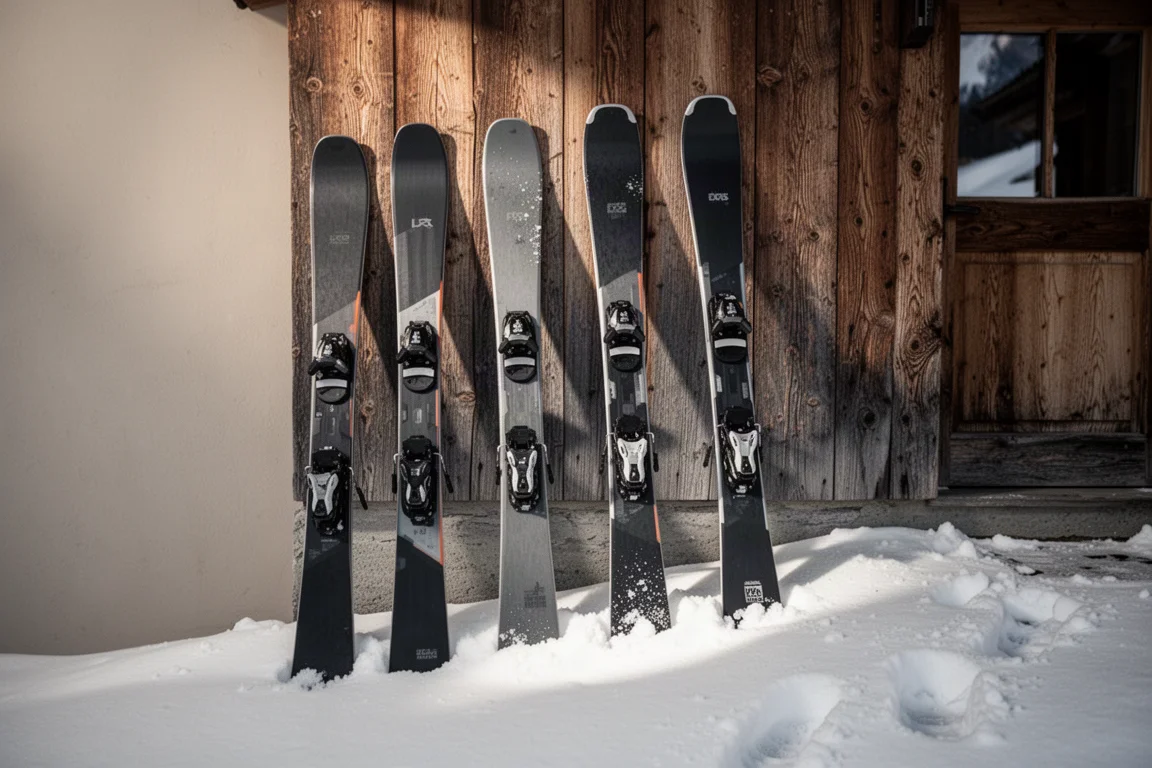
Line Blade Optic Collection Overview: Four Freeride Skis Compared
Line retired the Sick Day series and replaced it with the Blade Optic range. Here is how the 92, 96, 104, and 114 differ in shape, construction, and intent.
Introduction
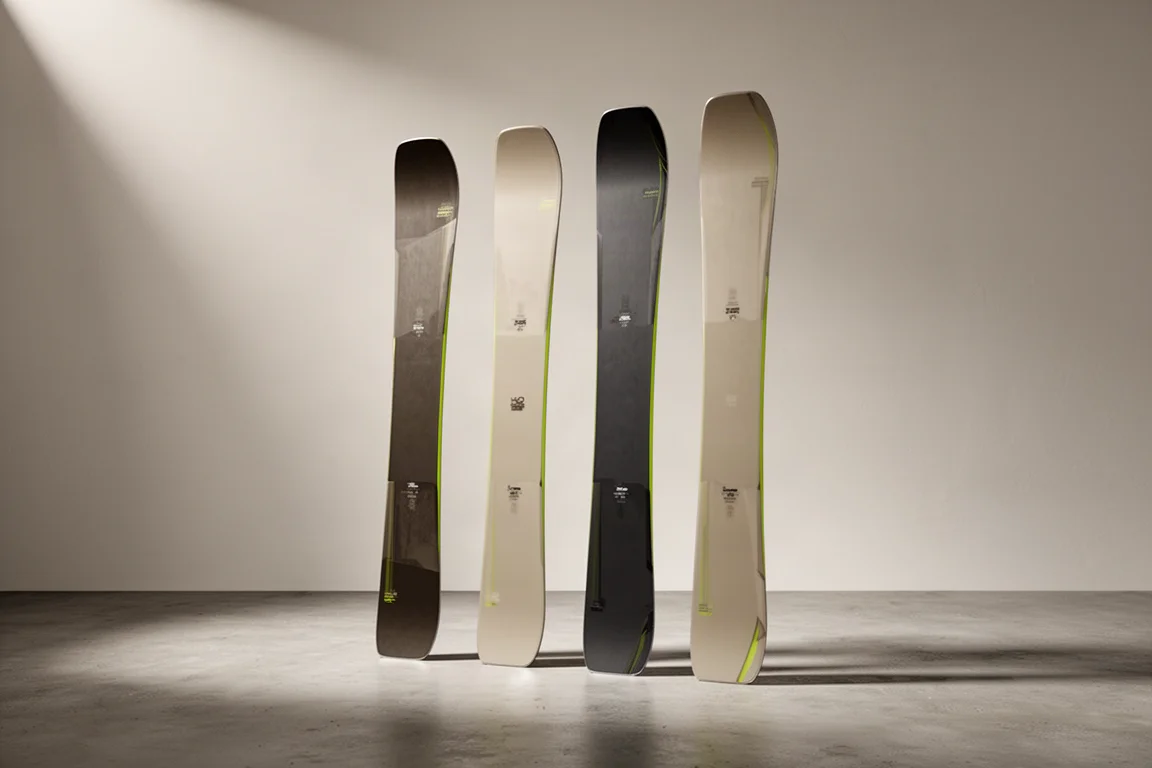
The Blade Optic collection replaces the Sick Day series in Line’s lineup, and the change runs deeper than a new name. The range now starts at 92 mm underfoot and runs to 114 mm, the narrower 88 mm all-mountain option is gone, and metal appears from the 96 upward. Skiers who liked the feel of a Sick Day will find these skis noticeably different rather than simply refreshed.
This overview walks through all four widths, what separates them, and which one tends to suit a given skier.
What the Blade Optic Collection Changes
Two things drive the new range: shape and construction.
The shapes take cues from Line’s Vision collection, but with a straighter cut and less shovel. Vision skis pull a skier into a turn. The Blade Optics are built to run straighter down the fall line and stay composed at speed. They also carry more twin tip influence than the Sick Days, though they are not true twin tips, which leaves some freestyle range in every width.
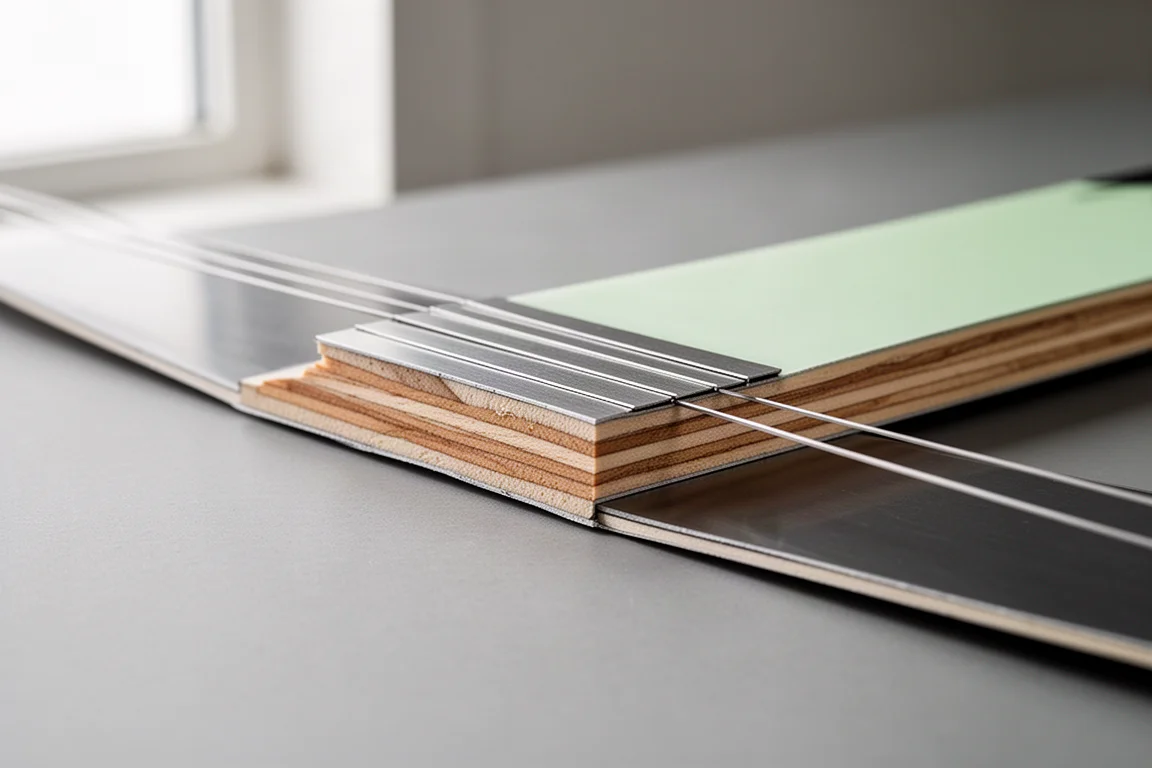
Construction comes from the Blade, which uses a metal layout Line calls Gas Pedal Metal, with a break in the metal underfoot. The Blade Optic skis use Gas Pedal Metal Overdrive. The metal still reaches out toward the edges underfoot, but it runs unbroken from tip to tail. That continuous laminate is what adds longitudinal stability and dampness, and it is the reason these skis track well when pointed downhill instead of arcing a skier into a turn.
Line also went against the direction much of the market has taken. Several brands have built lighter freeride skis with some touring application. Line built heavier, stronger skis aimed at lift-served riding and speed instead.
The result is a collection that feels coherent in profile but very different in character from one end to the other. The 92 and the 114 share a family resemblance in shape, yet they are not interchangeable in any practical sense.
Line Blade Optic 92
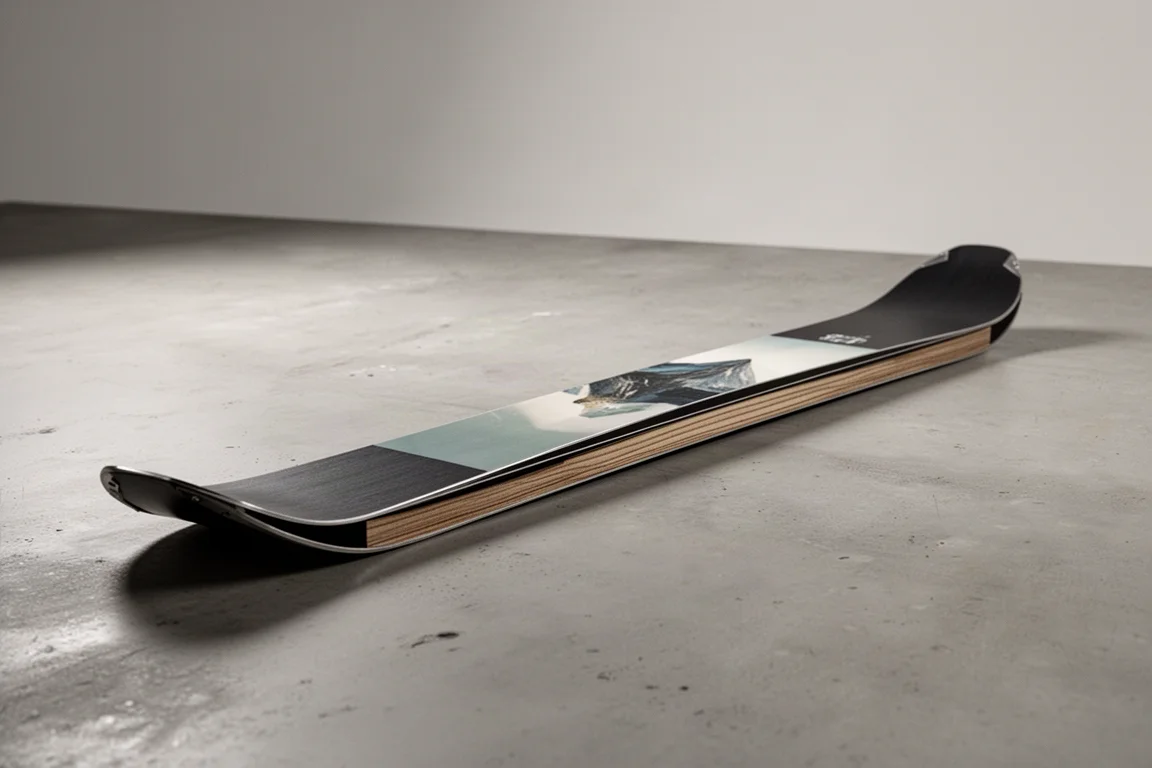
At 92 mm underfoot this is the narrowest ski in the collection and the only one built without metal. The core is an aspen veneer, and the construction uses a cap wall, where the sidewall ends and the cap begins marking where the rocker starts. That gives the ski plenty of energy and a noticeably softer flex than the 96 and above.
On snow, that translates into quickness. It is the easiest of the four to move around in bumps and trees, and it holds an edge underfoot well enough for short, snappy turns. It is also the lightest, at roughly 1,700 g in a 175 cm length, which is light enough that it has been used as a spring touring ski within Line itself. Past this width, the collection stops being a realistic touring option.
It is the most park-friendly ski here as well. The twin tip influence is present without being extreme, so freestyle riding is on the table, and it still works as an all-mountain ski for skiers whose days are built around quick turns rather than top speed.
Line Blade Optic 96
Metal arrives at 96 mm, and with it a clear step up in stiffness. In a 184 cm length the ski comes in around 2,100 to 2,120 g, so it is meaningfully heavier than the 92 and noticeably firmer underfoot.
The payoff is carving stability and dampness. This is the strongest carver of the four, with a good blend of torsional stiffness and edge grip, and it prefers longer side-to-side turns across the fall line rather than rapid short ones. The rocker profile begins where the sidewall ends, the tips stay light, and the tail is round and playful, so it remains manageable in soft snow and in trees.
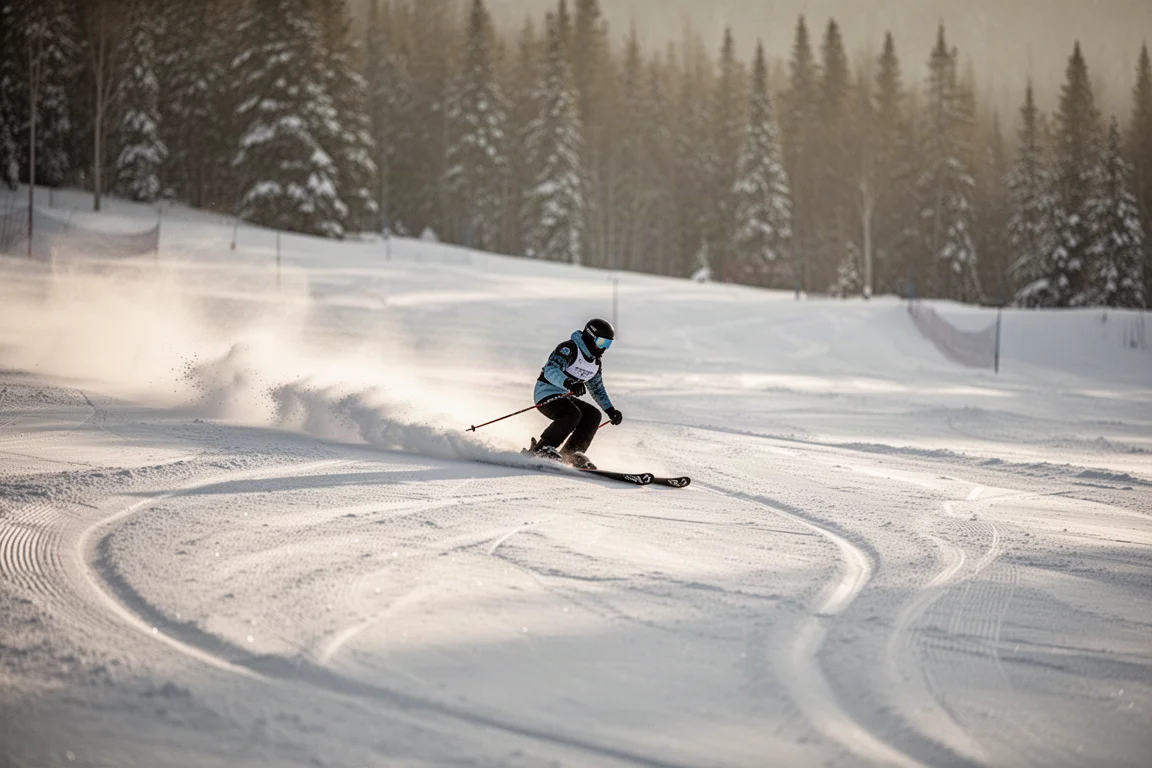
Among the collection it is the most versatile option, and for many skiers it is the sensible middle ground. One caveat is worth stating plainly: this is not a dedicated carving ski. The tapered, rockered tip does not pull a skier into a turn the way a frontside carver does, so anyone whose priority is groomer performance should weigh other categories alongside it.
Line Blade Optic 104
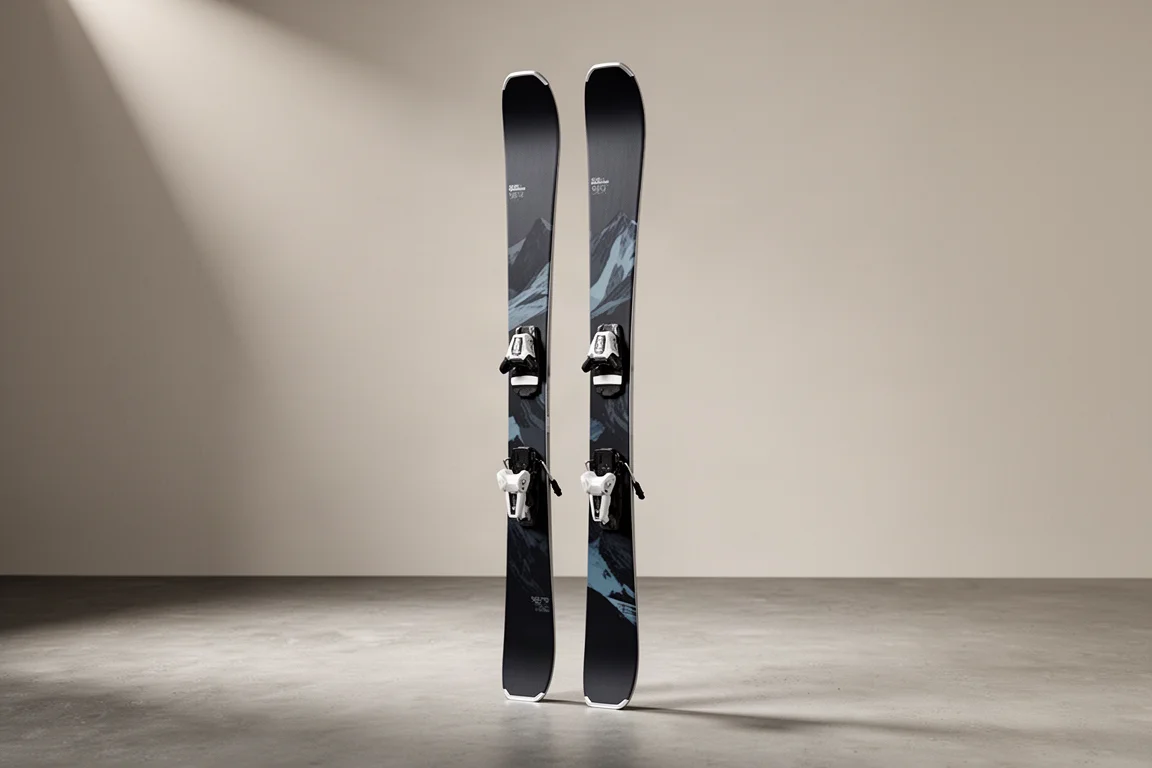
From 104 mm upward the collection shifts toward freeride and big mountain use. In a 178 cm length this one sits at roughly 2,100 g, so despite the wider platform it is not dramatically heavier than the 96.
The interesting part is how it behaves. The metal laminate is substantial, and the ski feels stable and powerful at speed, yet the edge release is unusually easy for something carrying this much metal. It wants to run straight and fast, then break sideways, then straight again, rather than link round carved turns. Skiers who like that modern freeride rhythm, where speed and slashes take the place of arcs, tend to get along with it very well.
Compared with a shape like the Enforcer 104 Free, which makes rounder turns, this ski has a distinctly different feel even though the two sit in a similar shape and weight category.
Line Blade Optic 114
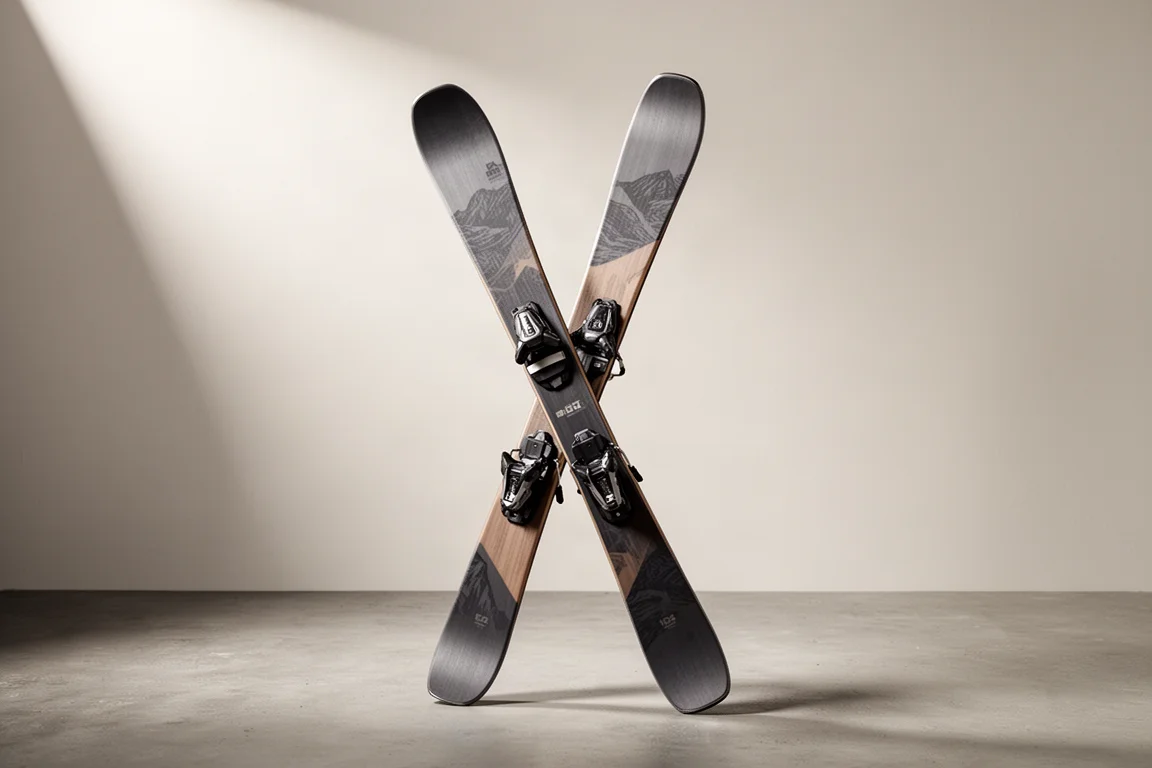
This is the outlier of the group. At 186 cm it weighs about 2,362 g, and it is stiff, powerful, and heavy in a way that makes the intent obvious: big mountain terrain and high speed. The turn radius is 24 meters, and a longer radius makes a ski easier to break free sideways, so it suits a straight-then-sideways approach even more than the 104 does.
There is still a playful side. The rocker profile is generous, so despite the stiffness and the power it can be buttered and slashed, and it is a strong choice for stomping a big 180 into powder. That blend of playfulness, stability, and float is unusual, but it comes with a demand: this is a ski for strong, aggressive skiers, and it gives up some of the 104’s playfulness in exchange for more float and more power.
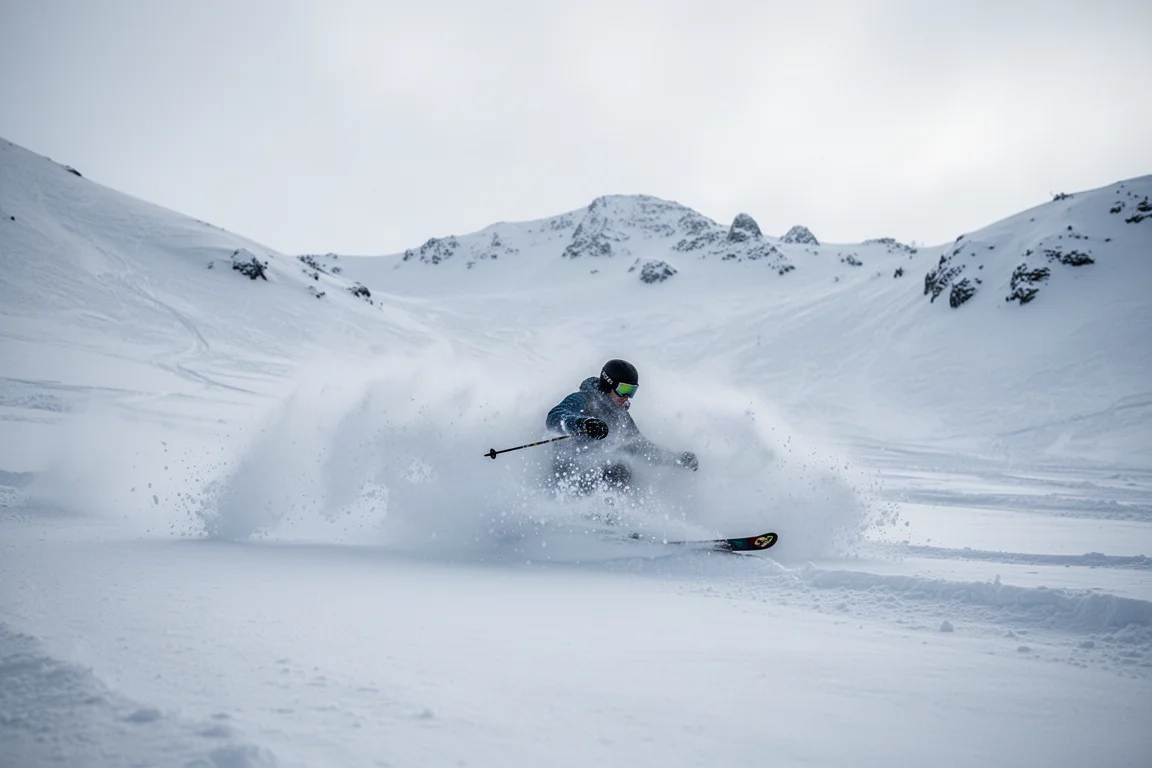
Realistically it is at its best on steeper, larger lines with soft snow, where the stability and float have room to matter. On tighter or firmer terrain it asks more of the skier than the narrower widths in the collection.
Weight, Rocker, and Turn Radius at a Glance
| Model | Waist | Metal | Length and approximate weight |
|---|---|---|---|
| Blade Optic 92 | 92 mm | None | 175 cm, about 1,700 g |
| Blade Optic 96 | 96 mm | Full length | 184 cm, about 2,100 to 2,120 g |
| Blade Optic 104 | 104 mm | Full length | 178 cm, about 2,100 g |
| Blade Optic 114 | 114 mm | Full length | 186 cm, about 2,362 g |
Turn radius grows from the narrowest ski to the widest, and the 114 sits at 24 meters. That progression is one of the clearest signals of how the collection changes character: shorter radii at the narrow end for quicker, tighter turns, and a longer radius at the wide end so the ski breaks free sideways more easily.
The bigger divider, though, is weight. The jump from the 92 to the 114 is substantial, and the two do not feel like variations of the same ski. By contrast, a narrower and wider model in a comparable lineup often feel like siblings. That is not the case here.
How to Choose Your Blade Optic Width
The right width depends almost entirely on where and how you ski.
If your days are built around bumps, trees, and quick turns, with park laps in the mix, the 92 is the natural starting point. It is the lightest, the most energetic, and the only one without metal.
If you want one ski that handles groomers, soft snow, and trees without much compromise, the 96 is the most versatile and the strongest carver of the four. It is the safest pick for a broad range of conditions.
If you spend most of your time in open freeride terrain and like the straight-then-sideways style, the 104 is the fit. It blends stability at speed with easy edge release, and it rewards a skier who lets the ski run rather than forcing round turns.
If you are a strong, aggressive skier chasing big mountain lines and deep snow, the 114 is built for exactly that. It is the heaviest and stiffest option, and it is honest about needing a capable pilot.
Whichever width you land on, be clear about what the collection is not. These are freeride skis with a playful, straight-running character, not carving skis and not lightweight touring skis. Buying one because it matches your terrain and style will serve you far better than buying it because it sits in the middle of the range.
Conclusion
The Blade Optic collection is a deliberate departure from the Sick Day series. Straighter shapes, more twin tip influence, and full-length metal from the 96 upward give these skis a stable, damp, straight-running feel that suits lift-served freeride skiing.
The 92 stands apart as the light, metal-free, quick option. The 96 is the versatile all-rounder and the best carver of the group. The 104 is the modern freeride shape, stable yet easy to break loose. The 114 is a big mountain tool for strong skiers who want float, power, and a surprising amount of playfulness in deep snow.
Match the width to your terrain and your style, and the collection makes a lot of sense.
Further reading
Related Reviews

Ski Gear
2023 Blizzard Hustle vs Rustler: Six Freeride Skis Compared
Blizzard's 2023 Hustle collection rebuilds the Rustler shape with a lighter core and no metal. Here is how all six skis differ, and which one suits your riding.

Ski Gear
2023 Skis of the Year: Atomic Maverick 88 TI, Salomon QST 106, and Look SPX 12 Pro
Three standout ski picks for all-mountain carving, powder days, and reliable binding performance, with practical buying notes for 2023 models.

Ski Gear
2025 Nordica Enforcer 104 Review: A Directional Charger Replaces the 104 Free
The 2025 Nordica Enforcer 104 drops the Free name and the twin-tip personality, gaining weight, stiffness and composure in rough snow. Here is what changed and who it suits.