Skiing
Line Blade Optic 114 Review: A Burly Freeride Ski Built for Speed
A close look at the Line Blade Optic 114, a 114 mm expert freeride ski with a 24 meter turn radius, a 2,364 gram weight, and metal running nearly tip to tail.
Introduction
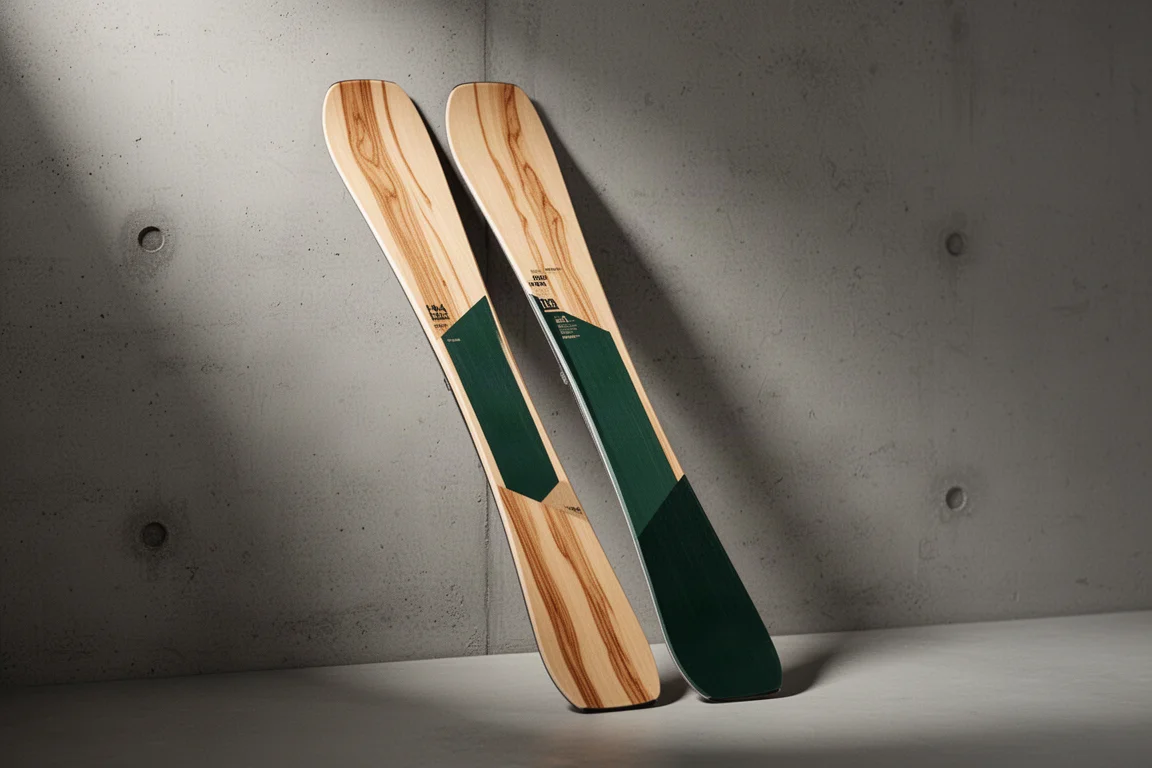
The Line Blade Optic 114 is a new model that fills the space the brand’s wider freeride skis previously left open. With a 114 mm waist, a long turn radius, and metal laminate running nearly tip to tail, it sits apart from the rest of the Blade Optic family. The 92, 96, and 104 are closer relatives to one another, while the 114 departs in shaping, profile, and weight.
That combination points to a burly, rugged ski with a clear purpose. It is not a shape aimed at every skier, and it is not trying to be. The Blade Optic 114 is built for confident riders who want stability and dampness at speed in soft snow.
Who This Product Is For
This is an expert ski, and the honest framing is that you should know what you are doing before you get on it. The wide platform, the long straight turn radius, and the 2,364 gram weight in the 186 cm length all push in the same direction: a skier who likes to go fast and straight, and who values composure over quick, effortless maneuverability. Anyone moving up from a narrower all-mountain ski will find it a lot of ski to manage, while riders already comfortable on wide freeride shapes will feel at home quickly.

Within the Line range, the Vision 118 is the lighter, more freeride-oriented option. The Blade Optic 114 takes a more directional and more aggressive approach, and that distinction matters if you are weighing the two against each other.
Main Strengths
Much of the character comes from the construction. An aspen veneer wood core runs tip to tail with clean stringers, paired with a Gas Pedal Metal Overdrive laminate. That metal layout uses branches extending from a central spine out toward the edges, which lets the ski tune its torsional stiffness. Tip it on edge and the metal helps you pick it up and hold it there, which matters a great deal on a ski this wide.
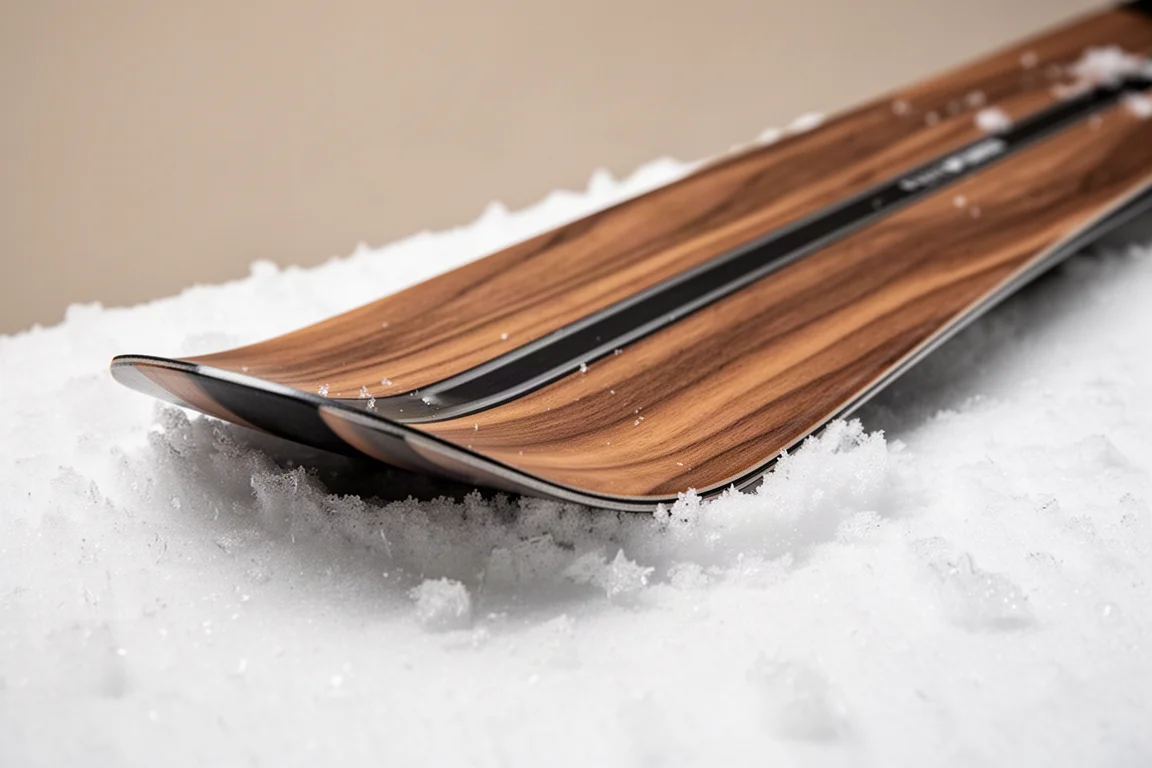
The metal spread is generous. The central spine starts higher and wider than on a standard Blade, and the branches reach close to full width underfoot before tapering back toward the spine at the tail. There is no metal at the very front or rear edges, which leaves a little playfulness and a slightly smearier feel in the mix. A cap wall build supports the package: a sidewall runs underfoot and tapers into cap construction in the tip and tail, and the green sidewall is visible where the cap sections begin.
The profile adds a long rocker with good splay and a smooth, gradual taper, which gives the ski strong flotation in soft snow. Because of the metal, it tends to push through the snow rather than sit only on top of it. At 24 meters, the turn radius in the 186 cm length is long and straight, and the flex is firm with a rebound you can feel at the end of a turn. This is a ski that likes to run.
Things To Consider Before Buying
Weight is the first thing to plan around. At 2,364 grams, this is one of the heavier skis in its class, and that mass is exactly what produces the stability and dampness that make it so composed in a straight line at speed. It also means more effort in tight trees, in moguls, and on long traverses, so it rewards riders whose terrain matches its strengths.
The shape asks for a specific style as well. The long radius and stiff flex favor aggressive, directional skiing rather than a light, finesse-driven approach. The tail keeps freeride-oriented splay plus metal reinforcement for strength and stability, but it is not a loose, pivoty tail. Plan on skiing it with commitment, and plan on carrying a ski that will not feel light on the way to the lift.
Buying Advice
If your days are mostly soft snow, open terrain, and higher speeds, the Blade Optic 114 makes a strong case for itself. Once it is in its element it is extremely smooth and stable, and there is very little else out there with this straight cut and metal laminate combination. It is genuinely fun at speed and in soft snow, which is the whole point of a ski like this.
If you split your time between groomers, bumps, and tighter terrain, or if you are stepping up from a narrower ski, the rest of the Blade Optic range or the lighter Vision 118 will likely suit you better. Match the ski to the terrain you actually ski most often, and be honest about whether you want a demanding directional freeride ski or something more versatile.
Conclusion
The Line Blade Optic 114 is a purpose-built expert freeride ski. Its aspen veneer core, nearly full-width metal laminate, long rocker, and 24 meter turn radius add up to a heavy, damp, and stable platform that comes alive at speed in soft snow. Skiers who fit that profile will find it extremely rewarding. Skiers who want light and playful will want to look elsewhere in the range.
Product link
View more details for Line Blade Optic 114
This product is mentioned in the review. Check the specifications, options, and compatibility before buying.
View more details for Line Blade Optic 114Further reading
Related Reviews
Skiing
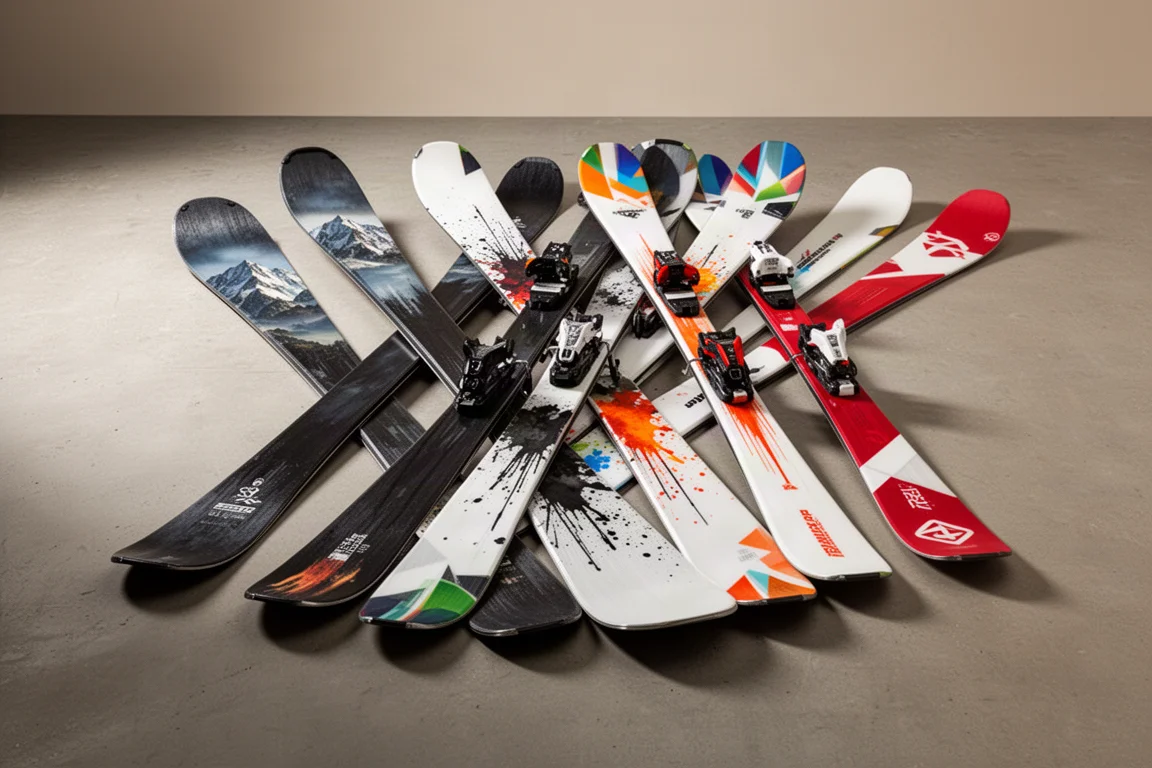
2027 Ski Top Sheets: The Best-Looking Skis of the New Season
A fun, opinionated look at the 2027 ski lineup and the top sheets that stand out most, from the Nordica Enforcer 104 to the Rossignol Sender series.
Skiing
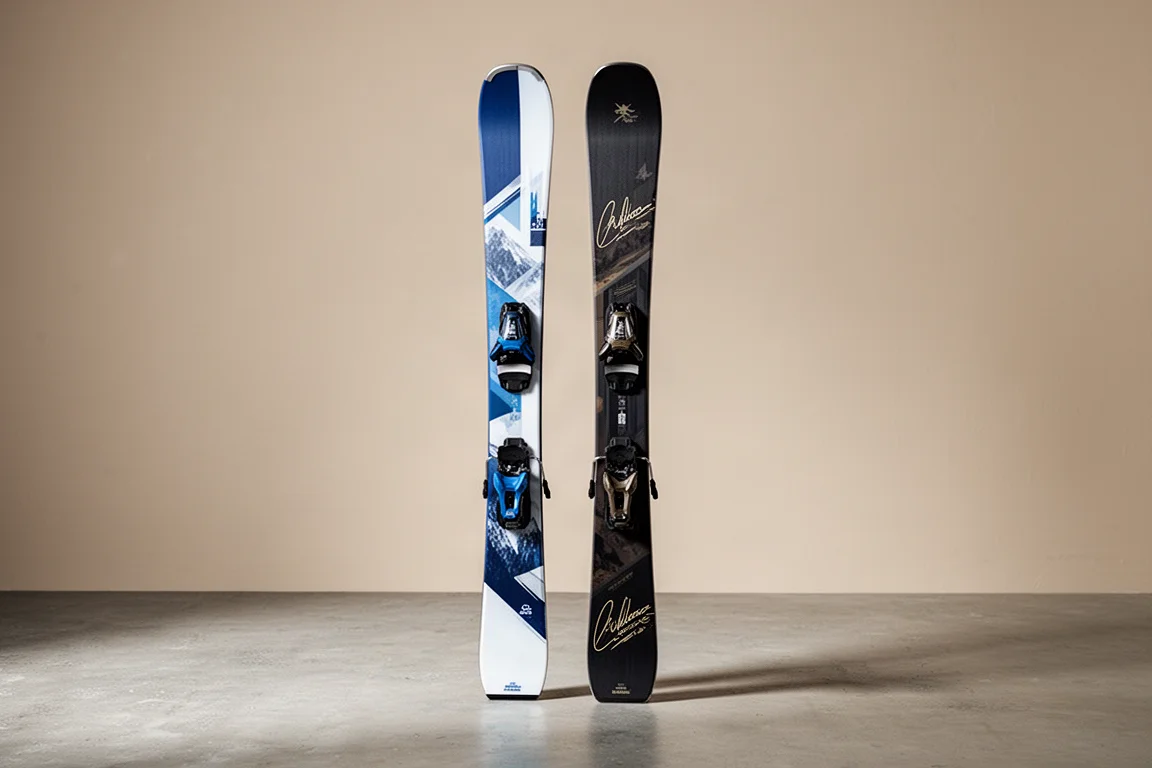
Armada Declivity 92 vs Peak 88: Two All-Mountain Skis, Two Very Different Characters
A staff-favorite carving machine and an approachable Bode Miller signature ski, compared for different levels of skier.
Skiing
Atomic 100mm Ski Line Compared: Maverick 100 TI, Bent 100, and Backland 100
Atomic's three 100mm skis share a similar outline, so the real choice comes down to construction, weight, and terrain. Here is how the Maverick 100 TI, Bent 100, and Backland 100 differ.