Mountain Bike Components
Lightweight XC Hardtail Build: 8 Weight-Saving Upgrades Worth Considering
A carbon cross-country hardtail build that dropped from 9.29 kg to 8.02 kg, with the real savings behind each upgrade and the grip and comfort trade-offs to know about.
Introduction
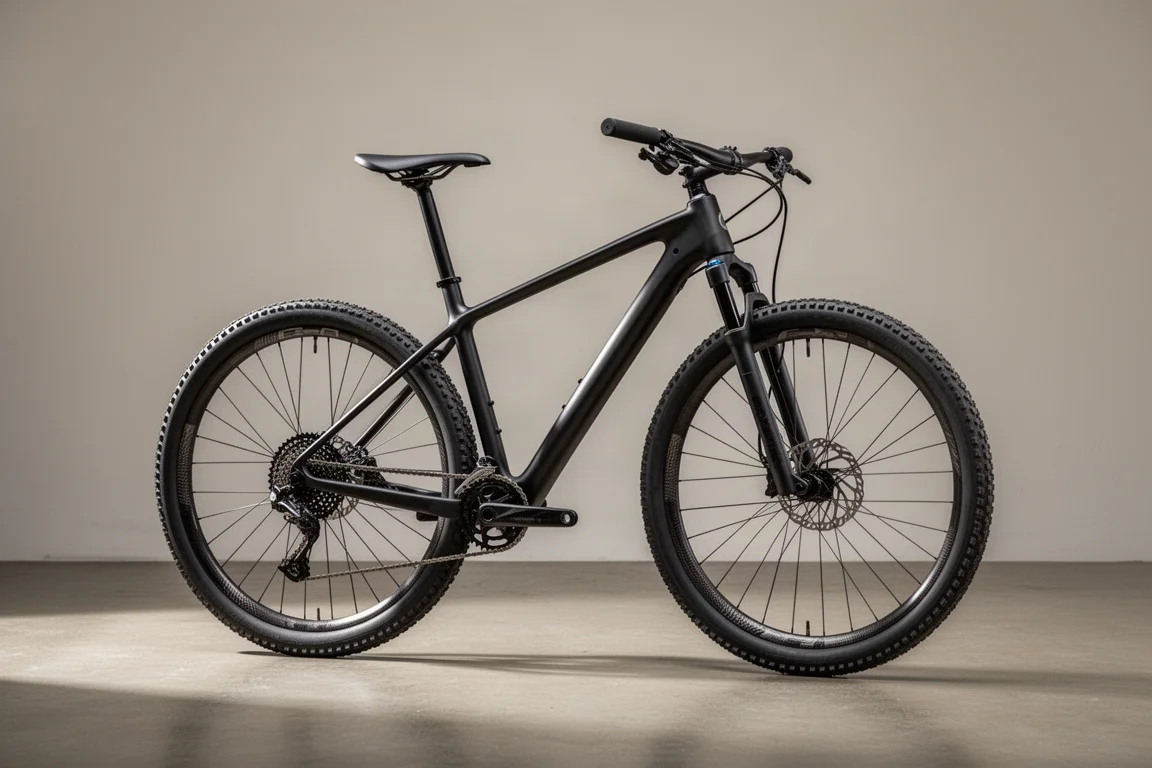
Cross-country hardtails respond to weight loss more dramatically than almost any other bike, because there is no rear suspension to mask the difference. This build began with a carbon cross-country race hardtail that arrived with a SRAM X01 drivetrain and carbon finishing kit at 9.29 kg without pedals. The target was to get under 8 kg, and after a full round of component changes the finished bike weighed 8.02 kg, roughly 1.27 kg lighter and only 20 g above the goal.
The interesting part is not the final number. It is which swaps delivered the biggest savings, which ones changed how the bike rides, and where the compromises show up out on the trail. This guide covers each upgrade in turn.
BMC TwoStroke 01 Two: The 9.29 kg Starting Point
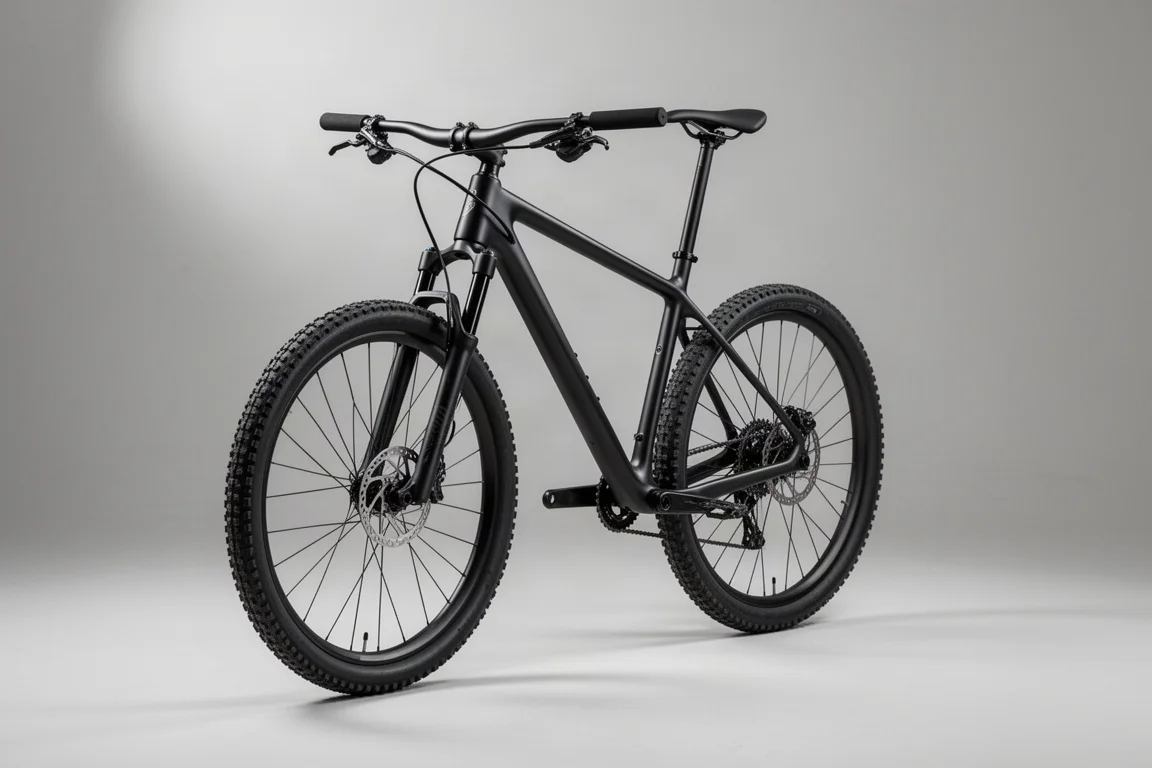
The BMC TwoStroke 01 Two is a carbon cross-country hardtail with a genuinely race-ready spec sheet. The stock build pairs a SRAM X01 drivetrain with carbon components in the handlebar, seatpost and crankset, and it tipped the scales at 9.29 kg without pedals.
Out on the trail, the character of the platform is speed. Acceleration is immediate, turn-in is sharp, and the bike flicks from one corner to the next without any sense of mass holding it back. A slightly slack head angle for a race hardtail keeps it settled enough to push hard on descents.
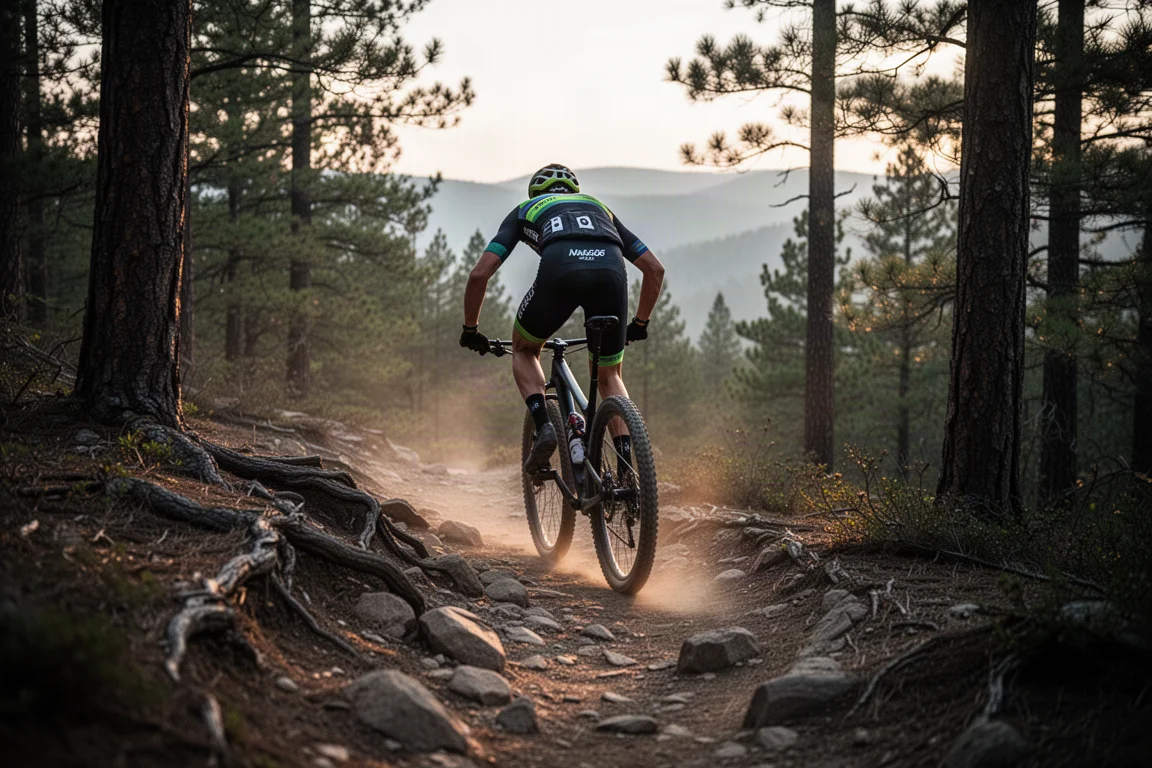
The one clear limitation is grip. With narrow 2.2 in tires, the bike felt skittery and loose on wet, rooty terrain, and plenty of cross-country riders now run 2.4 in rubber instead. If you ride in damp conditions, trading a little weight for a grippier front tire is a reasonable call.
Hunt Carbon Spoke Wheels: A Sub 1.3 kg Benchmark
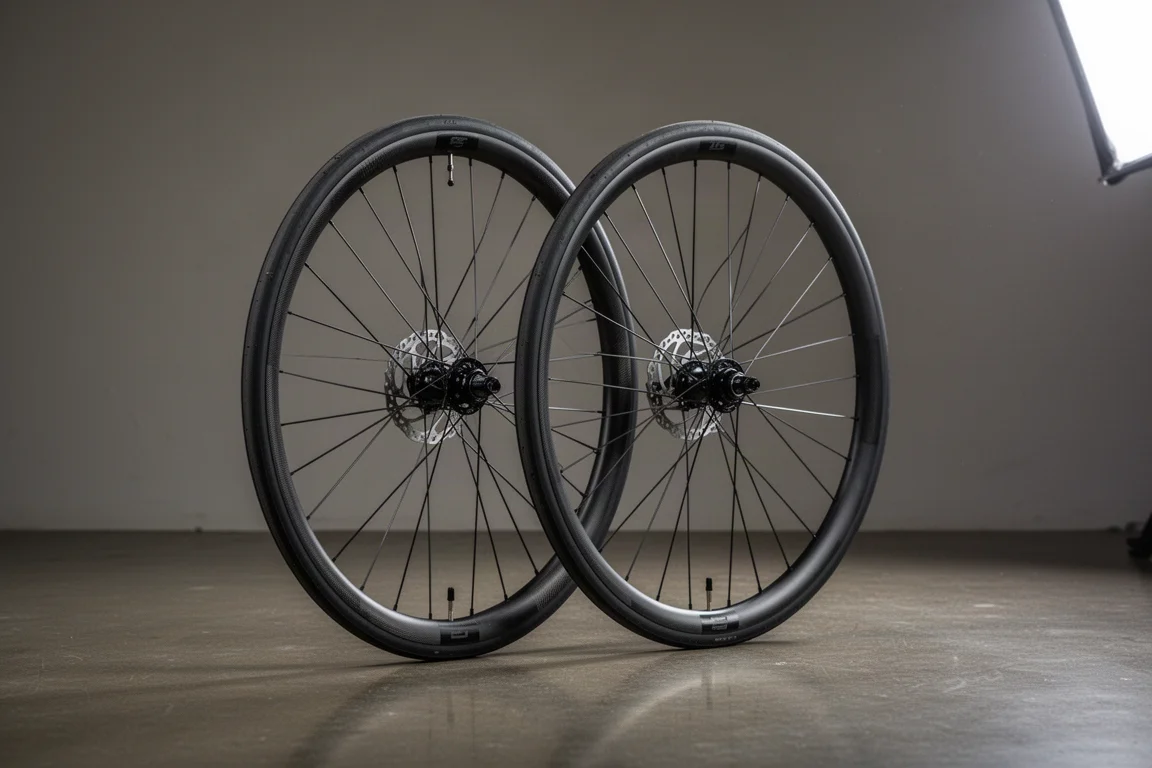
An earlier round of upgrades fitted this bike with a carbon spoke wheel set weighing under 1.3 kg, and that set became the reference point for everything that followed. For most riders, wheels in this weight class are already a significant advantage: lower rotating mass sharpens acceleration, makes climbing feel easier and helps a hardtail change direction quickly.
Carbon spoke wheels are also a specialised corner of the market. The weight saving is real, but the choice of brands is narrow and the cost per gram is high. If the goal is a genuinely fast cross-country bike rather than the lowest possible number on a scale, a wheel set in this range is a sensible place to stop.
Pyro Carbon Spoke Wheels: 951 g and the Biggest Single Saving
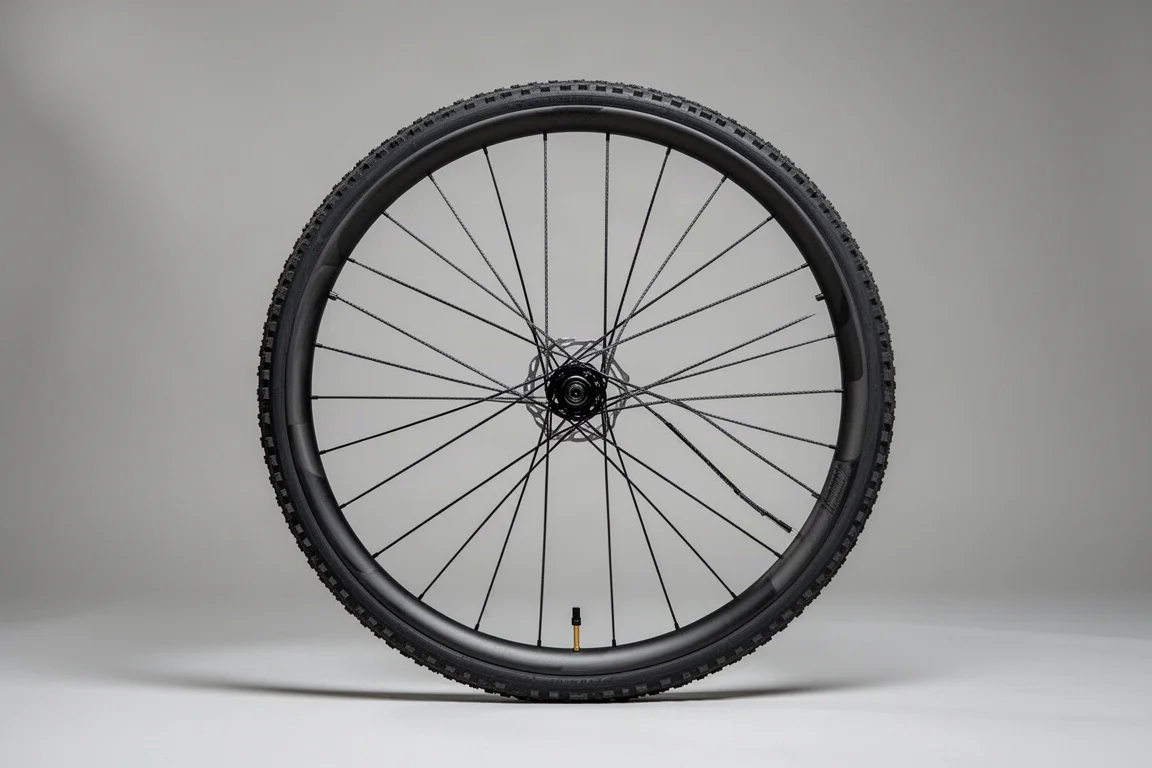
Going lighter still meant a wheel set that claims just 951 g. For context, that is lighter than an all-carbon hill-climb wheel set used on a road bike build, which is an unusual place for a mountain bike wheel to sit.
Despite the low mass, these wheels are built for cross-country racing rather than display. They use 28 mm internal width J-bend tubeless carbon rims, lightweight hubs and textile braided spokes. Braided textile spokes are claimed to be lighter, stronger and more compliant than round metal spokes, and the wheel set is described as strong enough for a cross-country race bike.
The numbers add up quickly. Moving to these wheels saved roughly 600 g compared with the already light set they replaced, and close to a kilogram compared with the wheels the bike came with.
Specialized S-Works Fast Trak Tires: Fast But Skittery
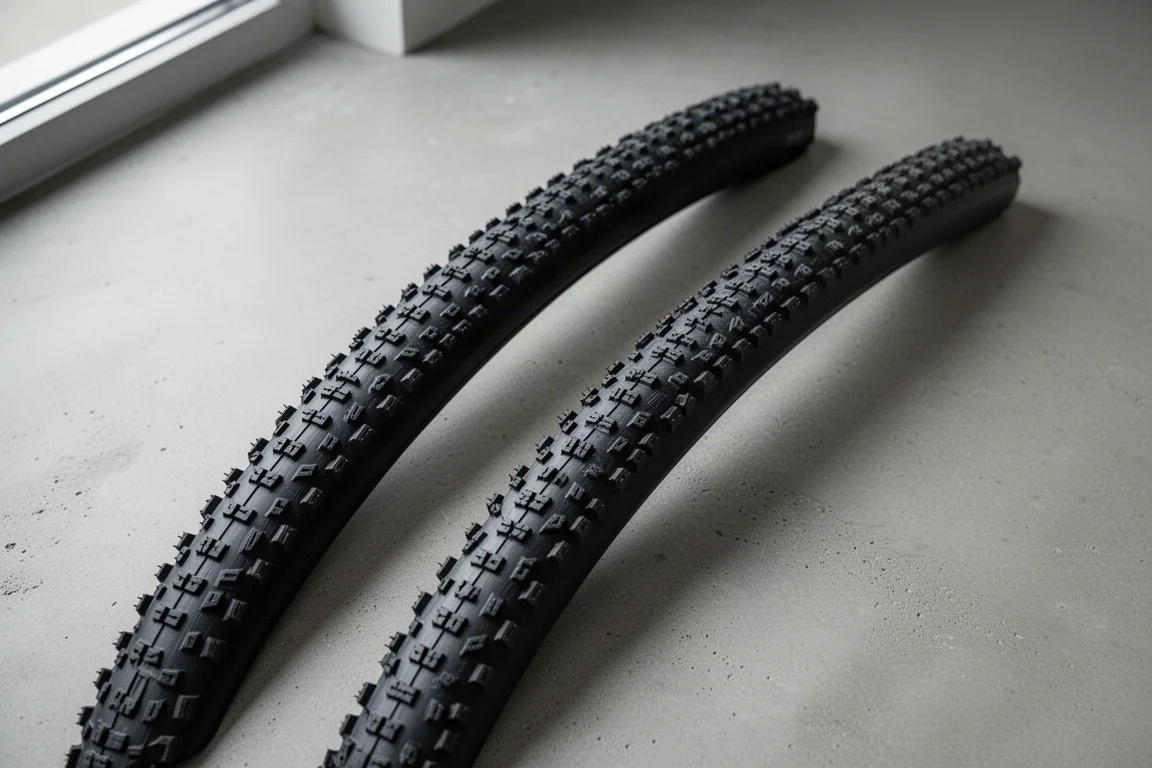
Wrapping those rims are 2.2 in wide Specialized S-Works Fast Trak tires, chosen to keep weight low without giving up too much grip. At 572 g each they saved nearly 200 g over the Vittoria Barzo tires they replaced.
On fast, dry trails the combination works. The bike climbs effortlessly and builds speed quickly, and the low rotating weight is obvious every time you put power down. In wet conditions the picture changes. The tires scramble for traction on roots and rocks, and the bike feels loose and skittery underneath you.
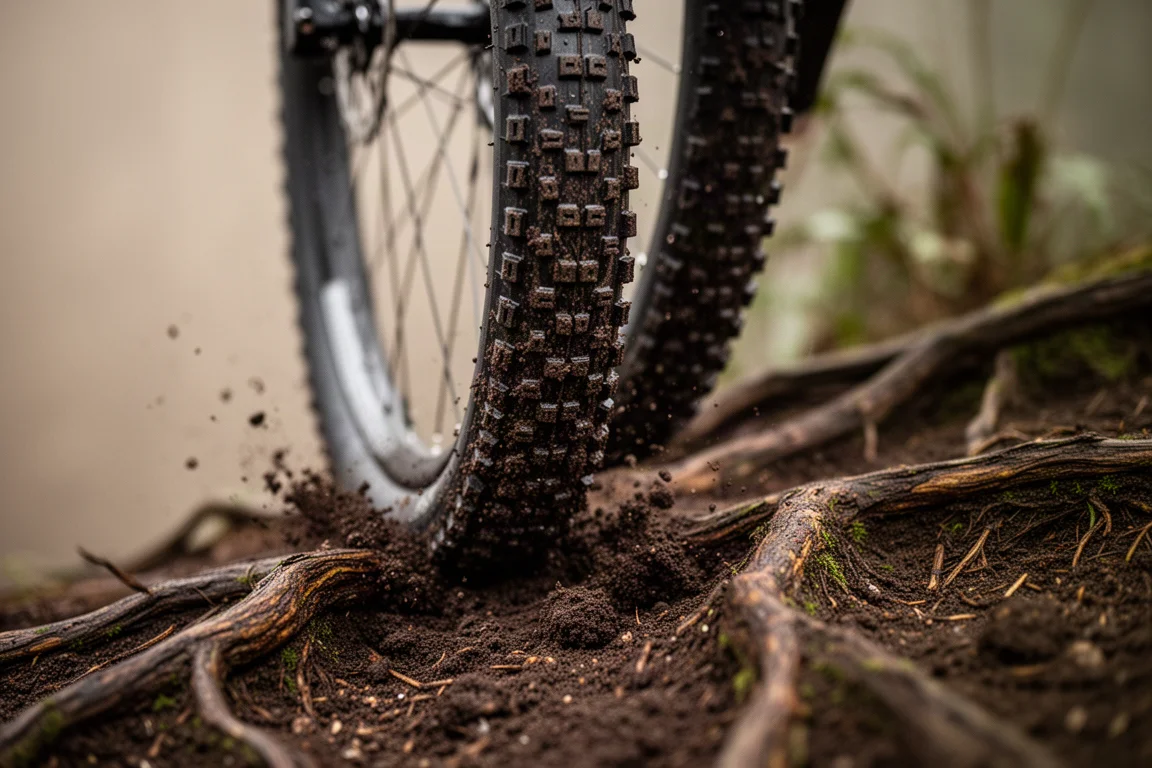
That is the trade-off to understand before buying. A 2.2 in race tire is a performance choice aimed at dry, hardpack courses. Riders who spend more time in the wet would likely be faster, and more confident, on a wider and more aggressive tread, even if it costs a few hundred grams.
Schmolke T Range Cockpit: Bar, Stem, Post and Saddle
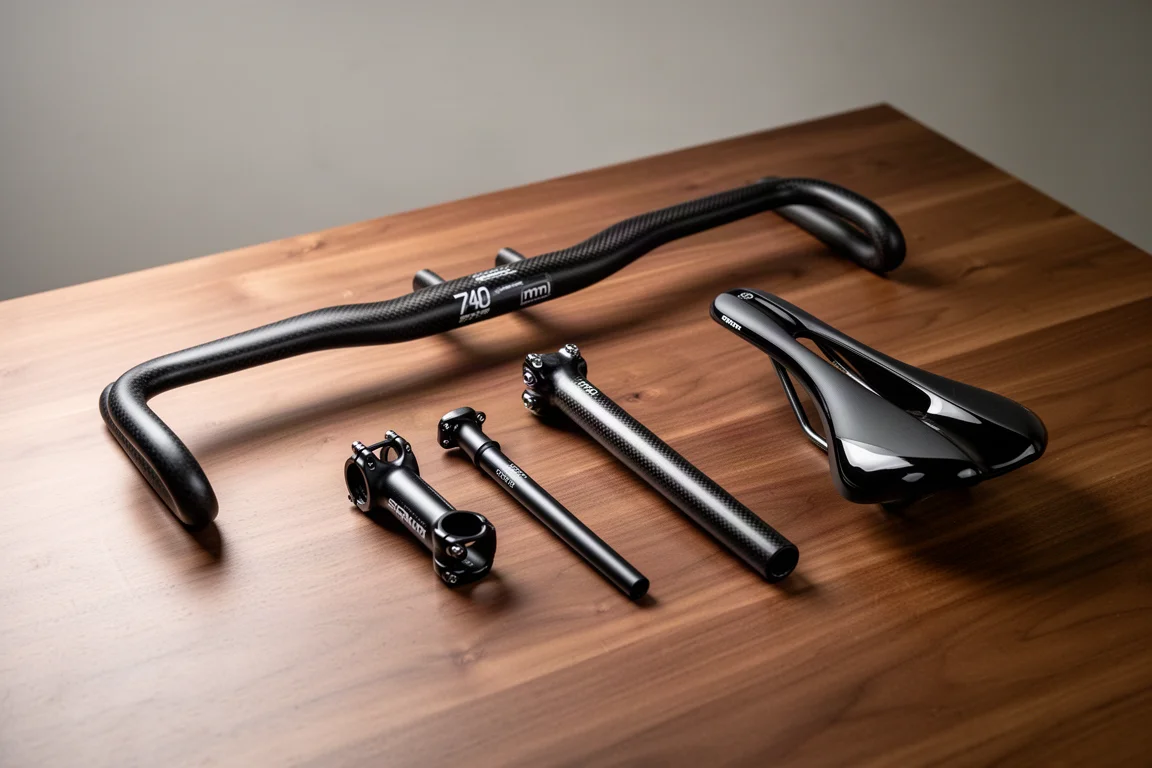
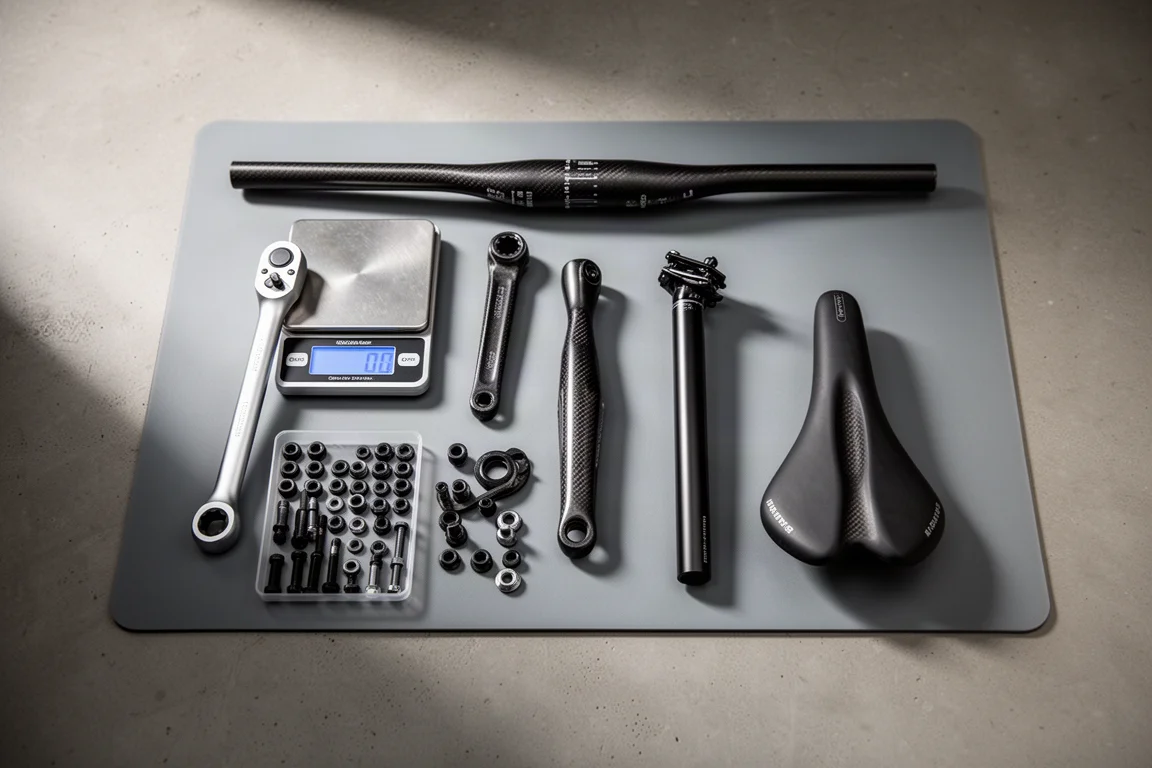
The German brand Schmolke builds its reputation on obsessive weight reduction, and the T range covers the whole cockpit: handlebar, stem, seatpost and saddle. The numbers are striking. The 740 mm handlebar weighs 99 g, the extra light alloy stem 65 g, the seatpost 114 g and the saddle just 88 g.
That saddle is bare carbon with zero padding, so it is best treated as a race component rather than a comfort item. Compared with the stock BMC finishing kit, the full cockpit swap saved 347 g.
On the trail, the cockpit held up well and the handlebar felt secure under load. The flex coming from the saddle and seatpost was noticeable, which is the expected cost of components this light. Riders who value all-day comfort should weigh that against the grams saved.
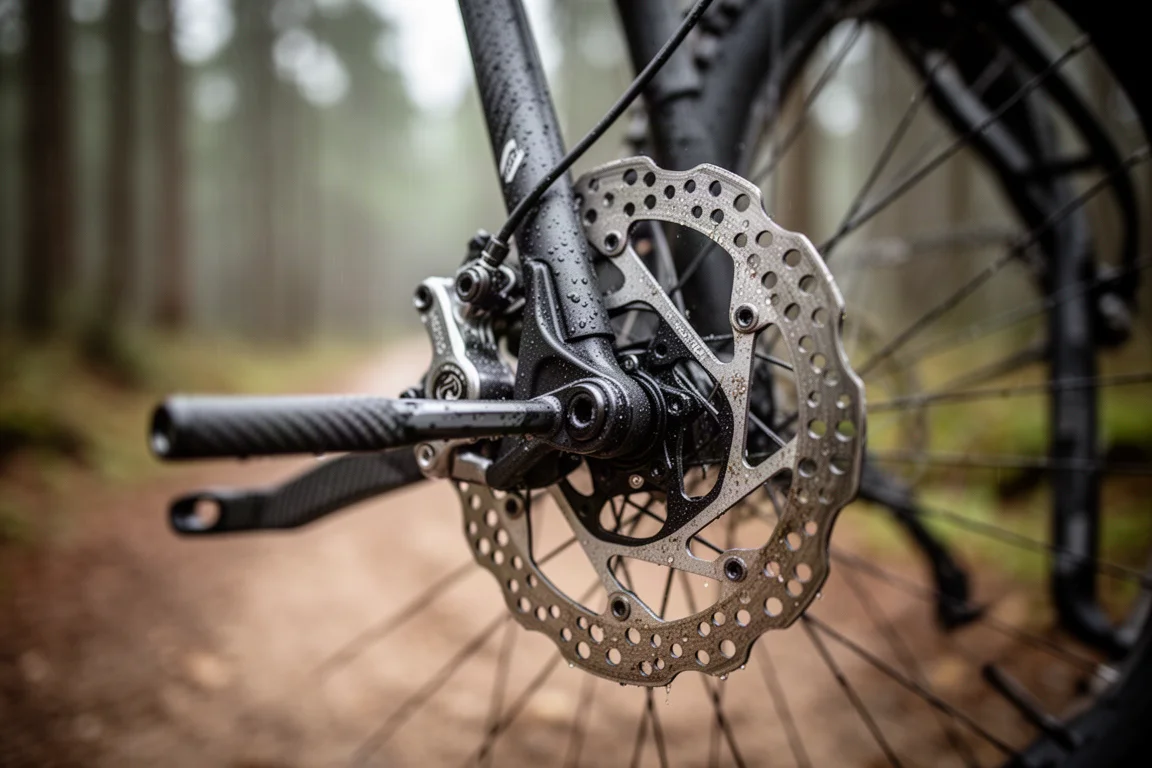
Hope XCR Brakes: Exotic Stopping Power
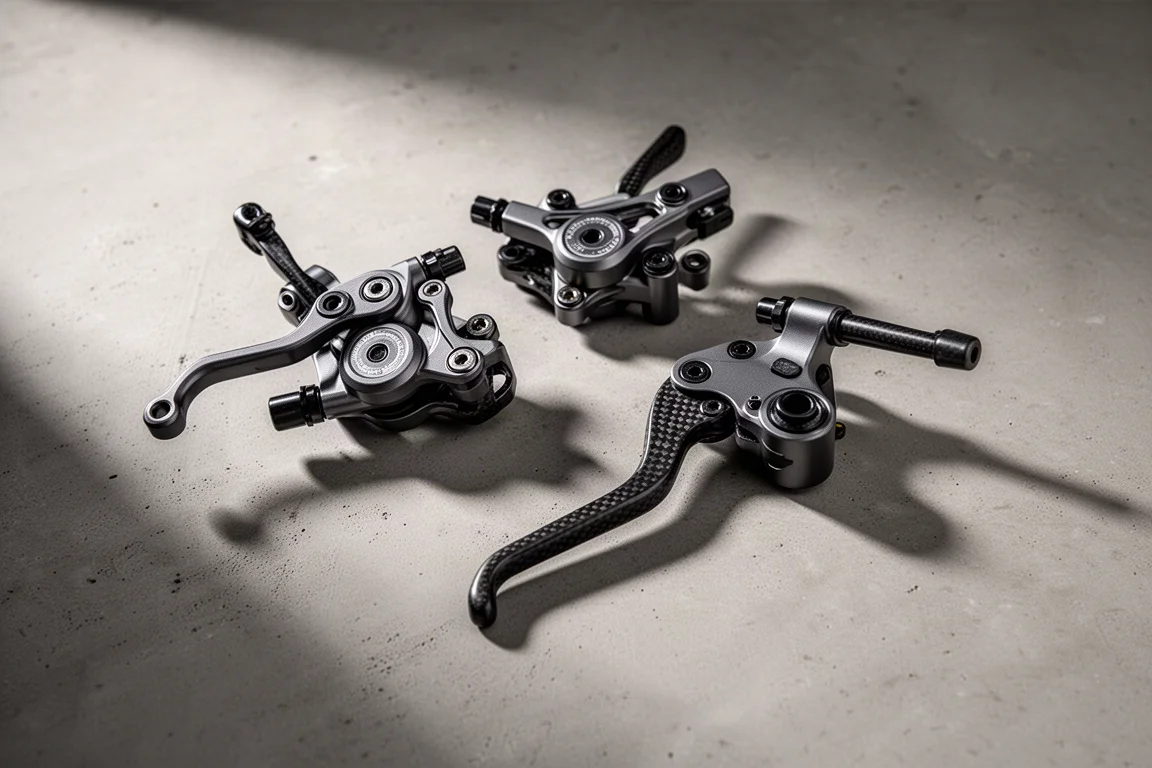
Brakes are not usually the first place to look for weight savings, but the Hope XCR is an unusual design. The lever blades are carbon, the lever bodies are very small, and a pair weighs around 400 g, which is less than the SRAM Level TLM brakes they replaced.
They are not only lighter. The calipers use larger 22 mm pistons, which should translate into more braking power. On the trail they performed faultlessly, with consistent feel and no drama on steep, loose descents.
For riders building a light race bike, this is the rare upgrade that reduces weight and improves performance at the same time. The saving is smaller than a wheel or cockpit change, so it makes most sense once the bigger wins are already in place.
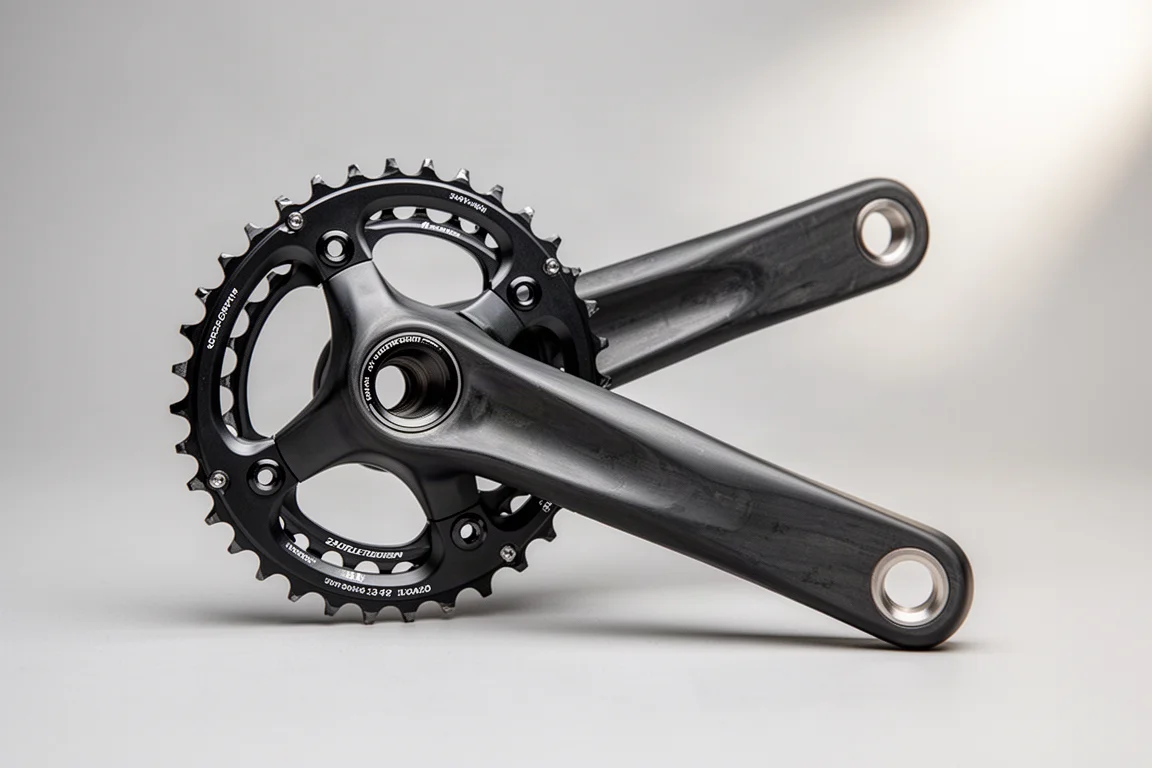
Race Face Next SL G5 Cranks: A Carbon Swap Worth 100 g
Swapping one carbon crankset for another looks like a pointless exercise until you look at the numbers. The Race Face Next SL G5 arms, paired with a 34 T oval chainring, cut more than 100 g compared with the SRAM X01 carbon cranks they replaced.
That is a smaller saving than the wheels or the cockpit, but on a build where every gram counts it is a meaningful one. It is the kind of change that only makes sense once the bigger wins are already in place, and the oval ring gives the crankset a clear cross-country purpose.
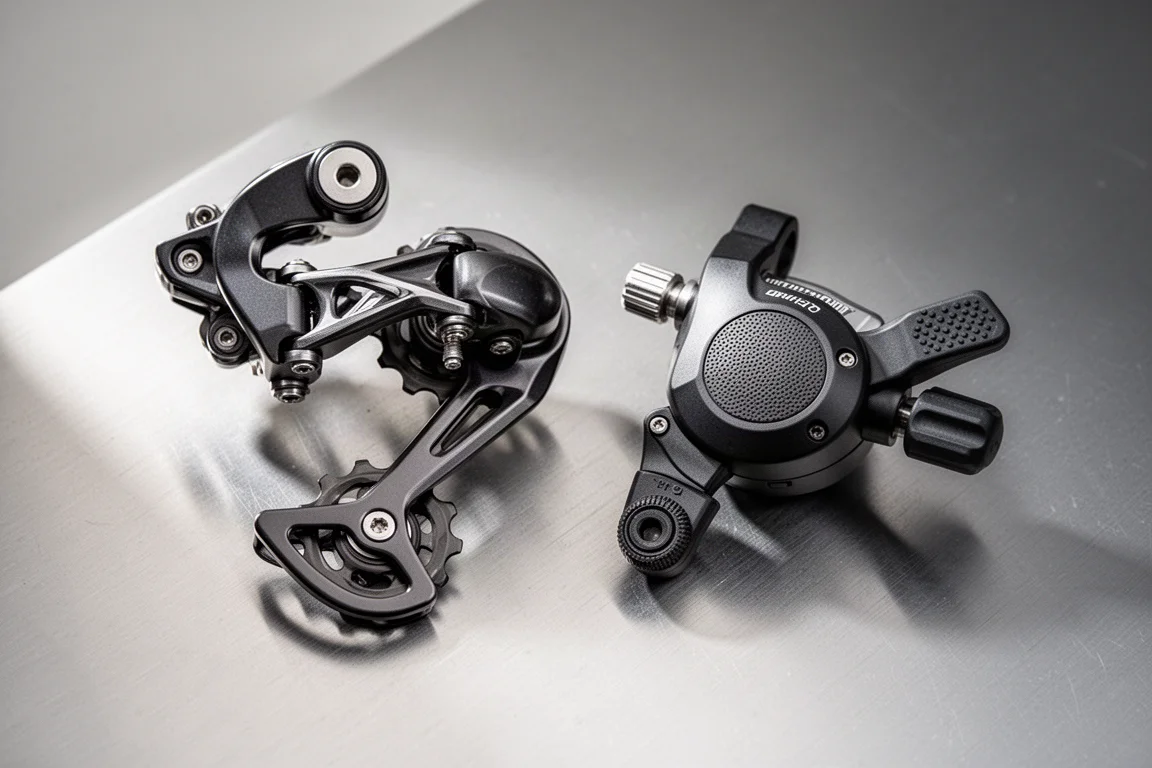
Shimano XTR: Mechanical Drivetrain Weight Savings
Wireless drivetrains are often assumed to be the lighter option, but mechanical systems can still come out ahead on weight. The SRAM X01 rear derailleur and GX shifter worked without fault, and they were swapped for Shimano XTR purely to shave a few grams.
The lightweight cassette carried over from the earlier round of upgrades stays in place, so the drivetrain mixes brands. That combination performed perfectly on the trail, with clean, reliable shifting under load on technical climbs.
Overall Buying Advice
If you are planning a similar build, the order of priorities is fairly clear. Wheels and tires deliver the largest savings and the most noticeable change in how the bike rides, which makes them the best starting point. The cockpit is the next biggest win, and it is also where the comfort compromises begin to appear.
Brakes and cranks offer smaller savings, but both improve function as well as weight, so they are easier to justify once the headline changes are done. The final weigh-in of 8.02 kg landed 20 g short of the sub 8 kg target, and the remaining opportunities were the stock lock-on grips and the stock RockShox SID SL Select fork. Lighter grips and a lighter fork would have closed the gap, but both change how the bike feels in ways that matter more than the number on the scale.
It is also worth being honest about what a build like this gives up. Very light tires reduce grip in the wet, an unpadded carbon saddle is a race component rather than a comfortable one, and boutique parts are a specialist purchase. Choose the upgrades that match your terrain and your tolerance for compromise, and the result will feel fast without feeling fragile.
Conclusion
A carbon cross-country hardtail that starts at 9.29 kg and finishes at 8.02 kg is a genuinely quick machine, and the ride confirms it. Acceleration is remarkable, handling is immediate, and the bike feels eager everywhere on a flowing cross-country loop.
The main weakness is grip, and that comes down to the narrow, lightweight tires rather than the frame. For riders who race on dry, hardpack courses and want the lightest possible hardtail, this component list is a proven route. For everyone else, the sensible move is to take the biggest wins in wheels, tires and cockpit, then keep enough tire grip and saddle comfort to enjoy the ride.
Further reading
Related Reviews
Mountain Bike Components
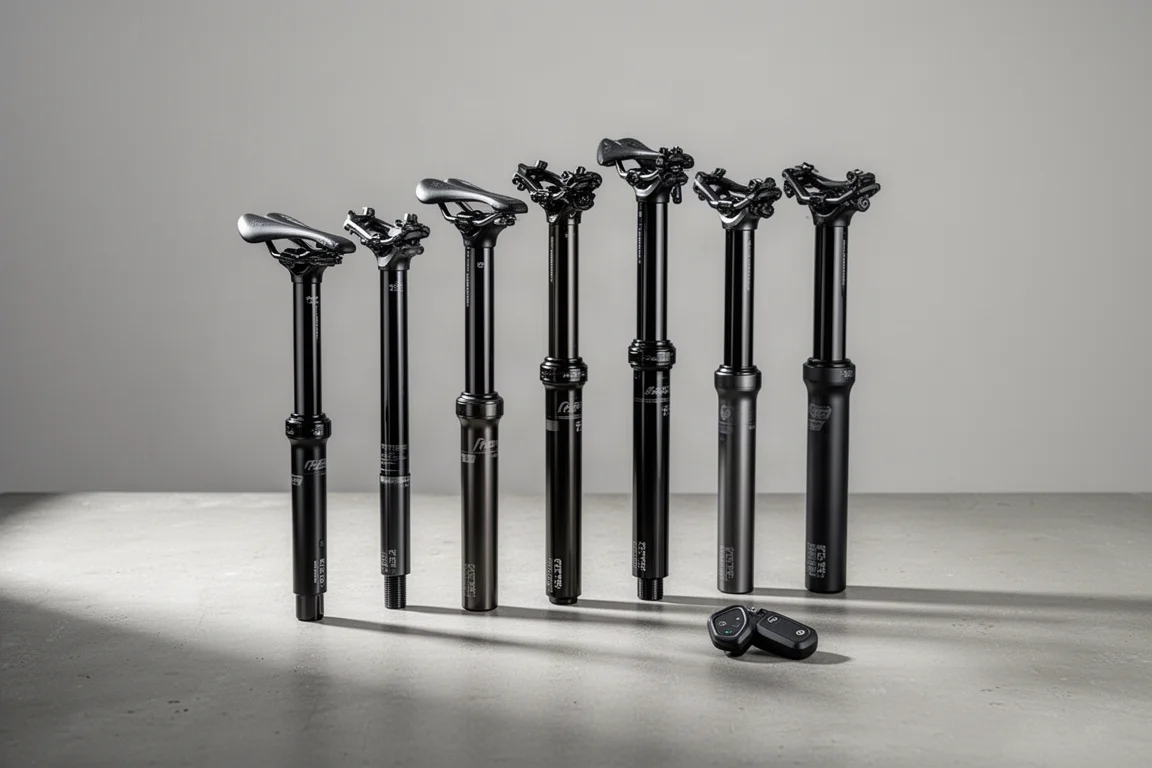
Best Dropper Posts: Nine Options for Every Budget and Riding Style
A practical roundup of cable and wireless dropper posts, from the value-focused OneUp V3 to the wireless RockShox Reverb AXS, with the details that matter before you buy.
Mountain Bike Components
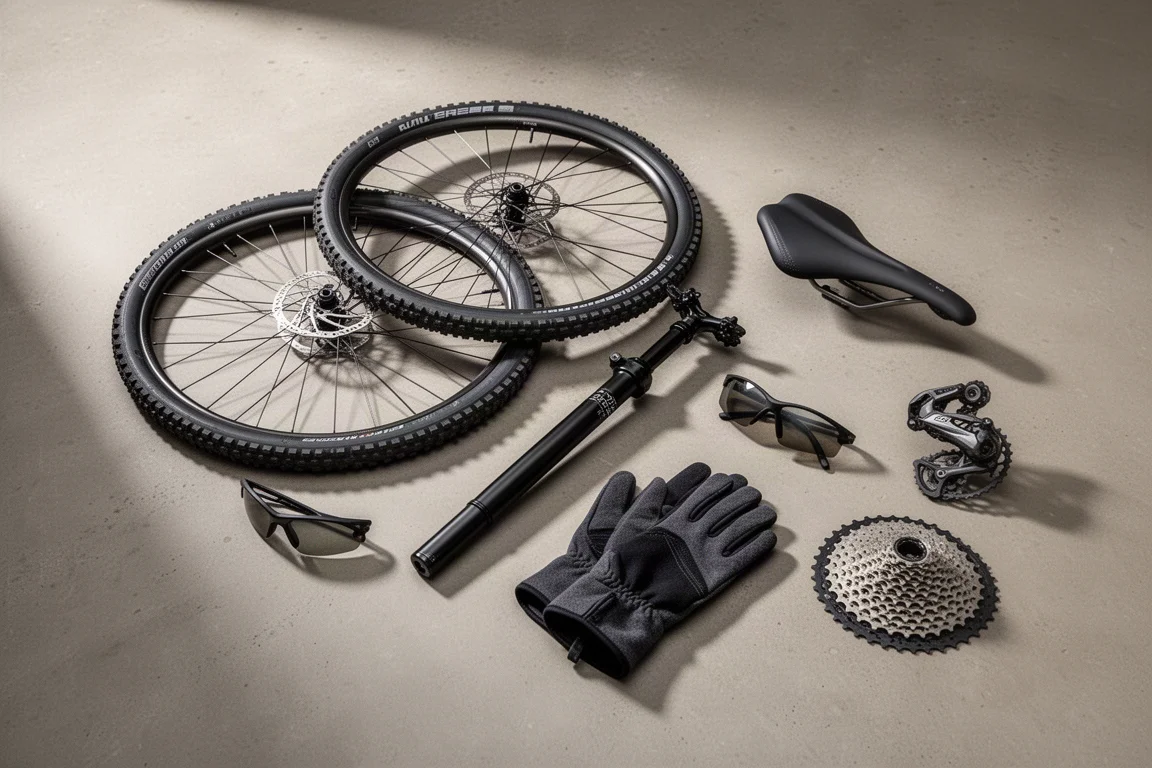
Best Value Mountain Bike Components: 8 Underrated Picks Worth Buying
Eight mountain bike components and accessories that deliver most of the performance of premium kit for a fraction of the price, plus the trade-offs worth knowing before you buy.
Mountain Bike Components
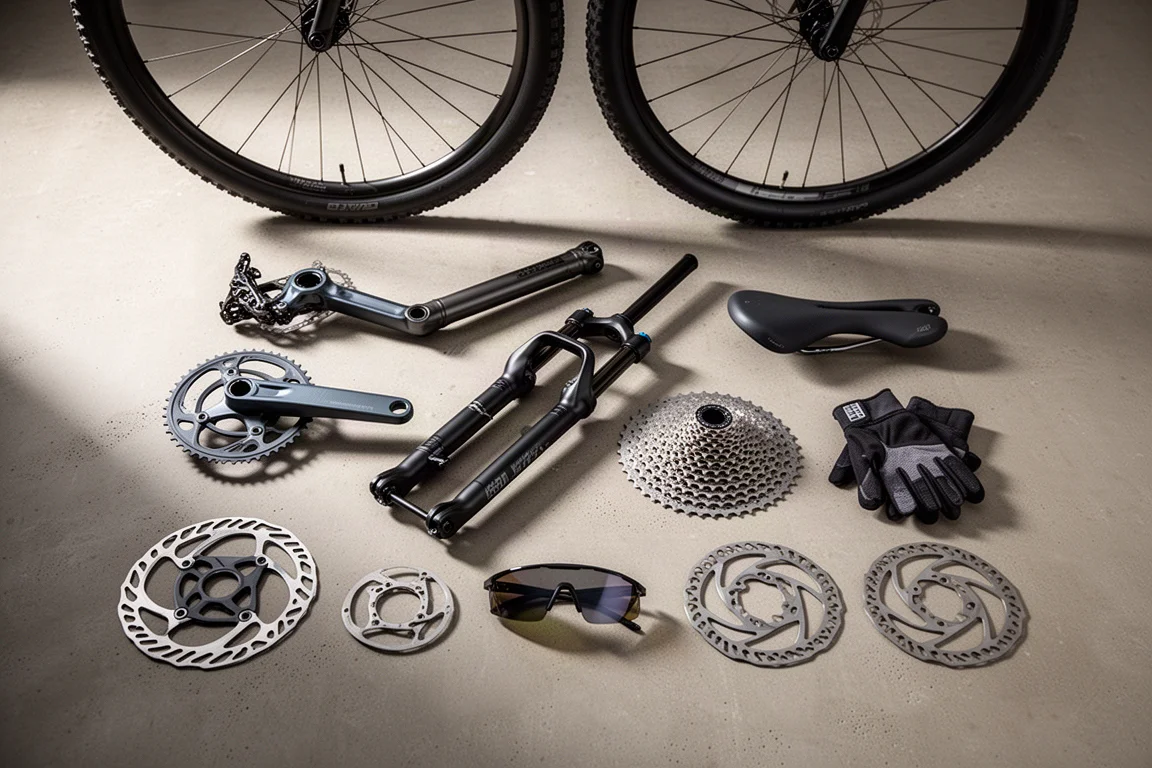
Eight Great Value Mountain Bike Components Worth Buying
Eight mountain bike components and accessories that deliver most of the performance of premium kit for a fraction of the price.