Camping Gear
Lightweight Camping Gear: Three Picks for a Lighter Pack
A lighter camping setup is a series of trades. Here is how a benchmark backpack, a roomier shelter, and an efficient stove cone shape a genuinely light kit.
Introduction
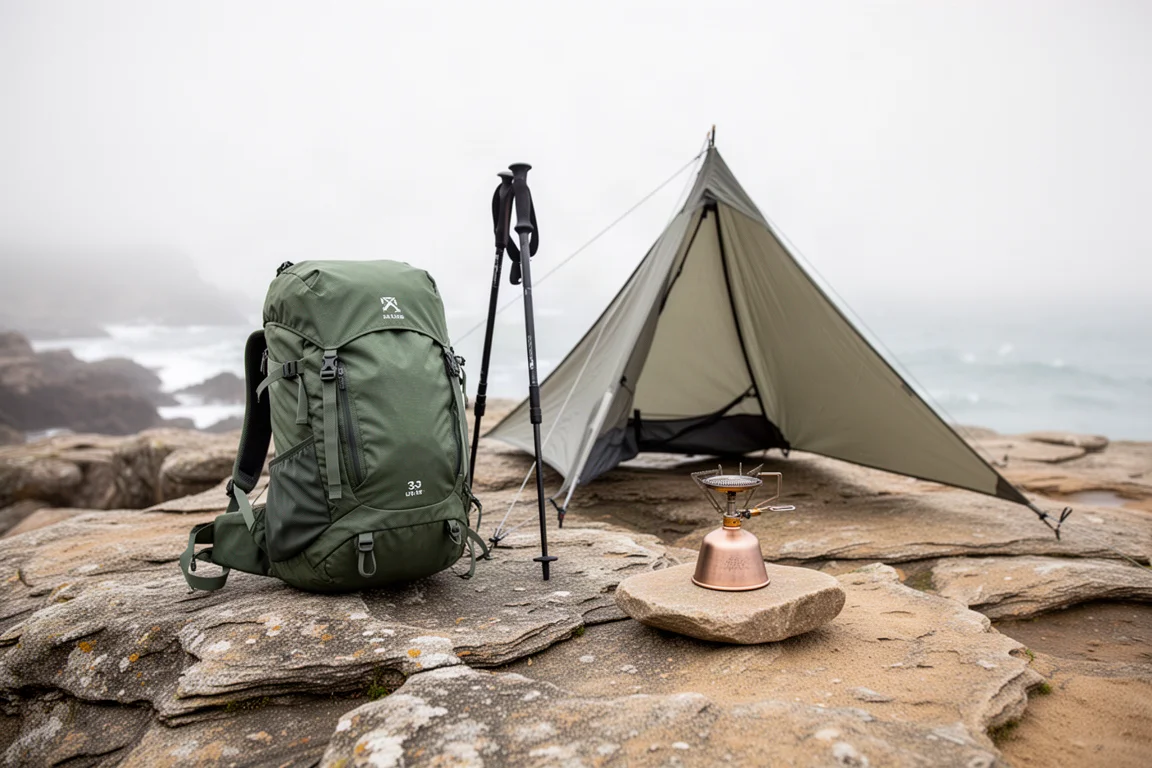
A light camping setup is a set of trades rather than a single decision. A complete kit can be carried at roughly seven kilos, including battery packs, one meal, and a few snacks, before water is added. That number is achievable, but it is only useful if the gear still lets you sleep and eat properly at the end of a long day.
Three pieces of gear do most of the work in shaping that balance: the pack on your back, the shelter over your head, and the stove you cook on. Each one offers a different answer to the same question, which is how much extra weight you are willing to carry in exchange for comfort, space, or fuel efficiency.
How to Judge Lightweight Camping Gear
Lightweight does not automatically mean better. Almost every gram saved is paid for somewhere else, and the cost is usually comfort. Shelter makes the point clearly. A bivvy can be pitched almost anywhere and tolerates a less than perfect location, including ground as rough as loose pebbles. It sits low to the ground, so wind is rarely a problem.
A tent is a different proposition. It needs a larger footprint and a flatter spot, which narrows your options at the end of a tiring day. In return you get space you can actually move around in.
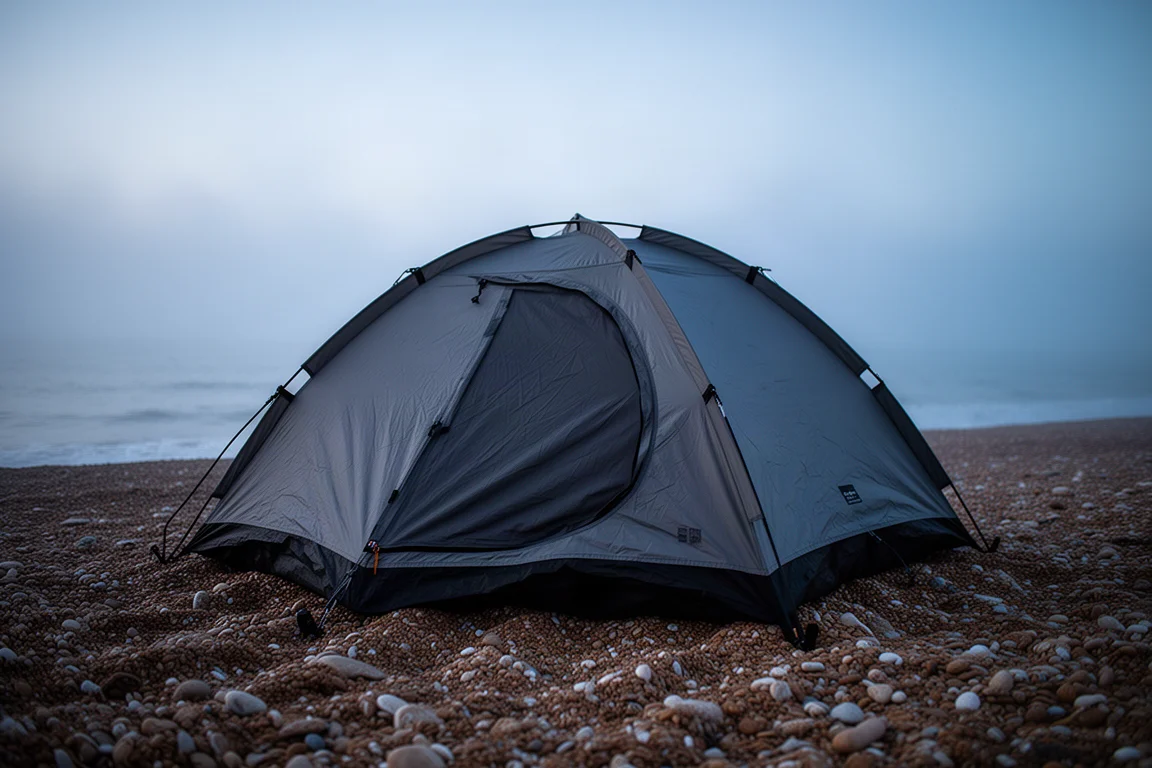
That trade runs through the whole kit. Sleeping bags, sleeping pads, water bottles, and stoves all follow the same pattern: less weight, less margin. The useful question is not which item is lightest, but which item is light enough while still doing its job on the trips you actually take.
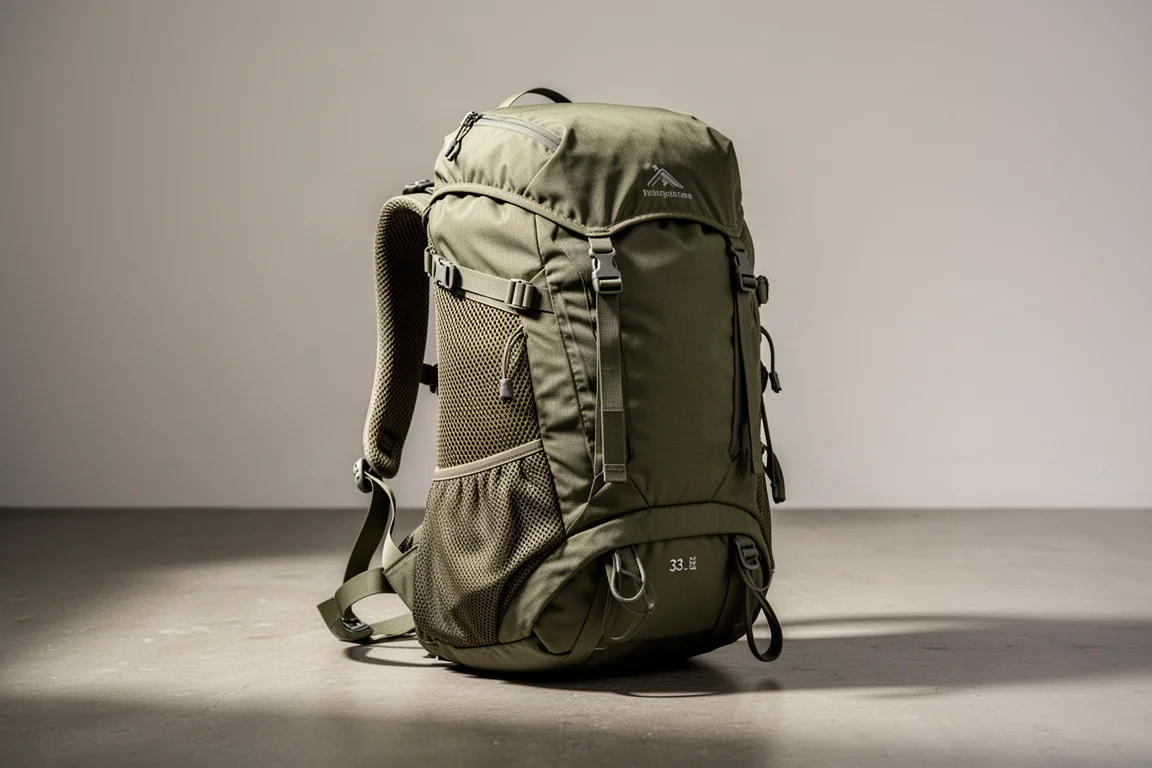
Best Backpack: Osprey Talon 33
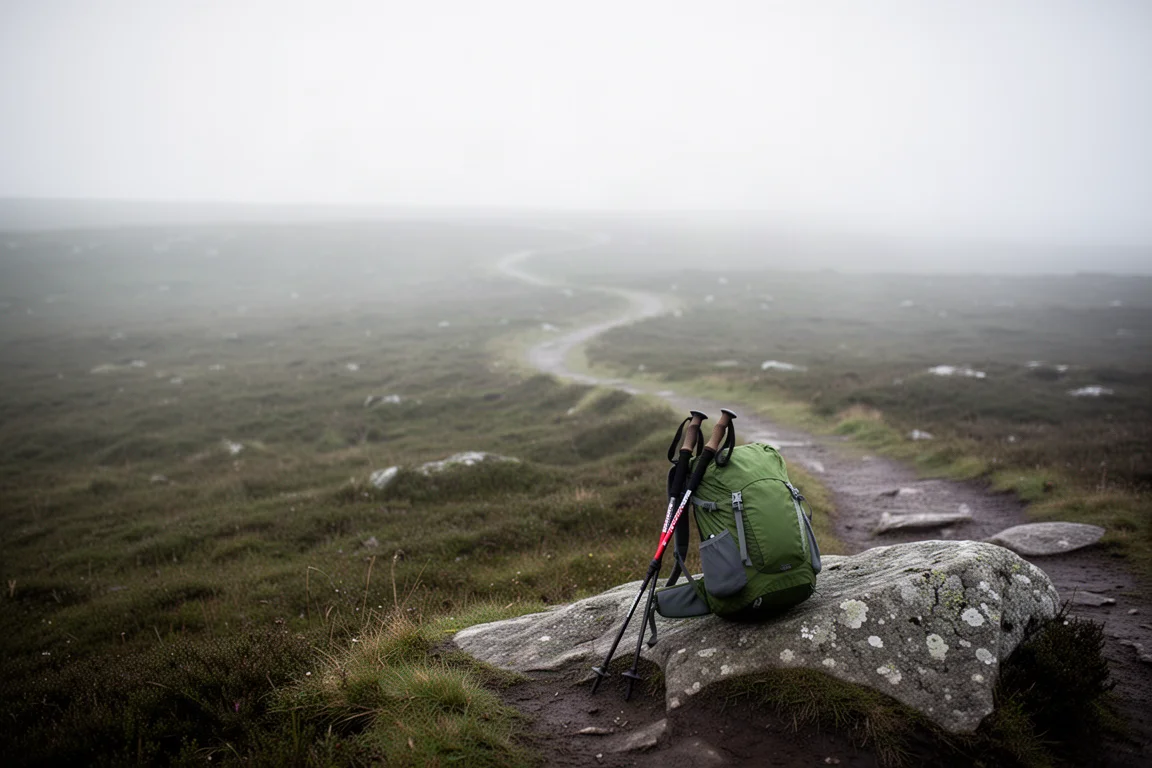
The Osprey Talon 33 has long been a reference point for a light multi-day pack, and it is the benchmark this kind of setup is usually measured against. It is the pack that shows what a genuinely light load-carrying design looks like without stepping into specialist territory.
Packs in this class have continued to get lighter, and a newer design can come in below the Talon 33 on the scales. That matters most on routes with real mileage, such as multi-day coast-to-coast or long-distance way walks, where every kilo is multiplied across hours of walking.
Best Shelter for Space: Lanshan 2 Pro
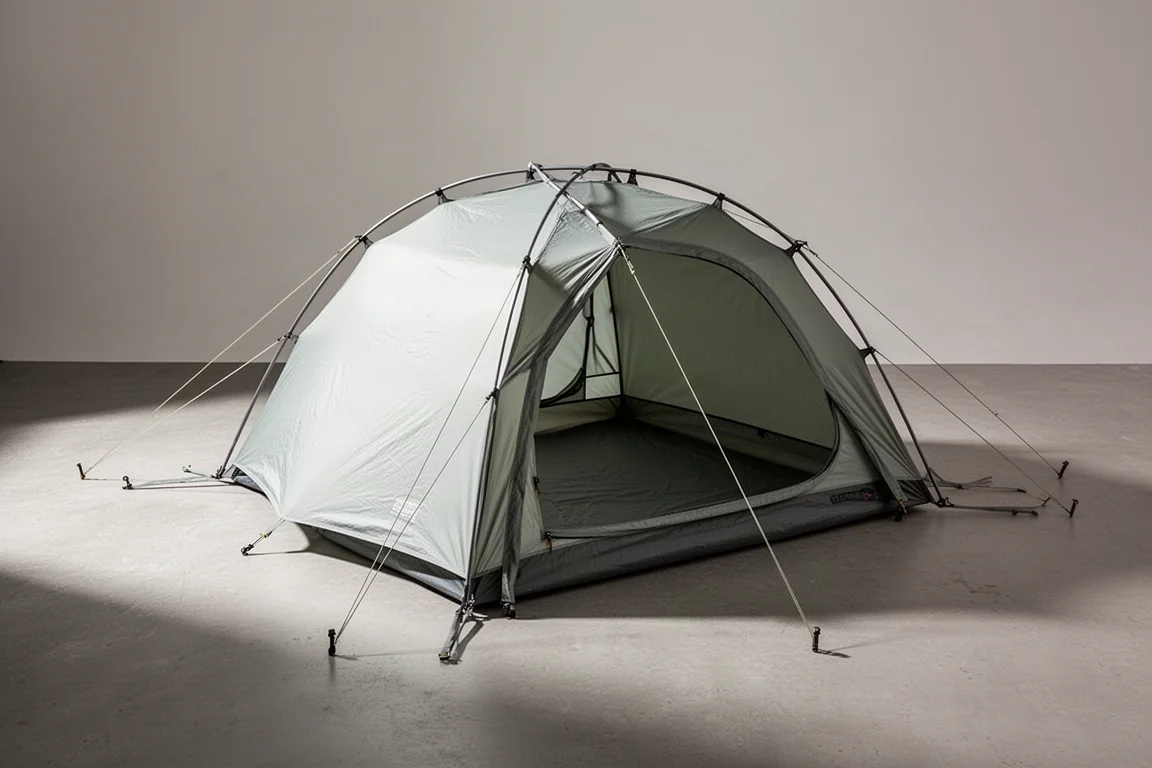
For roughly 400 grams more than a bivvy, the Lanshan 2 Pro offers a very different experience. There is enough room inside to get changed when it is raining, and plenty of space to store a pack and other gear rather than leaving it outside. That is a meaningful upgrade on a wet trip.
A tarp is another option, adding around 300 grams, but it works better as a backup carried in case the forecast changes than as a primary shelter. For most trips, a tent is the more sensible choice, unless you genuinely enjoy bivvying and the conditions suit it.
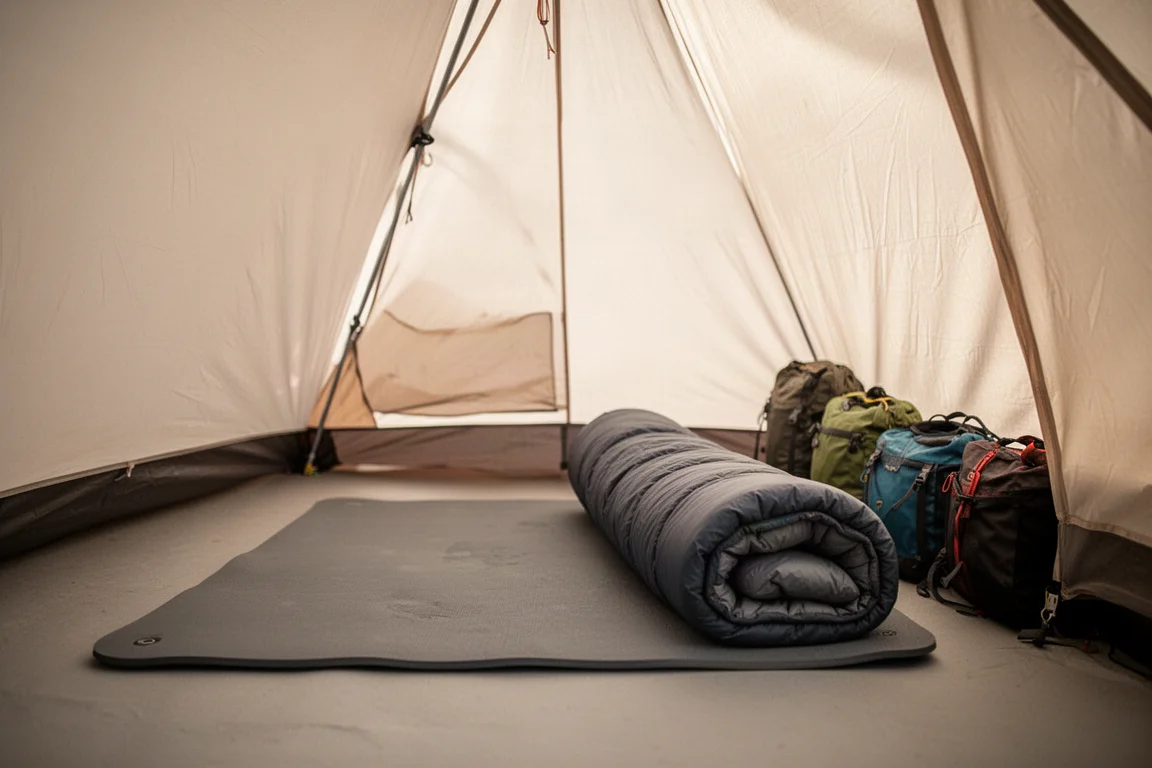
The practical difference shows up over a full trip rather than a single night. Space to sort gear, change clothes, and keep kit dry is worth more than the small weight penalty on anything longer than an overnight stop.
Best Ultralight Stove System: Stormin’ Norman Cone
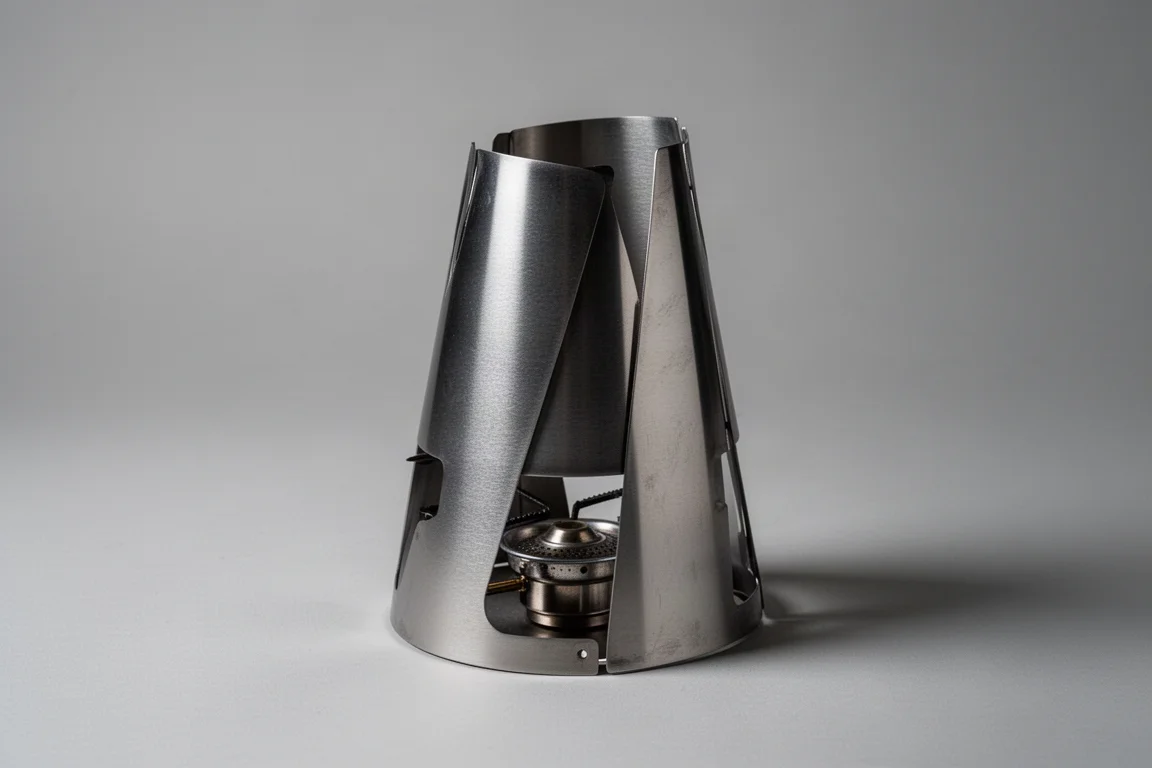
Alcohol burners are about as simple as cooking gear gets, and a cone windshield is what makes them efficient. The Stormin’ Norman Cone is the titanium version of that idea, and it costs somewhere around 30 to 40 pounds. A working equivalent can also be made for pennies from a recycled drinks can with a little gauze inside. Both are, at heart, the same simple alcohol burner.
The difference the cone makes is significant. Without a decent windshield, a great deal of heat is wasted, and a burner can struggle to bring a pot to the boil before the fuel runs out. With a proper cone, the same burner becomes a genuinely practical cooking system.
Where Lightweight Gear Stops Making Sense
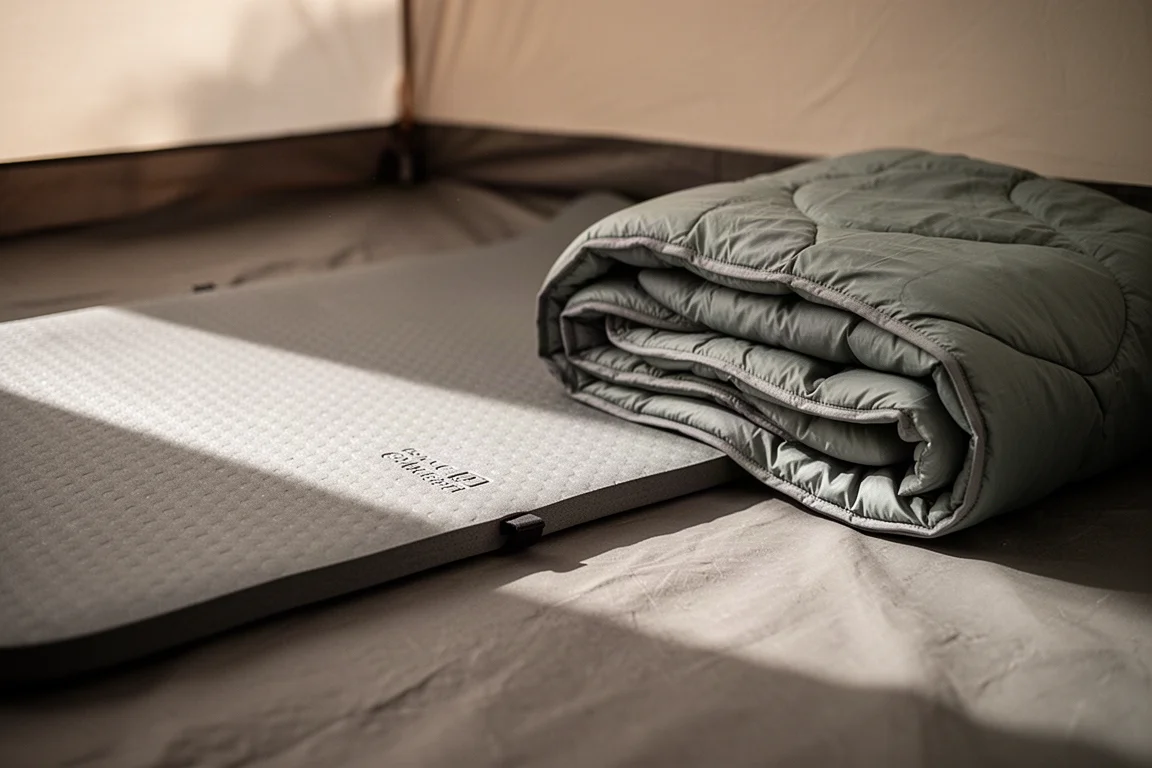
Sleeping gear is where the trade-offs become most personal. A 400 gram sleeping bag counts as ultra lightweight, but the zip on that kind of bag may be only about eight inches long, which makes getting in and out genuinely hard work. A quilt is far less restrictive and adds only around 200 to 300 grams to the pack. For many campers that is weight well spent.
Sleeping pads follow the same logic. Plenty of lightweight campers skip air pads entirely and use a very thin closed-cell foam mat, sometimes thinner still. On ground like that, a comfortable night’s sleep is unlikely, and the savings come directly out of your recovery.
That matters because long days and good sleep are linked. On a multi-day route, a shelter and sleep system that let you rest properly will usually beat a lighter setup that leaves you stiff and short on sleep.
Packing and Camp Routine: What Light Gear Buys You
A light kit is also quick to manage. Setup and pack-down take minutes, and the whole system can be handled as one bundle: let the air out of the sleeping pad, roll everything up together, and keep it that way, then roll it out and re-inflate the next evening. That routine is one of the quieter benefits of carrying less.
Small changes add up as well. A refillable plastic bottle is lighter and less bulky than a hard-sided bottle, and it can be refilled over and over. Some campers go much further, cutting toothbrushes in half and drilling holes in the handles to save grams. Past a certain point the returns are tiny compared with simply carrying less food, water, or unnecessary kit.
Buying Advice: Matching the Setup to the Trip
The right setup depends on the trip, not on the scales. If you are covering a lot of miles over multiple days, lighter gear reduces the strain on your body, and a pack in the Osprey Talon 33 class is a sound starting point. If you need to recover well between long days, the extra space of a shelter like the Lanshan 2 Pro is worth the small weight penalty over a bivvy. If you cook with an alcohol burner, a cone like the Stormin’ Norman Cone is the single change that turns a fussy stove into an efficient one.
Start with the item that causes you the most trouble on real trips. For some campers that is sleep, for others it is pack weight or cooking. Fixing the weakest part of the kit usually delivers more than shaving grams everywhere at once.
Conclusion
Lightweight camping gear works best when it is treated as a balance rather than a target. A benchmark pack, a shelter with room to live in, and an efficient stove cone cover the three decisions that shape most of a light kit. Choose the trade-offs that match your trips, and the lower weight becomes a genuine advantage instead of a nightly compromise.
Further reading
Related Reviews
Camping Gear
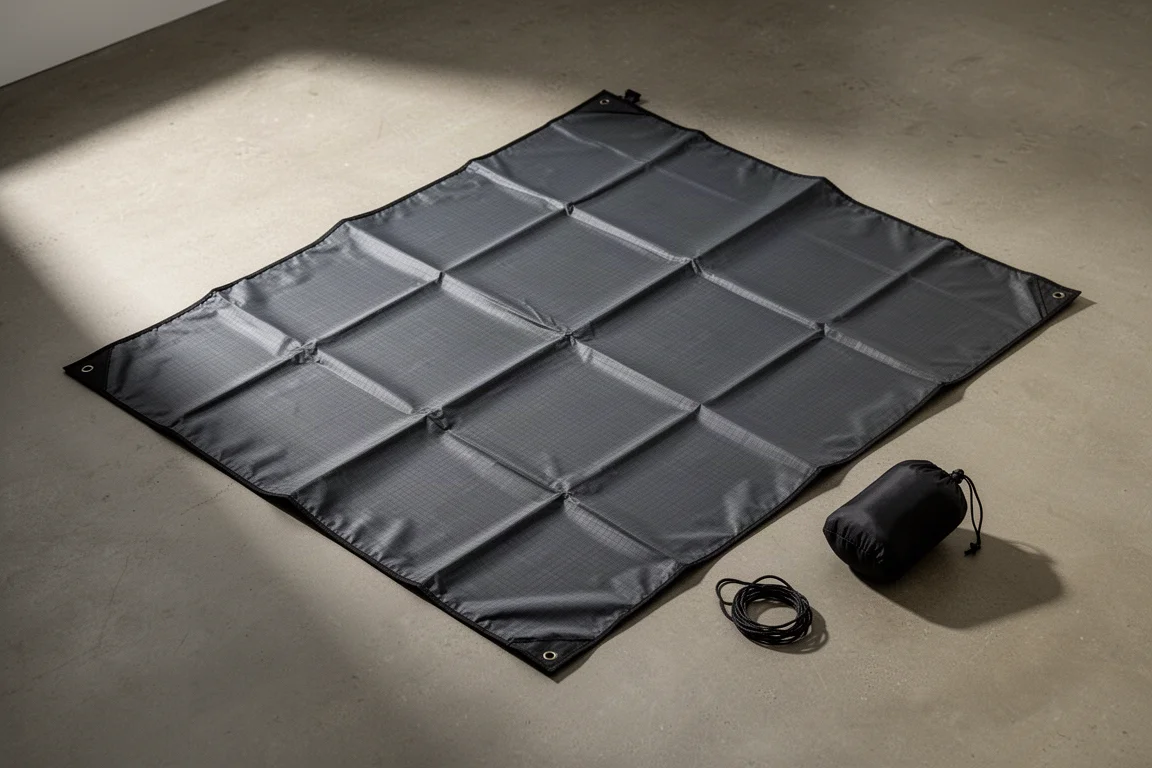
3FUL Ultralight Ground Sheet Review: A Two-Person Footprint Worth Packing
A 6.7 oz two-person ground sheet in ripstop silnylon, priced around $30. Here is what it protects, what it does not do, and who should pack it.
Camping Gear
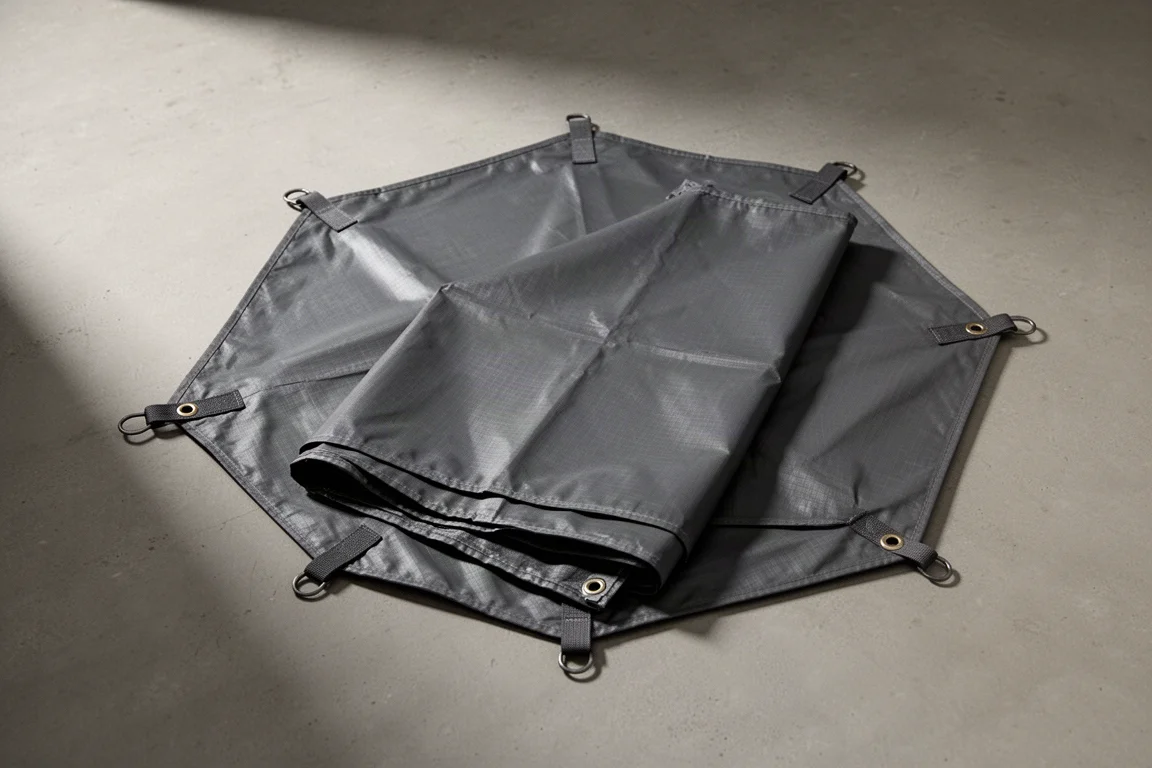
Backcountry Light Dual-Function Tarp and Floor Review: A Footprint First
A dual-purpose tent floor and tarp that keeps falling rain off you, but cannot block wind. Here is where it works and where it does not.
Camping Gear
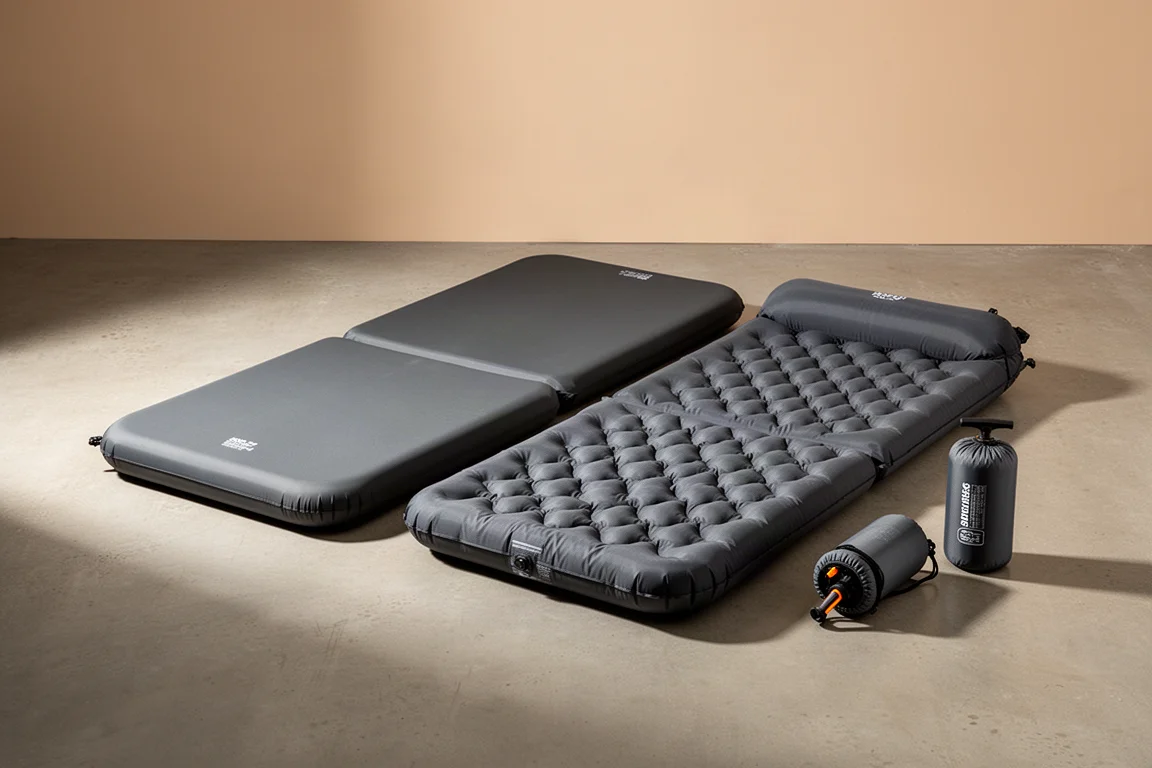
Best 2-Person Camping Mattresses for Couples: 10 Options Compared
A practical comparison of ten two-person camping mattresses, covering self-inflating pads, air pads and air mattresses for couples.