Backpacking Tents
Three Lightweight Backpacking Tents Compared: Helm Compact 1, Helm 2 and Terra Nova Pioneer 2
A close look at the Wild Country Helm Compact 1 alongside the two-person Helm 2 and the Terra Nova Pioneer 2, covering packed size, weight, pitching, interior space and weather protection.
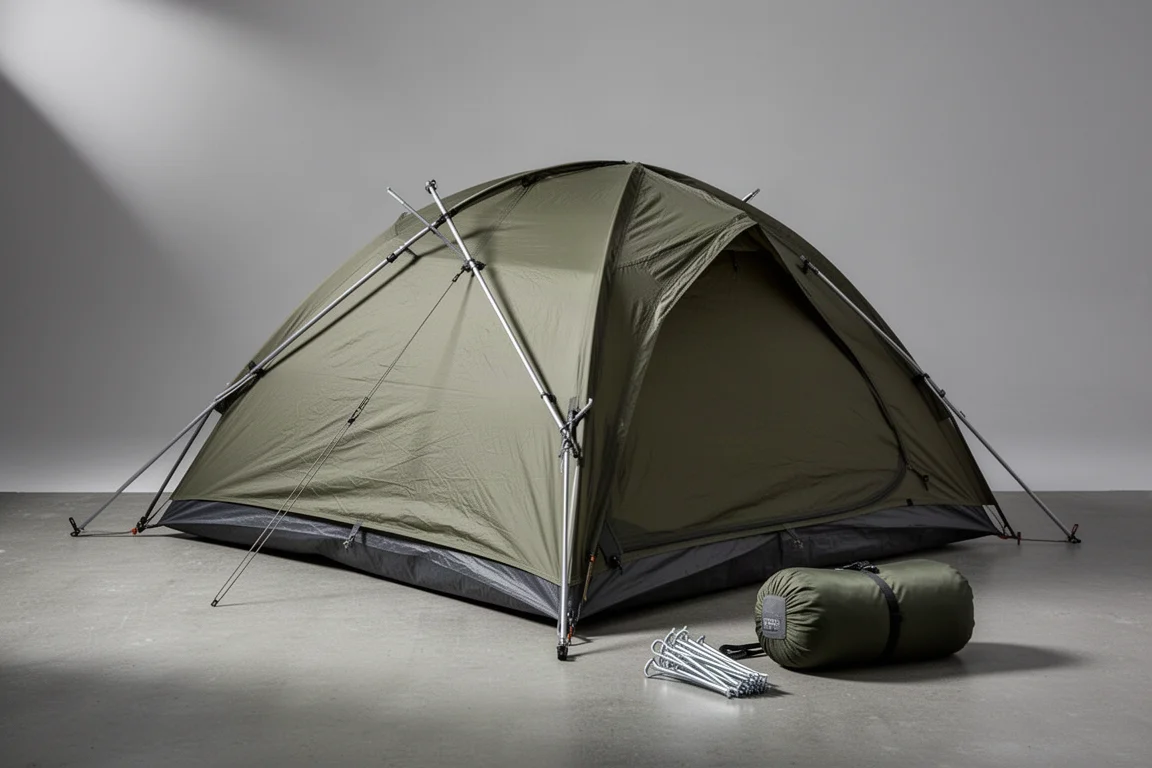
Introduction
The Wild Country Helm Compact 1 is a one-person backpacking tent with a strong reputation among hill walkers and wild campers. It packs down small, pitches quickly and uses a hard-wearing 68D polyester fabric that has proven itself in wet weather. It has also collected a gear of the year award and a best value award in 2023.
This guide places the Helm Compact 1 next to the two tents that come up most often as alternatives: the larger two-person Wild Country Helm 2, and the Terra Nova Pioneer 2, which sits at a higher price with a lighter fabric and a footprint included.
Each option is judged on packed size, weight, pitching, interior space and weather protection, so you can work out which one suits the trips you actually take.
What Matters in a Lightweight Backpacking Tent
Weight is the first number most backpackers check, and a solo shelter that stays under two kilograms is easy to justify on a multi-day route. Packed length matters just as much, because a tent that compresses into a short cylinder sits horizontally in a rucksack instead of forcing everything else upwards.
Pitching speed is a practical concern rather than a marketing one. Colour-coded poles and a design that pitches the inner and outer together keep the sleeping area dry when rain arrives while you are still outside working the pegs.
Weather protection comes down to fabric and coatings. The hydrostatic head rating of the fly and the floor tells you how much water pressure the material can resist, and a floor rating above the fly rating is a reassuring sign on a tent intended for wet, windy ground.
Living space is about more than floor dimensions. Vestibule depth, headroom, storage pockets, a lantern hook and ventilation all shape how comfortable a small tent feels across several nights out.
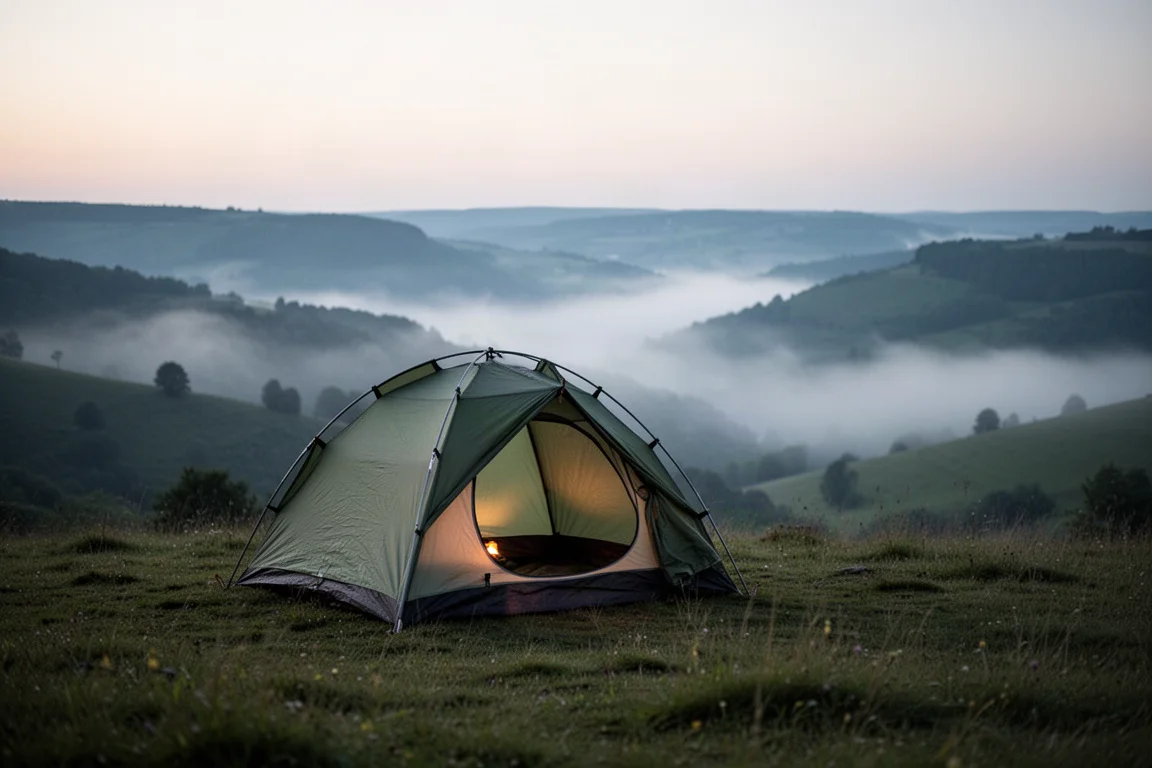
Ventilation deserves particular attention in any compact tent, because warm damp air trapped inside condenses on cold fabric. Two vents working with a mix of solid and mesh inner panels keep air moving without turning the sleeping area into a draught. A freestanding design also helps on hard or rocky ground where pegs are difficult to place.
Wild Country Helm Compact 1: The One-Person Benchmark
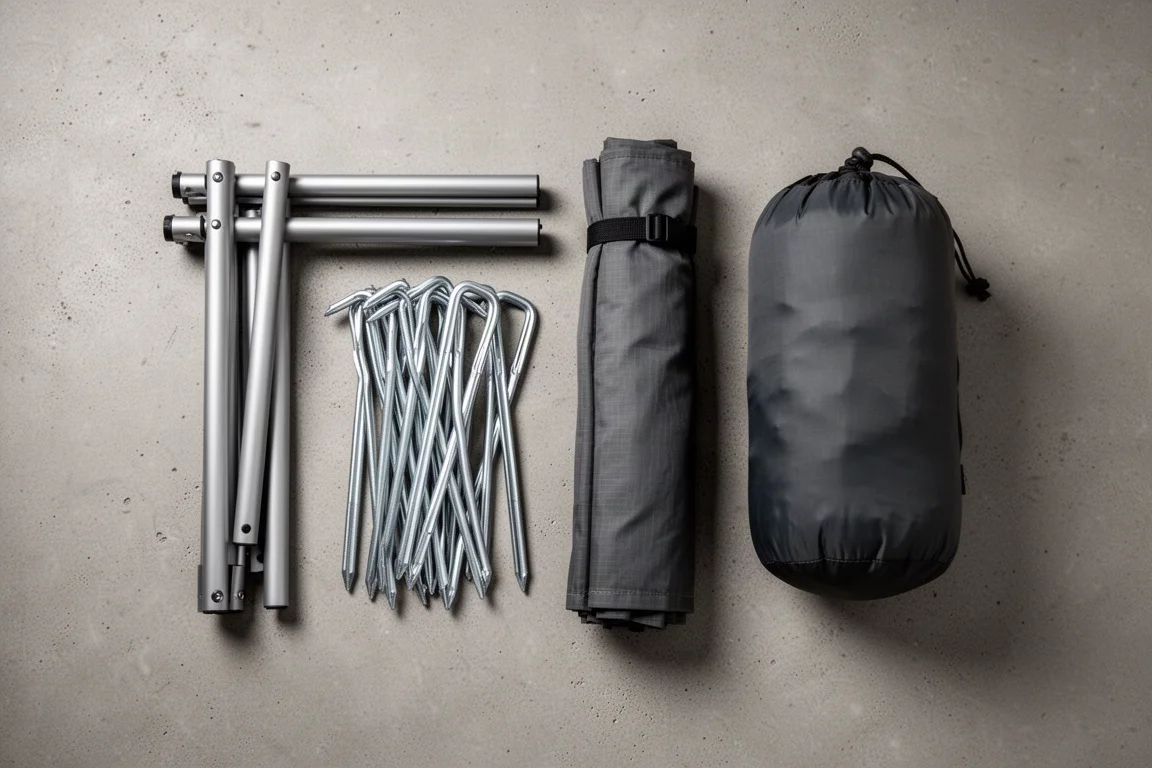
The Helm Compact 1 weighs 1.97 kg and packs to roughly 35 cm by 17 cm, so it disappears into a pack without dominating the load. Two 8.5 mm alloy poles do the structural work, a straight blue pole and a pre-bent red one, colour-coded so the sequence is obvious even in poor light. The inner and outer pitch together, which keeps the sleeping compartment dry if the weather turns during setup.
It is a classic freestanding dome with one door and one vestibule. Guy lines sit at each end and each side, and there are vents on both sides rather than just one. The door uses a storm flap with hook-and-loop closure, a full-length zip that opens right back for easy access, and a clip at the base to stop the panel flapping in wind.
The fabrics are the headline. The 68D polyester fly is rated to a 4,000 mm hydrostatic head and the bathtub floor to 5,000 mm, and the material feels substantial enough that an additional footprint is not essential. Polyester also takes on less water and sags less than nylon, which suits a freestanding dome well.
Inside, the measurements are 220 cm long, 77 cm wide and 92 cm tall. A 172 cm user can sit upright with headroom to spare, and a wide sleeping pad still leaves room along one side for belongings. Storage includes a large pocket at each end, a pocket for the door panel and a lantern hook. The 45 cm vestibule has a neat trick: a zip in the inner wall opens onto a further 40 cm of covered space on the other side, enough for a backpack or for cooking under cover, and the opening doubles as extra ventilation.
Twelve alloy pegs and an easy-pack compression bag are included, and the tent retails at £250.
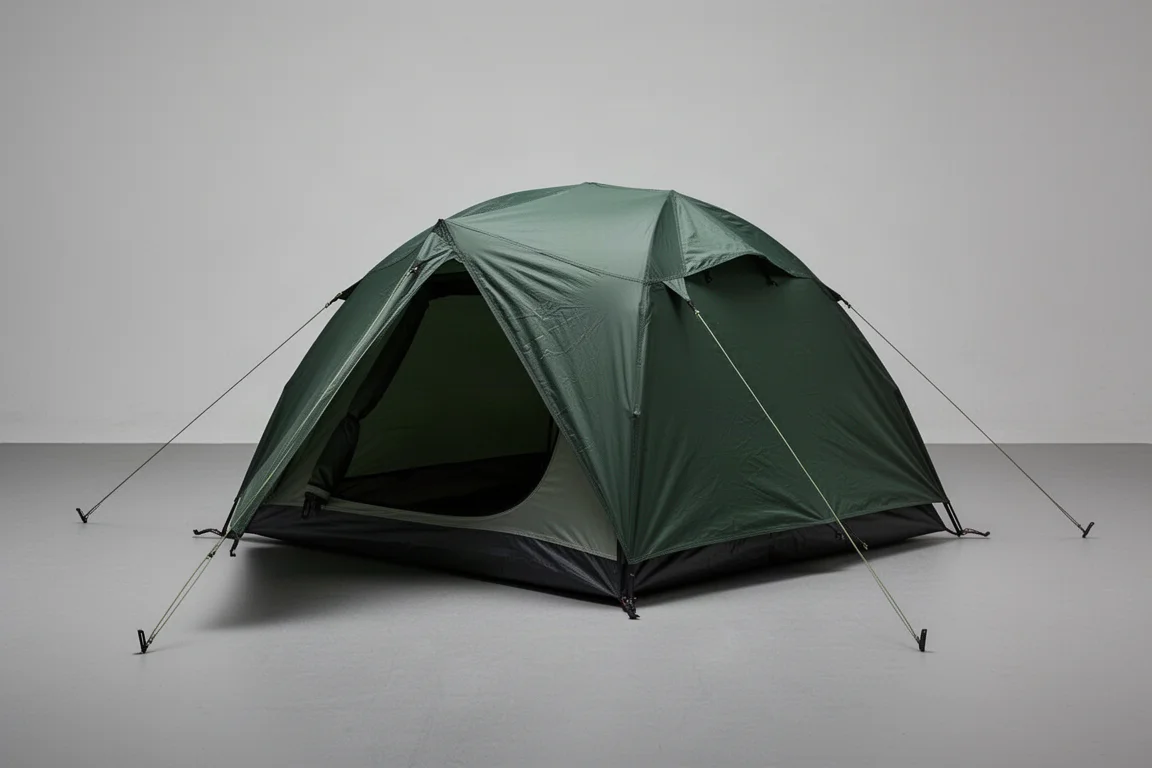
Wild Country Helm 2: Two-Person Space From the Same Range
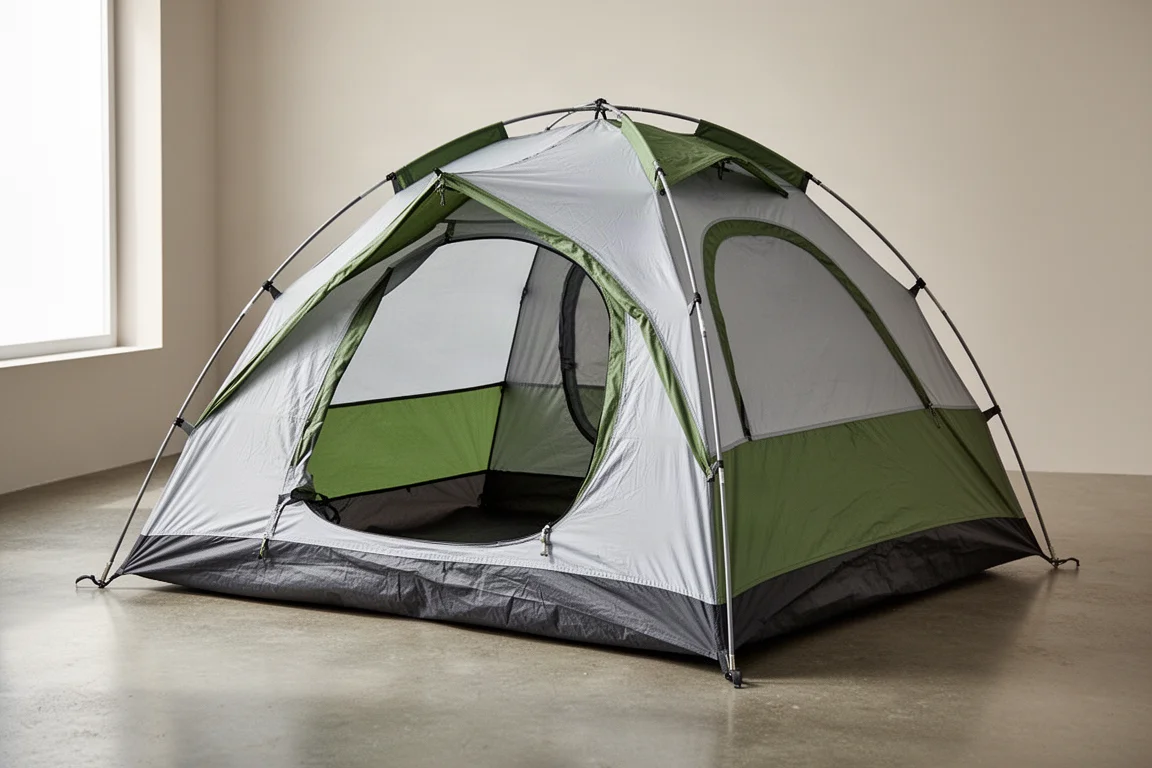
The Helm 2 is the two-person version of the same design, and it shares the range’s approach: freestanding dome geometry, thick durable fabric and a straightforward pitch. It has kept water out in sustained bad weather, and the same ventilation layout has kept condensation in check.
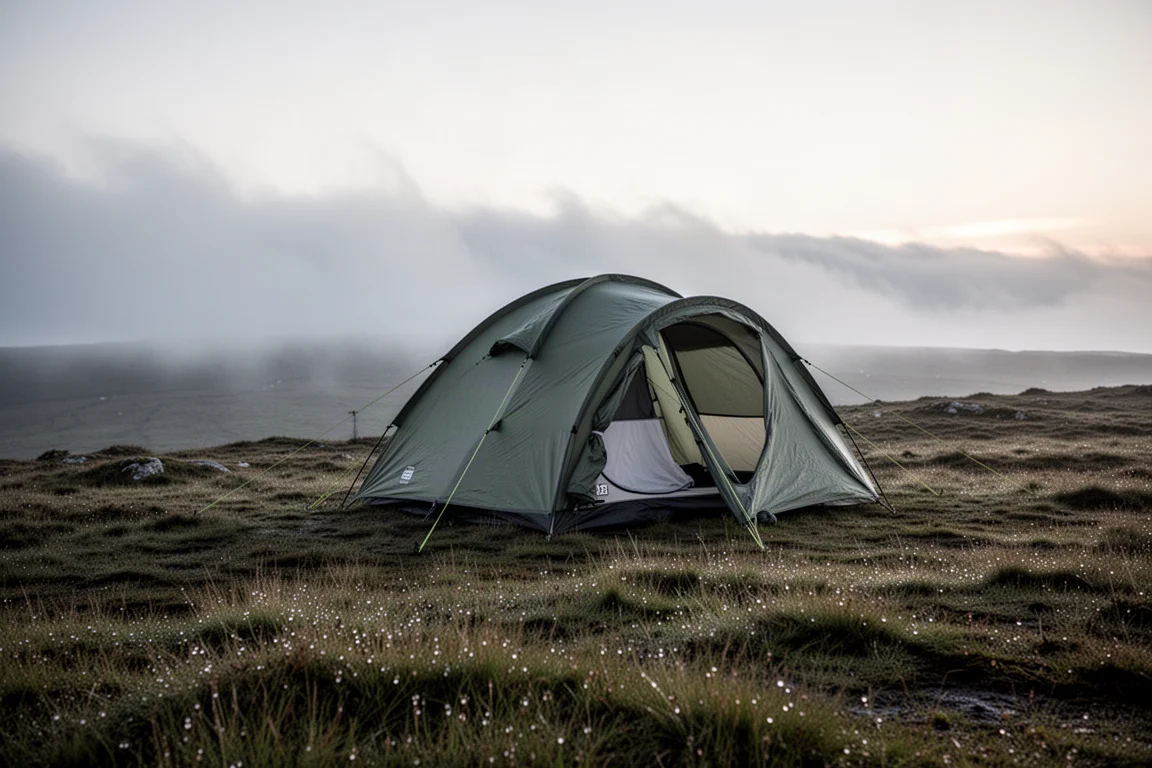
The trade-off is bulk, and for a solo camper, space that goes unused. At 172 cm, the Helm 2 felt excessive for one person, though it makes obvious sense for two people sharing a tent, or for anyone who wants a roomier solo base for longer trips.
Terra Nova Pioneer 2: The Lighter-Fabric Upgrade
The Terra Nova Pioneer 2 costs £350 and includes a footprint. It stays close to the Helm Compact 1 in packed size and weight, but it uses a lighter 20D nylon fabric, the material that appears to be reserved for the Terra Nova line rather than the Wild Country range.
It is the better tent of the pair, and for a little more money you get lighter materials plus a groundsheet in the box. The size and weight penalty compared with the Helm Compact 1 is minimal, which makes the upgrade easy to justify if the budget is there.
Pitching, Packed Size and Interior Space Compared
All three tents are built for backpacking, and the practical differences show up in how they carry and how quickly they go up.
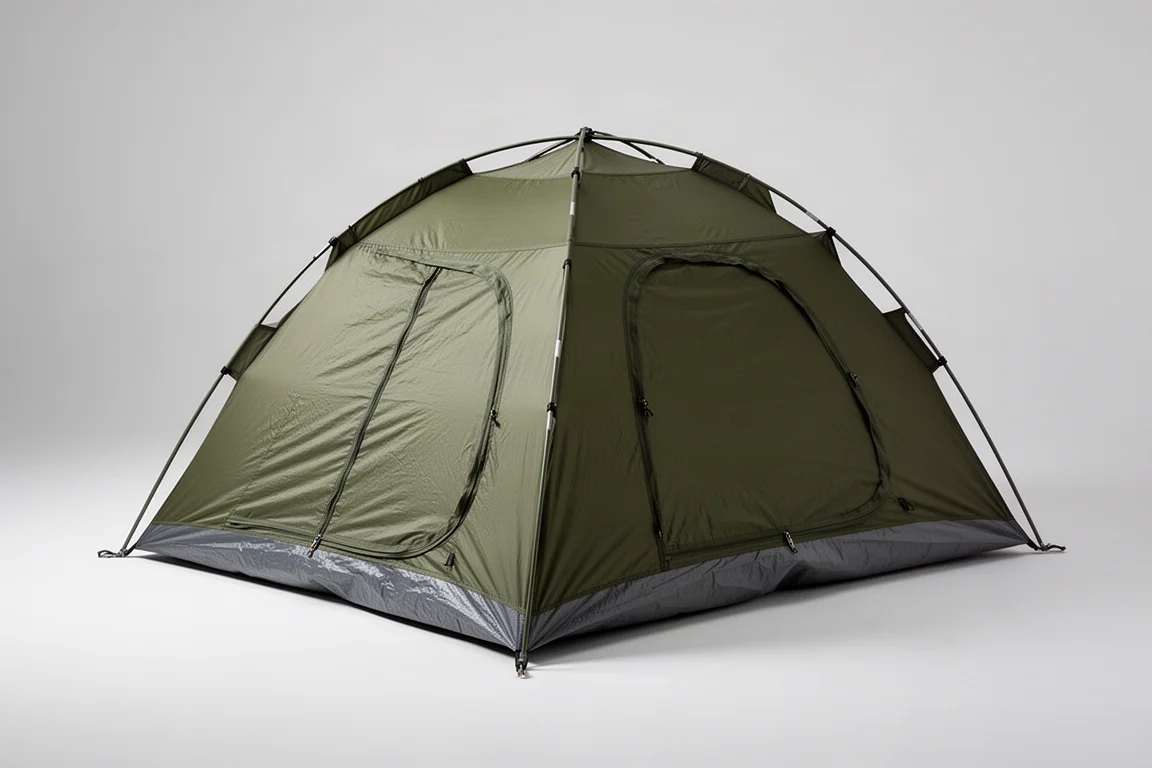
The Helm Compact 1 measures 35 cm by 17 cm when packed and weighs 1.97 kg. Two 8.5 mm alloy poles, colour-coded red and blue, make the pitch almost automatic, and the inner stays dry because the fly goes up with it. The Helm 2 follows the same logic at a larger scale, while the Pioneer 2 matches the Helm Compact 1 closely on both size and weight.
Interior space on the Helm Compact 1 runs to 220 cm of length, 77 cm of width and 92 cm of height, which is enough to sit up comfortably and still have floor area beside a wide sleeping pad. Vestibule space is where it separates itself from most one-person tents: 45 cm at the door plus another 40 cm reachable from inside the inner, giving covered storage for a pack and room to cook. The Helm 2 offers the same arrangement with more room for two.
Weather Protection and Ventilation
The Helm Compact 1 pairs a 68D polyester fly with a 4,000 mm hydrostatic head and a bathtub floor rated at 5,000 mm. That combination has kept rain out on long-distance routes, and the same fabric has held up in severe conditions on the two-person model.
Ventilation is handled by two vents, one on each side, working alongside a mix of solid and see-through mesh in the inner. The fly sits low to the ground to block draughts while still letting air move underneath. In use, condensation has not been an issue across the Helm range, even on still, damp nights.
Weight is the trade-off. The 68D polyester is thicker than the 20D nylon used on the Terra Nova line, which is why the Helm Compact 1 carries more grams than some tents at a similar price. Durability and a fabric that feels like it will look after you are what you get in return.
Buying Advice: Which Tent Fits Your Trip
Choose the Helm Compact 1 if you want a one-person tent that works year-round, pitches in minutes and carries comfortably at just under two kilograms. Its 68D fabric and 4,000 mm and 5,000 mm ratings make it a sensible choice for exposed, wet conditions, and the dual vestibule arrangement gives it storage space many solo tents lack. At £250 retail, discount codes on Wild Country products can bring that figure down further.
Choose the Helm 2 if you usually walk with a partner, or if you want a roomier shelter and do not mind the extra bulk. It shares the same design language and weather performance as the solo model.
Choose the Terra Nova Pioneer 2 if your budget stretches to £350. It includes a footprint, uses lighter 20D nylon and matches the Helm Compact 1 closely on size and weight.
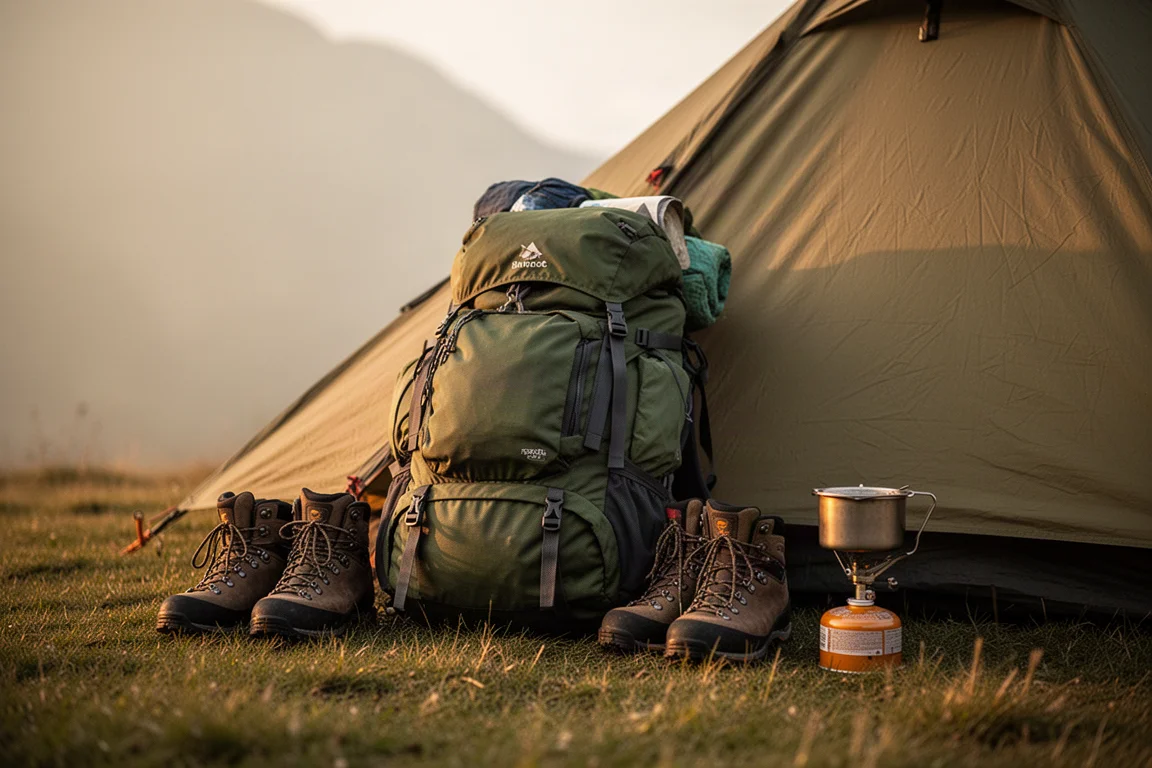
None of the three is a difficult tent to live with. The Helm Compact 1 is the easiest to recommend for solo trips, the Helm 2 solves the space question for two, and the Pioneer 2 is the one to pick when lighter fabric and an included groundsheet matter more than the lowest price.
Conclusion
The Wild Country Helm Compact 1 remains a compelling one-person backpacking tent: compact, hard-wearing, simple to pitch and genuinely usable across the seasons, which is why it has picked up awards and stayed popular. The Helm 2 is the natural step up for two people, and the Terra Nova Pioneer 2 is the premium option for anyone who wants lighter fabric and a footprint included. All three will serve a backpacker well, and the right answer comes down to how much space you need and how much you want to spend.
Further reading
Related Reviews
Backpacking Tents
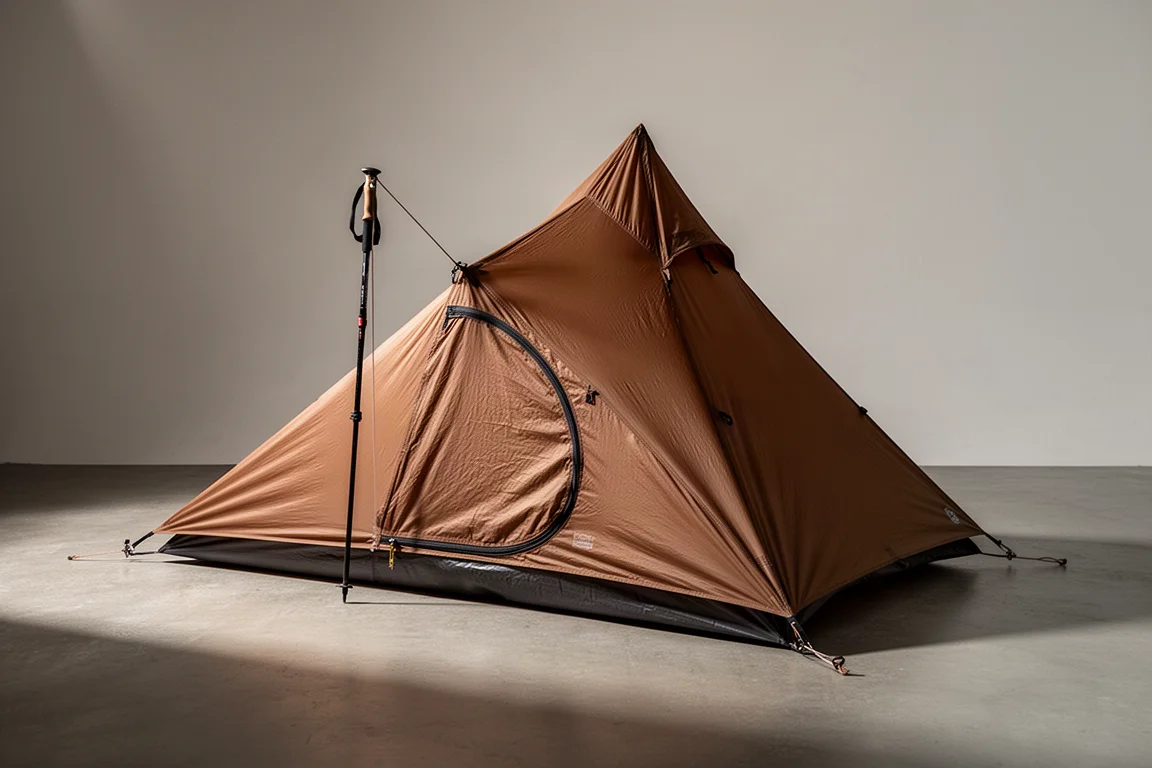
3F UL Lanchan Pro 1 Review: A 1 lb 8 oz Single-Wall Trekking Pole Tent
A practical look at the 3F UL Lanchan Pro 1, a single-wall trekking pole shelter with a 1 lb 8 oz weight, 20D silnylon fabrics, and a roomy 90 x 31 x 49 inch interior.
Backpacking Tents
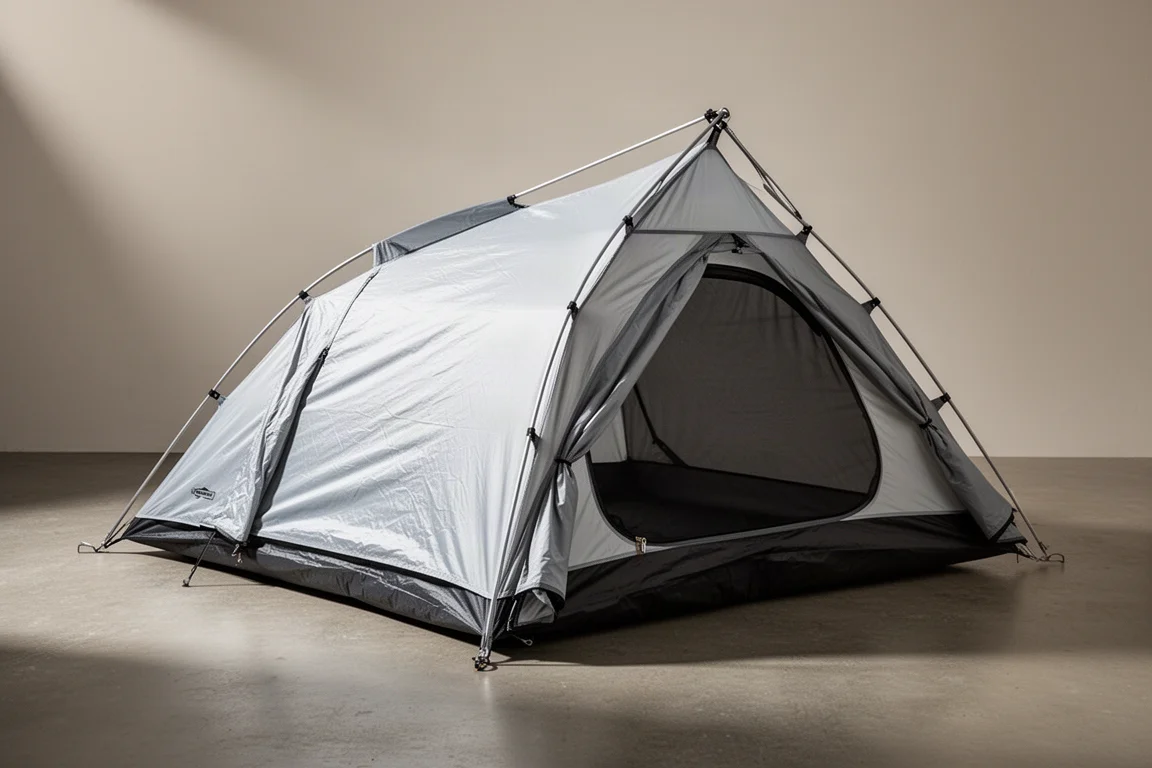
3F UL Taiji 2-Person Tent: A Convertible Backpacking Shelter Worth a Closer Look
A practical look at the 3F UL Taiji two-person tent, covering its materials, true two-person interior, fly-first pitching, and the seasonal inner swap that lets one shelter cover more of the year.
Backpacking Tents
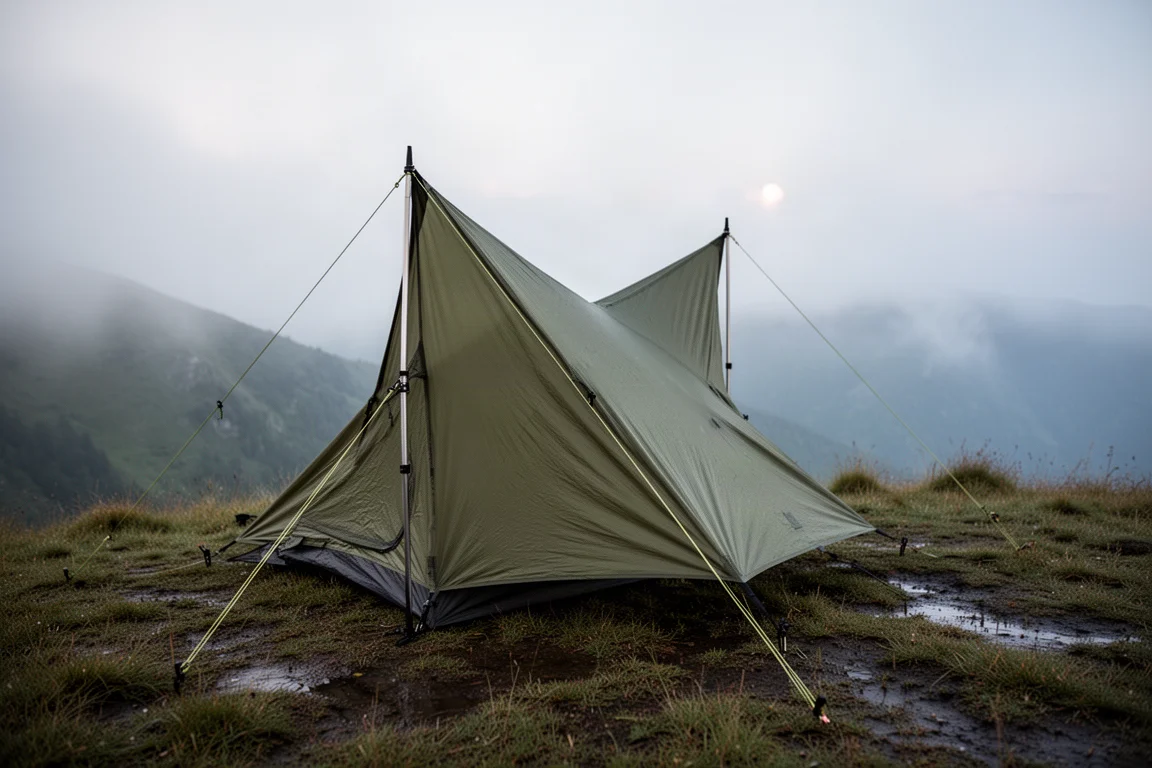
3FUL Lanshan Twoerson Pro Review: A Light Trekking Pole Shelter That Struggled in Rain
A two-person trekking pole shelter with a 2026 redesign, pitched with sticks and put through a night of steady rain. Here is what worked, what did not, and what to check before buying.