Running Shoes
361 Miro vs Adidas Adizero Pro Evo 1: The Two Lightest Super Shoes, Compared
Two of the lightest super shoes on the market with completely different personalities. Here is which one suits shorter, faster racing and which one is built for the marathon.
Introduction
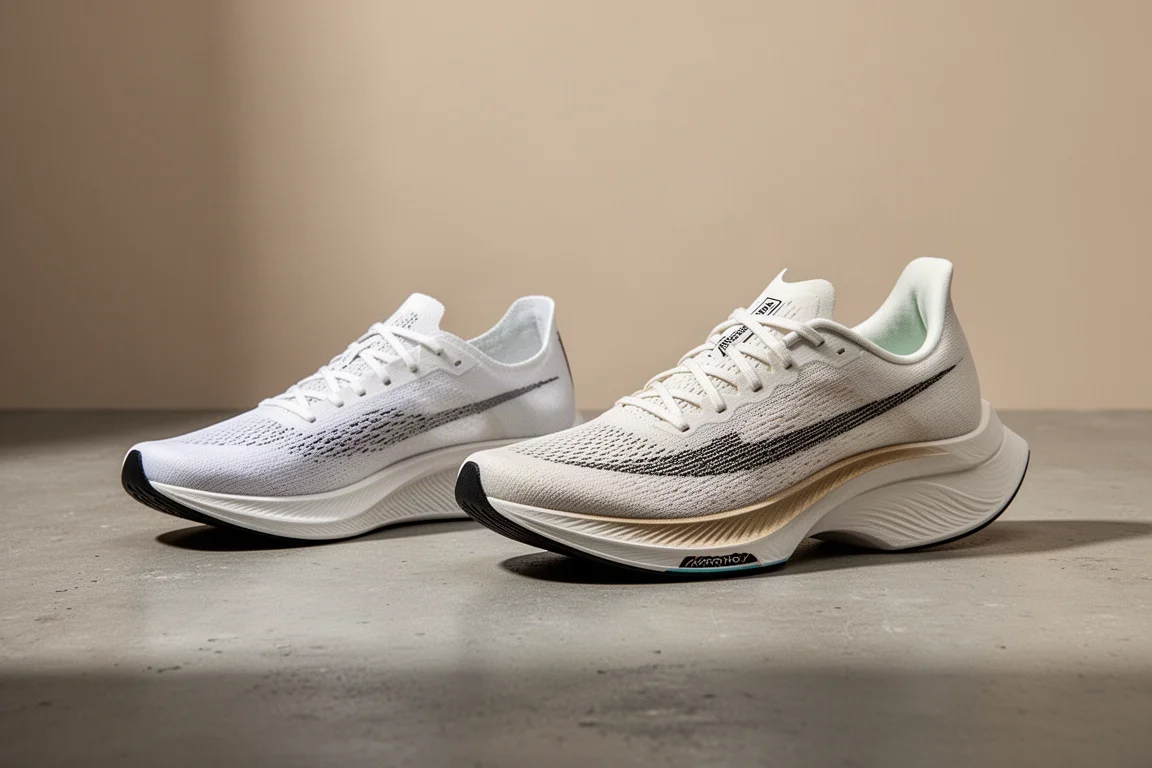
When it comes to the lightest super shoes on the market, two names keep coming up: the Adidas Adizero Pro Evo 1 and the 361 Miro. Both are extreme performance tools rather than daily trainers, but they are built for almost opposite jobs. The Pro Evo 1 has become the standard pick for professional marathon runners, though its very high price tag has drawn plenty of discussion. The 361 Miro was released much more quietly, and it is even lighter.
Here is how they compare on weight, ride, fit, stability, and durability, so you can work out which one fits your racing goals.
The Spec Sheet: Weight and Stack Height
Measured in men’s size 10, the Adizero Pro Evo 1 comes in at about 5.2 oz (148 g), while the 361 Miro is around 4.3 oz (122 g). That is almost a full ounce of difference between two shoes that are already featherweight by any standard.
The Pro Evo 1 stacks 39 mm in the heel and 33 mm in the forefoot for a 6 mm drop. Published stack figures for the Miro are harder to pin down; commonly cited numbers are around 36 mm heel and 27 mm forefoot for a 9 mm drop, though under load the heel feels much lower, closer to a 5 to 6 mm drop in practice. Despite similar low weights on paper, these are very different shoes underfoot.
Adidas Adizero Pro Evo 1: Built for the Marathon
The Adizero Pro Evo 1 is designed for one thing: longer-distance race efforts like half marathons and marathons. Its Lightstrike Pro foam is not the bounciest super foam on the market, and its whole purpose is to feel extremely light. That makes it excellent at tempo efforts and above, and it rolls smoothly underfoot over longer runs. Where it struggles is when you try to push it into faster, more aggressive turnover, where a bouncier platform simply delivers more.
With a carbon fiber plate and enough cushioning to hold up over 26.2 miles, the Pro Evo 1 is the easy winner of this pair for half marathon to marathon racing.
361 Miro: Pure Speed for Shorter Distances
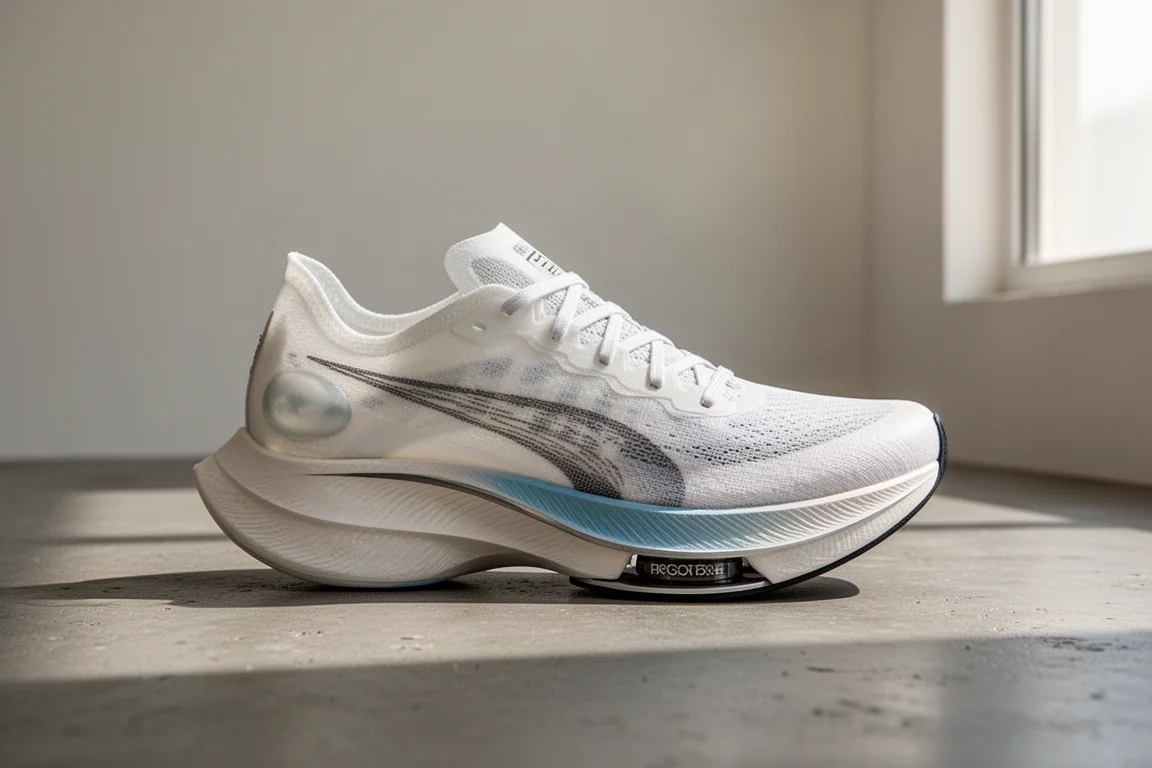
The 361 Miro is the exact opposite. It feels unbelievably fast and excels at 5K, 10K, and shorter efforts. It has delivered some genuinely strong tempo runs and 400-meter workouts, and the bouncy supercritical foam feels better the faster you run, even in a thinner, lower-stacked shoe. Its carbon plate has just a touch more flexibility and rolls very nicely at speed.
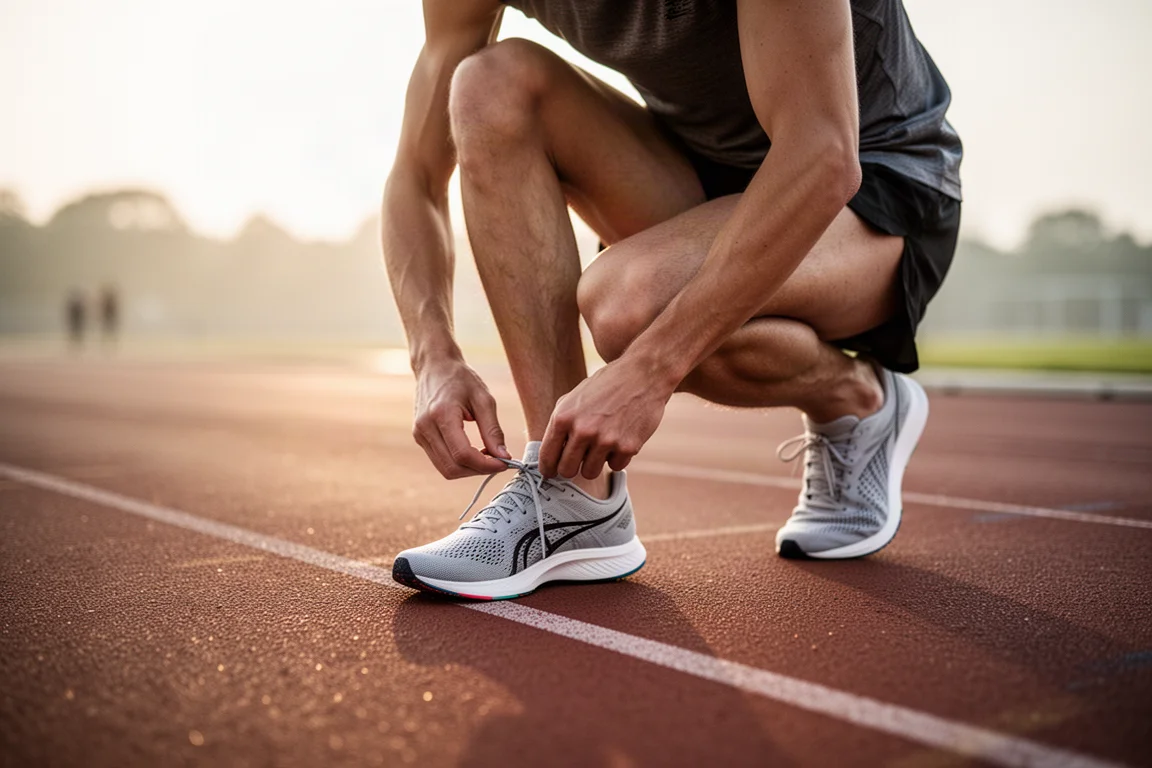
One detail worth knowing: the bevel on the Miro is very long, so it favors landing a little farther forward. Heel striking is workable, but the shoe constantly encourages you to get up on your toes, which is exactly why shorter, faster distances feel so good. 361 markets the Miro as a marathon shoe, but unless you are a highly efficient, elite-level runner, it is better saved for faster, shorter racing.
Ride and Feel: Night and Day
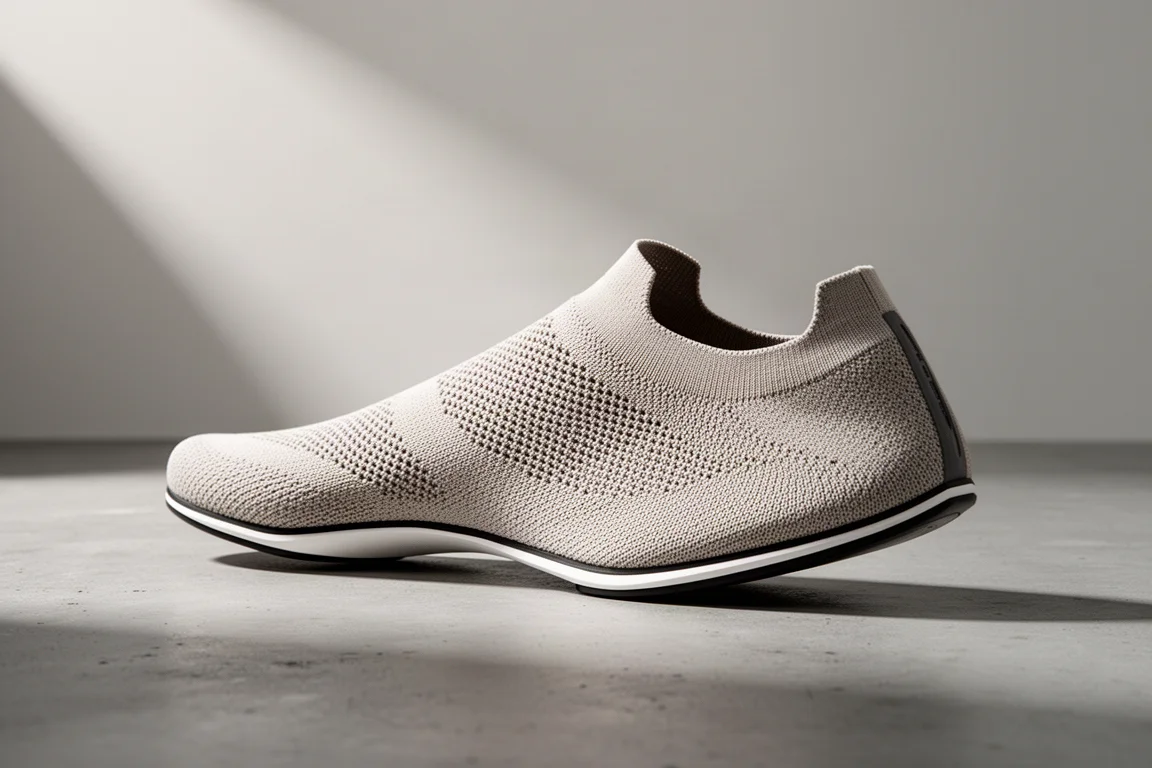
Despite the similar ultralight positioning, these two shoes sit at opposite ends of the spectrum. The Pro Evo 1 prioritizes lightness over bounce and suits longer, rolling efforts, while the Miro leans on its bouncier foam and aggressive geometry to reward hard, fast running.
Stability and Foot Guidance
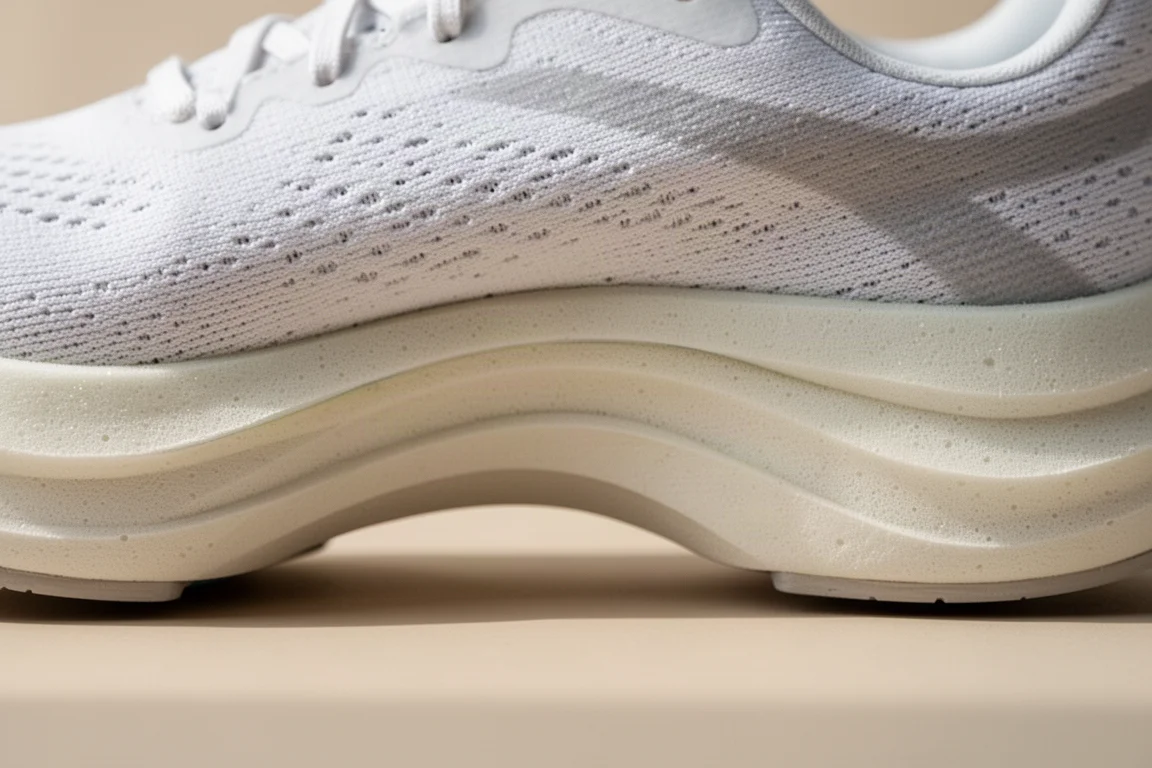
Adidas uses its typical large posterior lateral heel bubble on the Pro Evo 1, so heel landings feel secure, though there is a lateral bias that sensitive runners should note. The midfoot narrows considerably and becomes quite neutral, while the forefoot is reasonably wide with plenty of sole flare, which helps forefoot strikers who want a little guidance.
The Miro surprised with very large full-length sidewalls. If you are sensitive to sidewalls, be careful, as they could cause blistering. In practice they kept the foot well centered despite an extremely narrow midfoot, and the shoe pulls you forward. Overall, the Miro feels a little more guided, while the Pro Evo 1 offers a slightly more balanced ride where you need a bit more of your own ability.
Fit and Upper
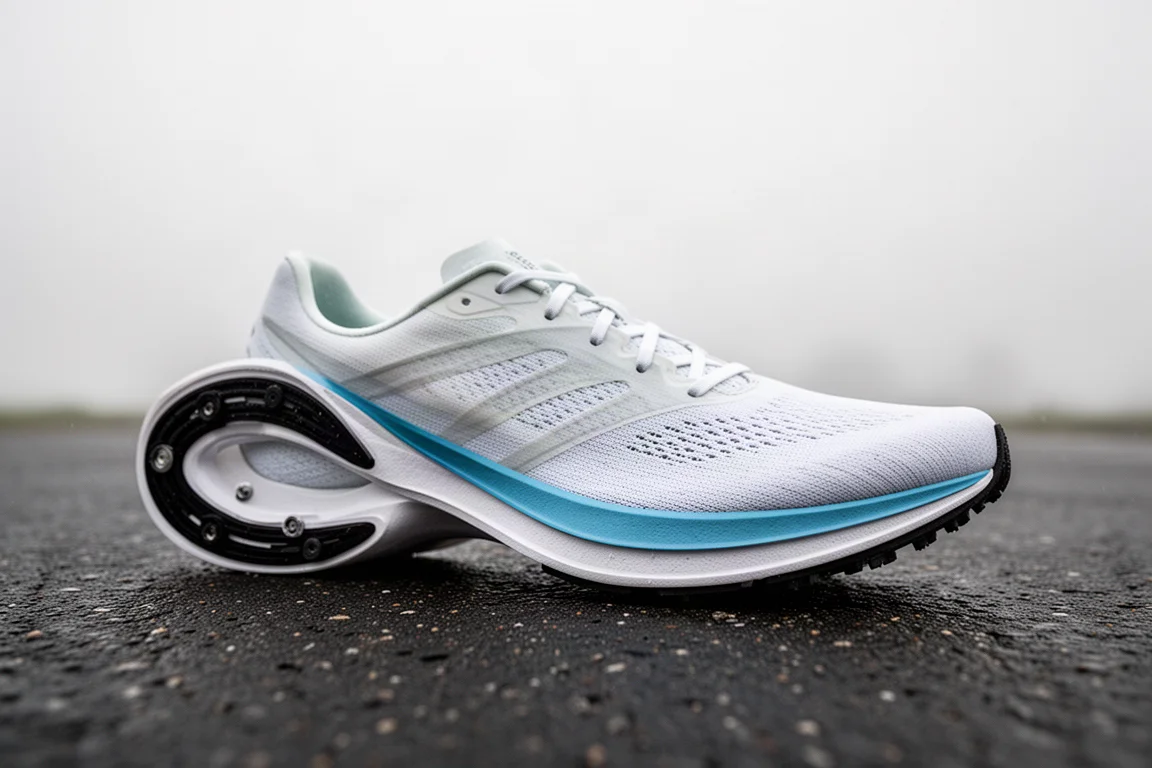
The Pro Evo 1 runs a touch short initially, then breaks in to true to size. The upper is very low volume, so runners with high-volume feet may struggle, though it offers a bit more width once broken in, giving toes room to spread. It locks down well and disappears on the foot, with a more prominent heel counter.
The Miro is narrower but offers slightly more volume, and lockdown was easy. There is essentially no heel counter, which is a plus if you are sensitive to that area. The Miro’s upper feels more like a track spike design, while the Pro Evo 1 feels like a low-riding marathon racer that gains a little room after break-in.
Durability and Value
Neither shoe is built to last. These are ultimate performance tools, not durable trainers. At around 20 miles, the Miro is already starting to show some wear, though plenty of miles remain. On the Pro Evo 1, a rubber outsole piece tore off fairly quickly, and at roughly $500 the wear rate stings more.
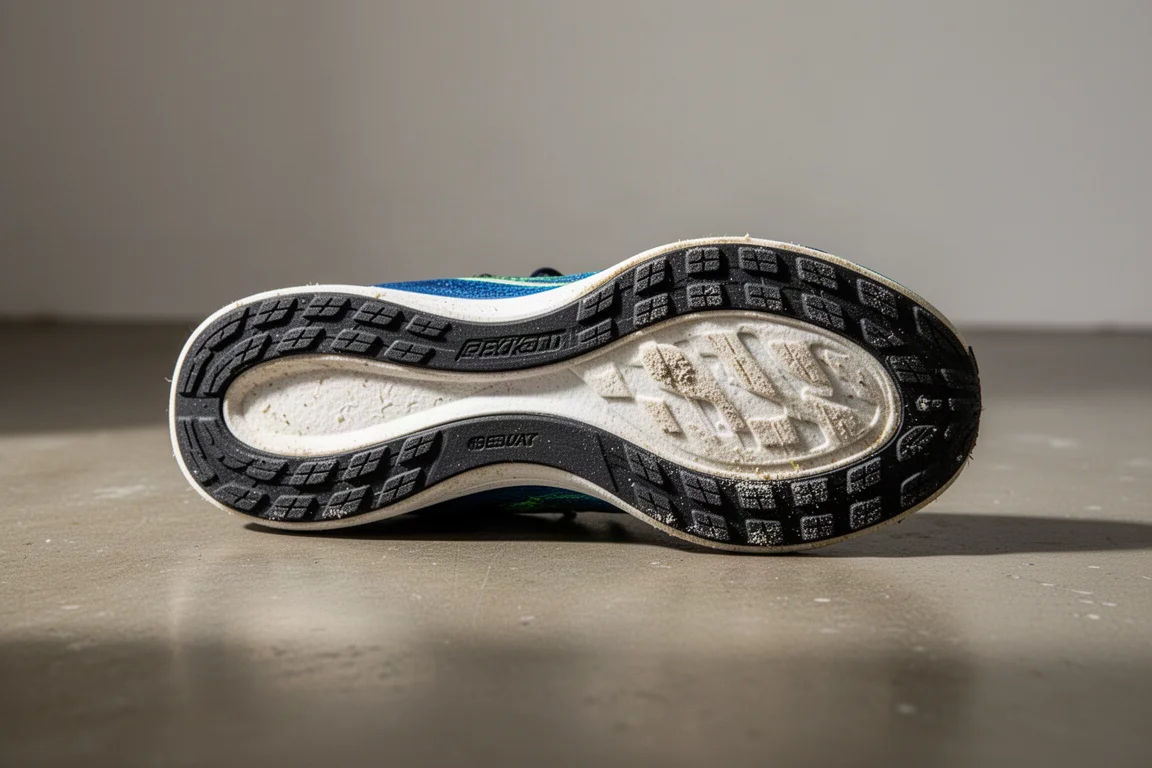
The Miro is the better value of the two, currently available for about $189, which makes it much easier to justify as a short-distance race weapon, especially if you are hard on outsoles. If you regularly grind through heels and rubber, both shoes will disappoint; they are not meant to be durable.
Conclusion
These are two of the lightest super shoes available, but they serve opposite purposes. Choose the Adidas Adizero Pro Evo 1 if your target is the half marathon or marathon and you want proven, marathon-ready cushioning. Choose the 361 Miro if you race 5K and 10K distances and want a bouncier, even lighter shoe that rewards fast turnover. Matching the shoe to the distance is what makes either one a great purchase.
Further reading
Related Reviews

Running Shoes
Best Road-to-Trail Running Shoes: Three Versatile Options for Mixed Terrain
A practical guide to three road-to-trail running shoes that handle both pavement and mild trails, with clear strengths and trade-offs for different runner types.

Running Shoes
Best Running Shoes for Achilles Tendonitis: Three Options Explained
Three running shoes with different heel drops and support features designed to help reduce Achilles tendon pain during walking and running.

Running Shoes
Best Running Shoes for Women: Five Top Choices Ranked
A ranked guide to five women's running shoes, from versatile daily trainers to high-performance racing options, with real strengths and trade-offs for each.