Camping Gear
Light Fighter Windbreaker Review: A Three-Season Tent That Becomes a Four-Season Shelter
A lightweight cold weather conversion kit that covers a one-person tent's mesh, cuts wind penetration, and adds four snow anchors for winter camping.
Introduction
The Light Fighter Windbreaker is a cold weather conversion kit designed for Light Fighter one person tents. It is a second layer that sits over the tent body and covers the mesh panels that make a three season shelter so breathable in summer, and so cold in winter. The kit is priced at $102 and weighs 14.6 ounces, just under one pound.
The logic behind it is straightforward. A three season tent body relies on large mesh sections for ventilation, and that mesh releases heat and lets wind move straight through the inner shelter. A four season tent typically uses a solid fabric inner wall instead, which blocks wind and holds more warmth. This kit adds that solid layer without requiring a second tent.

For anyone who already owns a Light Fighter one person tent and wants to extend its useful season, the Windbreaker is the missing piece rather than a replacement purchase. It is also worth noting that three season to four season conversion kits of this kind are uncommon, since most adapter kits on the market work in the opposite direction.
What the Light Fighter Windbreaker Is
The Windbreaker is a fitted fabric shell that mirrors the shape of the tent body. It has two doors that line up with the tent’s own doors and two vents at the ends, so airflow and moisture release are still possible when you want them. The material is a 30 denier water resistant nylon, which keeps the overall package light while adding a meaningful wind barrier.
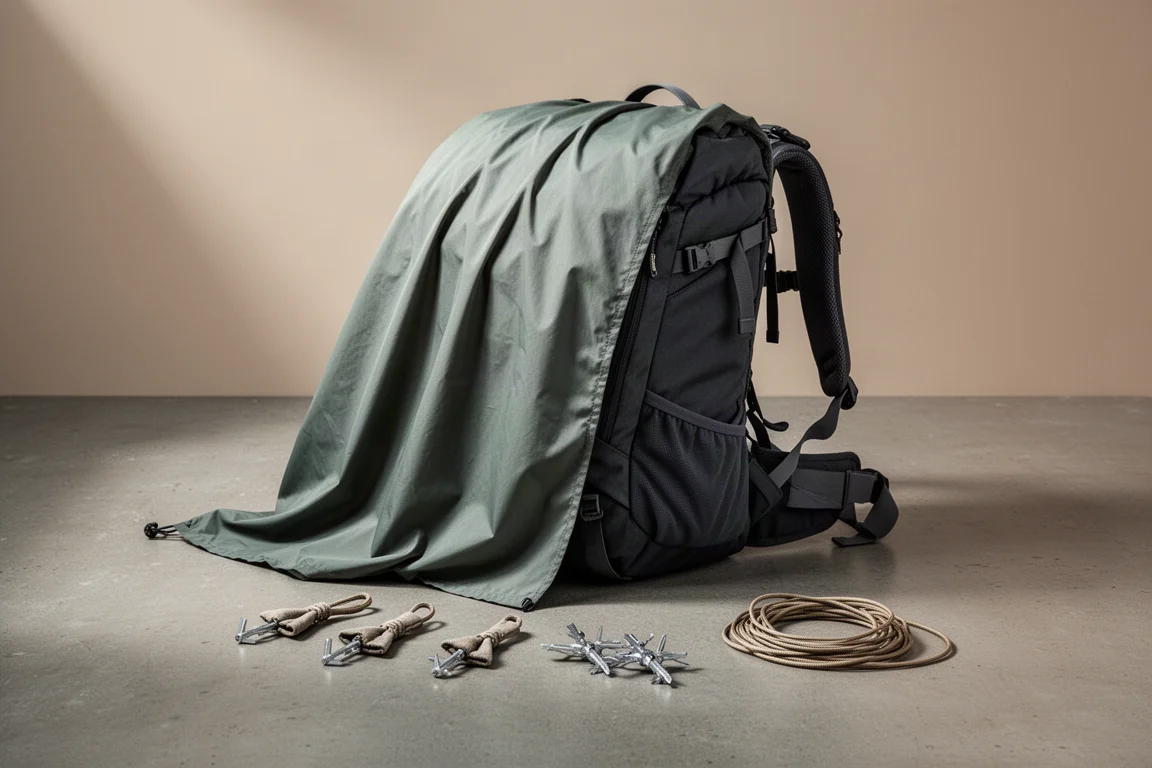
Along with the shell, the kit includes four snow anchors. These are fabric pockets you can fill with snow, bury, or load with a rock before burying, which gives you a way to secure the tent when the ground is frozen or buried too deep to take stakes.
How the Conversion Works
Installation happens before the poles are connected. You lay the Windbreaker over the tent body, then work along the frame. The shell has slits at every junction and a pull clip at each one: slide the clip through the opening, connect it to the pole, and the fabric is captured in place. From there you move to the side clips and pull them through, then attach the clips at each corner at the bottom.
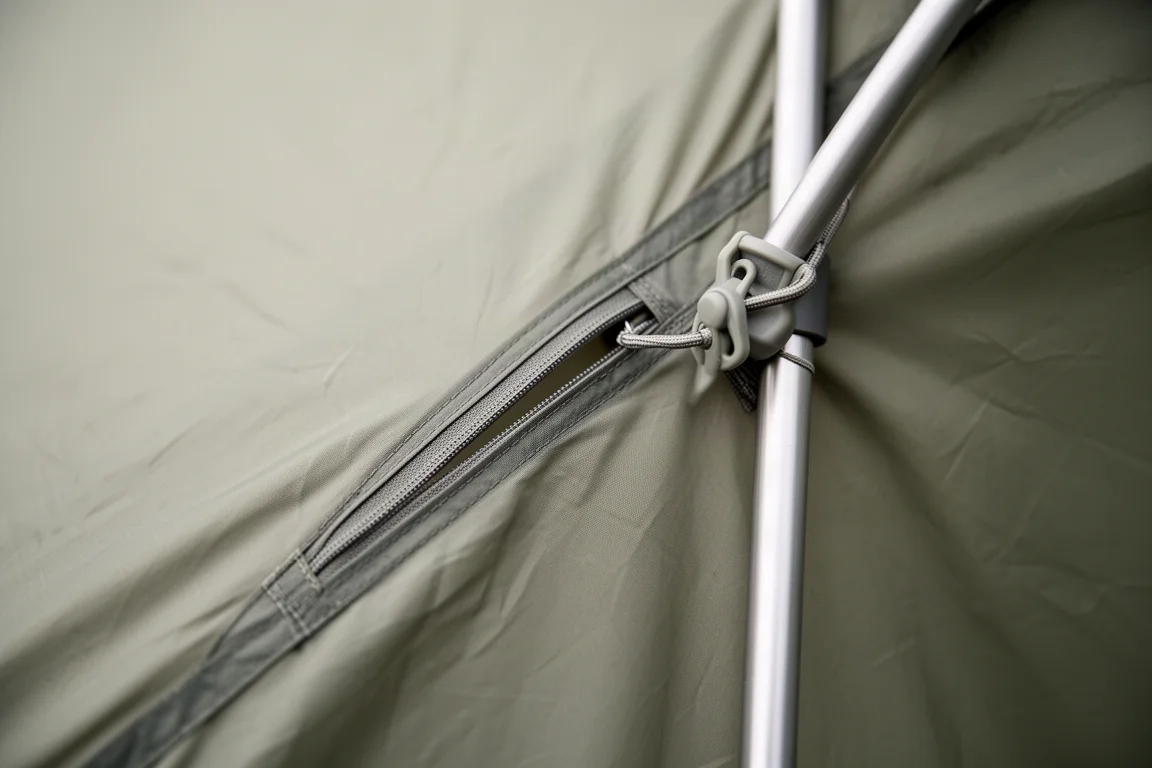
The process is simple but it is an extra step, and it adds roughly three minutes to a normal pitch. If you pitch the tent often, that is a small tax rather than a real obstacle, but it is worth knowing before you commit to the routine.
Who This Kit Is For
This is a kit for campers who want to keep using a one person Light Fighter tent outside the warm months. If you camp in shoulder season or mild winter conditions, want to stay warmer at night, and would rather not deal with bugs, the Windbreaker targets exactly that use case. It also suits backpackers who care about pack weight, since the whole kit stays under a pound.
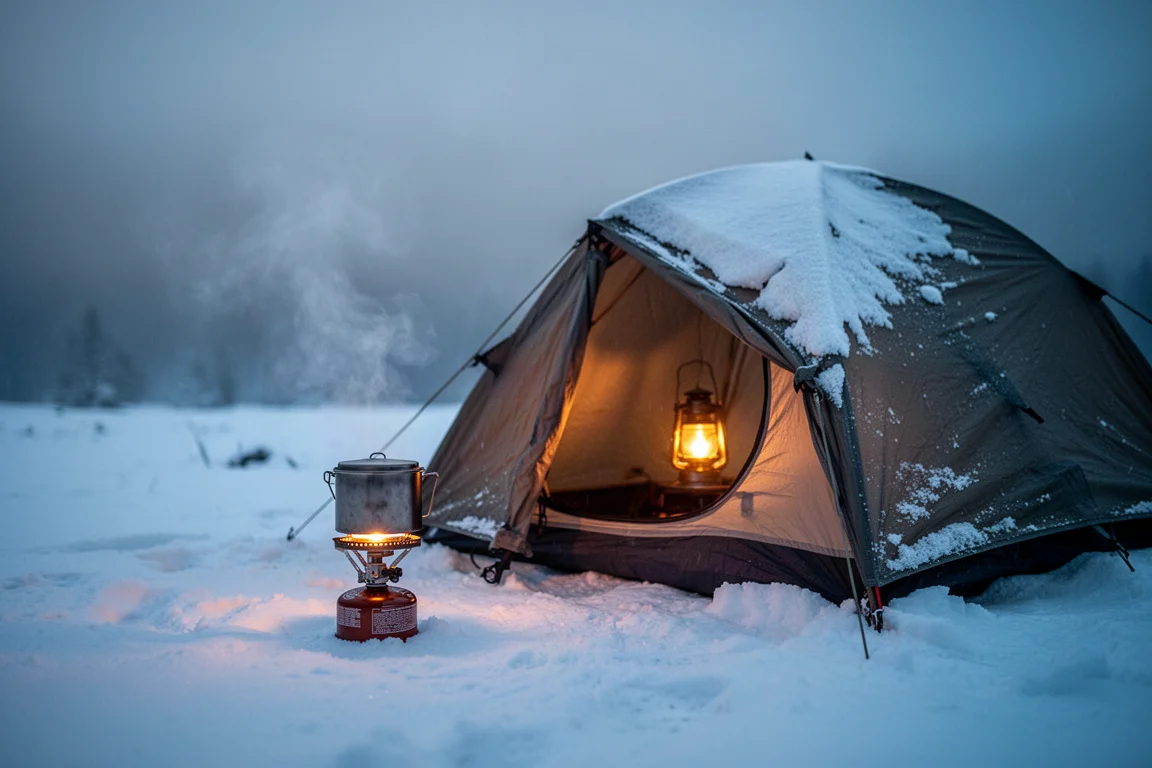
It is not aimed at expedition use. The design is not intended for blizzard conditions, and snow loading and wind speeds are things you have to monitor carefully. For an average cold weather camping trip, the shelter and this kit should be enough.
Main Strengths
The strongest argument for the Windbreaker is that it covers the mesh almost completely, leaving only the two end vents open. That directly addresses the main weakness of a three season body in cold weather: heat escaping and wind pushing through. The vents remain useful for releasing moisture and managing condensation.
Weight and price are the other clear strengths. At 14.6 ounces, the kit barely registers in a pack, and $102 is modest next to the adapter kits sold for premium four season tents, which can run around $250 to $300. Construction also looks excellent on close inspection, inside and out.
Things to Consider Before Buying
This kit has not yet been through long-term field testing, so the honest position is that its performance in genuinely windy conditions is still an open question. Wind could still press against the side of the shelter and work its way behind the added wall, or it might not. That is the single biggest unknown.
There are a few practical points to weigh as well. The Windbreaker is not a blackout layer, so some light passes in both directions and the interior is darker rather than fully dark. Setup takes longer than pitching the tent alone. And because this remains a three season design at heart, you should not treat it as a snow-load shelter, particularly in exposed terrain or heavy snowfall.
Buying Advice
If you already own a Light Fighter one person tent and want to camp in colder, bug-free conditions, the Windbreaker is an inexpensive way to get more usable nights out of gear you have. The lightweight shell, the 30 denier water resistant nylon, and the included snow anchors cover the essentials without pushing your pack weight up.
If you need a true winter shelter for exposed alpine trips or heavy snow, this kit is not the right answer, and a dedicated four season tent remains the safer choice. For everyone else, the value case is clear: a simple, well-built layer that turns one tent into two seasonal setups.
Conclusion
The Light Fighter Windbreaker is a smart, lightweight answer to a common problem. It covers the mesh that makes a three season tent cold in winter, adds snow anchors for frozen ground, and costs far less than the adapter kits sold for premium four season shelters. The setup step is quick and the whole thing weighs under a pound. Its limits are worth respecting, since it is not built for blizzards or heavy snow loading, and its wind-blocking performance in sustained gusts is not yet proven. For cold weather camping short of extreme conditions, it looks like a genuinely useful addition to an existing Light Fighter tent.
Product link
View more details for Light Fighter Windbreaker
This product is mentioned in the review. Check the specifications, options, and compatibility before buying.
View more details for Light Fighter WindbreakerFurther reading
Related Reviews
Camping Gear
3FUL Ultralight Ground Sheet Review: A Two-Person Footprint Worth Packing
A 6.7 oz two-person ground sheet in ripstop silnylon, priced around $30. Here is what it protects, what it does not do, and who should pack it.
Camping Gear
Backcountry Light Dual-Function Tarp and Floor Review: A Footprint First
A dual-purpose tent floor and tarp that keeps falling rain off you, but cannot block wind. Here is where it works and where it does not.
Camping Gear
Best 2-Person Camping Mattresses for Couples: 10 Options Compared
A practical comparison of ten two-person camping mattresses, covering self-inflating pads, air pads and air mattresses for couples.