Camping Gear
Light Fighter Wind Breaker Review: Turning a Three-Season Tent Into a Four-Season Shelter
A close look at the Light Fighter Wind Breaker, a 14.6-ounce nylon overlay kit that adds a wind-blocking second wall to a one-person three-season tent for $102.
Introduction
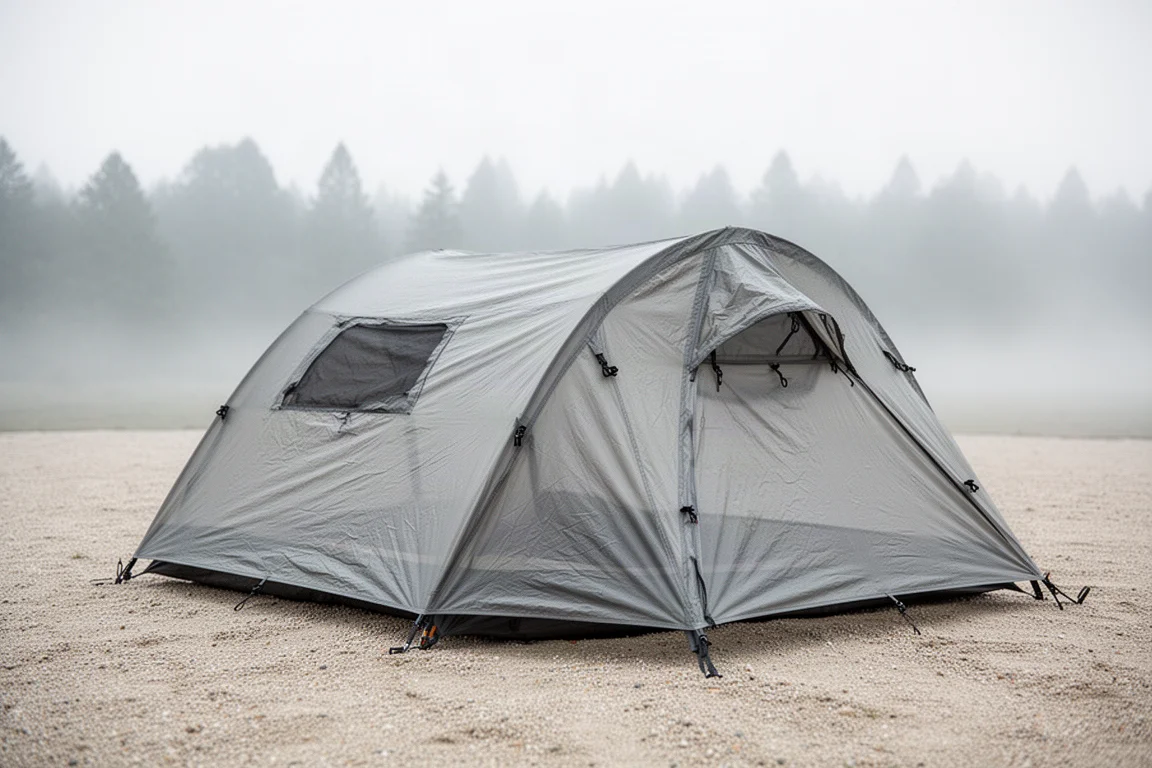
The Light Fighter Wind Breaker is a conversion kit built for the brand’s one-person tent. The concept is refreshingly direct: an opaque fabric shell that lays over the mesh-heavy three-season body so the shelter behaves more like a four-season tent when temperatures drop. For anyone who already owns a Light Fighter one-person tent, it is a route to a second season of use without buying a second shelter. The kit is priced at $102 and weighs 14.6 ounces, comfortably under a pound.
Three-season tents lean on mesh panels to manage condensation in warm weather. In winter, that same mesh releases heat and lets wind move freely through the sleeping space, which usually translates into a colder night. A four-season tent typically solves the problem with a second fabric wall: an outer fly plus a solid inner body that blocks wind and holds more warmth. The Wind Breaker reproduces that idea as an add-on layer rather than a whole new tent.
Who This Product Is For
This kit is aimed at owners of a Light Fighter one-person tent who want to keep camping once the bugs are gone and the nights turn cold. That covers late-autumn and early-spring trips, frosty mornings, and shoulder-season camps where a mesh inner would otherwise leave the interior exposed to wind.
It is not a mountaineering upgrade. The design is strong enough for ordinary cold-weather camping, but it is not intended for blizzards or extreme wind loading. Riders of the seasons still matter here, and anyone heading into genuinely severe conditions should be looking at a purpose-built expedition shelter instead.

For the average winter camper who wants a warmer, quieter night without a second tent purchase, the use case is clear and the entry price is modest.
Main Strengths
The appeal of the Wind Breaker rests on three things: how little it changes the existing tent, how it handles airflow, and what comes in the box.
A Simple, Reversible Conversion
Installation is a layering step rather than a rebuild. The shell goes over the tent body before the poles are connected, and from there the pole clips slide through narrow slits cut at every junction. Once the clips are threaded, two side clips are pulled through and connected, then the corner clips are fastened at the base of the tent. Nothing is removed or replaced, so the conversion reverses just as easily when warm weather returns.
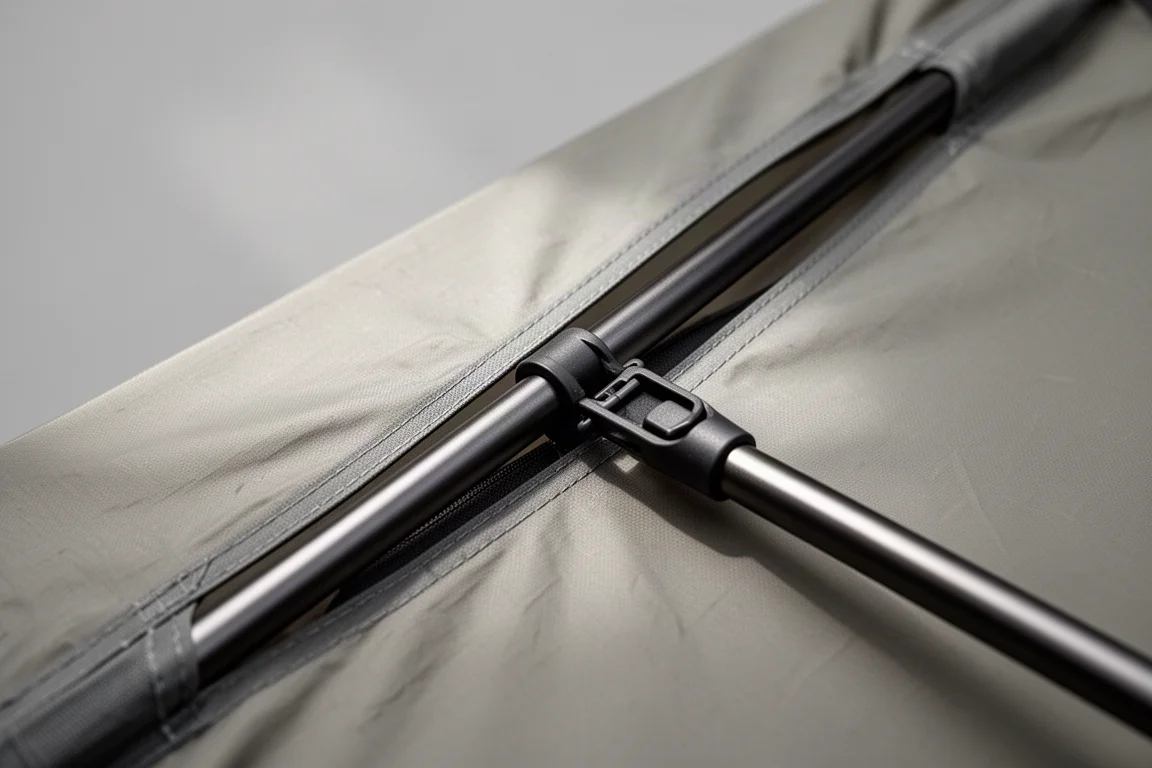
The trade-off is time rather than complexity. Threading the pole clips through the slots adds roughly three minutes to a pitch. That is a small tax on setup, and it keeps the underlying tent as simple to use as it always was.
Ventilation and Weather Protection
A fully sealed inner wall would trap moisture, so the Wind Breaker keeps two mesh vents at the ends of the shell and mirrors the tent’s own two-door layout. The result is a shelter that limits how much wind and cold air reaches the sleeping area while still allowing some airflow to release condensation when needed. When conditions are milder, the doors can be rolled back out of the way so the tent behaves much like its three-season self.
Included Snow Anchors and Build Quality
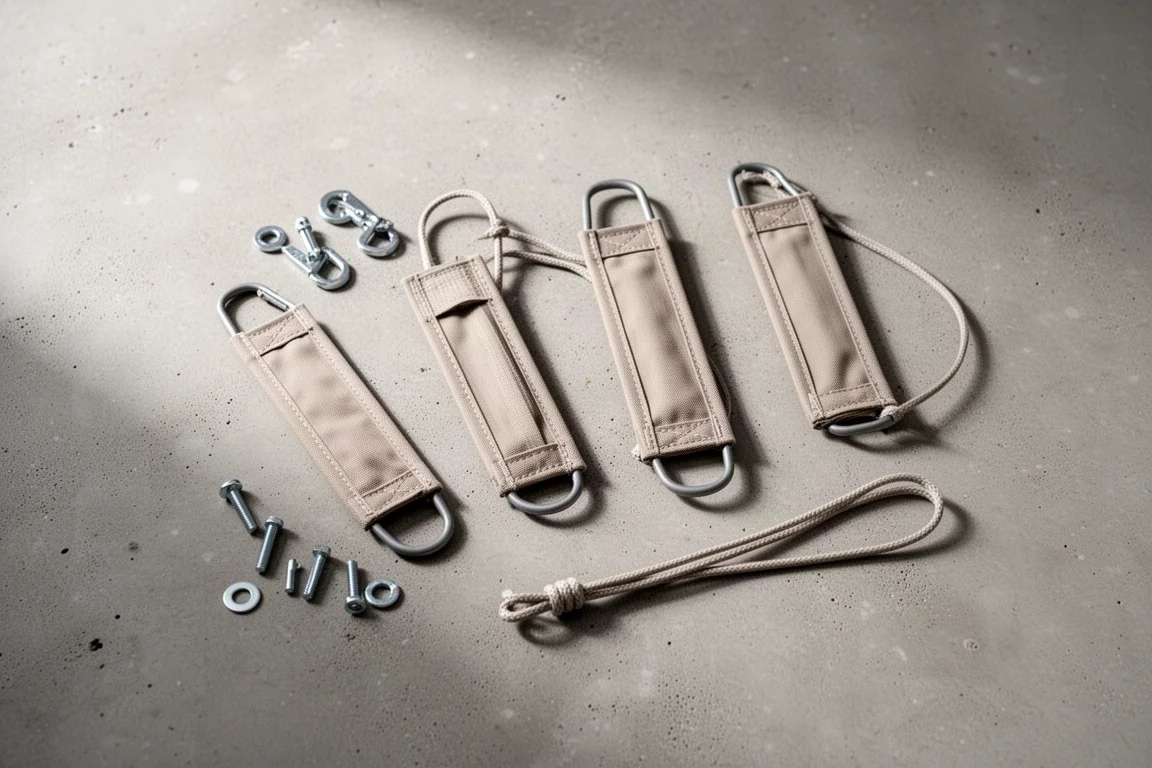
The kit ships with four snow anchors in addition to the shell. These are filled with snow, or weighted with a rock and buried, which gives the tent a usable anchor point when the ground is frozen or buried too deep for standard stakes.
The shell itself uses a 30 denier water-resistant nylon. An initial inspection shows tidy stitching and clean finishing across the panels, with the clip points and slits reinforced at the junctions where the poles pass through. Long-term durability through a full winter of use is the open question, and that is the kind of thing only a season of real trips will settle.
Things to Consider Before Buying
Two points deserve honest attention before ordering.
The first is that this is a wind and warmth layer, not a structural upgrade. Snow loading and high wind speeds still need to be managed carefully, and the shell does not turn a three-season tent into an expedition shelter. Anyone planning trips above the treeline in deep winter should treat those limits as real.
The second is light transmission. The interior is noticeably darker with the shell fitted, which helps with warmth and privacy, but it is not a full blackout layer. Light still passes through in both directions, so it will not hide a lit interior from outside.
Buying Advice
At $102, the Wind Breaker sits well below the cost of comparable adapter kits from other manufacturers, where body-swap conversion systems can run roughly $250 to $300 and often involve removing and replacing the tent body, a process that takes considerably longer. Here the conversion is a matter of laying a shell over the existing body and clipping it down.

The value case is strongest for people who already own the Light Fighter one-person tent and want a genuine cold-weather capability without a second purchase. If you are choosing between this kit and a dedicated four-season tent, the decision comes down to how far into winter you plan to push. For frosty nights, quiet campsites and shoulder-season trips, the kit covers the need at a fraction of the cost. For serious winter conditions, a dedicated four-season shelter remains the safer answer.
Conclusion
The Light Fighter Wind Breaker is a smart piece of kit built around a simple premise: most winter campers do not need an expedition tent, they need their existing tent to stop leaking heat through mesh. A water-resistant nylon shell, two retained vents, two doors and four snow anchors make that possible for $102 and 14.6 ounces. Setup gains a few minutes, and the conversion is fully reversible. As long as expectations stay within the design’s limits, it is a practical way to extend a one-person Light Fighter tent into the colder months.
Product link
View more details for Light Fighter Wind Breaker
This product is mentioned in the review. Check the specifications, options, and compatibility before buying.
View more details for Light Fighter Wind BreakerFurther reading
Related Reviews
Camping Gear
3FUL Ultralight Ground Sheet Review: A Two-Person Footprint Worth Packing
A 6.7 oz two-person ground sheet in ripstop silnylon, priced around $30. Here is what it protects, what it does not do, and who should pack it.
Camping Gear
Backcountry Light Dual-Function Tarp and Floor Review: A Footprint First
A dual-purpose tent floor and tarp that keeps falling rain off you, but cannot block wind. Here is where it works and where it does not.
Camping Gear
Best 2-Person Camping Mattresses for Couples: 10 Options Compared
A practical comparison of ten two-person camping mattresses, covering self-inflating pads, air pads and air mattresses for couples.