Water Filters
LifeStraw Peak Series Review: A Capable Hollow Fiber Filter, Not a Reinvention
A practical look at the LifeStraw Peak Series squeeze filter: where it improves on older LifeStraw designs, where the bag geometry creates friction, and who should buy it.
Introduction
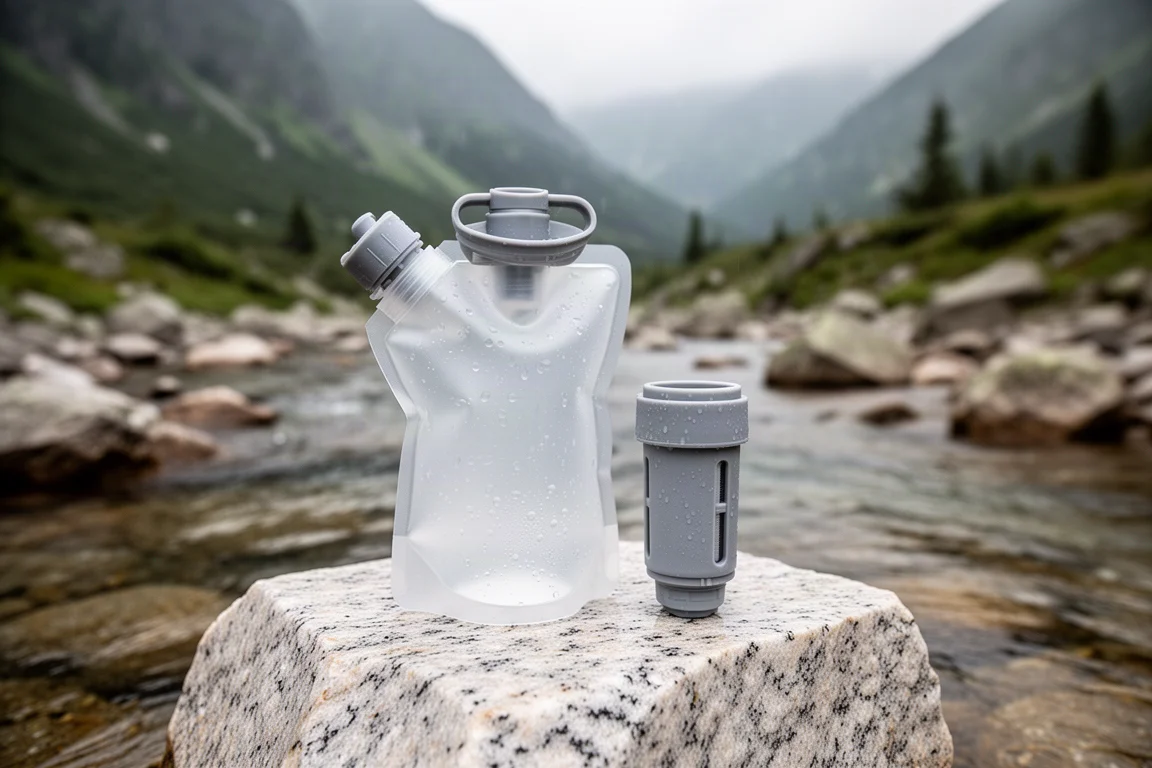
Hollow fiber filters are now the default choice for backpackers treating water on the move. The Sawyer Squeeze held that position for years, then the Katadyn BeFree arrived with faster flow and a bag that was easier to fill, and plenty of backpackers made the switch. The LifeStraw Peak Series now joins the same category with three formats: a straw, a gravity filter, and a flagship squeeze bag.
The core technology is familiar. The Peak Series is a hollow fiber filter in a new package, the same approach used by the Sawyer Squeeze, the Katadyn BeFree, and the Platypus QuickDraw. The most meaningful progress across this category in recent years has been flow rate, and flow rate is really a measure of effort. The faster water passes through a filter, the less work it takes to drink.
That is where the Peak Series earns its place. Earlier LifeStraw filters were hard work, closer to pulling on a thick milkshake than sipping through a straw. The Peak Series closes most of that gap. It is a capable filter that does its job. What it is not is a reinvention.
Who the LifeStraw Peak Series Is For
The Peak Series suits backpackers who want a straightforward hollow fiber squeeze filter for streams, lakes, and alpine tarns. It filters bacteria, protozoa, and other contaminants typically found in backcountry water sources, which is the baseline expectation for this class of filter.
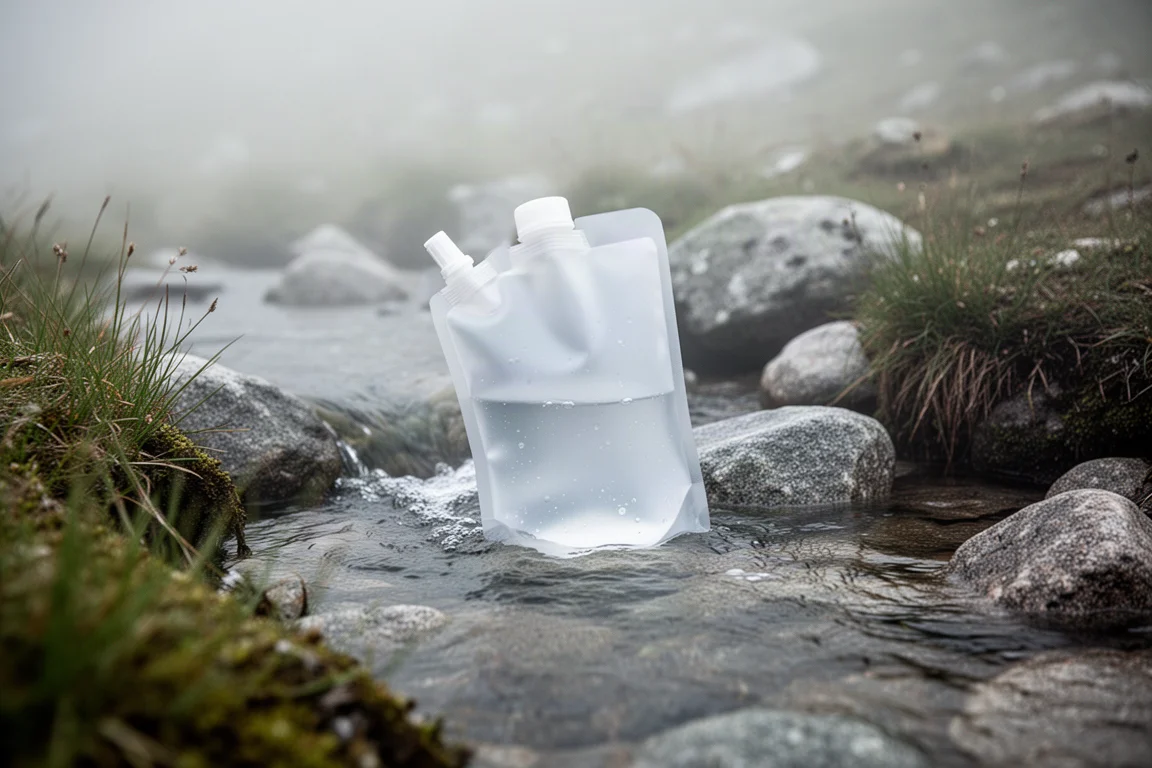
It also appeals to anyone who wants to pair a filter with bottles and bags they already carry. The standard 28 mm thread screws directly onto a Smartwater bottle or a Katadyn bag, so the filter works as part of a setup rather than as a closed system. If you already own compatible bottles, that flexibility is genuinely useful.
Main Strengths
The clearest improvement is flow. LifeStraw has caught up to the rest of the market on how easily water moves through the filter, and that changes the drinking experience more than any specification suggests.
Filtration itself is what you would expect. The Peak Series removes bacteria and protozoa along with other contaminants commonly found in backcountry water sources, so it is a reasonable choice for three-season backpacking and day hikes where you are drawing from natural water.
The line also offers some choice in format. Alongside the flagship squeeze bag there is a straw and a gravity filter, so the same filter technology is available in shapes that suit different habits.
Finally, the 28 mm threading is a quiet strength. Being able to screw the filter onto a standard bottle or a Katadyn bag makes it easier to fit the Peak Series into an existing kit.
Design Trade-Offs to Weigh Before Buying
LifeStraw ships the flagship squeeze filter mounted inside the bag, and that arrangement has a real drawback. The BeFree works well with its filter inside because the bag is open to the filter all the way around, letting water enter from any side. The Peak bag only has an opening at the bottom, so once the water level drops below that intake there is nothing left to squeeze out.
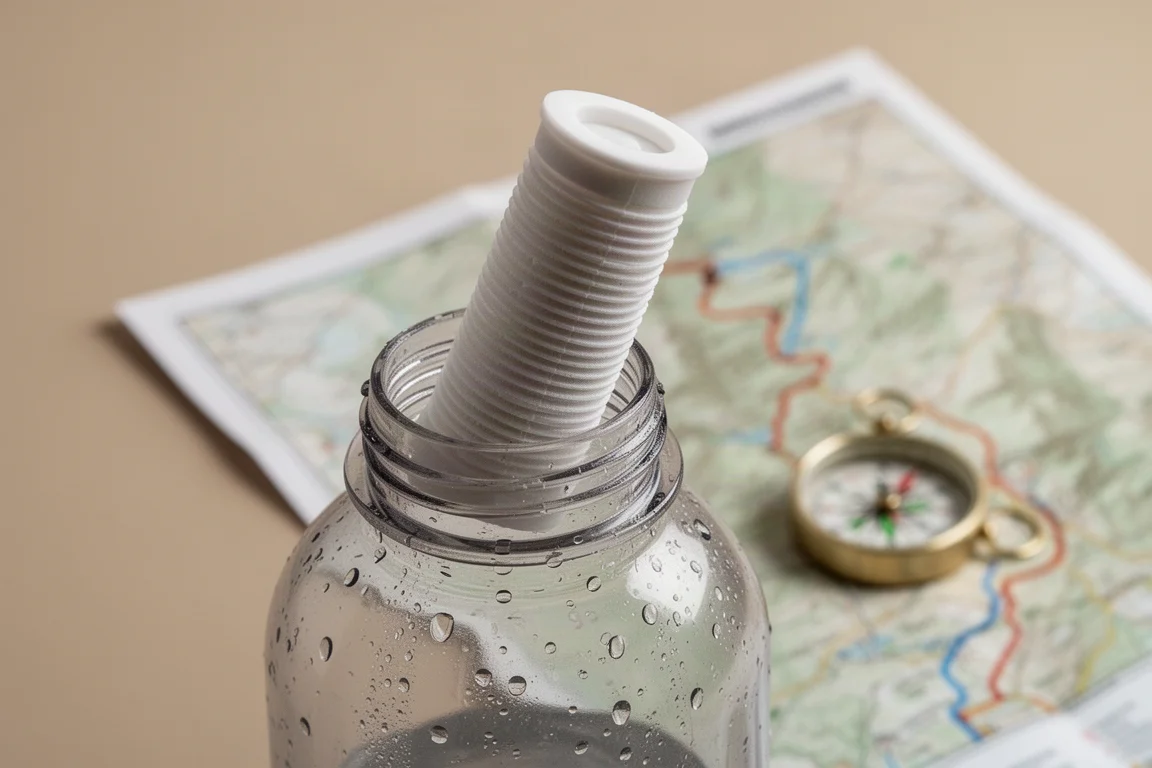
There is a workaround. The small rubber spout can be removed and the filter threaded onto the outside of the squeeze bag, which makes the last few ounces far easier to reach. The catch is that this is not how the product ships and it is not how it is presented, so many buyers will never know the option exists.
The bigger concern is what happens if you use the filter outside the bag and then return it to the drinking position. The dirty end of the filter ends up exactly where you plan to put your mouth, which places unfiltered parasites and bacteria uncomfortably close to your drinking surface. It is a cross-contamination risk that is easy to manage once you know about it, but it is a design detail worth understanding before you settle into a routine.
How the Peak Series Compares With Other Hollow Fiber Filters
The honest framing is that the Peak Series is one hollow fiber filter among several well-established ones. The Sawyer Squeeze, the Katadyn BeFree, and the Platypus QuickDraw all use the same core technology, and each has its own bag and mounting approach.
Where the category has genuinely moved forward is ease of filtering, and the Peak Series is part of that trend rather than the cause of it. LifeStraw has caught up to the competition, but it has not passed it. The Peak is not the fastest filter available, and it is not the easiest to use.
Durability, Weight, and Packability
The squeeze bag does feel tough. A stiff shroud around the collar gives it a solid, structured feel in the hand, and it is the kind of bag that inspires confidence when you are squeezing hard.
That durability has a cost in bulk. The bag is harder to pack down to a compact size than a softer alternative, and it becomes more awkward still when the filter is threaded onto the outside. Weight is less of an issue. A half liter Peak squeeze bag with the filter attached comes in at about 4.3 ounces.
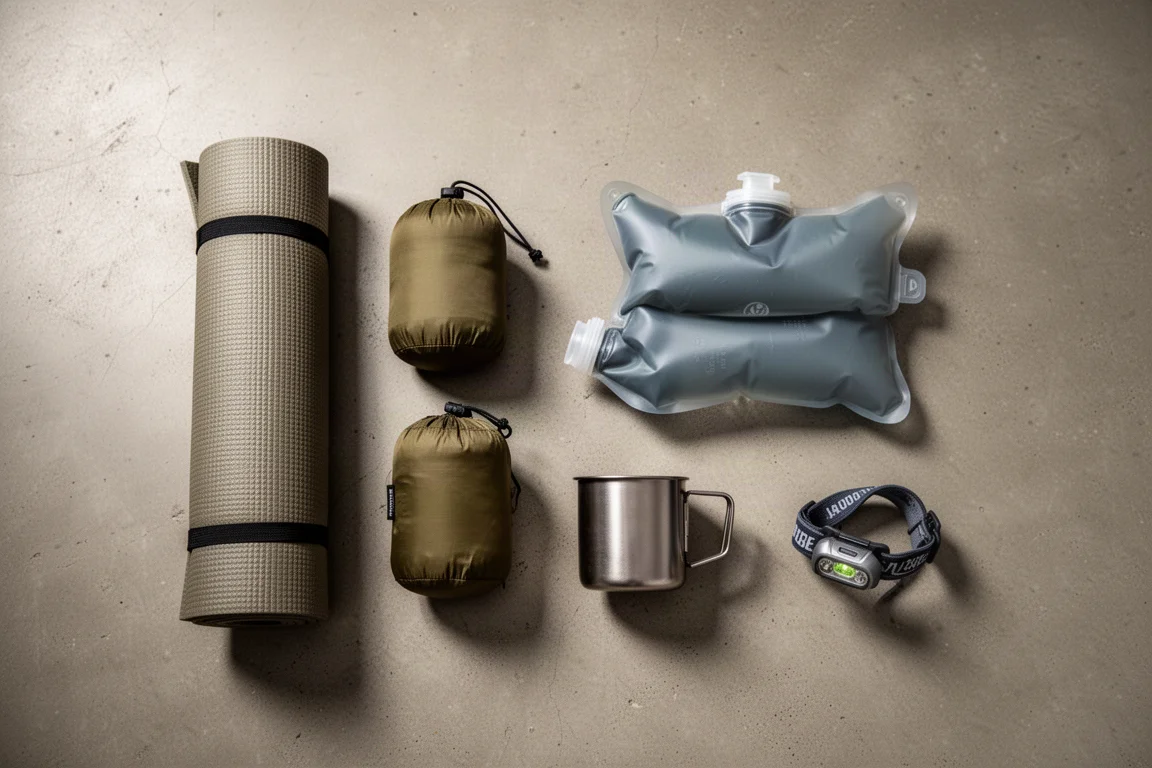
For context, a Platypus QuickDraw with its squeeze bag weighs around 3.8 ounces, and that bag holds double the capacity of the half liter Peak. That gap is worth knowing if you are counting grams or trying to keep your pack volume tight.
Drinking From the Bag: What to Expect
In daily use, the bottom-mounted intake shapes the whole experience. You get full, easy flow while the bag is well filled, and then the last few ounces become stubborn as the water drops below the entrance to the filter. Planning around that, either by topping up early or by moving the filter to the outside of the bag, makes the system far less frustrating.
The 28 mm thread is the part that works without compromise. It lets you screw the filter onto a Smartwater bottle or a Katadyn bag, which is a useful option when you would rather drink from a bottle than squeeze a pouch.
Buying Advice
The Peak Series is a perfectly fine filter to buy. It will filter the bacteria and protozoa you are likely to encounter in backcountry water, the bag feels durable, and the standard threading gives it real flexibility with bottles and bags you may already own.
What it is not is a breakthrough, and it is worth setting that expectation before you spend. If you want a filter that is easier to fill and faster to drink from, this is a legitimate option. If you want the most refined squeeze filter on the market, it is worth comparing it against the alternatives before deciding.

Buy the Peak Series for what it is: a solid, current-generation hollow fiber filter with a sturdy bag and a widely compatible thread. Do not buy it expecting a redesign of how water filters work, because that is not what is on the shelf.
Conclusion
The LifeStraw Peak Series is a competent hollow fiber squeeze filter that brings LifeStraw’s flow rate in line with the rest of the market. The bag is durable, the 28 mm thread is genuinely useful, and filtration covers the contaminants most backpackers worry about. The trade-offs are the bottom-mounted intake, the awkwardness of packing it down, and the cross-contamination risk if you move the filter outside the bag and back again. Those are manageable details rather than dealbreakers, and for many hikers the Peak Series will do exactly what it needs to do.
Product link
View more details for LifeStraw Peak Series
This product is mentioned in the review. Check the specifications, options, and compatibility before buying.
View more details for LifeStraw Peak SeriesFurther reading
Related Reviews

Water Filters
Berkey Travel Water Filter Review: Large Capacity, But Is It Worth It?
A detailed look at the Berkey Travel water filter, covering its large stainless steel reservoir, filter performance, and overall value.

Water Filters
Best Water Filters 2026: A Practical Comparison of 12 Pitchers and Systems
We compare 12 water filters and purification systems across copper, fluoride, chlorine, and clarity tests to help you choose the right one for your home.
Water Filters
GRAYL GeoPress Review: Broad-Spectrum Water Purification for Travel and Trail
The GRAYL GeoPress purifies viruses, chemicals, and heavy metals in a single press. Here is where it earns its price, and where its weight, capacity, and cartridge life get in the way.