Water Filters
GRAYL GeoPress Review: Broad-Spectrum Water Purification for Travel and Trail
The GRAYL GeoPress purifies viruses, chemicals, and heavy metals in a single press. Here is where it earns its price, and where its weight, capacity, and cartridge life get in the way.
Introduction
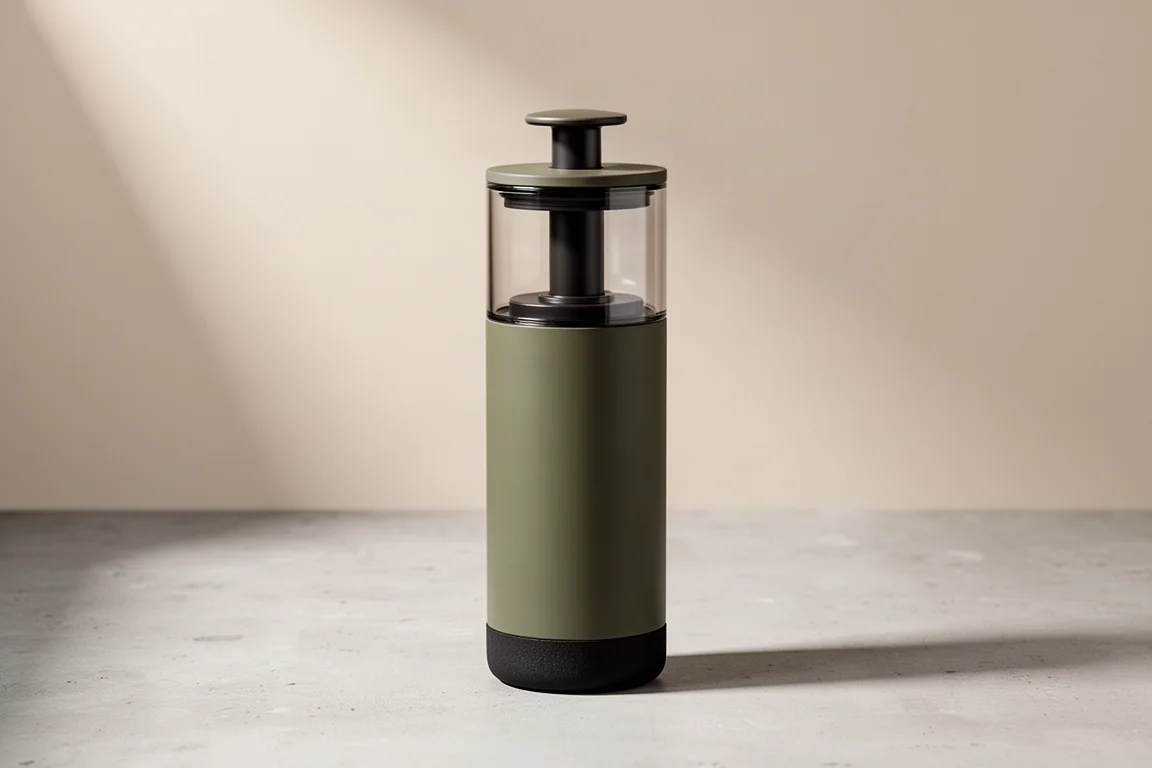
The GRAYL GeoPress is a press-style water purifier that aims well past the standard trail filter. Where most portable filters stop at bacteria and protozoa, the GeoPress also targets chemicals, heavy metals, and viruses, and it works on taste at the same time.
That range comes with real trade-offs. The GeoPress is heavy, bulky, and limited in capacity compared with the squeeze filters most hikers carry, and its cartridge has a shorter service life than many alternatives. This review covers what the GeoPress does well, what to expect before you buy, and which type of user gets the most from it.
Who the GRAYL GeoPress Is For
The strongest case for the GeoPress is travel. In many developing regions the water risks go beyond parasites: viruses, industrial chemicals, and heavy metals are far more common than they are in a typical backcountry setting, and the GeoPress is built to handle all of them in a single step.
If your year includes overseas trips plus the occasional backcountry outing, this is one filter that covers both without a second device. If your priority is fast, light backpacking, those same features become overhead.
That distinction matters more than any single specification. The GeoPress is a travel-first purifier that can go into the backcountry, rather than a backpacking filter that happens to travel well.
Filtration Capability: What Sets It Apart
Filtration is the GeoPress’s core argument. It removes bacteria and protozoa, then continues on to chemicals, heavy metals, and viruses, while improving the taste of the water that comes through.
Virus removal is close to unheard of in a handheld filter, and that is what separates the GeoPress from nearly everything else in the category. On a normal backcountry trip the extra protection is largely unnecessary, since the dominant threat is parasites such as Giardia. Where the water supply is unpredictable, that coverage is the entire point.
It helps to keep expectations realistic. The GeoPress does not strip color from a liquid, so a dark drink pressed through the filter still comes out dark. It is a purifier, not a clarifying agent, and heavily contaminated water should be judged on what the filter removes rather than on how clear the output looks.
Main Strengths
Broad-spectrum purification is the headline, and it is what makes the GeoPress worth considering at all. Few portable filters claim to address viruses, chemicals, and heavy metals at the same time, and the ones that do tend to cost considerably more.
The mechanism is simple as well. Fill the reservoir, press the filter down, and drink. There are no batteries, no pumping hoses, and no chemical tablets to wait on.
For travelers who want a single device that handles an uncertain water supply without extra steps, that simplicity is a genuine advantage.
Weight, Bulk, and Capacity
This is where the GeoPress asks the most of its users. Dry, with no water inside, it weighs about 1 lb 5 oz, which places it among the heaviest portable filters available. The bulk is just as noticeable: few items in a typical pack take up as much room.
Capacity is limited to 21 oz, which is less than a liter. A full day of water therefore means carrying the GeoPress plus additional bottles, and it means pressing several times to fill them.
A smaller version exists for weight-conscious users. It weighs around 11 oz and filters 16 oz at a time, which is a meaningful improvement in weight but still heavier than most backpacking filters, with less water per press.
Things to Consider Before Buying
Pressing the GeoPress takes real force. In many cases body weight is needed to push the filter through, which is manageable on the ground but awkward when filtering somewhere that does not invite setting a bottle down.
Two small habits prevent most problems. Open the bottle before pressing so air can escape, otherwise the plunger will not move. And keep the press aligned as you go, because a misaligned press can send water up past the gasket.
Particulates are a harder limit. In heavily turbid water the filter simply will not press through, and straining the water first may be the only way to get flow. Because the cartridge cannot be backflushed, a clog in the field cannot be cleared, which matters if the GeoPress is your only source of safe water.
Service life is the other consideration. The cartridge is rated for about 65 gallons, after which a replacement costs roughly $30. Several well-known trail filters are rated for far longer intervals, in some cases hundreds of gallons, and some claim no cartridge replacement at all. Factor cartridges into the long-term cost.
On price, the GeoPress sits near $90, with the smaller version around $70. That is expensive next to most backpacking filters, but inexpensive next to purifiers with comparable capability, so the value depends on whether you actually need the wider coverage.
One more physical detail is worth knowing. The rubberized base clings to nylon pack fabric, which makes the bottle harder to slide in and out of a pack. It helps on a table where you do not want the bottle sliding around, but in the backcountry it is mostly friction.
Buying Advice
Buy the GeoPress if water quality is unpredictable and you want one device that covers viruses, chemicals, and heavy metals, especially if you travel internationally and hike occasionally. The added coverage is what you are paying for, and it is worth it when the water supply is the unknown variable.
Skip it if your trips are mostly backcountry and your priority is low weight. The 21 oz capacity and the need to press repeatedly will slow you down on long days, and the parasites you actually face are handled by far lighter filters.
If you want the coverage but not the weight, the smaller version is the compromise: around 11 oz with 16 oz of capacity per press. Budget for cartridges either way, since 65 gallons goes quickly on extended trips.
One last practical note: because the GeoPress cannot be backflushed, treat the cartridge as a consumable rather than a long-term component. Carrying a spare on longer international trips is a reasonable precaution.
Conclusion
The GeoPress is not the lightest filter, the longest-lasting one, or the best value for pure backpacking. For travel where viruses and chemicals are a genuine concern, though, its broad-spectrum purification is difficult to match in a handheld device. Buy it for the coverage, accept the weight and the cartridge schedule, and it handles a job most portable filters cannot.
Product link
View more details for Grayl Geopress
This product is mentioned in the review. Check the specifications, options, and compatibility before buying.
View more details for Grayl GeopressFurther reading
Related Reviews

Water Filters
Berkey Travel Water Filter Review: Large Capacity, But Is It Worth It?
A detailed look at the Berkey Travel water filter, covering its large stainless steel reservoir, filter performance, and overall value.

Water Filters
Best Water Filters 2026: A Practical Comparison of 12 Pitchers and Systems
We compare 12 water filters and purification systems across copper, fluoride, chlorine, and clarity tests to help you choose the right one for your home.
Water Filters
LifeStraw Peak Series Review: A Capable Hollow Fiber Filter, Not a Reinvention
A practical look at the LifeStraw Peak Series squeeze filter: where it improves on older LifeStraw designs, where the bag geometry creates friction, and who should buy it.