Outdoor Gear
LifeStraw Go Water Filter Bottle Review: Safe Drinking Water on the Trail
A practical look at the LifeStraw Go Water Filter Bottle, covering filtration claims, filter lifespan, weight, capacity, and who gets the most value from it.
Introduction
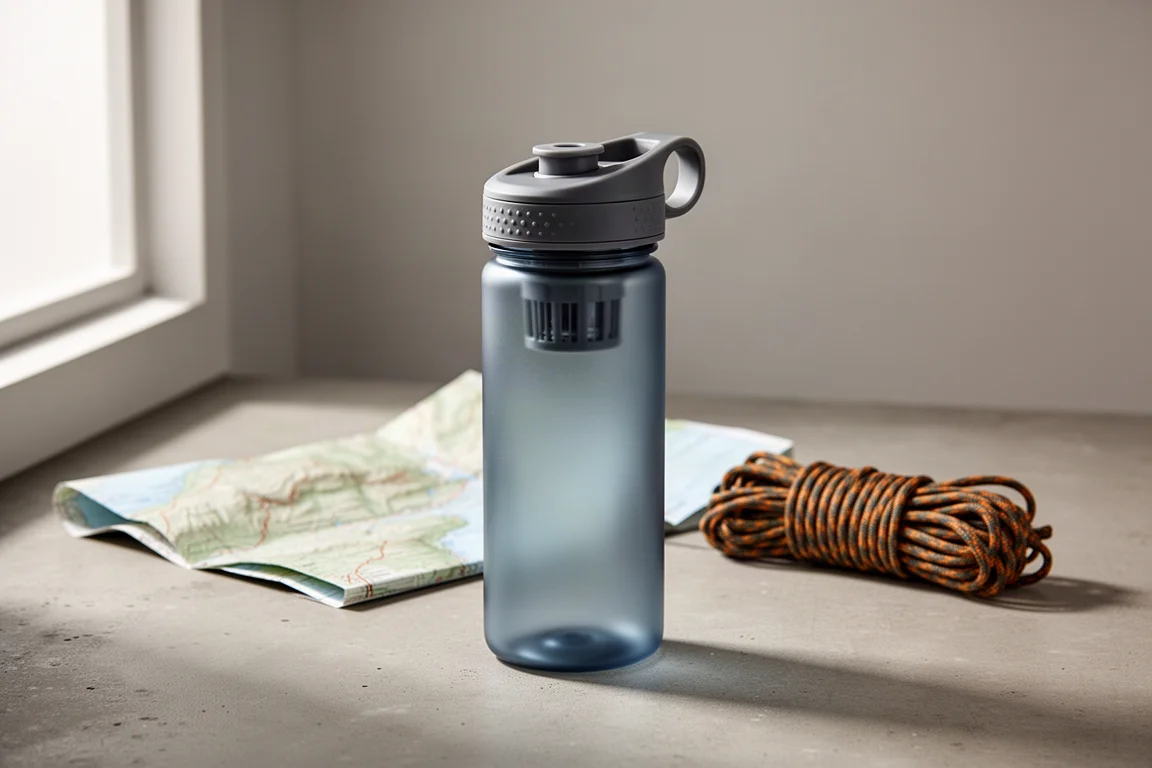
A filter bottle changes the way you plan a day outdoors. Instead of carrying every drop you intend to drink, you carry the ability to make water safe wherever you find it. The LifeStraw Go Water Filter Bottle fits that idea neatly: a 625 ml bottle with filtration built into the drinking path, priced at around £40.
That price is the first thing most people react to. It is a lot for a bottle, and it is worth being honest about that. What you are paying for is not the plastic, it is the filter inside it and the reassurance that comes with drinking from a source you would otherwise walk past. For anyone who has lost a day, or several, to a stomach upset picked up from food or water, the maths looks rather different.
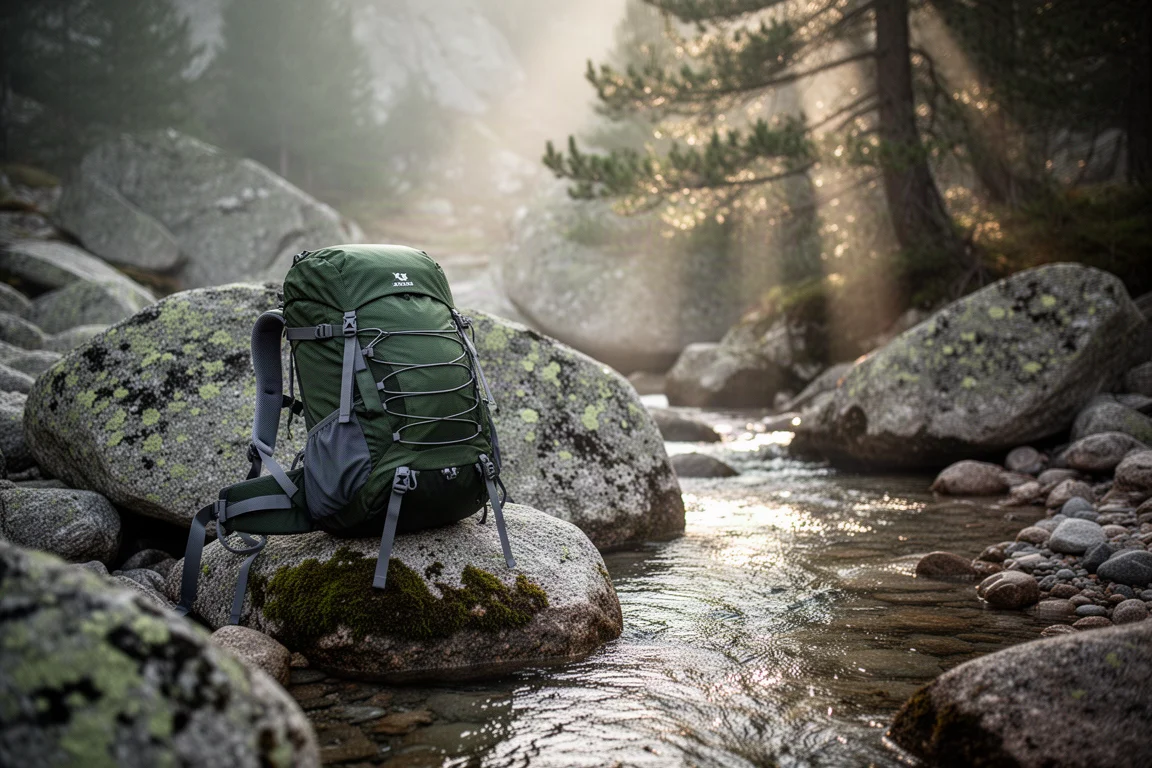
The case for carrying one is strongest when water sources are unpredictable. Long ridge walks with few refill points, multi day backpacking routes, wild camping trips where the nearest tap is a day behind you, and travel to places where the local water is a gamble all fall into the same category. In each case the bottle turns an unknown source into a usable one.
Who This Product Is For
Hikers, backpackers and wild campers are the obvious audience. If your routes regularly pass streams, tarns or rivers, a bottle like this removes the need to ration water or carry a heavy reserve.
It also suits travellers. Being able to refill from a tap and know you are not risking a bad stomach is a genuine convenience, particularly on trips where bottled water is expensive, hard to find, or simply a lot of plastic to get through. It is the kind of item that earns its place in a suitcase as readily as in a rucksack.
Finally, it works for anyone who wants a low effort way to reduce single use bottles without changing much about their routine. Fill, drink, refill. There is no pumping, no squeezing and no separate filter to keep track of.
Main Strengths
The filtration claim is the headline. The system inside the bottle is rated to remove 99.99999 percent of bacteria and parasites, and it also targets microplastics. Those are the three categories that matter most when you are drinking from a stream rather than a kitchen tap.
Filter life is the second strength, and it is what justifies the price over time. The micro filter is rated for around 4,000 litres, which is an enormous volume of drinking water for a bottle this size. The carbon filter sits at 400 litres, so it is replaced more often, but the two together still represent a long service life before you think about consumables again.
Weight is well judged. The bottle comes in at 211 grams as packaged, which is light enough to disappear into a pack and light enough that you are still saving weight overall if it lets you carry less water on the way out. It is also BPA free, which matters for something you drink from every day.
There is a charitable dimension too. A single purchase is stated to provide a child with safe drinking water for a year, so part of what you spend goes beyond your own kit.
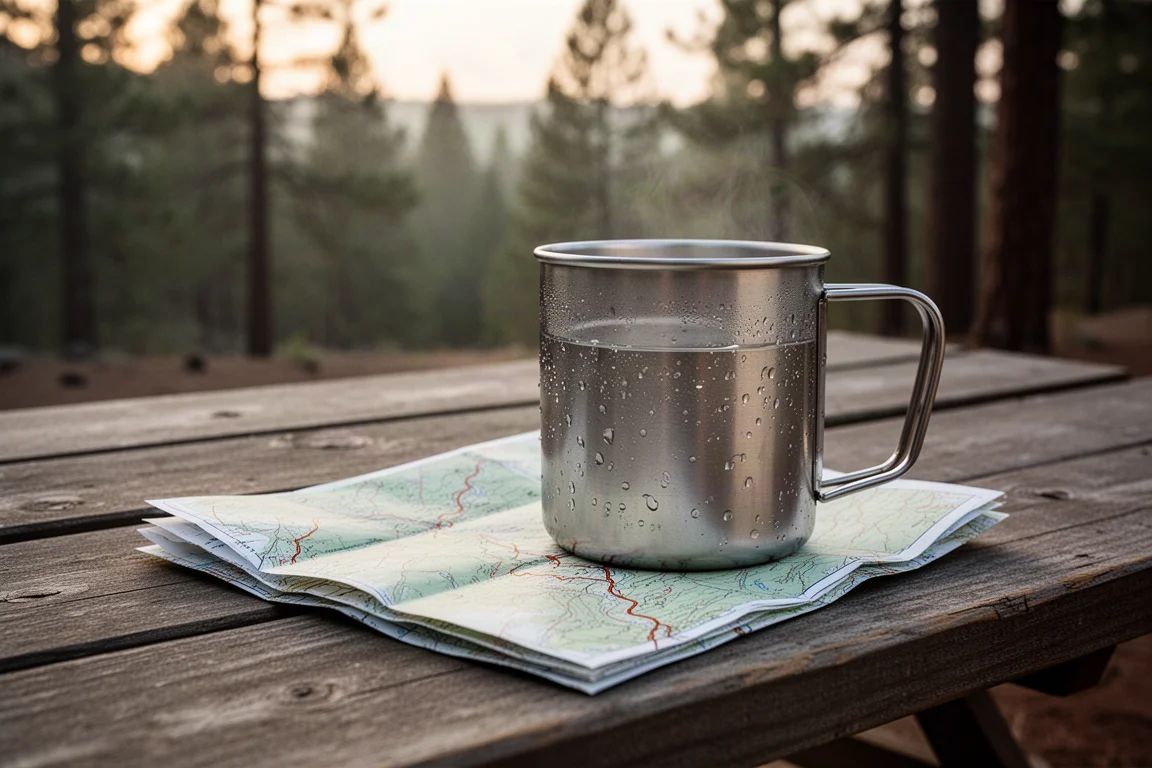
In use, the bottle does what it promises. Filled from a visibly brown, peaty stream, the water came out tasting clean and normal, with no lingering earthy flavour and no after effects afterwards. That is the test that matters most, and it is the reason a bottle like this is worth carrying rather than leaving at home.
Inside the Filter System
The bottle uses two stages. A hollow fibre micro filter handles the biological side, catching bacteria, parasites and microplastics, and a carbon filter deals with taste and odour. The two have different service lives, which is worth understanding before you buy.
The micro filter is the long lived component at roughly 4,000 litres. The carbon filter is the shorter one at around 400 litres. In practice that means the carbon element is the part you will replace first, and it is the part that keeps stream water from tasting like the peat bog it came out of.
Because the filtration sits inside the bottle rather than in a separate pump or squeeze bag, there is nothing extra to assemble at the water’s edge. You fill the bottle, drink through the top, and carry on. For anyone who has wrestled with a filter at the end of a long day, that simplicity is a real part of the appeal.
Things to Consider Before Buying
The first consideration is capacity. At 625 ml, the bottle holds a little more than a standard large bottle. That is fine for drinking on the move, but on a hot day or a long stage you will still be refilling it more than once, so it works best as a bottle you top up rather than a reservoir you carry.
The second is the upfront cost of around £40. It is an investment rather than an impulse buy, and the value only really lands if you will use it regularly on trips where water sources are uncertain. If your walking is mostly short loops from a car park with a flask in your bag, the case is weaker.
The third is consumables. The carbon filter’s 400 litre rating means replacements will come around sooner than the micro filter’s rating suggests, and those replacements are a running cost on top of the purchase price. It is a normal part of owning a filter bottle, but worth budgeting for rather than being surprised by.
Finally, it is a drinking bottle rather than a treatment system for a group. It suits one person drinking as they walk. If you need to treat several litres at camp for cooking and multiple people, a different format will serve you better.
Buying Advice
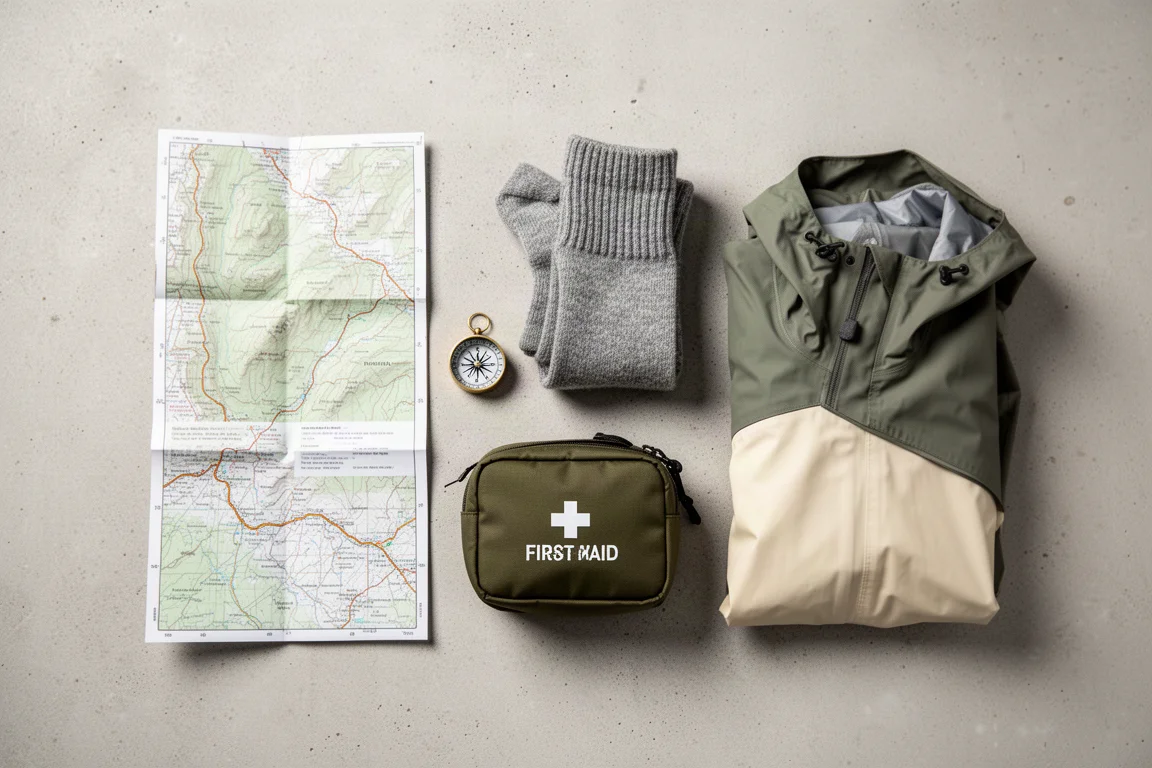
The simplest way to decide is to look at where you walk and how you drink. If your routes regularly cross streams, tarns or rivers, or if you travel to places where tap water is a risk, the LifeStraw Go earns its place quickly. If your walks rarely take you away from a reliable tap, a plain bottle will do the same job for less.
Think about it as an investment spread across its service life. The micro filter’s 4,000 litre rating is a very long runway, and even with carbon filter replacements along the way, the cost per litre of safe drinking water ends up small. Set against a single ruined day of a trip, £40 stops looking like a lot.
If you do buy one, get into the habit of filling it whenever a safe looking source appears, even when you are not thirsty. The bottle is at its most useful when it is full, and the whole point is that you no longer have to guess whether the water ahead of you is drinkable.
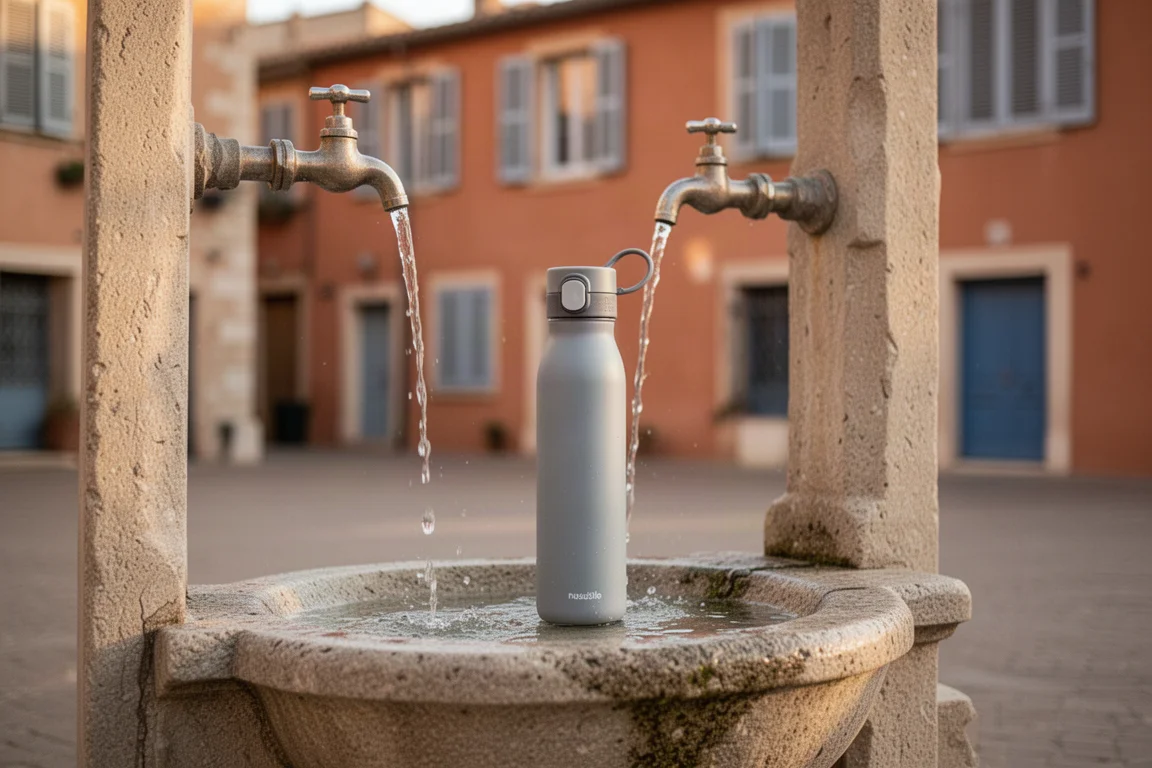
For travel, it is worth keeping it in your day bag rather than your suitcase. The moment you are out of bottled water and facing a hotel tap or a public fountain, having it within reach is the difference between staying hydrated and going without.
Conclusion
The LifeStraw Go Water Filter Bottle is a well judged piece of outdoor kit. It is light at 211 grams, it holds a practical 625 ml, it is BPA free, and its filtration is rated to remove 99.99999 percent of bacteria and parasites along with microplastics. The micro filter’s roughly 4,000 litre life and the carbon filter’s 400 litre life give it a long working future, and a purchase is stated to provide a child with safe water for a year.
The trade-offs are equally clear. Around £40 is a real upfront cost, the capacity is modest for long hot days, and carbon filter replacements are a running expense. None of those are deal breakers for the right user.
If you hike, backpack, wild camp or travel in places where water quality is uncertain, this is an easy recommendation. It replaces doubt with a routine: find water, fill the bottle, drink, and get on with the day.
Product link
View more details for LifeStraw Go Water Filter Bottle
This product is mentioned in the review. Check the specifications, options, and compatibility before buying.
View more details for LifeStraw Go Water Filter BottleFurther reading
Related Reviews
Outdoor Gear
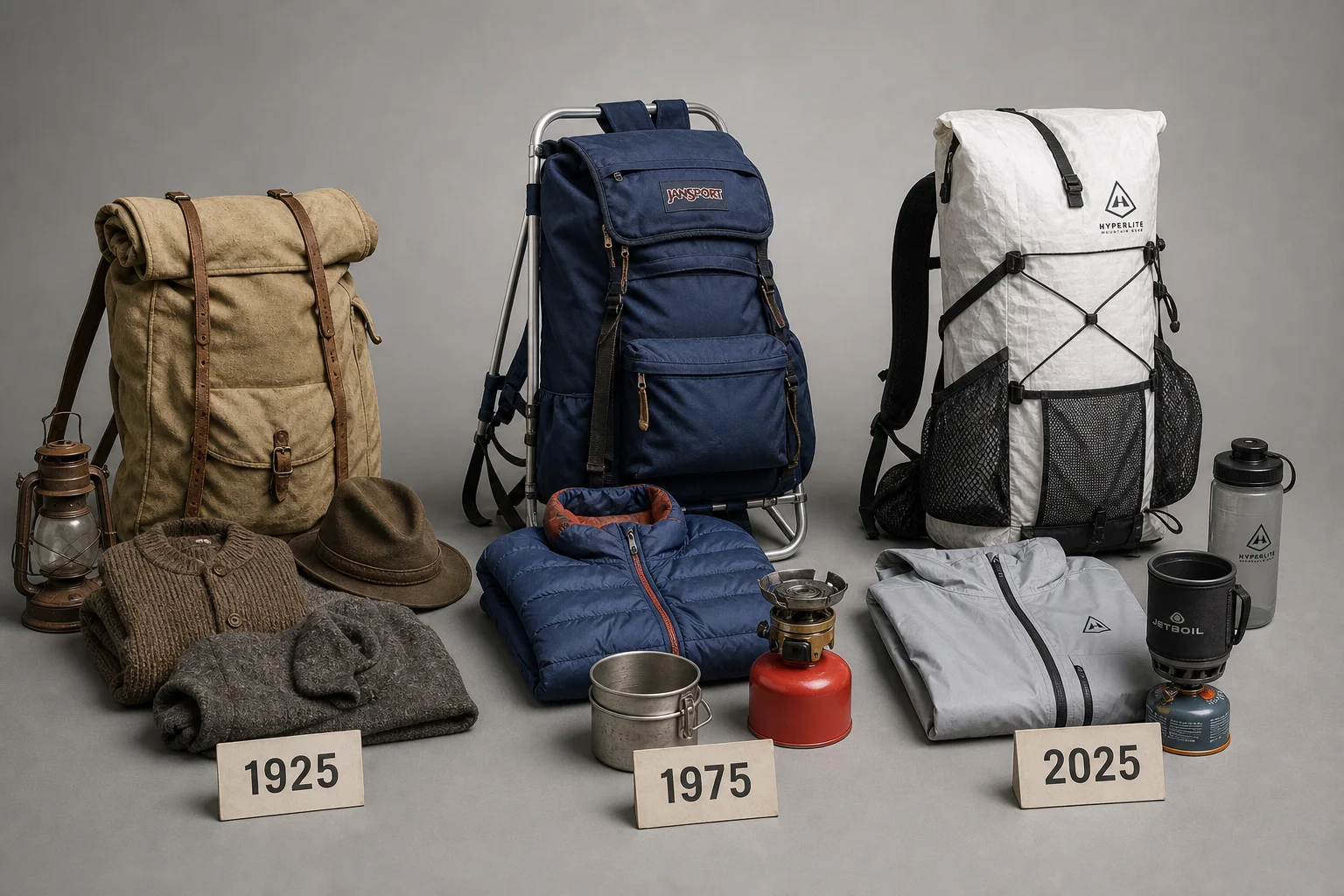
Backpacking Gear Evolution: 100 Years of Technology Compared
We tested backpacking gear from 1925, 1975, and 2025 across a three-day hike in Yosemite. Here's how technology has transformed comfort, weight, and the outdoor experience.
Outdoor Gear
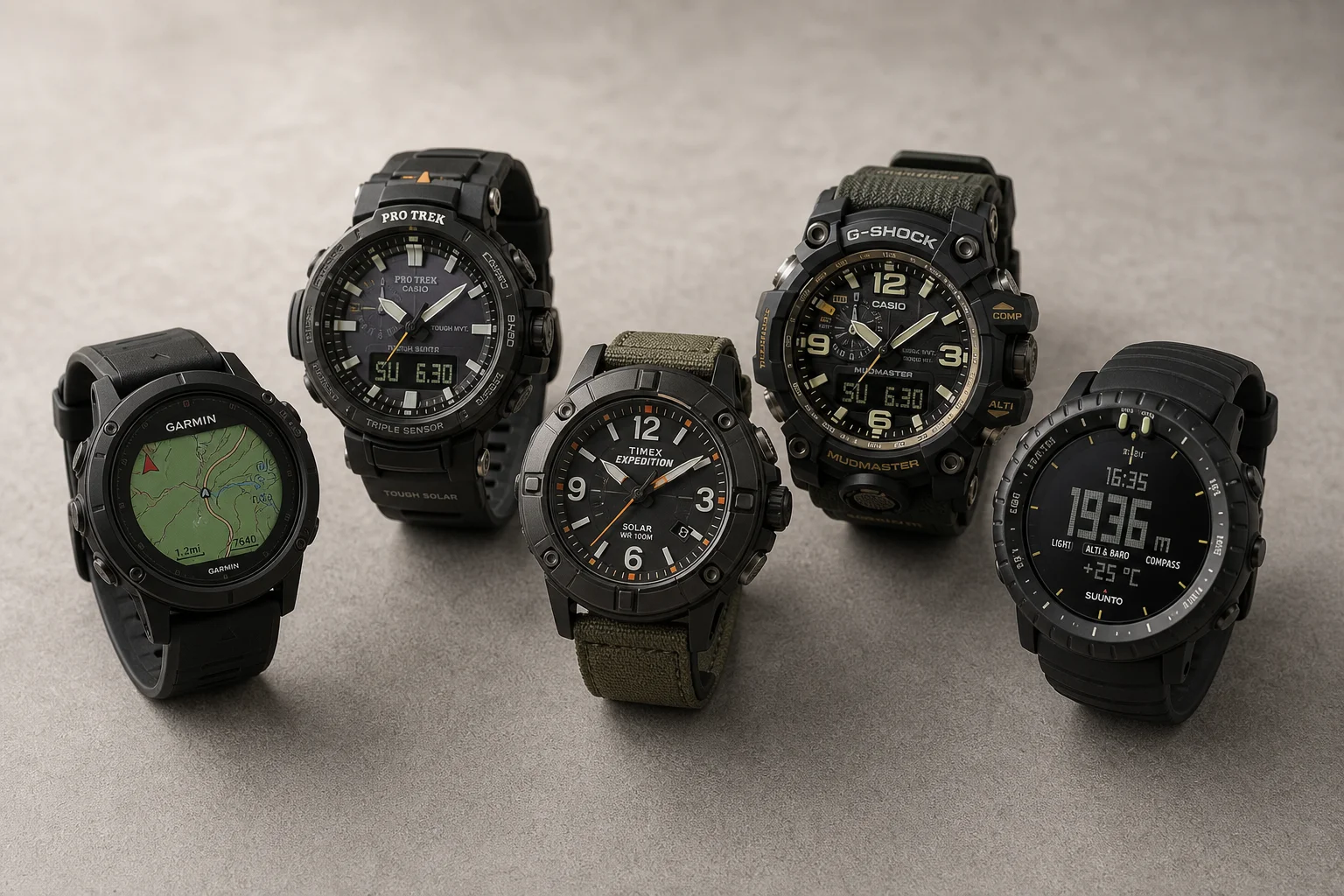
Best Affordable Hiking Watches: Five Rugged Options for Outdoor Adventures
Five durable hiking watches that balance ruggedness, functionality, and value for outdoor enthusiasts who need reliable GPS tracking and weather resistance.
Outdoor Gear
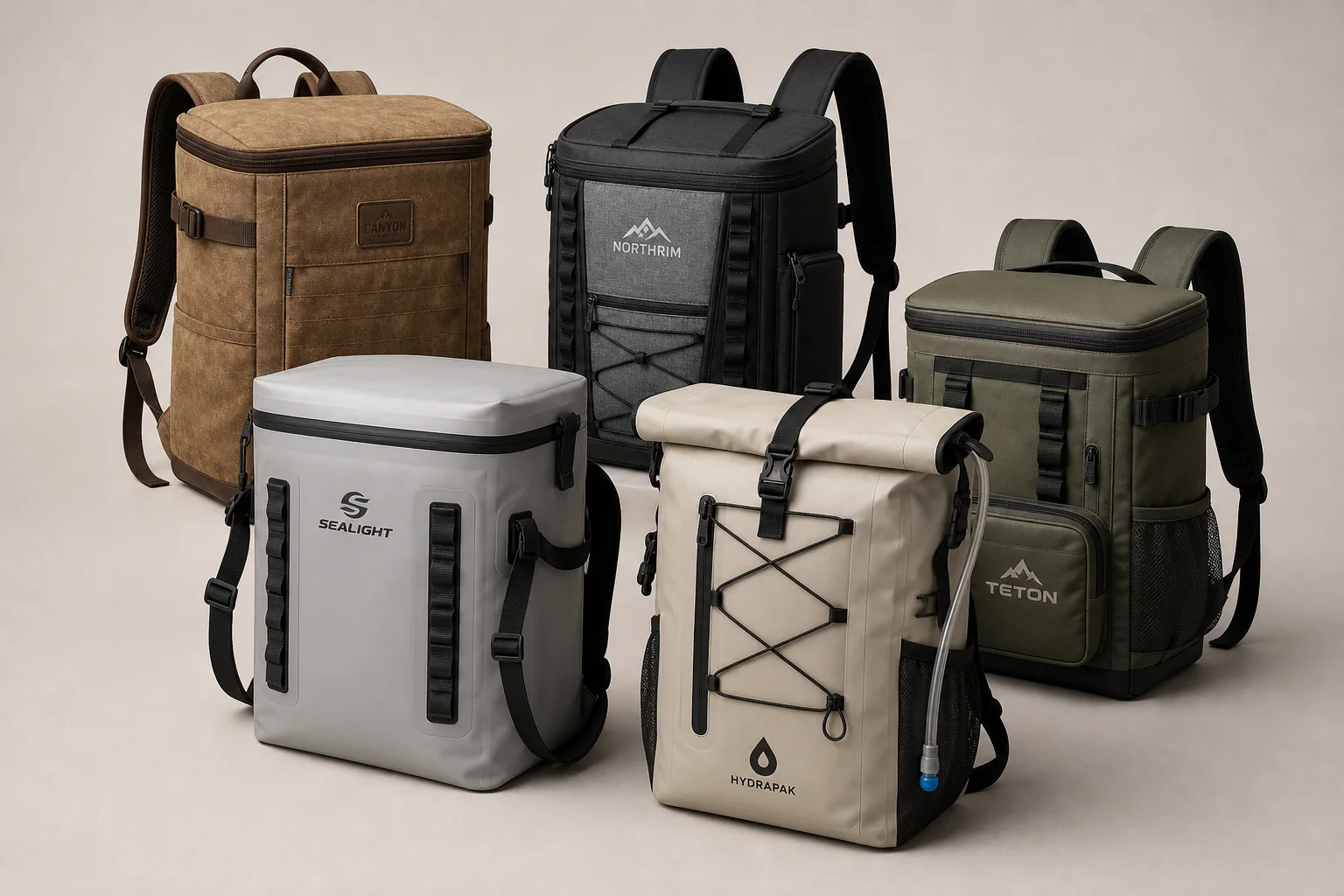
Best Backpack Coolers 2026: Five Practical Options for Outdoor Adventures
Five backpack coolers with distinct cooling capabilities, storage features, and design trade-offs to help you choose the right one for your outdoor needs.