Ski Gear
Liberty Scope 94 and Scope 99 (2026) Review: Two All-Mountain Twin Tips Compared
How Liberty's refined 2026 construction changes the ride of the Scope 94 and the new Scope 99, and which of the two suits your skiing.
Introduction
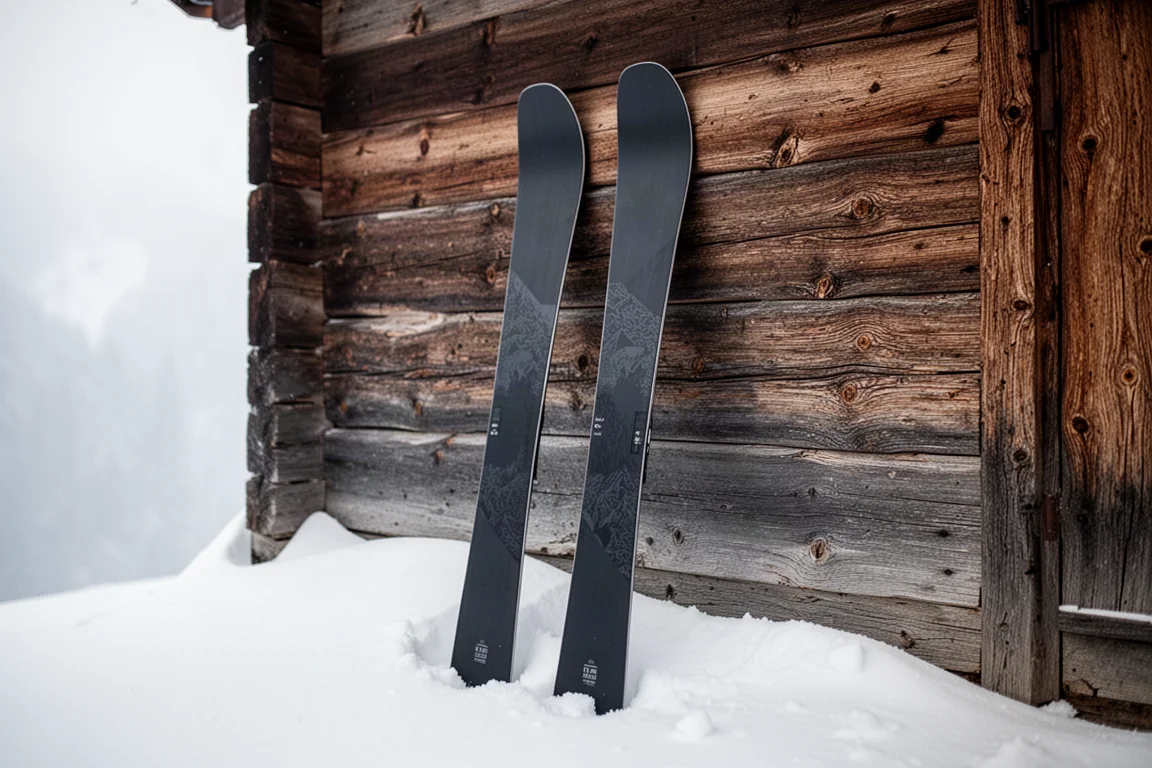
Liberty has spent the past two seasons rebuilding how its skis are made. More than 90 percent of the brand’s manufacturing moved from China to Europe, and model year 2025 was the season that shift landed across the lineup. New factories meant new techniques, new materials and a steep learning curve, so 2026 reads as a refinement year rather than a clean-sheet redesign.
That refinement is easiest to see in the Scope series. The 2026 Scope 94 and the new Scope 99 keep the same overall construction and the same playful attitude as the skis they replace, but both have been stiffened up a little, and both now feel closer to the older Origin 96 than to the softer Scope of the previous season. The Scope family for 2026 runs 84, 94, 99, 104, 110 and 118 mm underfoot, with the 99 filling the gap between the 94 and the 104.
What Changed for Liberty in 2026
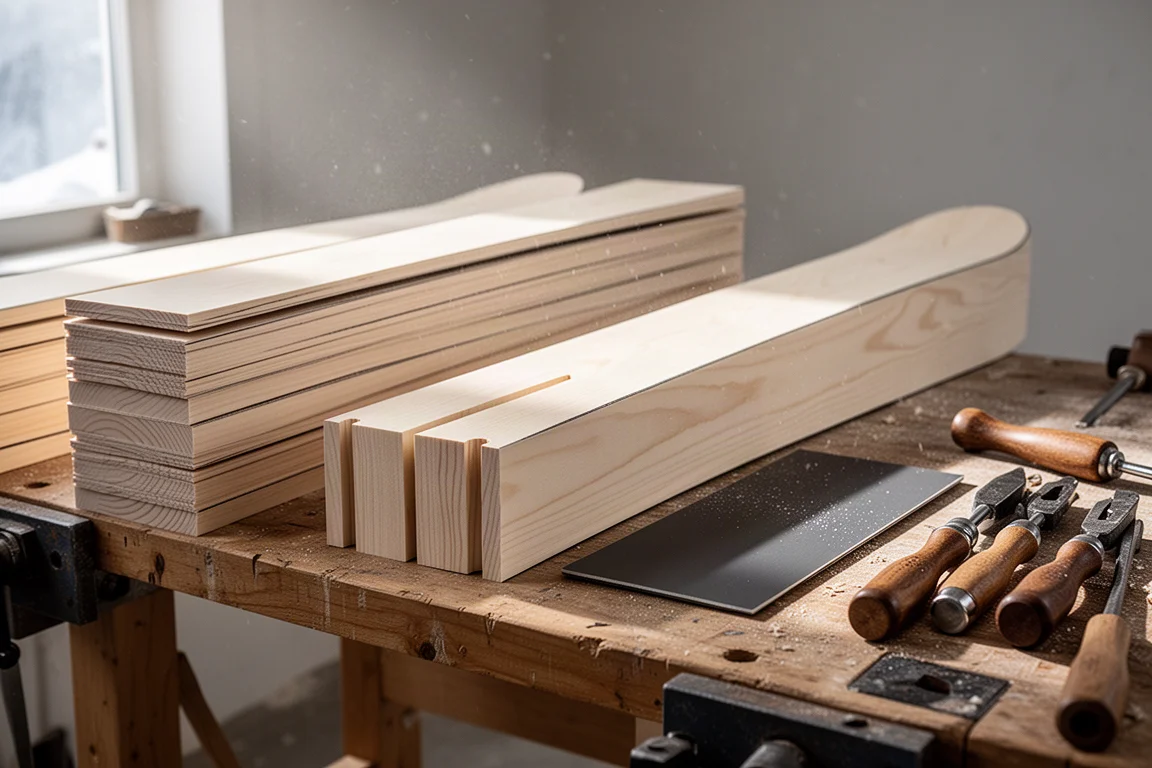
The headline construction is unchanged. A lightweight poplar wood core sits under a phenolic plate underfoot. Phenolic is the same family of stiff plastic compound used in race-oriented sidewalls, and Liberty stretches it out underfoot where other brands might place metal or fiberglass. The result is a stiffer underfoot zone without adding metal to the ski.
The 2026 skis go further than that. Whether through a denser wood, a stiffer wood or a slightly thicker core profile, Liberty has stiffened the Scope platform, and the change is most noticeable in the extremities. Pushing down on the tips of an older 94 and a 2026 94 side by side shows considerably more flex in the older ski. The tails tell the same story: the previous version folded easily by hand, while the new one resists far more. Neither ski is stiff in absolute terms, but the difference is obvious the moment you handle them.
Weight was not measured before the bindings went on. The expectation is that the new skis are a touch heavier if anything, and they are certainly not heavy.
Two traits carried over from the Origin line matter just as much. The Scope uses poured sidewalls, a full 360 degree sidewall and edge, and a slightly more trapezoidal shape. Together those give the new skis the softer, distinctive feel Liberty has always been known for.
The wider brand picture is unchanged. Liberty still builds the more directional Radian models, and it still builds the Genome, a 141 mm ski that exists purely for the deepest days.
Liberty Scope 94: Agile, Playful All-Mountain Twin Tip
The Scope 94 is a directional twin tip rather than a park ski. It has tip and tail rocker with slightly more length in the tip than the tail, and a tail that tapers noticeably narrower than the shovel. It is built for all-mountain and freeride use, not for lapping the terrain park.
On snow, the 94 is fun, agile and mobile. It is not a powerful ski, and it is not especially energetic. Its clearest limit shows up in the tail during a carved turn, where you need to stay balanced and centered rather than driving hard against the front of the boot. That is a fair trade for how easily the ski moves. It goes wherever you want it, whenever you want it, which is exactly what tight terrain rewards.
Compared with the previous generation, the 94 has more substance. The added stiffness and the extra bounce out of the tail make it feel like a more energetic product, and it is a more confident ski than the 104 from the season before despite being narrower and shorter. It is also more input driven and more precise. The older Scope ran on its own rails and went where it wanted. The 2026 version asks a little more from the skier and gives more back.
Mounting matters here. The recommended line is a directional position, roughly six centimetres behind centre, and that is where the ski makes the most sense for general all-mountain use. The 180 cm length used as a reference point is on the short side for the model, which increases mobility but caps how much power the ski can deliver.
There is one more thing worth knowing. A large share of the Scope 94s seen on the hill this season were set up with tech touring bindings, and that makes sense. If you want a twin tip you can tour on, the 94 is one of the lighter and more capable options, and it works well for resort laps and morning groomer missions. For genuinely open backcountry terrain, the 104 or the 110 are the better fit. The camber profile keeps the 94 from being a floaty, drifty ski in fresh snow, so it is not the tool for chasing deep powder.
Liberty Scope 99: The New 99 mm Twin Tip
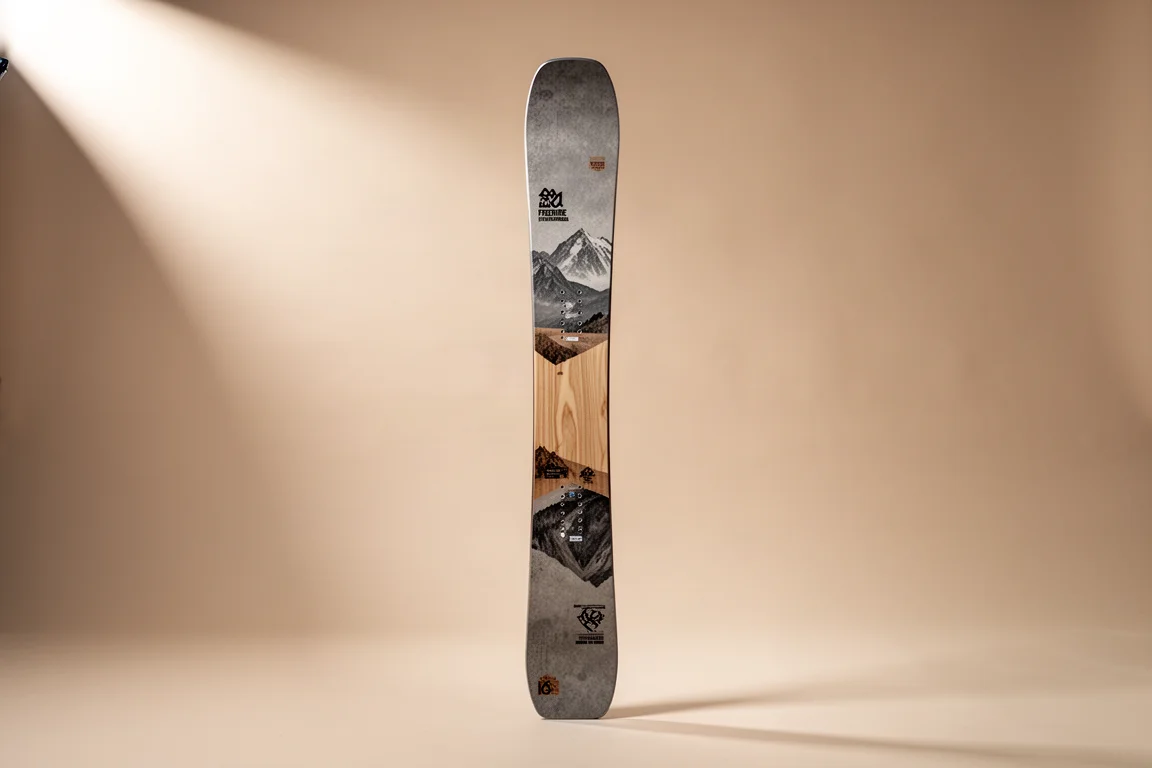
The Scope 99 is new for 2026 and it slots in between the 94 and the 104. Its dimensions are 130-99-120, and the tip-to-tail taper is clear: the tail is much narrower than the shovel, and the ski carries more rocker length and splay than the narrower models in the line. Tip rocker is slightly longer than tail rocker.
The 99 is quick and precise. It has no real speed limit when you are simply pointing it and bouncing around, but it does have a limit when you try to hold a carve. You find that limit quickly. The good news is that you can work around it by skiing a little more delicately rather than by skiing better, which keeps the ski accessible. There is not much rebound out of a turn. Where the ski gives energy back is longitudinally: it has plenty of ollie pop off the tail, and it is easy to load.
Turn shape is short to mid radius. The 99 prefers quick, tight turns and side-of-trail slalom work more than big sweeping arcs. It also feels phenomenal going from forward to switch and back again down a groomer.
Off trail, the 99 is a fantastic tree ski, with one important caveat. Mounted 1.5 cm back from true centre, there is not much ski in front of the boot, and the tip can feel short and slightly divey in softer snow. Push the mount point back toward the recommended line and the ski comes into its own in the trees. In bumps it is forgiving in spades. It slips and smears rather than driving, which is exactly what a mogul line through the trees wants.
In the park, the 99 is excellent. It is predictable on rails and ranks among the easiest rail skis around. It is light in the air, which helps with spinning, though a heavier ski gives you more to work against mid-air. This is a ski that rewards a smooth pilot rather than smoothing things out for you.
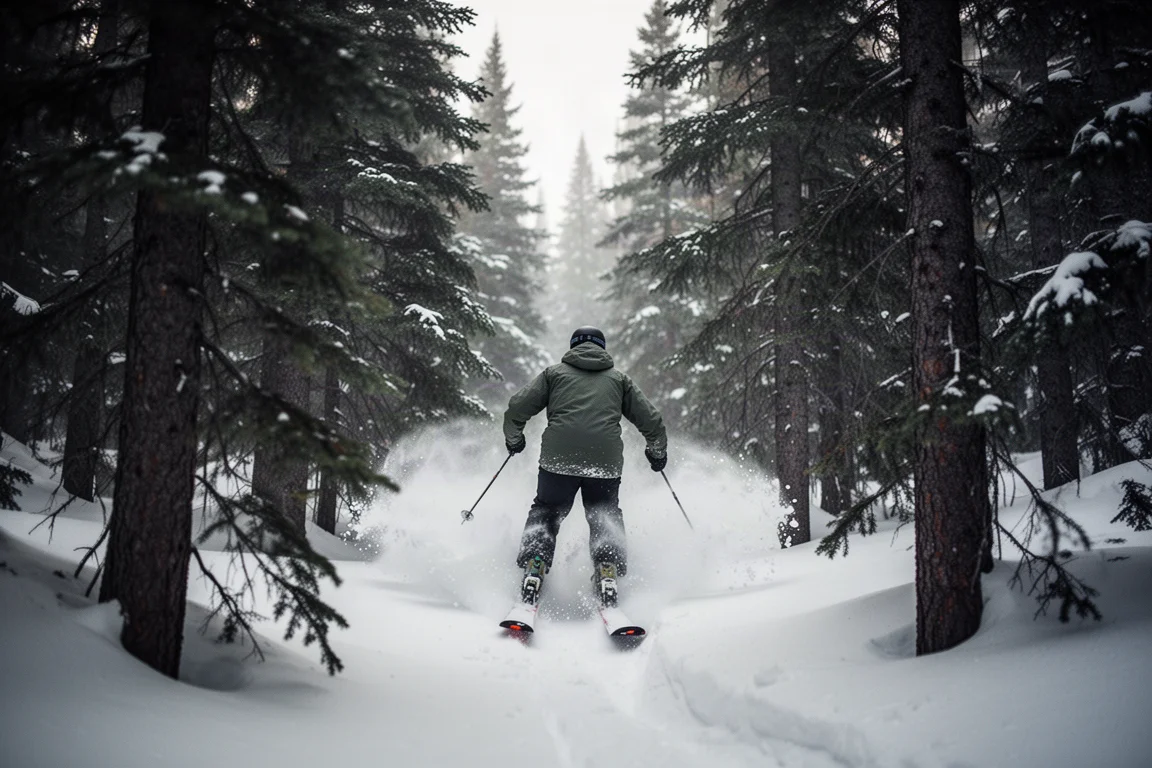
If freestyle skiing and trees are both on the menu, splitting the difference between the two mount marks near the middle of the ski works well. If trees are the whole plan, the recommended line is the better place to stand.
Mount Points, Lengths, and Setup
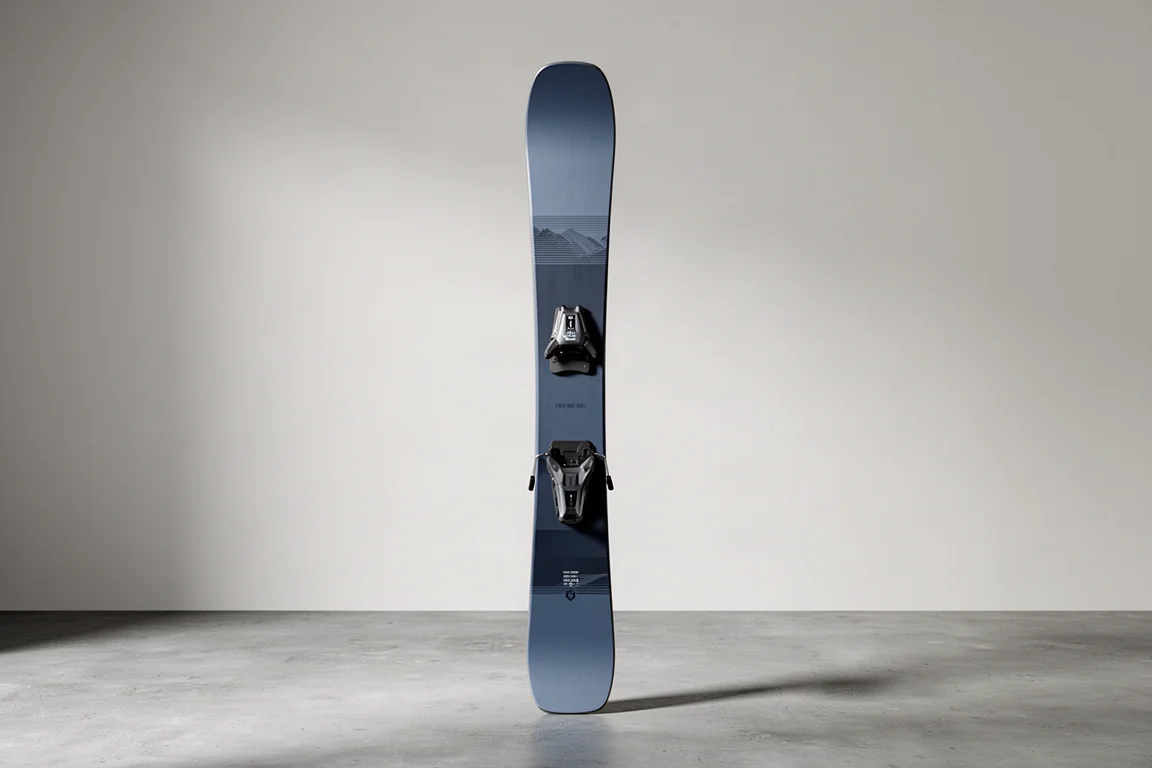
Both Scope models come with two marked mount points that sit roughly six to seven centimetres apart. The rearward mark is the recommended line, and it is a distinctly directional position. The forward mark is a true centre line. Treat the centre line as a reference to measure from rather than a mount point to default to. If you want to sit three centimetres back from centre, the mark is already there to work from.
The practical guidance is simple. For freestyle-focused skiing, mount near the centre. For tree skiing, mount at or near the recommended line. If you plan to do both, the middle of the two marks is a reasonable compromise. Avoid going forward of the centre of camber if you want the ski to behave predictably in soft snow, because a forward mount leaves very little ski in front of the boot.
Finish quality has improved. The top sheets look better and the materials have moved on, though a sandwich construction ski with vertical sidewalls will chip at the top sheet edges if you spend a lot of time on rails. That kind of chipping is cosmetic, and it is not a sign that the top sheet is about to come away from the ski.
How the Scope Skis Compare to Other Models
Several skis in this width class share DNA with the Scope platform. The 99 has a lot in common with the ARV 94, particularly the lighter-wood version from a couple of seasons ago. The Bent 90 has a similar overall flex but more rocker, especially in the tail, while the Bent 100 is close enough in character that the Scope 99 feels like a Bent 100 with roughly 100 grams taken out of it, and slightly less strength overall.
The Playmaker 91 is surfier and the better choice in softer snow and trees, while the Scope 99 is the better choice on firmer snow and in bumps. The Blaze 94 has considerably more energy and confidence in the tail thanks to a flatter tail, which makes it more connected through a carve. The Playmaker 101 is smoother across the board, especially in ungroomed snow, while the Scope 99 is more reactive and quicker, with more longitudinal snap. The K2 Reckoner 102 is softer and smoother again, though it deflects more when you ski it straight and fast.
The closest overall comparison may be the Sender Free 100. The two skis are similar in feel and even in sound, and the construction differences are subtle. The Sender Free feels more refined and more planted through the shovel, while the Scope 99 is quicker. That gap is less about design intent and more about where each brand is in its manufacturing journey.
Which Scope Fits Your Skiing
The 94 suits skiers who want an agile, forgiving twin tip for bumps, trees, small features and resort touring laps. It is the easier and more mobile of the two, and the more natural choice for lighter or less aggressive skiers who value quickness over power.
The 99 suits skiers who want more surface area underfoot with the same quick, jibby character: park laps, tree lines, switch skiing, and soft-snow days when a 94 starts to feel small. It is also the more precise of the two, which rewards a skier who is willing to stay balanced and centered.
Both skis are playful rather than powerful. Skiers who want a strong carving ski for high-speed groomer work should look at a different part of the market, because neither Scope is built for that job.
Buying Advice
Start with the terrain you actually ski most. If your days revolve around bumps, tight trees and small natural features, the 94 is the simpler and more forgiving answer, and it doubles as a sensible resort touring option with a tech binding. If you split time between the park, tree lines and soft snow, the 99 gives you more platform without losing the quick, light feel that defines the Scope line.
Think about mount point before you drill. The two marks are far apart, and where you stand on the ski changes its behaviour in soft snow more than almost anything else you can adjust. Skiers who spend time in trees will want to sit back toward the recommended line. Skiers who spend time in the park will want to sit closer to the middle.
Choose length with intent. The 180 cm 94 used as a reference is on the short side for the model, which makes it more mobile but limits how much power it can deliver. Going up in length adds substance and stability without changing the ski’s fundamental character.
Finally, expect cosmetic wear if you ski rails. Chipping along the top sheet edge is normal on a vertical sidewall sandwich construction ski and does not indicate a structural problem. The finish quality on these skis has moved forward, and the skis themselves are better across the board than the versions they replace.

Conclusion
The 2026 Scope 94 and Scope 99 are refinements rather than reinventions, and that is the point. Liberty kept the lightweight poplar core, the phenolic plate underfoot and the playful character, then added stiffness where it was needed and cleaned up the finish. The result is a pair of twin tips that feel more precise and more trustworthy than the versions they replace while staying easy to ski.
Pick the 94 if you want the more agile, more forgiving option for bumps, trees and resort touring. Pick the 99 if you want the same quick, jibby attitude with a little more width underfoot for park laps and soft-snow days.
Further reading
Related Reviews

Ski Gear
2023 Blizzard Hustle vs Rustler: Six Freeride Skis Compared
Blizzard's 2023 Hustle collection rebuilds the Rustler shape with a lighter core and no metal. Here is how all six skis differ, and which one suits your riding.

Ski Gear
2023 Skis of the Year: Atomic Maverick 88 TI, Salomon QST 106, and Look SPX 12 Pro
Three standout ski picks for all-mountain carving, powder days, and reliable binding performance, with practical buying notes for 2023 models.

Ski Gear
2025 Nordica Enforcer 104 Review: A Directional Charger Replaces the 104 Free
The 2025 Nordica Enforcer 104 drops the Free name and the twin-tip personality, gaining weight, stiffness and composure in rough snow. Here is what changed and who it suits.