All-Mountain Skis
Liberty Genesis 90 Review: A Versatile All-Mountain Ski With Freeride Character
A practical look at the Liberty Genesis 90, the narrowest ski in the Genesis lineup, covering its VMT 1.0 wood core, rocker profile, and the riders it suits best.
Introduction
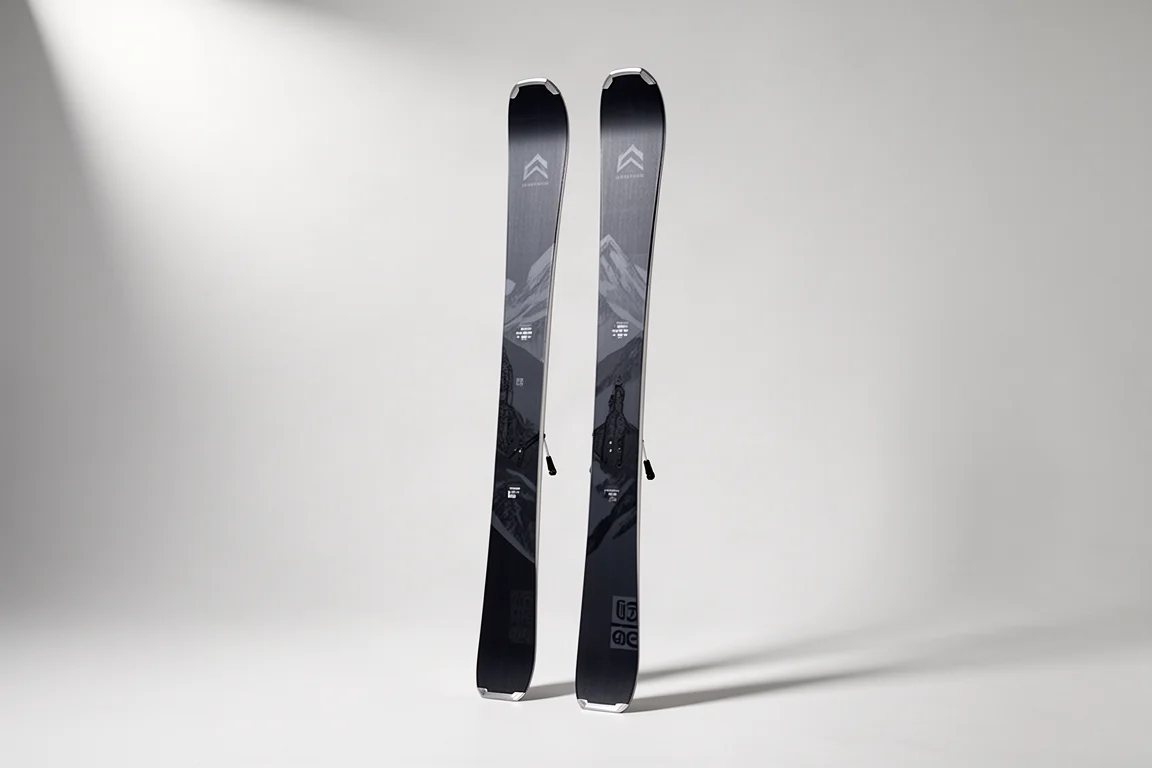
The Liberty Genesis 90 is the narrowest ski in the Genesis lineup, and that narrower waist is central to what it does well. It is an all-mountain ski with freeride performance built into its shape, and it manages to combine stability and damping with agility rather than trading one for the other. The result is a ski that a wide range of skiers can use across a wide range of terrain and conditions.
For the current season, the build and shape carry over from the previous version, with the changes limited to new graphics. That means the performance characteristics remain consistent: a lively, playful personality backed by enough structure to stay predictable when the snow gets chopped up or the speed picks up.
The reference length here is 158 cm, which produces a 13 m turn radius. That is a short, quick radius, and it shows in how readily the ski responds when a skier changes turn shape or rhythm. The waist measures 90 mm, narrower than the rest of the Genesis family, which is exactly what makes it the most versatile option in the range.
Who This Is For
This ski is aimed at freeride enthusiasts who want one versatile all-mountain ski rather than a quiver. It suits skiers who split their time between groomed runs and softer off-piste terrain and want a single pair that behaves well in both.
It is also a good fit for riders who value power and damping but do not want a ski that feels heavy or slow to respond. The construction delivers strength and stability through the centre of the ski while the edges stay forgiving and maneuverable, so it rewards confident input without demanding it.
Because the 90 mm waist is the narrowest in the family, this is the model to choose if carving performance and everyday versatility matter more to you than maximum float in deep snow. Skiers who spend most of their time chasing powder may prefer a wider option in the lineup, while those who want one ski for the whole mountain are the natural audience here.
Main Strengths
The Genesis 90 earns its reputation through a specific combination of materials and shape, and the two work together rather than in isolation.
VMT 1.0 Core Construction
The core is Liberty’s VMT 1.0, a blend of three different wood types: bamboo, paulownia, and poplar. Alongside the mixed wood, a vertical metal strut runs the full length of the ski down the centreline, and the wood layers sandwich it in place.
That layout concentrates power, stability, and torsional stiffness through the middle of the ski, while the edges retain a more forgiving and maneuverable feel. It is a genuinely useful balance, because the ski stays strong underfoot without becoming punishing or one-dimensional.
The sidewalls are poured polyurethane and noticeably thick, which contributes directly to edge grip, control, and stability underfoot. On firm snow, that translates into a planted, confident feel that holds up when you push the ski harder.
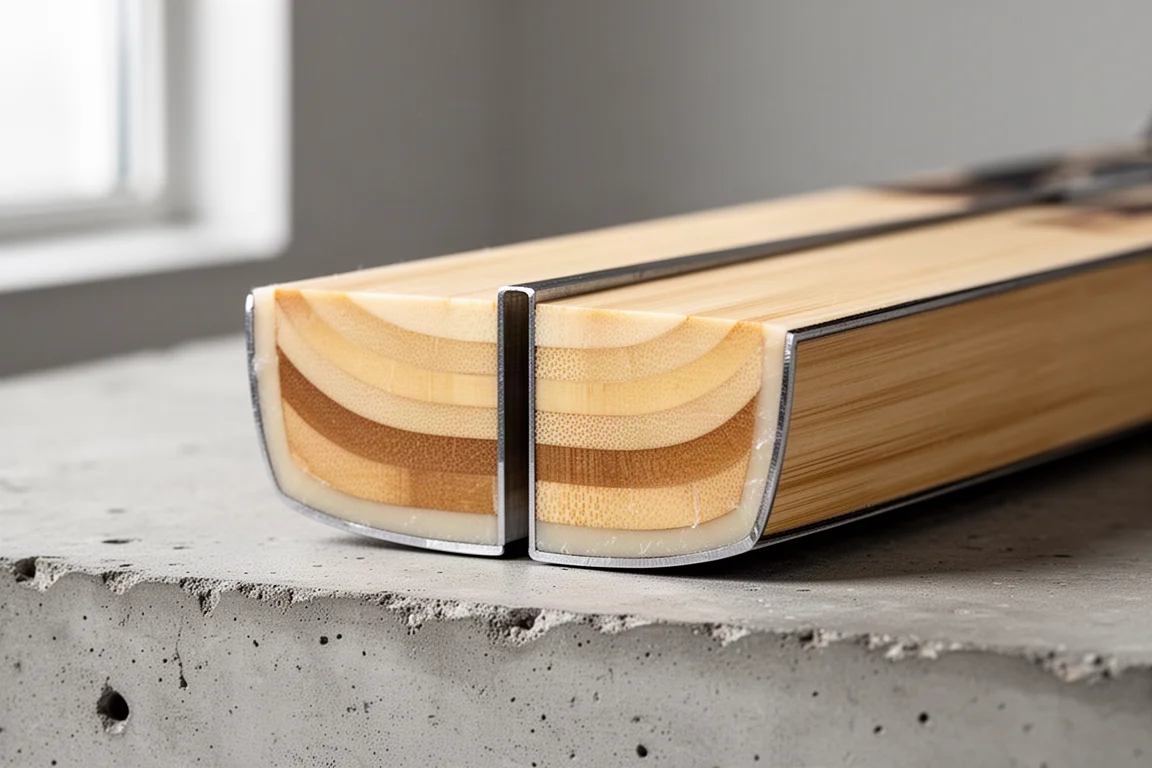
Taken together, these construction choices explain why the ski feels powerful in the centre and easy to steer from the edges. It is a design that supports a skier rather than fighting them.
Rocker, Camber, and Shape
The profile is rocker-camber-rocker, with a dramatic amount of rocker in the tips and tails and positive camber underfoot. The effective edge ends relatively early, and everything beyond that point is rockered. In practice, that delivers float and maneuverability, a smoother ride, and easier turn initiation.
The tips are noticeably rounded as well, which reinforces that quick, easy initiation. Underfoot there is a solid amount of camber, with a good amount carried into the tails and a little more in the tips. The result is close to a twin tip without being fully symmetrical.
This shape is what gives the ski its personality. It feels fun, playful, and lively, and the metal strut keeps that playfulness from tipping into anything loose or unpredictable. The ski is nimble and agile, but it still feels strong and composed.
On-Piste and Off-Piste Performance
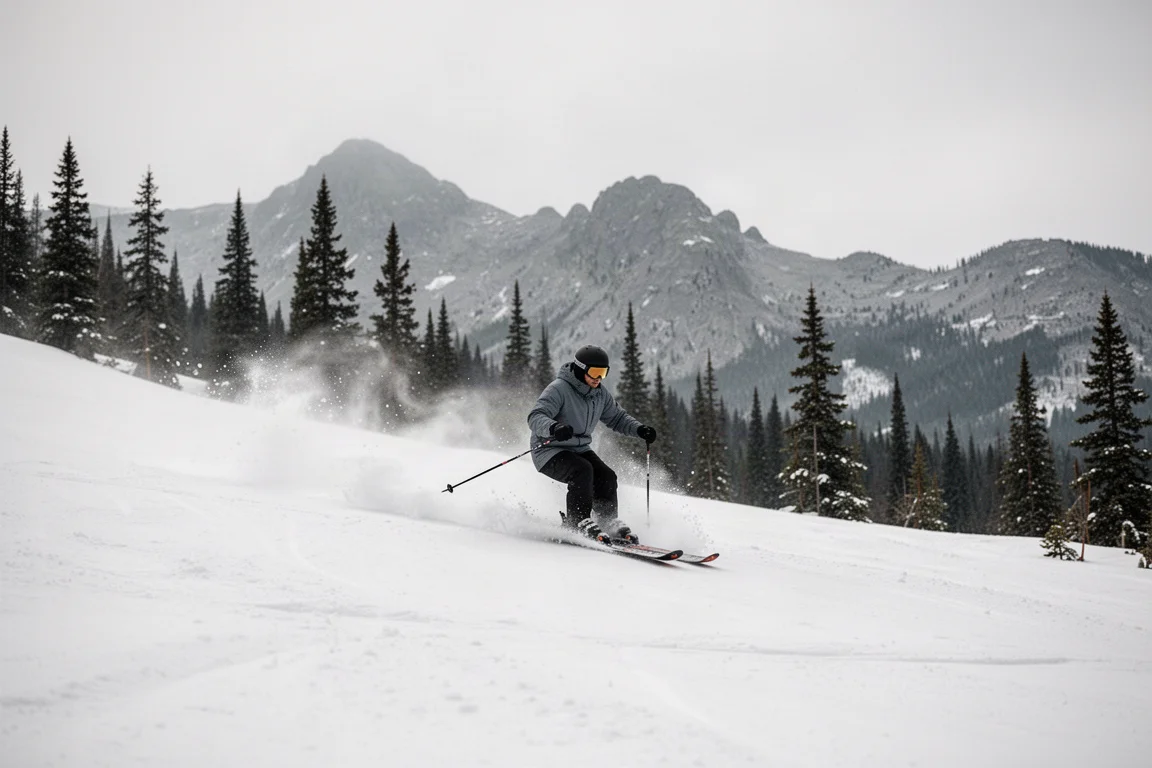
On piste, the ski delivers strong edge grip and control. The thick sidewalls and cambered midsection keep it planted, and the short turn radius makes it responsive to whatever turn shape the skier wants to make.
Off piste, the shape does the heavy lifting. The rockered tips and tails create float and maneuverability, so the ski stays confident and comfortable when the terrain gets softer or less predictable.
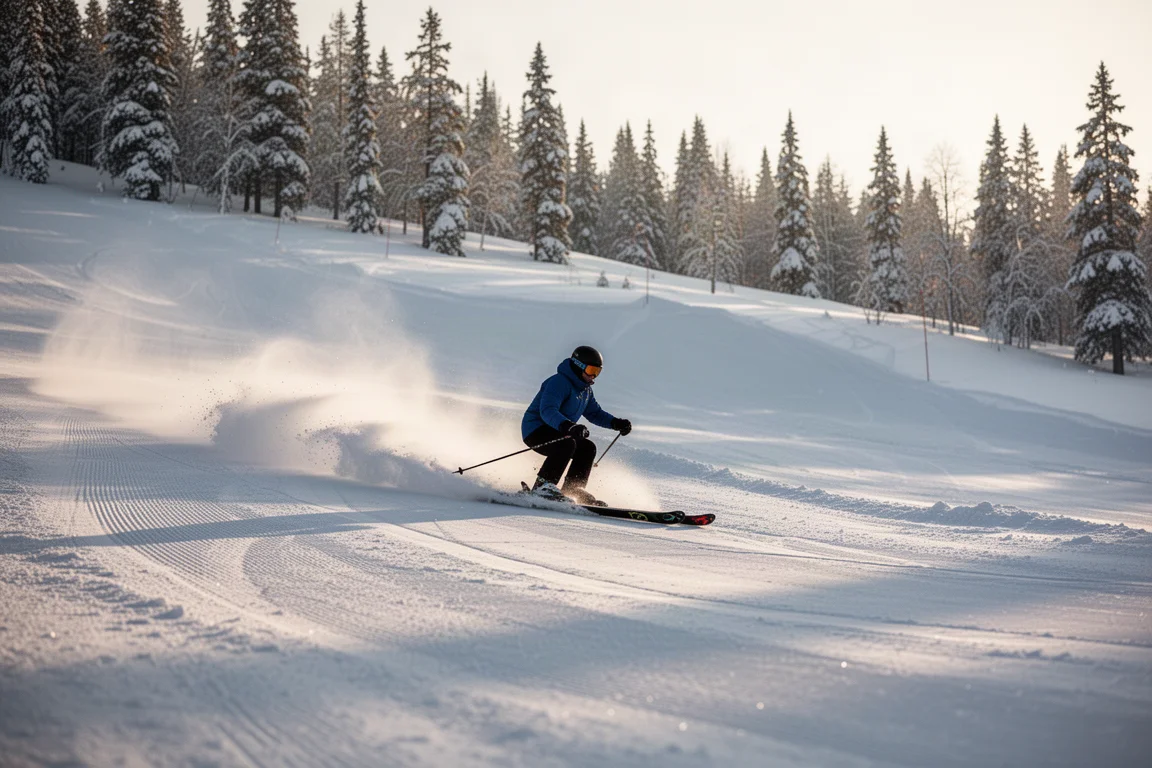
That split personality is the core appeal. The Genesis 90 is quick and lively in short radius turns and steady enough to trust at speed, which is why it works for so many different skiers and styles.
Things to Consider Before Buying
The 90 mm waist is the narrowest in the Genesis family, so this model prioritises all-mountain versatility over deep snow float. If your days are mostly powder, a wider sibling will serve you better.
The shape is close to a twin tip but not fully symmetrical, so it is better described as a freeride-oriented directional shape than a dedicated park or switch ski.
The dramatic rocker means a comparatively short effective edge. That is a big part of why the ski turns so quickly and feels so maneuverable, but it also means the design leans toward playful, responsive turns rather than long, locked-in arcs on hard snow.
The reference length is 158 cm with a 13 m turn radius. Turn radius and feel will differ across the other available lengths, so it is worth matching the length to your height, weight, and preferred terrain rather than assuming the same character throughout the range.
Buying Advice
The Genesis 90 makes the most sense for skiers who want one pair of skis to cover groomers, soft snow, and mixed conditions without feeling like they are compromising in any single area. The 90 mm waist is narrow enough to carve well on piste and wide enough to head off-piste with confidence.
Because the build and shape carry over from the previous version with only new graphics, the performance story is consistent. If you already know you like this construction, the current model delivers the same ride, and if you are buying your first pair in this category, you are getting a proven all-mountain shape rather than an untested redesign.
Match it to your priorities. Choose this ski if versatility, agility, and dependable edge grip matter most to you, and look at the wider Genesis options if maximum float in deep snow is the deciding factor.
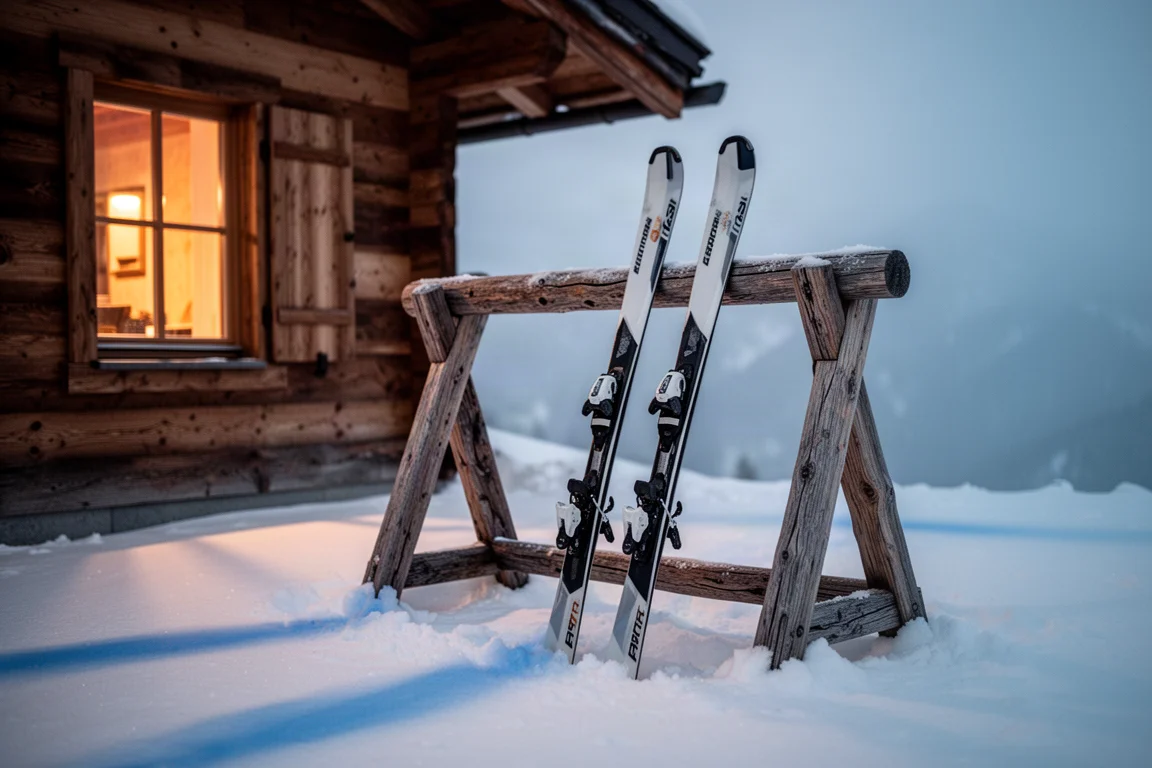
If you ski a mix of terrain and want a ski that feels fun and responsive without giving up stability, the Genesis 90 is a straightforward and sensible choice. It is easy to access its capabilities, and it does not demand expert-level input to feel rewarding.
Conclusion
The Liberty Genesis 90 is the most versatile ski in the Genesis lineup, and it earns that label through a genuinely well-balanced design. A three-wood VMT 1.0 core wrapped around a vertical metal strut gives it power, stability, and torsional stiffness through the centre, while thick poured polyurethane sidewalls add edge grip and control underfoot. The rocker-camber-rocker profile and rounded tips make it quick to initiate and easy to maneuver, and the 90 mm waist keeps it capable on piste and off.
It is a playful, lively ski with real strength behind it, and that combination suits freeride enthusiasts who want one all-mountain ski that can handle a wide range of terrain and conditions. If that describes how you ski, this is a confident place to start.
Product link
View more details for Liberty Genesis 90
This product is mentioned in the review. Check the specifications, options, and compatibility before buying.
View more details for Liberty Genesis 90Further reading
Related Reviews
All-Mountain Skis
100mm All-Mountain Skis Compared: 23 Versatile Models Worth Knowing
A practical walkthrough of 23 all-mountain skis around 100mm underfoot, covering weight, rocker, metal construction, and the rider each model suits best.
All-Mountain Skis
2026 Black Crows Camox Review: A More Stable, More Versatile All-Mountain Twin Tip
The 2026 Black Crows Camox adds an ash layer underfoot, wider tips and tails, and a revised rocker profile. Here is what those changes mean on snow.
All-Mountain Skis
Armada Antimatter 88 Review: A Light, Lively All-Mountain Ski That Rewards Any Style
The Antimatter 88 pairs a poplar core with carbon stringers for a surprisingly energetic ride that suits intermediates and experts alike.