Snowboards
Lib Tech Skate Banana Review: The Ultimate Beginner and Butter Board
A rocker-dominant freestyle board that makes buttering effortless and turns nearly catch-free, but flexes far too soft for speed, jumps, or big-mountain riding.
Introduction
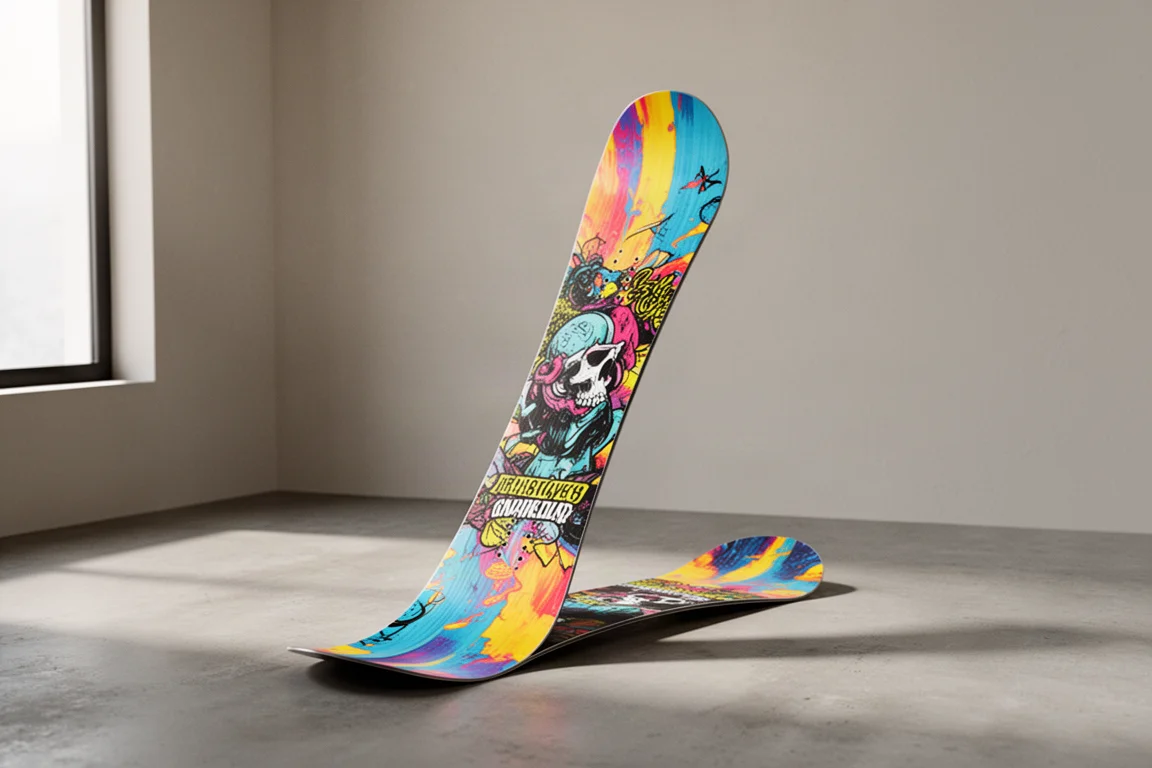
The Lib Tech Skate Banana is one of the most recognizable names in freestyle snowboarding, and its reputation is built on one thing above all: it flexes like a mushy banana. Equipped with BTX, a rocker-dominant camber profile, the board puts rocker between your feet running out toward the tip and tail. That translates into effortless turn entry, forgiving presses, extra float if you find yourself in powder, and a ride that is extremely hard to catch an edge on. But that same softness comes with real trade-offs at speed and in the air. This review breaks down where the Skate Banana shines and where it falls apart.
Flex and Stability
The flex profile is the defining feature of this board. All of the softness comes from between your feet, and the nose and tail match that center flex, making the board super soft torsionally. You can muscle it around with no problem; you can literally stand with one foot off the ground and twist the thing almost in half.
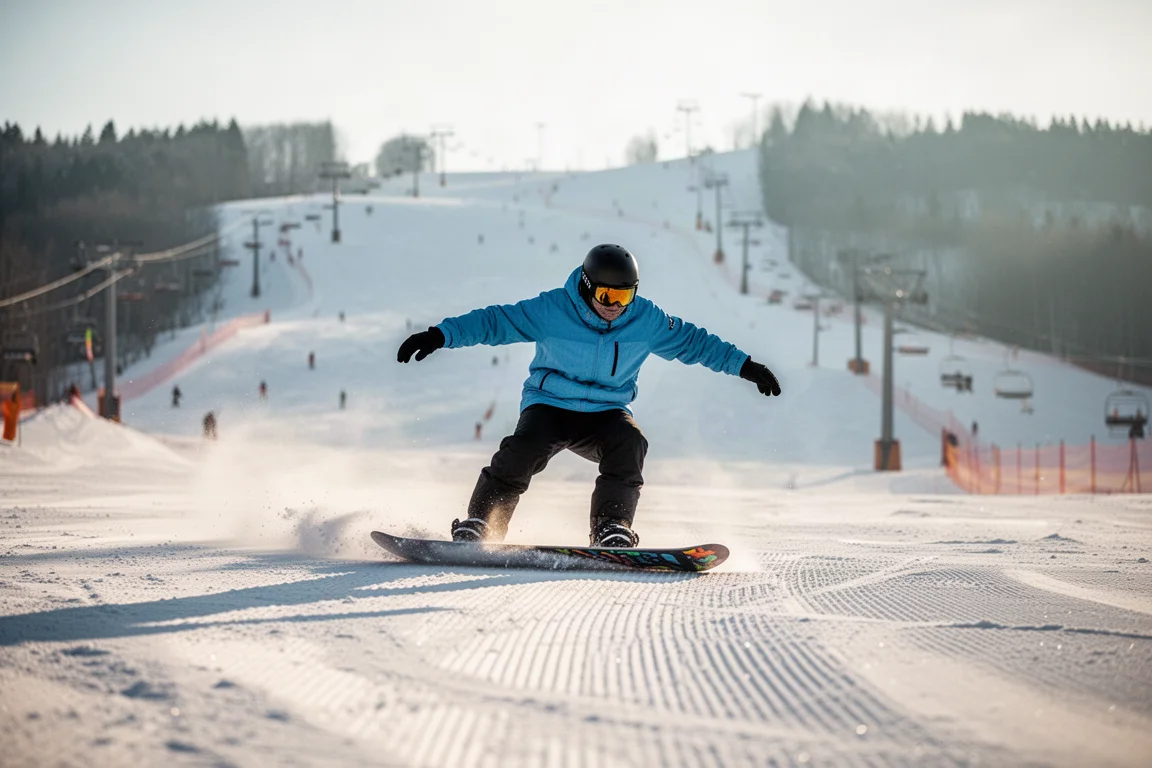
That flexibility is a double-edged sword. At high speeds the board becomes noticeably chattery, with the nose and tail fluttering underneath you to the point where it almost feels like the board is about to take off. On anything other than perfect groomers, you get bucked around. Stability is simply not what this board was built for.
Buttering and Jibbing
This is where the Skate Banana genuinely excels. Buttering on this board feels like a cheat code: lift your front foot as if you are about to take a step and that is the butter. The same applies to nose butters. For jibbing, pressing on rails is just as simple, lifting your front foot for nose presses and your back foot for tail presses, and the soft flex wraps nicely around the rail.
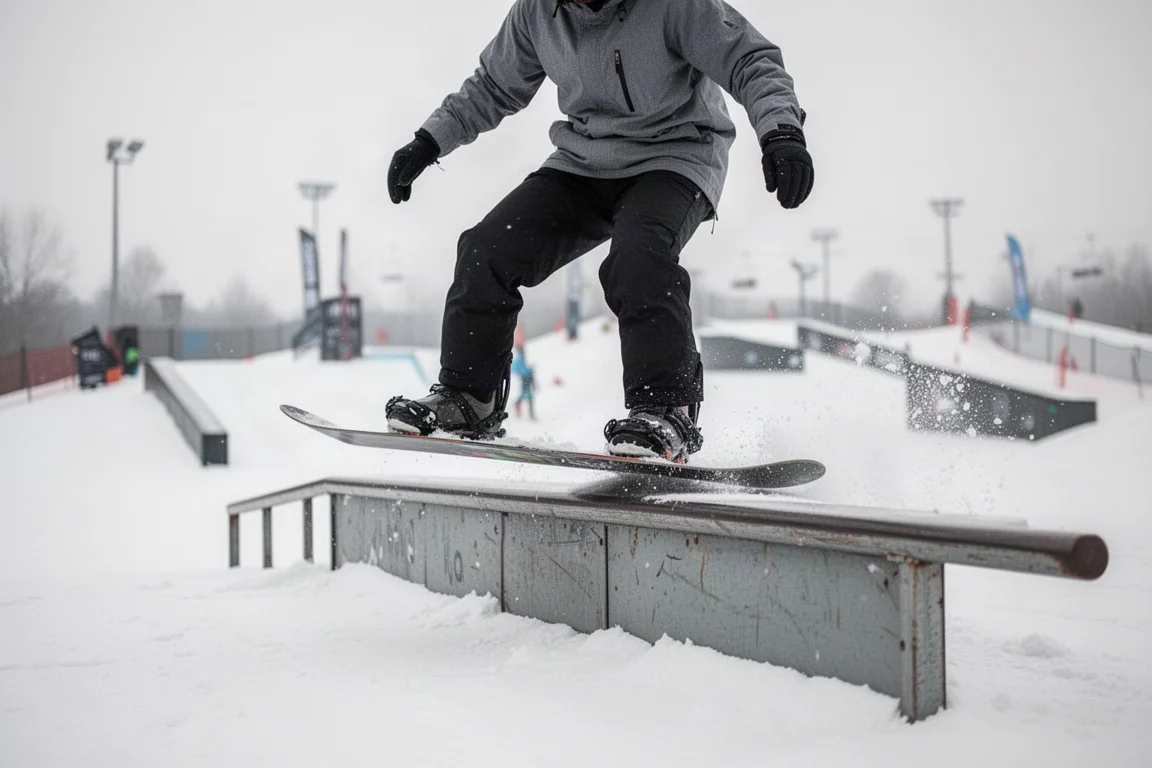
One important caveat: when you butter sideways and go to pop out, there is essentially zero pop from the board. Any pop-out or spin out of a press is entirely on you. On rails, sliding sideways does cause some wandering, but the forgiving flex more than makes up for it in this context.
Jumps and Pop
Loading the board for an ollie reveals its biggest weakness. There is little snap or rebound, so you are essentially popping straight off your back foot. The board folded on more than one occasion when loaded aggressively, which is a clear signal not to push it.
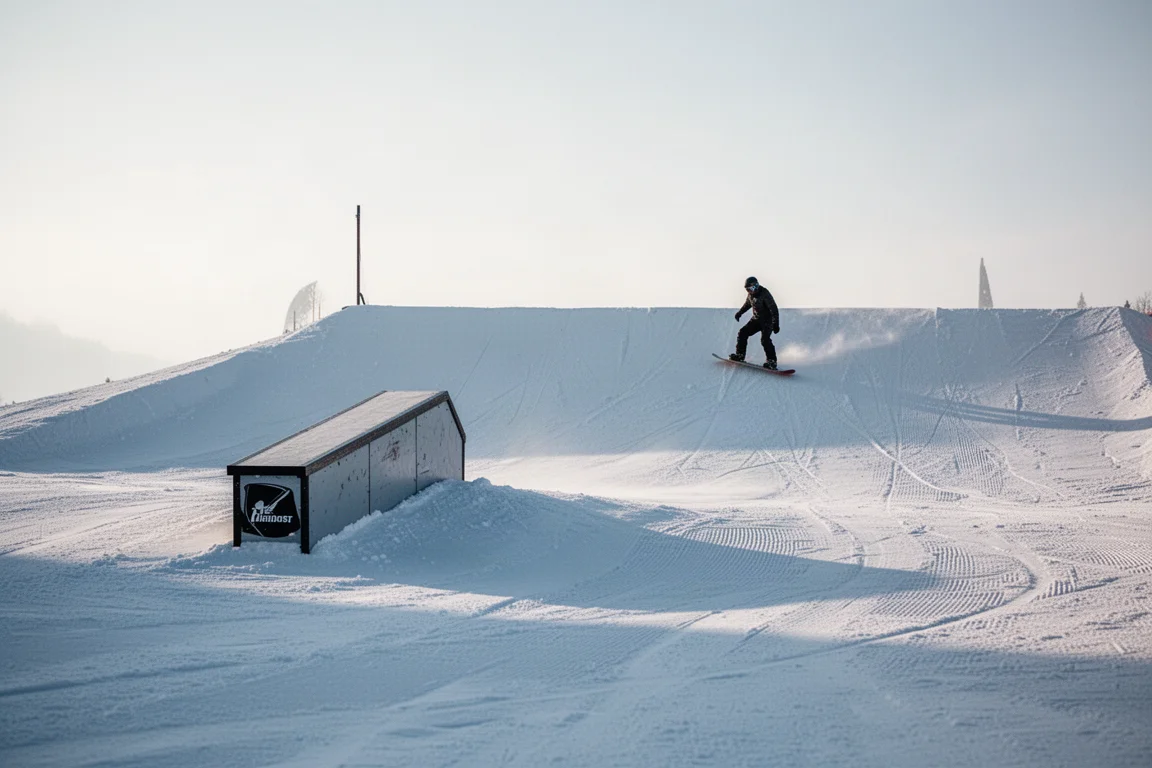
On actual jumps, the board felt better when taken slightly on edge rather than flat-based, where it felt squirrely and wanted to wander because the focal point sits in the middle of the board. Landings were fine, but this board should really be kept to small jumps at most. Anything bigger risks the board folding beneath you.
Carving and Edge Hold
At slow speeds the Skate Banana carves acceptably, and it is quick edge to edge and very catch-free. Short, quick carves are handled well. But above roughly 10 mph the board gets loose, with the nose and tail chattering and the ride feeling unstable unless you are on perfect groomers.
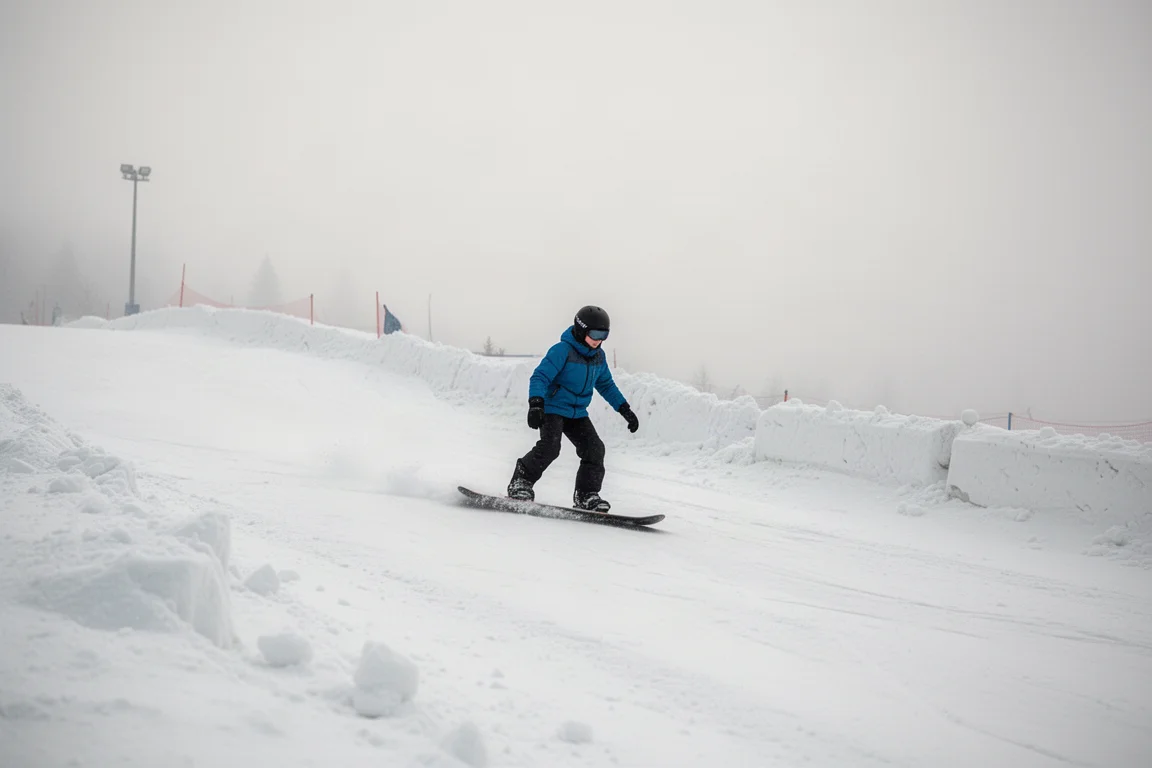
Medium and larger carves should be kept slow and beginner-style. Euro carving is not recommended: the board folds in half and slides out under that kind of load. If you can hold a full Euro carve circle on this thing, that would be an achievement.
Who This Board Is For
The Skate Banana is made for the first-time snowboarder who plans to ride a handful of days and wants a board that lets them learn without getting punished. It makes it easy to fall in love with snowboarding without taking beatings on day one. But if you ride more than that, you will quickly notice friends passing you and outgrowing this deck. It is also too loose for big-mountain riding; it suits small hills, Midwest riding, and magic carpet laps far better than steep terrain.
Buying Advice
If you do pick one up, it comes in 150, 152, 153W, 154, 156, 156W, 159, 159W, and 162W, so there is a wide range of sizing including wide options. For setup, it was ridden with supportive freestyle bindings and sturdy boots, which helps manage the board’s looseness. Comparable boards worth a look include the GNU Riders Choice-style BTX decks such as the GNU GWO, the Capita Pathfinder Reverse Camber, and the Bataleon Wallie. Recommended binding pairings include the Bent Metal Logic, Union Ultra, and Salomon District.
Conclusion
The Lib Tech Skate Banana is a very good beginner and butter board that does exactly what it was designed to do, and nothing more. If your priority is learning painlessly, pressing everything in sight, and never catching an edge, it delivers. If you want speed, pop, or a board you can trust on a big mountain, look elsewhere. For the right rider, it is a genuinely fun, forgiving deck.
Product link
View more details for Lib Tech Skate Banana Snowboard
This product is mentioned in the review. Check the specifications, options, and compatibility before buying.
View more details for Lib Tech Skate Banana SnowboardFurther reading
Related Reviews

Snowboards
32 Middle Earth Scott Stevens Pro Model Snowboard Review: A Park Board With a Reversed Flex
A medium traditional camber park board with carbon V reinforcement that is stiffer in the tips and more playful between the feet. Here is how it rides and who it suits.

Snowboards
32 Snafu Review: A Directional All-Mountain Freestyle Board with Serious Pop
The 32 Snafu pairs a directional camber-rocker profile with a stiffening tail for powerful carves, big ollies, and a surprisingly damp ride.

Snowboards
32 XXX Pat Fava Pro Snowboard Review: A Stiff Camber Beast for Hard-Charging Riders
A full-width traditional camber deck that rewards aggression with stability and edge power, but demands effort everywhere else.