Snowboards
Lib Tech Rad Ripper Review: A High-End Camber Twin That Rides With Purpose
A traditional camber freestyle twin built for speed, power, and aggressive carving, with a stiff flex that rewards committed riders.
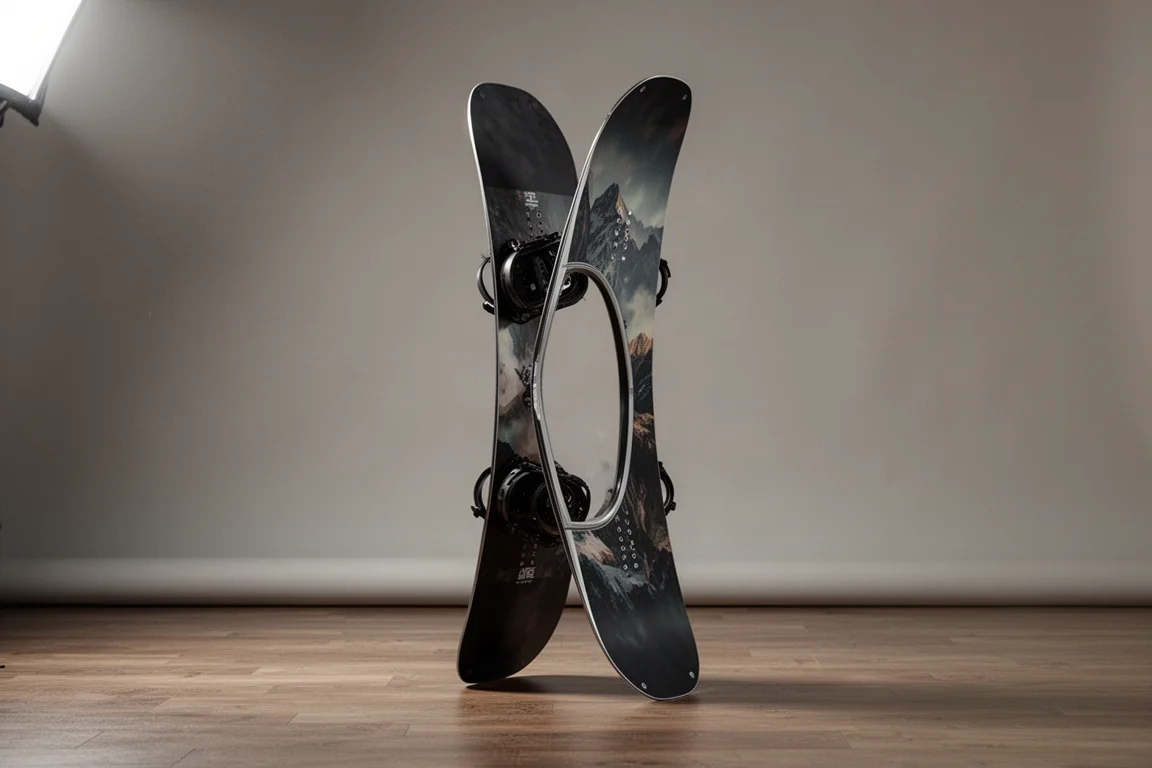
Introduction
The Lib Tech Rad Ripper is a traditional camber freestyle twin aimed squarely at riders who want snap, drive, and force out of their deck. It is available in a 153, a 156, and a 159, and it was tested across a full day of mixed conditions: chop and chunder, perfect corduroy, and leftover hot pow under rolling storm clouds.
This is not a board for everyone. It is a stiffer twin that demands speed, effort, and commitment. If you grew up on old-school cambered boards, it will feel like a homecoming. If not, be prepared to work for everything it gives back.
Flex Profile and Response
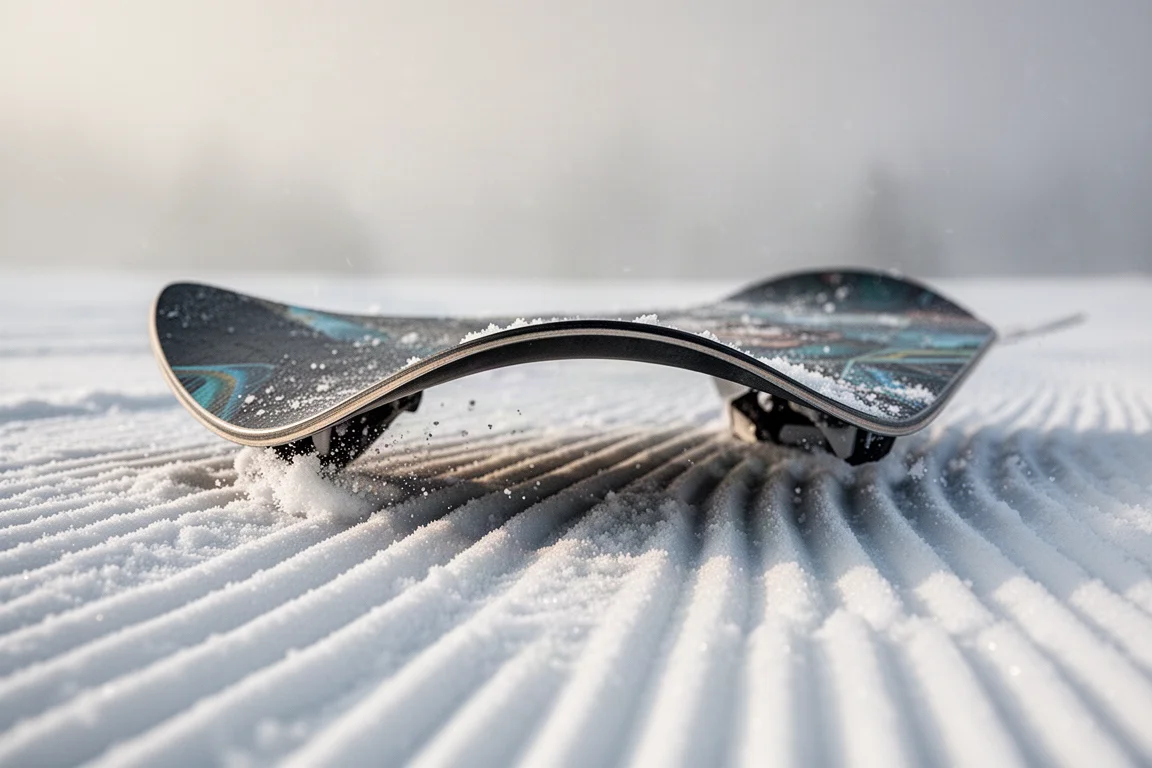
The Rad Ripper uses good old-fashioned traditional camber, with a full arc from contact point to contact point that delivers load, pop, snap, and drive. The flex is stiff from the moment you step on, and the board adds a reverse flex profile: stiffer tips with a softer section through the middle.
There is a tiny sweet spot in the nose and tail, very small, and it is the softest part of the board. Torsional rigidity is high. When you twist the board to ankle steer, it resists, responds, and rebounds abruptly, giving a very quick response. Getting it to butter takes more effort than you might expect: you need your weight leveraged way out over that micro sweet spot, and even then the board will fight you before snapping back out.
Ride Feel and Stability
The combination of width, full camber, and core profiling produces a ride that is damp, smooth, and stable while still staying lively. It cuts through chop and crust, skips over anything in its path, and does not falter. Chatter is essentially absent; the board absorbs it and keeps charging.
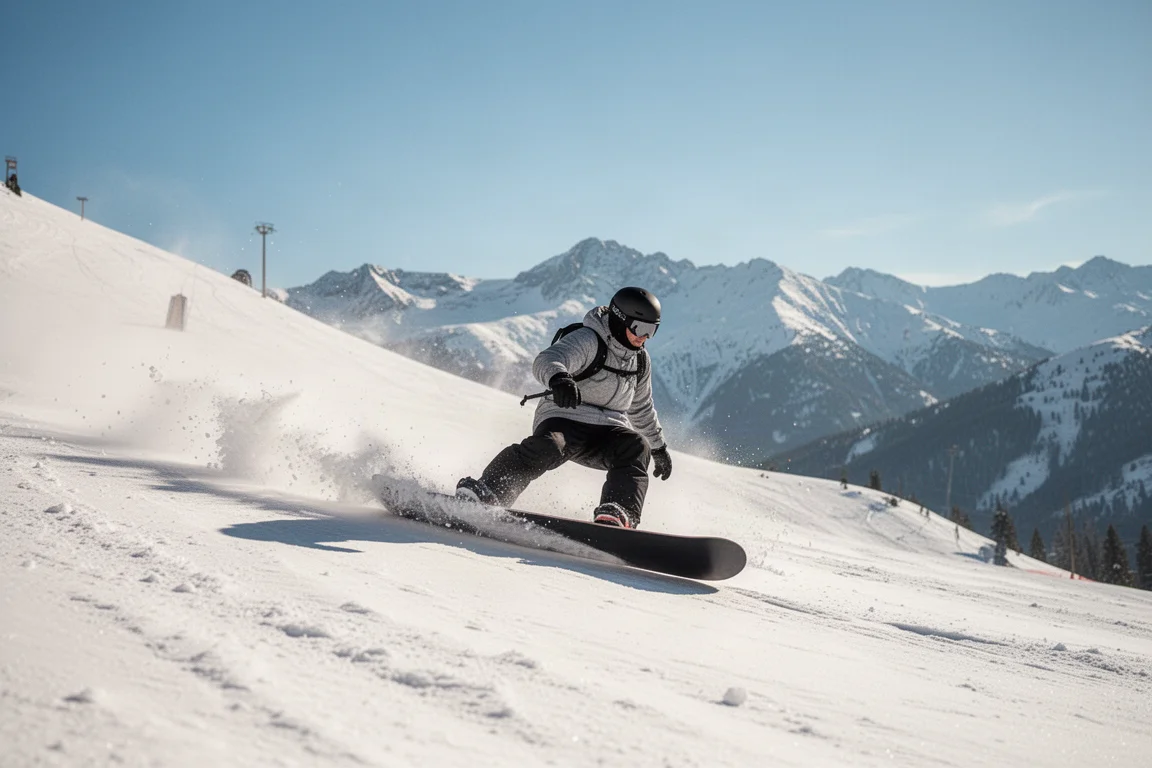
That mix of smooth, stable, damp, and lively is rare in one package, and it is what makes the Rad Ripper so easy to commit to at speed.
Jumps and Boost
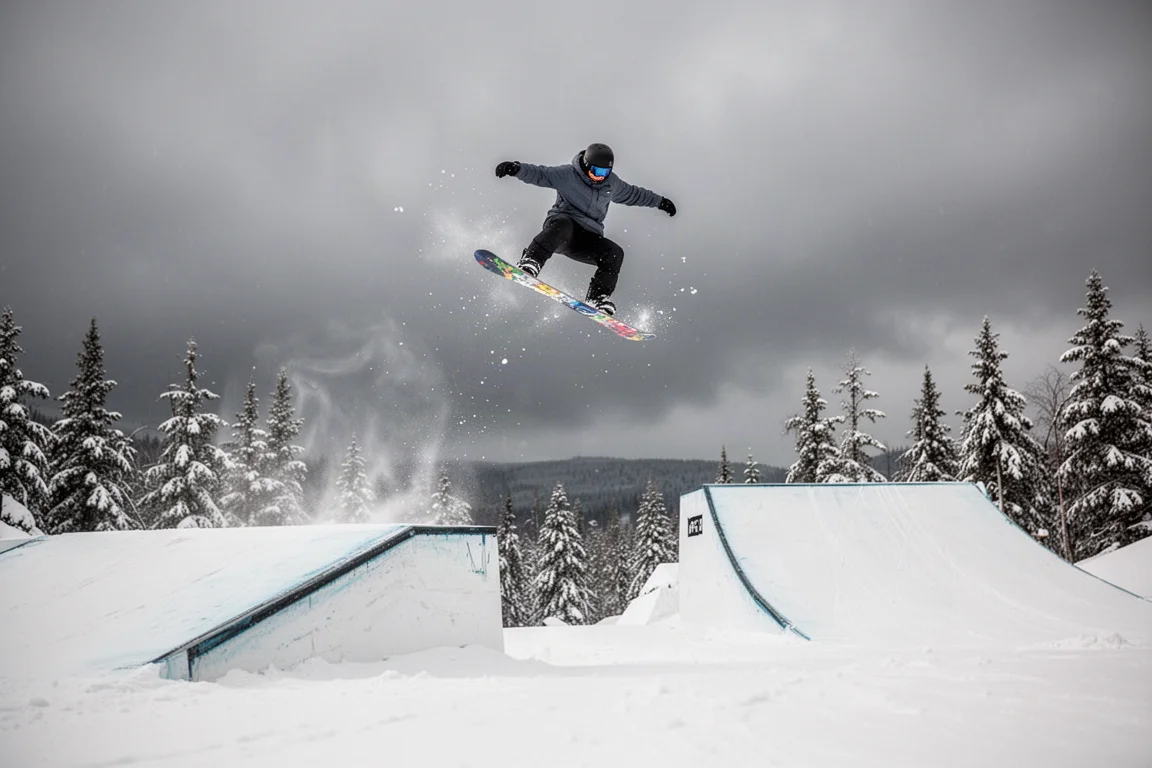
The camber here is aggressive, and you have to load it up hard, pushing into the tail way out at the start of the upkick, to unlock the rebound. When you do, you boost. If you ride lazy and laid back, you will not get the pop.
This board rewards speed. More power is your friend, and the jump line only amplifies that: small and medium features are fine, but it clearly wants the bigger ones. Off the lip, the boost is substantial, and the board wants to send it deeper and further.
Be honest with yourself about your riding style here. Lazy riders will likely find this board too much to handle.
Jibbing and Butters
Butters are work. The board fights you when you press, and it will snap back out on you if you do not commit fully. Jibbing is similarly demanding: high-speed tail presses, nose presses, and board slides are manageable, but anything more technical requires a competent rider, or the board will buck you.
Pressing on the nose or tail means putting weight way out while the camber fights back the whole time. Hit anything with a kink and it may well slap down on you. The slight cradle when the board goes sideways comes mostly from the natural arc of the camber.
Carving Performance
This is where the Rad Ripper genuinely shines. Full camber, a stiff flex, no magnetraction, just a clean side cut, and it rails turns. Driving the board from the middle back through the tail delivers real power and snap out of every turn.
Short, tight, quick carves and medium mellow carves take a little more effort than on other boards, since ankle steering is limited. But deep, hard, aggressive carves at speed are a different story: the board lays over and holds, and it is absolutely worth sleeping on that fact at your own peril.
Who the Rad Ripper Is For
This board is for the high-end freestyle rider who hits everything on the mountain with speed and power and wants traditional camber underfoot. It rides with purpose and forcefulness, though you can be laid back with it when you choose.
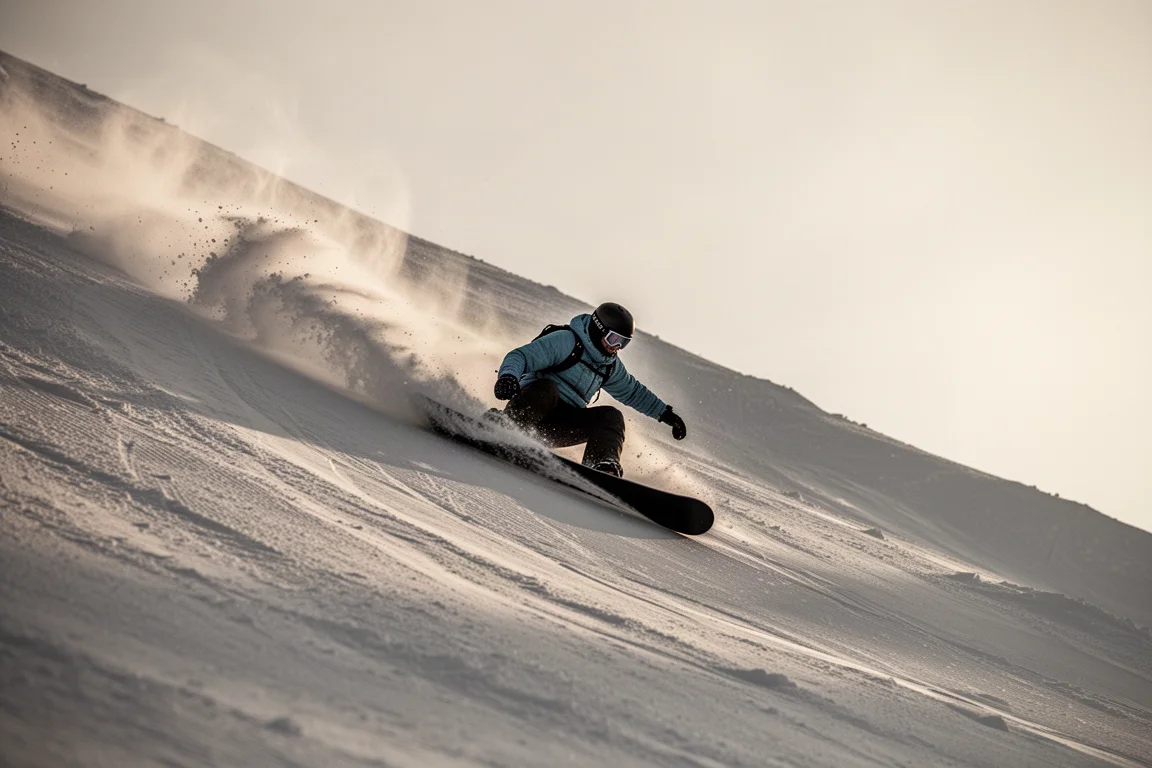
It was hard to step off after three laps, and that is about the strongest endorsement a test board can earn. Comparable boards include the Rossignol Juggernaut, the K2 Hypnotist, and the Capita Outsiders, with bindings like the Bent Metal Transfer, Rome D.O.D., or Union Force as fitting pairings.
Conclusion
The Lib Tech Rad Ripper fills a gap with a classic high-end camber twin that rides fast, carves beautifully, and boosts hard. If you are an aggressive freestyle rider who loves traditional camber, it belongs on your shortlist. If you prefer a lazy, forgiving ride, look elsewhere.
Product link
View more details for Lib Tech Rad Ripper
This product is mentioned in the review. Check the specifications, options, and compatibility before buying.
View more details for Lib Tech Rad RipperFurther reading
Related Reviews

Snowboards
32 Middle Earth Scott Stevens Pro Model Snowboard Review: A Park Board With a Reversed Flex
A medium traditional camber park board with carbon V reinforcement that is stiffer in the tips and more playful between the feet. Here is how it rides and who it suits.

Snowboards
32 Snafu Review: A Directional All-Mountain Freestyle Board with Serious Pop
The 32 Snafu pairs a directional camber-rocker profile with a stiffening tail for powerful carves, big ollies, and a surprisingly damp ride.

Snowboards
32 XXX Pat Fava Pro Snowboard Review: A Stiff Camber Beast for Hard-Charging Riders
A full-width traditional camber deck that rewards aggression with stability and edge power, but demands effort everywhere else.