Snowboards
Lib Tech Lost Rocket Review: A Directional Freeride Board for Deep Days
A directional C3 camber powder board with strong float in fresh snow, a damp mid-body, and a soft nose that gives up composure once the slope is tracked out.
Introduction
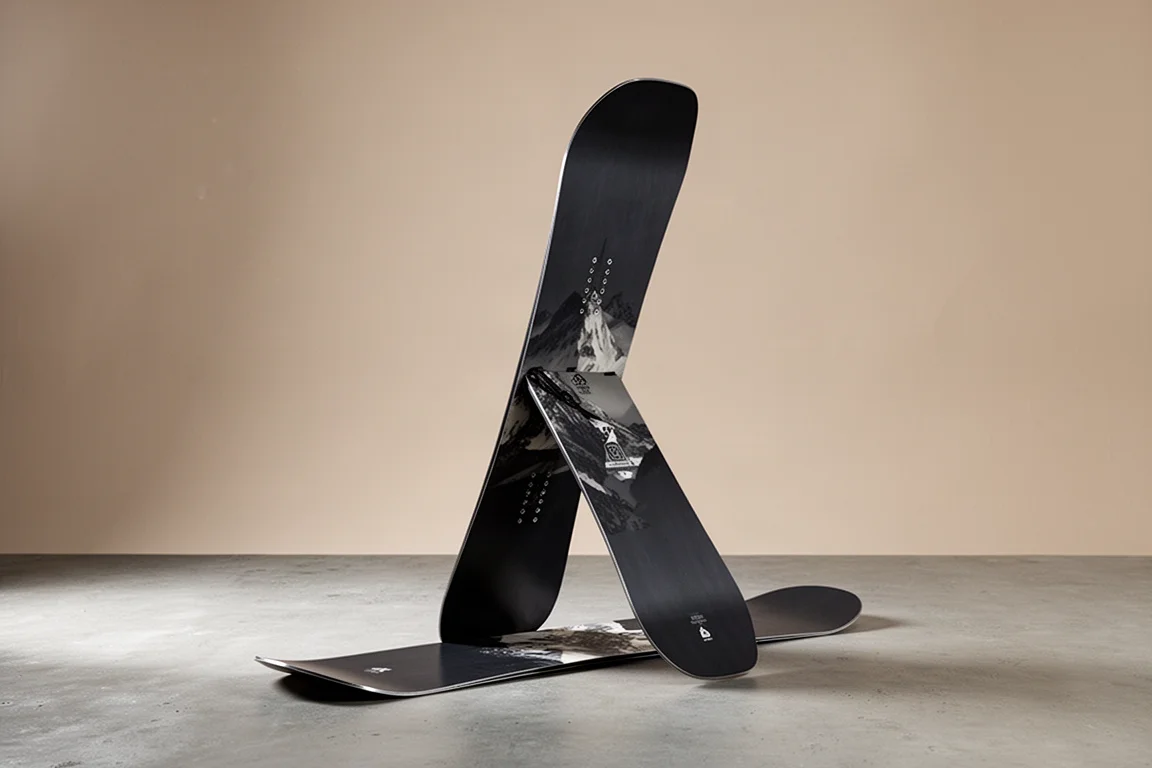
The Lib Tech Lost Rocket is a directional freeride snowboard built around Mervin’s directional C3 camber profile, and the concept behind the shape is easy to follow: a longer flat section in the nose, a camber zone with a slight hinge point between the feet, and a smaller flat section in the tail. The result is meant to combine the load, pop, snap, and drive of traditional camber with easier entry into and out of turns from the flat zones, plus more effective float in powder.
In practice the board reads as a purpose-built powder tool rather than an all-mountain compromise. It is offered in three sizes, 152.5, 157.5, and 161.5, and the flex is fully directional to match the shape.
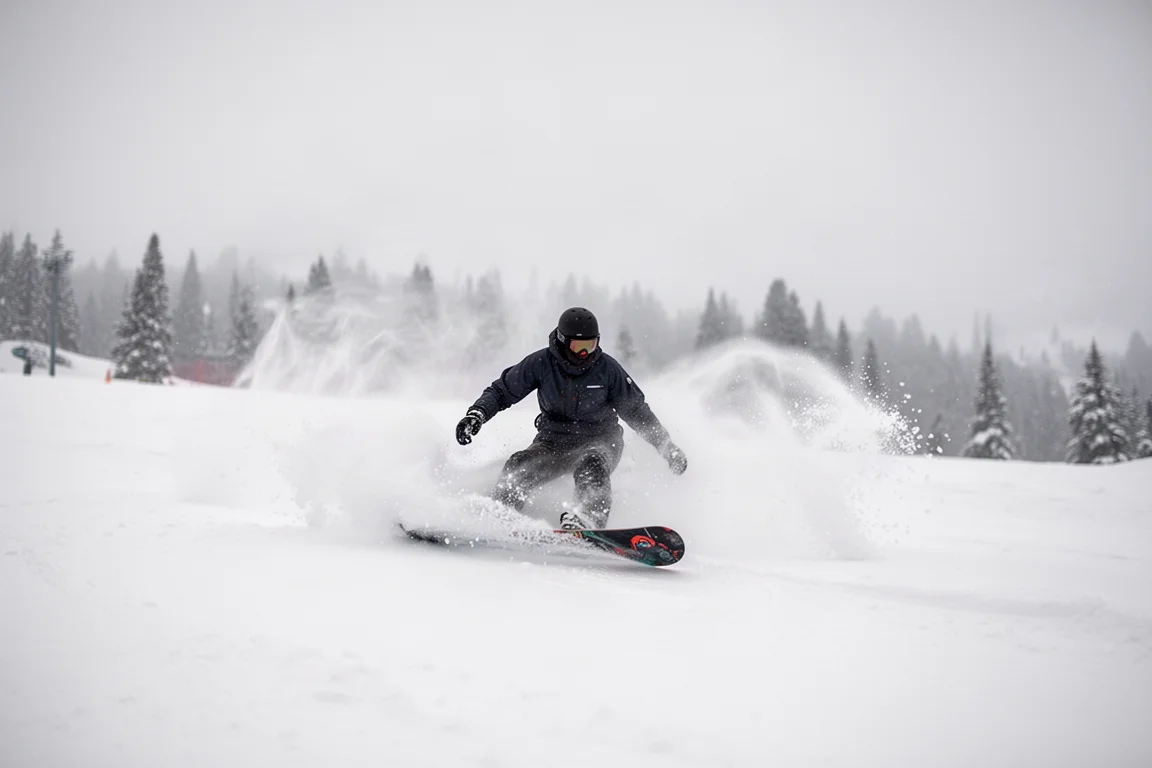
Everything about the ride points in one direction. The nose is the softest part of the board, the mid-body is damp and settled, and the tail carries what pop there is. That distribution shapes almost every impression below, from how the board handles fresh snow to how it behaves once a slope is tracked out.
Who the Lib Tech Lost Rocket Is For
This is a board for the medium to deep day powder chaser. Riders who plan their season around storm cycles and untracked terrain will find the design intent lines up with how they actually ride.
Main Strengths on Fresh Snow
On snow at Arapahoe Basin during an unexpected powder day, conditions ran from overcast skies and cooler temperatures to roughly 10 inches of fresh snow sitting on top of chop and chunder, with some ice and soft groomers in spots. In the fresh, untracked snow the board was phenomenal, and that is clearly the environment it was built for. Float is generous, slashing and smashing through deep snow feels natural, and the ride stays predictable when the surface is soft and consistent.
The center of the board is damp, which is a characteristic Lib Tech boards are known for. That damping lets the Lost Rocket plow through medium chop reasonably well, and it chunder busts with relative ease from the front foot back through the tail.
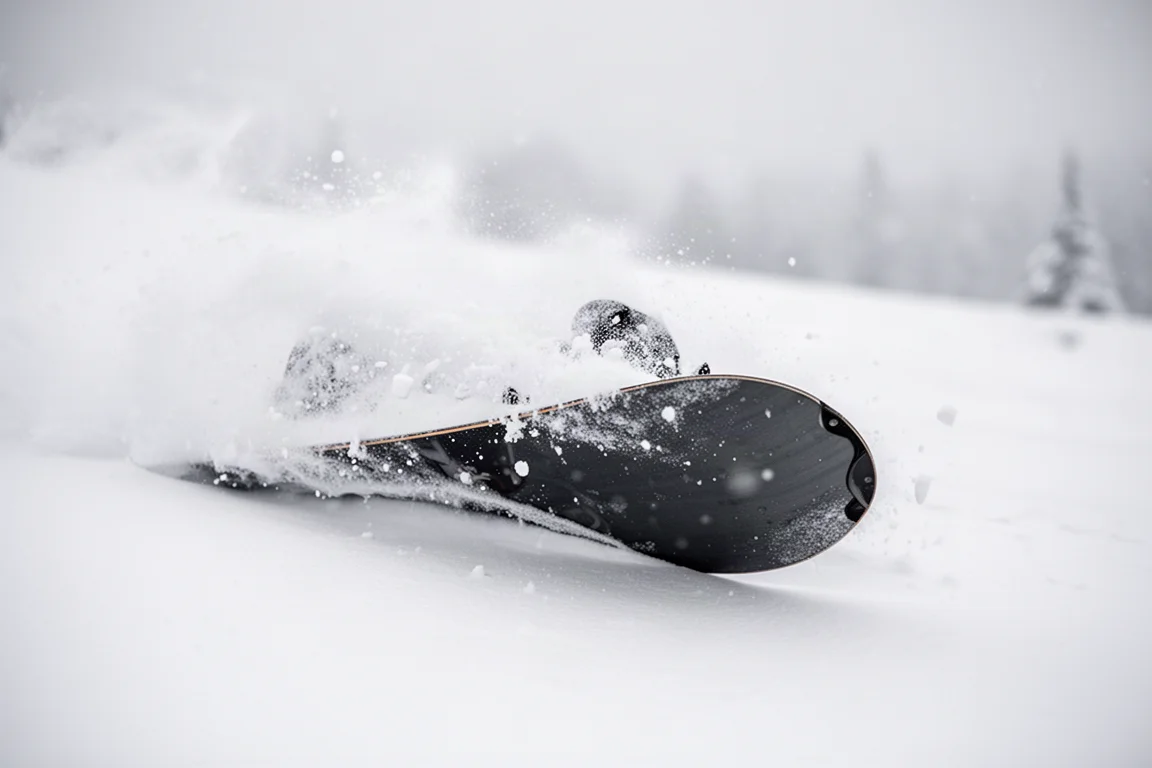
Directional camber set slightly back means the pop arrives off the back foot and the short tail section. There is enough of it to porpoise through snow and pop off a roller, and what you put in is what you get out.
Flex, Camber, and Ride Feel
The flex is fully directional and freeride oriented. The nose is softer and stiffens up right before the front insert pack, holds that stiffness to just outside the rear insert pack, and then the tail stiffens a little further. Torsional flex is present without being overly abundant, so ankle steering is available when a turn needs to be adjusted quickly.
Pop is concentrated over the rear foot. The board is not the snappiest deck available, and boosting a side hit into powder takes calculation and a bit more effort. A laid-back approach returns less pop in exchange. Buttering in powder was not part of the picture here, simply because the conditions invited slashing and smashing instead.
Things to Consider Before Buying
The soft nose is the main trade-off. In choppy terrain the board gets bucked around, and because the nose is soft enough, any energy it meets resonates back under the front foot. The mid-body stays composed, but the nose is the part riders will feel most in tracked, lumpy snow.
Groomer performance is a second consideration. Edge to edge engagement is slow and the ride becomes washy. Driving a knee into the center of the C3 profile to push off the tail does not pick up extra speed or power, and the board simply stays locked on edge. It is marketed as a board that can carve, but realistically it is designed for deep days, and mellow carves back to the lift are the realistic expectation. There is not a lot of power on tap to drive a carve.
Back leg fatigue also showed up during the session, which is worth noting because most powder boards do not produce that.
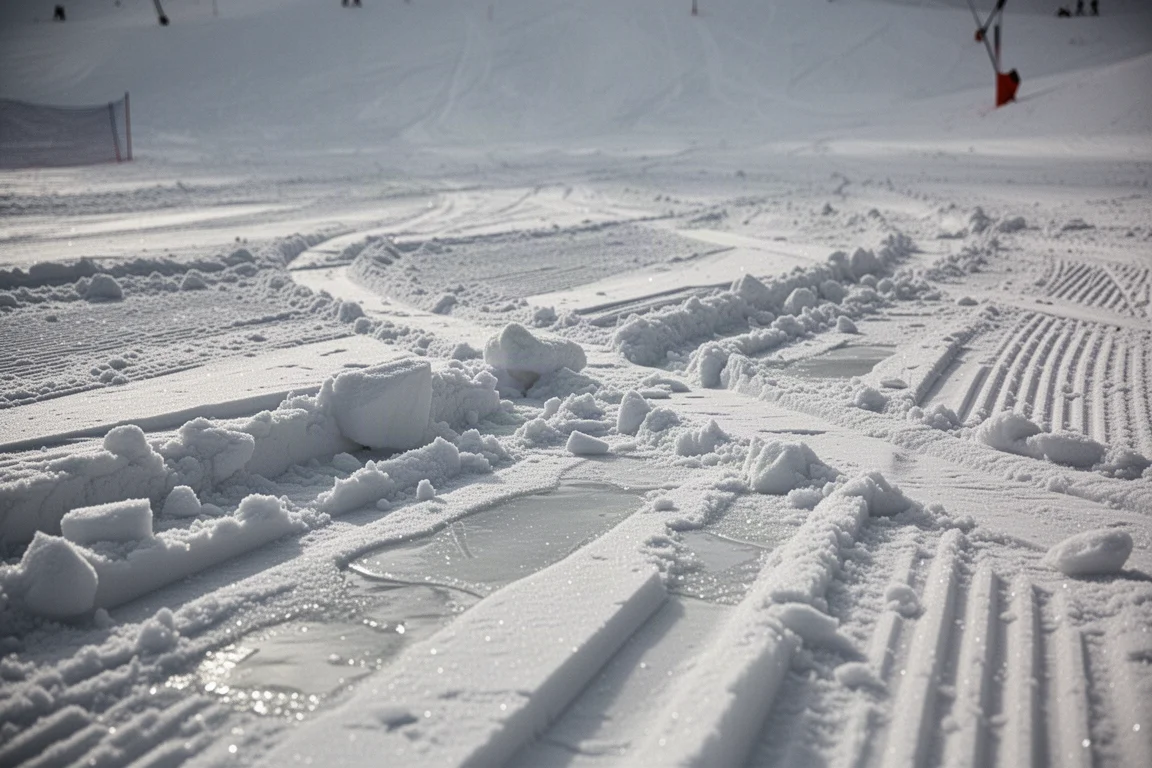
Taken as a whole, this is a middle-of-the-road powder board. It does not stand out as exceptional, and it is not bad either. Riders who only ever use it in fresh snow would likely be completely satisfied, while riders who spend more time in warm, lumpy, tracked conditions will feel the limitations.
Bindings, Sizing, and Comparable Boards
The Lost Rocket comes in 152.5, 157.5, and 161.5. Binding recommendations for this board include the Bent Metal Action, the Rome Vice, and options from the K2 lineup.
Riders cross-shopping directional powder shapes may also want to look at the Rossignol Sashimi, the Capita Navigator, and the Signal Tail Gunner, which occupy a similar part of the market.
Buying Advice
Buy the Lib Tech Lost Rocket if fresh snow is the point of your season. The board is at its best in soft, deep, untracked terrain, where the float, the damp mid-body, and the rear-foot pop all work together. If a typical day for you involves tracked chop, warm spring snow, and long groomer laps, this shape will feel like a compromise more often than not.
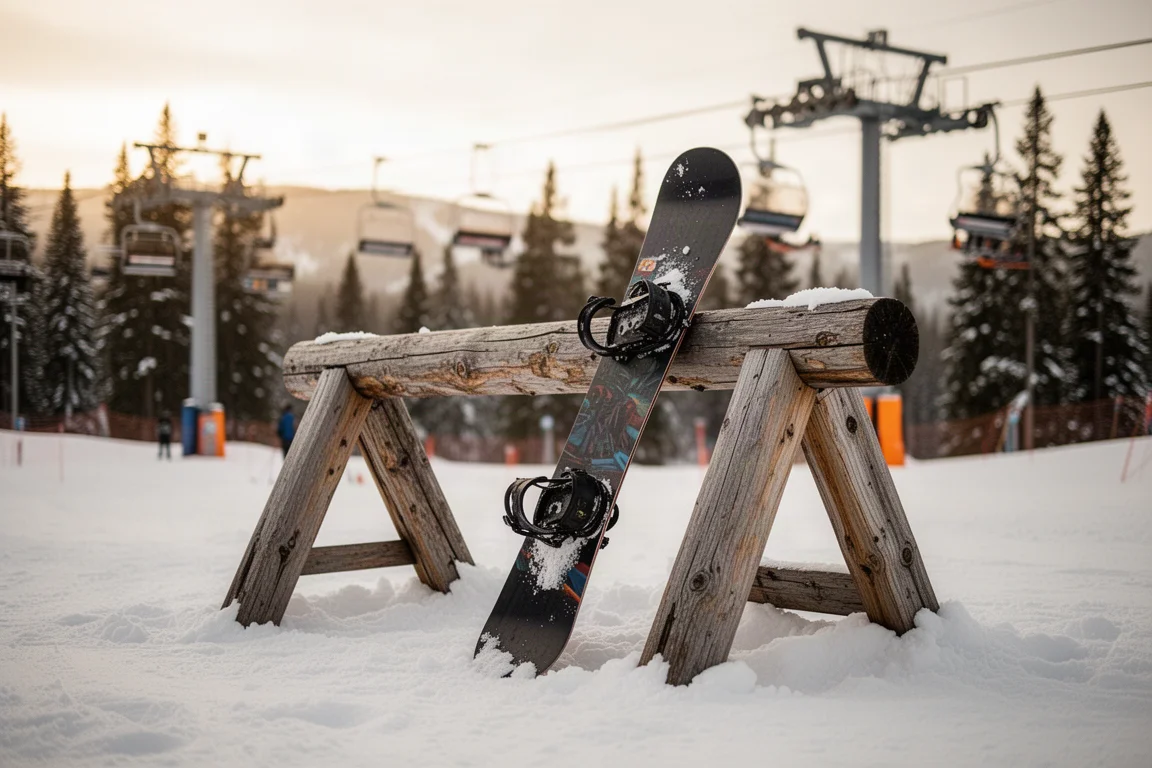
Match the size to your weight and stance rather than to a single number, and pair it with a binding that suits a directional freeride flex. The board rewards a rider who is willing to work for pop and who plans around storms rather than around the resort’s grooming report.
Conclusion
The Lib Tech Lost Rocket is a focused directional powder board with a clear brief: float well, stay damp underfoot, and deliver camber drive through a slightly set-back profile. It delivers on fresh snow and asks for patience everywhere else. For the medium to deep day powder chaser, that trade-off is the whole point.
Product link
View more details for Lib Tech Lost Rocket
This product is mentioned in the review. Check the specifications, options, and compatibility before buying.
View more details for Lib Tech Lost RocketFurther reading
Related Reviews

Snowboards
32 Middle Earth Scott Stevens Pro Model Snowboard Review: A Park Board With a Reversed Flex
A medium traditional camber park board with carbon V reinforcement that is stiffer in the tips and more playful between the feet. Here is how it rides and who it suits.

Snowboards
32 Snafu Review: A Directional All-Mountain Freestyle Board with Serious Pop
The 32 Snafu pairs a directional camber-rocker profile with a stiffening tail for powerful carves, big ollies, and a surprisingly damp ride.

Snowboards
32 XXX Pat Fava Pro Snowboard Review: A Stiff Camber Beast for Hard-Charging Riders
A full-width traditional camber deck that rewards aggression with stability and edge power, but demands effort everywhere else.