Snowboards
Lib Tech Lib Rig Review: A Directional All-Mountain Board That Rewards Commitment
The Lib Tech Lib Rig pairs camber drive with rocker-nose float, delivering a damp, confident ride for advanced all-mountain and freeride snowboarders.
Introduction
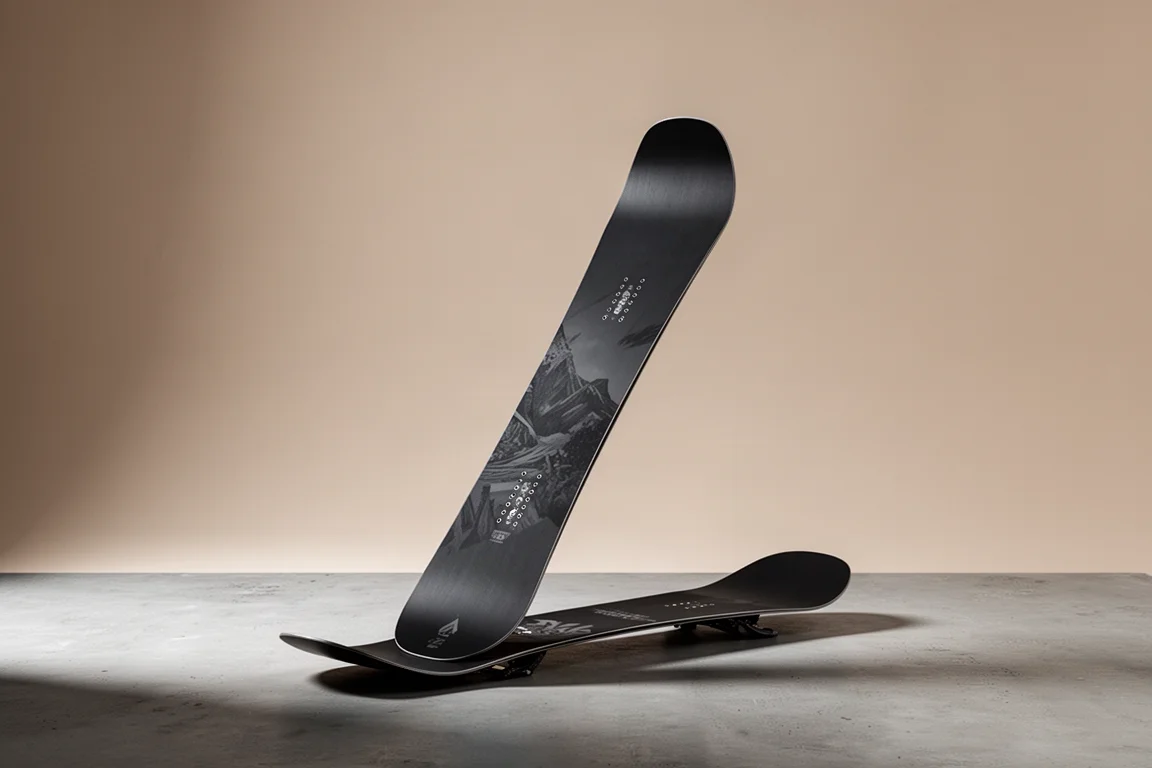
The Lib Tech Lib Rig is built around the brand’s early rise directional camber profile: traditional camber underfoot and through the tail, with a rocker zone that runs from around the nose up to the tip. That combination gives the camber section its drive, pop, and stability, while the rocker in the nose adds float and makes turn entry and exit noticeably easier. It comes in a wide range of sizes this year, including 153, 155, 157, 159, 162, and a 160 wide.
Who This Board Is For
This is a board aimed squarely at advanced riders who spend most of their time riding all-mountain or freeride terrain. If you happen to stroll through the park and want to hit a feature with it, that works too, but park laps are not the focus. Beginners will have a tough time learning on the Lib Rig, so it is not the right pick if you are just getting started.
Ride Feel and Stability
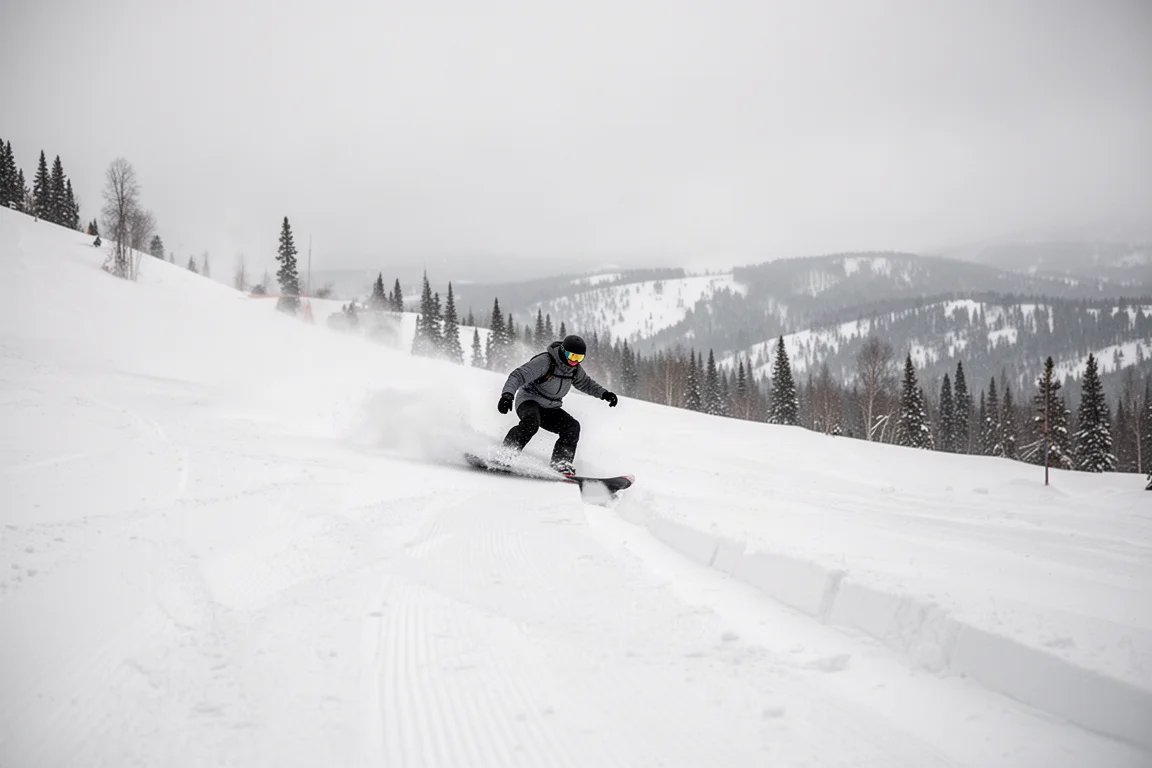
Ridden in genuinely difficult conditions, including one of the flattest light days imaginable on firm-but-trustworthy hero snow, the Lib Rig held its edges confidently. Overall flex sits slightly stiffer than middle of the road, with a directional character: the nose flexes the most thanks to the rocker zone, while the full camber through the tail keeps things stiffer back there.
Stability is one of the board’s clear strengths. It has a nice, damp feel with very little chatter from the nose or tail and no twitchy reactivity against the snow. It mowed over nearly everything in its path, though it is not the most stable board on the mountain. There is some wiggle room, and the rocker zone adds a bit of built-in forgiveness, so you do not have to be completely on top of your game at all times.
Pop and Buttering
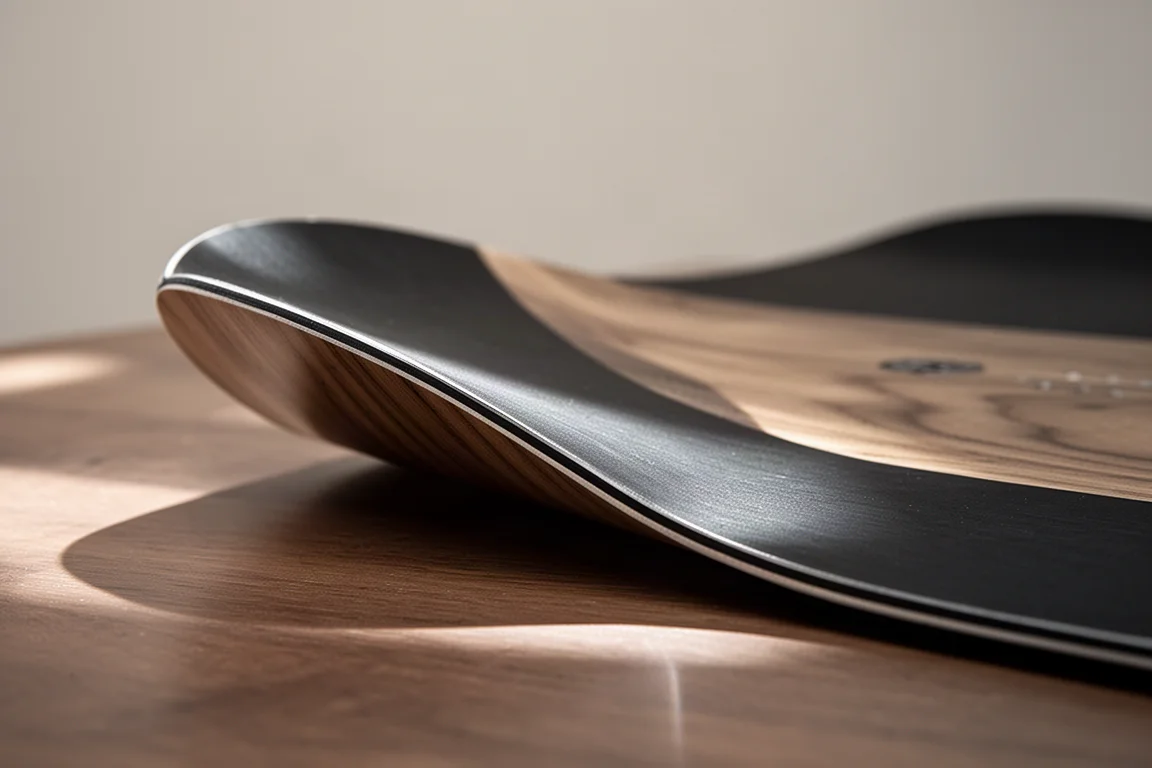
Loading the tail takes a little extra work because of the directional flex, but not a dramatic one. You do not need to start loading twenty feet ahead of a feature; it simply asks for slightly more effort. Once loaded, the pop is real, though it leans more organic than snappy. Expect a predictable, progressive launch rather than an instantaneous flick.
Buttering feels different on each end. On the tail, the sweet spot sits close to the contact point, so it is more of a balancing act with some pop out, but nothing wild. The nose offers a bigger sweet spot, since the rocker meets camber and creates a natural hinge point with more surface area to work with. Pop out on nose butters is noticeably less than on the tail.
Carving Performance
This board can lay a serious trench. It is not the fastest on short, quick carves and felt like there was a little lag there, but medium carves felt smooth, with the dampness cutting through uneven snow. On large carves there was effectively no speed limit. Whatever was in the path, moguls included, got crushed right through.

It is a confident, Euro-carve-capable board. One caution: it is not the widest deck out there, and if you max out its width on extreme Euro carves, you may run into toe or heel drag.
Things to Consider Before Buying
The directional flex and camber-dominant profile mean this board does not ride switch the same way it rides regular, so it is not the pick if symmetry matters to you. It also leans directional enough that riders wanting maximum versatility may look elsewhere. On the plus side, the graphic for this year is a genuinely nice touch.
Buying Advice
The Lib Rig is a board that could easily serve as a daily driver: solid pop, the ability to carve through nearly any condition, and a damp, confidence-inspiring ride. There is some overlap with other boards in the Lib line, but this one edges ahead for riders who like to point it everywhere and charge.
Comparable boards worth researching include the Ride Moderator, the Nitro Alternator, and the Public Research. Recommended bindings to pair with it are the Bent Metal Transfer, the Jones Mercury, and the Salomon Highlander. Checking those alternatives is a sensible step before committing.
Conclusion
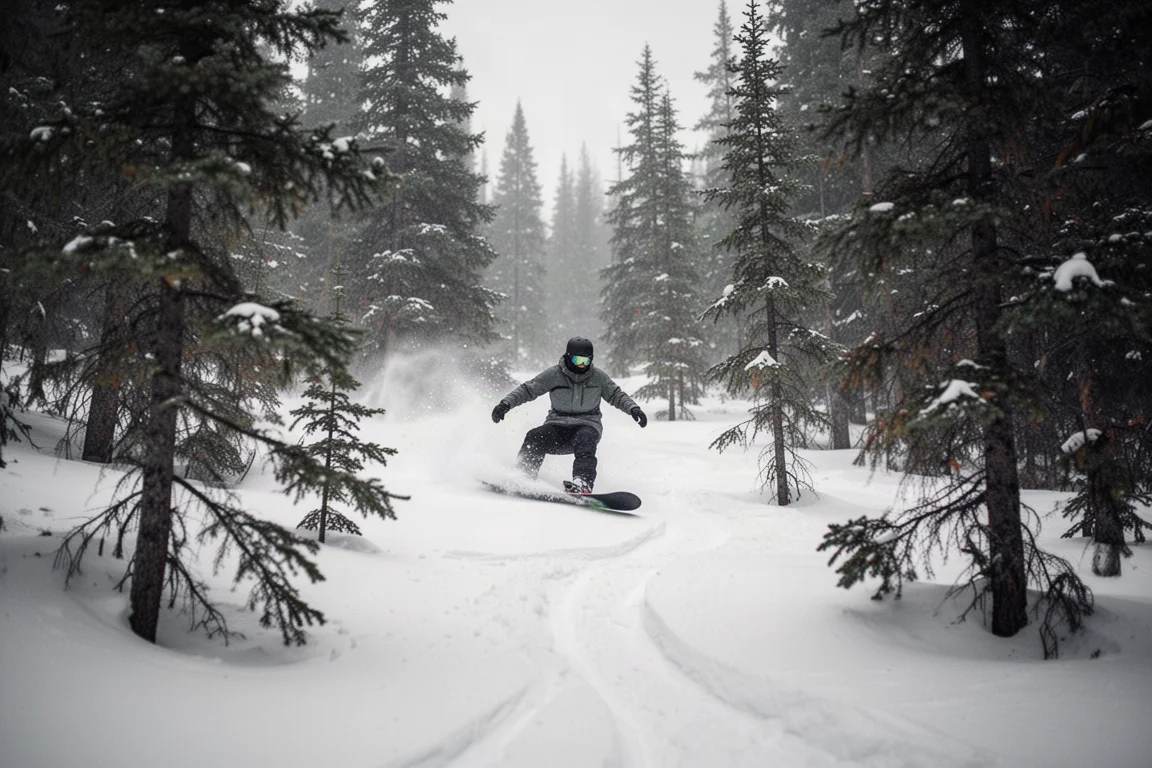
The Lib Tech Lib Rig is a solid, damp, directional all-mountain board that rewards advanced riders with dependable carving, organic pop, and forgiving float up front. If you ride regular stance most of the time and want one board that handles groomers, firm snow, and the occasional park hit, it deserves a serious look.
Product link
View more details for Lib Tech Lib Rig
This product is mentioned in the review. Check the specifications, options, and compatibility before buying.
View more details for Lib Tech Lib RigFurther reading
Related Reviews

Snowboards
32 Middle Earth Scott Stevens Pro Model Snowboard Review: A Park Board With a Reversed Flex
A medium traditional camber park board with carbon V reinforcement that is stiffer in the tips and more playful between the feet. Here is how it rides and who it suits.

Snowboards
32 Snafu Review: A Directional All-Mountain Freestyle Board with Serious Pop
The 32 Snafu pairs a directional camber-rocker profile with a stiffening tail for powerful carves, big ollies, and a surprisingly damp ride.

Snowboards
32 XXX Pat Fava Pro Snowboard Review: A Stiff Camber Beast for Hard-Charging Riders
A full-width traditional camber deck that rewards aggression with stability and edge power, but demands effort everywhere else.