Snowboards
Lib Tech Jamie Lynn 96 Review: A Traditional Camber Snowboard for Old-School Riders
A detailed look at the Lib Tech Jamie Lynn 96, a traditional camber snowboard with a radial side cut, damp ride, and predictable all-mountain freestyle flex.
Introduction
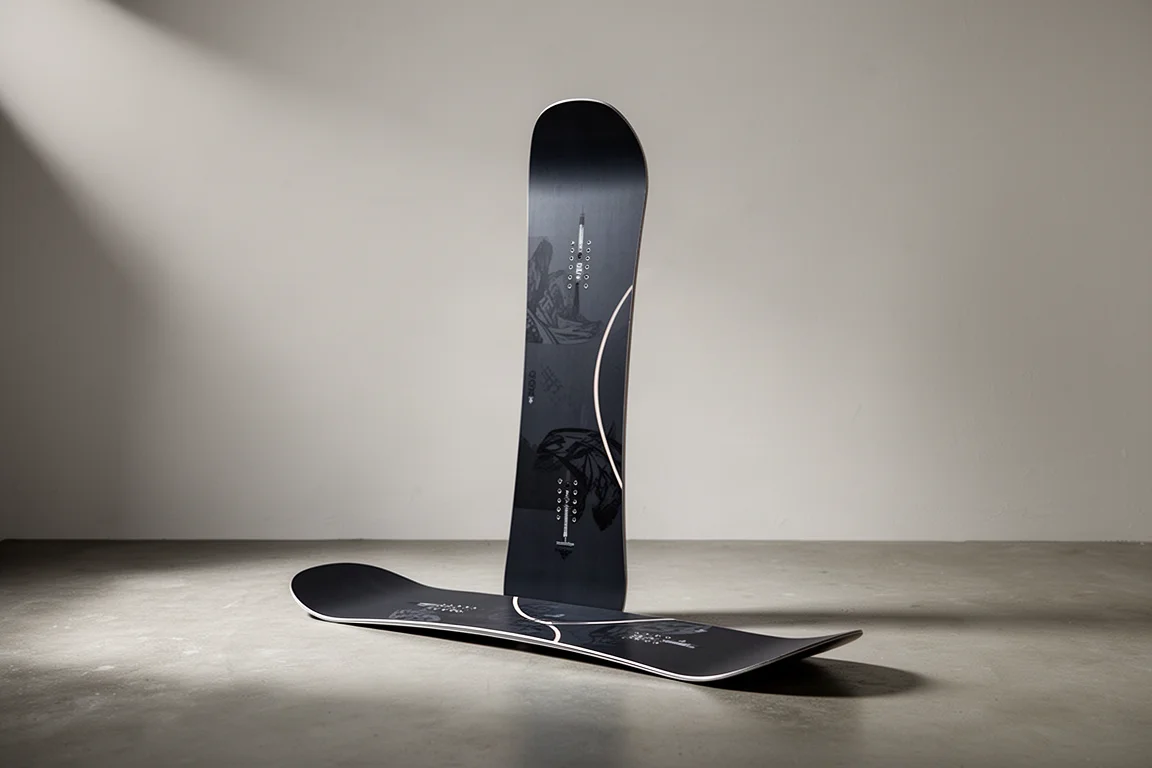
The Lib Tech Jamie Lynn 96 is a snowboard built around traditional camber and a radial side cut. It is available in 154 and 157. It is not trying to reinvent the shape. Instead, it leans on a classic profile that many riders know well. The board has a predictable all-mountain freestyle flex, softer tips, and a stiffer midsection. On snow, it was ridden at Arapahoe Basin on a sunny bluebird day with warmer temperatures, moderate to high winds, slush chopped underfoot, and some wind-blown ice. Conditions improved to hero snow on the lower mountain. This review covers how it feels, who it suits, and what to consider before buying.
Who this product is for
This board is for the old-school snowboarder who likes traditional camber and radial side cuts. It is a throwback in the best sense: the profile and side cut are familiar, and the ride has a damp, grounded feel. Riders who miss the late 1990s and 2000s snowboard feel will find a lot to like here. It also appeals to riders who follow Jamie Lynn’s designs and want a board that feels like a classic. If you want a board that wants you to ride faster and rewards a calculated, aggressive approach, this is worth a close look. It is less suited to riders who want a loose, jib-focused board or a super lively, ultralight freestyle deck.
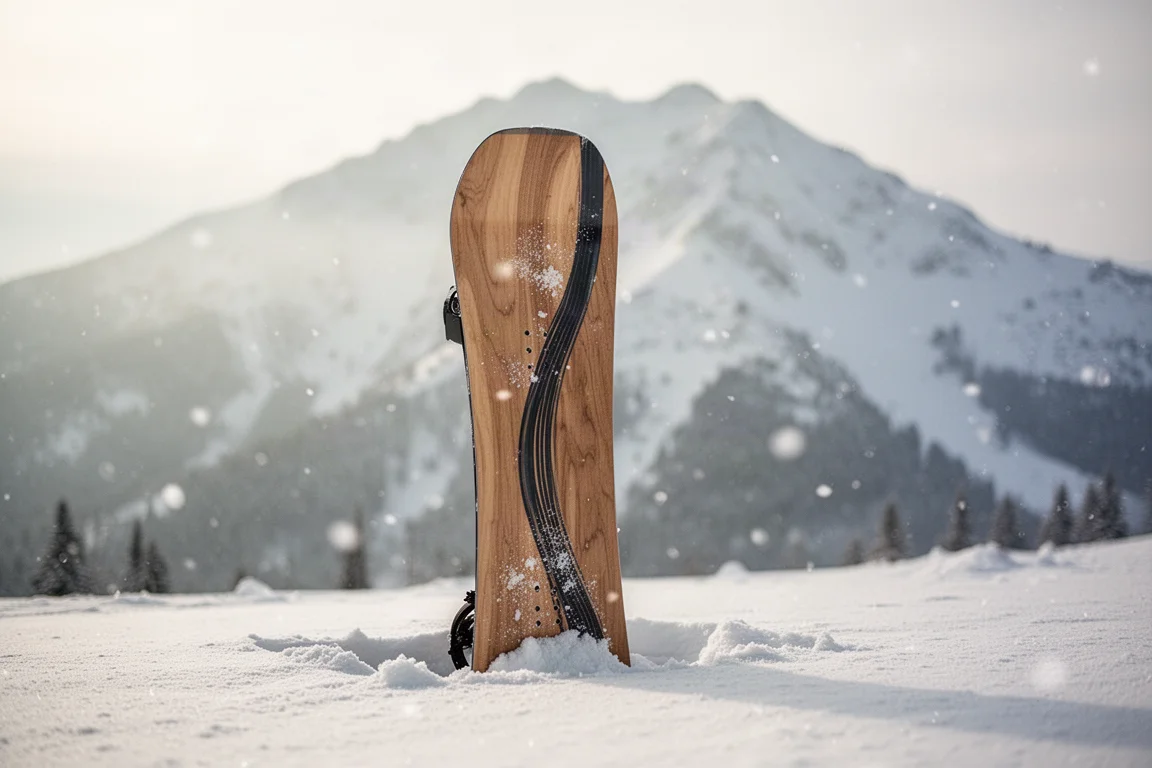
The Jamie Lynn 96 is not a beginner board. It asks for some skill and intention. Intermediate and advanced riders who understand camber will get the most from it.
Main strengths
The strongest argument for the Jamie Lynn 96 is its consistency. It has a predictable all-mountain freestyle flex. The tips are softer, and the board stiffens through the middle. The torsional flex matches that pattern, so you can twist it when needed without feeling unpredictable. Underfoot, the board is damp. It absorbs bigger, harder, body-jarring hits almost completely right underfoot. That dampness lets you charge harder and stay composed in rough terrain. Traditional camber provides load, pop, snap, and drive from contact point to contact point. It also gives the board a fluid edge-to-edge roll. It goes up on edge smoothly and rolls back out just as smoothly, whether you are on your toe or heel edge. Short tight carves, medium mellow carves, and long drawn-out carves are all within reach.
Flex and stability
The flex is not mind-blowing, but it is dependable. Softer tips and a stiffer middle create a familiar feel. There is some chatter in the tips because they are softer, but the dampness underfoot kills most of it before it reaches your feet. In heavily rutted terrain, the board can get kicked around. Bigger, harder hits are where it shines, because the dampness dissipates them underfoot. This makes the board feel calm at speed and confident in mixed conditions.
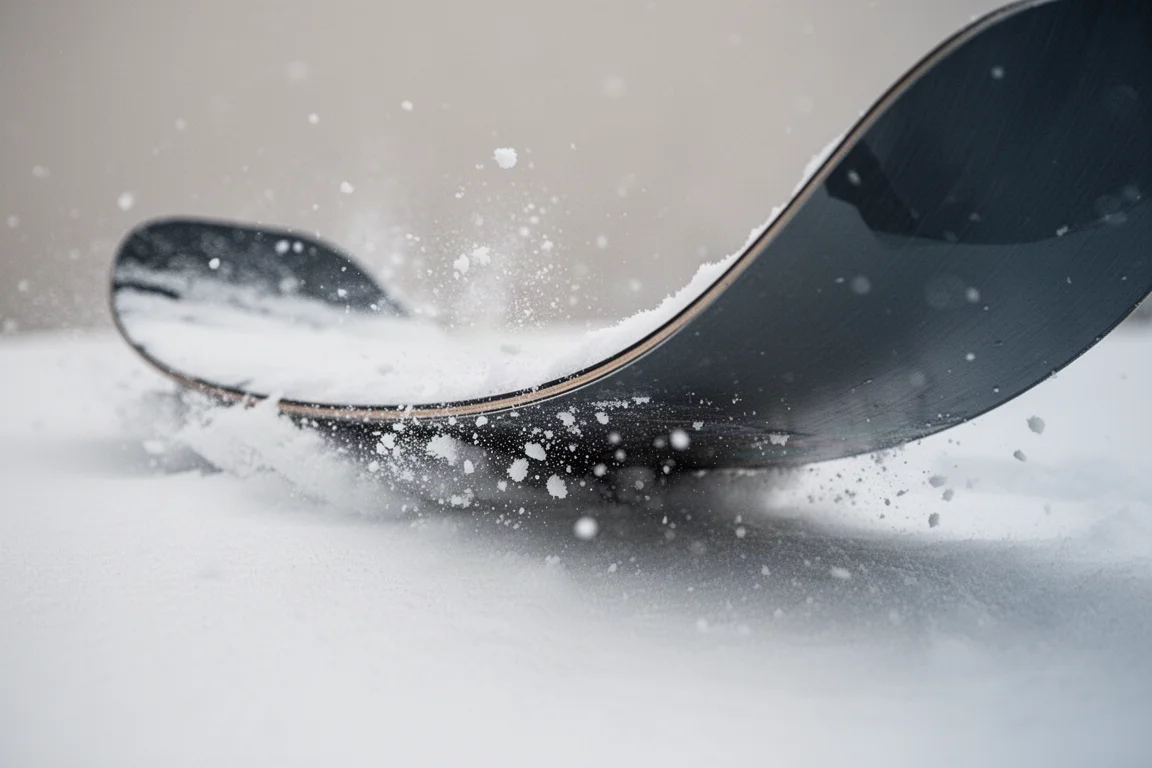
The stability is more about damping than about a lively, poppy feel. It is less lively and more damp. Riders who value a settled ride over a hyperactive one will appreciate that.
Pop and jumps
Traditional camber means you have to load the board to get pop. When you roll back on the tail and spring off, there is a slight delay. That makes you more calculated with how you pop off side hits, rollers, cat tracks, and gaps. It is not the snappiest board out there, and it will not launch you to the moon. What it does offer is consistency. You know how much pop you are going to get. On jumps, the lip does a little more of the work. You can load up and get some boost, but the lip is really doing the heavy lifting. That is fine, and it means the board handles small, medium, and even large-ish jumps without drama. The camber and dampness help on landings.
Buttering and jibbing
There is a sweet spot around the contact point in the nose and tail. That is where you want to leverage your weight. Push hard, and you feel the board flex and lock in. Once it locks in, the camber takes over and fights to set itself back down. You have to muscle your butters a bit. Going a little faster or finding something a little steeper helps. This is not a jib board. It can handle basic tricks like nose presses, tail presses, and board slides. The nose and tail sweet spot locks in, and you feel the press, but the camber wants to fight you, which gives you spring out of the end of the feature. When you go sideways, it only slightly cradles the feature. You never feel like you are going to clap out, but you also are not doing a full balance-board act on top of it. Standard jib tricks are what you get.

If you want a board that locks into presses and butters with minimal effort, this is not it. If you like the spring and fight of traditional camber, the Jamie Lynn 96 delivers that in a predictable way.
Edge-to-edge and carving
With a good old-fashioned radial side cut and no additional edge bite technology, all your edge hold relies on you and how sharp your edges are. The board has a very fluid edge-to-edge roll. It rolls in and out smoothly. When you get aggressive and try to hammer a carve, the camber lets you, but there are limitations. You will hit a wall. You need to know what you can and cannot do. It will not let you lay over real carves all day. But when you need to lay one over in steeper terrain and go for it, it holds. Short tight quick carves, medium mellow carves, and long hard drawn-out carves are all possible. It feels like turning an old-school snowboard, with a different edge-to-edge engagement and a different power drive dynamic.
Things to consider before buying
The Jamie Lynn 96 has trade-offs. The softer tips produce some chatter, especially in choppy or icy conditions. The board is damp rather than lively, so riders who want a poppy, energetic feel may find it subdued. The traditional camber profile requires deliberate loading for pop, and there is a slight delay when you spring off the tail. In heavily rutted terrain, it can get kicked around. Aggressive carving has a ceiling, and you will need to learn where that limit is. It is not a dedicated jib board, so riders who want a park-focused deck should look elsewhere. Finally, the radial side cut and lack of extra edge bite mean edge hold depends on your skill and edge maintenance. If you are not used to camber, this board will ask you to adapt.
Buying advice
If you are an old-school rider who likes traditional camber and radial side cuts, the Jamie Lynn 96 is a strong match. It is available in 154 and 157, so you can choose the size that fits your weight, boot size, and terrain preference. It pairs well with a stable binding. Suggested options include the Bent Metal Transfer, Rome DOD, and Ride C8. Riders cross-shopping this board might also look at the Public Dispute, Rome Mod Stale, or Nitro Team. The board rewards a calculated, aggressive approach. It wants to be ridden faster, and it feels most at home when you commit to the camber profile and let the dampness do its work. If you want a board that feels like a classic from the late 1990s or 2000s, this is exactly that. If you want a loose, jib-friendly, or ultra-lively board, keep looking. For the right rider, the Jamie Lynn 96 is a confident, predictable choice that makes old-school camber feel relevant again.

Before you buy, think about the terrain you ride most. If you spend your days in the park or on rails, this is not the ideal tool. If you want a damp, stable, camber-driven board for all-mountain freestyle, it is worth considering.
Conclusion
The Lib Tech Jamie Lynn 96 is a throwback with old-school technology. Traditional camber, a radial side cut, and a damp flex give it a distinct personality. It is predictable, consistent, and built to charge. It has limitations, especially in aggressive carving and jibbing, but those limits are easy to understand once you ride it. For riders who love classic camber and want a board that feels like a snowboard from 1996 to 2007, this is a compelling option. It is not for everyone, but for the right rider, it delivers exactly what it promises.
Product link
View more details for Lib Tech Jamie Lynn 96
This product is mentioned in the review. Check the specifications, options, and compatibility before buying.
View more details for Lib Tech Jamie Lynn 96Further reading
Related Reviews

Snowboards
32 Middle Earth Scott Stevens Pro Model Snowboard Review: A Park Board With a Reversed Flex
A medium traditional camber park board with carbon V reinforcement that is stiffer in the tips and more playful between the feet. Here is how it rides and who it suits.

Snowboards
32 Snafu Review: A Directional All-Mountain Freestyle Board with Serious Pop
The 32 Snafu pairs a directional camber-rocker profile with a stiffening tail for powerful carves, big ollies, and a surprisingly damp ride.

Snowboards
32 XXX Pat Fava Pro Snowboard Review: A Stiff Camber Beast for Hard-Charging Riders
A full-width traditional camber deck that rewards aggression with stability and edge power, but demands effort everywhere else.