Snowboards
Lib Rasman Snowboard Review: A Stiff, Damp All-Mountain Freeride Hitter
The Lib Rasman pairs a hybrid C2X profile with a stiffer, more damp ride than before, making it a strong pick for aggressive all-mountain freeride with a freestyle streak.
Introduction
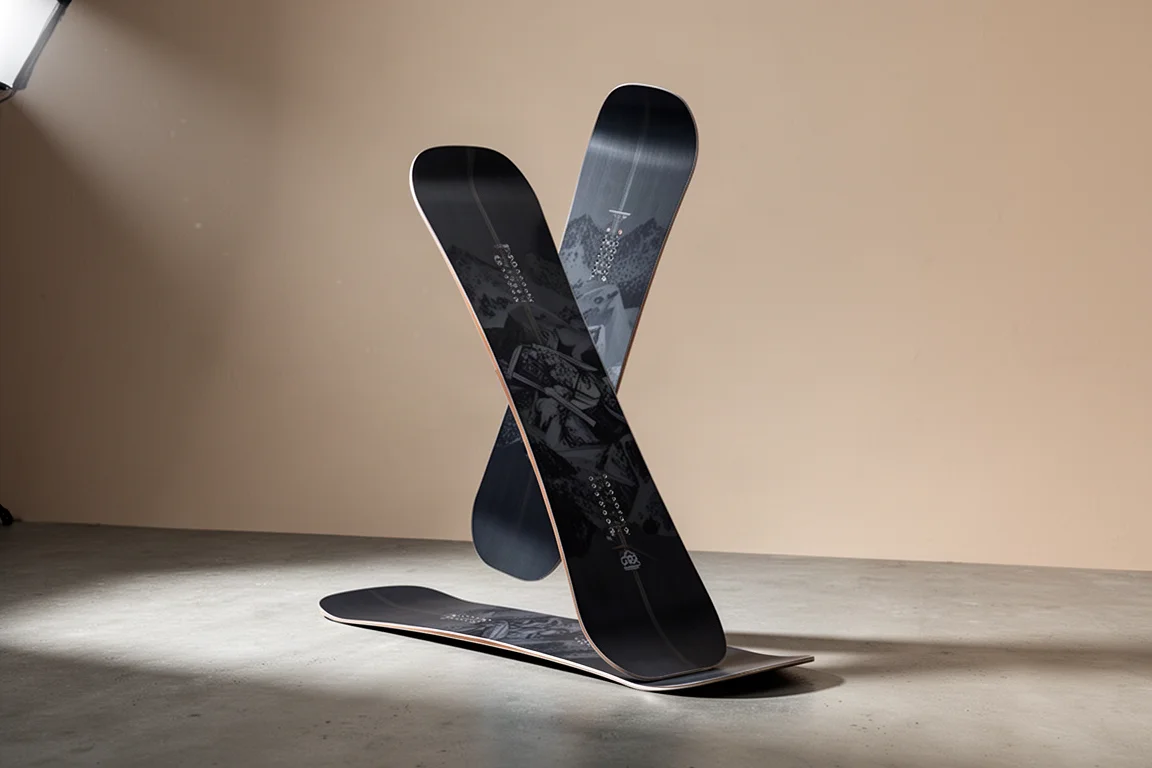
The Lib Rasman sits firmly in the all-mountain freeride category with freestyle tendencies, and the current version has been noticeably stiffened up compared to earlier iterations. It combines lengthened camber sections underfoot, with the front one slightly longer, and a shortened rocker between the feet in Lib’s hybrid C2X directional profile. The result is a board that loads up with pop, cuts through variable snow, and rewards riders who bring speed and commitment to their turns.
This review is based on riding at Copper Mountain in spring conditions, on a sunny, mostly bluebird day with fair winds. The snow ran the full spring spectrum: firm and fast up top, choppy and chundery in the middle, slushy on the lower mountain, and perfect hero snow on the groomers. The board was paired with Rome Black Label bindings and K2 Thorraxis boots.
Who This Board Is For
The rider in mind here is someone leaning all-mountain freeride with a freestyle flare: the type who will spin a 360 off a cliff drop, boost a side hit, and land switch without thinking twice. It is versatile enough to take all over the mountain, including the park, though with clear limits covered below.
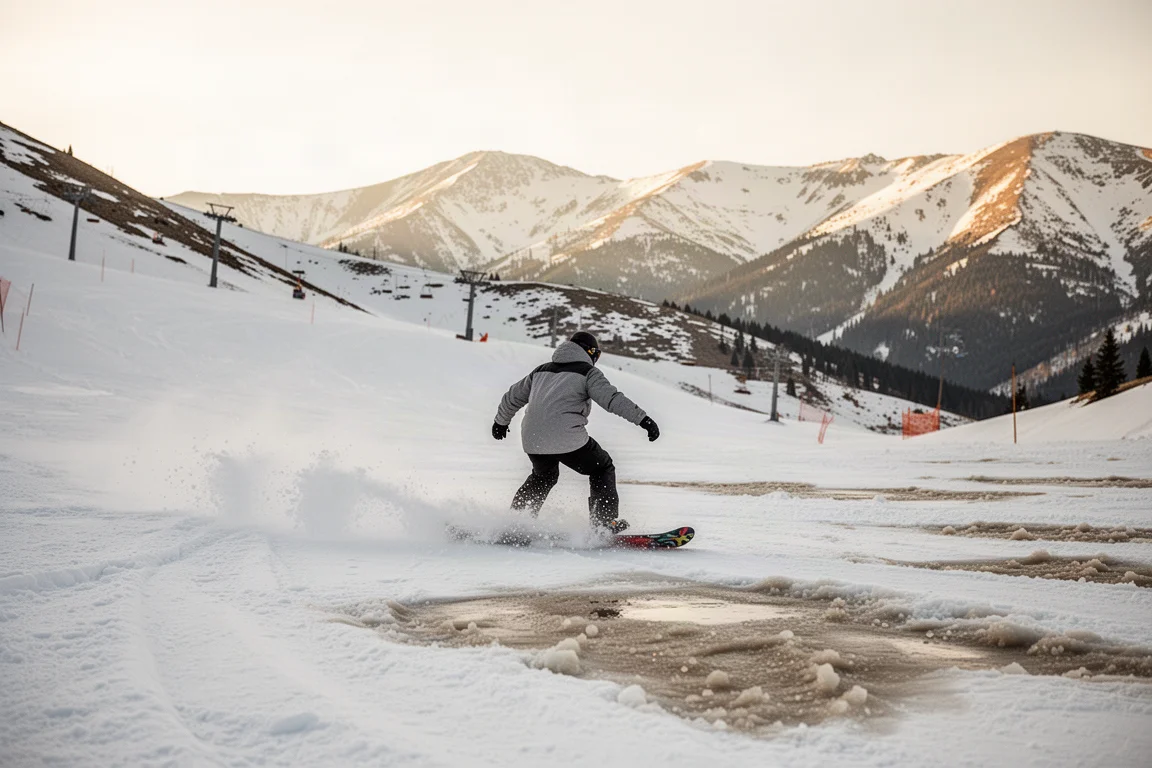
The board is available in 157, 159, and 161 wide. If your riding leans toward jibs and soft presses, this is not your board. If you want something that charges, pops, and stays composed in rough snow, keep reading.
Profile and Flex
The C2X hybrid directional profile delivers load, pop, and snap from the camber sections underfoot, while the rocker between the feet makes it easier to flex from the center and get the nose up in fresh powder. The OG throttle plates underfoot are immediately noticeable, adding stiffness underfoot, and the board is slightly directional, giving more play in the nose while the flex stays consistent back to the tail.
Torsionally, the dip from the reverse section in the C2X lets you twist and ankle-steer the board with relative ease. Overall, though, it is on the stiffer side: past middle of the road, but not a full-blown plank.
Strengths: Stability, Snap, and Big Jumps
Stability is where this version has taken a real step forward. It is a lot more damp than before, and you can hit chunder with it and it will just push through. The only time you really feel anything is if you are on your back foot with the front camber section elevated and you slam an ice boulder. Otherwise, it handles just about anything you put in front of it, cutting through heavier snow and absorbing chatter without fatiguing you.
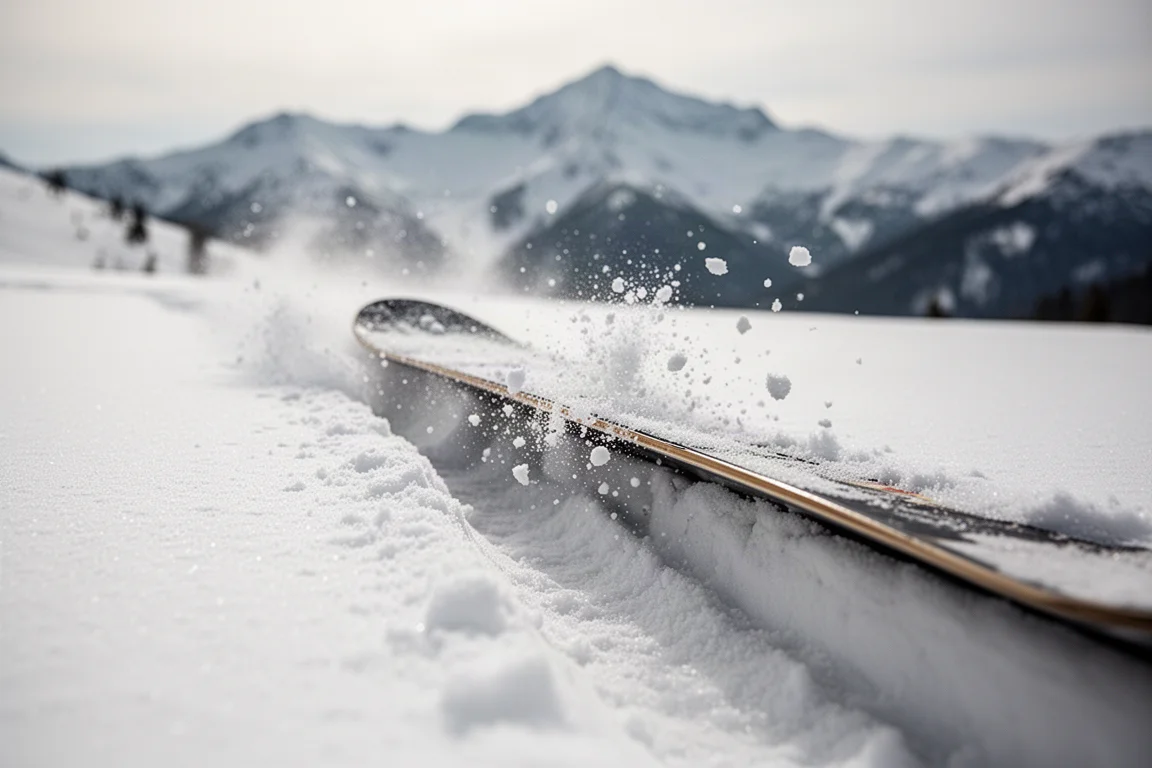
The snap is serious. Hybrid camber profiles sometimes give up pop, but this one does not. You can load each independent camber section on its own, but when you work them together and roll back on the tail, the spring genuinely boosts you. Send a side hit, launch a roller, take it deep, and do not worry about it.
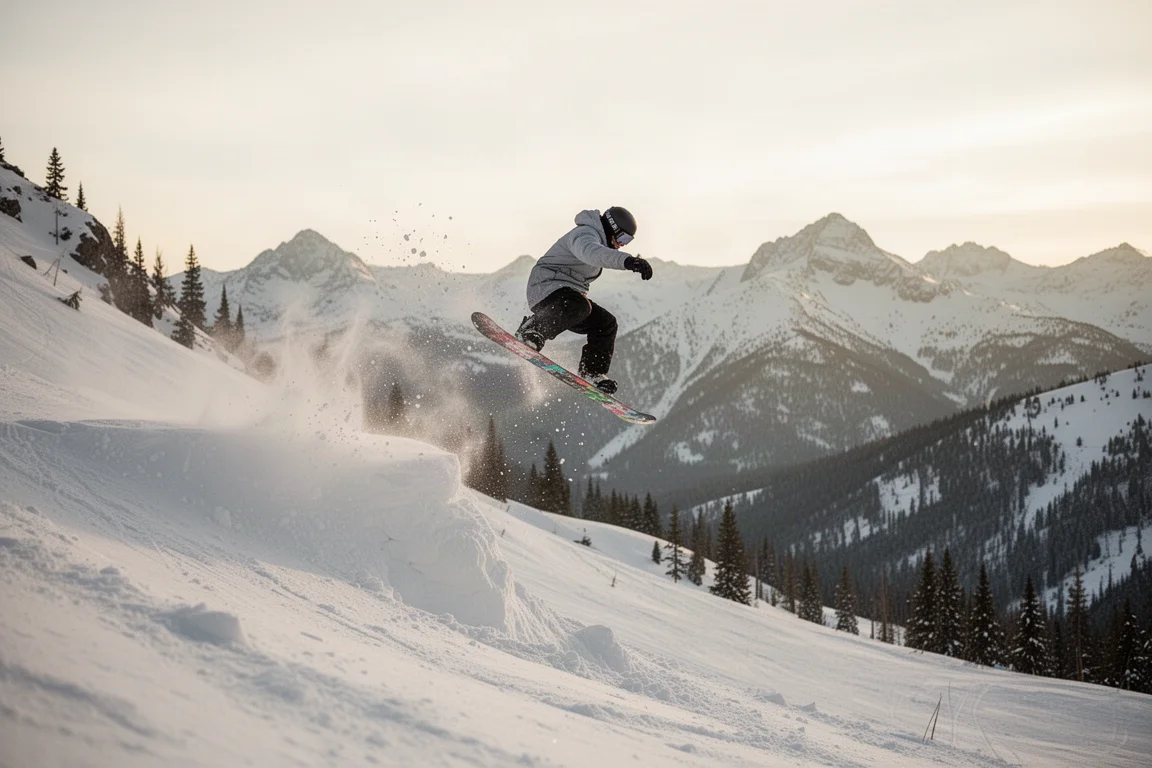
On jumps, small, medium, and large are all covered, and honestly the larger the better. This is where the board feels most at home: it pops off the lip and sends you higher and further than if you let the lip do all the work. Even landing a little back seat, it still felt like it had solid landing gear.
Things to Consider Before Buying
The added stiffness cuts back on how butterable this board is. There is a sweet spot outside where the camber comes down beyond the throttle plates, and you want to aim for it whether popping into the nose or the tail, but presses require aggressive effort to hold. Spinning on the nose or tail is possible, but you have to leverage heavily and kick a knee in from the middle to get it to engage. For jibbing, this simply is not what the board is made for; presses are shallow and will likely slap down on a kink.
When you go sideways, there is rigidity between the feet. The C2X profile will push you toward your front or back foot rather than landing truly between them, balancing on top instead of cradling the landing. If you were hoping to be a jib king in the park, this is not it.
Turn initiation also takes adjustment. Early on, the board pushes back and demands changes: more speed, more power, throwing weight into the front contact point and driving it through the camber to grip, then transitioning to the middle and kicking the knees in to turn, and finally pressuring the back foot to drive out of the carve.
Buying Advice
Once you figure out the nuances, this thing lays trenches. Get it up to speed, dig in, and lay it over. Short, tight carves need more speed and power; deep, aggressive carves have it plowing through everything in its path. If you know how to carve, you will not have a bad time. If you do not, consider something else.
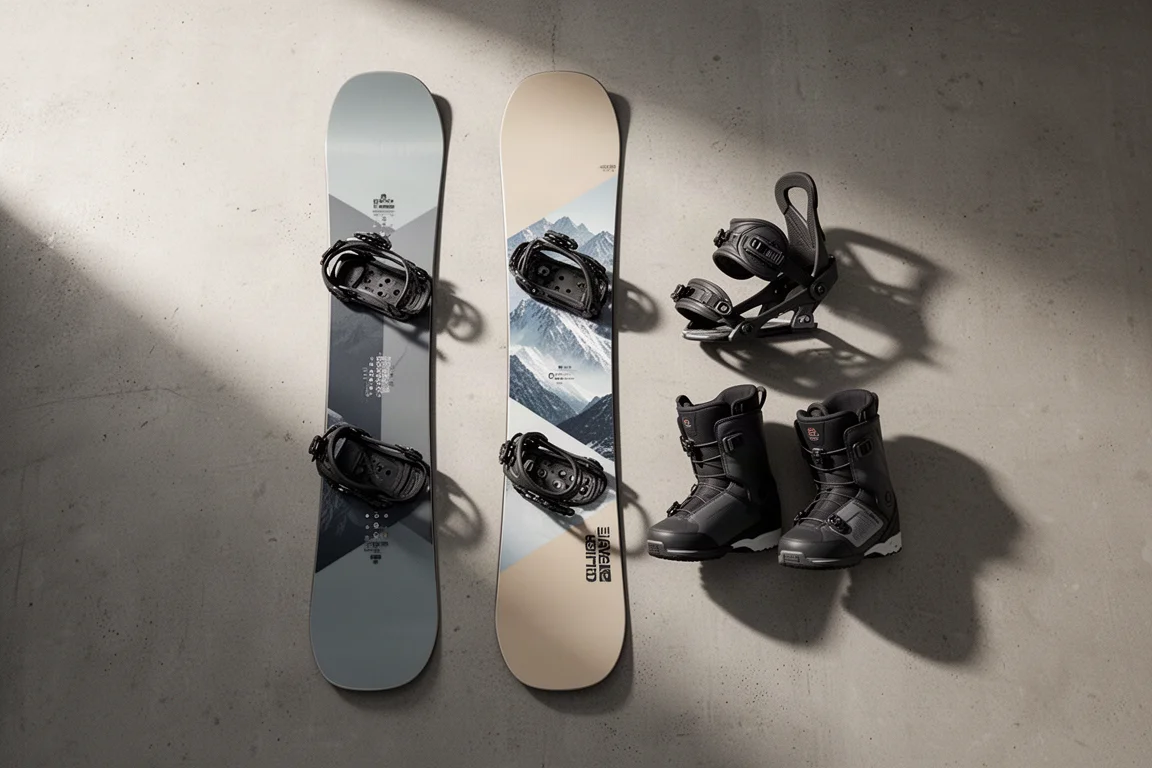
Pairing suggestions from riding experience: the Bent Metal Transfer, Rome Katana asymmetric wrap, or Union Atlas bindings all make sense here. Comparable boards worth cross-shopping include the Ride Moderator, Jones Howler, and Salomon Assassin Pro. If you can, support your local shop when buying any of them.
Conclusion
The Lib Rasman is a blast once you ride it on its terms: a stiffer, damper all-mountain freeride board with real freestyle capability, serious snap, and excellent composure in variable snow. It is not the pick for jib-focused park laps, but for riders who charge, boost, and carve with intent, it is an easy board to recommend.
Product link
View more details for Lib Rasman
This product is mentioned in the review. Check the specifications, options, and compatibility before buying.
View more details for Lib RasmanFurther reading
Related Reviews

Snowboards
32 Middle Earth Scott Stevens Pro Model Snowboard Review: A Park Board With a Reversed Flex
A medium traditional camber park board with carbon V reinforcement that is stiffer in the tips and more playful between the feet. Here is how it rides and who it suits.

Snowboards
32 Snafu Review: A Directional All-Mountain Freestyle Board with Serious Pop
The 32 Snafu pairs a directional camber-rocker profile with a stiffening tail for powerful carves, big ollies, and a surprisingly damp ride.

Snowboards
32 XXX Pat Fava Pro Snowboard Review: A Stiff Camber Beast for Hard-Charging Riders
A full-width traditional camber deck that rewards aggression with stability and edge power, but demands effort everywhere else.