Running Shoes
Li-Ning Red Hare 9 Ultra Review: A Tall, Bouncy Long Run Trainer Worth the Wait
An extra-tall max-cushion trainer with layered supercritical foam, strong up-tempo manners, and two strong alternatives from ASICS and Topo worth weighing before you buy.
Introduction
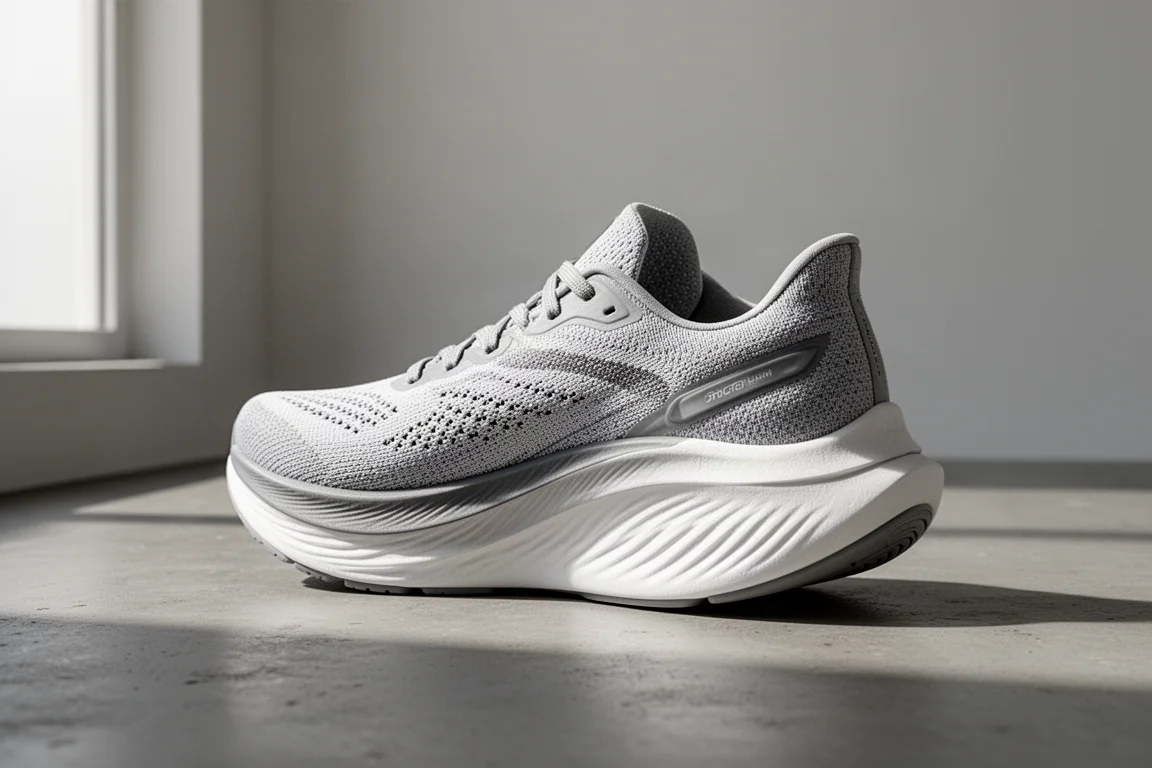
The Li-Ning Red Hare 9 Ultra is one of those shoes that builds anticipation simply by being hard to get. Restocks in common sizes have been limited, and once you finally lace a pair up, the question is obvious: was the wait worth it? In short, yes. This is an extra-tall, extra-bouncy max-cushion trainer that manages to feel airy at easy paces and genuinely propulsive when you push it. It is not without quirks, particularly around fit and how you actually buy it, but the ride itself is impressive.
What’s Inside the Red Hare 9 Ultra
On paper, this is a big shoe: a 45 mm stack height at the heel with a 9 mm drop, which means 36 mm of foam under the forefoot. The midsole is built from four components. The bottom layer is Boom foam, intended to stabilize the experience, likely a supercritical TPU shared with the Red Hare 9 Pro. The top layer is Super Boom, made from PEBA. Sandwiched between them is the Super Boom capsule, the visible red layer, also PEBA but with a coating of modified polyurea and thermoplastic elastomer.
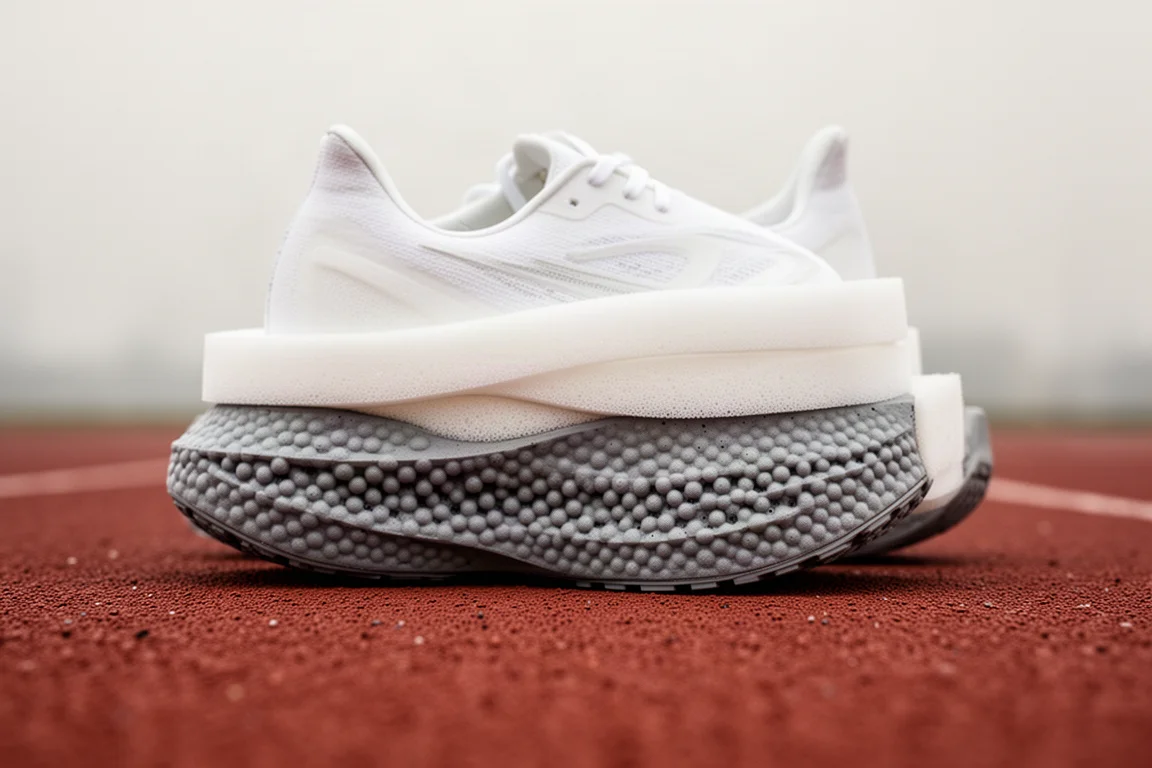
The fourth component is the interesting one. Marketing says the shoe has no plate, but it is “better than a plate.” In reality, there is a glass fiber shank sitting underneath the arch. It is not a full-length plate; it functions more like a torsion bar to keep the shoe from twisting too much. Protecting all of that foam is the GCU LOC outsole, a cast polyurethane compound rather than rubber, which the brand claims outperforms traditional rubber outsoles in wet grip, durability, and weight.
The upper uses Boom Fiber, a so-called “silk” made from thermoplastic elastomer yarns that balance breathability with strength. The tongue is thin with almost no padding, which works well here, and the heel collar has a restrained, edited amount of padding with decent structure and some stiffness at the back of the heel cup.
Fit and Sizing
Sizing is straightforward: running in your customary running shoe size should work for most people, and a US men’s 9 fit as expected. The one fit caveat worth flagging is around the heel and midfoot. During easy paces and the first few steps, the foot can feel like it tips slightly over the medial edge of the midsole with little support there, creating a sensation of needing to shift the foot inward. That fades once you get up to the paces this shoe is built for, but runners with bigger heels or those who need more heel stability should be cautious. If you can try the shoe on in person, do so, though availability makes that difficult in practice.
Weight comes in at a respectable 8.4 oz (238 g), which is reasonable for how much shoe this is.
How It Runs on the Road
The ride is genuinely impressive. There is a nice sense of bounciness through the midfoot and a pleasant squishiness at the heel. The forefoot runs a touch firm at easy paces, but the overall package makes for a very nice, if tall, daily training experience.
The real strength shows up past easy pace. From moderate efforts up to marathon-effort paces, all the layers start working together: that slight forefoot firmness becomes just the right resistance as the foot presses into the ground, then returns it as pop on toe-off. It is an airy, bouncy sensation that makes long runs and steady up-tempo runs a treat.
Upscale Performance: Speed Work and Long Runs
Pushed into threshold repeats, the Red Hare 9 Ultra held its own. It is softer than what many runners reach for in speed sessions, but where some plate-less daily trainers run out of support in the final reps of a hard workout, this shoe did not show that shortcoming despite having no plate.
It is not a shoe most runners will want to race in, but as a heavily cushioned way to run fast workouts and long runs, it is excellent, and it pairs nicely with a faster shoe like the Li-Ning Feidian 6 Elite as a rotation companion.

Buying Advice and Pricing
Here is where things get complicated. The retail price is listed at $225, but real-world pricing is noticeably lower: around $183 on AliExpress and $149 on Amazon. At $149, this is an excellent price for what you get. The catch is the buying experience. Between AliExpress, Amazon, and various marketplace-style services that act as intermediaries rather than sellers, it is hard to try the shoe on first and unclear how returns work if the fit does not suit you. Factor that into your decision, particularly if you have concerns about the heel fit.
Alternative: ASICS Meta Blast
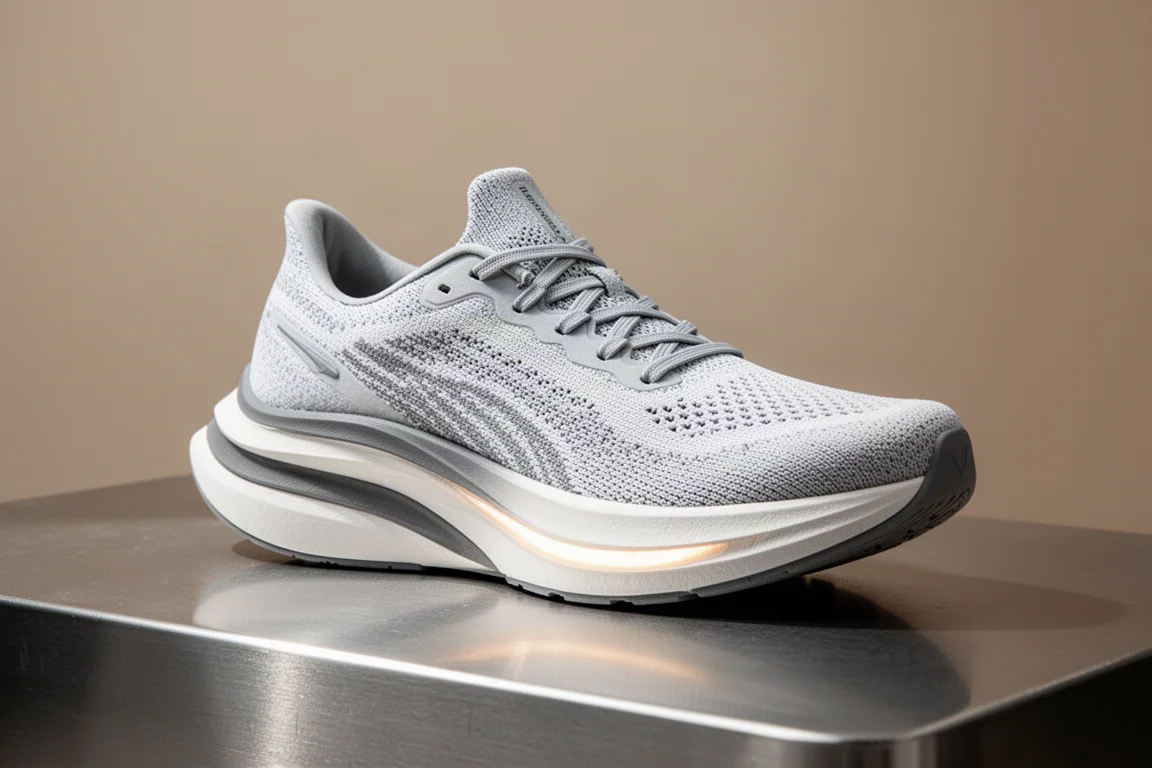
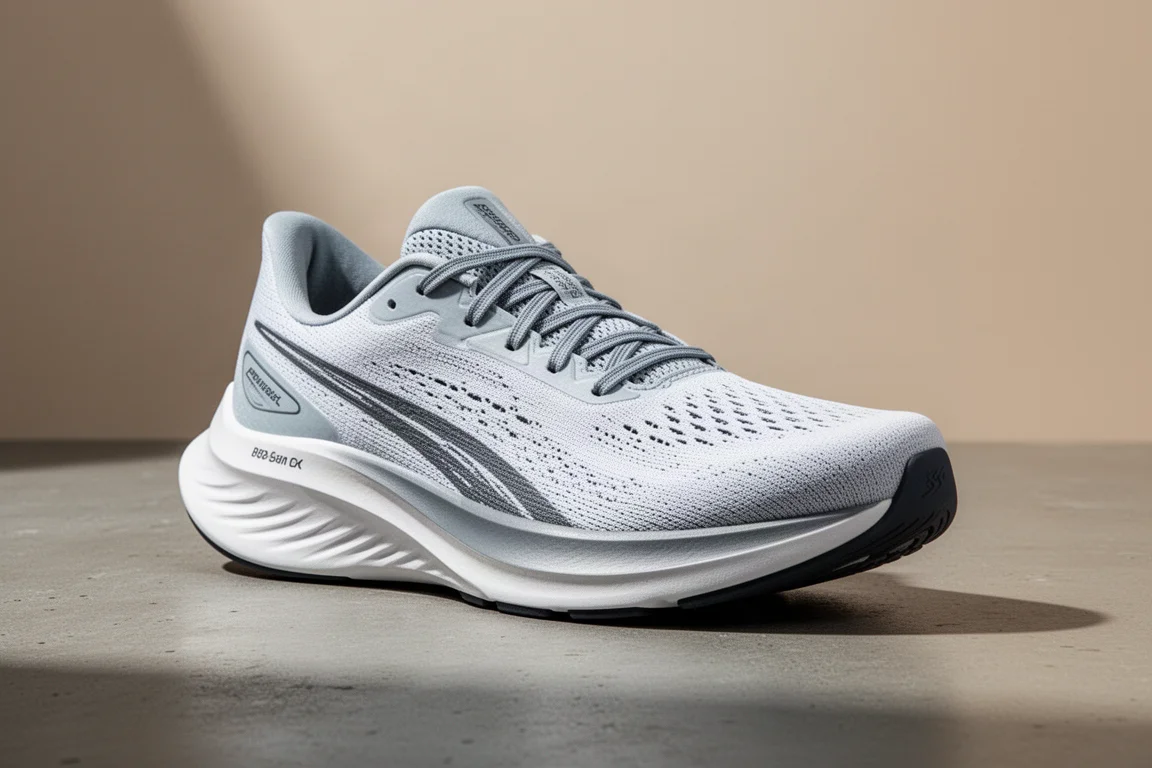
If you want a more performance-oriented long run shoe, the ASICS Meta Blast is the strongest counterpoint. It uses no plate and no shank, just aliphatic TPU foam throughout, and delivers a more aggressive ride than the Red Hare 9 Ultra’s airy, squishy feel. Its weakness is at everyday and recovery paces, where it is merely fine. Where it excels is when you pick up the pace.
At $225, it costs substantially more than any Red Hare 9 Ultra pricing, so the $75 premium only makes sense if you specifically want that performance bias. It is also the better pick if you need more space and stability in the heel, an area where the Red Hare 9 Ultra can struggle.
Alternative: Topo Specter 3
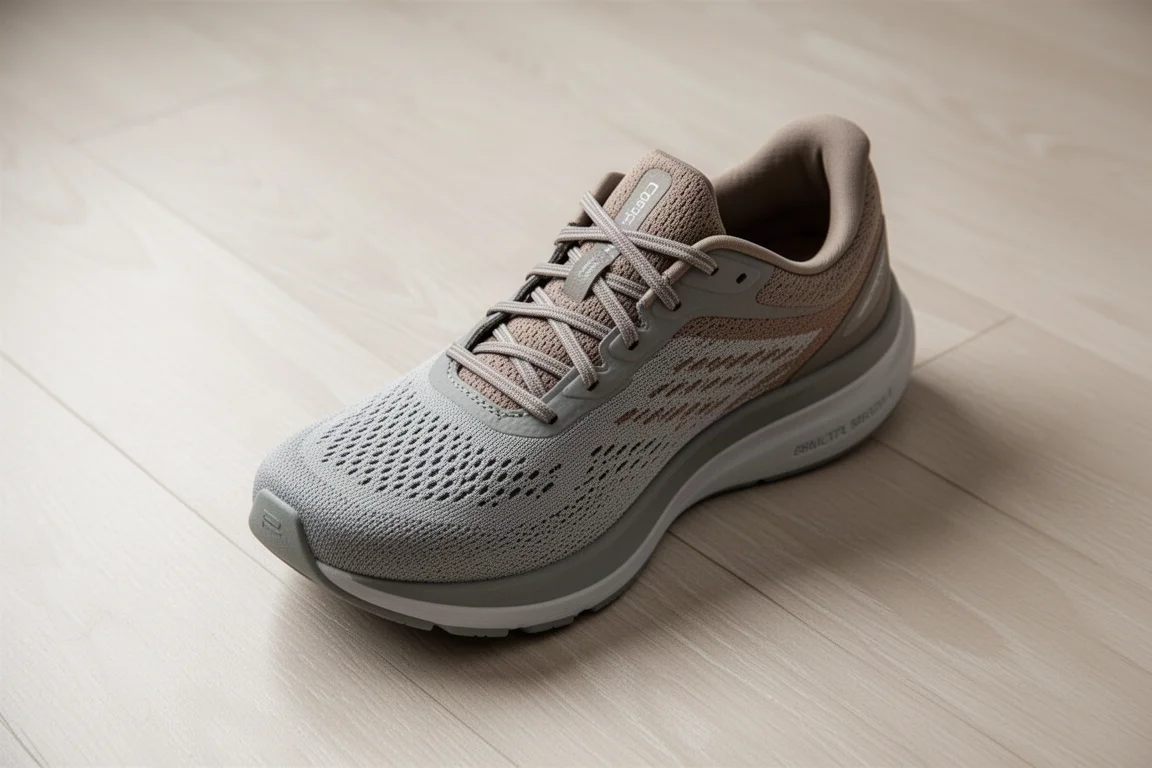
The Topo Specter 3 is a complete redesign and another standout long run option. It also uses aliphatic TPU, but with a bit more sponginess than the Meta Blast: more compression and decompression, a controlled, almost hydraulic feel that is genuinely fun for long runs while still handling daily training paces well. It runs much lighter than the Red Hare 9 Ultra, at roughly the same weight as the Meta Blast.
Fit is the decisive difference. The Specter 3 has a much more anatomical toe box with ample room for the foot, so runners worried about the snug heel or toe fit of the Li-Ning will feel at home here. At $170, the price is aggressive for what you get.

Conclusion
The Li-Ning Red Hare 9 Ultra lives up to the anticipation: a cushioned, energetic, relatively lightweight long run trainer that works across a surprisingly wide pace range, with smart engineering in the layered midsole and glass fiber shank. The main hesitations are fit for heel-stability-focused runners and a fragmented buying experience with uncertain return options. If the fit works for you and the price lands near $149, it is easy to recommend. If you need more heel room or a more aggressive ride, the ASICS Meta Blast and Topo Specter 3 are both excellent alternatives that cover those bases well.
Further reading
Related Reviews
Running Shoes
Best Road-to-Trail Running Shoes: Three Versatile Options for Mixed Terrain
A practical guide to three road-to-trail running shoes that handle both pavement and mild trails, with clear strengths and trade-offs for different runner types.
Running Shoes
Best Running Shoes for Achilles Tendonitis: Three Options Explained
Three running shoes with different heel drops and support features designed to help reduce Achilles tendon pain during walking and running.
Running Shoes
Best Running Shoes for Women: Five Top Choices Ranked
A ranked guide to five women's running shoes, from versatile daily trainers to high-performance racing options, with real strengths and trade-offs for each.