Fountain Pens
Leonardo Supernova Review: A Handmade Italian Fountain Pen With a Flush Cap Design
The Leonardo Supernova pairs a caramel acrylic finish and ruthenium trim with a flush cap-and-barrel design, though the black-coated elastic nib has a catch worth knowing about.
Introduction
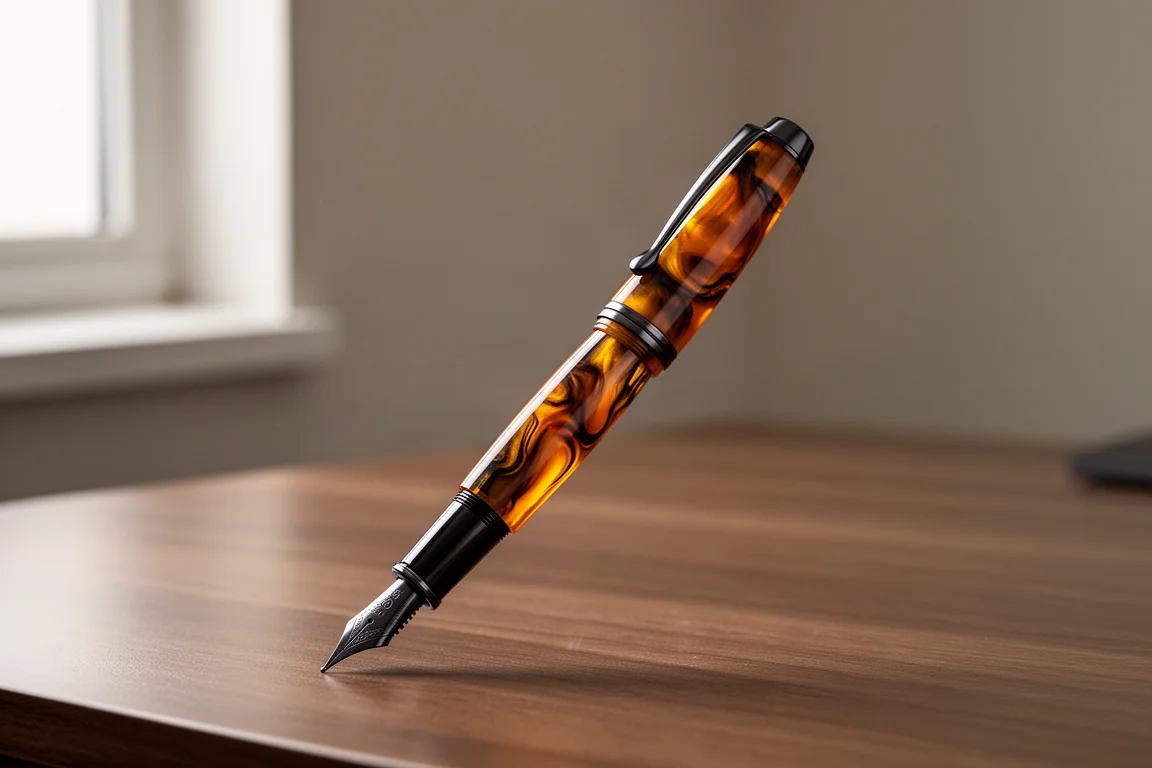
The Leonardo Supernova is an Italian fountain pen that arrived for testing with plenty of expectations attached. Leonardo has built a reputation for handmade pens at accessible prices, and the Supernova continues that approach while experimenting with the silhouette. Where the Momento Zero has a cap that sticks out slightly beyond the barrel, the Supernova’s cap and barrel sit completely flush, which is the single biggest selling point of this model.
The tested unit is the caramel-patterned acrylic with ruthenium trim, filled via cartridge converter rather than piston. Priced at 157 euros and two cents, it sits in that familiar territory of “affordable” by handmade Italian pen standards. After extended handling, a writing sample, and a closer look at the details, here is what works and what does not.
Design and Materials
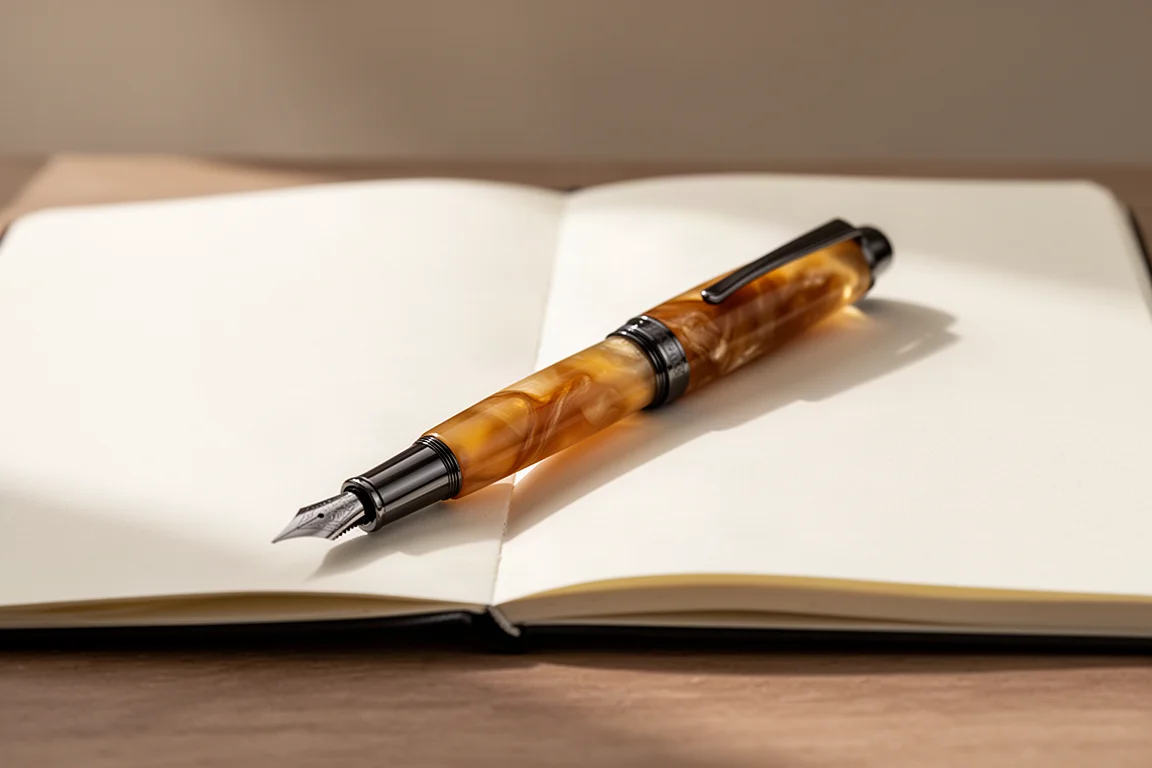
The material is arguably the star of the show. The caramel finish has a swirled, slightly trippy pattern that is genuinely attractive in person, and the ruthenium trim adds a very dark metal contrast that suits it well. Four different materials are available at this point, and that range will likely expand over time.
The cap finial is flat-topped, a departure from the Momento Zero. The Leonardo clip includes a small roller wheel at the tip, which is a nice touch, and a metal ring separates the cap from the section. At the end of the barrel sits a ruthenium metal disc that echoes the trim nicely, though a matching disc on the cap would arguably balance the design even better.
Size, Nib Options, and Filling
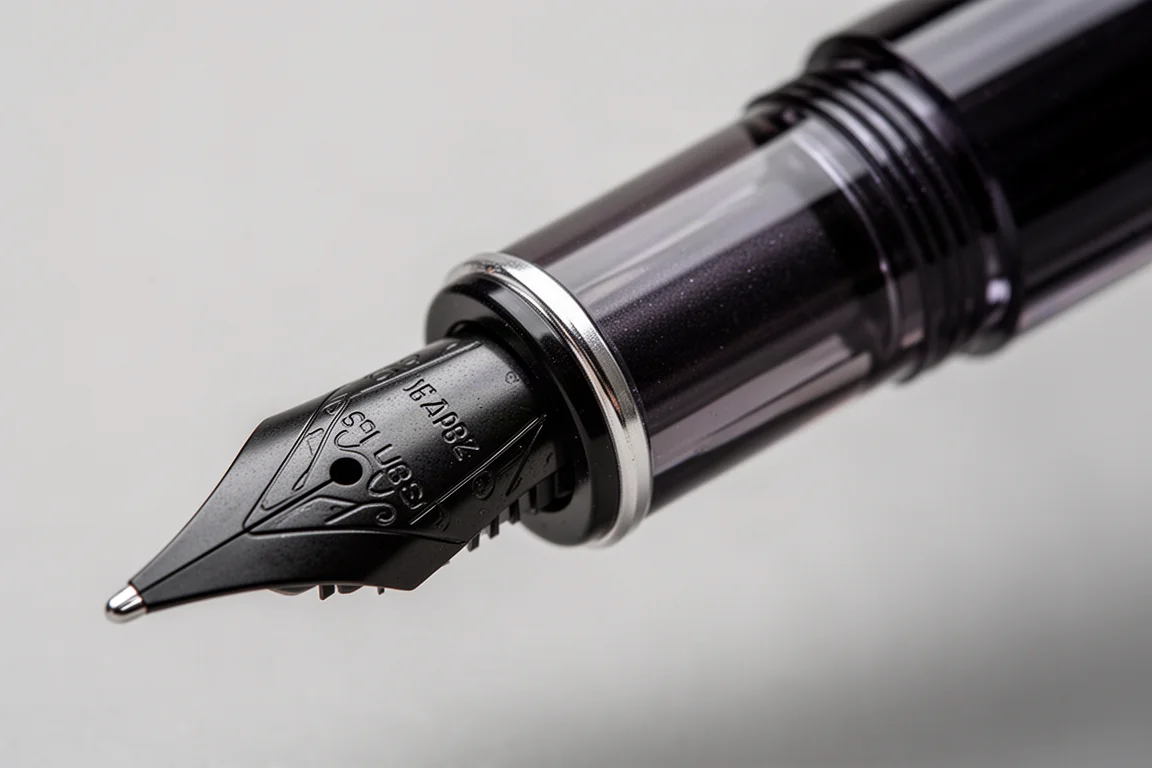
The Supernova is a comfortably sized pen, certainly not tiny, and posting it securely makes for a genuinely pleasant full-size writer. Nib choices cover extra fine, fine, medium, and broad, plus a 1.5mm stub, an elastic nib, and elastic variants in extra fine or fine. All are number six steel nibs, and the tested pen carries a black-coated elastic fine.
Filling is cartridge converter only. The converter is a simple standard unit, though branded Leonardo, which is a nice detail. One point worth mentioning: the box this unit arrived in advertised piston filling, ink windows, and a bottle of ink, but that packaging does not match this cartridge converter pen, so check specifications carefully if box contents matter to you.
The Step Down: The Design Trade-off
Here is the honest compromise at the heart of the Supernova. To achieve that completely flush cap-and-barrel junction, the transition to the section involves a substantial step down. It looks like at least a full millimeter, possibly more, and the edge is fairly sharp.
If you want the flush look, this is essentially what has to happen. The section itself is large enough that fingers rest comfortably without touching the step, so in actual use it is a non-issue. Visually, though, the step is the least attractive part of the pen for some tastes, and buyers who dislike prominent steps should know what they are signing up for.
Writing Performance
As a daily writer, the Supernova is reliable and comfortable. The line comes out reasonably wet, and even after sitting uncapped for a stretch it stayed usable, though it did seem to dry out slightly overnight between sessions.
The elastic nib story is more complicated. Leonardo’s stainless steel elastic nibs are known for being genuinely springy. This black-coated version offers line variation, but you have to push down fairly hard to get it. The suspicion is that the coating stiffens the tipping, and coated nibs also tend to add a bit of feedback compared to bare steel. The variation, once coaxed out, adds real character to the line, but buyers expecting effortless flex should temper expectations.
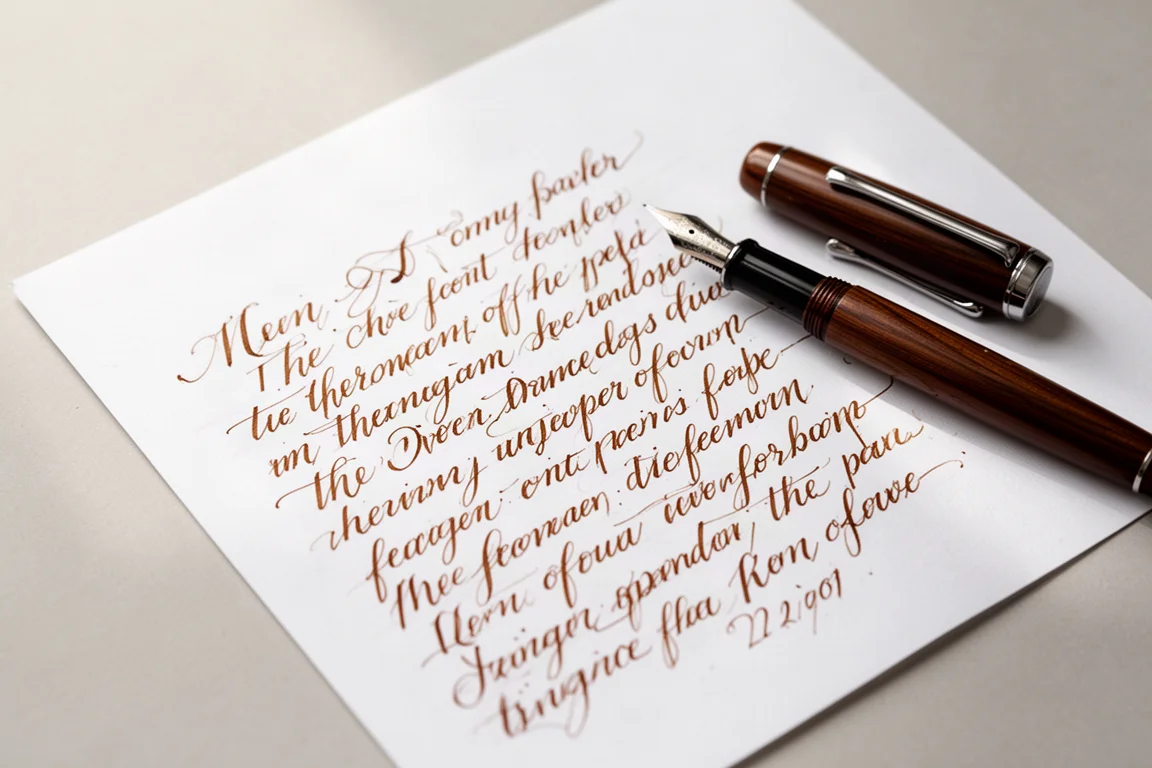
Reverse writing works surprisingly well. The fine nib flips over to write what feels closer to an extra fine, and it is not particularly scratchy, which makes the pen a decent option for those who enjoy mirror writing.
Filling System and Practicality
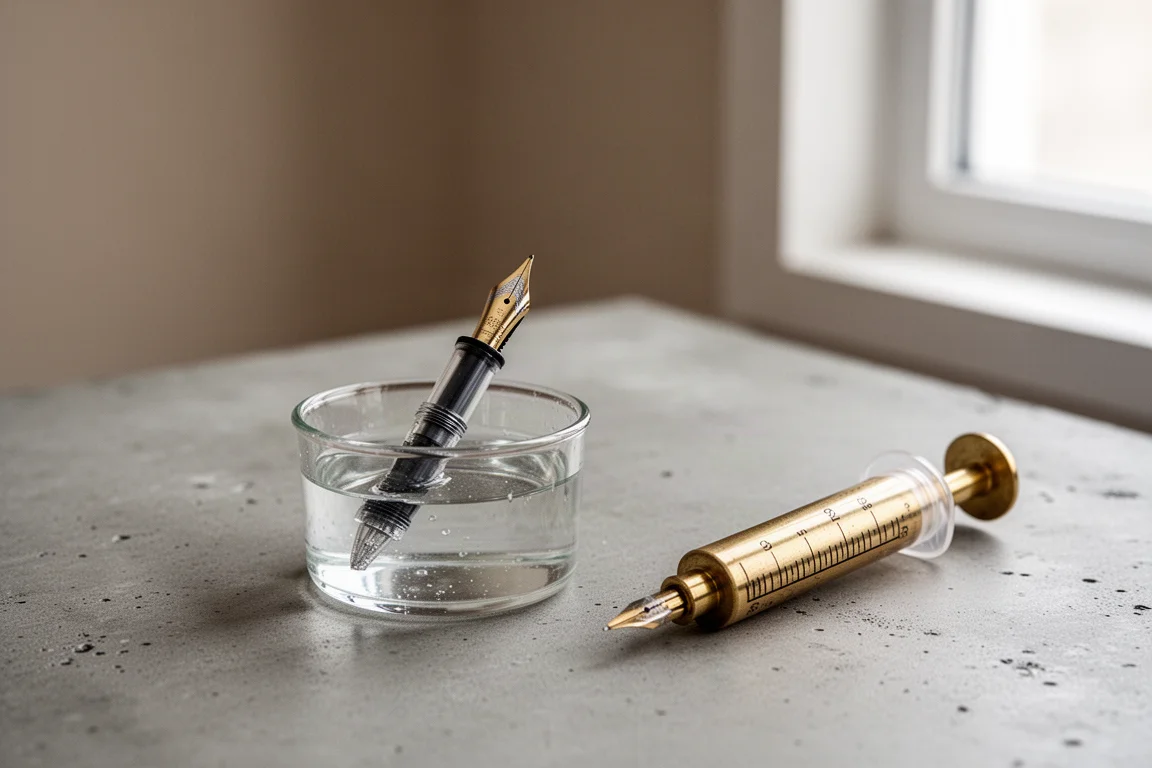
Cartridge converter filling divides opinion. Piston fans will point to the Momento Zero Grande as Leonardo’s alternative. But converters have one major practical advantage: cleaning. You can pull the converter out and flush it with a syringe in minutes, which is a real time-saver if you use saturated inks.
Given the price point, expecting a more elaborate filling system would be unreasonable anyway. At 157 euros for what is essentially a handmade pen, the cartridge converter arrangement feels like the right call rather than a corner cut.
Buying Advice
The Leonardo Supernova makes sense for three kinds of buyers. First, anyone who finds the flush cap-and-barrel silhouette genuinely appealing and accepts the step down as its necessary cost. Second, collectors who want a handmade Italian pen with distinctive material and dark metal trim at a price far below the typical handmade tier. Third, writers who value easy cleaning and straightforward maintenance over piston filling mechanics.
Skip it if a large step down is a dealbreaker, or if you specifically want a truly soft, springy elastic nib experience out of the box. In that case, consider the stainless steel elastic nib version instead of the black-coated one.
Conclusion
The Leonardo Supernova is a comfortable, attractive, fairly priced handmade pen with a distinctive flush design and a lovely caramel material. The step down is its most visible compromise, and the black-coated elastic nib is stiffer than its bare-steel sibling, requiring real pressure for line variation. Neither issue ruins the pen, but both are worth knowing before buying. For anyone drawn to its looks, it is an easy pen to recommend.
Product link
View more details for Leonardo Supernova
This product is mentioned in the review. Check the specifications, options, and compatibility before buying.
View more details for Leonardo SupernovaFurther reading
Related Reviews
Fountain Pens
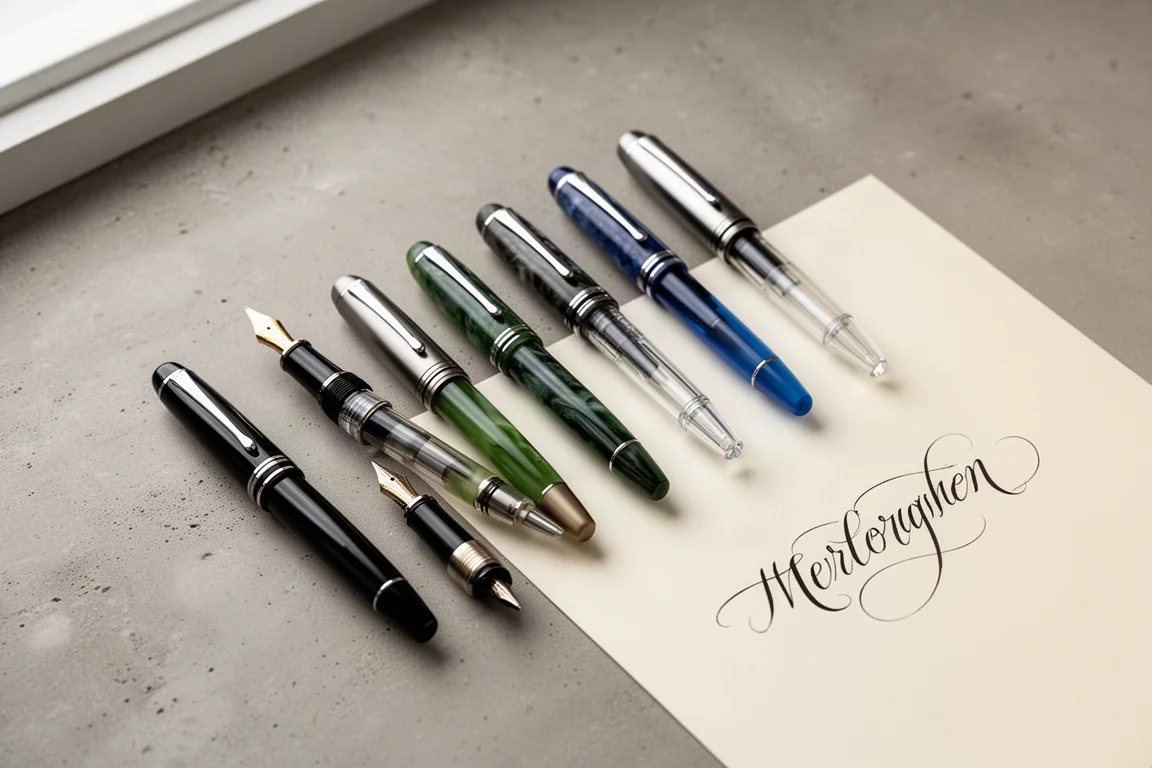
Best Budget Fountain Pens Tested: 9 Pens, One Clear Winner
A hands-on comparison of nine affordable fountain pens for everyday writing, calligraphy, and sketching, with a clear standout for flexible nib fans.
Fountain Pens
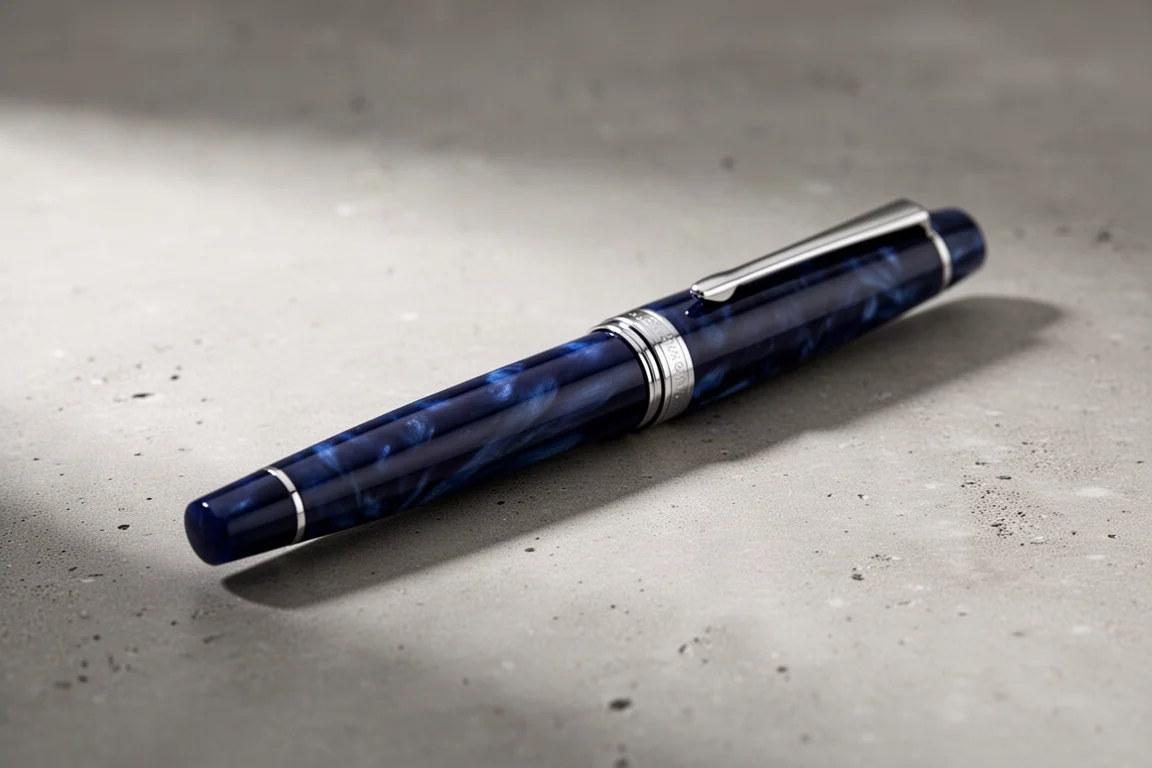
Aurora Optima Review: An Italian Piston Filler That Punches Above Its Price
A 14k gold nib, ebonite feed, and a beautifully deep oraloid body make the Aurora Optima one of the most rewarding piston fillers around.
Fountain Pens
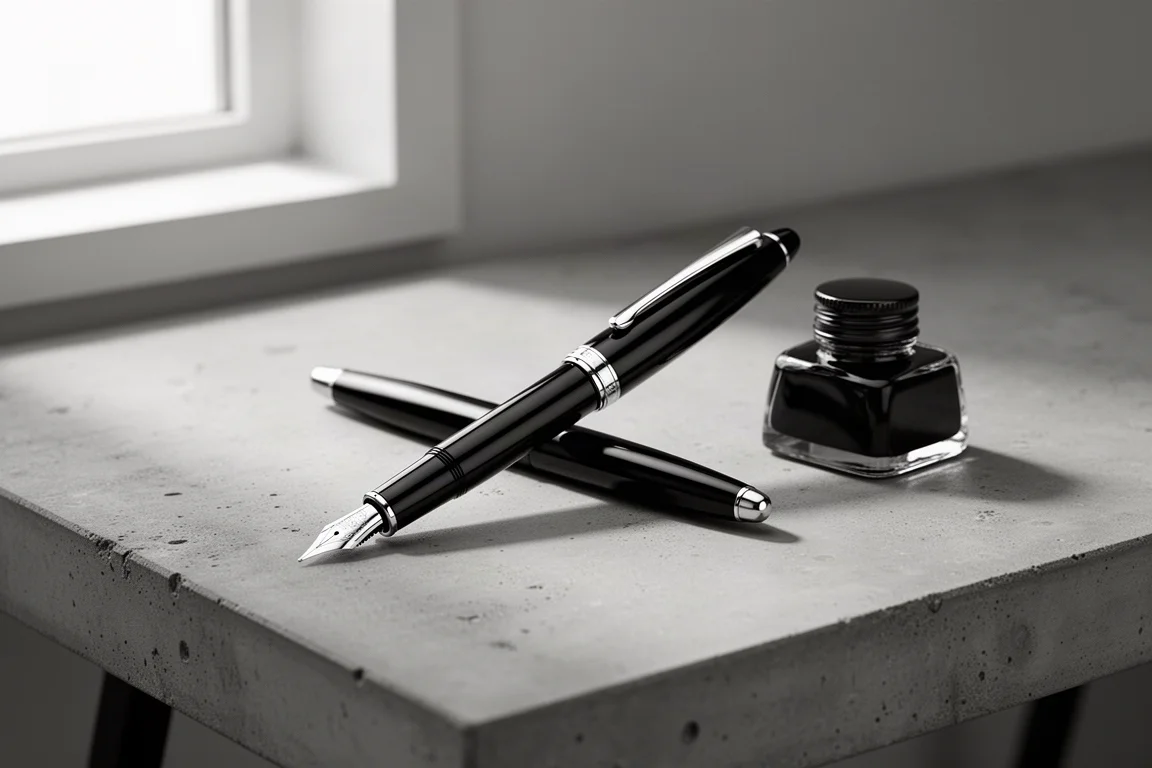
Cross Bailey Light Review: The Entry-Level Fountain Pen Worth Keeping at the Office
A plastic-bodied Cross with a metal clip, snap cap, and famously smooth extra fine steel nib. Around $15, available almost everywhere, and easy to recommend.