Ski Gear
LEKI Trigger System Review: Mittens, Gloves, and Ski Poles Worth Buying Into
A practical look at the LEKI trigger system and five pieces built around it: two mittens, one glove, and two pole models, with the strengths and trade-offs that matter.
Introduction
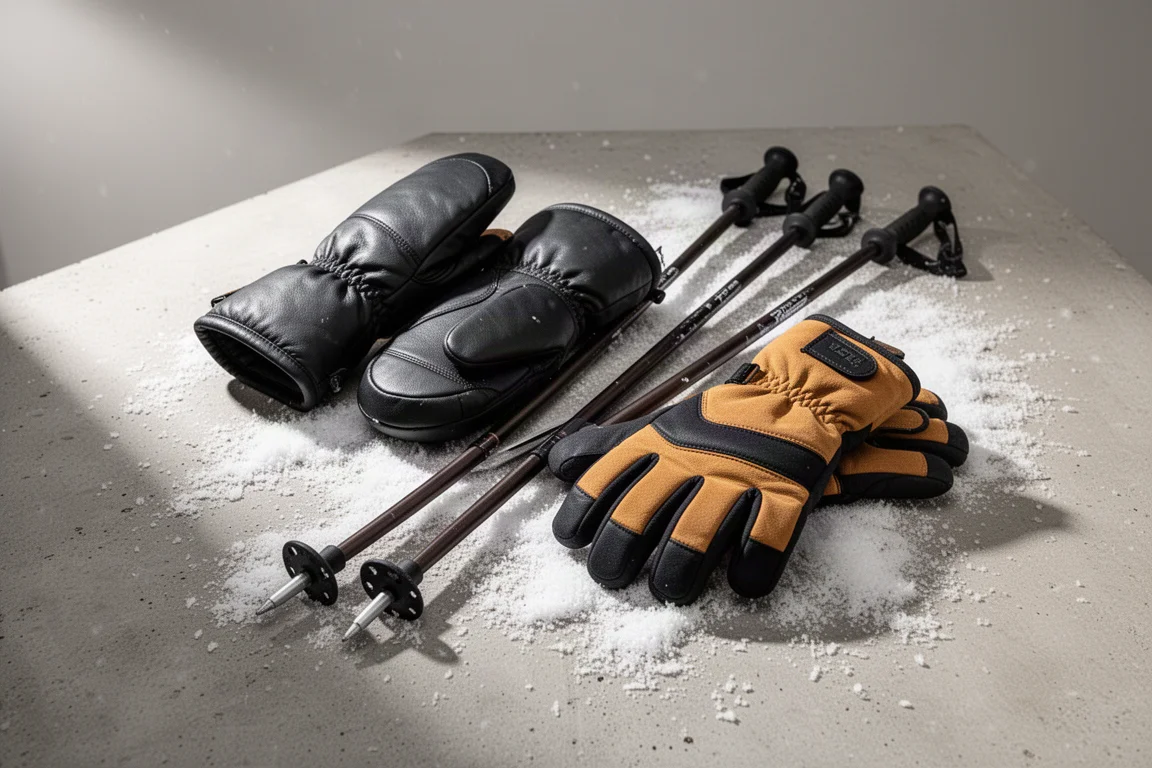
Ski pole straps are not broken technology. They work, most skiers use them without a second thought, and that is exactly why a clip-in pole and mitten system is easy to write off as a gimmick. The LEKI trigger system is not that, at least not once you commit to it properly. A small clip at the top of the grip locks into a loop sewn inside a compatible mitten or glove, and the result is a pole that stays attached without a tight grip.
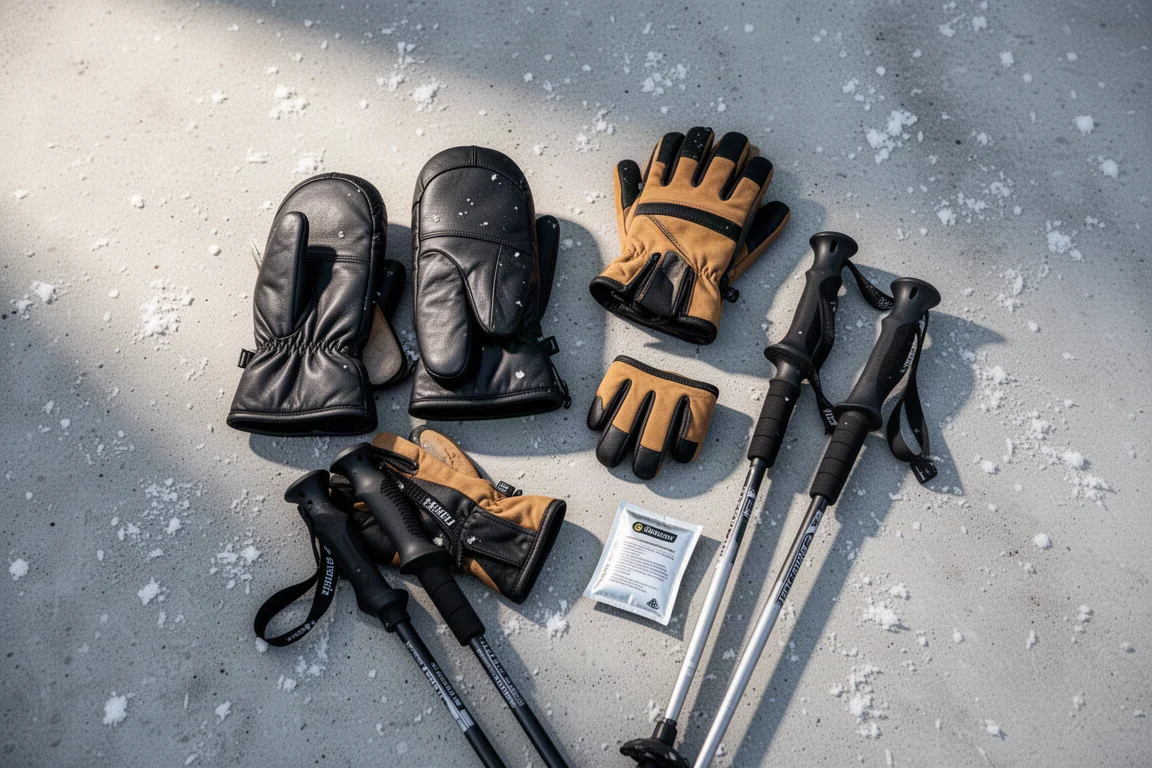
This guide covers five pieces built around that idea: two mittens, one glove, and two pole models. Each is well made on its own terms, and together they show where the system pays off and where it asks something of you in return.
How the LEKI Trigger System Works
The mechanism is simple. Compatible mittens and gloves have a small fabric loop sewn into the palm area. The pole carries a clip at the top of the grip. Push the pole into the snow and the clip locks into the loop; press the release button and the pole slides straight out.
The real benefit is not speed, it is tension. Without a strap to pull tight, you can ski with an open hand and a relaxed forearm while the pole stays exactly where it needs to be. On pole plants, and on the inside ski, the pole can trail without a hard grip. The connection also pivots, so driving your downhill shoulder forward lets the pole swing out of the way instead of forcing the wrist into an awkward angle.
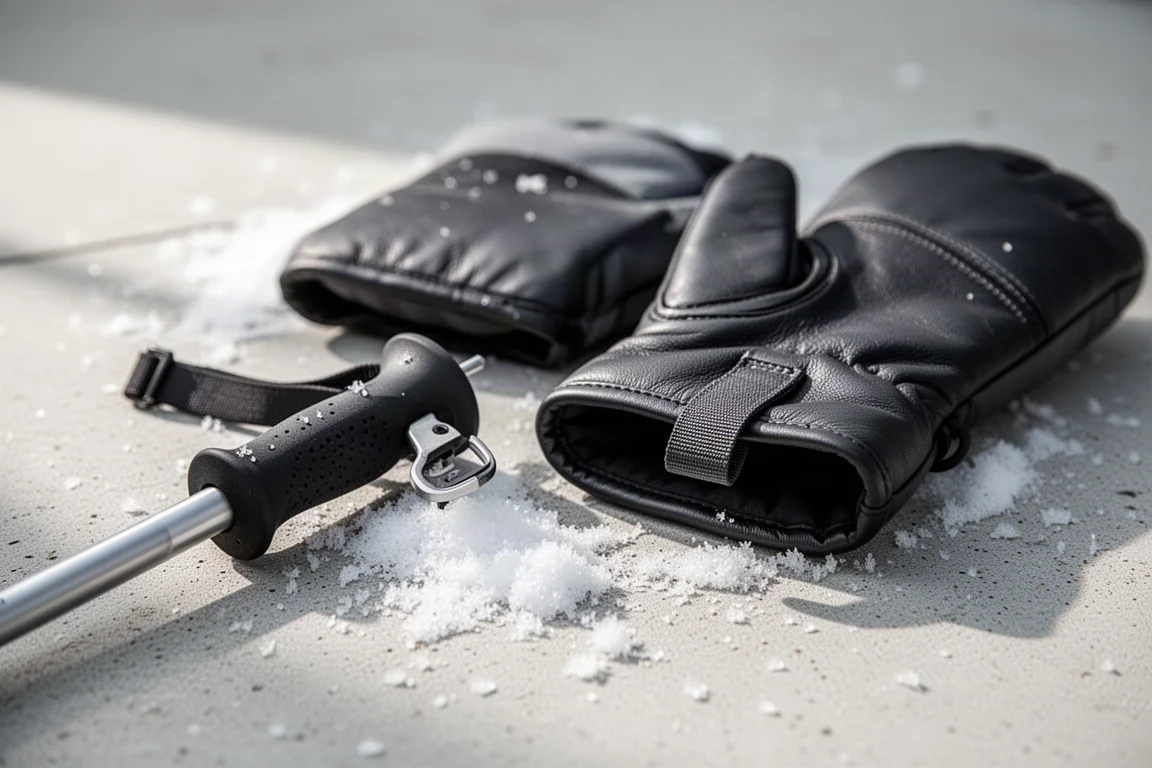
Two smaller details matter more than they sound. Either pole clips into either mitten, so there is no left-and-right loop to sort out at the top of a run. And because the mittens can stay attached to the poles, you can pull both hands out, leave the mittens hanging, and set the poles between your legs on a chairlift or while crouching for a low camera angle. The poles also ship with conventional straps, so they still work with gloves that are not part of the system.
There are adapters that add trigger compatibility to other mittens and gloves. They function, but they sit over the top of the glove with noticeably more slack, and the connection never feels as solid as the sewn-in version.
LEKI Explorer Mittens: Warmth for Deep Powder Days
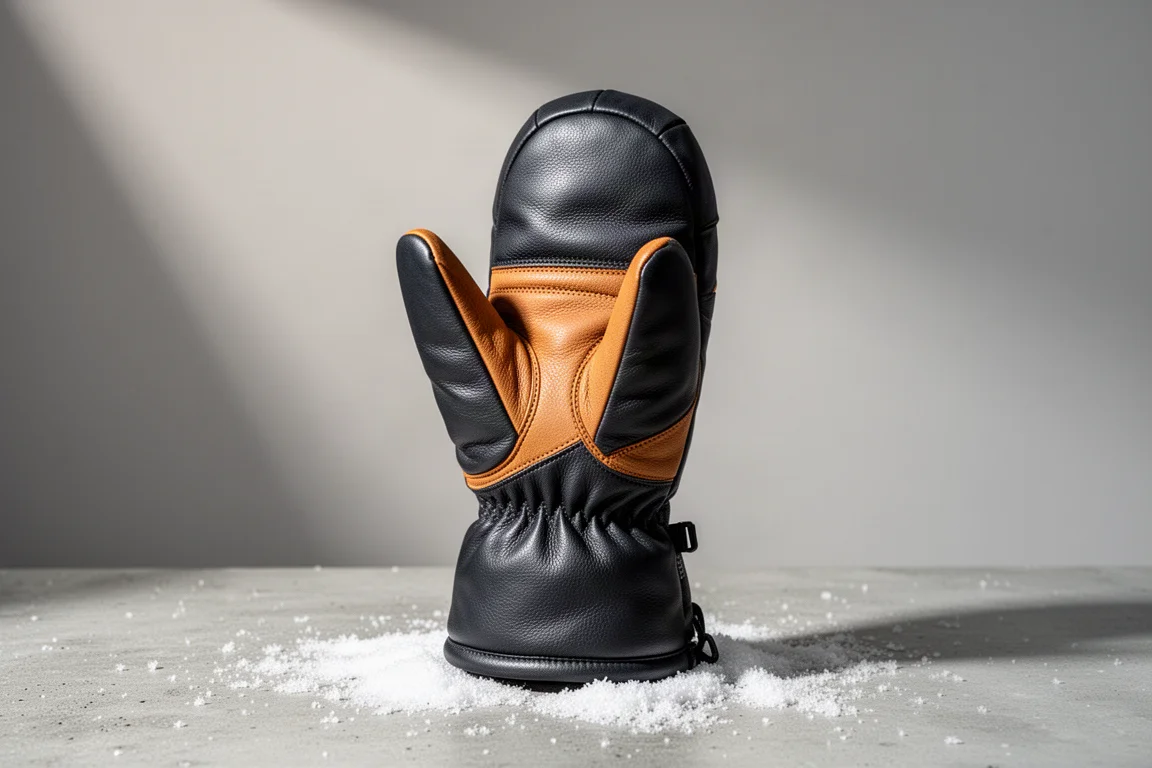
The Explorer mittens are the warmest option in this group, and on cold, stormy days they are the pair to reach for. A dedicated pocket takes hand warmers so they stay out of the way rather than shifting around inside the mitten. The build places leather where durability matters, with lofted insulation toward the fingertips and less insulation around the wrist so the hand can still rotate freely. The longer cuff uses a snow-skirt style opening that seals over a jacket sleeve.
The trigger loop is sewn into the palm, so these work with compatible poles straight out of the box.
LEKI WCR Race Mittens: Warm Hands Without the Grip
Race mittens usually force a choice between warmth and feel. The WCR mittens lean warm without giving up a tight, firm grip on the pole. Two different materials meet just below the leather panel, a construction that often leads to split seams over a season or two, and here the seams stayed tightly knit with no separation. The extra room inside creates loft, which is where much of the warmth comes from.
The lower section carries a hard diamond texture that adds toughness without bulk, while the fingertip area is finished smooth. One practical caution: that textured panel is rough against skin, so it is not the surface to wipe a nose on. A small pull loop at the cuff makes the mittens quick to slide on, and it is the kind of detail every mitten could use.
Full price sits around $200, which is standard for premium race mittens and a little below some comparable options.
These suit racers and strong skiers who run cold and want warm hands without a bulky mitten, particularly on the coldest days of the season.
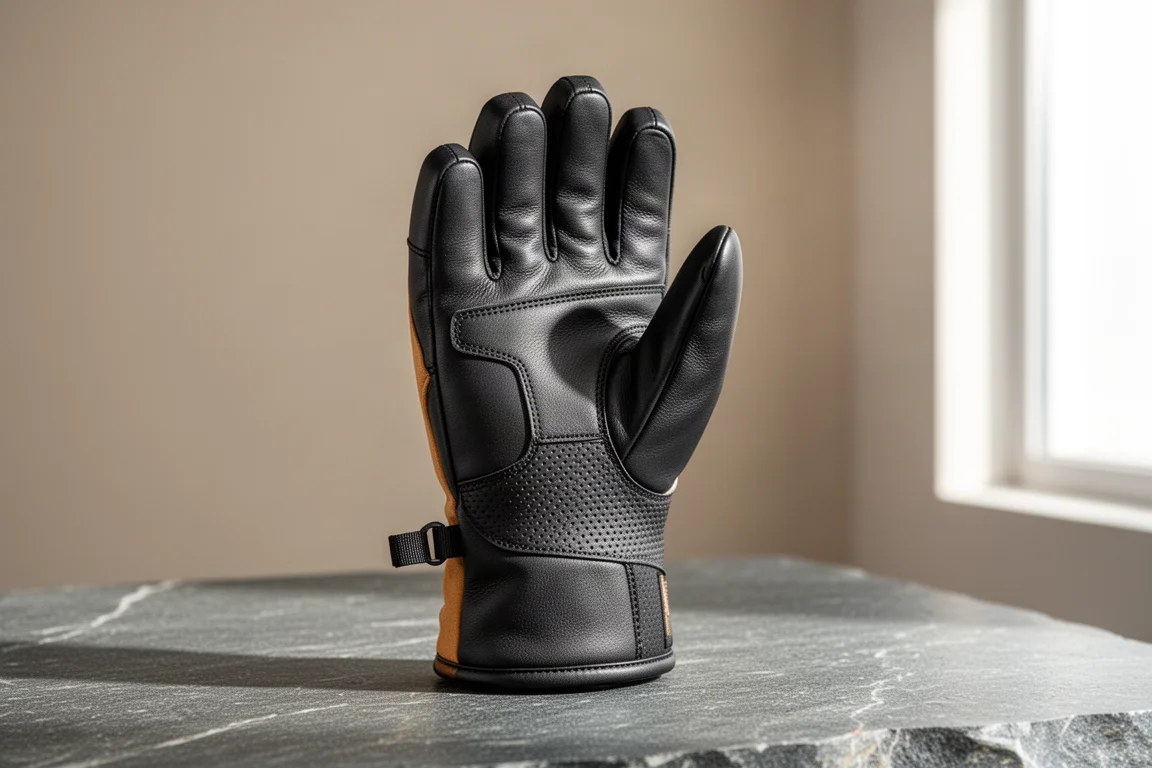
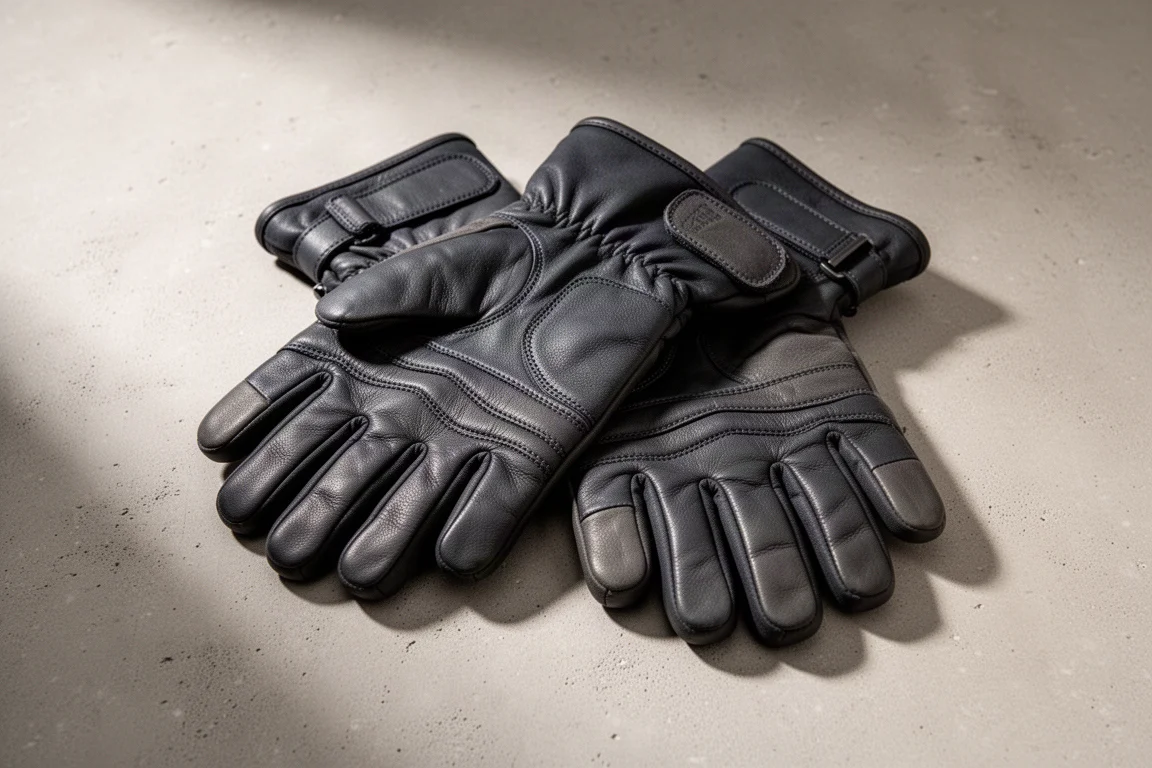
LEKI Patrol 3D Gloves: A Spring Skiing Companion
At first glance the Patrol 3D gloves look like the plain work gloves coaches wear for adjusting bindings, so expectations start low. They are not that. The fingers are well insulated without becoming bulky, the outer leather is high quality enough to stay durable through a season of handling edges and buckles, and the wrist articulation is generous while the fingers keep enough mobility to work on a binding or pull something out of a pocket.
They are not as warm as the mittens, simply because the fingers are separated, which makes them a natural fit for spring skiing. The trigger connection is built in.
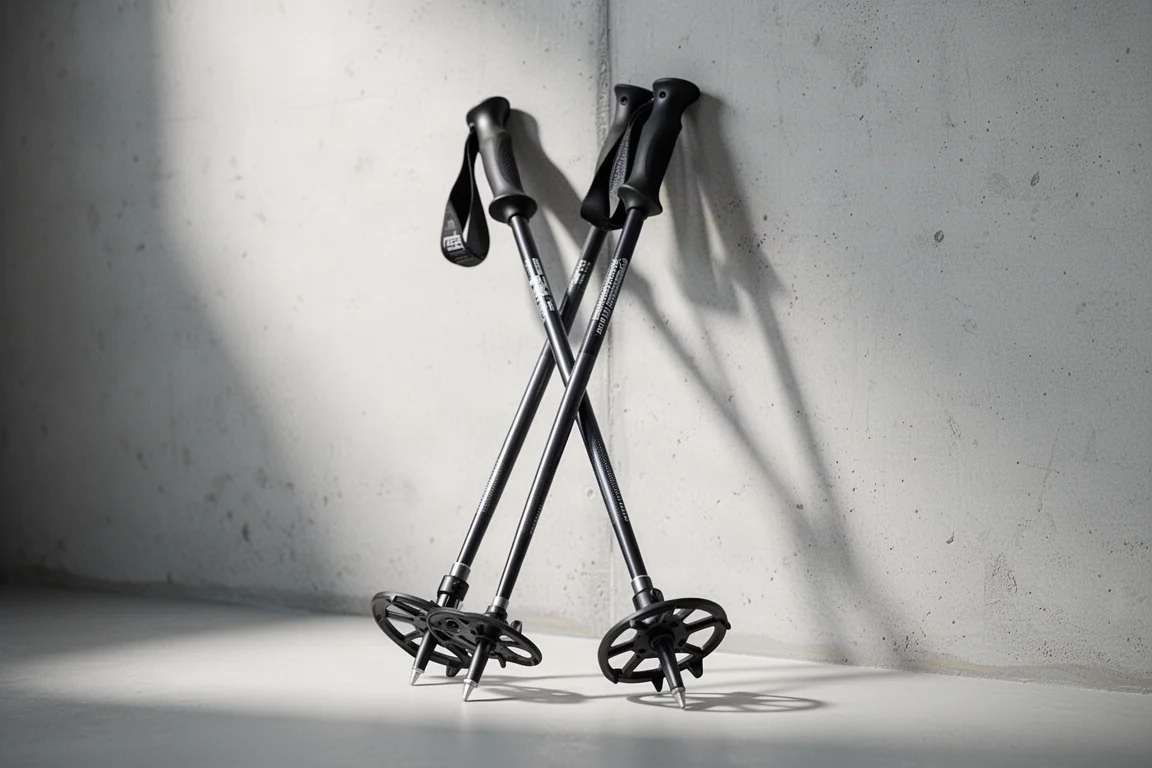
LEKI Helicon Light Adjustable Poles: Backcountry Versatility
These are adjustable backcountry poles, and the length adjustment is the feature that earns them a place on powder days. Running shorter poles in deep snow and in the bumps changes how the whole turn feels, and being able to move between a familiar 120 cm and something closer to 117 cm without buying a second pair is genuinely useful. The grip has an optional centre hold for touring that you can ignore entirely if you prefer a normal hand position, and the shaped lower section of the grip feels especially good in the hand.
The powder baskets have harder plastic edges and a flat, smooth surface, so dragging a basket through a carve does not catch. The two poles also interconnect for carrying while hiking or for packing away. They come with conventional straps rather than the trigger connection.

The trade-off is stiffness. With more points of articulation the poles feel light rather than tough, so they are not the pair to bang against boot buckles all season without a second thought. For touring and powder days, where the priority is low weight, that is an easy compromise to accept.
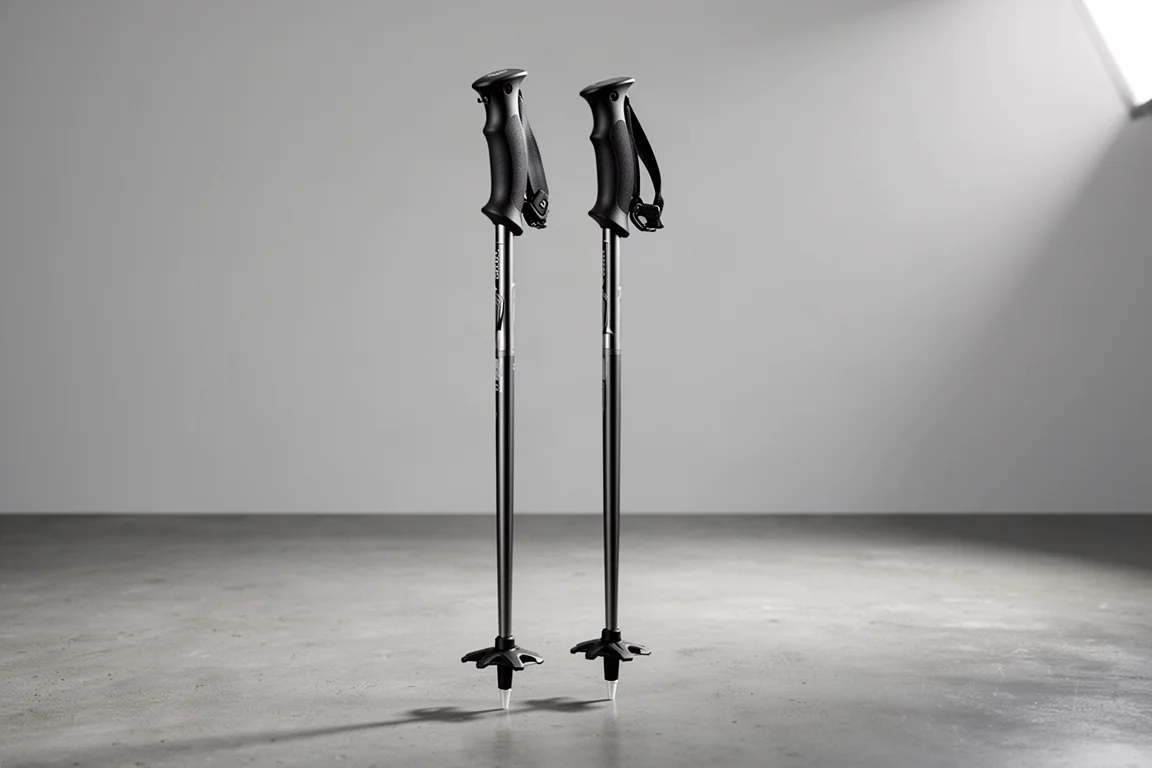
LEKI Spitfire 3D Poles: Solid, Cuttable, and Light
These poles take the trigger system into a metal shaft. The grip can be removed from the top, which means the shaft can be cut down if you need a shorter length, something carbon poles do not allow. Despite the metal construction they are light enough to feel better in hand than some carbon poles, and they are sturdy enough to knock snow off a boot without hesitation. They ship with conventional straps for gloves outside the system.
Retail sits around $140, and sale pricing sometimes brings them lower.
Buying Advice: Getting the Full Benefit
The trigger system rewards commitment. Buying the mittens or gloves together with a compatible pole gives you the solid, fully integrated connection, and that is the version worth judging. Half measures through adapters produce a looser feel that probably explains why the system gets lukewarm first impressions from skiers who only try one piece.
It also helps to be honest about how much you ski. At five to ten days a season this is more system than most people need. At thirty to fifty days, where small reductions in grip tension and small time savings at the top of every run add up, it earns its place quickly.
Two habits are worth building early. Release takes a little practice, similar to clipping out of a road pedal, and it becomes second nature once you settle on a routine. And if you buckle your boots with poles attached, the poles can get in the way, so it is easier to close the buckles first.
If you can try the system in person, do it with a fully integrated mitten and pole rather than an adapter, because that is the experience you are actually buying into.
Conclusion
The LEKI trigger system is not a fix for a broken product, it is a refinement that changes how much tension you carry in your hands and shoulders all day. The mittens, glove, and poles that use it are well made in their own right, which matters more than the mechanism itself. Skiers who ride a lot and want warmer hands and a more relaxed upper body will get the most from it, and the adjustable backcountry poles stand on their own regardless of which gloves you wear.
Further reading
Related Reviews

Ski Gear
2023 Blizzard Hustle vs Rustler: Six Freeride Skis Compared
Blizzard's 2023 Hustle collection rebuilds the Rustler shape with a lighter core and no metal. Here is how all six skis differ, and which one suits your riding.

Ski Gear
2023 Skis of the Year: Atomic Maverick 88 TI, Salomon QST 106, and Look SPX 12 Pro
Three standout ski picks for all-mountain carving, powder days, and reliable binding performance, with practical buying notes for 2023 models.

Ski Gear
2025 Nordica Enforcer 104 Review: A Directional Charger Replaces the 104 Free
The 2025 Nordica Enforcer 104 drops the Free name and the twin-tip personality, gaining weight, stiffness and composure in rough snow. Here is what changed and who it suits.