Skincare
LED Face Masks: What Works, What Doesn't, and How to Choose
A dermatologist's guide to LED face mask wavelengths, safety standards, and realistic expectations for acne and anti-aging results.
Introduction
LED face masks have generated significant interest for treating acne, wrinkles, and skin redness. However, the market is crowded with devices making competing claims at vastly different price points. Understanding the science behind LED therapy, knowing which wavelengths actually work, and identifying safety standards can help you decide whether these masks are worth your investment and which features matter most.
How LED Therapy Works
LED therapy operates through photobiomodulation, a process where specific wavelengths of light stimulate cellular activity. This stimulation boosts collagen production, reduces inflammation, and targets acne-causing bacteria.
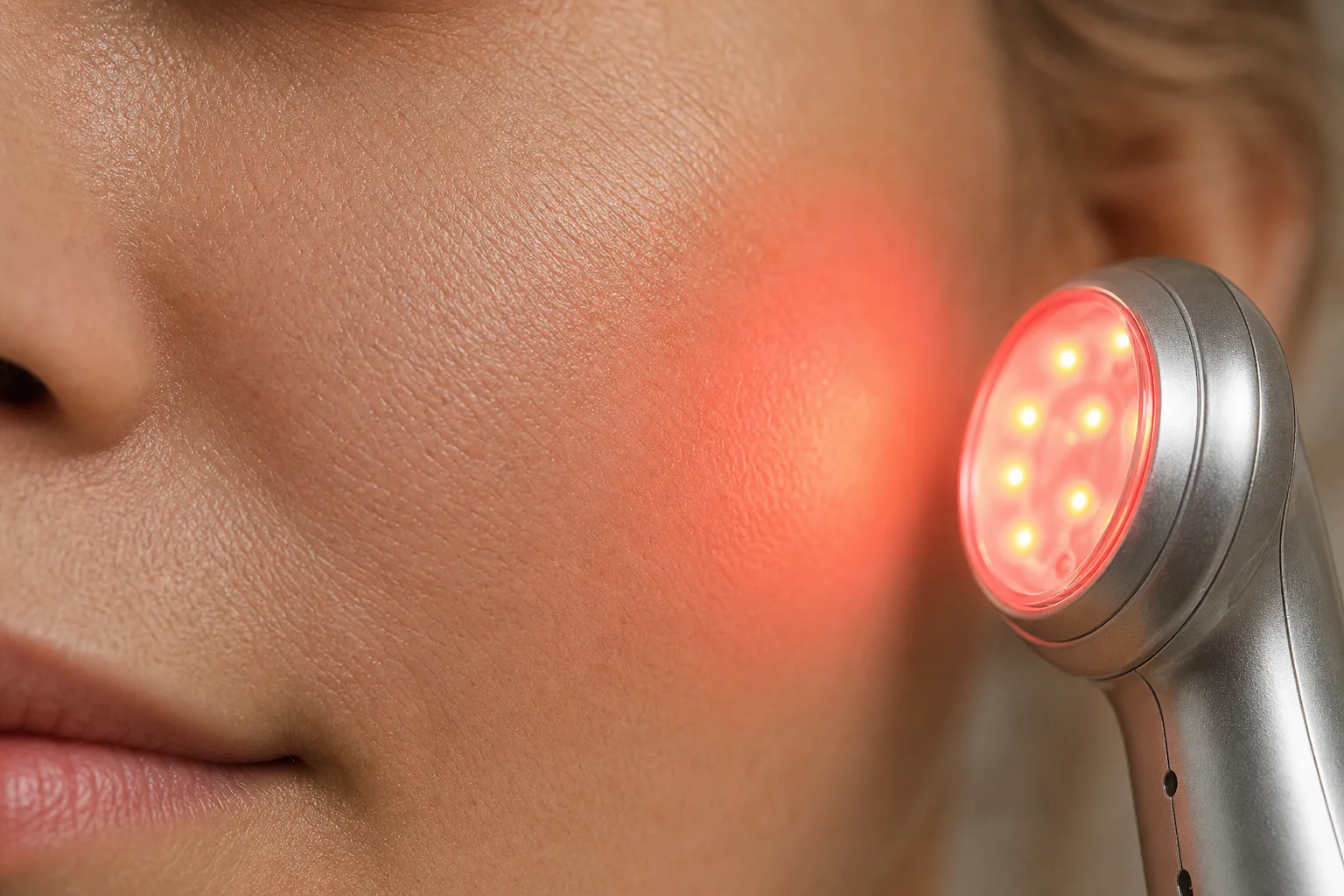
Different wavelengths serve different purposes. Blue light at 415 nanometers specifically targets the acne-causing bacterium Cutibacterium acnes. Red light, ranging from 630 to 660 nanometers, reduces inflammation, promotes healing, improves cellular metabolism, and stimulates collagen production. Near-infrared light, spanning 830 to 850 nanometers, penetrates deeper into the skin to support rejuvenation, healing, and collagen production.
For acne treatment, research shows that combining red and blue light produces better outcomes than either wavelength alone. For anti-aging and skin rejuvenation, the combination of red and near-infrared wavelengths is most effective.
Choosing the Right Wavelengths for Your Skin Concern
The first step in selecting an LED mask is identifying your primary skin goal. If you have acne, look for a mask with both blue light and red light. Blue light targets the bacteria, while red light reduces the inflammation and redness associated with breakouts. Studies demonstrate that this combination is more effective than using either color alone.
If your focus is anti-aging, wrinkles, or sun damage, prioritize red and near-infrared wavelengths. You do not need blue light if you do not have acne. Many masks on the market include additional colors such as purple, green, or yellow. While some research exists on these wavelengths, they are not as well-established as red, near-infrared, or blue light. In most cases, these extra colors dilute the efficacy of the evidence-based wavelengths without adding meaningful benefit.
Key Features to Look For
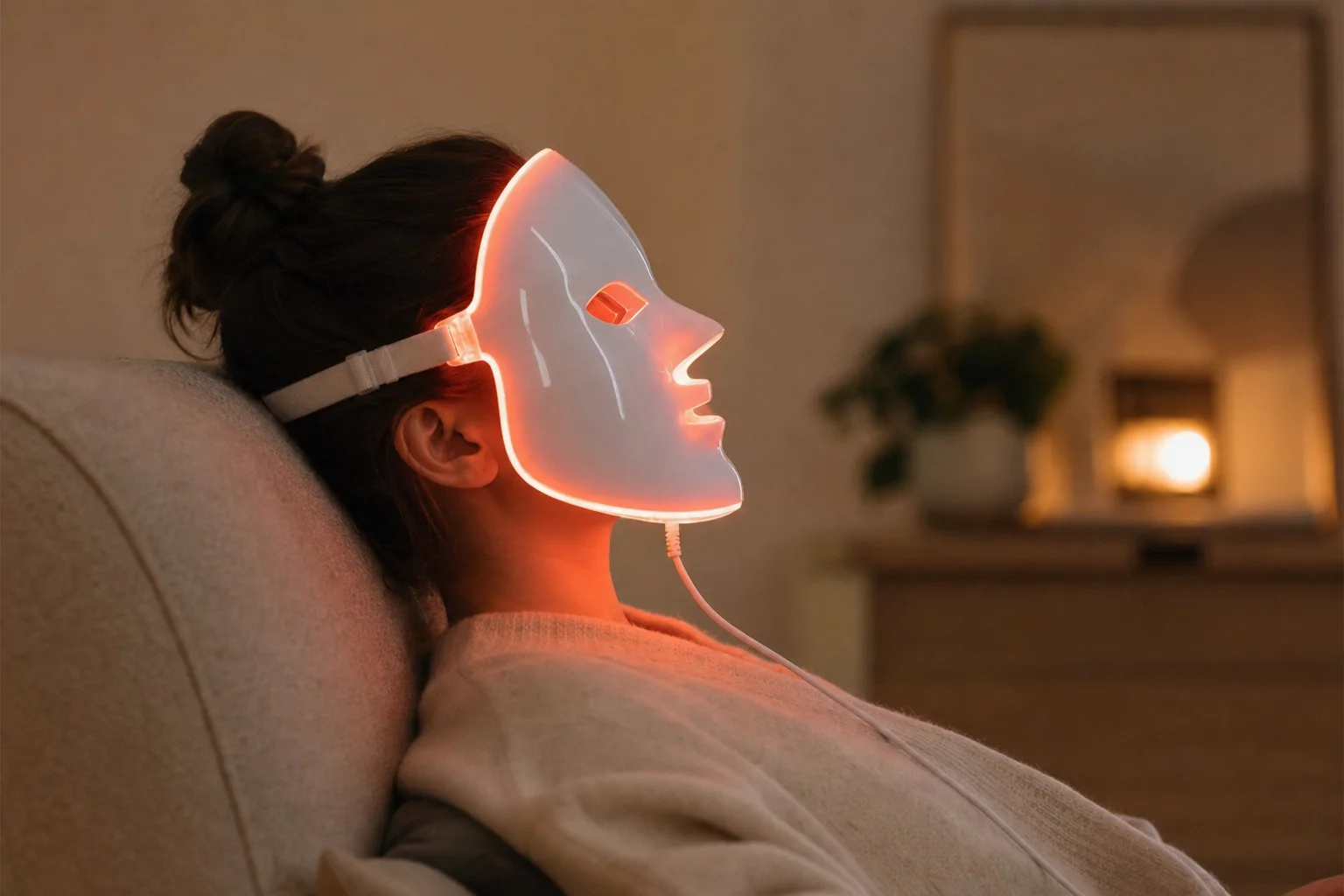
Look for masks that clearly state the specific wavelengths used. This transparency indicates that the manufacturer understands the science and is not relying on marketing hype alone.
FDA clearance is a meaningful safety marker. While FDA clearance differs from FDA approval, it does provide reassurance of safety and efficacy standards. Additional certifications such as 510K designation, CE mark, and RoHS compliance further validate a device’s safety profile.
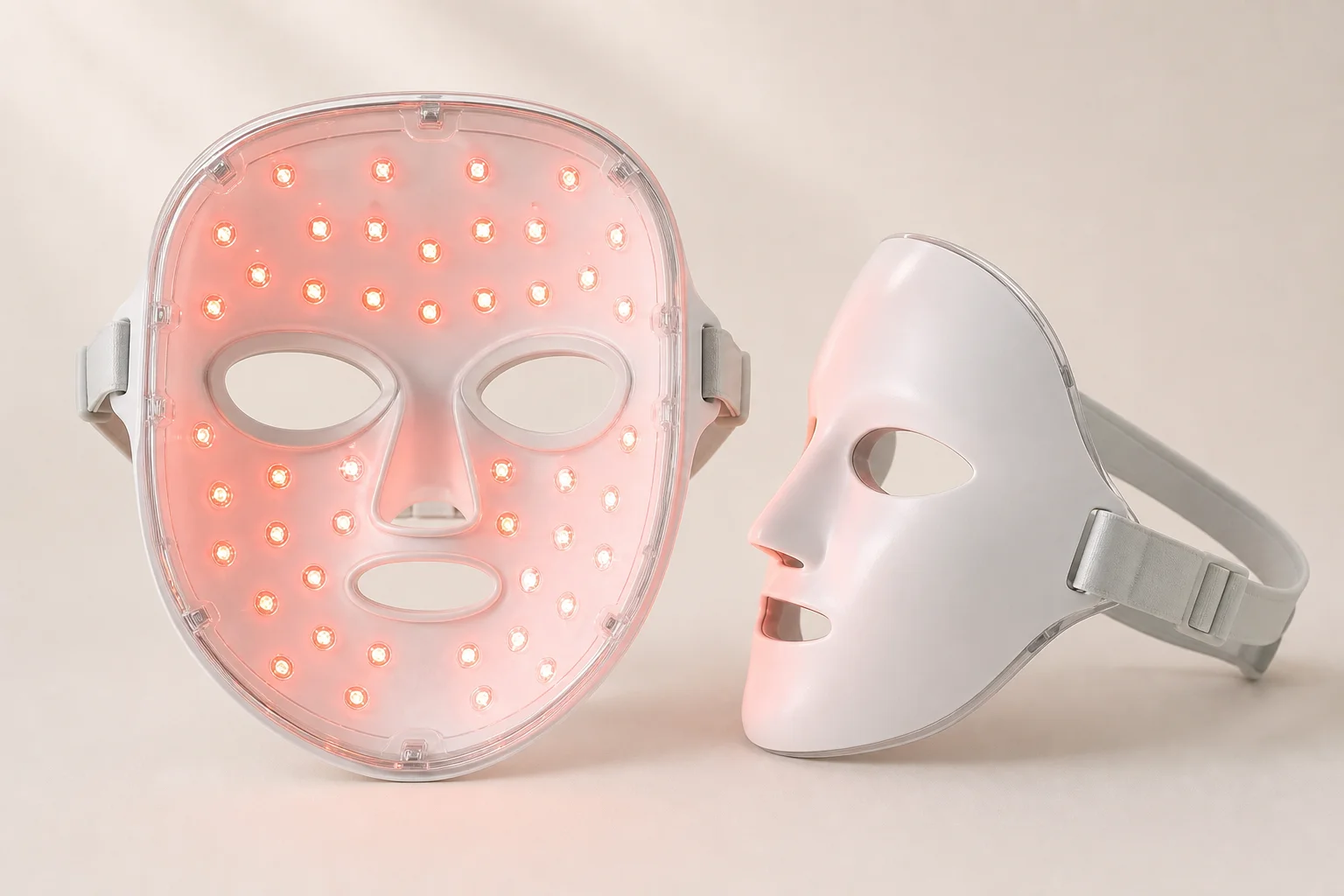
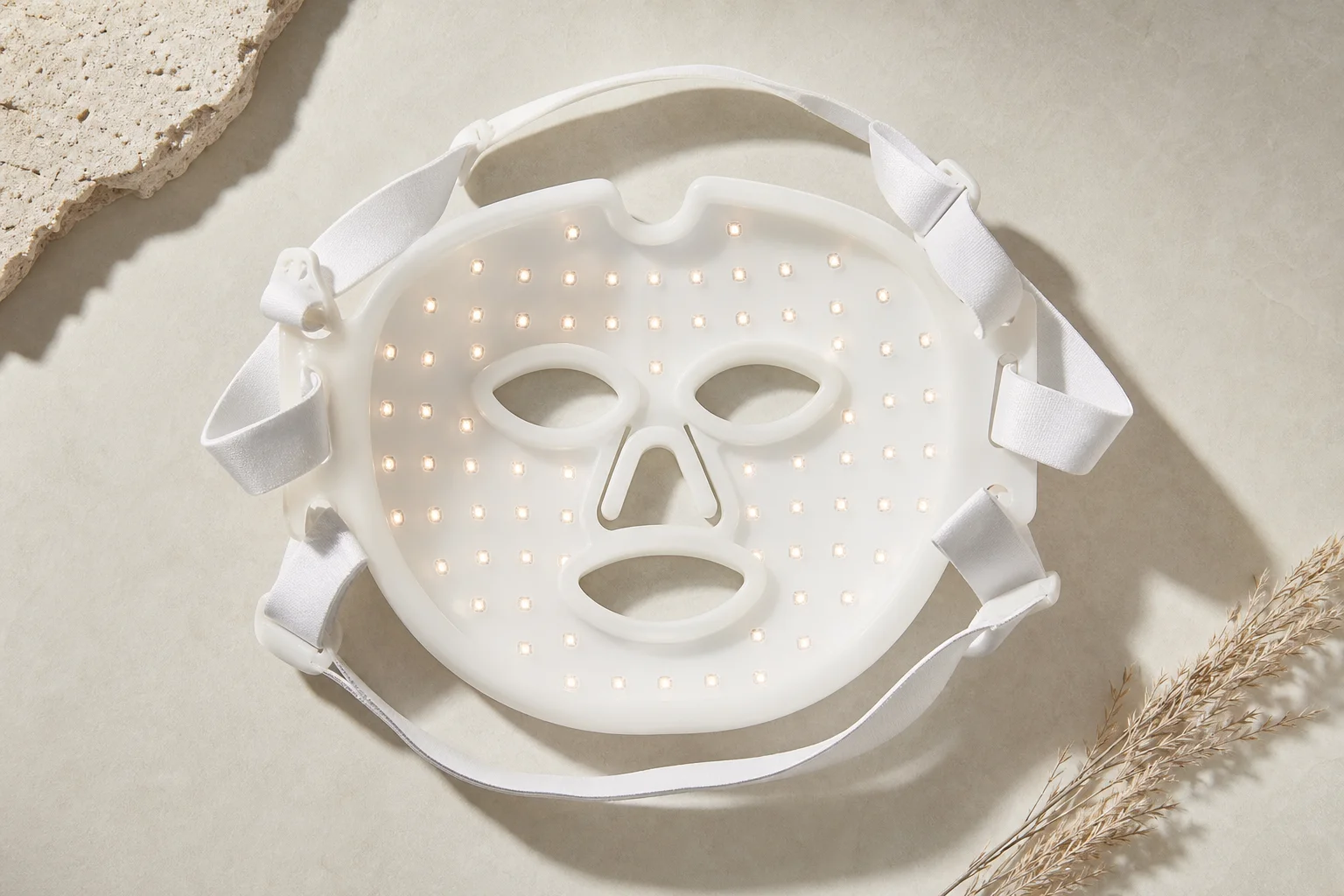
A flexible silicone backing allows the mask to conform closely to your face. Proximity to the skin is crucial because the closer the LED bulbs are to your skin, the more effective the light delivery. Masks with a higher number of evenly spaced bulbs provide better depth of penetration and coverage than devices with fewer, more powerful bulbs positioned at a distance.
Adjustable straps help accommodate different face shapes, ensuring consistent contact and comfort. An auto shut-off mechanism prevents overuse, which can increase the risk of irritation. For acne masks that use blue light, built-in eye protection is essential because blue light can potentially damage eyes if used incorrectly.
Safety and Design Considerations
The most common side effects are temporary skin irritation and dryness. Blue light poses a specific concern for eye safety, which is why proper eye protection and careful adherence to usage instructions are critical.
People with melasma should approach LED masks cautiously. While red light therapy has shown benefits for melasma in clinical settings, at-home masks present complications. Blue light is known to trigger melasma and should be avoided entirely if you have this condition. Although near-infrared light does emit some heat, well-designed masks do not generate enough heat to aggravate melasma. The greater concern is the potential for skin irritation, which can worsen melasma due to its sensitivity.
Additionally, applying skincare products before using the mask increases irritation risk because the mask acts as an occlusive, trapping products against the skin. If you have both acne and melasma, consider alternative acne treatments rather than risking melasma flare-ups.
LED masks should never emit ultraviolet radiation, which damages skin and worsens multiple skin conditions. Verify that your chosen device uses only visible and near-infrared light.
Realistic Expectations and Results
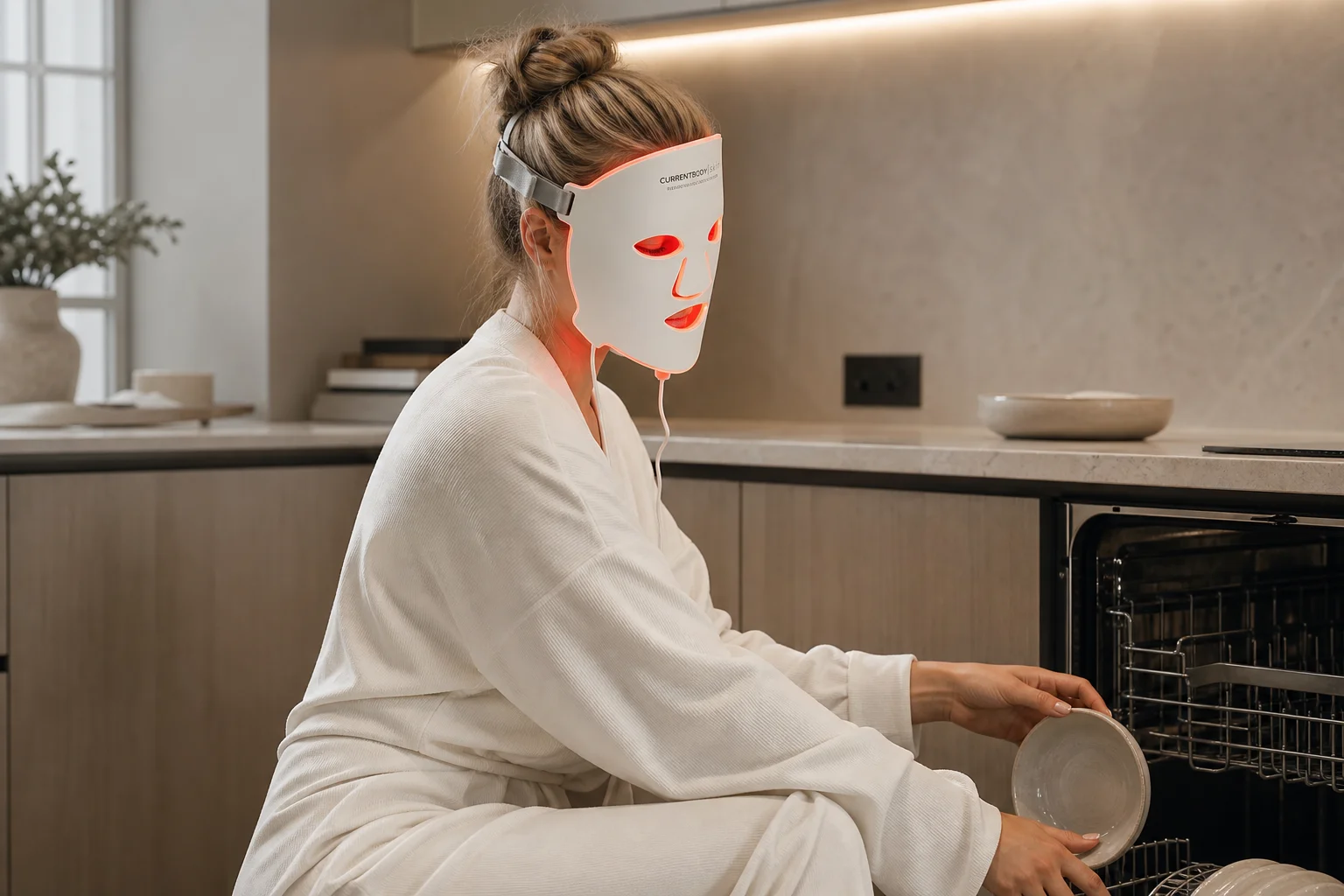
LED masks are not a magic solution, but they do have solid research supporting their use. Results depend entirely on consistent use. Most masks require application two to three times per week, though some are designed for daily use. Do not exceed the recommended frequency, as this increases irritation risk without improving results.
For anti-aging, red and near-infrared wavelengths can improve wrinkles, skin hydration, inflammation, clarity, and tone. Some studies even suggest benefits for melasma when used appropriately.
For acne, red and blue light combinations can be as effective as benzoyl peroxide for mild to moderate acne. However, if you have moderate to severe acne, masks alone will not clear it. Even with mild to moderate acne, you will likely need additional topical treatments. Masks work best as a supplement to your existing skincare routine, particularly if you have achieved near-clear skin with topicals but want to avoid oral medications.
LED masks are safe to use during pregnancy, making them a valuable option when oral acne medications are not suitable. However, pregnancy often triggers melasma, so weigh the benefits against this risk.
Consistency is the key factor determining success. If you cannot commit to regular use, these devices are not a worthwhile investment. Many people find it helpful to wear the mask before bed or while multitasking, as this makes the routine easier to maintain.
Recommended Masks
When selecting an LED mask, prioritize devices from manufacturers with a track record of safety and efficacy. Look for masks that use evidence-based wavelengths without unnecessary gimmicks or additional technologies that lack solid research backing. Features such as flexible design, adequate bulb density, eye protection for acne masks, and FDA clearance should guide your decision.
The best mask is one you will actually use consistently. Consider your lifestyle and whether you can realistically incorporate mask use into your routine. If you are someone who struggles with time commitment, a handheld device might feel less burdensome, though masks generally provide better skin contact and ease of use.
Conclusion
LED face masks can be effective tools for acne and anti-aging when you select the right wavelengths for your skin concern, verify safety standards, and commit to consistent use. Focus on evidence-based wavelengths, prioritize safety certifications and eye protection, and maintain realistic expectations. If you have melasma or are pregnant, consult your dermatologist before use. The investment is worthwhile only if you can make mask use a sustainable part of your skincare routine.
Product link
View more details for Omnilux Contour
This product is mentioned in the review. Check the specifications, options, and compatibility before buying.
View more details for Omnilux ContourFurther reading
Related Reviews
Skincare
Rosacea Treatment Guide: Lifestyle Changes, Over-the-Counter Options, and Prescription Solutions
A comprehensive guide to managing rosacea through lifestyle interventions, over-the-counter products, prescription treatments, and professional procedures.
Skincare Devices
Best Facial LED Light Therapy Devices 2026: Five Masks Ranked
A comprehensive ranking of five red light therapy masks, from the CurrentBody Series 2 to the top-rated Solawave Wrinkle Retreat, with real strengths and trade-offs.
Anti-Aging Devices
Best Microcurrent Devices for Facial Toning: Six Options Tested and Compared
A practical guide to microcurrent facial devices, including how they work, what the science shows, and six tested options from budget to premium.