Anti-Aging Devices
Best Microcurrent Devices for Facial Toning: Six Options Tested and Compared
A practical guide to microcurrent facial devices, including how they work, what the science shows, and six tested options from budget to premium.
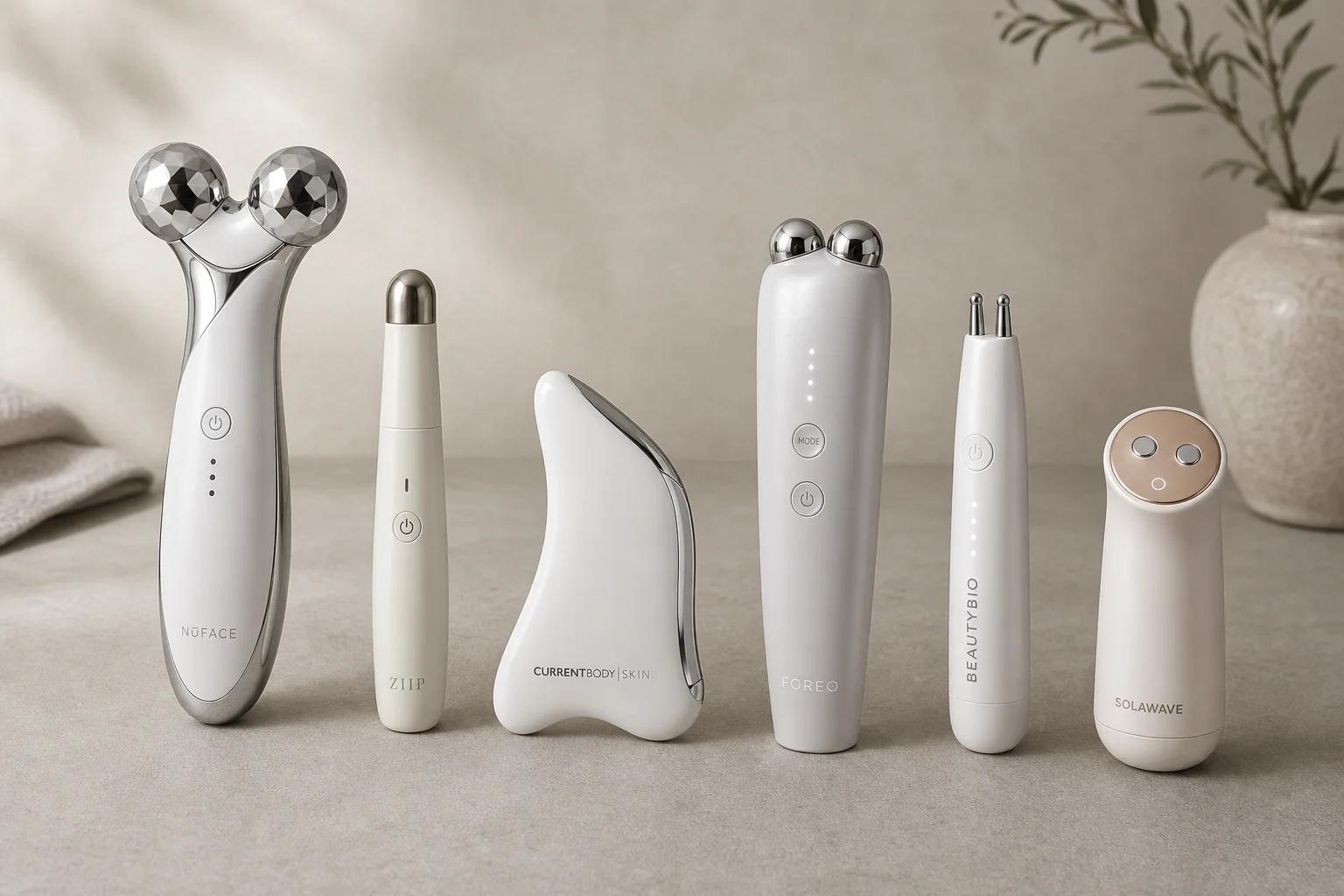
Introduction
Microcurrent facial devices have become among the best-selling home beauty tools on the market, with claims that regular use can tone and lift skin by stimulating facial muscles and supporting collagen and elastin production. After years of testing these devices, I have developed a clear sense of which ones deliver genuine comfort and results, and which ones to avoid. This guide covers the science behind microcurrent technology, how to use these devices safely and effectively, and six tested options across different price points.
How Microcurrent Devices Work
Microcurrent devices release a gentle micro electric current through the skin to build muscle and add volume to the face. The theory is that by exciting and energizing skin cells and giving facial muscles a workout, you increase blood and oxygen supply to the skin, which could theoretically help optimize conditions for improved cell productivity.
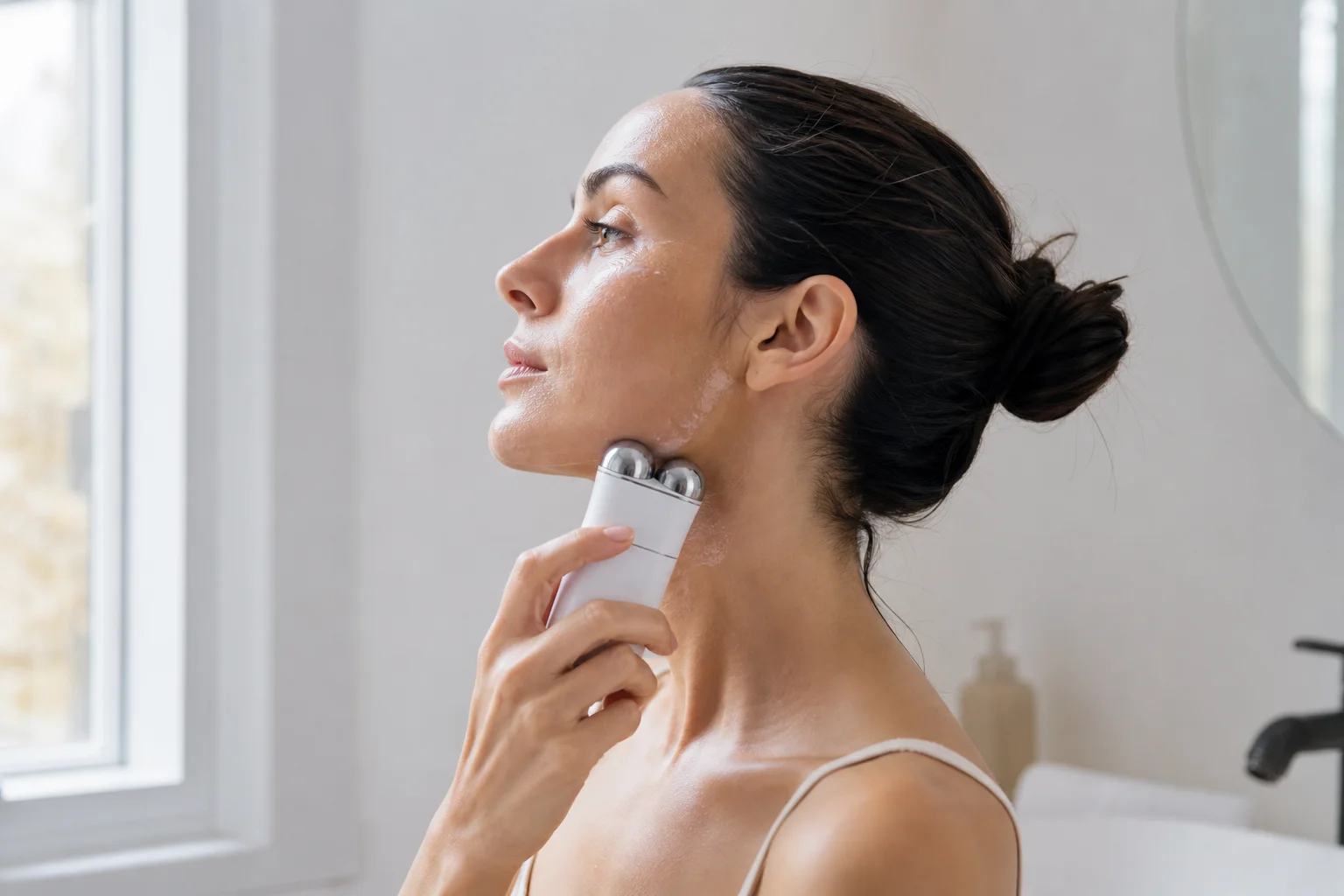
While there is not a huge amount of evidence backing up the full theory, some research supports key claims. A recent small Austrian study looking at microcurrent’s impact on burn wound healing found it did increase blood flow to the skin and was suggested as a promising tool in burn treatment. A 2018 study from a hospital in Kuala Lumpur reported accelerated wound healing among patients treated with microcurrent. Another small study published in the Journal of Physiotherapy found that microcurrent use over 10 days did increase firmness on the skin surface, though there was no notable effect on wrinkles.
From my own experience, microcurrent devices do help keep facial muscles tuned, particularly around the jowls and under the chin. I tend to use a device three to four times a week, though there is no golden rule around frequency. Most people should aim for a minimum of three to four times a week to see results. I believe these devices are best used on a preventative basis, helping to delay the effects of aging and keep facial muscles toned. If you already have more developed sagging around the jawline, it is unlikely to deliver dramatic benefit.
Preparation and Conductivity
For the current to flow optimally into your skin, you ideally need to use a water-based conductive gel or serum on a clean face and avoid anything oil-based before treatment, as oil disrupts the flow of current.
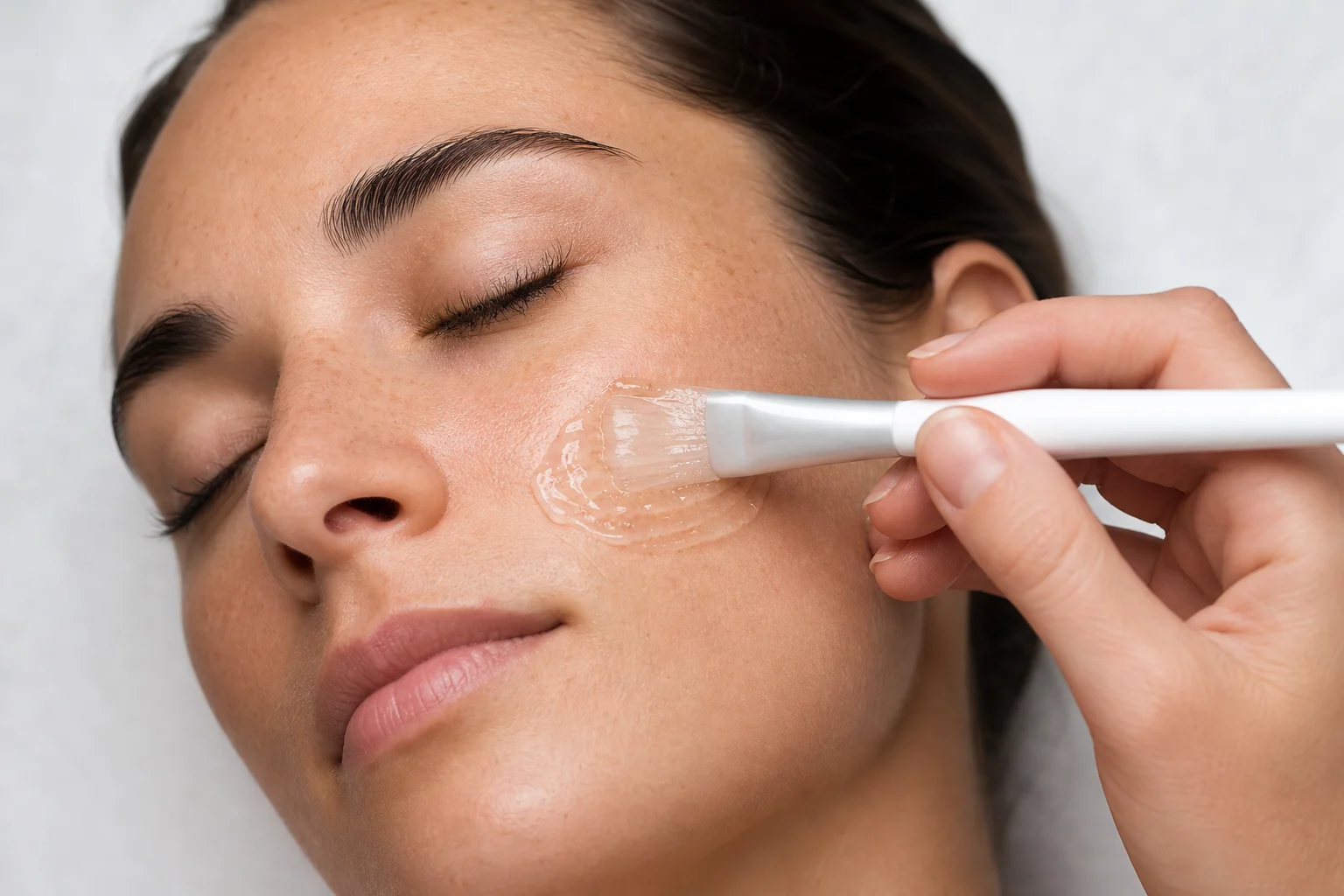
Most of the better-known devices sold include conductive gels, but they can be expensive to reorder on their own. Water-based hyaluronic acid serums or aloe vera gels can do the job just as effectively and for a fraction of the price.
Safety Considerations
Microcurrent devices are thought to be safe but should be avoided if you are pregnant, wear a pacemaker, or suffer from epilepsy. There have been anecdotal claims that microcurrent devices have caused facial fat loss for some people. While I have not seen this from my own experience, the fact that they help tone muscle means that similar to high-intensity exercise, some reduction in facial fat is not impossible. However, if you stick with well-known and tried-and-tested brands and use them moderately, you are unlikely to see sudden or dramatic fat loss. It is more likely to cause a subtle toning effect over time.
Choosing the Right Device
With the technology being fairly standard, there is not a huge amount to separate different microcurrent tools on the market. It is best to choose one to suit your budget, but also consider comfort, because the current can be felt more strongly from some devices than others. I prefer devices that use either a mix of nano and microcurrent or a moderated current for a gentler effect.
The difference between micro and nanocurrent is important to understand. Microcurrent is a form of electrical therapy that delivers current in the microamp range and is designed to mimic the body’s own natural electric currents. It works to stimulate the muscles to contract and therefore gives an immediate lifting effect. Nanocurrent is much smaller than microcurrent, and the theory is that it can promote changes at a cellular level, delivering more gradual results.
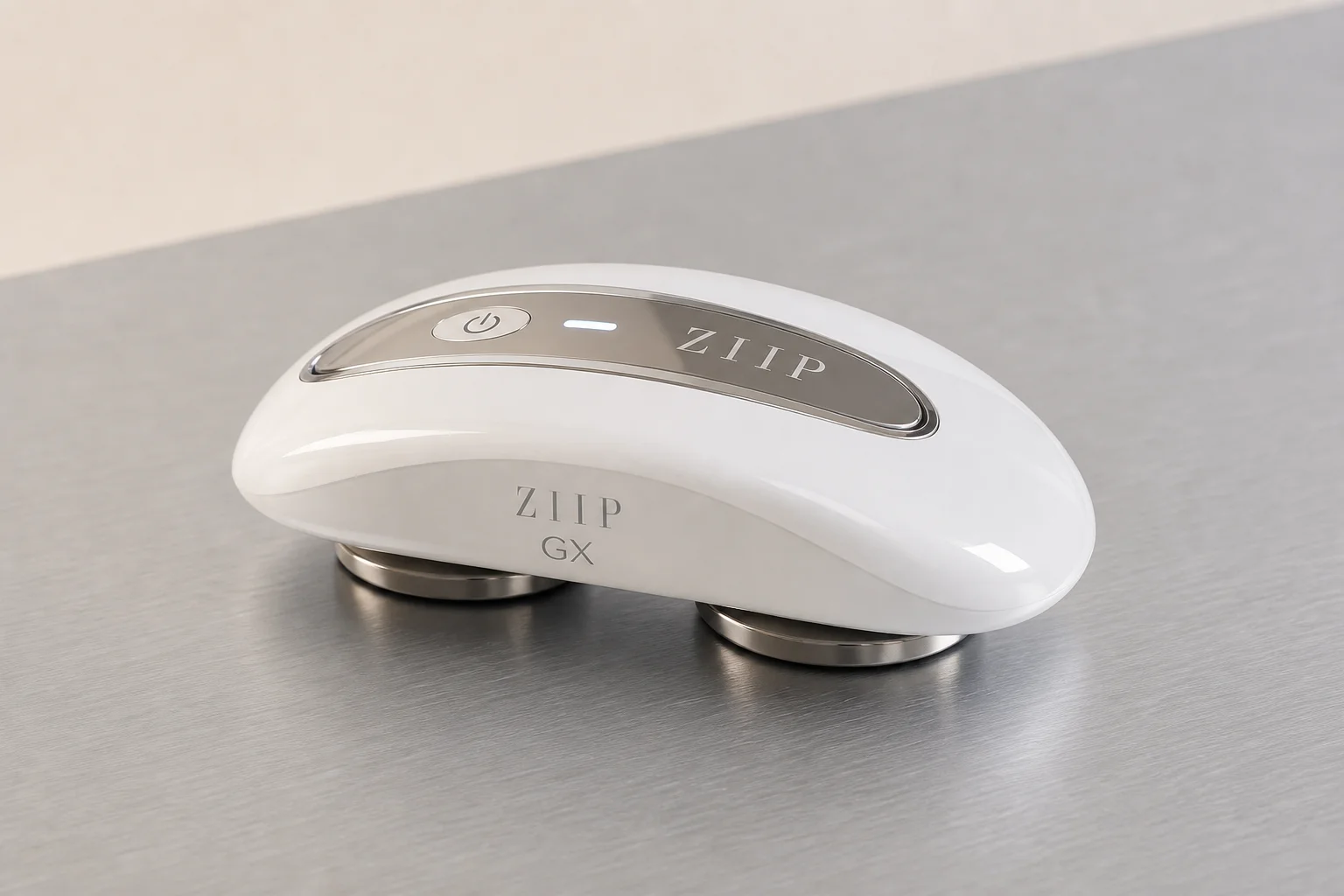
ZIIP GX: Premium Nanocurrent Option
The ZIIP GX incorporates nanocurrent and is the most comfortable device I have used on my skin. I used the GX model for a period of time and found it very comfortable and felt it helped me maintain the jowl area very well. ZIIP devices are a favorite with celebrities, including Jennifer Aniston and Sandra Bullock, who reportedly said it keeps her face from sliding to the ground. The founder also has a theory that nanocurrent can help with hyperpigmentation by inhibiting melanin production. All ZIIP devices come with an app, though you can use them without it.
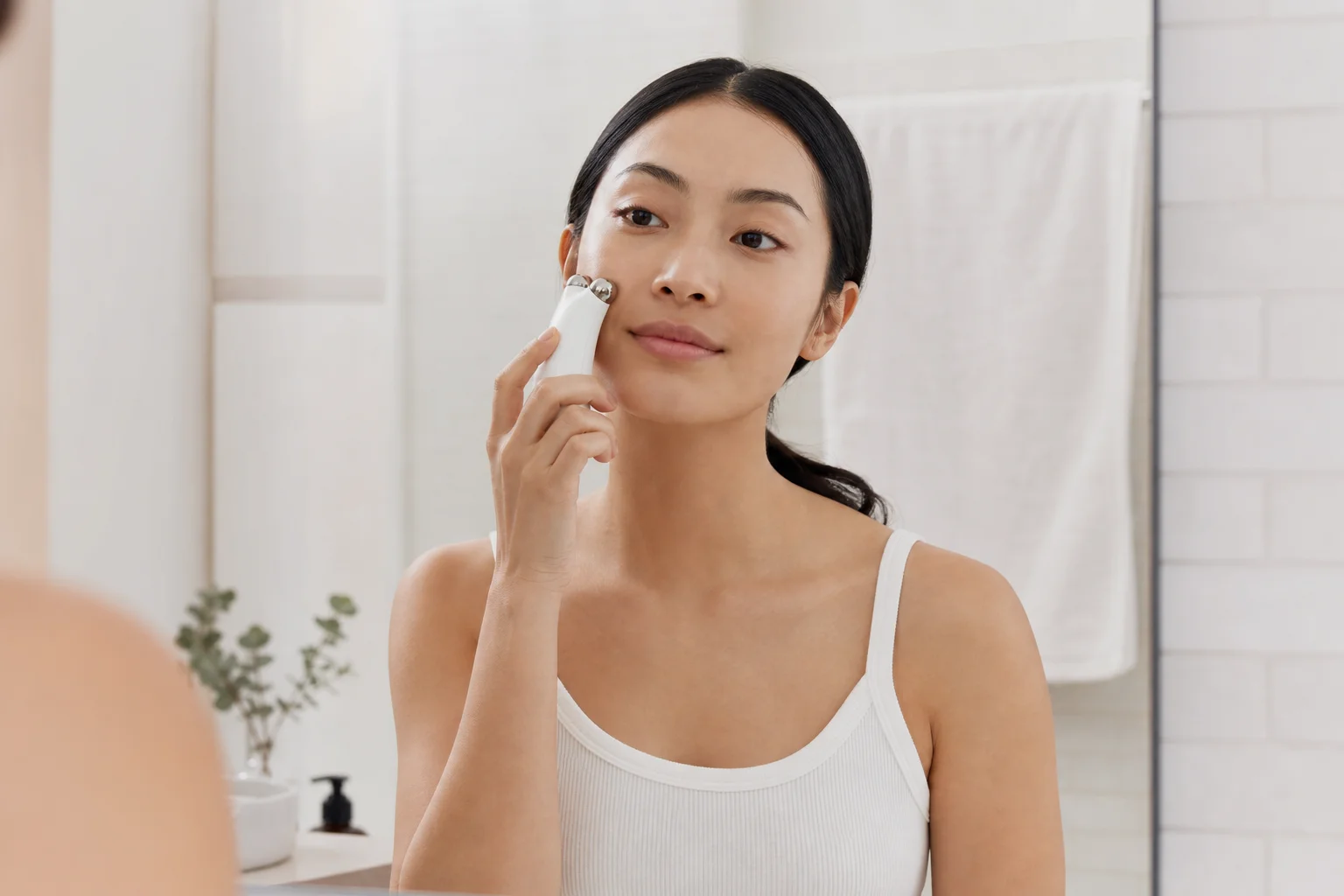
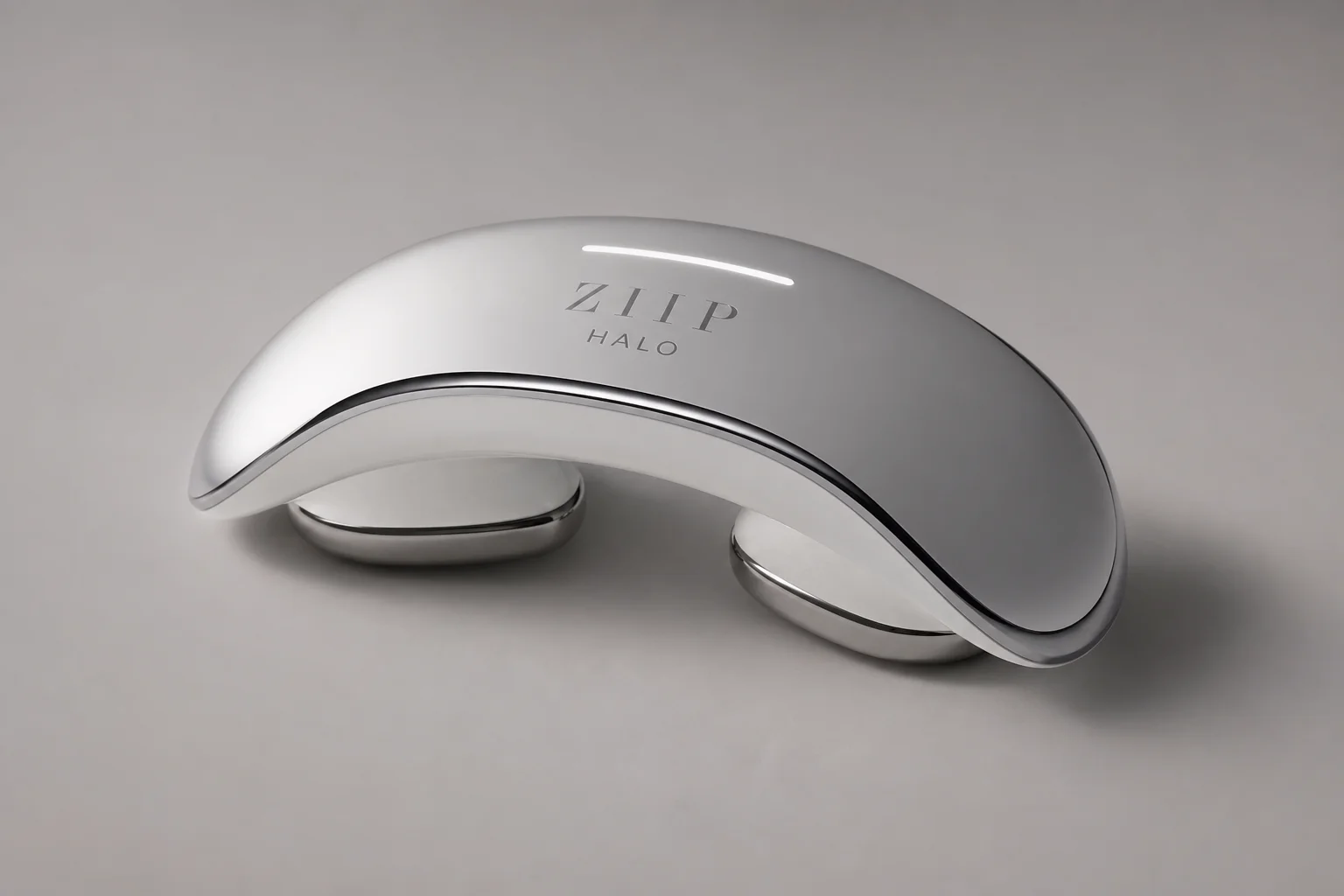
ZIIP Halo: Latest Nanocurrent Technology
ZIIP has recently launched the Halo device, which I like even more than the GX. I can feel a slightly stronger current with it, but it remains comfortable to use because it uses lower frequency and lower amp currents. The Halo comes with a built-in 4-minute treatment that I have been using a few times a week and find easily incorporated into my nighttime or morning routine. You can use the Halo without the app, which I find more convenient. It is expensive, but it is definitely one of the best devices I have tried on the market.
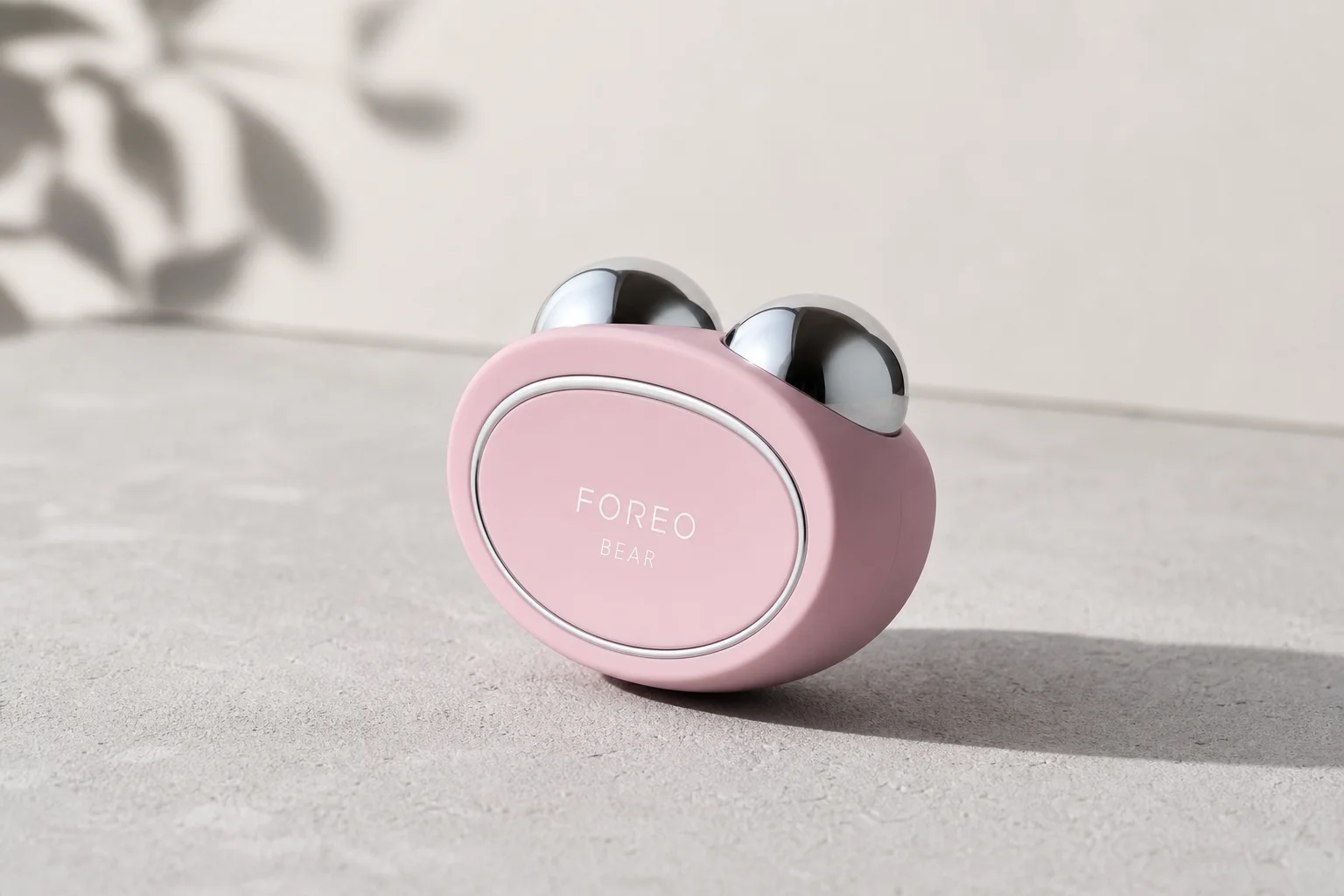
FOREO BEAR: Comfortable Anti-Shock Design
The FOREO BEAR is another device reported to be comfortable by users due to its built-in anti-shock sensors that adjust the current on contact with your skin. It has good consumer feedback, and I have kept one in my bathroom for years.
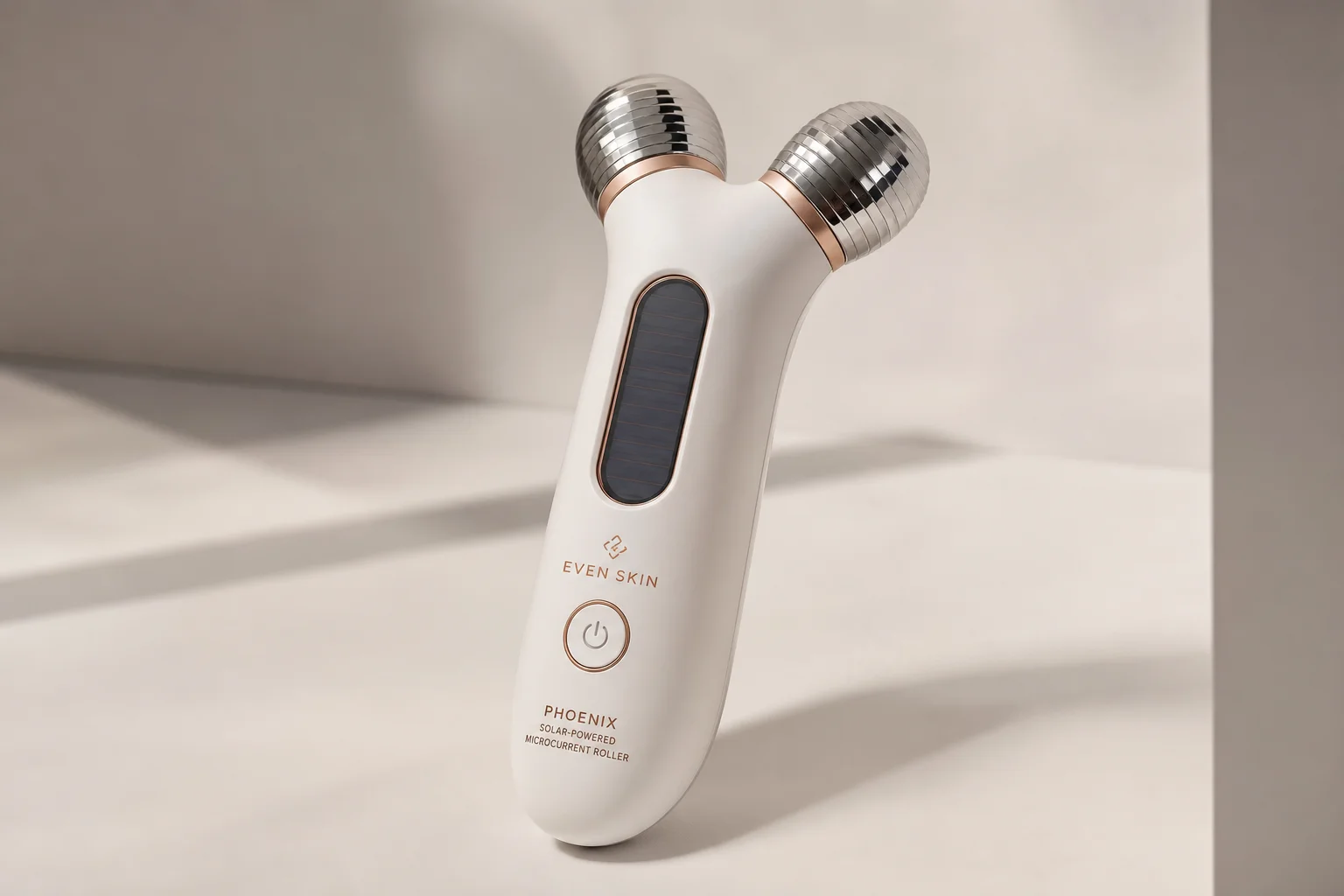
Even Skin Phoenix: Solar-Powered Roller
The Phoenix solar-powered microcurrent roller made by Even Skin delivers a really subtle and low-level current, but you can feel it when you use it on just damp skin. When I use it straight after coming out of the shower with just a little dampness left, it glides easily and I can really feel the charge on my skin. I think it is a lovely way of gently stimulating muscles and blood flow without overdoing it. I also take it with me when traveling because it is small, self-charging, and fits in my makeup bag. It is at the lower end of the price spectrum.
Budget-Friendly Alternatives
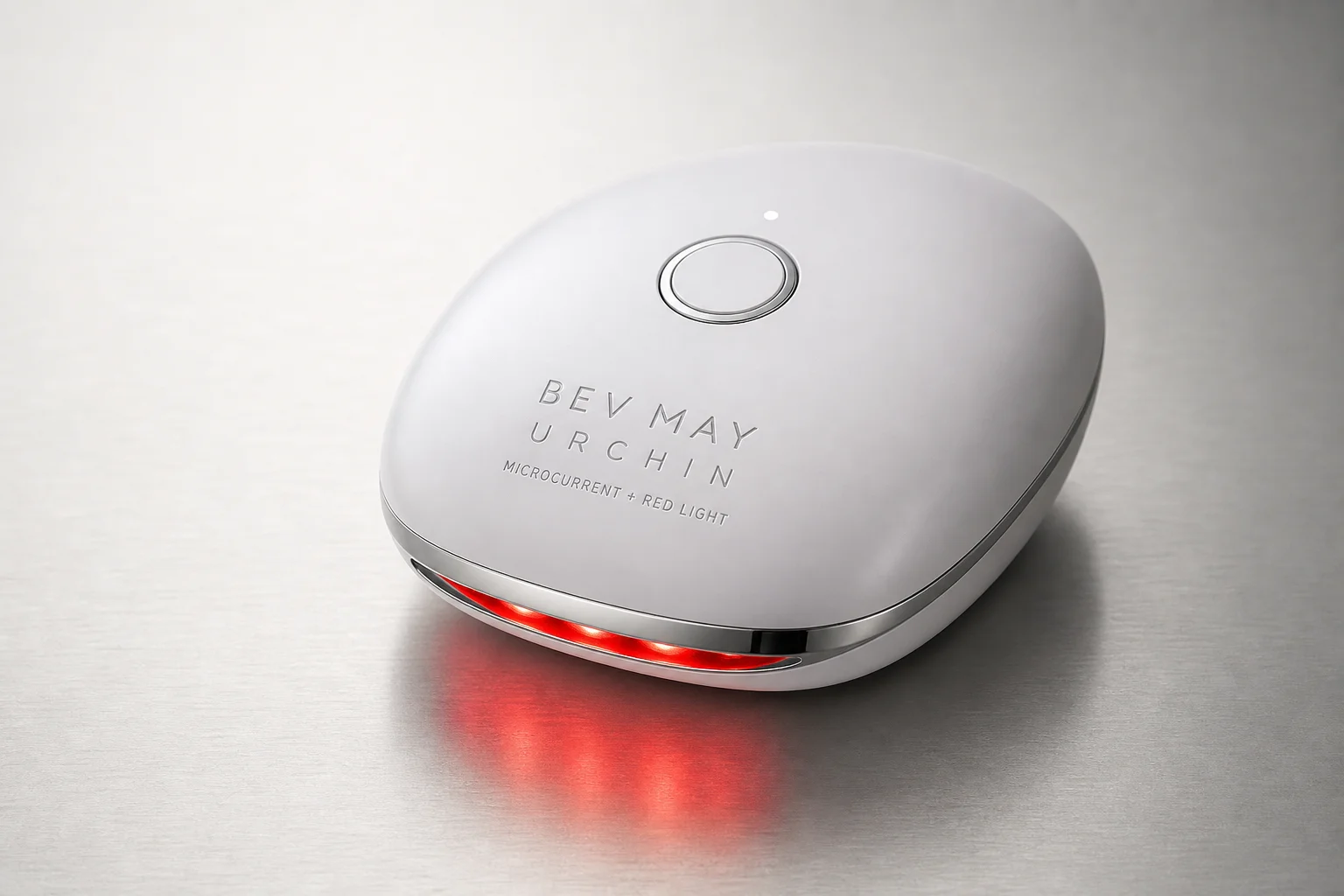
At the lower end of the price spectrum is the newly released Urchin from Bev May Sanderson at Mama Bev. The little Urchin device has different power levels, and I found the lower ones really comfortable on my skin. It also combines sonic vibration and pulsed red light. Pulsed red light therapy is a good way to get the benefits of red light without overdoing it. This is another device I can happily recommend.
NuFace: Standard Microcurrent Option
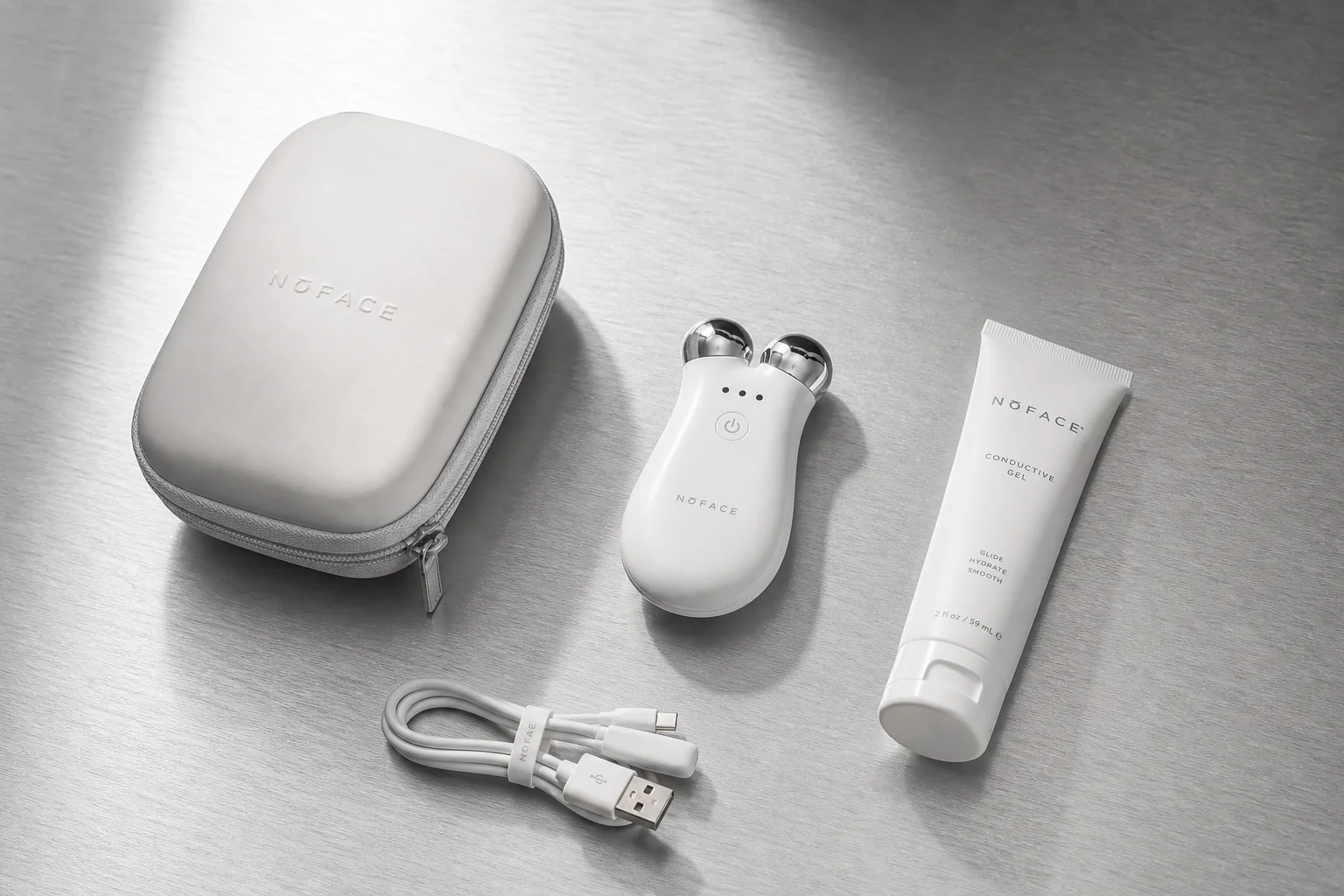
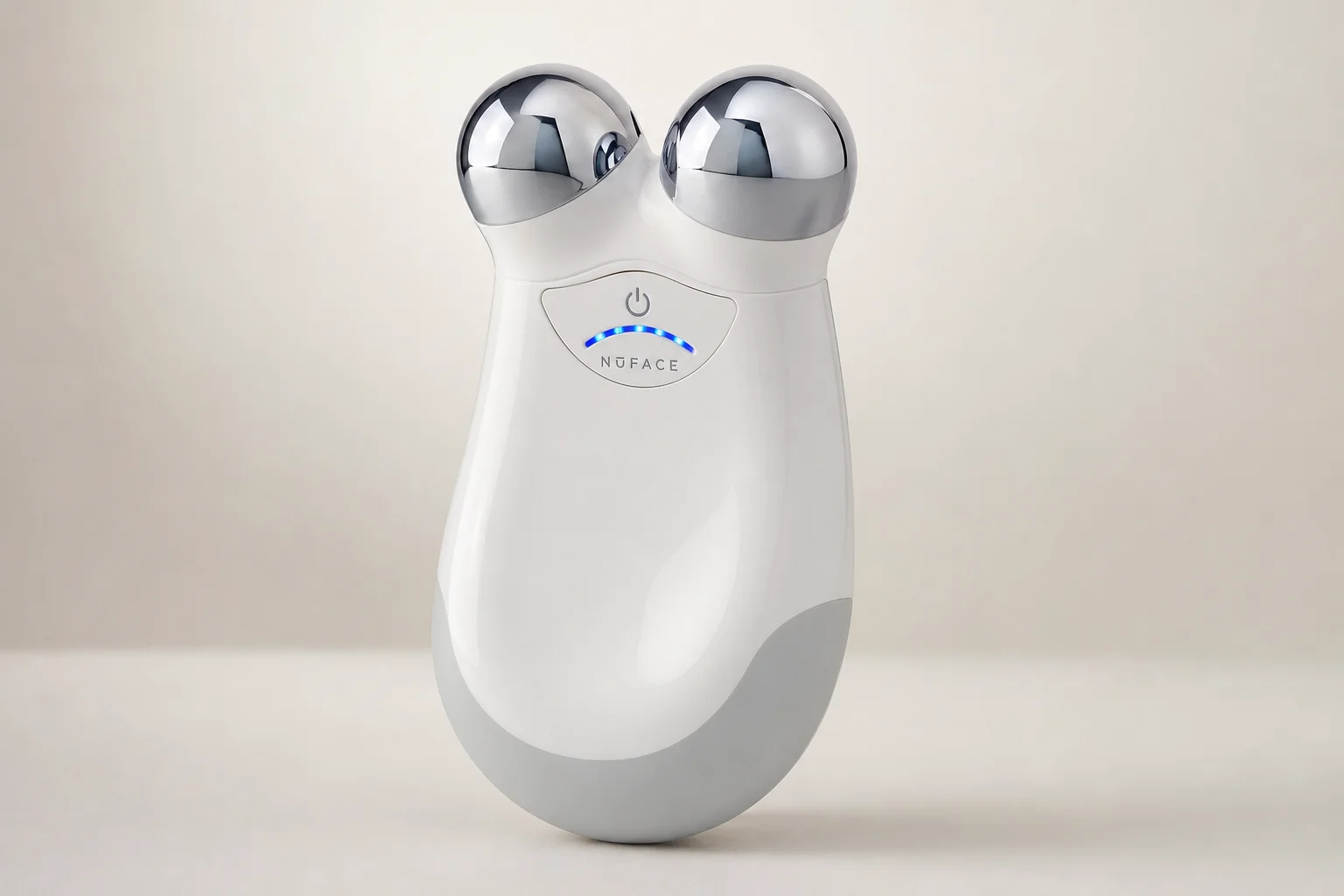
I found the NuFace device quite uncomfortable on my skin because of what felt like a stronger current. I could see my muscle spasming as I used it, which I did think was a good thing at the time, but I am now moving away from anything that causes any significant degree of discomfort. My instinct is that discomfort makes you less likely to keep going with a device longer term, and I do not feel it is the best way to maintain skin’s natural health and balance.
Conclusion
Ultimately, microcurrent is the anti-aging at-home device treatment that I have stuck with over the years and have regularly used in some form for the last several years. Based purely on my experience, because there is no hard scientific evidence around this, I would go for a more gentle device that feels comfortable on your skin. My theory is that this means it works in closer harmony with your skin and is less likely to stress it out. Choose a device that fits your budget but prioritize comfort and consistency over maximum intensity.
Further reading
Related Reviews
Skincare Devices
Best Facial LED Light Therapy Devices 2026: Five Masks Ranked
A comprehensive ranking of five red light therapy masks, from the CurrentBody Series 2 to the top-rated Solawave Wrinkle Retreat, with real strengths and trade-offs.
Skincare
LED Face Masks: What Works, What Doesn't, and How to Choose
A dermatologist's guide to LED face mask wavelengths, safety standards, and realistic expectations for acne and anti-aging results.
Skincare Technology
LED Light Therapy Masks for Skin: How They Work and What to Expect
LED light therapy masks use proven technology to boost collagen production and address wrinkles, acne, and dark spots. Learn how to use them effectively and what results are realistic.