Multi-Tools
Leatherman Wave Alpha vs Wave Plus vs Arc: Which Multi-Tool Is Worth the Money?
Leatherman's new Wave Alpha sits between the bestselling Wave Plus and the flagship Arc. Here's what the extra money buys, and where each tool genuinely wins.
Introduction
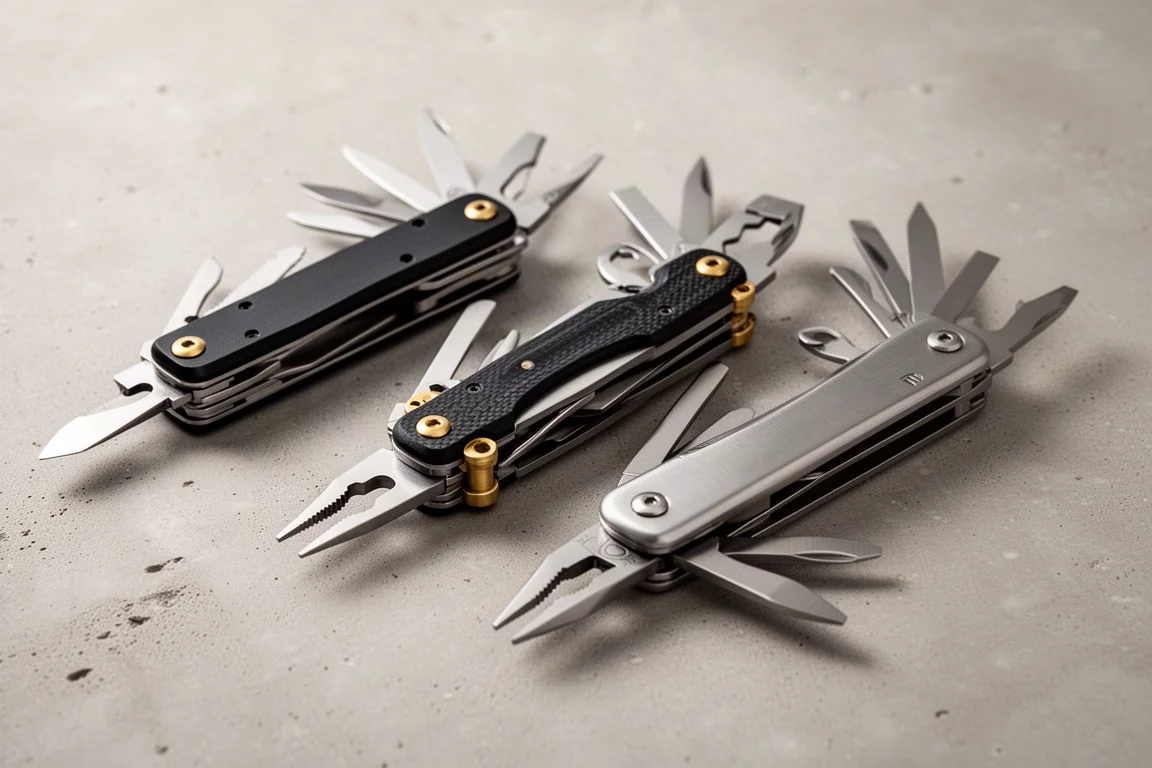
Leatherman’s Wave line has long been the safe recommendation for anyone after a full-size everyday multi-tool. The new Wave Alpha shakes that up: it keeps the familiar Wave architecture but swaps in premium G10 scales and a genuinely exotic main blade steel, then asks a significantly higher price. To work out whether that price is justified, we compared it directly with the bestselling Wave Plus and with the Arc, Leatherman’s most advanced and most premium multi-tool.
Price and What You Actually Get
The Wave Alpha lists at $200 (or £230) and comes in three colours: Cascadia Green, Obsidian Black and Canyon Land Orange. The Wave Plus currently lists at $120 or £130, and the Arc, the flagship, is listed at £250 or $260. The relatively higher UK prices reflect purchase tax and import costs, but either way, the jump from the Wave Plus to the Alpha is large, while the leap from the Alpha to the Arc is comparatively small.
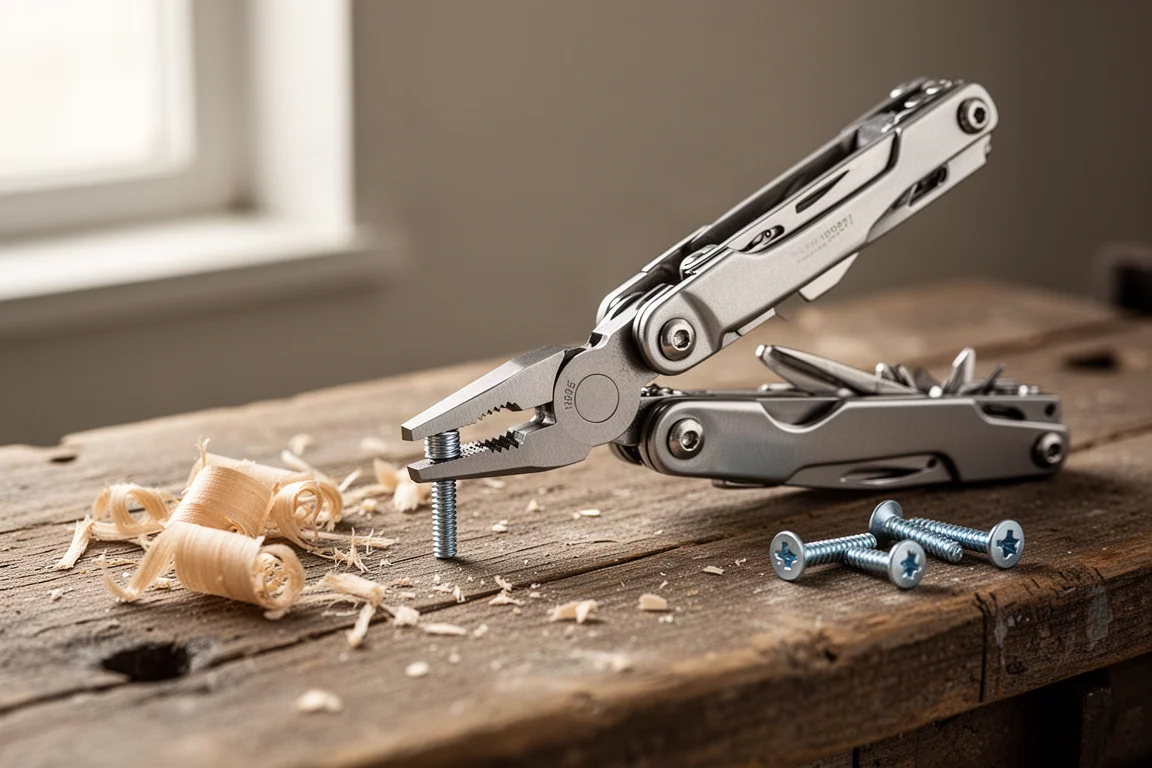
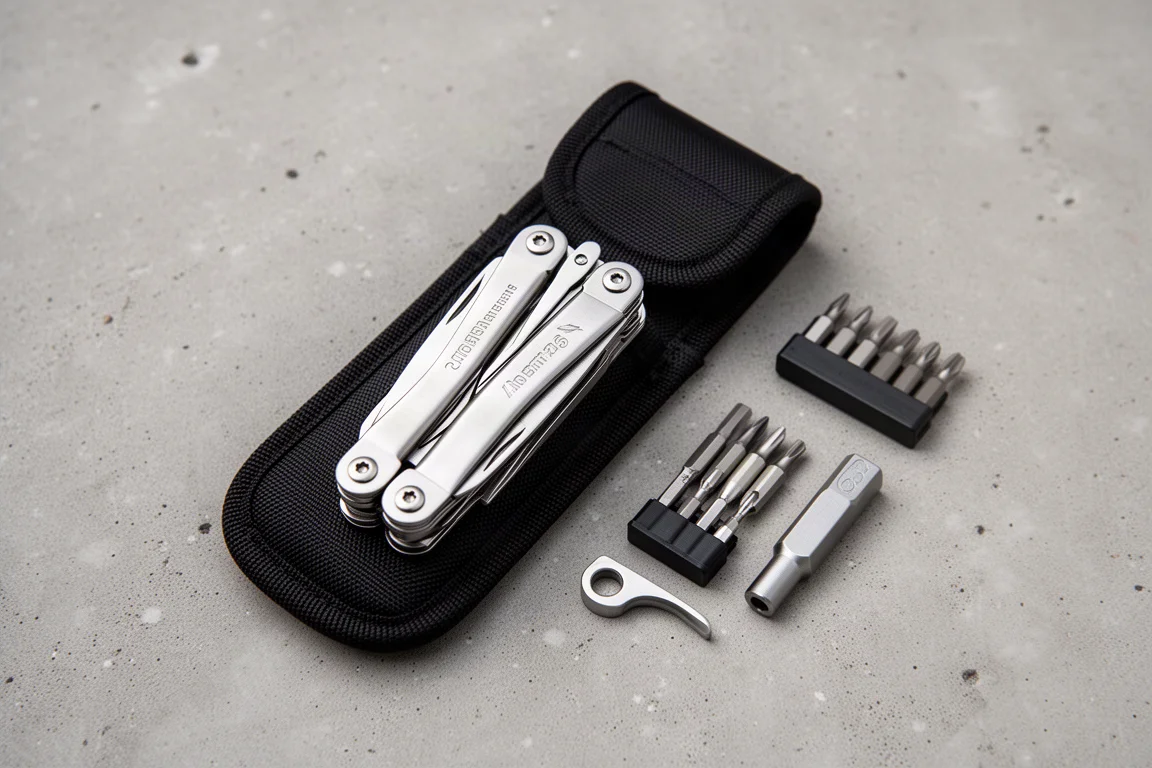
Neither the Wave Alpha nor the Wave Plus includes a pocket clip or sheath. A quick-release pocket clip is sold separately and fits both tools; the original version costs around $10 or £7 and comes with a lanyard ring. Leatherman has also released a new pocket clip designed with the Alpha in mind, available in four finishes at $15 or £14. The original clip arguably suits the Alpha’s contoured scales better, while the new one happens to look surprisingly good on the Wave Plus. The Arc, by contrast, comes with a pocket clip supplied and fitted, though removing it requires a Torx driver. One warning: the pocket clip has noticeable play on the Alpha (with both clip styles), which is not the case on the Wave Plus.
Comfort, Size and Weight
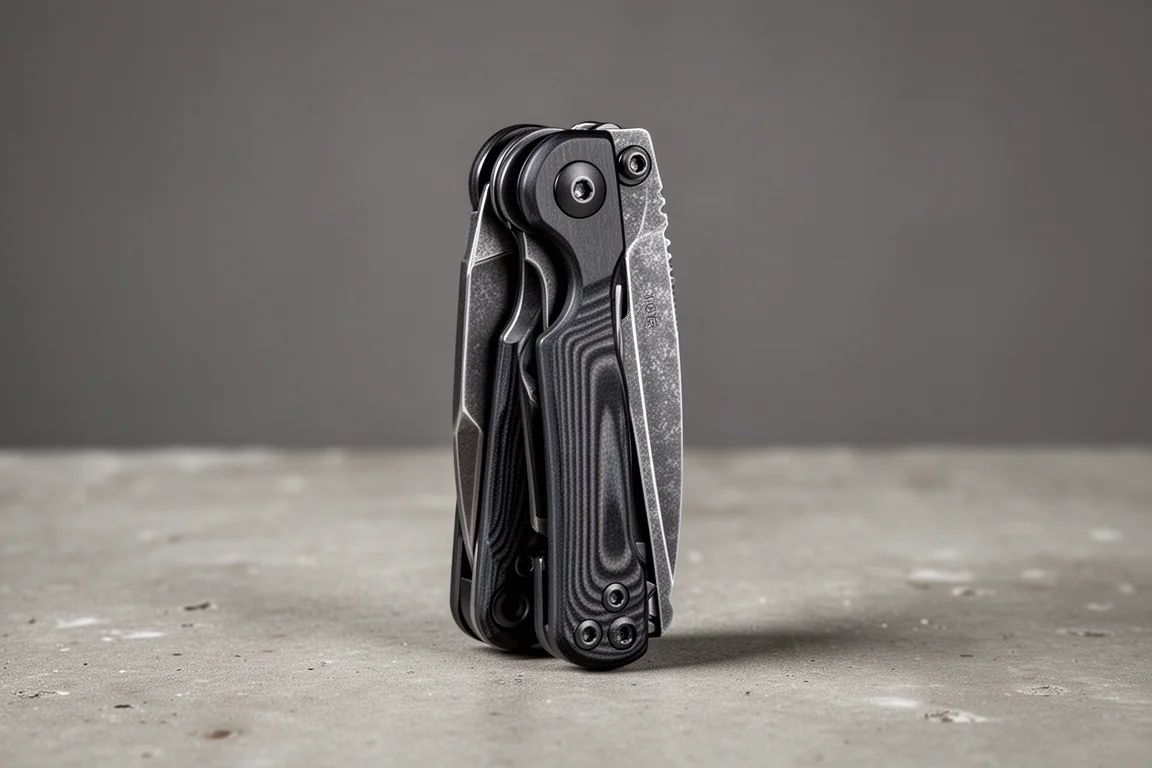
The Alpha’s G10 scales are moulded to a contoured design that looks good and feels better. Of all three tools, the Alpha was the most comfortable in hand, followed by the Wave Plus, then the Arc, whose comfort is compromised by its externally accessible tools. The G10 scales are also more insulating than plain steel and warmer to hold, a genuine benefit in colder conditions.
In size terms, the Alpha is about the same length as the Wave Plus at around 100mm (4 inches), while the Arc runs slightly longer. The Alpha is thicker than the other two by roughly 3mm thanks to the G10 scales, which means it will not fit Leatherman’s medium sheath, so it needs the larger size. In width, the Alpha matches the Arc, while the Wave Plus is a bit wider due to its protruding blade thumb slots.
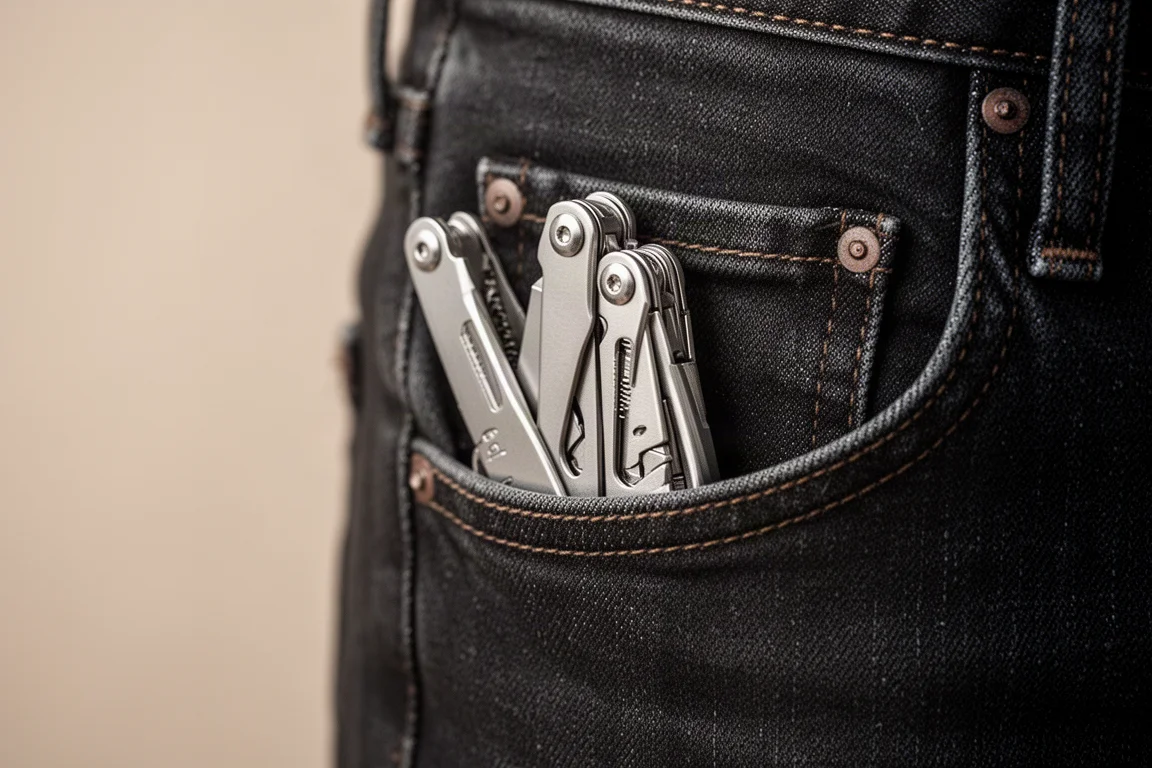
Weights are close: the Alpha is 235g, the Wave Plus 240g and the Arc 245g. For a true like-for-like comparison, add about 5g for a pocket clip on the Wave Plus and Alpha, which puts all three at essentially the same weight, give or take 5g.
Tool Access and Locking Architecture
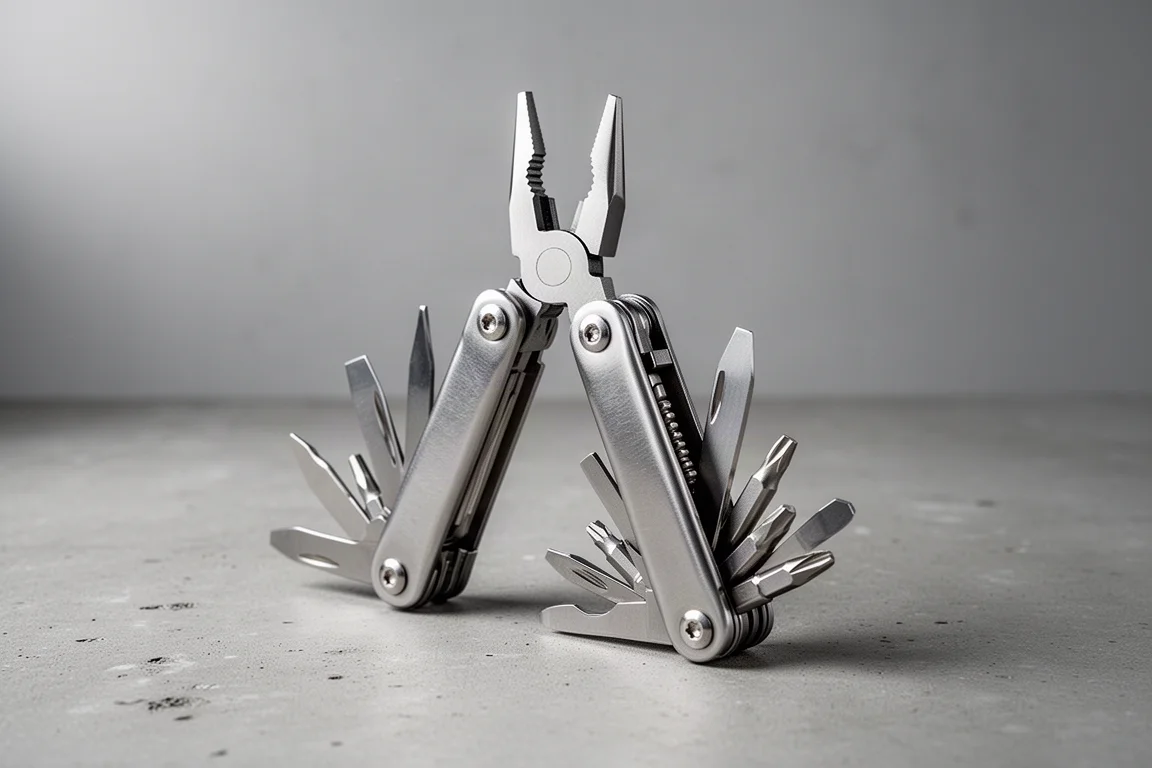
The Wave Alpha’s architecture mirrors the Wave Plus: four main tools are externally accessible and the rest sit inside the handles, requiring the handles to be opened first. Both share proven locking mechanisms, with liner locks on the main tools and a push lock for the internal tools.
The Arc uses an entirely different approach. Its magnetic architecture, known as Free series technology, uses magnetic tool closure so friction is no longer needed to hold everything in place, and unless you consistently work with metal filings, it works brilliantly. With the exception of the pliers, every tool on the Arc is externally accessible. Where the Wave Plus and Alpha rely on nail nicks to reach individual tools, the Arc lets you fan out the tools with the press of a thumb and select the one you need, even with gloves on. The Arc also has a single, very effective locking mechanism across all tools, and uniquely, everything can be accessed one-handed.
On the external tools front, all four of the Alpha’s externally accessible tools can be opened one-handed, as can all of the Arc’s. The Wave Plus manages just two single-handed external tools; the other two need a fingernail.
The Main Blade: MagnaCut vs 420HC
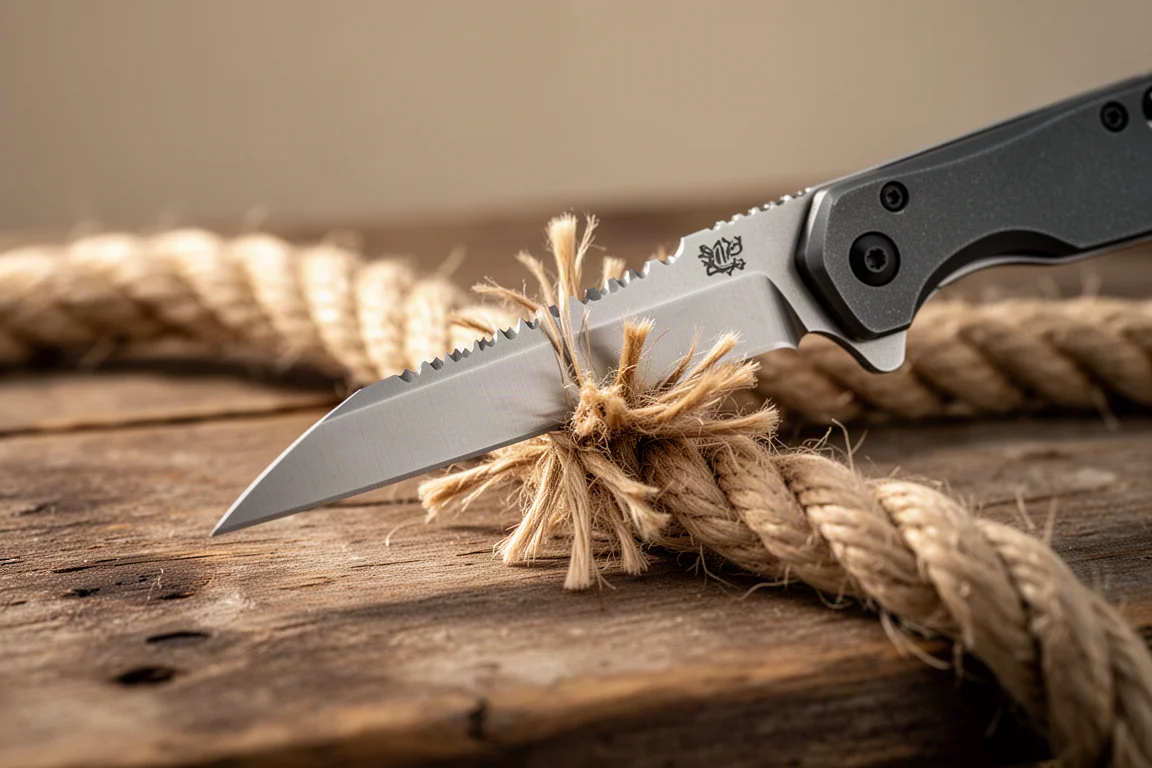
The Alpha’s headline feature is a CPM MagnaCut main blade with a black DLC coating. MagnaCut combines superb edge retention, toughness and corrosion resistance yet can still be sharpened relatively easily, which makes it unique among knife steels and also very expensive. It is normally reserved for high-end knives, and it goes a long way toward explaining the Alpha’s price. The Arc also carries a MagnaCut blade, having been the first multi-tool to feature one. The Wave Plus uses a much more basic 420 high-carbon stainless steel that needs regular sharpening, though with this steel, sharpening is easy.
Blade lengths tell an interesting story. The Alpha’s cutting edge appears about the same as the Wave Plus’s, but factoring in the thumb stud reduces the usable edge on the Alpha, giving the Wave Plus the advantage in practical blade length. Against the Arc, the Alpha’s cutting edge is longer whether or not you count the thumb stud. Side by side, the more you pay in this line-up, the less blade you actually get.
Saws, Files, Scissors and the Serrated Blade
The pull-cut saws on the Wave Plus and Alpha are identical, while the Arc’s saw is slightly shorter. All three carry a file with a diamond face on one side and a cross-cut on the other; the Arc’s cross-cut file is the most aggressive, followed by the Alpha’s and then the Wave Plus’s, and the Arc’s file is also noticeably longer.
Scissors are a genuine highlight of the Alpha. They sit externally and are much larger than the Arc’s externally accessible scissors, with increased leverage that makes tougher cutting easier and a longer cutting edge for quicker work. The Wave Plus scissors are internal and much smaller, though they still work well. Crucially, the Wave Plus is also the only tool here with a serrated blade, which excels at cutting fibrous materials like rope. If you want serrations, it is the only option in this trio.
Pliers and the Internal Tool Set
The Alpha’s plier head is the same as the Wave Plus’s: a practical needle-nose design with replaceable hard-wire cutters that work really well. The Arc’s pliers are much more substantial, a notable achievement given the tools are so similar in size, though they do not open quite as wide.
Running through the internal tools, the Alpha’s can opener matches the Wave Plus’s, a design that also opens bottles, doubles as a package opener and includes a wire stripper. The Arc uses a push-forward type more common on Swiss Army knives but without their screwdriver end, and it is simply not as useful, a strange departure. The desirable flat bit driver with a double-ended bit appears on all three, as does a large flathead screwdriver/scraper/pry bar, though the Arc’s adds a bottle opener and is a bit more substantial. The double-ended eyeglass screwdriver is present across the range too.
The Alpha carries an awl/reamer with a sharpened, angled edge, a more piercing point and a sewing eye, and it is longer than the Arc’s straight-edged, scraper-oriented version. It is a great tool to have, and one the Wave Plus unfortunately lacks, the space being taken by its smaller scissors. On lanyards, the Alpha has a fold-out attachment, the Wave Plus a hidden built-in loop, and the Arc a lanyard hole in the pocket clip. Two final misses for the Alpha: it drops the ruler markings familiar from the Wave Plus (the Arc has none either), and neither the Alpha nor the Wave Plus gets the Arc’s useful hammer end.
Head-to-Head: Alpha vs Arc
On individual tools, the Arc wins on pliers, file and adds the hammer; the Alpha wins on main blade, scissors, in-hand comfort, can opener and awl. On tools alone, the Alpha would take it. But the real difference, and the Alpha’s Achilles heel, is handling. The Arc’s Free series technology combined with fully external tool access and its super-smooth single locking system make it quicker, easier and smoother to use, and everything is accessible one-handed. Anyone who has worked one-handed while hanging onto a ladder with the other will appreciate exactly how valuable that is. That difference in handling justifies the relatively small extra cost, and the Arc wins.
Which One Should You Buy?
If money is tight, buy the Wave Plus. It is unquestionably the best value here, it is Leatherman’s bestseller for good reason, and you keep the serrated blade and ruler markings. It remains a brilliant all-rounder at its price.
If you can spend more, the Alpha upgrade gets you the best main blade of the three, the best scissors, the best awl and the most comfortable grip, and it looks great too. But here lies the Alpha’s pricing problem: for only about $50 (or £30) more you could buy the Arc instead, and factoring in the new pocket clip for a fair comparison narrows that to roughly $35 or £15. If you can afford the Alpha, you can afford the Arc, and the Arc’s handling superiority makes it the better pick. Arguably the Alpha’s ideal price sits nearer the halfway point between the Wave Plus and the Arc, around $185 to $195, which would give it a clear mid-market position as the perfect Wave Plus upgrade.
Conclusion
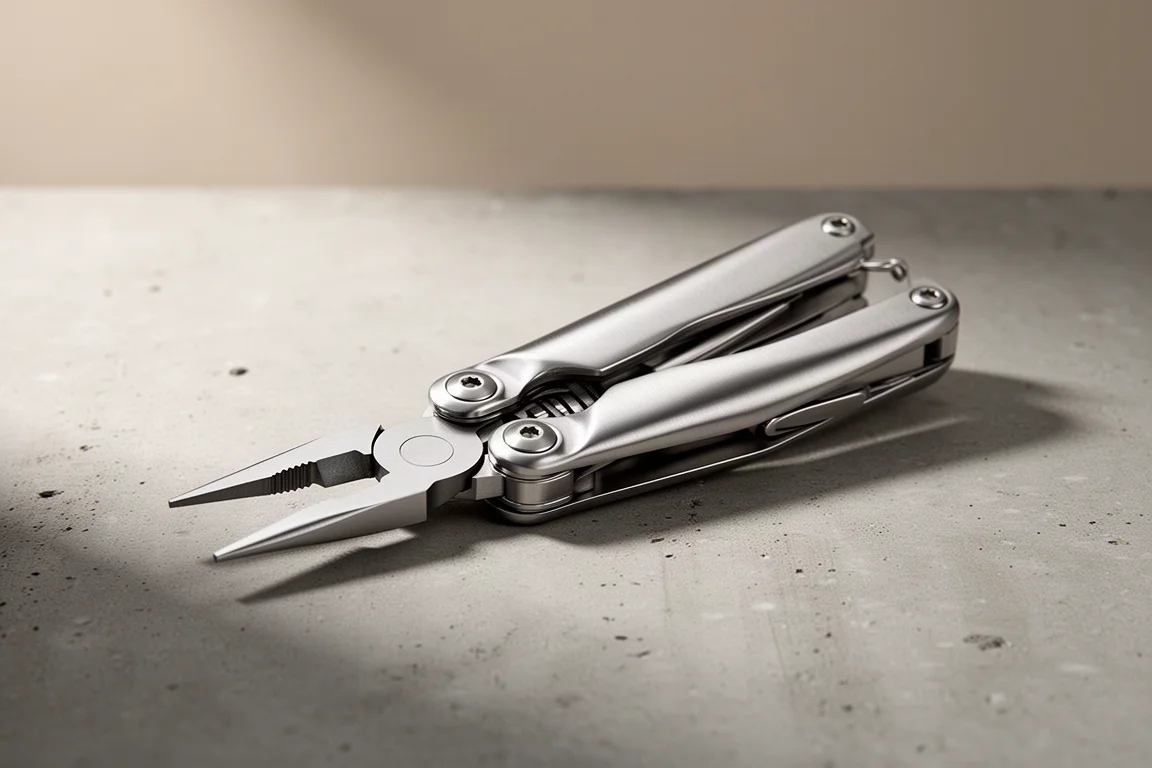
The Wave Alpha is genuinely excellent: MagnaCut steel, superb scissors and the best comfort of the trio. But priced this close to the Arc, it is outgunned by better handling and a fuller tool set. Buy the Wave Plus if value comes first, the Arc if you can stretch, and the Alpha only if its specific strengths, the blade, the scissors and the grip, matter most to you.
Further reading
Related Reviews
Multi-Tools
Leatherman Wave Plus Review: A Pliers-First Multitool for Bike Trips
Why a pliers-first multitool earns permanent space in a touring kit, and what to weigh before paying for the Leatherman Wave Plus.
Multi-Tools
Best Budget Multi-Tools Under $50: Four Picks Worth Considering
A compact SOG original and three value-focused clones, with honest notes on which ones deliver real value and where to draw the price line.
Multi-Tools
Best Multitools for Hard Wire Cutting: Which Pliers Actually Survive the Test
We put a lineup of classic and modern multitools up against a simple challenge: cutting coat hanger wire cleanly without damaging the cutters.