Multi-Tools
Leatherman Signal Review: A Solid Multi-Tool With Gimmicky Extras
The Leatherman Signal pairs strong core pliers and a thick knife with survival extras that demand real skill. Here is what works, what does not, and who it actually suits.
Introduction
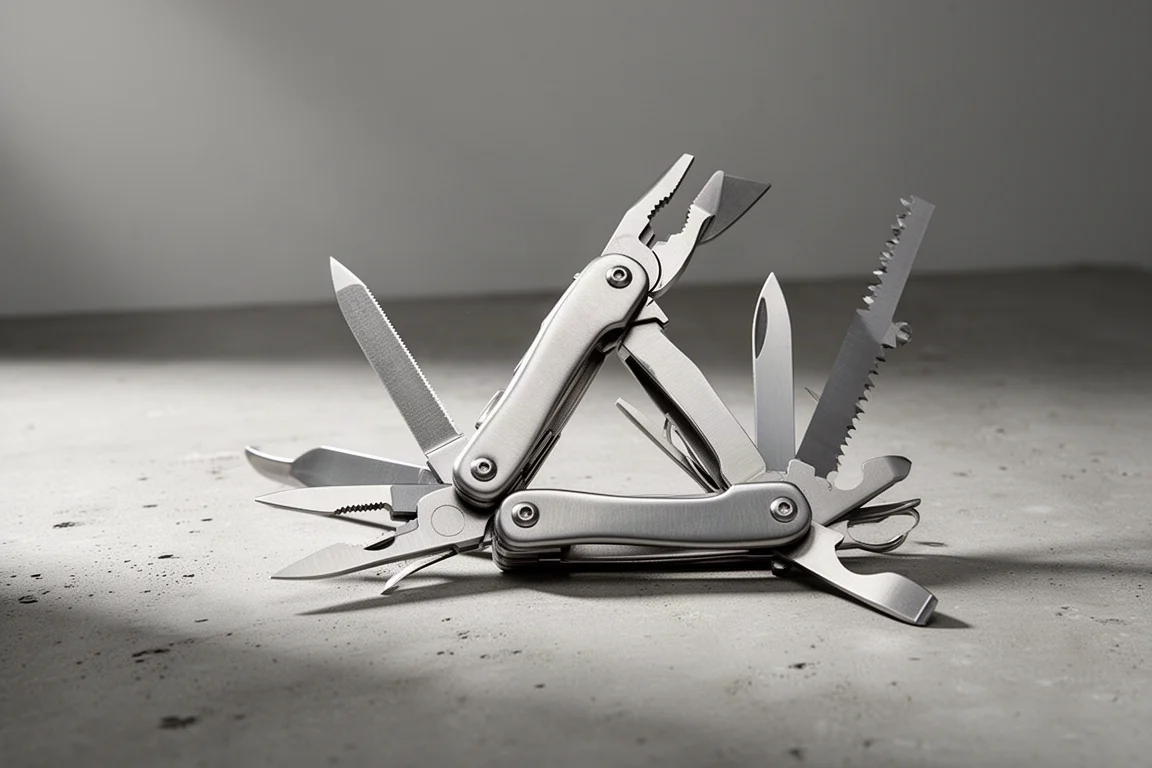
The Leatherman Signal has been around for a few years, and it tends to split opinion. At first glance it looks like a gimmick: a fire starter, a knife sharpener, a small hammer, and a carabiner, wrapped around a set of standard Leatherman tools. The marketing leans hard into the outdoor survival angle, and that framing is exactly where the Signal deserves scrutiny.
This review takes a practical look at what the Signal actually does well, what its headline features really deliver, and whether the premium over similar Leatherman tools makes sense.
Who This Product Is For
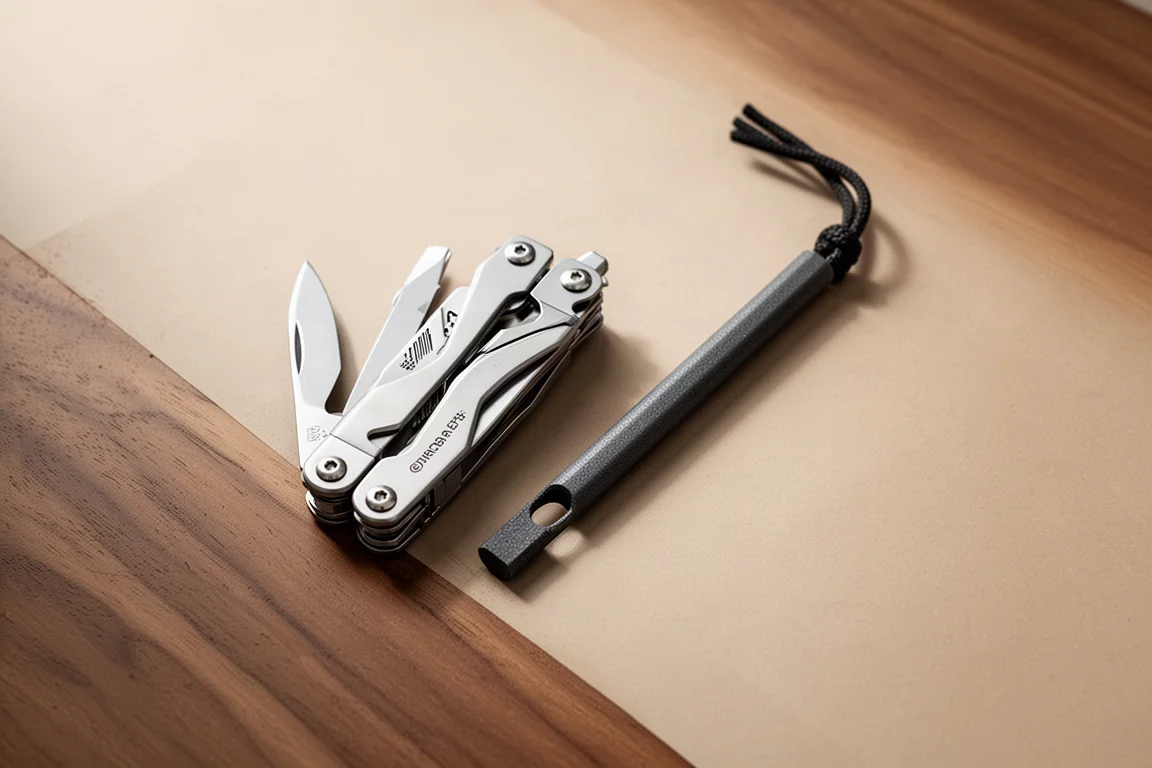
The Signal is clearly aimed at outdoor and survival-minded users, with color options and heavy promotion through outdoor retailers reinforcing that positioning. As an everyday carry multi-tool it is a reasonable package: solid pliers with replaceable jaws, a bit driver, a saw, a can opener, and a couple of nut drivers.
The catch is that its two signature features, the fire starter and the diamond sharpener, both require real skill to use without causing problems. If you buy the Signal expecting those features to be life-saving tools out of the box, the experience may disappoint.
The Fire Starter Reality
The integrated ferro rod is small, genuinely emergency-sized, and ferro rods in general take practice to use well, even good large ones. The Signal makes the problem worse because you get very few attempts on the tiny rod, no easy way to practice with it, and no simple way to replace it once it is used up.
There is also a common misconception about what to strike it with. People often recommend using the back of the saw, which is rounded and has no sharp edge to scrape the rod effectively. When nothing happens, users push harder, and the tiny rod can snap in half, leaving them worse off. The smarter option is the knife blade itself. Yes, it may dull the knife slightly, but in an emergency the priority is getting a fire started, not preserving edge finish.
The Hammer and Tent Stake Question
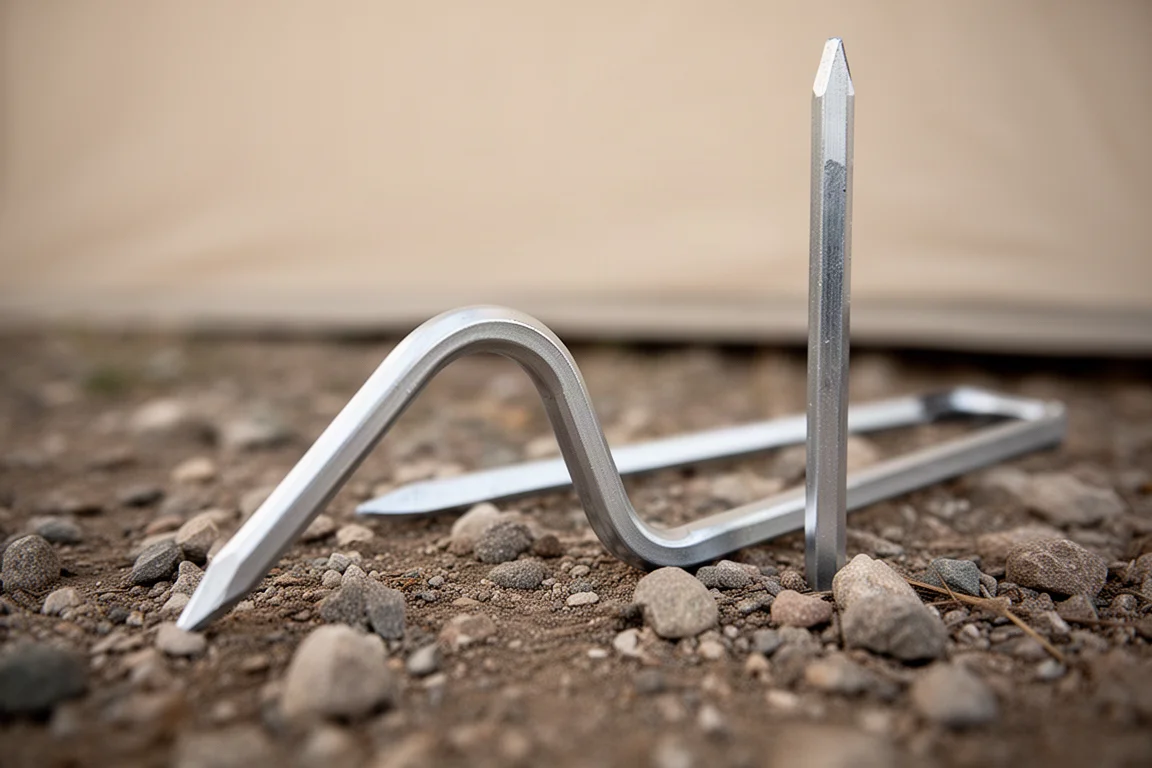
The built-in hammer gets marketed as a tent stake pounder, but in practice it solves a problem that barely exists. Lightweight aluminum stakes are the ones that need hammering, and those stakes tend to bend or pull out anyway. Most experienced campers carry a dedicated stake hammer, use logs, rocks, or sand anchors, or choose better stake designs in the first place.
If you regularly find yourself needing to pound stakes in, the honest answer is that a purpose-built tool does the job far better. As a bonus detail, the awl can be popped out and seated into the hammer head, which is a clever little touch, though the awl itself is not especially sharp and sees little use.
The Knife Sharpener
The diamond-coated sharpener is compact enough that holding the tool steady is awkward and it vibrates while in use. For something like an axe, you might be able to make it work. Used on a knife, the small size and shape mean there is a good chance you remove more material than you improve, potentially making your edge worse rather than better.
It is a neat party trick, and there is some bragging appeal, but a separate proper sharpener carried alongside your gear remains the far better approach.
Pliers, Knife, and Build Quality
The core tool is where the Signal earns its keep. The pliers are solid and well dialed in, and having replaceable jaws is a genuine plus. Overall fit and finish seems fine, though there have been occasional complaints about inconsistent quality.
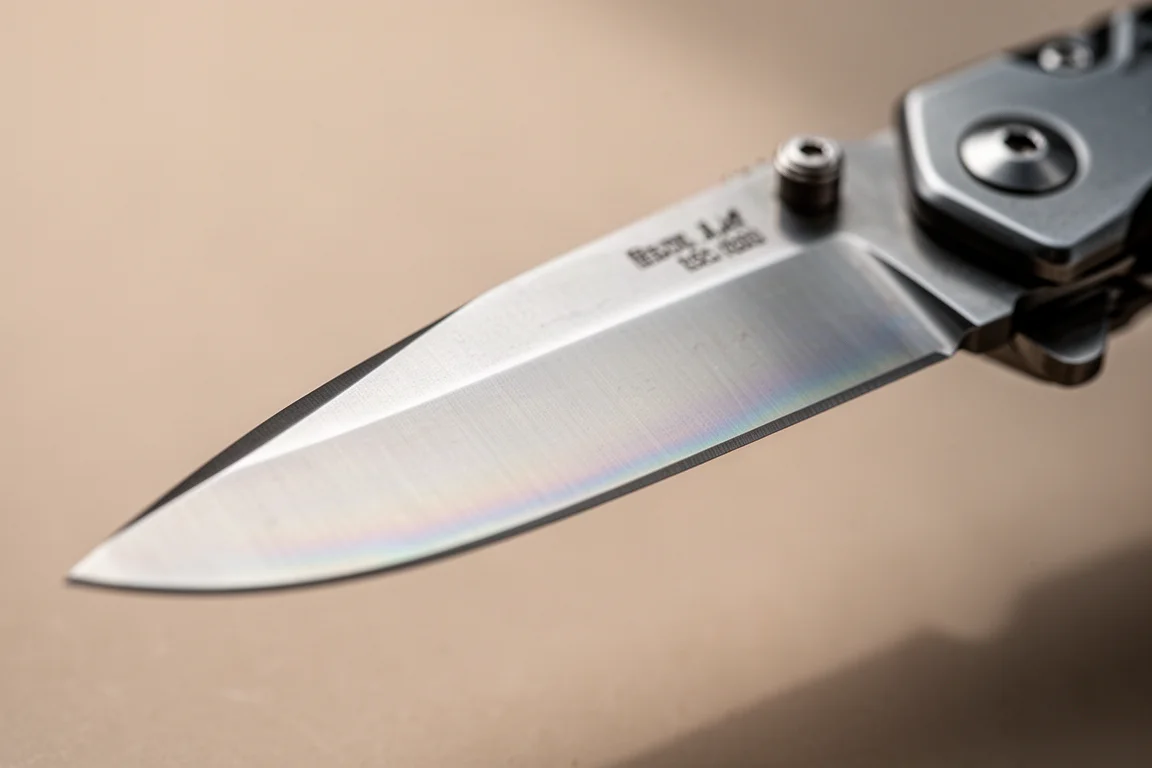
The knife is arguably the best feature on the tool. Compared to the Leatherman Wave, the Signal’s blade is noticeably thicker, which matters in real use. It is 440 stainless steel, sometimes labeled 440 HC for its high carbon content of just over one percent. It is not an exotic steel, but it is stainless, which is sensible for a tool that will get wet. Some blades show an unusual rainbow pattern that resembles heat treatment; it is unexplained but visually interesting.
Two weak points: the saw is quite thin and could use extra girth even at the cost of some weight, and the price runs roughly forty dollars above a Leatherman Wave, which is already an outstanding tool. Much of that premium is driven by the extras at the ends of the tool, and those extras are the weakest part of the package.
Overall Value
The Signal is not as bad as it first appears. The core multi-tool is good and solid, but the features that set it apart are not its strength. If you are buying it for the fire starter, hammer, or sharpener, think long and hard about why. There is a real marketing element here, similar to how the Benchmade Bugout was hyped, dismissed, and hyped again before people understood its actual purpose as a light, handy everyday carry knife.
A fairer way to view the Signal: a good solid multi-tool that happens to carry some questionable extras, priced at the higher end of the range. If you can overlook those parts, the rest of the tool holds up.

Who Should Actually Buy It
The Signal makes sense for someone who wants a capable Leatherman core and enjoys the distinctive design and color options, provided they accept that the survival features are mostly for show. Carry a real sharpener, practice with a proper ferro rod separately, and treat the integrated versions as last-resort backups rather than selling points.
If you genuinely want a hammer on your multi-tool, other options in the Leatherman range do that job better. And if you are purely shopping on value, the Wave remains the safer buy.
Conclusion
The Leatherman Signal is a well-built core multi-tool wrapped in marketing. Its pliers are dependable, its thick 440 stainless knife is a genuine highlight, and the carabiner even got a thoughtful redesign with a locking clip after users reported it falling open. But the fire starter is too small to practice with, the sharpener can do more harm than good, and the hammer addresses a non-problem. It is way better than nothing, and the appeal is real, just not because of the features that set it apart. Buy it for the core tool, not the survival story.
Product link
View more details for Leatherman Signal
This product is mentioned in the review. Check the specifications, options, and compatibility before buying.
View more details for Leatherman SignalFurther reading
Related Reviews
Multi-Tools
Leatherman Wave Plus Review: A Pliers-First Multitool for Bike Trips
Why a pliers-first multitool earns permanent space in a touring kit, and what to weigh before paying for the Leatherman Wave Plus.
Multi-Tools
Best Budget Multi-Tools Under $50: Four Picks Worth Considering
A compact SOG original and three value-focused clones, with honest notes on which ones deliver real value and where to draw the price line.
Multi-Tools
Best Multitools for Hard Wire Cutting: Which Pliers Actually Survive the Test
We put a lineup of classic and modern multitools up against a simple challenge: cutting coat hanger wire cleanly without damaging the cutters.