Multi-Tools
Leatherman Mr. Crunch Review: A Beautiful Tribute That Falls Short as a Tool
The first Leatherman Garage release honors Tim Leatherman's original design, but cast tips, excess pivot play, and a blunt needle nose raise serious durability questions.
Introduction
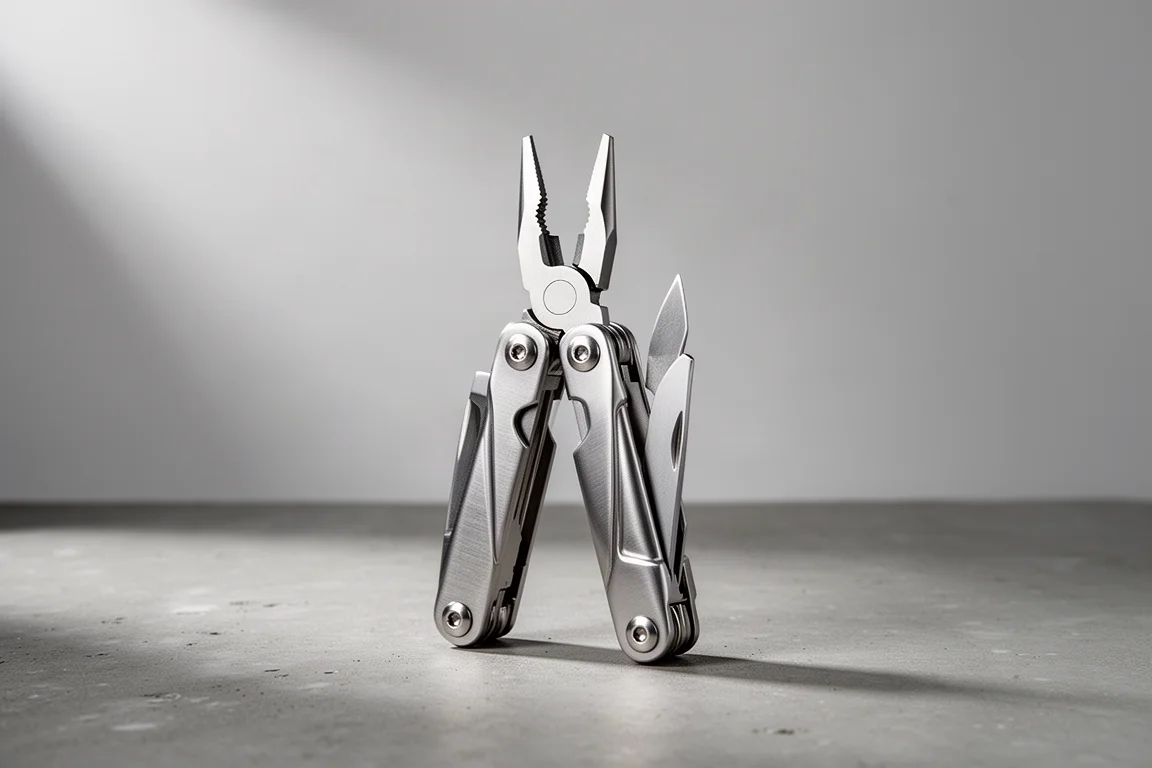
The Mr. Crunch is the first release from the Leatherman Garage, and it has generated more debate than almost any recent multi-tool. The short answer to the question everyone is asking, is it worth it as a practical tool: no. This is a remarkable piece of engineering and an even better tribute, but as something you carry and use hard, it comes with real compromises you should understand before chasing one down.
What the Mr. Crunch Actually Is
The Mr. Crunch multi-tool is a tribute to Tim Leatherman, the man who brought Leatherman to life, and to his original design that never made it to production. Why it never reached production is a complicated story, but the Garage program has now realized his concept using modern manufacturing technology.
As a gesture, it is hard to overstate how fitting this is. Starting the Leatherman Garage the same way Tim Leatherman started the company itself, with his original design, is one of the most meaningful tributes the brand could have made. The execution of the design itself, with plier tips that close diagonally, is genuinely clever and unlike anything else on the market.
The Plier Head Problem
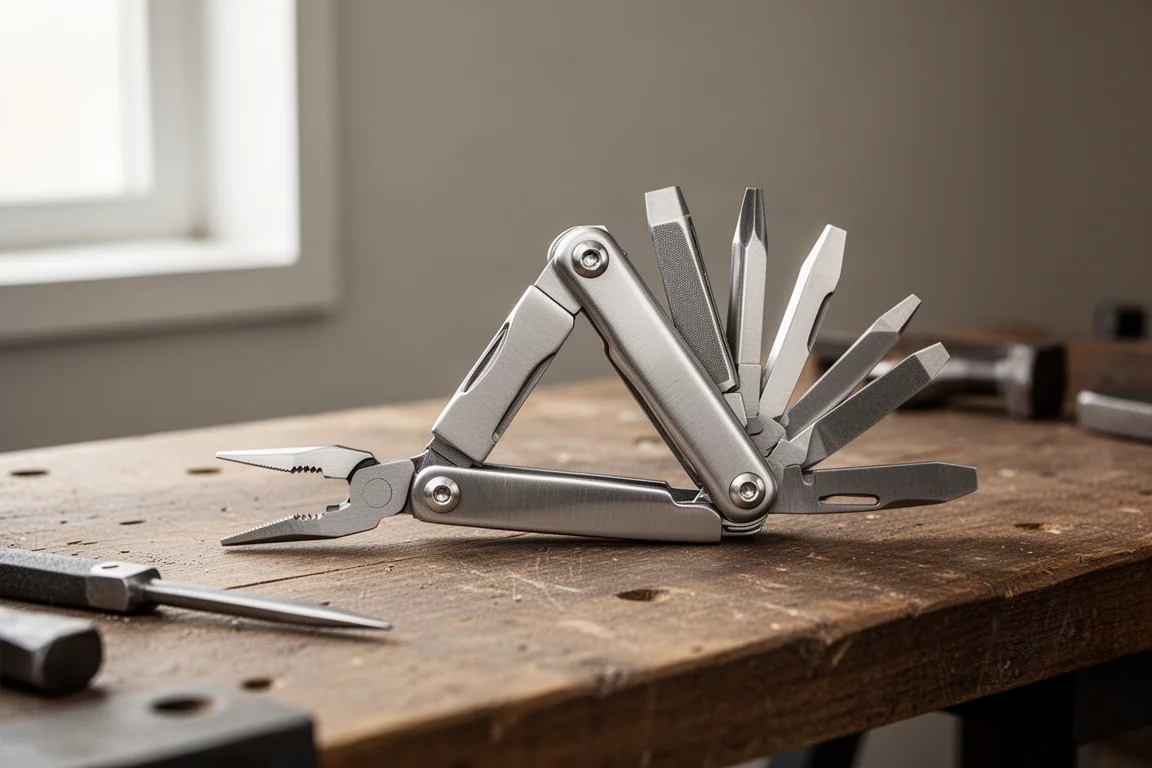
The concerns start with the pivot. Inside the plier head, right near the pivot, sits a rubber gasket. This gasket is what allows the plier to shift relative to the pivot and then lock into the frame. It is a clever mechanism, but it introduces a set of problems of its own, most notably noticeable play in the plier head when it is used under different directions of force. Even users of the standard P4 platform have reported that the pivot does not feel fully secure under heavy use, in part because of that built-in play.
The removable needle nose tips are cast rather than forged, and that shows. The tips are thick and wide, wider in some directions than even the Surge’s plier head, which undermines their usefulness as a needle nose. The original Mr. Crunch design, which was likely intended to be made from forged plates that were painstakingly shaped and heat treated, had far less metal at the tip and could genuinely grip small objects. What shipped is best understood as a representation of that design rather than a full embodiment of it, because forged tips at that level would have been prohibitively expensive to produce and distribute.
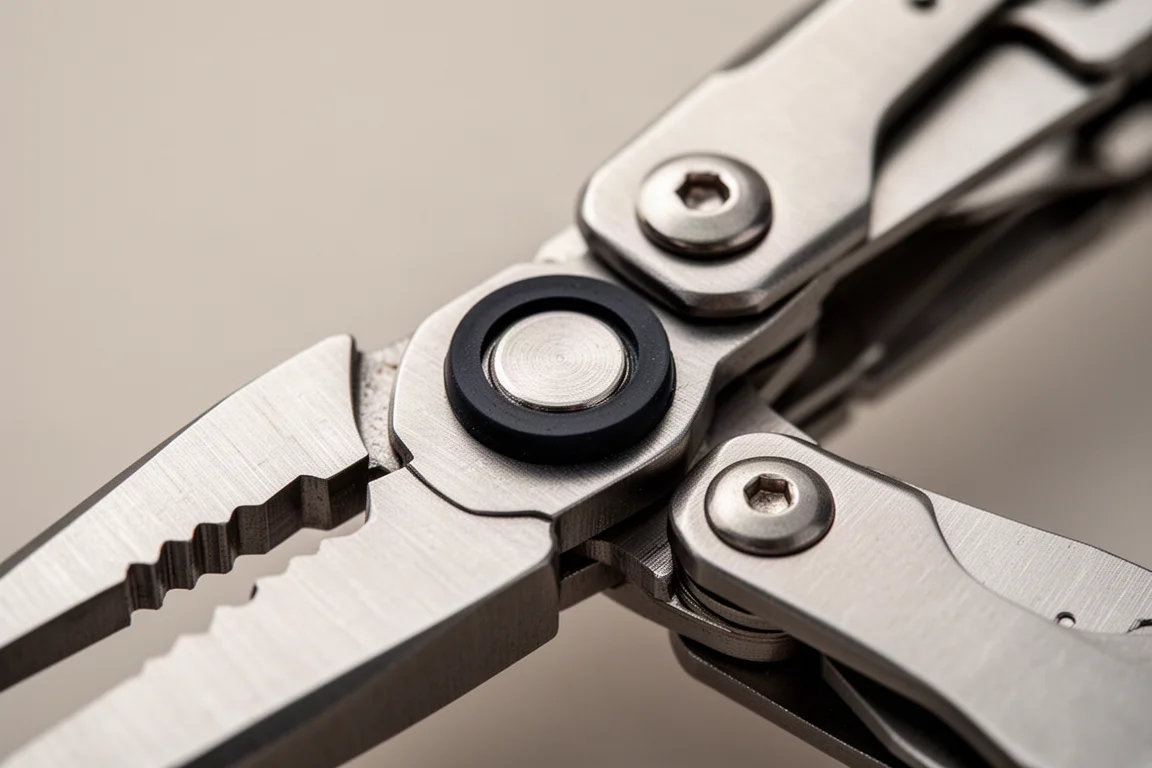
There are also durability concerns in the details. The inner pliers come to a narrow point rather than the longer flat section that many blunt nose pliers use, and that edge is likely to be damaged quickly against a hardened steel nut. Since the tips press up against an internal wall of steel through a flat-on-flat contact area, any damage to the tip affects the entire mechanism. Over time, that contact area becomes a likely weak point, and the more pressure applied, the more likely it is to crack.
How It Compares to Leatherman’s Other Pliers
Context matters here. Leatherman’s plier heads have evolved over the years. The original Wave’s plier head stayed incredibly narrow so it could still reach into small spaces. Later, replaceable cutters required more steel around the head to maintain strength, which is why something like the Surge carries so much more material in that area. More recently, the triangular P4 plier head was introduced as the strongest plier the company had made, with a lot of metal built around the pivot, at the cost of being less effective as a true needle nose.
The Mr. Crunch sits awkwardly in that lineage. It is a weaker plier head than most of what Leatherman has produced. It will certainly be weaker than the P4 and the Surge, and there are real doubts that it even holds up against the more standard Rebar plier head. It does not open particularly far for tasks a tool like the Plier Wrench would handle, and using it at the tip for anything serious feels risky.
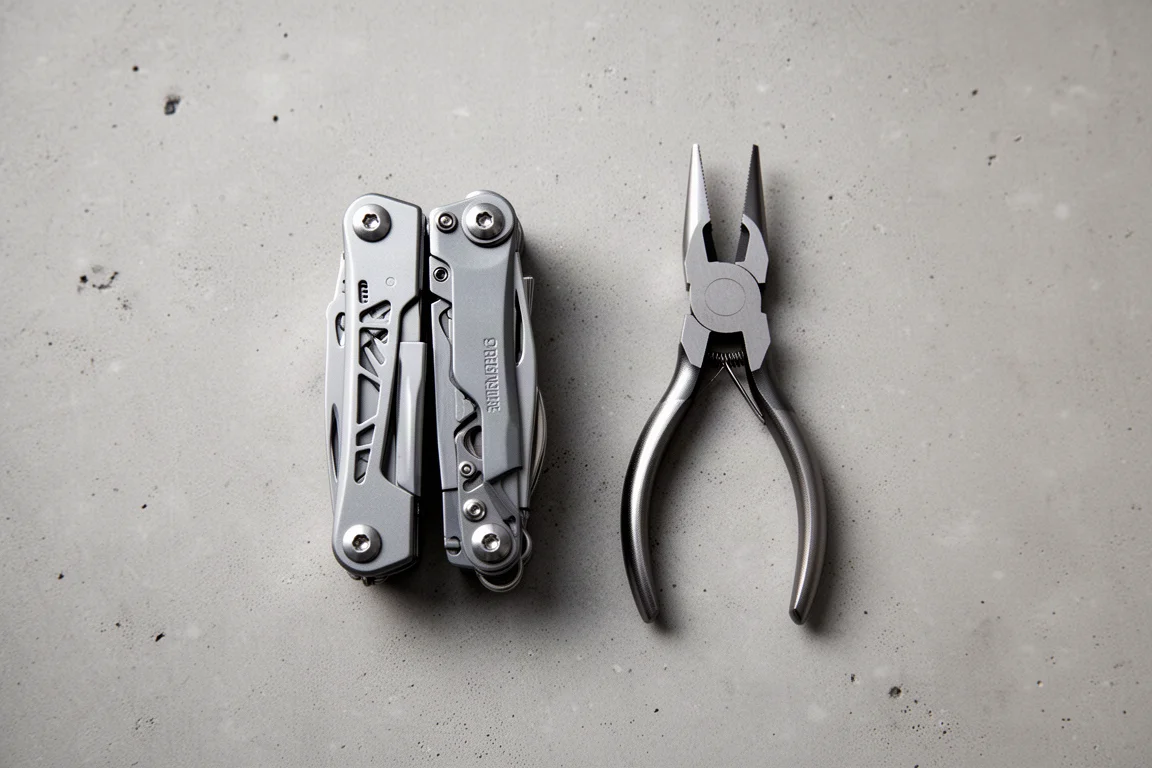
It is worth being fair: a multi-tool is not a pair of dedicated pliers, and no folding tool should be expected to survive the same abuse. But even within that realistic expectation, the combination of a cast tip, a thin metal wall, and inherent pivot play makes this one of the least confidence-inspiring plier heads Leatherman has put out. Without that play, the pliers cannot slide cleanly into the tip, so it simply comes with the design.
Should You Buy It?
If you are a collector, this is a fascinating piece to own. If you missed the drop, which sold out in half an hour, there is genuinely no need to sweat it. As a practical, everyday tool, the Mr. Crunch offers no clear advantage over carrying a standard multi-tool alongside something like a Plier Wrench, and its durability profile suggests it would not survive hard use for long.
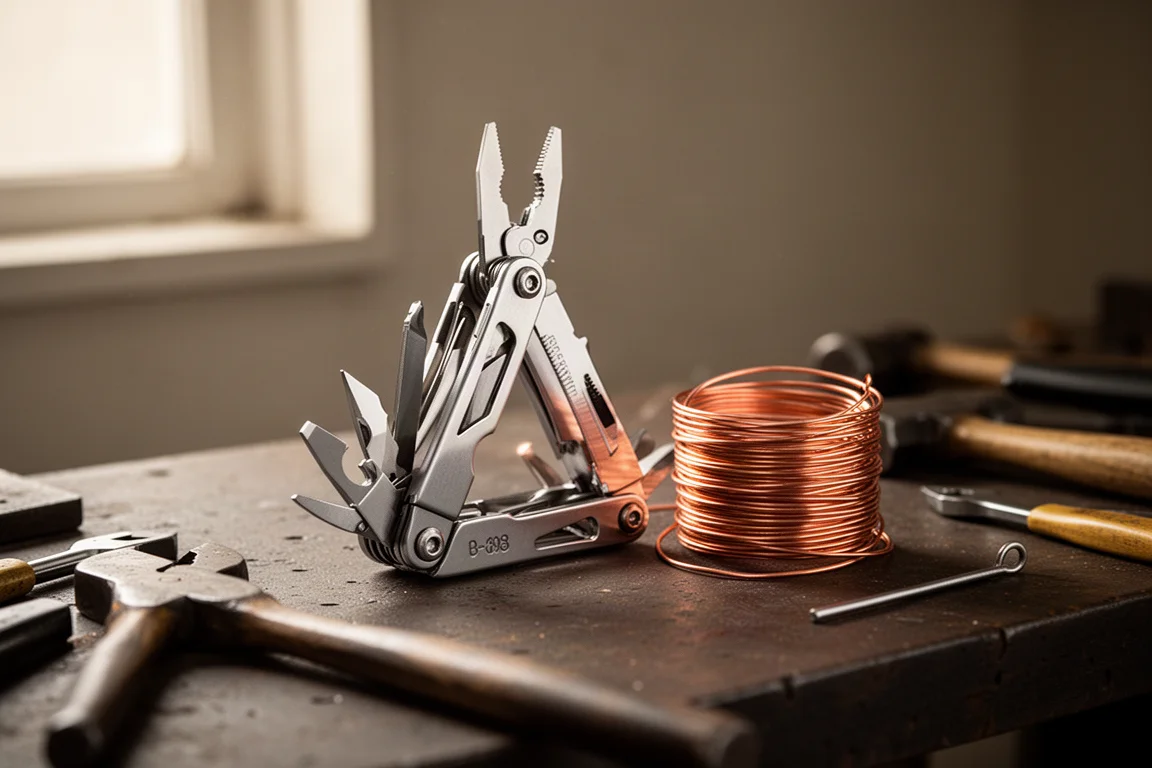
The hope here is that Leatherman does not bring this design to wider production, and if it does, buyers should think carefully. An incredible piece of engineering with cast tips is still an impractical tool that is likely to break quickly.
Conclusion
The Mr. Crunch succeeds as a homage and fails as a workhorse. It celebrates Tim Leatherman’s genius with a faithful modern realization of his first design, complete with the charming diagonal-closing pliers. But with cast tips, visible pivot play, and a blunt, thick needle nose, it is weaker than the tools Leatherman already makes and offers no practical advantage that justifies carrying it. Unless you are collecting a piece of the brand’s history, you are not missing out on anything.
Product link
View more details for Leatherman Mr. Crunch
This product is mentioned in the review. Check the specifications, options, and compatibility before buying.
View more details for Leatherman Mr. CrunchFurther reading
Related Reviews
Multi-Tools
Leatherman Wave Plus Review: A Pliers-First Multitool for Bike Trips
Why a pliers-first multitool earns permanent space in a touring kit, and what to weigh before paying for the Leatherman Wave Plus.
Multi-Tools
Best Budget Multi-Tools Under $50: Four Picks Worth Considering
A compact SOG original and three value-focused clones, with honest notes on which ones deliver real value and where to draw the price line.
Multi-Tools
Best Multitools for Hard Wire Cutting: Which Pliers Actually Survive the Test
We put a lineup of classic and modern multitools up against a simple challenge: cutting coat hanger wire cleanly without damaging the cutters.