Hi-Fi Components
Leak Stereo 230, Stereo 130 and CDT: Vintage Hi-Fi With Modern Features
A practical look at the Leak Stereo 230 and Stereo 130 integrated amplifiers and the CDT CD transport, covering power, DACs, connections and who each one suits.
Introduction
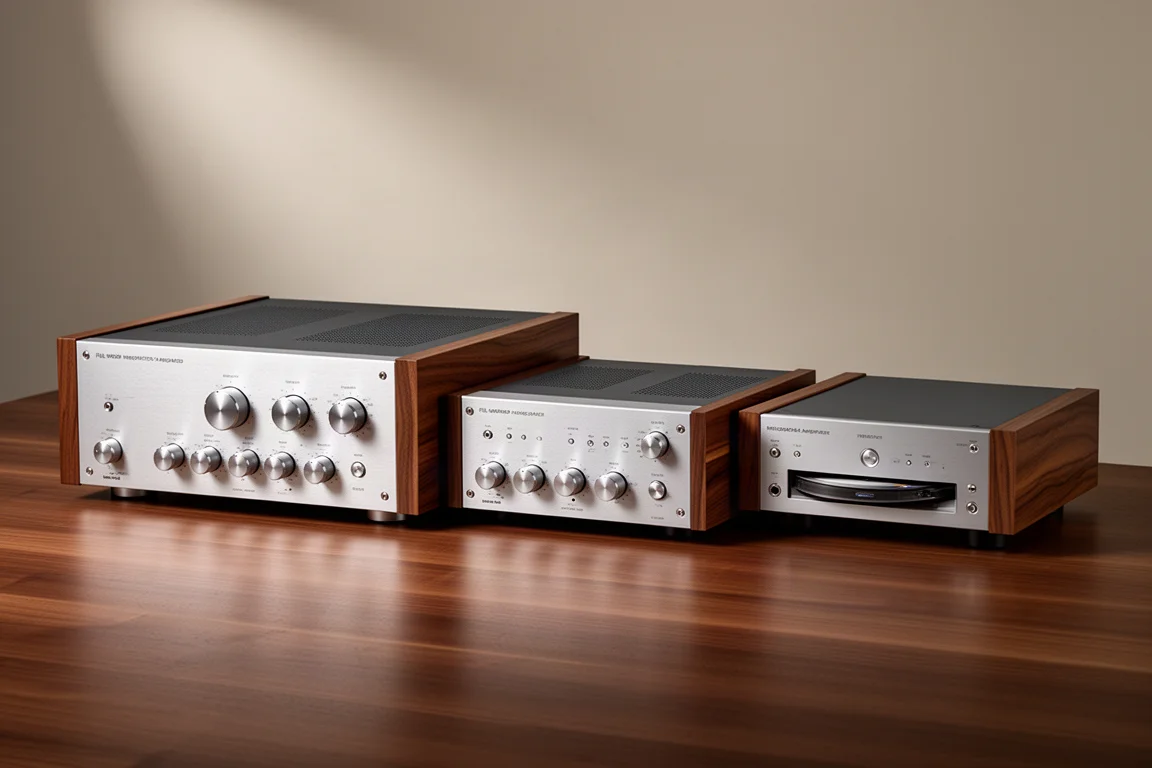
Leak is one of the older names in British hi-fi, founded in London in 1934 by Harold Joseph Leak, and the brand was brought back in 2020 with a clear idea: keep the warm wood-and-metal look people associate with classic audio gear and pair it with electronics that work with today’s sources. Three components carry that idea forward: the Stereo 230 and Stereo 130 integrated amplifiers and the CDT CD transport.
Each one is a new component rather than a restored classic, which matters more than it might sound. Here is what each piece does well and how to decide between them.
The Vintage Look, Built for Modern Systems
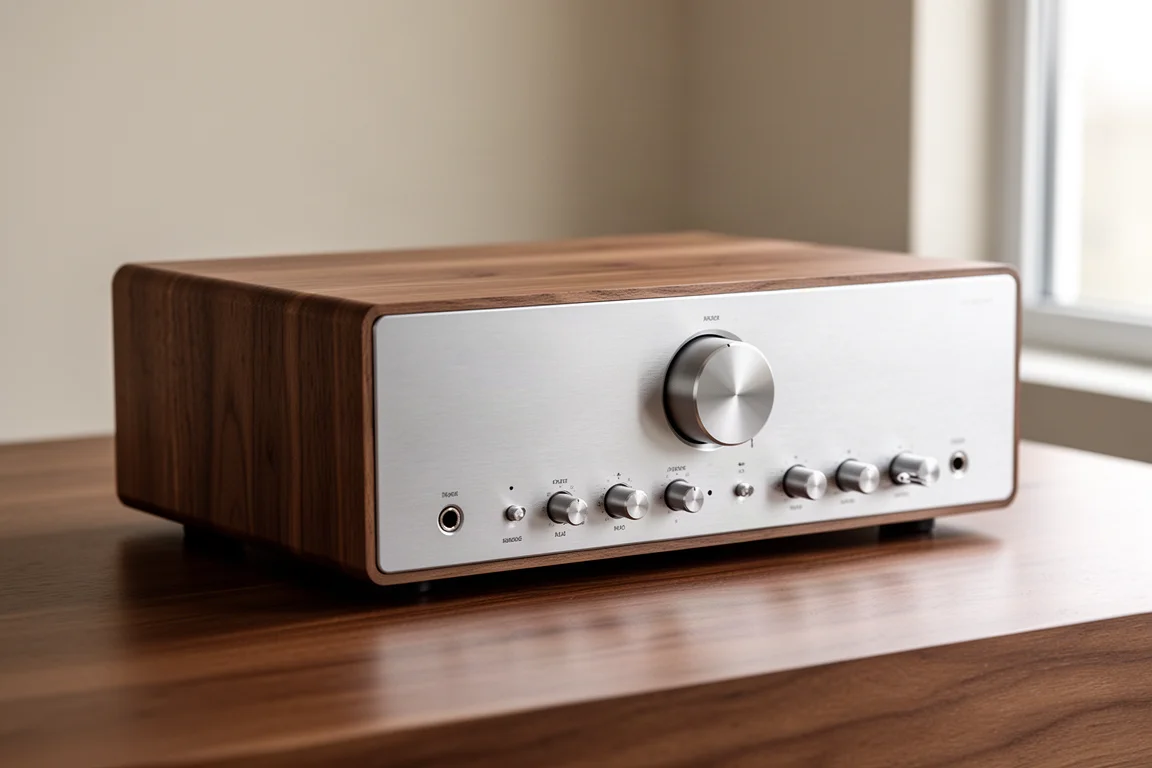
The Stereo 230 comes in a walnut-wrapped case that sets the tone for the range. The Stereo 130 and the CDT are offered in the same walnut finish or in an all-metal version, and the knobs change to match whichever finish you choose, so a complete system can lean late 1960s or early 1980s depending on your taste. Fit, finish and technology stay consistent across both finishes.
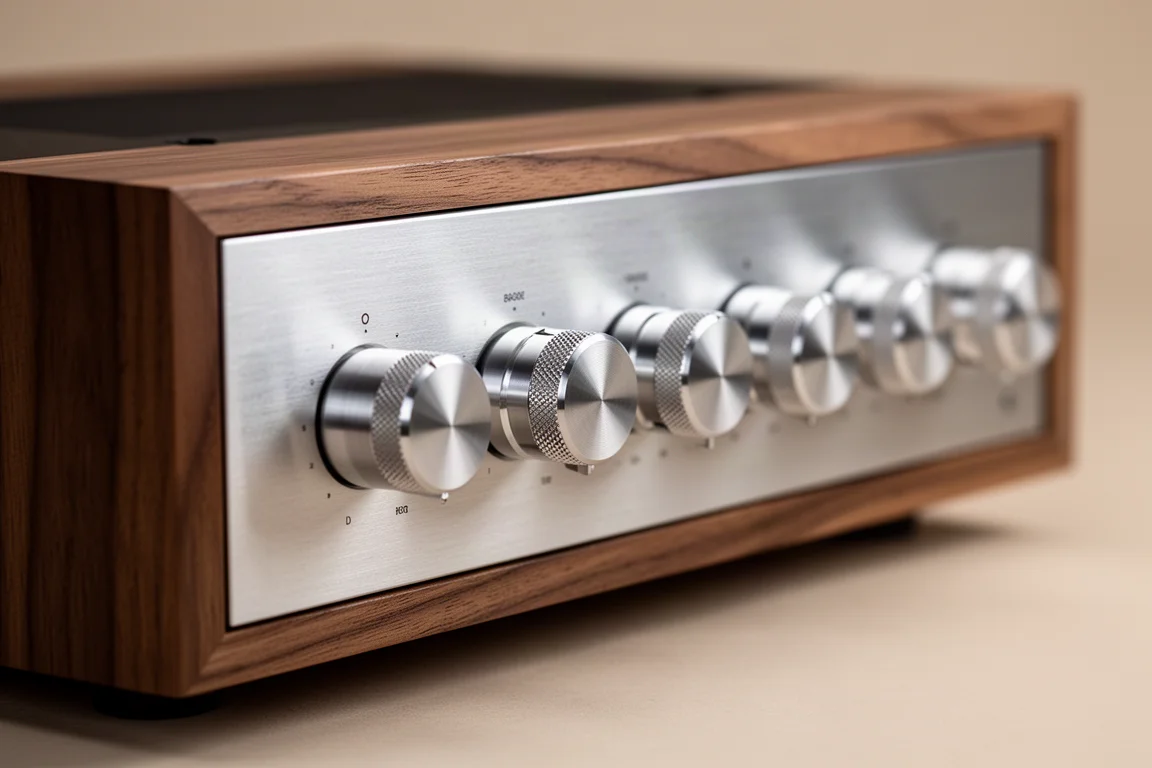
The front panel keeps the layout simple: a solid-feeling volume control, an input selector, bass and treble knobs, a balance control and a direct button that bypasses the tone controls entirely. Everything is clearly laid out and quick to learn.
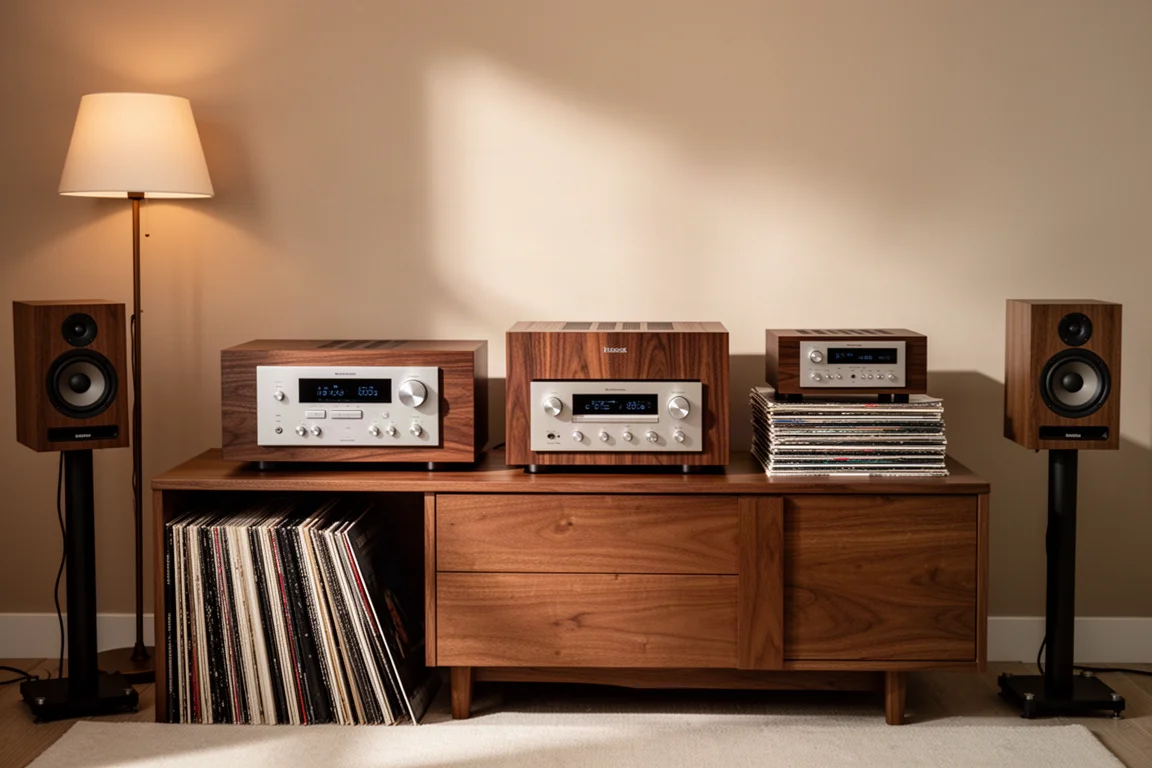
The appeal of a component like this is that it gives you the look of vintage gear without the upkeep that used models usually need. Older amplifiers often require capacitor replacements, and even then you are working with electronics that are decades old. These are new components covered by a three-year warranty.
Leak Stereo 230: More Power and HDMI ARC
The Stereo 230 is the more powerful of the two amplifiers. Its class AB output stage delivers 75 watts per channel into 8 ohms and 115 watts into 4 ohms, with distortion quoted at 0.003%. That output makes it a good match for larger stand-mount or floor-standing speakers.
The digital section uses an ESS Sabre ES9038 Q2M DAC chip, part of the 32-bit Sabre family. It supports PCM from 44.1 kHz to 192 kHz over coaxial or optical, up to 384 kHz over USB, and DSD 64, 128 and 256, with the Stereo 230 extending further to PCM 768 kHz and DSD 512.
The feature that separates it most clearly from the Stereo 130 is HDMI ARC. If you run a two-channel system with a television, that connection lets you send TV audio straight to the amplifier for noticeably better clarity and focus than the TV’s own speakers. Where a television does not support HDMI ARC, an optical connection still works.
Leak Stereo 130: The Compact Integrated Amplifier
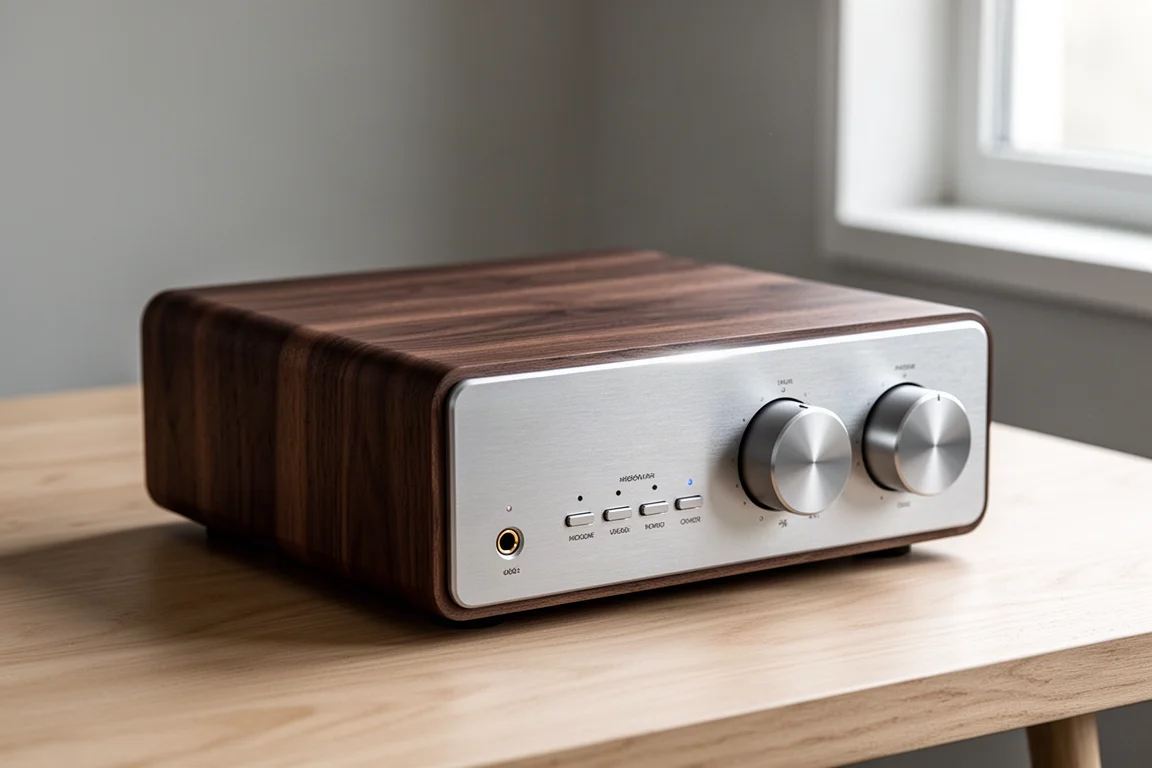
The Stereo 130 shares the same neutral character and the same class AB design, but with a more modest output: 45 watts per channel into 8 ohms and 65 watts into 4 ohms. That is still plenty for most speakers rated at 88 dB sensitivity or higher, which covers a large share of what people actually own.
Its DAC is the ESS ES9018 K2M, also part of the 32-bit Sabre family. PCM support runs from 44.1 kHz to 192 kHz over coaxial and optical, up to 384 kHz over USB, and DSD 64, 128 and 256. There is no HDMI ARC here, so television audio would come in over optical instead.
For listeners who mostly play music, do not need HDMI switching and use reasonably efficient speakers, the Stereo 130 keeps the same look and the same core technology in a simpler package. The saved budget can go toward the CDT or a better pair of speakers.
Leak CDT: A Dedicated CD Transport
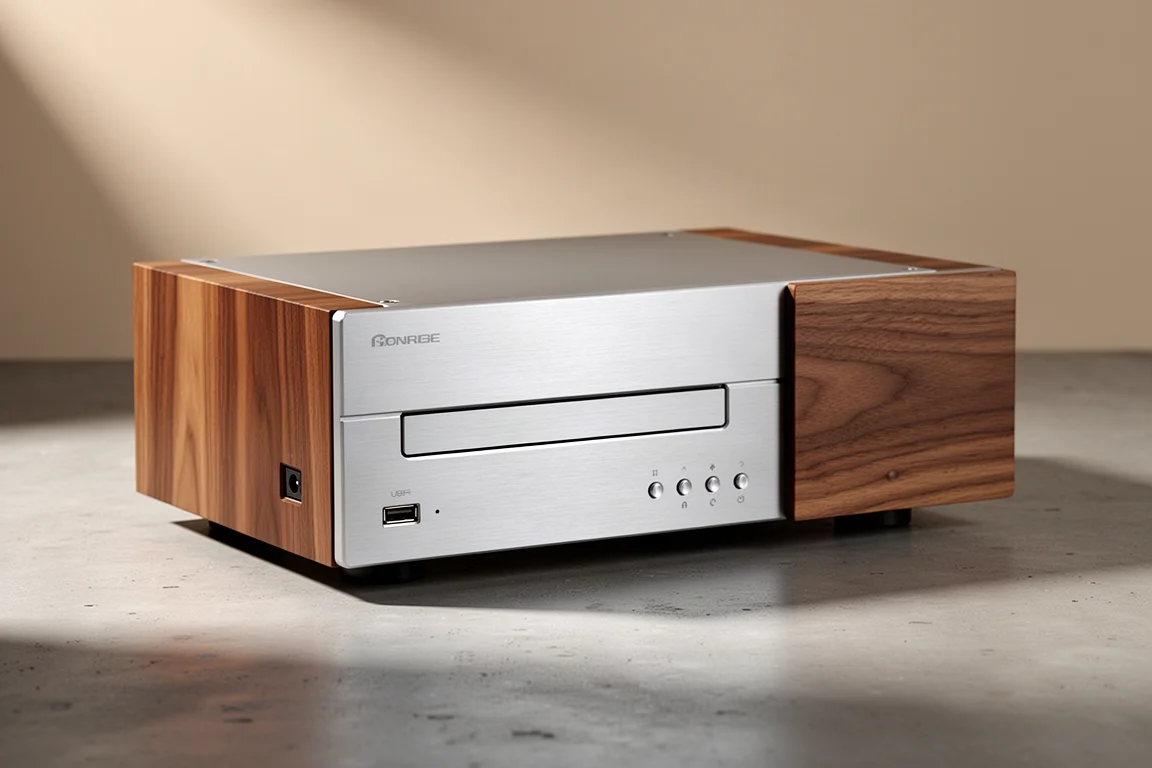
The CDT is a transport rather than a player, which means it has no DAC inside. It connects to the Stereo 130 or the Stereo 230 over a coaxial or optical cable and uses the DAC already built into the amplifier. Since both amplifiers carry high-end Sabre chips, that arrangement makes sense.
Build quality is the point here. The CDT uses an electromagnetically shielded enclosure, a dedicated power supply and a temperature-compensated crystal oscillator, which together aim at clean power delivery and precise timing for digital playback. Compared with most all-in-one CD players, a dedicated transport of this type provides better electrical isolation and signal integrity.
There is also a USB input on the front panel for playing WAV, MP3, AAC and WMA files from a flash drive or portable hard drive. FLAC is not supported, which is the one obvious gap. Like the amplifiers, the CDT comes in walnut or metal, so the finish can stay consistent across the whole system.
Connections, Digital Inputs and Everyday Usability
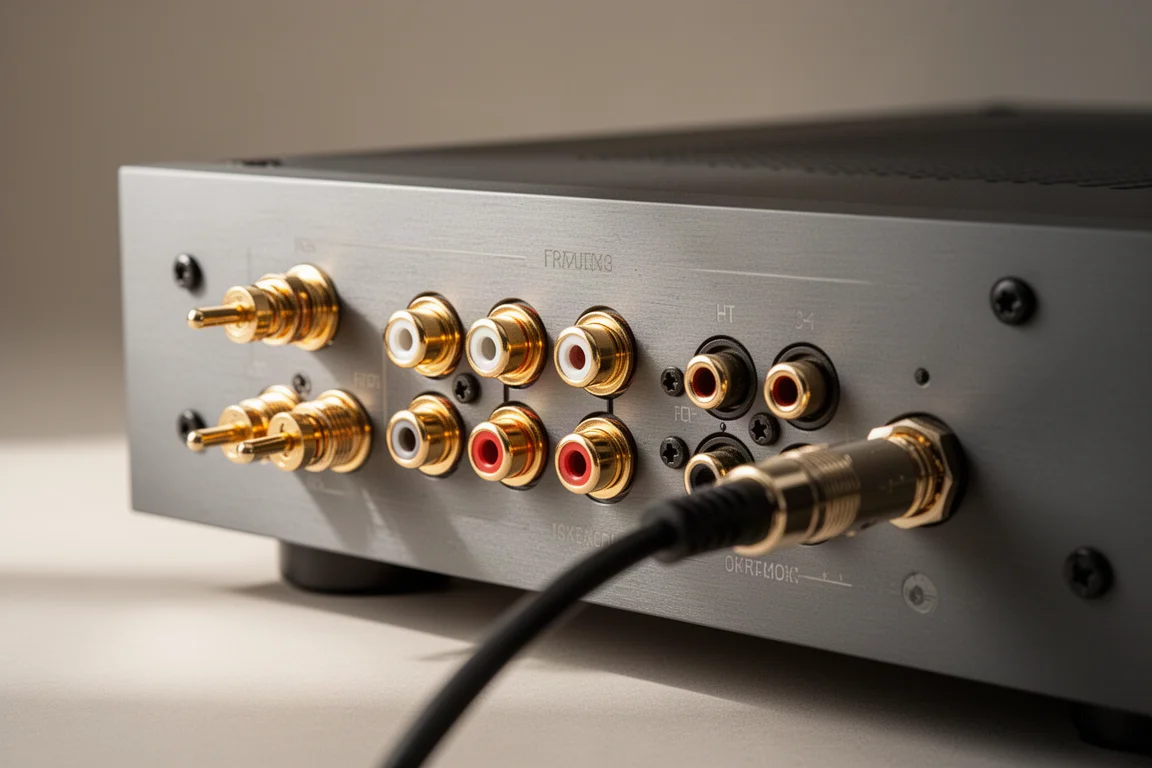
Around the back, the two amplifiers are neatly laid out and clearly labelled. Both include a moving magnet phono input with an internal JFET phono stage, two auxiliary RCA inputs, a preamp output and a set of high-quality binding posts. That covers a turntable, a couple of line-level sources and an easy path to a subwoofer or power amplifier later.
Digital connections on both models include coaxial and optical inputs, USB for computer audio and a port for firmware updates. The Stereo 230 adds HDMI ARC. Bluetooth is built in on both amplifiers with A2DP, SBC and aptX support, which makes quick playback from a phone or tablet straightforward, although aptX Adaptive and LDAC are not part of the package.
The supplied remote controls both the amplifier and the CDT, so a full Leak system can be run from one handset. There is also a proper headphone jack on the amplifiers, driven by a dedicated amplifier section that handles most full-size headphones comfortably.
Setup is simple: connect the components and speakers, link the CDT with a coaxial digital cable and you are running. Both amplifiers include a direct button for bypassing the tone controls when you want the signal path as short as possible.
Listening Notes: How the Leak System Performs
With the Stereo 130 and the CDT feeding a pair of Wharfedale Super Linton speakers, the neutrality of the system was immediately obvious on a CD copy of Norah Jones’s Come Away with Me. Vocals came through clean and pure, the mid-range was well balanced, bass was tight and controlled, and the treble was detailed without sounding sharp. The transport and amplifier behaved as a single unit.
The Stereo 230 kept the same neutral character but added depth and headroom. The extra power made the low end more convincing on dynamic tracks, which is where the larger model earns its place in bigger rooms or at higher listening levels.
Streamed music through a HiFi Rose RS250A showed the same picture. On Papa Chubby’s I Love Freddie King, the amplifiers kept the bright mid-range and snappy treble of the electric guitars intact while preserving the warmth and punch of the other instruments, with tight bass and a well-judged top end. The Stereo 230 came across as slightly more transparent, a combination of its upgraded DAC and additional power.
The headphone output also held up well across a range of full-size headphones. Listeners who are serious about headphone listening may still prefer a dedicated headphone amplifier, but the built-in section does a credible job.
Buying Advice: Which Leak Combination Suits You
Start with the speakers and the room. If you have larger stand-mount or floor-standing speakers and want headroom for dynamic music, the Stereo 230 is the natural choice, and its HDMI ARC input makes it the better fit for a system that doubles as television audio.
If your speakers are rated around 88 dB or higher, you listen mostly to music and you do not need HDMI, the Stereo 130 delivers the same family sound with less power. Pairing it with the CDT makes a tidy two-box digital front end.
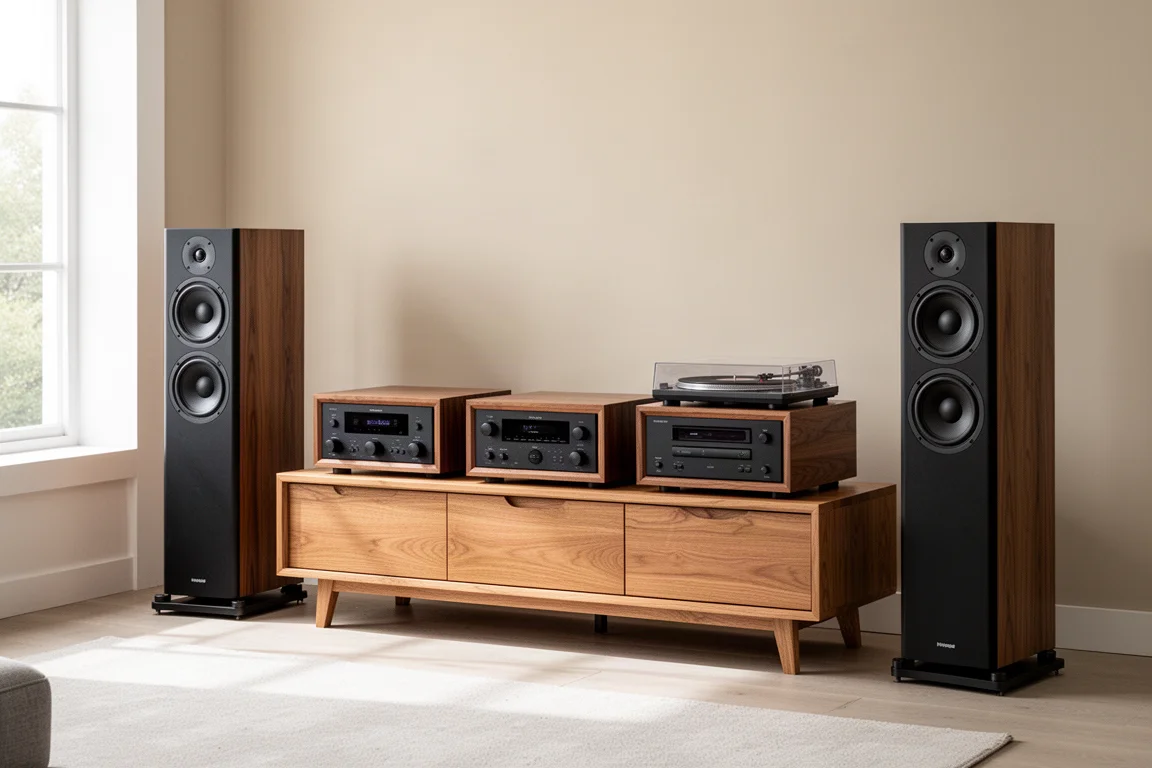
The CDT only makes sense if you have a CD collection or want to return to discs. It is designed to work with these amplifiers rather than on its own, so budget for it as part of a Leak system rather than as a standalone purchase. Whichever combination you choose, the three-year warranty and modern digital inputs address the two biggest risks of buying actual vintage equipment.
Conclusion
The Stereo 230, Stereo 130 and CDT make a coherent argument: a classic wood-and-metal look with current digital connectivity, a phono stage for vinyl and enough power for real-world speakers. Pick the amplifier that matches your room and whether you need HDMI ARC, then add the CDT if discs are part of how you listen.
Further reading
Related Reviews
Hi-Fi Components
Best Hi-Fi Components Under $500: Nine Standout Picks Worth Buying
Nine hi-fi components under $500 that earn their place, covering bookshelf speakers, a streaming preamp, a turntable, a CD player, two DACs, an integrated amplifier, and a value subwoofer.
Hi-Fi Components
Pretty Hi-Fi: Six Components That Make You Want to Listen Longer
Six hi-fi components that pair real capability with a look worth keeping in the room, plus affordable ways to add visual interest to a modest system.
Hi-Fi Components
Schiit Syn Review: A Surround Processor, DAC, and Headphone Amp in One Box
The Schiit Syn blends a DAC, headphone amp, preamp, and matrix surround processor into one HDMI-free component. Here is what it does well and where it asks for compromise.