Camp Cooking Gear
Lava Gel Oven Review: Flameless Meal Heating for Camp and Emergencies
A practical look at the Lava Gel Oven, a flameless heating kit that rehydrates freeze-dried meals and warms pre-cooked food without a stove, a canister, or a fire.
Introduction
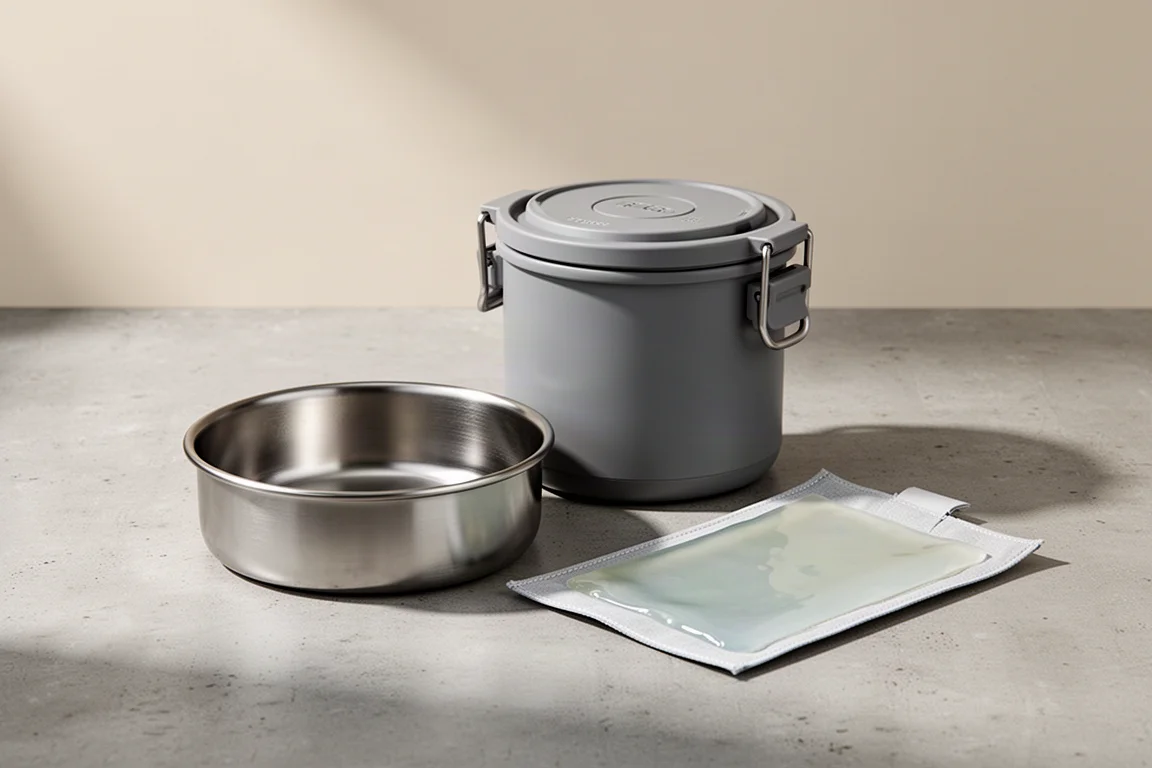
The Lava Gel Oven is one of those pieces of camp gear that turns out to be more interesting than it first looks. Rather than relying on a gas canister, a stove, or an open fire, it uses a flameless heating pad that reacts with water to produce heat. That heat is contained inside a metal tray, which lets you rehydrate a freeze-dried meal or warm up pre-cooked food with almost no technique required.
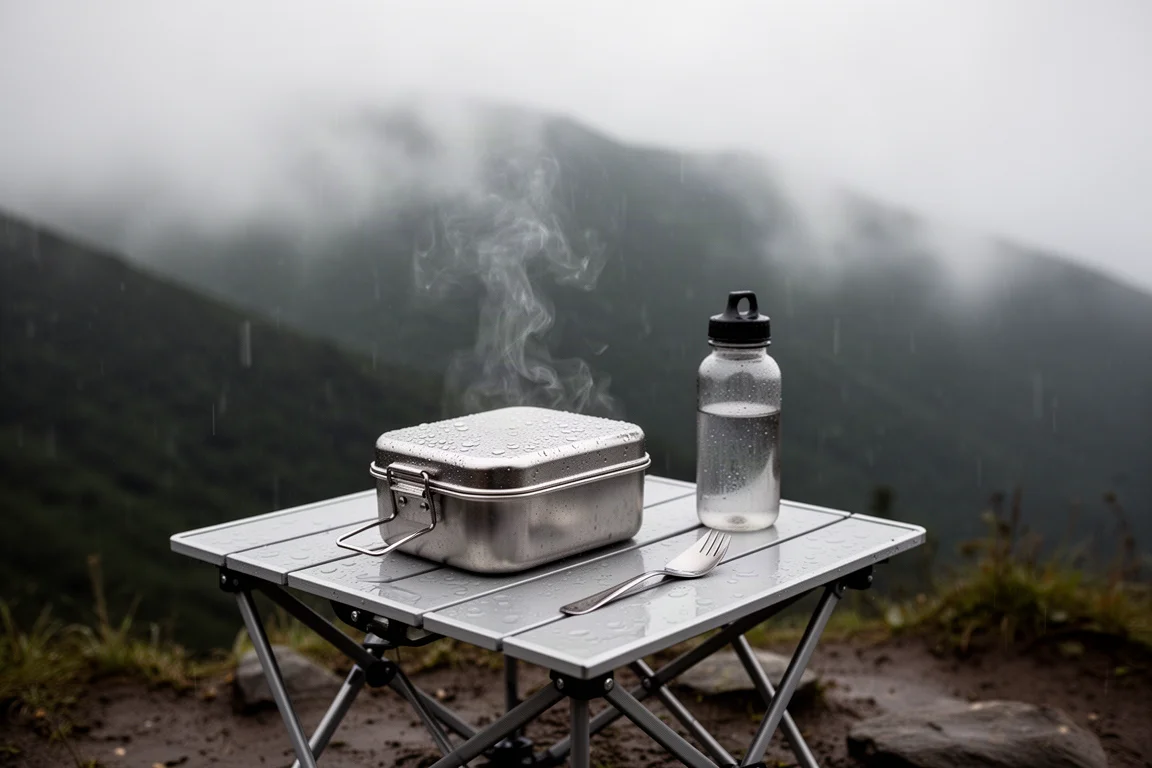
It occupies a specific niche. This is not a replacement for a backpacking stove, and it does not claim to be a lightweight option for long-distance trips. What it offers is a self-contained way to get a hot meal with very little fuss, and for certain kinds of outings that is genuinely useful. This review covers what the kit includes, how the heating cycle behaves, and where the trade-offs show up in real conditions.
Who the Lava Gel Oven Is For
The clearest use case is day camping, or any trip where you want a hot meal without carrying a stove, a pot, and fuel. The system works with a wide range of food, from fully dehydrated meals that need water added to pre-cooked food that only needs warming through. If the goal is simply to eat something hot with minimal equipment and no open flame, the process is close to foolproof.
It is also worth considering from an emergency preparedness angle. Keeping one in a car or a home kit means there is a way to produce a warm meal without fuel that can leak, expire, or need a flame. The trade-off is that this is not a backpacking product. Carrying the extra water, managing the waste, and cleaning the tray afterwards all work against the lightweight, minimal approach that backpacking rewards.
How the Flameless Heating System Works
The kit is built around a few simple parts. There is a lid with handles on the side that lock down, a metal insert that forms the tray, and a fabric heat pad that sits at the bottom. The pad is activated by a water solution that behaves like a salt solution, and the listed ingredients are water, citric acid, salt, and sodium. Once activated, the reaction starts heating almost immediately.
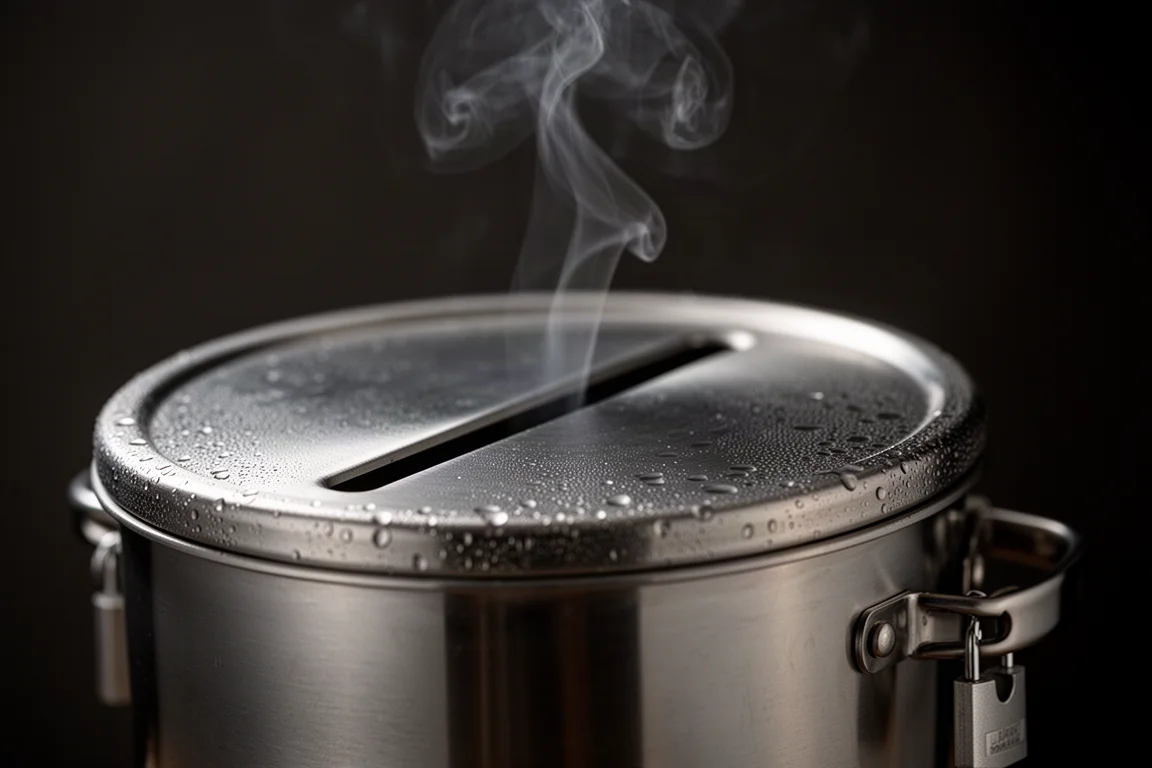
The lid has a slit that allows the container to vent while it works. Heat reaches the food in two ways: conduction from the heated pad sitting underneath the tray, and convection from the steam circulating around the food. The heating phase runs for roughly 7 to 10 minutes and brings the contents to around 180 degrees Fahrenheit.
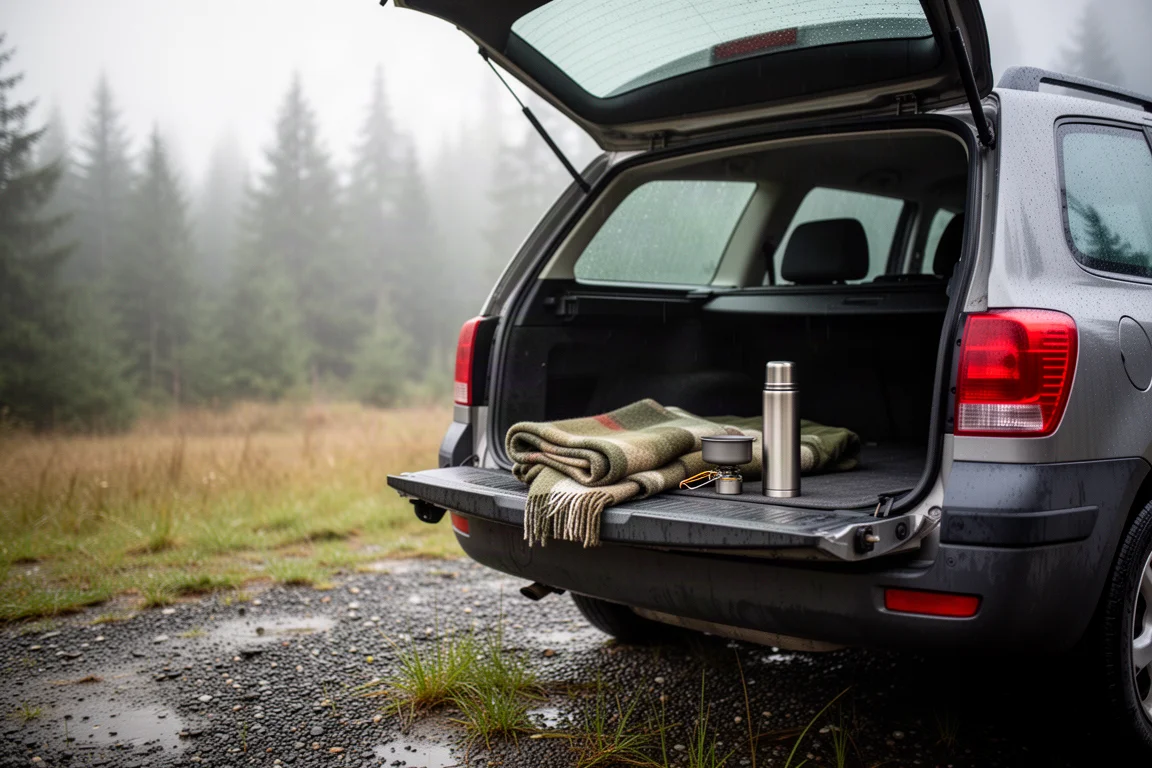
After that initial spike, the pad settles into a steadier output that can continue for somewhere in the region of 30 to 45 minutes. That is a meaningful window. It means the container keeps radiating warmth well past the point where the food is ready, which is useful on a cold day and is one of the more appealing parts of the design.
Main Strengths
The first strength is simplicity. There is no flame to manage, no canister to check, and no windbreak to build. Water goes into the pad, food goes into the tray, the lid locks down, and the system does the rest.
The second is flexibility with food. Freeze-dried meals rehydrate well in the tray, and pre-cooked meals can simply be warmed through, which covers a lot of what people actually eat outdoors. Because the heat comes from a contained reaction rather than a burner, the whole thing can be used in places where an open flame would be impractical.
The third is residual warmth. The pad keeps producing heat for a long stretch after the food is ready, which makes the container pleasant to hold on a cold, wet day. Combined with a straightforward setup, that adds up to a genuinely convenient way to eat hot food outdoors.
Things to Consider Before Buying
The most obvious drawback is the number of separate pieces. The lid, the metal insert, the pad, and the water all have to be managed, and that is more handling than simply firing up a small stove. It is not difficult, but it is not a one-piece solution either.
There is also the question of consumables. Each use requires a fresh pad and water, and while recharge kits are available, that is an ongoing cost and an ongoing thing to remember to pack. Water is heavy, which is the main reason this system does not make sense on a backpacking trip. Add the waste produced by used pads and packaging, plus the need to clean the tray after eating, and the case for carrying it on foot gets weaker.
Finally, sourcing information is thin. The materials are described as non-toxic and sustainably sourced minerals, but detail about how those materials are harvested and what the sustainability claim rests on is limited. Buyers who care about that kind of transparency should treat the claims as marketing rather than verified documentation.
Cold Weather Performance and Real World Results
Testing in genuinely cold, wet conditions gives a more honest picture than a controlled indoor trial. In roughly 40 degree weather with wind and rain, the system still heated a freeze-dried meal to a decent, edible temperature, though it was clearly working harder than it would indoors.
The reason is straightforward: heat escapes from the top of the container, and wind pulls more of it away. The food came out warm rather than piping hot, and the outer surfaces of the container stayed warm enough to be comfortable to hold. That is a reasonable result for exposed conditions, and it suggests the system performs best when it is given some shelter from wind.
Buying Advice
At around $24 for the kit, the Lava Gel Oven is a low-commitment purchase. Recharge kits are available, which makes it more practical to keep using over a longer period rather than treating it as a one-off. That pricing structure makes the most sense for someone who expects to use it occasionally rather than constantly.
The right buyer is someone who wants a simple, flameless way to eat hot food on day trips, car camping weekends, or as part of an emergency kit. The wrong buyer is a backpacker counting grams and trying to minimise what they carry. If the goal is a lightweight stove for a multi-day route, this is not it. If the goal is a hot meal with no flame and almost no skill required, the Lava Gel Oven does exactly what it says.
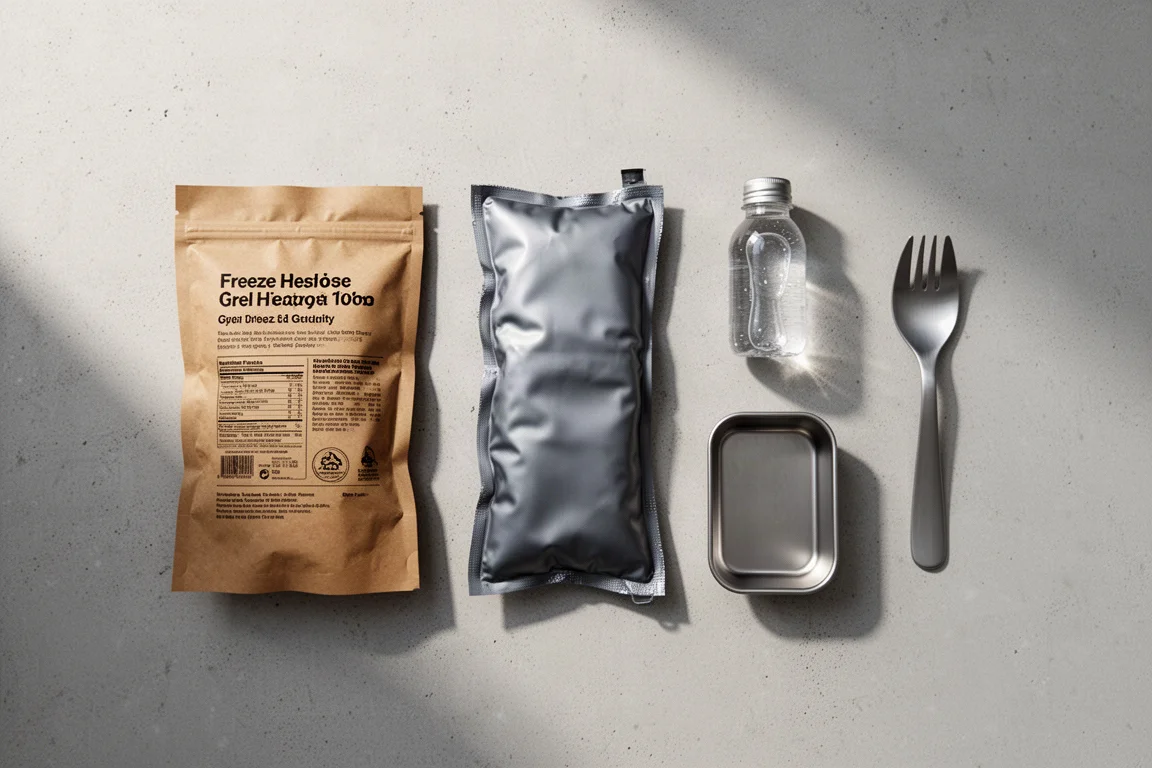
It is also worth thinking about how it fits into a broader kit. As a backup option stored in a vehicle or a home emergency box, the sealed pads and the contained heating cycle make more sense than a fuel canister that needs periodic replacement. Used that way, it earns its place even if it never becomes primary cooking gear.
Conclusion
The Lava Gel Oven is a niche product that does its job well within that niche. It heats freeze-dried and pre-cooked food without a flame, keeps working for a long stretch after the initial burst of heat, and asks very little of the user in terms of technique.
The trade-offs are equally clear. Multiple pieces, consumable pads, water weight, waste, and tray cleaning all push it away from backpacking and toward day use and emergency preparedness. For the right buyer at a budget price, those compromises are easy to accept. For anyone counting grams on a long route, they are not.
Product link
View more details for Lava Gel Oven
This product is mentioned in the review. Check the specifications, options, and compatibility before buying.
View more details for Lava Gel OvenFurther reading
Related Reviews
Backpacking Tents
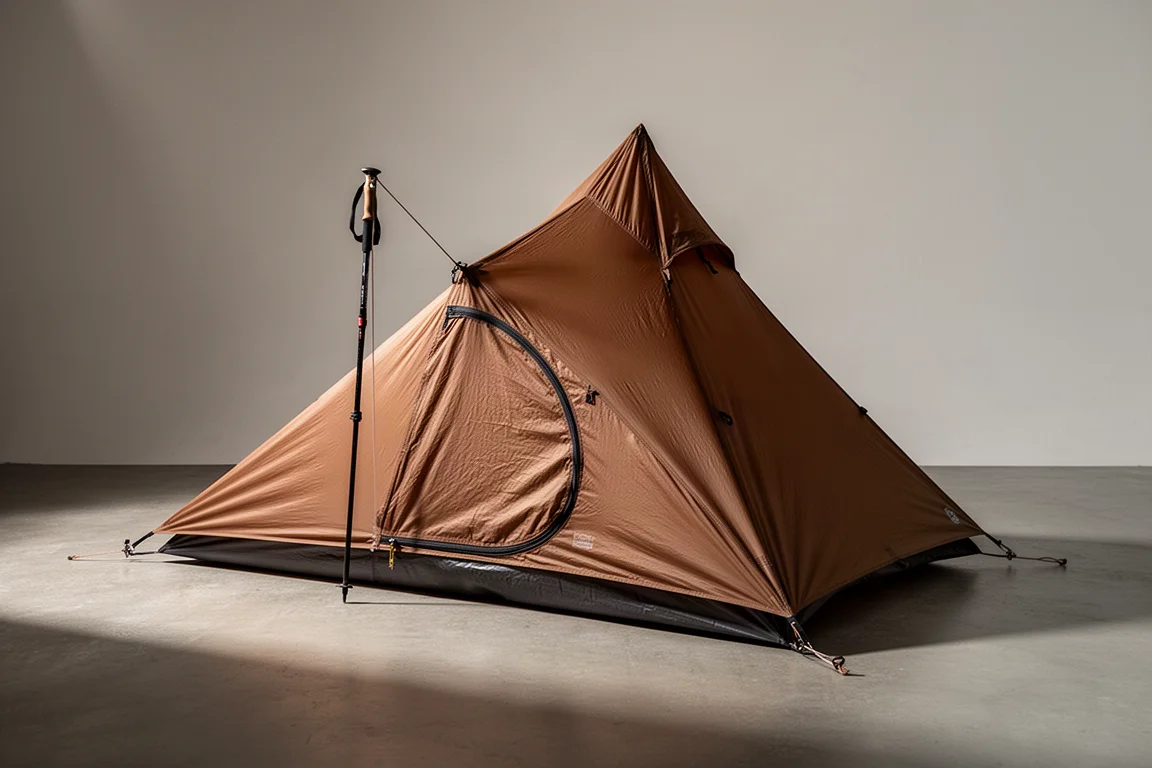
3F UL Lanchan Pro 1 Review: A 1 lb 8 oz Single-Wall Trekking Pole Tent
A practical look at the 3F UL Lanchan Pro 1, a single-wall trekking pole shelter with a 1 lb 8 oz weight, 20D silnylon fabrics, and a roomy 90 x 31 x 49 inch interior.
Backpacking Tents
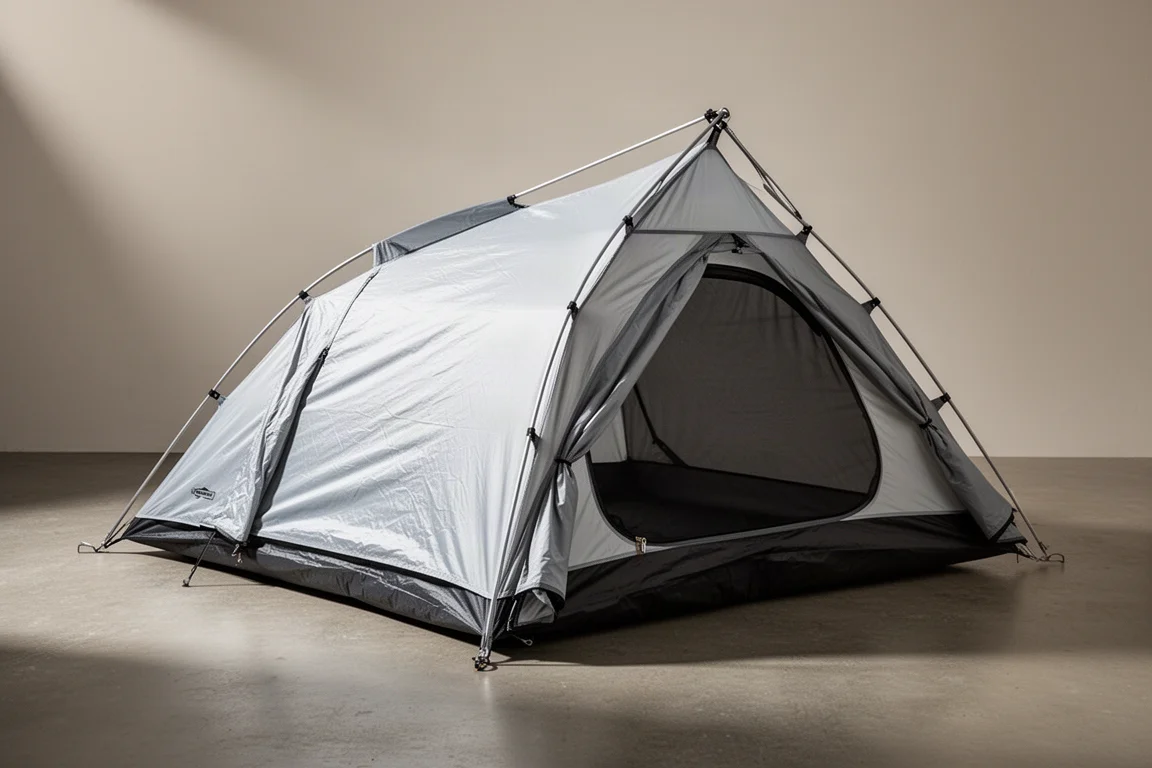
3F UL Taiji 2-Person Tent: A Convertible Backpacking Shelter Worth a Closer Look
A practical look at the 3F UL Taiji two-person tent, covering its materials, true two-person interior, fly-first pitching, and the seasonal inner swap that lets one shelter cover more of the year.
Backpacking Tents
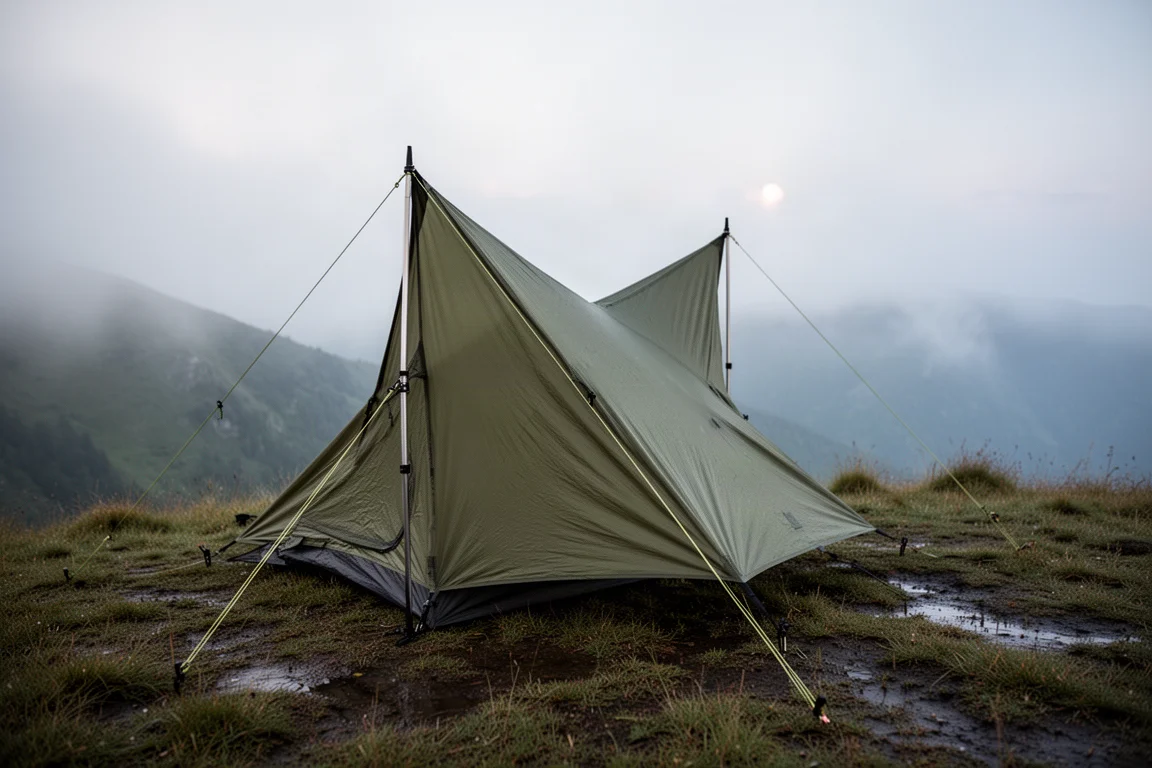
3FUL Lanshan Twoerson Pro Review: A Light Trekking Pole Shelter That Struggled in Rain
A two-person trekking pole shelter with a 2026 redesign, pitched with sticks and put through a night of steady rain. Here is what worked, what did not, and what to check before buying.