Tools & Workshop
Laser Lab X1 Pro Review: A Genuine Desktop Laser Welder
A 700 W class 4 laser welder and cutting machine that can cut steel like butter, strip rust, and lay down welds as strong as the base material.
Introduction
Cheap tools that promise laser welding have appeared before, and most of them turn out to be little more than glorified soldering irons. The Laser Lab X1 Pro is a different story: this is a genuine 700 W laser welder and cutting machine, the kind of equipment that until recently was almost impossible to find outside industrial workshops. Desktop laser welders like this cost roughly a tenth of their industrial counterparts, but they are still a serious investment, so it is worth understanding exactly what you get before committing.
What Is the Laser Lab X1 Pro?
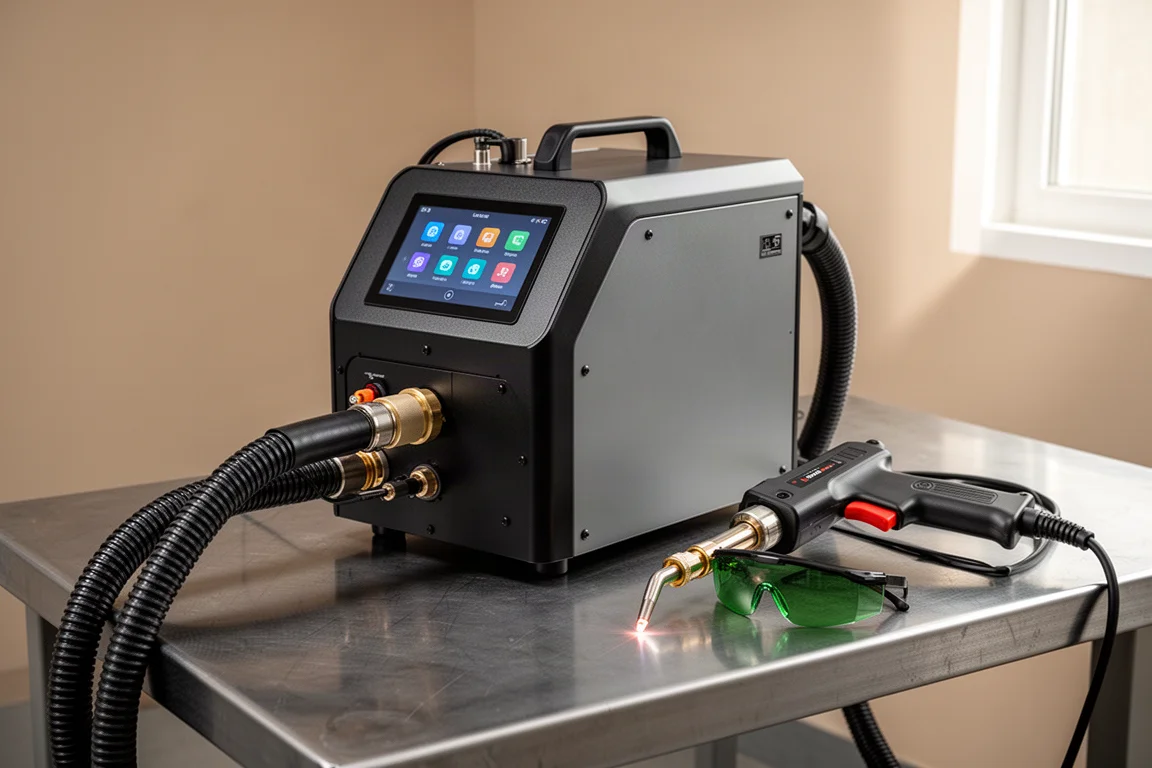
The X1 Pro is a 700 W class 4 laser welder and cutting machine, air cooled inside the main unit, designed to weld and cut materials from about 0.5 mm up to around 3 mm thick. It connects to a standard 230 V 13 A supply via a fairly heavy power cable, takes a gas supply line, and includes a signal cable that also serves as an emergency stop.
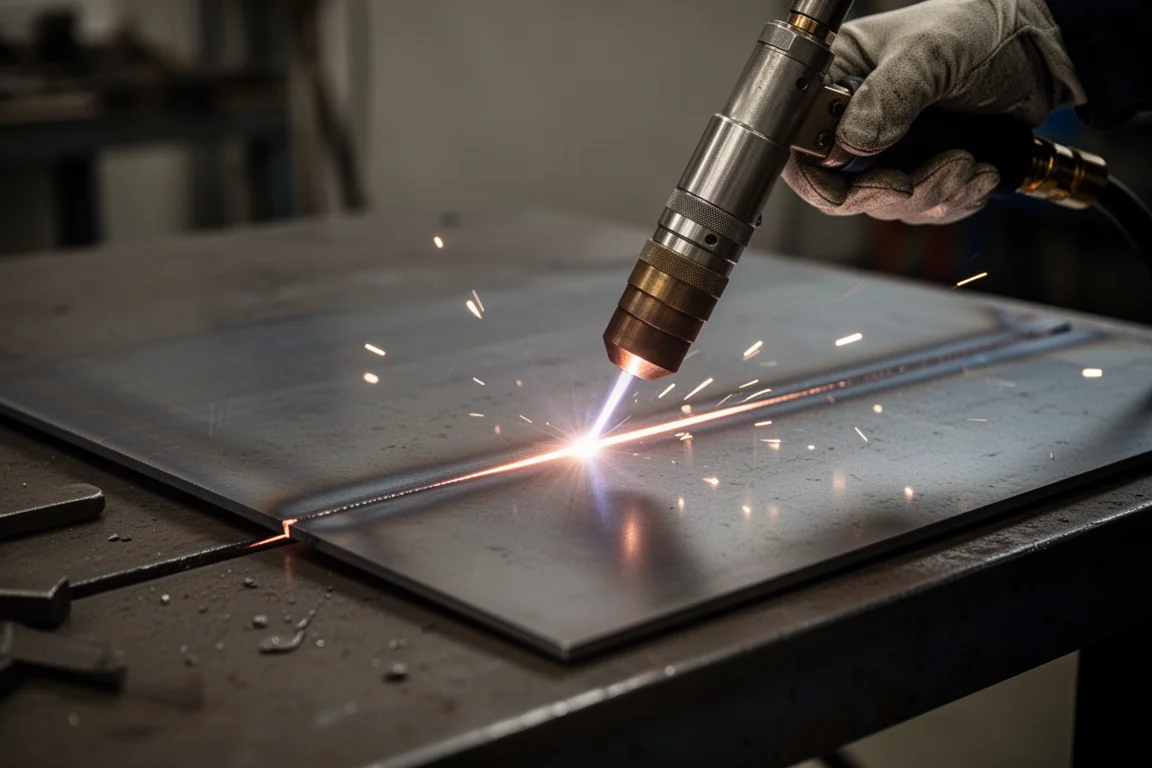
Rather than an electrical arc between electrode and material, as in stick, TIG, or MIG welding, the machine uses a focused beam of laser light out of the gun tip to melt the base material so the filler wire fuses into a homogeneous weld, the same principle as conventional welding. The gun comes with interchangeable tips for different tasks and a clamp to guide the filler wire.
Safety is a real consideration. The main risk is invisible reflected laser light reaching your eyes, so wavelength-specific protective goggles (which look green) or a welding helmet are essential. In standby, the gun emits only a harmless class 2 red laser as a pointing guide. The machine also has multiple interlocks: to fire the laser, a clamp on the workpiece must complete a circuit with the nozzle, so no harmful laser light is emitted unless the circuit is closed.
Everything is controlled from a touchscreen on the front of the unit, with three modes: weld, cut, and clean.
Cutting and Cleaning Modes
In cutting mode, compressed air from a compressor flows through the tip. Even at 50% power, the X1 Pro cuts through 1 mm steel like butter. That power demands respect: the beam continues past the workpiece, so anything behind it, from cardboard on the floor a metre and a half away to an aluminium can at about a metre, will be pierced straight through. Anyone working around this machine needs to be constantly aware of where the beam is pointing.
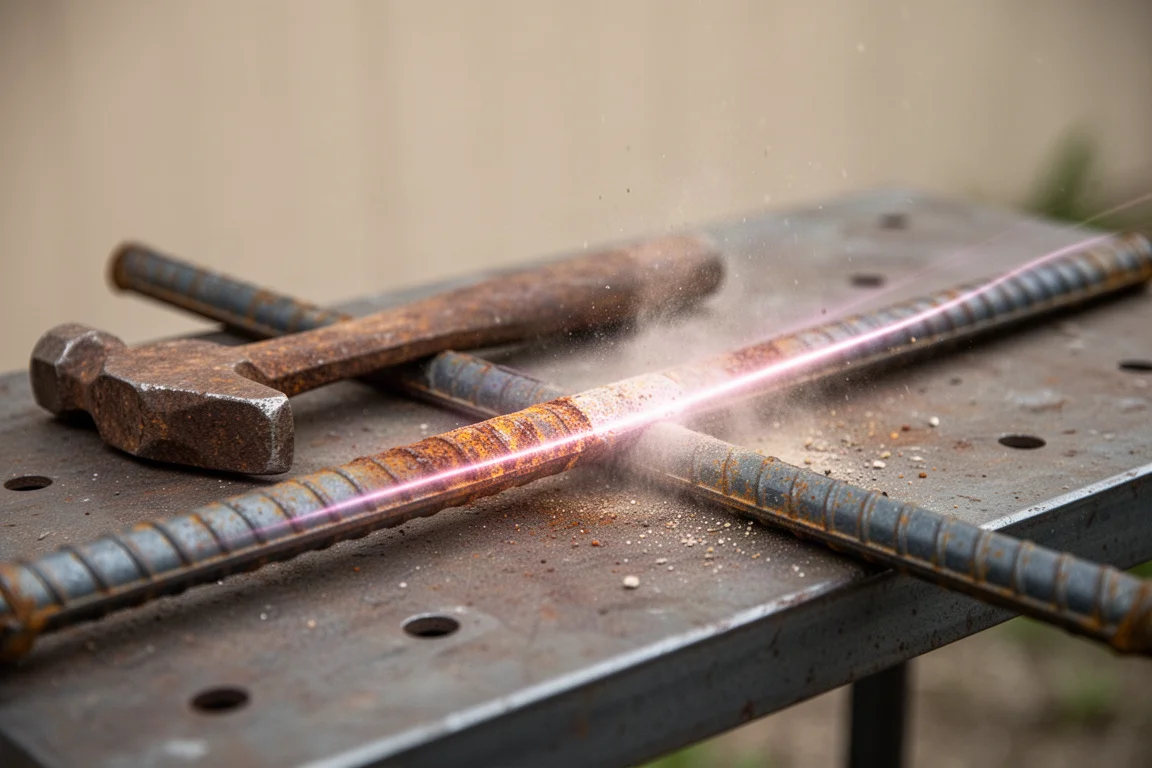
Cleaning mode works the same way but widens the beam, which swings rapidly side to side to cover an area rather than a pinpoint. Fired at rusty tools or rebar, it vaporizes rust and cleans up the base material. This is best done outside or with good extraction, since vaporized rust becomes fine dust you do not want to breathe in. The 4.5 m hose between unit and gun makes outdoor work easy while the main unit stays in the workshop.
Setting Up the Wire Feed
Wire feed comes from a separate unit with four interchangeable rollers, each with two sides, covering wire thicknesses from 0.8 mm to 1.6 mm. It is designed for a 5 kg spool of welding wire, though it can be modified with an 8 mm bolt to take smaller reels or drums. Tips in various sizes are supplied to match the wire diameter, and there is both wire feed and wire retract. Setting up is straightforward: feed the wire through the rollers, through the clamp, and advance it until it touches the red pointing laser.
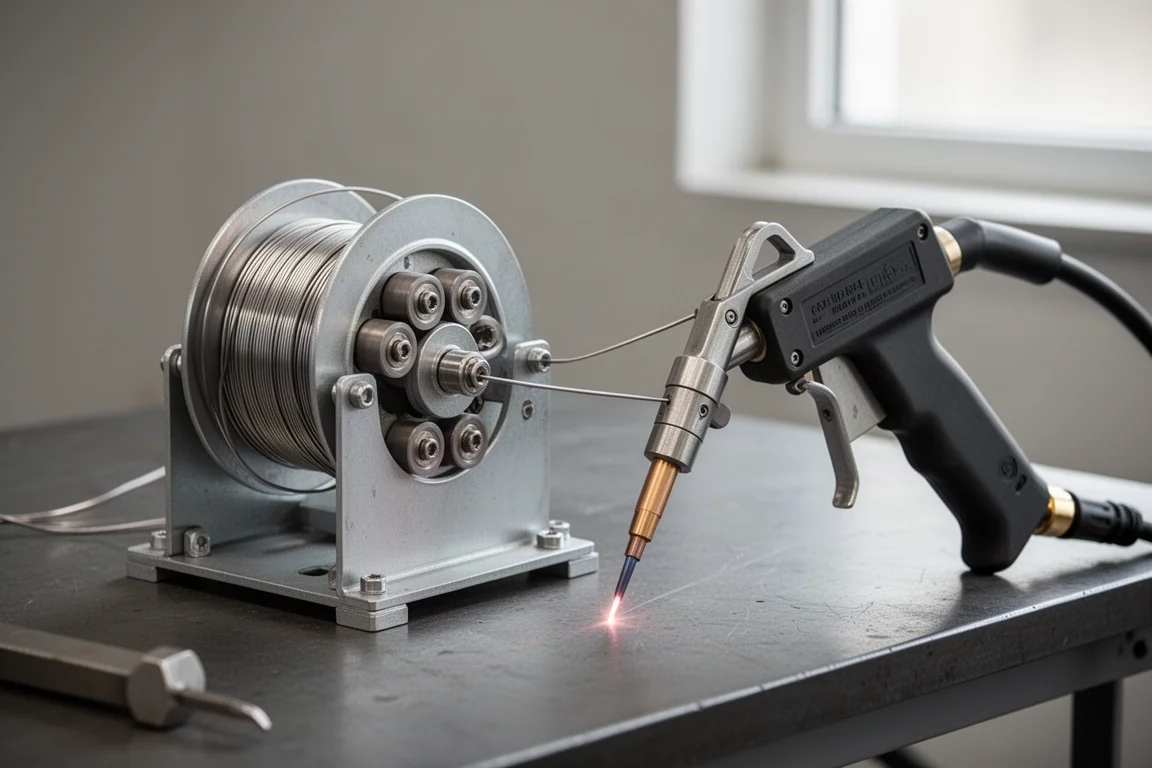
Before welding, switch the gas supply from compressed air to argon, which shields the weld just as in conventional welding. On the touchscreen, select welding, choose a material preset (stainless steel, carbon steel, or aluminium), and check the gas pressure with a test button. A typical preset sets wire feed at 10 mm per second, power at 45, and a 2 mm swing width. That last figure matters: the laser beam itself is only about half a millimetre wide, extremely fine, so the swing makes it wobble side to side to cover the weld area.
Welding Performance
The first weld is startlingly small but the technique is immediately different from MIG welding: the wire feed pushes the gun along at a consistent speed rather than the welder pulling it, which produces a very even weld without stopping and starting. Settings take some experimenting, as with any welder, but it did not take long to start turning out consistent welds. Close up, you can see the beam wobbling side to side far faster than the eye can follow.
On 1.5 mm steel plate, the best results were excellent: a consistent, well-sized fillet described as the best weld the tester had ever produced. On thicker material, about 5 mm steel with 0.8 mm wire, the welds still looked impressive, but penetration measured only around 2 mm on either side even at full power. Thicker wire would help build a bigger fillet, but anything seriously structural would need a more powerful machine. Some 4 mm box section welded nicely too, and a small aluminium wire drum rigged onto the holder allowed 0.8 mm aluminium sheet welding with results comparable to steel, cut short only by an empty gas bottle.
Weld Strength Testing
Strength testing told a similar story. A 1.5 mm steel sample welded with a single pass on each side was pulled and flexed repeatedly: it was the base material just above the weld that eventually failed, not the weld itself. Nearly every sample was tested with bending and hammering, and none of the actual welds broke. Even the 5 mm steel with only a couple of millimetres of penetration withstood enough abuse that the bench vice looked close to failing before the weld did.
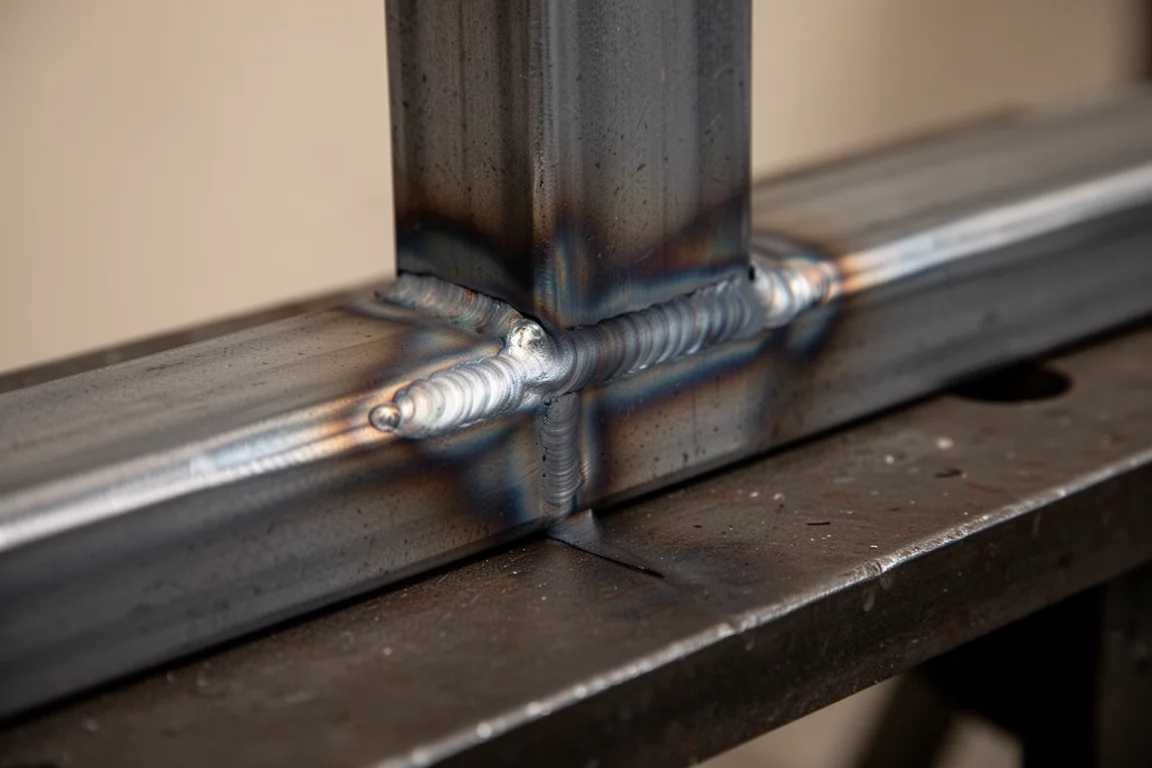
That is the key takeaway: as long as the weld is as strong as the base material, which it was on thin steel, there is nothing more to ask of it.
Buying Advice
The X1 Pro covers everything a home workshop, body shop, or small metal fabrication shop realistically needs, and produces genuinely fantastic welds on thin steel and aluminium sheet. If you routinely need deep penetration into 4 to 5 mm structural steel, you will need a significantly more powerful and more expensive machine. For everyone else, this desktop laser welder delivers an unusual combination of cutting, rust cleaning, and high-quality welding in one package. If you are considering one, look for promotional codes that can knock an extra 5% off the price.
Conclusion
The Laser Lab X1 Pro is the real thing: a 700 W class 4 laser welder that cuts thin steel effortlessly, strips rust, and lays down welds that refuse to fail even when the surrounding metal gives up first. Penetration limits on thick steel are the only real caveat, and for domestic and light workshop work that limitation rarely matters. For anyone who has been put off by fake budget “laser welders” in the past, this one restores the category’s credibility.
Product link
View more details for Laser Lab X1 Pro
This product is mentioned in the review. Check the specifications, options, and compatibility before buying.
View more details for Laser Lab X1 ProFurther reading
Related Reviews
Tools & Workshop
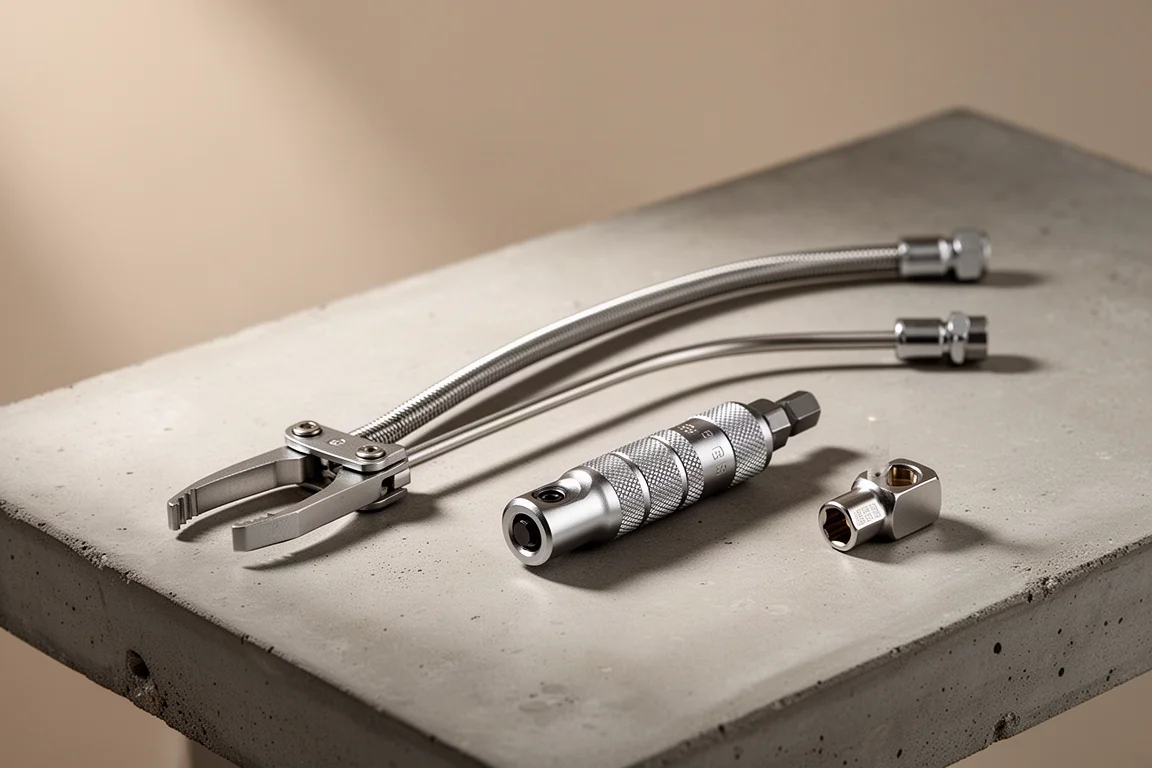
Three Tools That Saved a Tight Dishwasher Installation
A long-reach hose clamp tool, a locking ratcheting bit driver, and a flip socket that earned their spot during a cramped appliance install.
Tools & Workshop
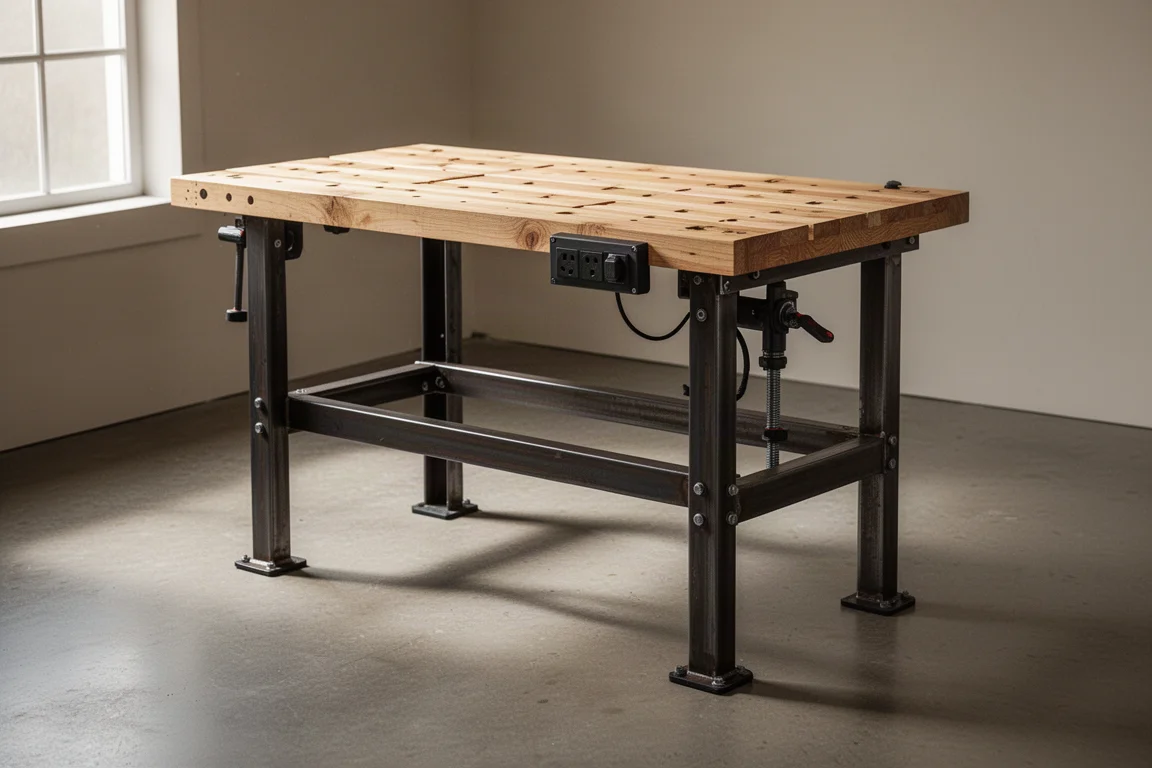
Banggood WB0102 Pro Workbench Review: A Stable, Height-Adjustable Bench for Small Workshops
A heavy, well-priced workbench with a pine top, built-in power strip, height adjustment, and a straightforward assembly that takes under 30 minutes.
Tools & Workshop
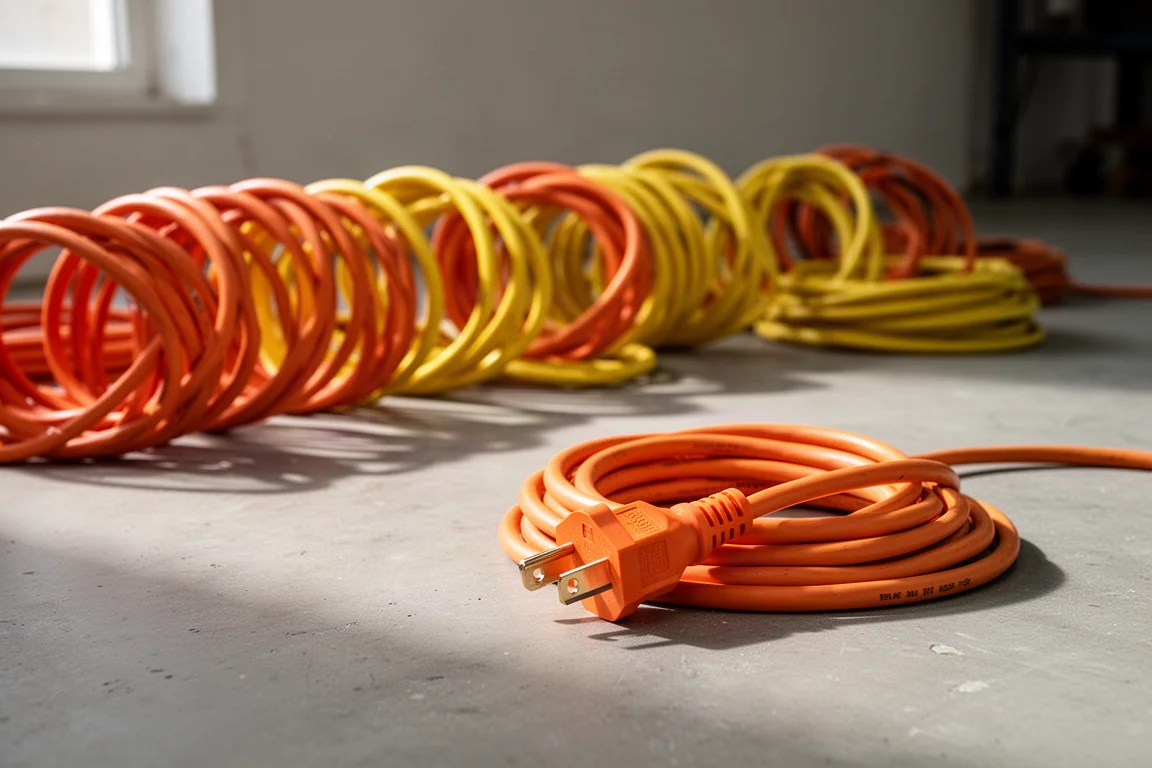
Best 50 ft Extension Cords: 15 Cords Put Through Real-World Testing
Fifteen 50 ft extension cords compared on blade strength, abrasion resistance, voltage drop, plug retention, and cold weather flexibility.