Backpacking Tents
3F UL Gear Lanshan 2 vs Lanshan 2 Pro: Choosing a Budget Backpacking Tent
A practical comparison of the double-wall Lanshan 2 and the single-wall Lanshan 2 Pro, covering price, packed weight, setup effort, and condensation.
Introduction
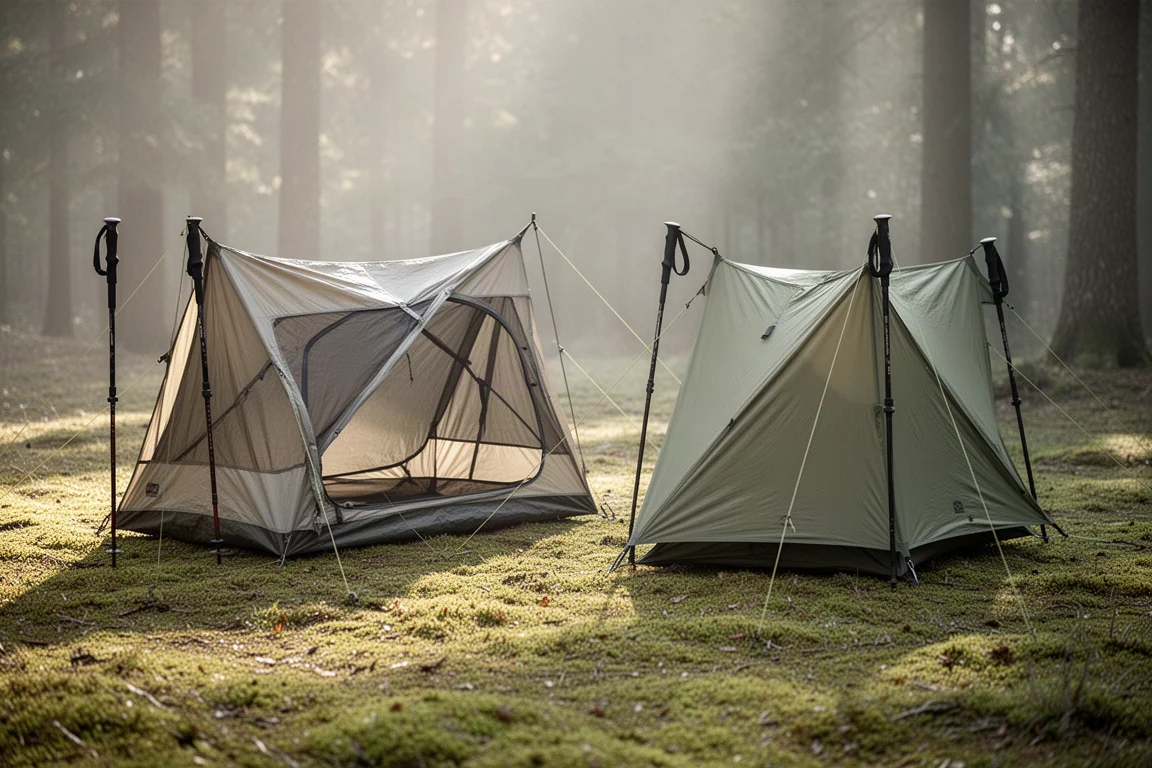
A budget backpacking shelter does not have to be a compromise, but the trade-offs are real and worth understanding before you spend. The 3F UL Gear Lanshan 2 and the Lanshan 2 Pro share a name, a pitching method, and a trekking-pole-supported design. They part ways on one decision that shapes almost everything else: the Lanshan 2 is a double-wall tent, while the Lanshan 2 Pro is a single-wall tent.
That single difference drives price, packed weight, how much effort the first pitch takes, and how each shelter behaves when the air turns damp. This comparison walks through what each tent does well and where it asks more of you.
How the Lanshan 2 and Lanshan 2 Pro Compare
Four things matter most when choosing between these two shelters.
Price and what comes in the box. The Lanshan 2 sells for around $120 with free shipping, and it arrives already seam sealed. The Lanshan 2 Pro costs significantly more, shipping is charged on top, and seam sealing is not included. A paid seam-sealing service is available, but it adds further cost.
Weight. The Lanshan 2 comes in at over two pounds, most likely somewhere around two and a half. Single-wall shelters like the Lanshan 2 Pro are typically lighter, though the only way to know the true difference is to put both on a scale rather than trusting claimed figures.
Pitch effort. Both tents use the same pitching method, but the Lanshan 2’s separate rain fly makes the process a little fiddlier. The Lanshan 2 Pro took more finagling on the first attempt to get a clean, taut fit.
Condensation. A double-wall design gives moisture somewhere to collect other than your sleeping space, which is a meaningful advantage in humid or cool conditions. A single-wall tent relies more on ventilation and site selection.
Keep those four factors in mind as you read through each shelter below. The right answer depends on which one you weight most heavily for the trips you actually take.
3F UL Gear Lanshan 2: The Double-Wall Budget Pick
The Lanshan 2 is the more forgiving of the two shelters, and it is the one that makes the most sense for someone buying their first backpacking tent. It uses a double-wall construction, which means the inner netting and the outer rain fly are separate layers.
The practical benefit is condensation management. Moisture that would otherwise collect on the inside of a single-wall shelter has a second layer to settle on, away from your sleeping bag. For anyone camping in humid valleys or cool, still air, that is a genuine comfort advantage rather than a marketing point.
It also arrives seam sealed, so there is nothing to treat before your first trip. That matters more than it sounds. An unsealed shelter can let water through in heavy rain, and getting the sealing wrong is an easy mistake for a beginner to make.
The Lanshan 2 includes storage pockets at either end and a hook for hanging a headlamp, which makes the interior easier to live in across multiple nights.
Two quirks are worth knowing. The interior netting can hang loosely enough to brush against your face or hair, and the separate rain fly means the pitch takes a little more attention than a one-piece shelter. Raising the trekking poles higher and using the tie-outs on either wall to pull the netting and fabric away made a noticeable difference to interior space and comfort.
3F UL Gear Lanshan 2 Pro: The Single-Wall Ultralight Pick
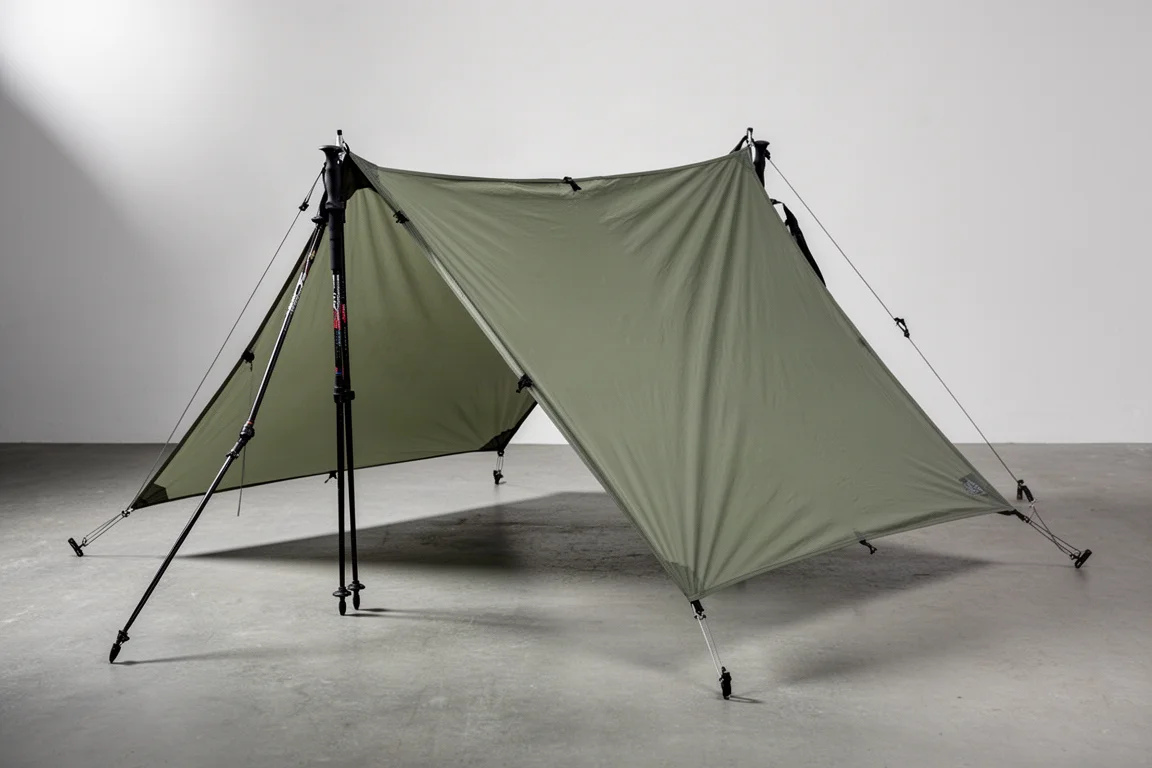
The Lanshan 2 Pro keeps the same pitching style and sheds the second wall. Single-wall tents are typically lighter, and that is the main reason to choose this version.
The trade-offs sit mostly in cost and preparation. The Lanshan 2 Pro costs significantly more than the Lanshan 2, shipping was charged on top, and it does not arrive seam sealed. A seam-sealing service is available for an additional fee, and choosing it adds to the total.
Setup works on the same principle as the Lanshan 2, but the first pitch took more adjustment to reach a fit that felt right. Expect to spend a little time tuning tension before the shelter looks and feels settled.
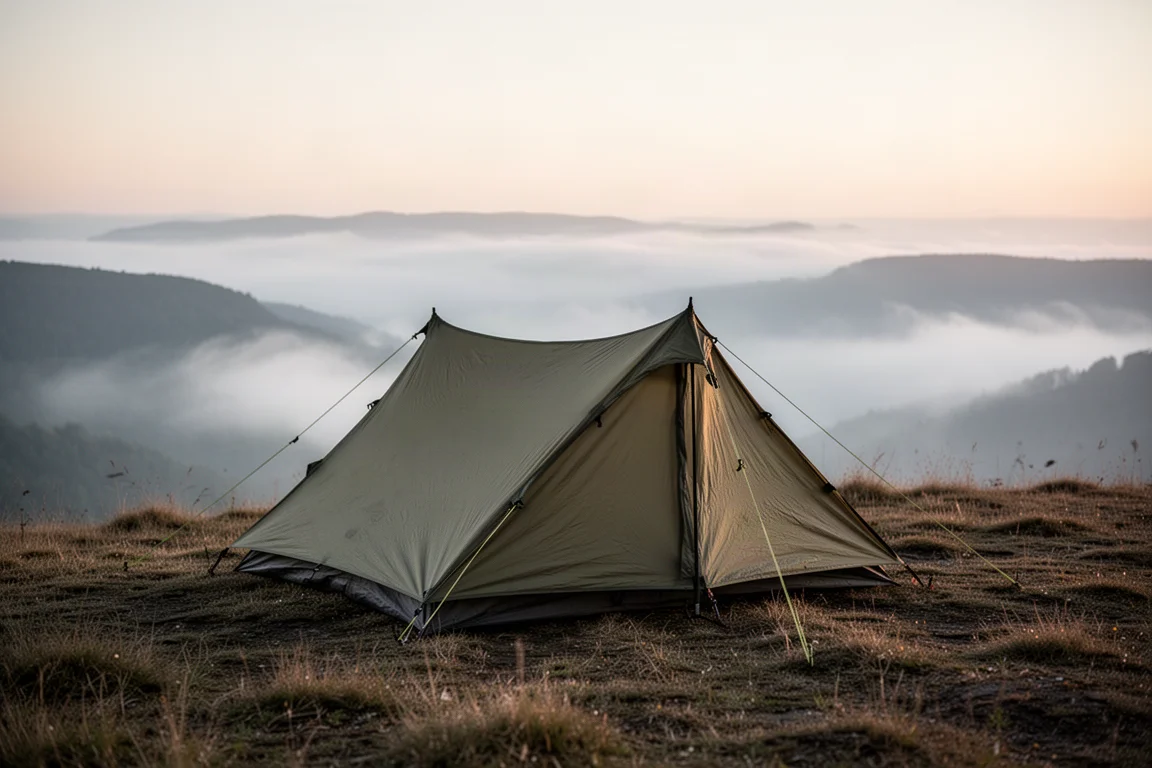
If lower weight matters more to you than the lowest possible entry price, and you are comfortable handling seam sealing or paying for it, this is the version whose advantages show up over long days on trail.
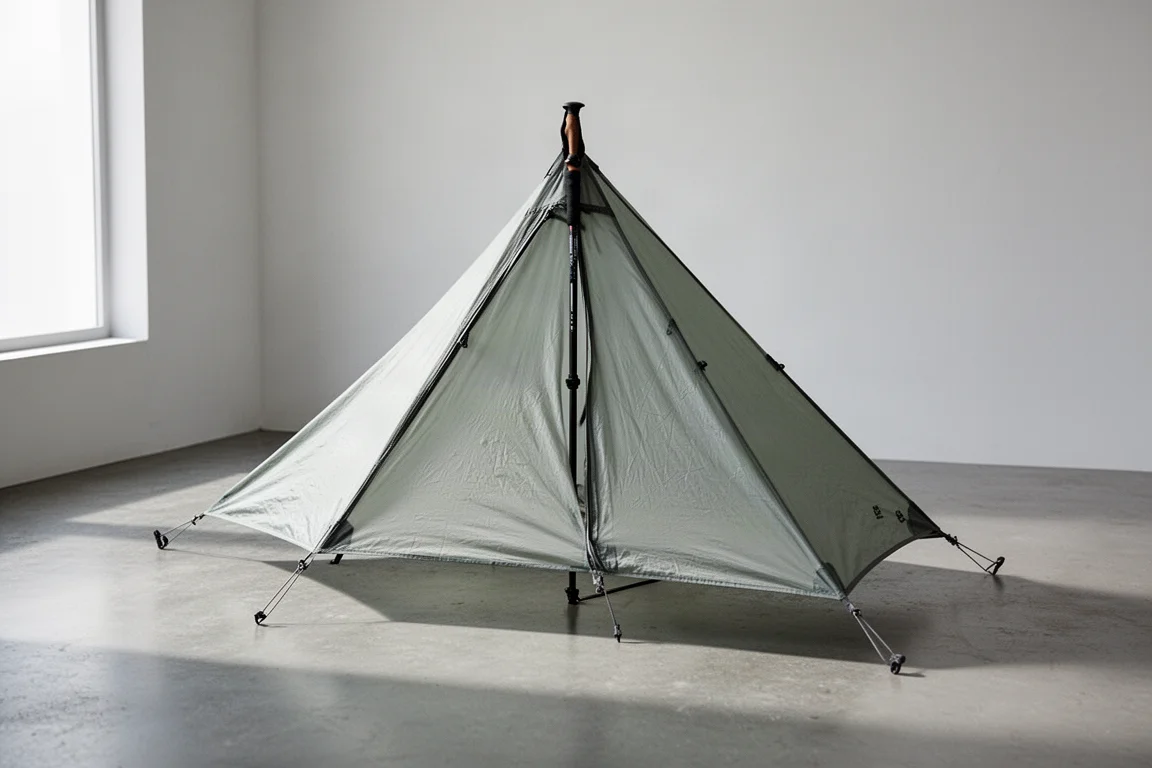
Weight: What to Expect From Each Shelter
Weight is where the two tents separate most clearly on paper, and it is also where the numbers deserve the most scepticism.
The Lanshan 2 weighs over two pounds, with a realistic figure somewhere around two and a half. Weights can be difficult to trust, so verify with your own scale rather than relying on a claimed number. Packed weight also depends on stakes, guy lines, and whether the stuff sack comes along for the trip.
The Lanshan 2 Pro benefits from its single-wall construction, which is typically lighter than a comparable double-wall design. If you want a precise figure, weigh both shelters complete with everything you plan to carry. The difference in your pack is what your shoulders will actually feel.
Setup, Condensation, and Interior Comfort
Both tents are supported by trekking poles rather than a freestanding frame, and both follow the same pitching sequence.
The Lanshan 2 asks for a bit more patience. Its rain fly is a separate piece, which makes the pitch slightly wonkier than a one-piece shelter, and the interior netting has a tendency to hang loosely. Two adjustments helped noticeably: raising the trekking poles higher, and using the tie-outs on either wall to pull the material and netting away from the sleeping area.
Condensation is the other dividing line. The double-wall Lanshan 2 gives moisture a layer to collect on that is not directly above you, which is a real advantage on damp nights. The single-wall Lanshan 2 Pro depends more on airflow and campsite choice, so pitching where air moves and keeping ventilation open becomes part of the routine.
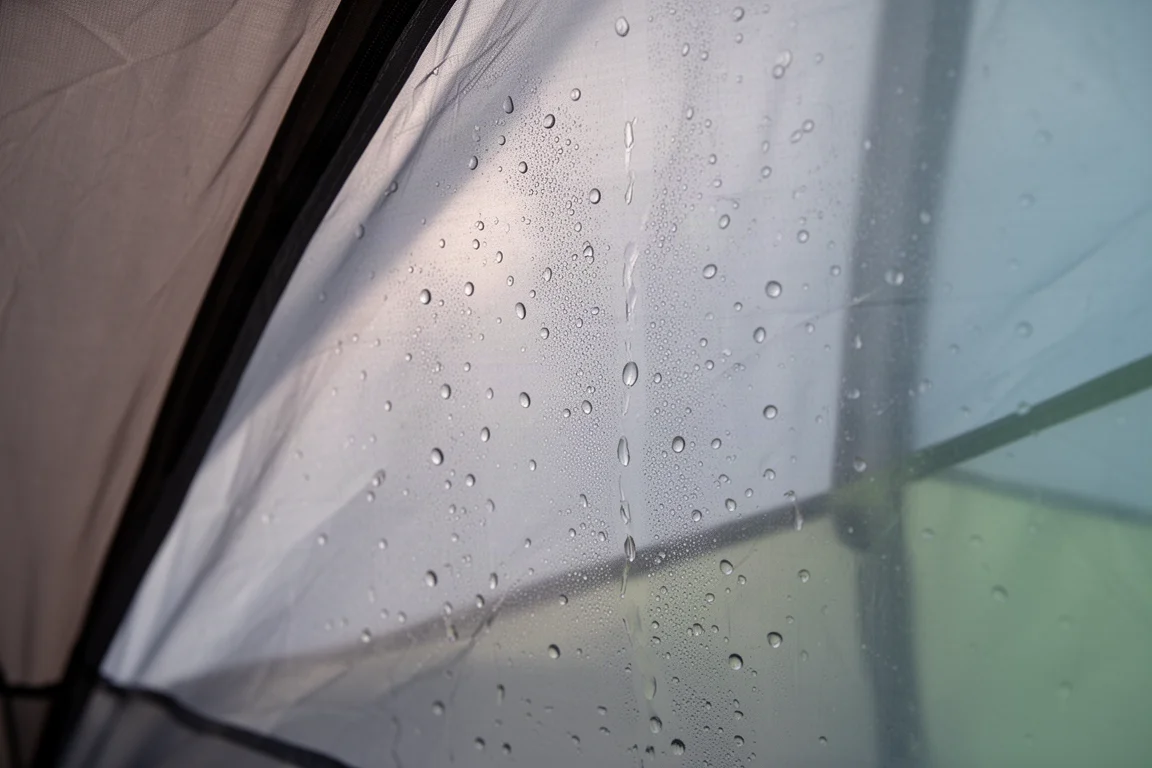
Interior livability is close between the two. The Lanshan 2 offers pockets at either end and a headlamp hook, which keeps small items off the floor and gives you light where you need it after dark.
Packing and Camp Routine
A double-wall shelter packs as two pieces, and the inner netting benefits from being folded rather than stuffed so it does not tangle. A single-wall shelter like the Lanshan 2 Pro packs down as one piece, which is quicker to break down in the morning and simpler to keep track of in a crowded pack.
Neither tent needs special handling on trail. The routine is the same either way: shake off condensation, wipe the inside if needed, and pack the shelter last so it stays on top of your load.
The extra attention a double wall demands is small. The extra margin it offers against condensation is the reason many backpackers accept that small cost.
Buying Advice: Which Tent Suits Your Trip
For a first backpacking shelter, the Lanshan 2 is the easier recommendation. It costs around $120 with free shipping, arrives seam sealed, and asks nothing of you before your first night out. There is less to worry about and less to maintain, and the double-wall design softens the condensation problem that catches new campers out.
Choose the Lanshan 2 Pro if lower weight is the priority and you are willing to pay more for it, both in purchase price and in the seam sealing the shelter needs before serious rain. It is the better shelter for someone who already knows how they camp and wants to trim weight from the pack.
If both were offered at the same price, the single-wall Pro would be the more appealing shelter for its lighter construction. At their actual prices, the decision comes down to how much you value weight savings against a lower entry cost and a shelter that is ready to use out of the box.
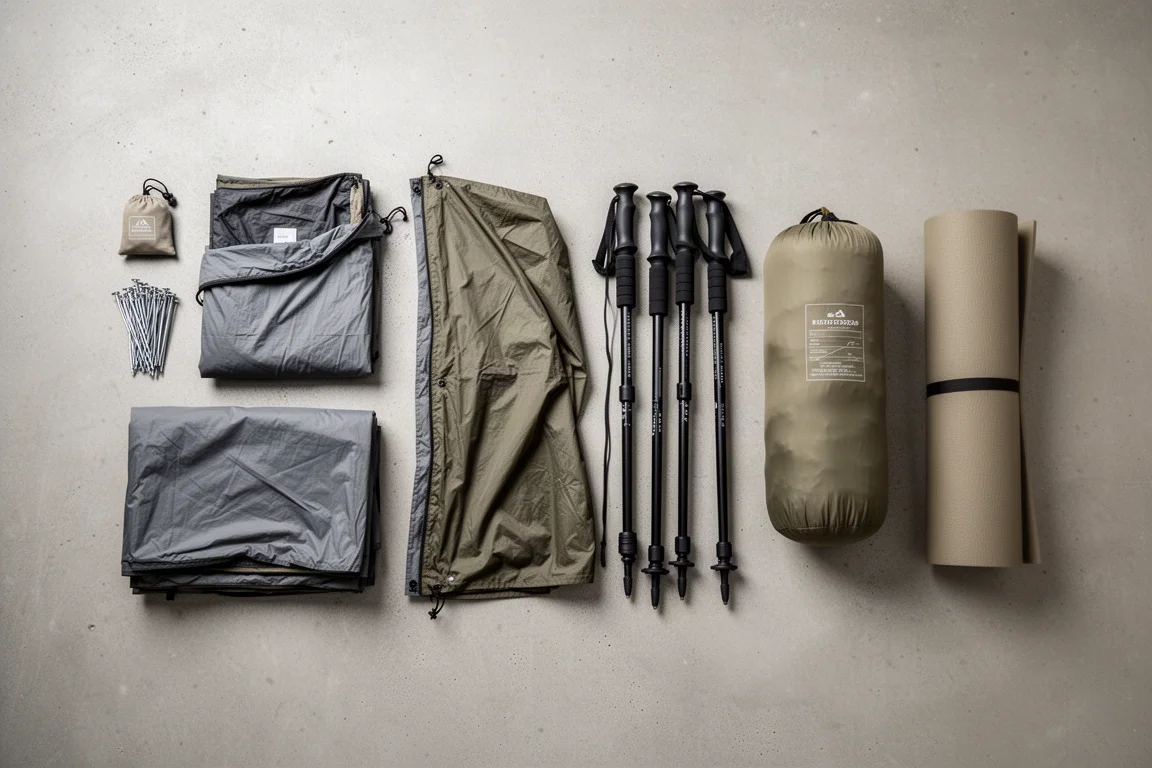
Either way, both shelters use the same pitching method, so the skills you learn on one transfer directly to the other. There is no wrong first tent here, only a different set of trade-offs to weigh against your budget and the terrain you camp in.
Conclusion
The Lanshan 2 and the Lanshan 2 Pro are two answers to the same question. The Lanshan 2 keeps the price low, arrives seam sealed, and uses a double wall to make condensation easier to live with, at the cost of a little more pitch fiddling and a heavier packed weight. The Lanshan 2 Pro trims weight with a single-wall design, but asks for a higher price, paid shipping, and seam sealing before it is fully weather ready.
Match the shelter to the trip and the budget, and either one will serve you well.
Further reading
Related Reviews
Backpacking Tents
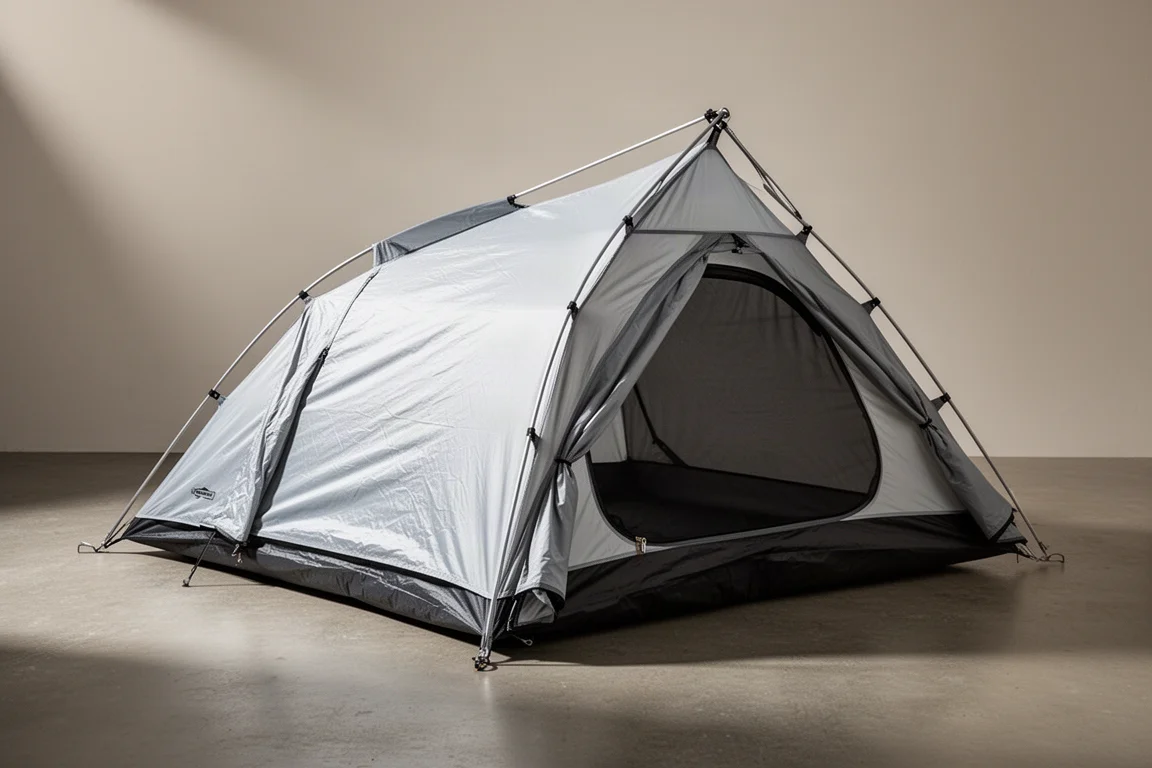
3F UL Lanchan Pro 1 Review: A 1 lb 8 oz Single-Wall Trekking Pole Tent
A practical look at the 3F UL Lanchan Pro 1, a single-wall trekking pole shelter with a 1 lb 8 oz weight, 20D silnylon fabrics, and a roomy 90 x 31 x 49 inch interior.
Backpacking Tents
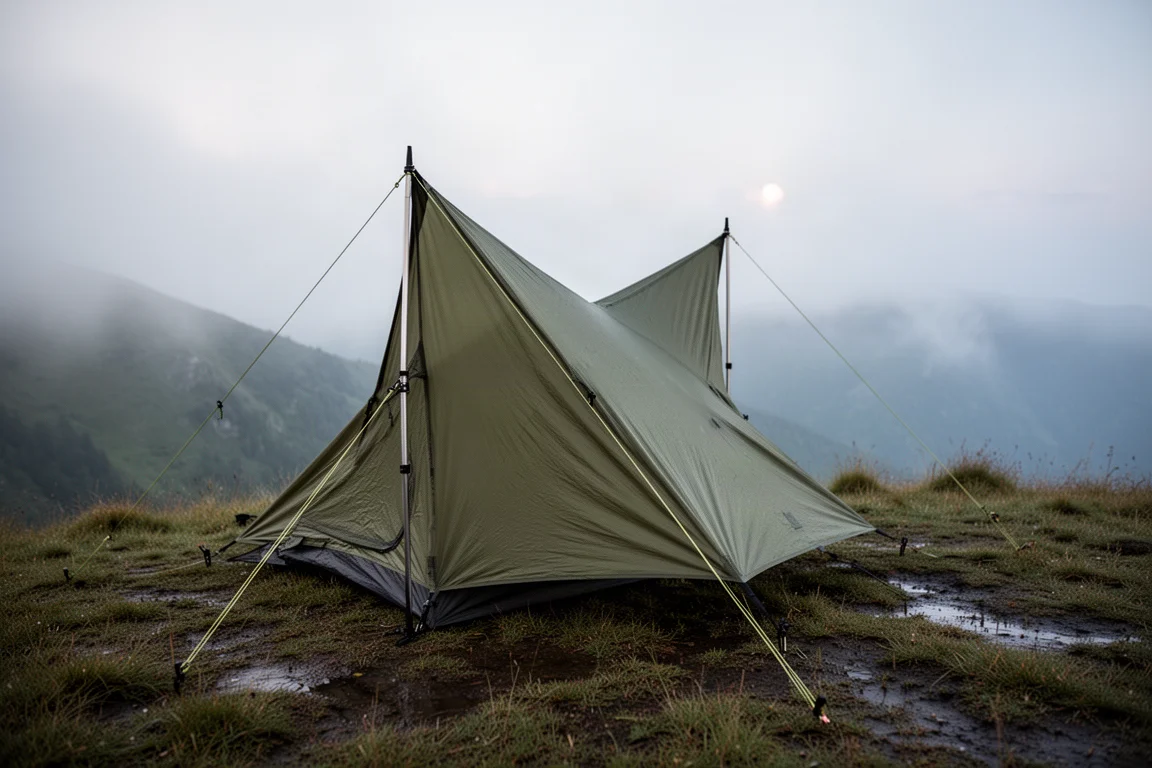
3F UL Taiji 2-Person Tent: A Convertible Backpacking Shelter Worth a Closer Look
A practical look at the 3F UL Taiji two-person tent, covering its materials, true two-person interior, fly-first pitching, and the seasonal inner swap that lets one shelter cover more of the year.
Backpacking Tents
3FUL Lanshan Twoerson Pro Review: A Light Trekking Pole Shelter That Struggled in Rain
A two-person trekking pole shelter with a 2026 redesign, pitched with sticks and put through a night of steady rain. Here is what worked, what did not, and what to check before buying.