Backpacking Tents
3F UL Gear Lanshan 2 Pro Review: A Light Trekking Pole Shelter Worth a Look
A close look at the 3F UL Gear Lanshan 2 Pro, a single-wall, three-season two-person trekking pole tent with a low carry weight, dual vestibules, and a modest price.
Introduction
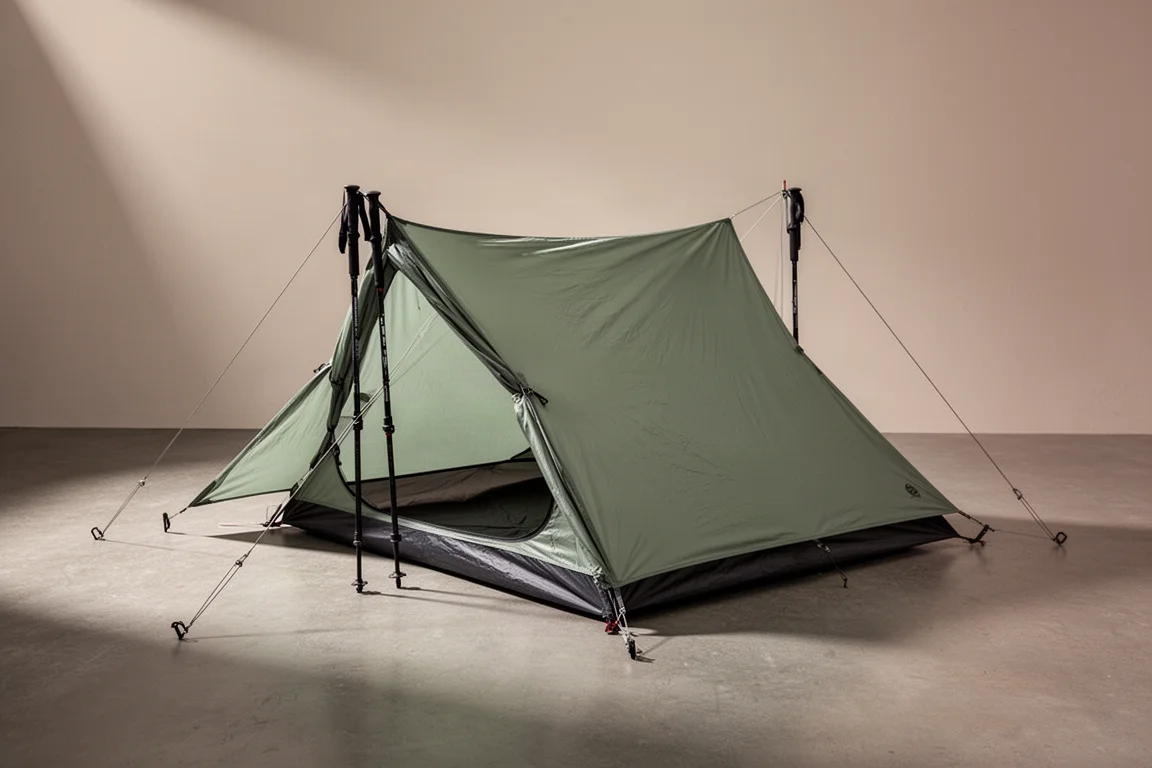
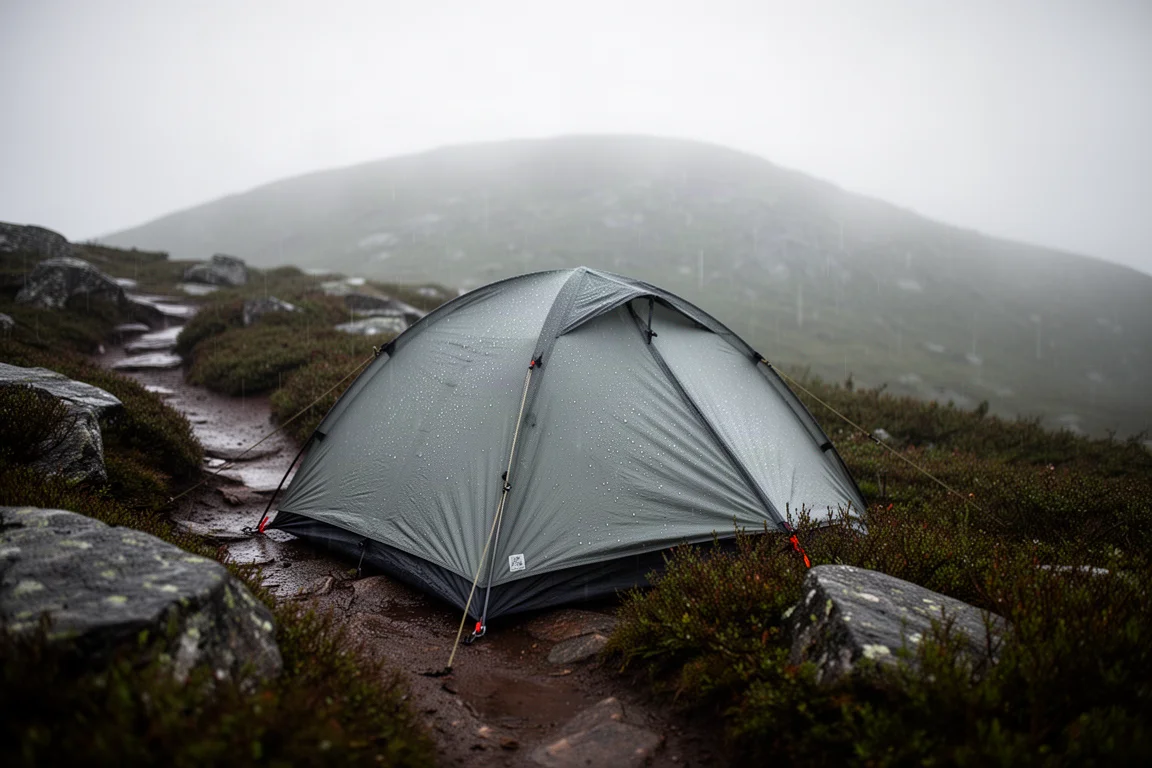
The 3F UL Gear Lanshan 2 Pro is a single-wall, three-season shelter built for backpackers who already carry trekking poles and would rather not carry dedicated tent poles as well. It sleeps two, pitches with two poles, and lands in a weight class that usually costs considerably more. A four-season version exists for colder and windier conditions, though it adds both weight and cost.
The appeal here is straightforward: a roomy two-person floor plan, dual vestibules, and a modest price, packaged into a shelter that packs down small.
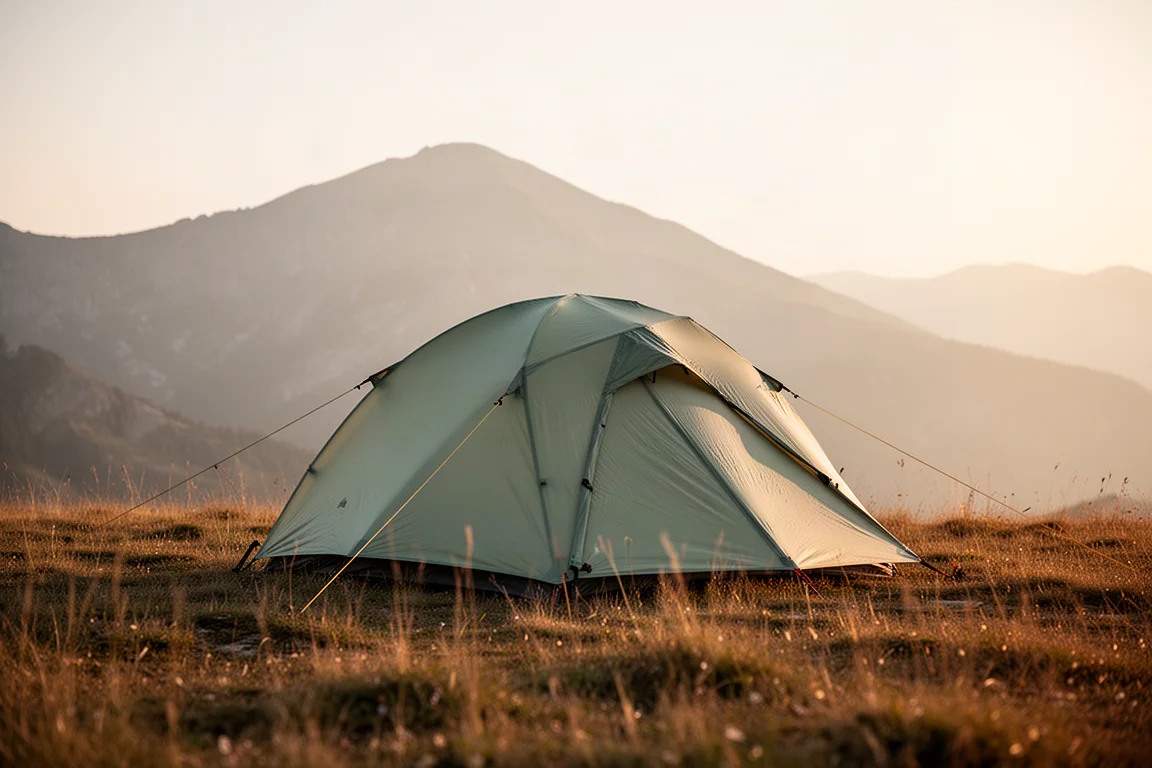
For anyone assembling a lightweight overnight kit on a tight budget, the Lanshan 2 Pro is one of the more interesting options in its category. The trade-offs are real but predictable, and most of them come down to how much fiddling you are willing to do at camp.
Who the Lanshan 2 Pro Is For
This is a two-person tent by measurement. The floor runs 90.6 inches long, about 7.55 feet, and the bathtub floor is 47.2 inches wide, roughly 3.93 feet. That fits two average-sized sleepers, but gear space gets tight once two people and two sleeping pads are inside.
A practical approach for solo trips is to size up by one: take a two-person shelter when travelling alone, and a three-person shelter when sharing with a partner. By that logic the Lanshan 2 Pro is a comfortable solo shelter with room to spare, and a workable but snug option for two.
The layout helps. Each side has its own door and vestibule, so neither occupant has to climb over the other to get out at night, and each person gets somewhere to stash a pack and boots.
Design, Materials, and Setup
The fly and tent body use 20 denier sil nylon, a silicone-impregnated nylon fabric. The inner is 20 denier nylon mesh, and the bathtub floor is PU nylon, treated with polyurethane for water resistance.
No poles ship with the tent. Setup requires two trekking poles adjusted to length: stake out the four corners first, then position the poles and stake out their bases. The high points of each vestibule have a small flap, and the poles sit on the inside of the vestibule rather than the outside, which becomes obvious once you try to stake the vestibule doors closed.
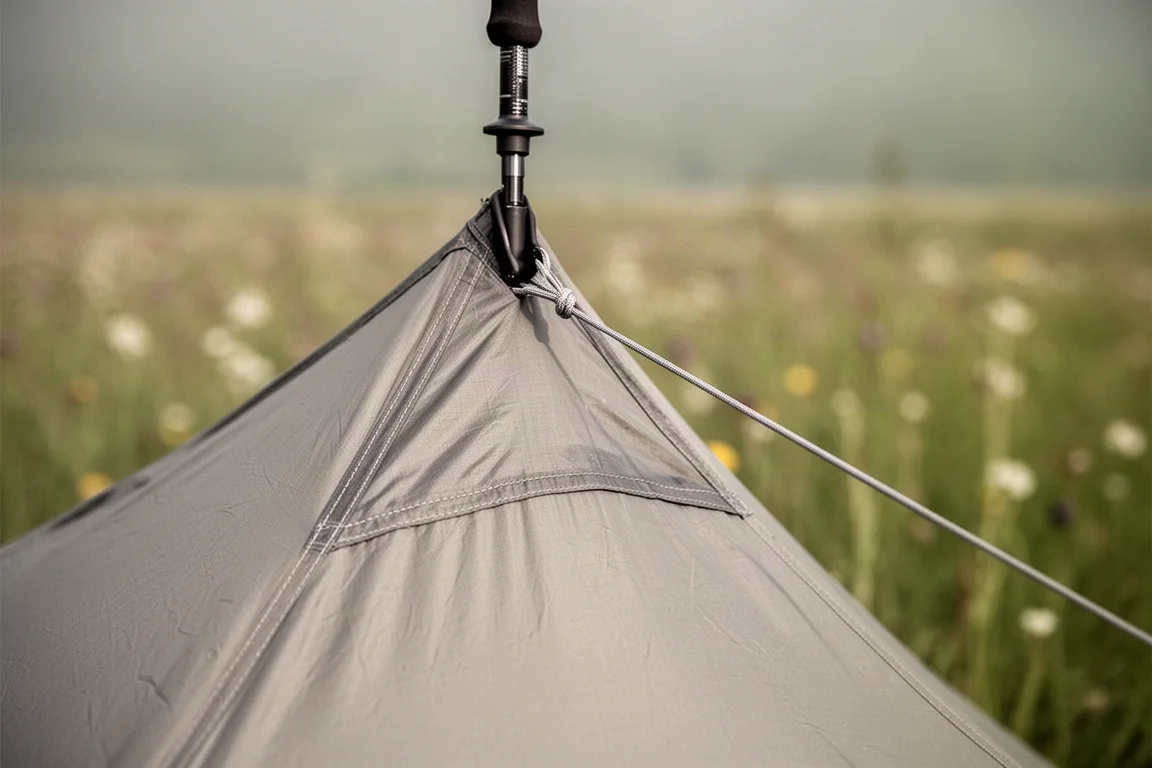
Workmanship on inspection looked clean, with nothing standing out as poorly finished. Long-term durability will depend on how the sil nylon and mesh hold up over a full season of trail use.
Main Strengths
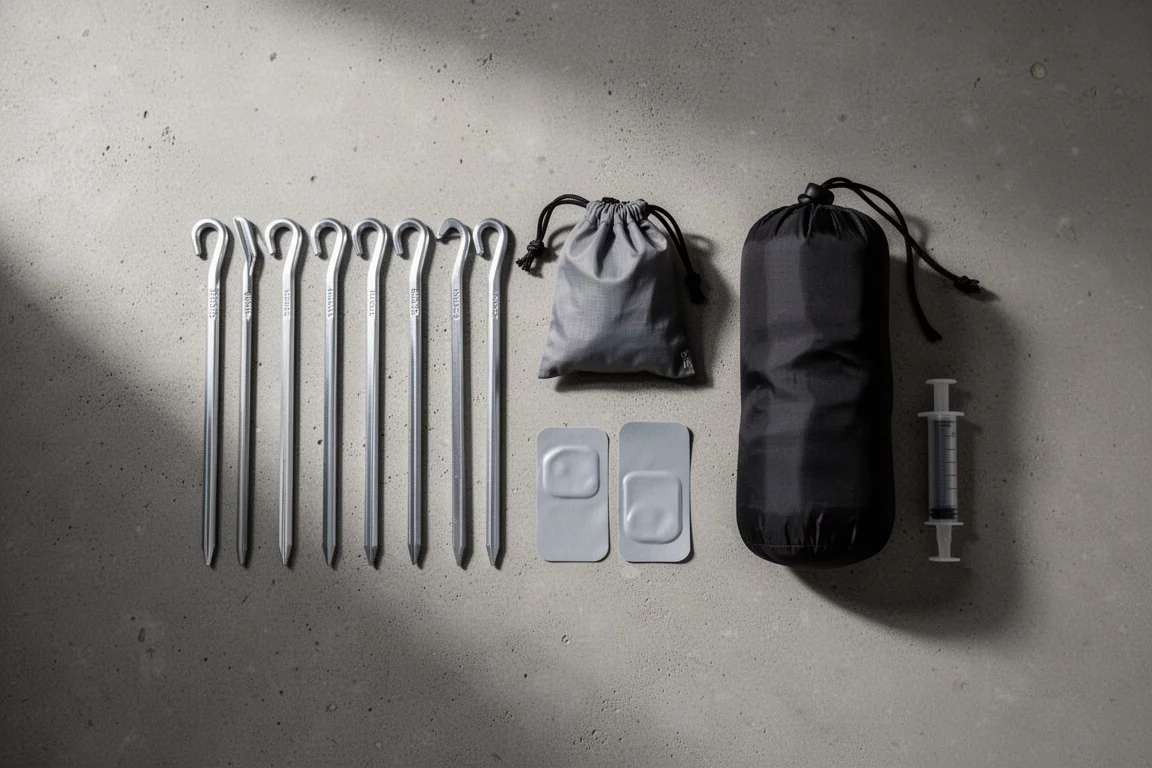
The headline number is weight. The tent body, guy lines, and compression stuff sack come to 32.5 ounces, just over two pounds. The eight included stakes and their stuff sack add 3.4 ounces.
Included with the order were the tent body, a compression stuff sack, eight stakes with a stake sack, two floor repair kits, and a syringe, presumably for seam sealing or for applying the repair patches.
Dual side entry is a genuine convenience rather than a marketing line. Two doors and two vestibules make shared trips far more civilised, and they improve ventilation on warm nights.
Things to Consider Before Buying
The mesh side panels only unzip halfway. That means the practical sleeping orientation is head toward the side that opens, so you can reach out and access the vestibule while sitting up. It also means choosing your pitch with the head end on the higher ground, rather than deciding after the tent is already up.
There is a single interior pocket. It is well placed if you sleep on the correct side, but two occupants would each benefit from having their own.
During setup, one vestibule kept popping off its stake while the opposite side was being adjusted. That may have been stake positioning rather than a design flaw, but it is worth watching for.
Seam sealing is required and is not done at the factory. It is a tedious job, and doing it yourself means any later leakage is your own responsibility rather than a warranty matter.
A footprint is also recommended for a nylon-floor shelter. The manufacturer sells one, but a sheet of polycryo is cheaper and lighter: a 96 by 72 inch sheet weighs 3.65 ounces and cost 11 dollars.
Weight, Packability, and Real Cost
Add it up for a realistic carry weight: 32.5 ounces for the tent and stuff sack, 3.4 ounces for the stakes, and 3.65 ounces for a polycryo ground sheet, for a total of 39.55 ounces before seam sealer. The set-up footprint measures about 12.14 feet long by 8.86 feet wide, so plan for a reasonably generous pitch site.
The tent was ordered at 157 dollars from the 3F UL Gear website, and it is sold through other retailers as well. Pricing moves around, and it was noticeably higher at a later check, so it pays to compare before committing. With the ground sheet included, the practical outlay came to 168 dollars, plus seam sealer and trekking poles for anyone who does not already own them.
Buying Advice
The Lanshan 2 Pro makes the most sense for backpackers who already carry trekking poles, are comfortable seam sealing a shelter, and want a light two-person tent without spending premium money. The value case is strongest for solo hikers who want a spacious one-person setup, or for two people who travel light and accept a snug interior.
Budget the extras into the decision: seam sealer, a ground sheet, and trekking poles if you do not own a pair. Those items narrow the gap between this tent and pricier alternatives, but even combined they keep the total well below what most ultralight two-person shelters cost. Given the fluctuating price, it is worth checking a few retailers before ordering.
Conclusion
For the weight, the price, and the quality seen on first inspection, the Lanshan 2 Pro is an appealing option for backpackers building a light kit on a budget. The compromises are minor and manageable: a half-opening mesh panel, a single pocket, a staked vestibule that needs attention, and a seam-sealing job to complete at home. For anyone who wants a two-person trekking pole shelter without the usual price tag, it deserves a place on the shortlist.
Product link
View more details for 3F UL Gear Lanshan 2 Pro
This product is mentioned in the review. Check the specifications, options, and compatibility before buying.
View more details for 3F UL Gear Lanshan 2 ProFurther reading
Related Reviews
Backpacking Tents
3F UL Lanchan Pro 1 Review: A 1 lb 8 oz Single-Wall Trekking Pole Tent
A practical look at the 3F UL Lanchan Pro 1, a single-wall trekking pole shelter with a 1 lb 8 oz weight, 20D silnylon fabrics, and a roomy 90 x 31 x 49 inch interior.
Backpacking Tents
3F UL Taiji 2-Person Tent: A Convertible Backpacking Shelter Worth a Closer Look
A practical look at the 3F UL Taiji two-person tent, covering its materials, true two-person interior, fly-first pitching, and the seasonal inner swap that lets one shelter cover more of the year.
Backpacking Tents
3FUL Lanshan Twoerson Pro Review: A Light Trekking Pole Shelter That Struggled in Rain
A two-person trekking pole shelter with a 2026 redesign, pitched with sticks and put through a night of steady rain. Here is what worked, what did not, and what to check before buying.