Backpacking Tents
Lanshan 1 Tent Review: 3-Season vs 4-Season Compared
A practical comparison of the Lanshan 1 in its 3-season and 4-season builds, covering packed weight, size, materials and how to pick the right one.
Introduction
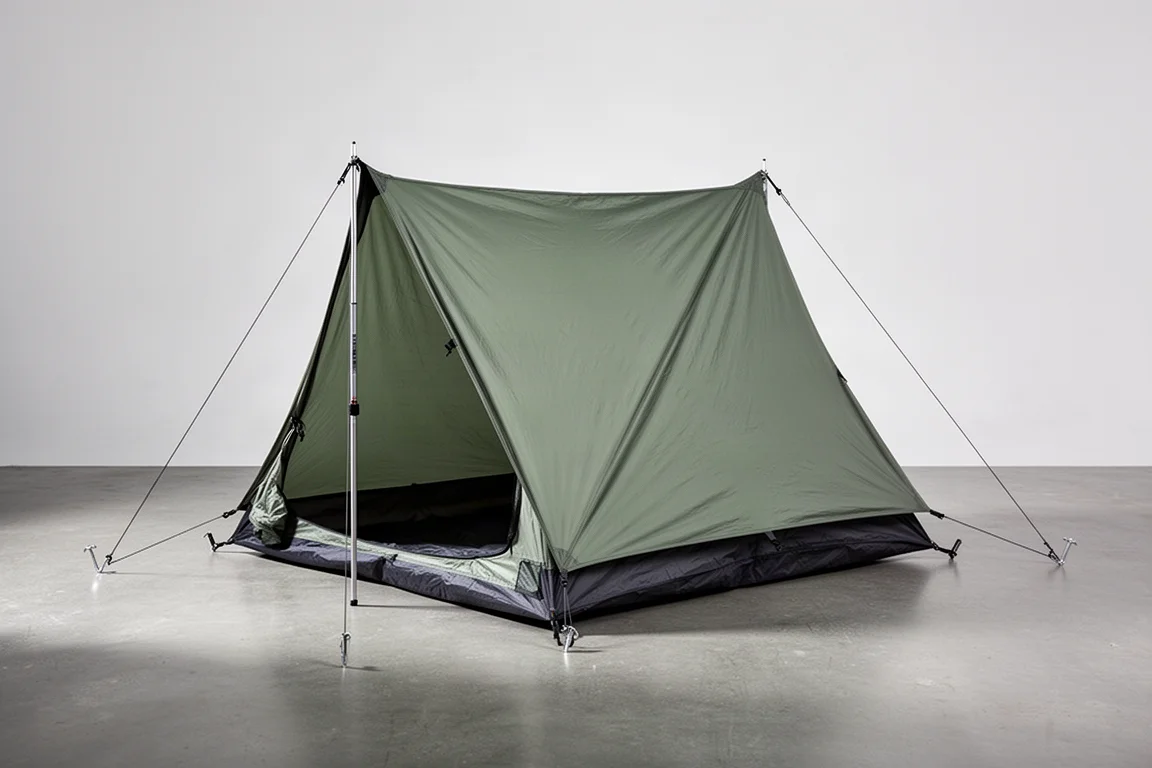
The Lanshan 1 is a trekking-pole shelter rather than a freestanding tent. Instead of packing dedicated poles, it pitches using the hiking poles you are already carrying, so the shelter, groundsheet and fly add far less to your load than the raw packed weight suggests. Both versions roll down into a bundle that sits easily inside a rucksack.
Two builds are available: a 3-season version with more mesh in its construction, and a 4-season version with more solid fabric and less mesh. Packed weight for both lands at roughly 1.2 kg, which keeps them realistic for backpacking and wild camping rather than car camping.
This comparison looks at how each version is put together, what the lightweight materials ask of you, and which build matches the trips you actually take.
How the Lanshan 1 Works
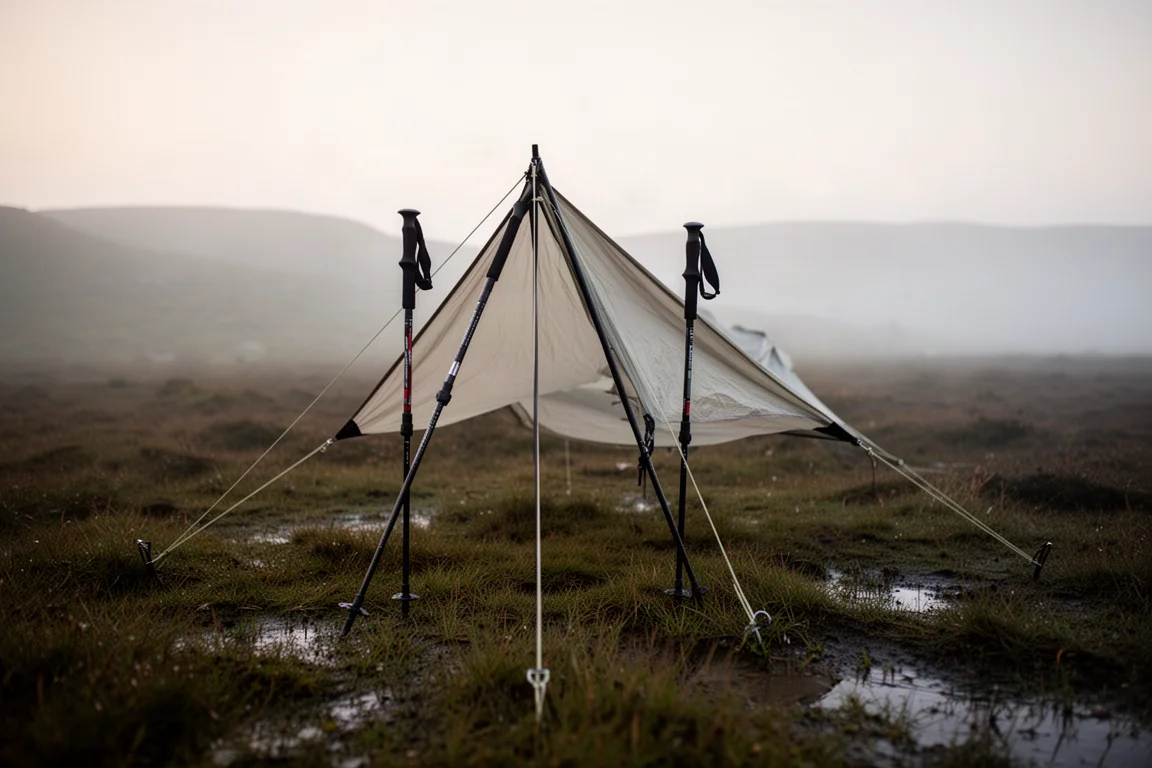
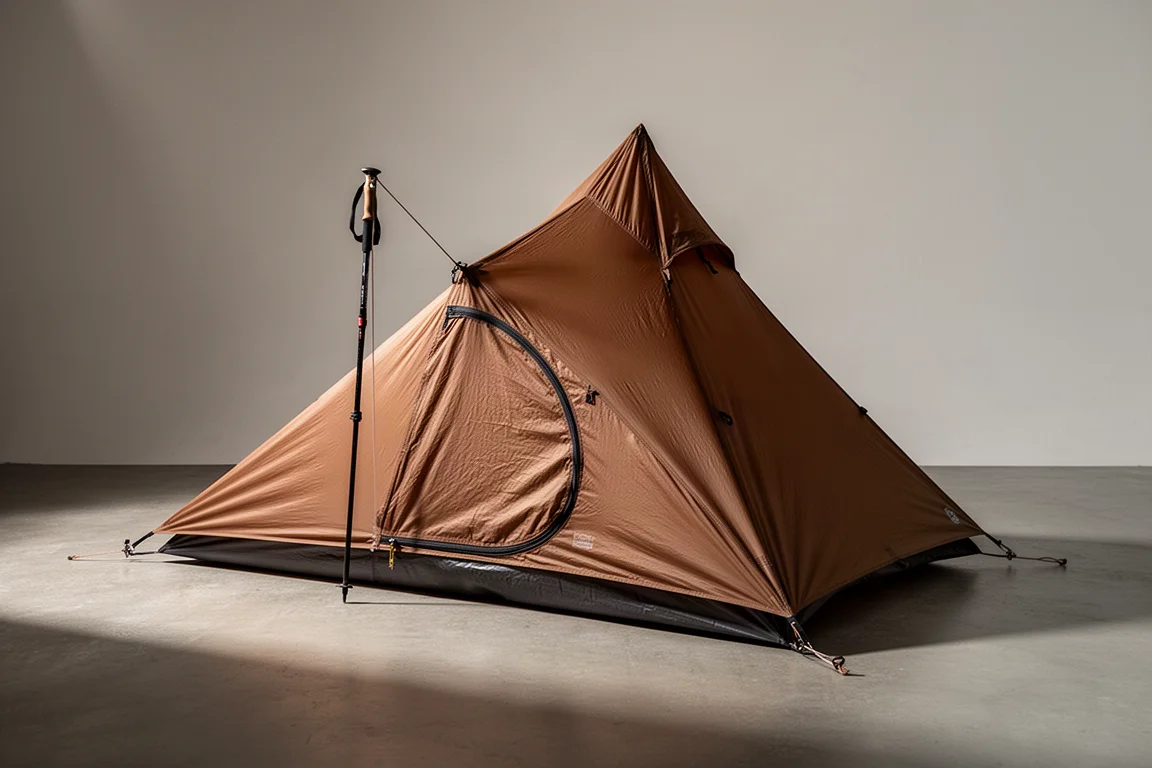
The design leans on a simple idea: you carry trekking poles anyway, so the tent uses them as its structure. That removes the weight and bulk of a conventional pole set, and it keeps the packed bundle small enough to disappear into a pack.
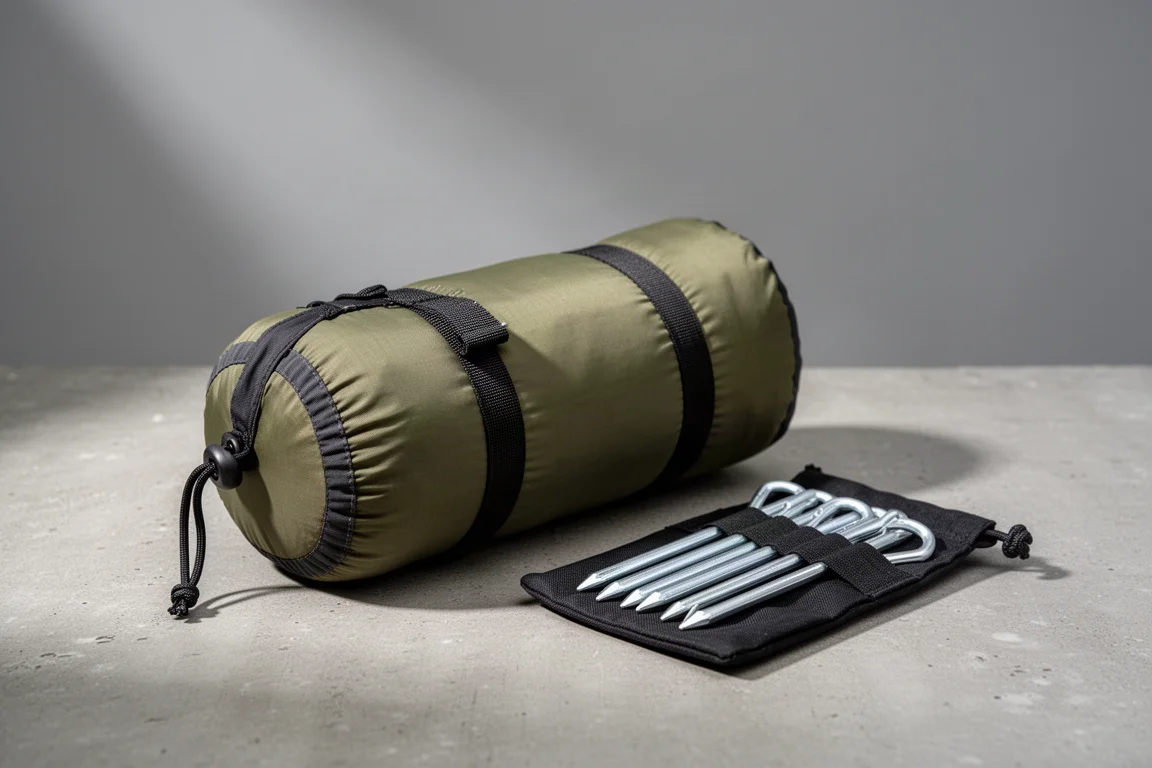
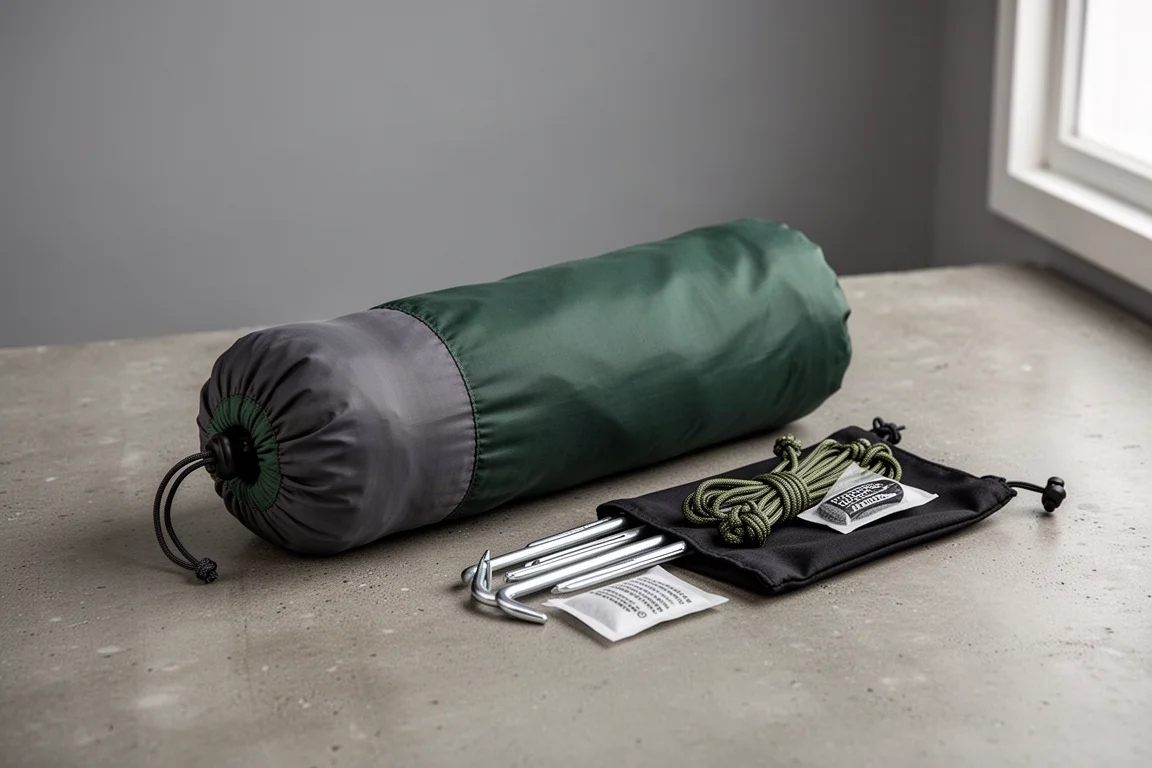
The shelter arrives with an integrated groundsheet and a fly, plus attached guy lines, eight aluminium pegs, spare guy ropes and a patch kit in a small black pouch. The groundsheet matters more than it might sound. Camping on saturated ground without one is how a sleeping bag ends up wet in the early hours, and an enclosed design also keeps ground insects out of your sleeping area in warm weather, which is where open tarp setups tend to fall short.
The stuff sack is made from very thin fabric, though it feels robust for its weight. That is the trade-off running through the whole package: light materials that ask for a bit of trust. Peg count is deliberately modest at eight, so choosing a sensible pitch matters more than brute force.
Lanshan 1 3-Season: Lighter and More Breathable
The 3-season version uses more mesh in its build, which makes it the better choice for warm-weather trips where airflow matters. The mesh panels also give the shelter a more open feel, and it comes in a brighter colourway than its sibling.
On a kitchen scale the 3-season package came in at around 1,255 g, including the pegs and lines packed inside the sack. That figure sits close enough to the 4-season version that weight should not be the deciding factor between the two.
Lanshan 1 4-Season: More Fabric, Less Mesh
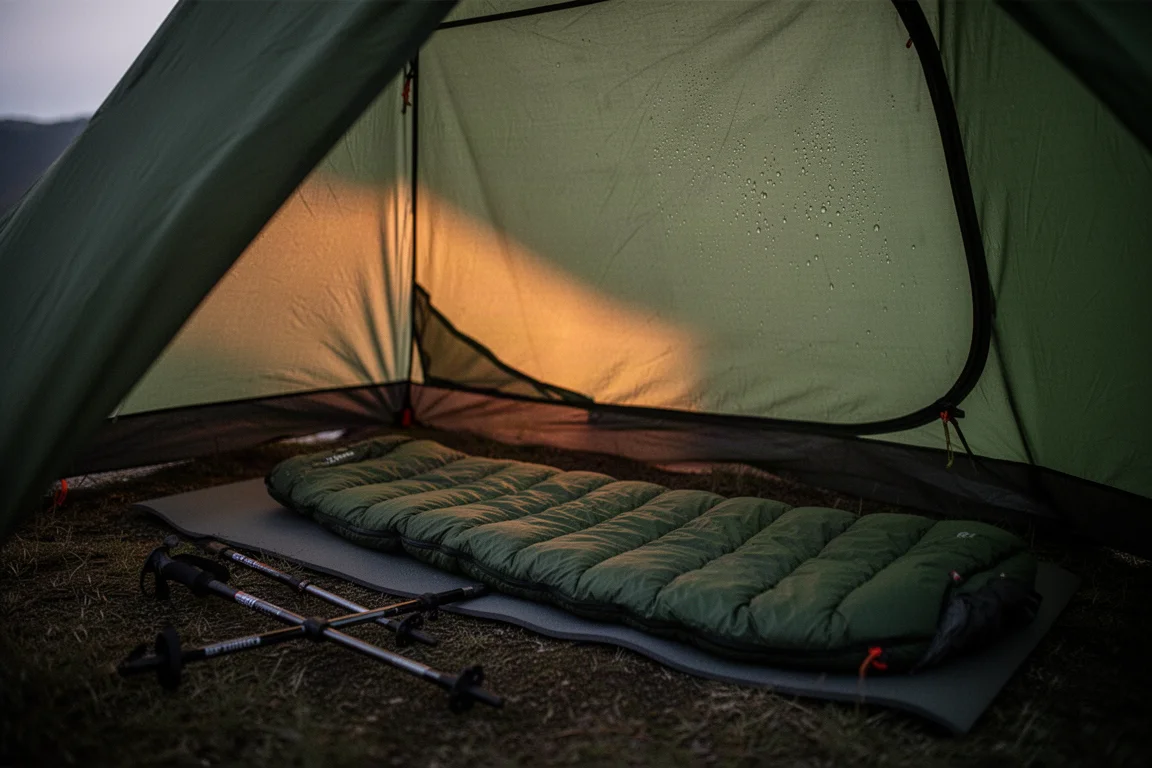
The 4-season version swaps mesh for more solid side panels. That makes it the more sensible option for colder, windier conditions, where you want fabric between you and the weather rather than open mesh.
It also arrives in a more subdued colourway, with a dark groundsheet and a green fly, which is a quieter look than the brighter 3-season version. On the same scale it weighed around 1,190 g packed.
Pitching technique is identical on both versions, so the decision really comes down to how much mesh you want around you at night. If most of your trips fall in shoulder-season or colder conditions, the extra fabric earns its place.
Packing, Pegs and Pitching Notes
Getting the tent back into its sack takes a couple of attempts. Straight from the factory the bundle is folded tightly, and matching that at home is not realistic; on the trail the sack accepts a looser roll without much argument, and the compression straps take up the slack.
The eight supplied pegs are the only anchoring hardware in the box, so it helps to understand which corners carry the load before pitching on exposed ground. Guy lines come attached, which saves fiddling with knots in bad weather. It is worth practising the pitch in a garden or a local park before relying on it at a campsite, particularly if you have not used a trekking-pole shelter before.
Weight and Packed Size Compared
Both versions land at approximately 1.2 kg packed. The measured gap between them, roughly 1,190 g for the 4-season and 1,255 g for the 3-season, is small enough that it can be explained by what was in the sack at the time: pegs, spare guy ropes and how tightly the fabric was folded.
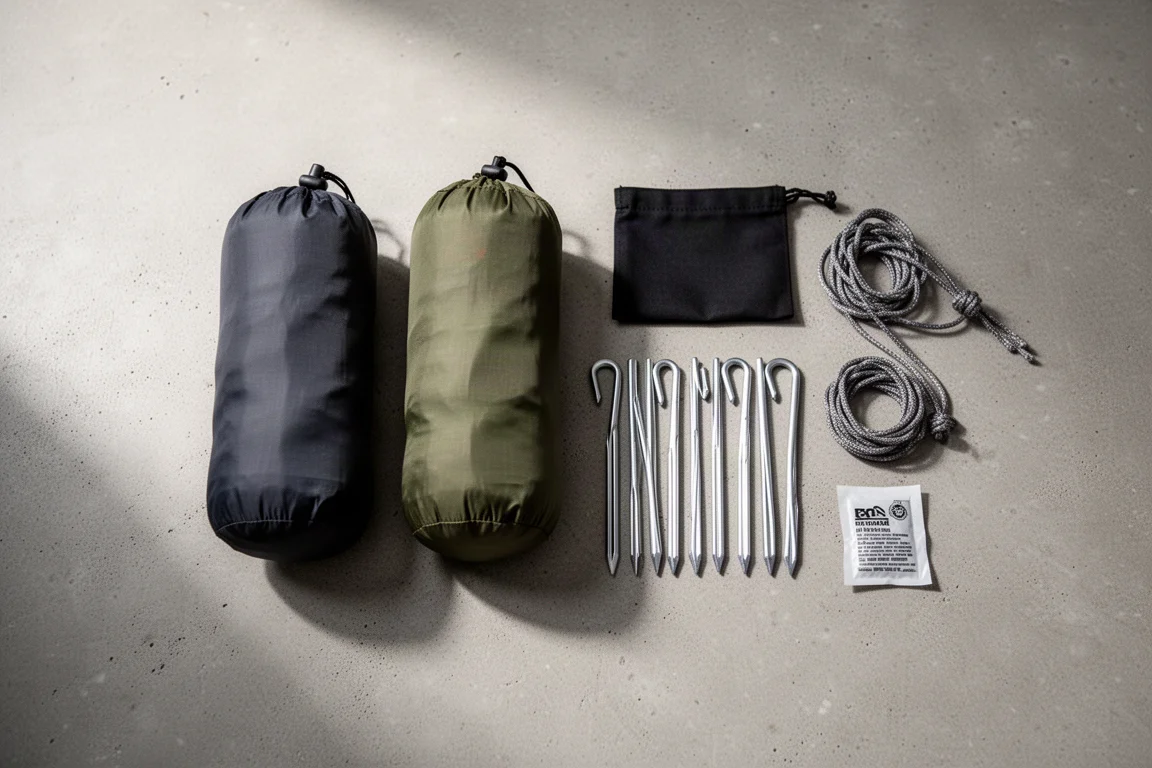
Packed size is similarly close. Both bundles are compact enough to sit inside a rucksack rather than strapped on top, and neither adds the awkward length of a pole bag. If you are counting grams, the mesh-heavy 3-season build is the lighter option on paper, but the difference is not large enough to reshape a packing list.
Care and Long-Term Durability
Thin fabric is the price of a 1.2 kg shelter, and it asks for a little care. Check the ground for sharp stones and debris before laying out the groundsheet, keep the patch kit with the tent rather than in a drawer at home, and avoid dragging the bundle across rock.
The materials feel light in the hand, and that can be unnerving if you are used to heavier kit. The honest position is that this is exactly what the tent was designed to be, and treating it sensibly is more useful than worrying about it. Store it dry, and check the guy lines and pegs periodically for wear.
Buying Advice: Which Lanshan 1 Suits Your Trips
Choose the 3-season build if most of your camping happens in warmer months and you value ventilation and a lighter mesh construction. Choose the 4-season build if you camp in colder, windier conditions and want more solid fabric around you, or if you simply prefer the quieter colourway.
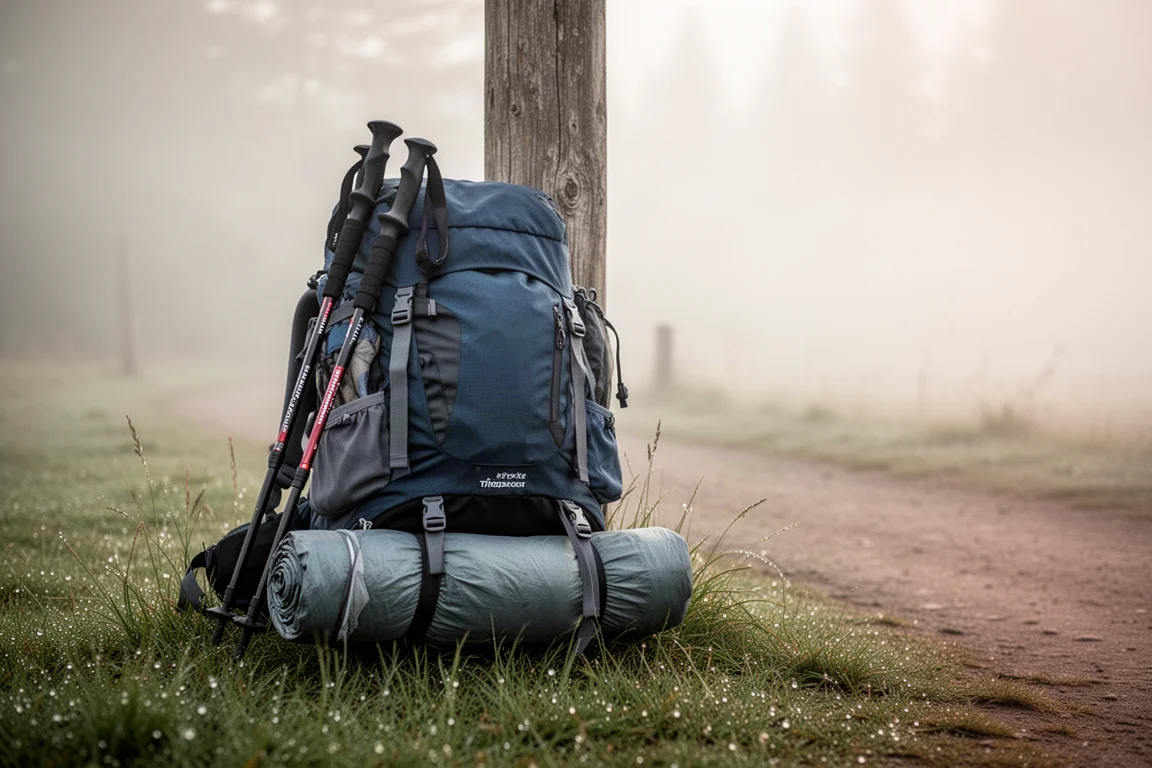
Both versions share the same core advantages: no dedicated poles to carry, a compact packed size, an integrated groundsheet, and a complete set of pegs, lines and a patch kit in the box. Neither is freestanding, so you will need trekking poles with you, and both reward a practised pitch.
If you are new to trekking-pole shelters, the 3-season version is the more forgiving introduction. If you already know you will be out in poor weather, the 4-season version is the one that makes more sense.
Conclusion
The Lanshan 1 solves a real problem: it offsets its own weight against gear you were carrying anyway, and it packs down small enough to disappear into a rucksack. The 3-season version suits warm-weather trips where ventilation matters, while the 4-season version trades mesh for solid fabric for colder and windier conditions. At around 1.2 kg for either build, the deciding factor is the weather you expect, not the number on the scale. Treat the lightweight fabrics with reasonable care, practise the pitch once before you rely on it, and either version will do the job it was designed for.
Further reading
Related Reviews
Backpacking Tents
3F UL Lanchan Pro 1 Review: A 1 lb 8 oz Single-Wall Trekking Pole Tent
A practical look at the 3F UL Lanchan Pro 1, a single-wall trekking pole shelter with a 1 lb 8 oz weight, 20D silnylon fabrics, and a roomy 90 x 31 x 49 inch interior.
Backpacking Tents
3F UL Taiji 2-Person Tent: A Convertible Backpacking Shelter Worth a Closer Look
A practical look at the 3F UL Taiji two-person tent, covering its materials, true two-person interior, fly-first pitching, and the seasonal inner swap that lets one shelter cover more of the year.
Backpacking Tents
3FUL Lanshan Twoerson Pro Review: A Light Trekking Pole Shelter That Struggled in Rain
A two-person trekking pole shelter with a 2026 redesign, pitched with sticks and put through a night of steady rain. Here is what worked, what did not, and what to check before buying.