Fountain Pens
Lamy Studio Orion Edition Review: Beautiful Design With One Big Caveat
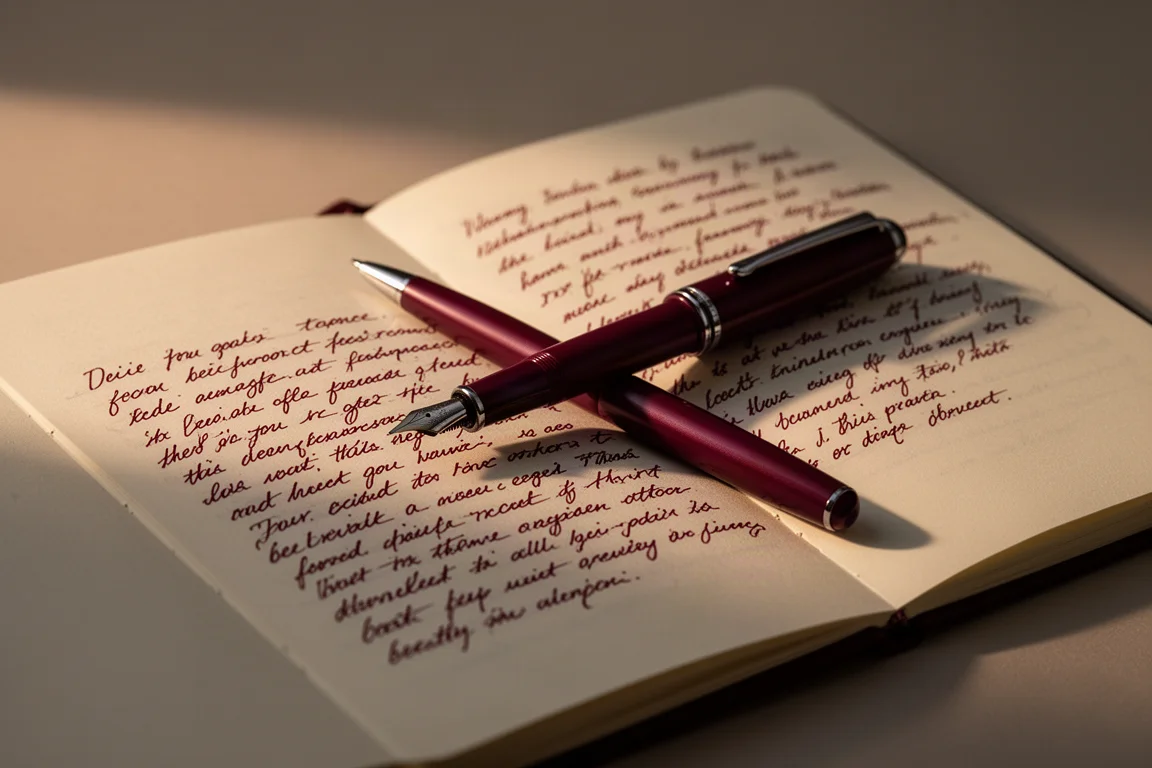
A close look at the Lamy Studio Orion Edition fountain pen: its propeller clip, Bordeaux finish, and the polished grip that may divide buyers.
Introduction
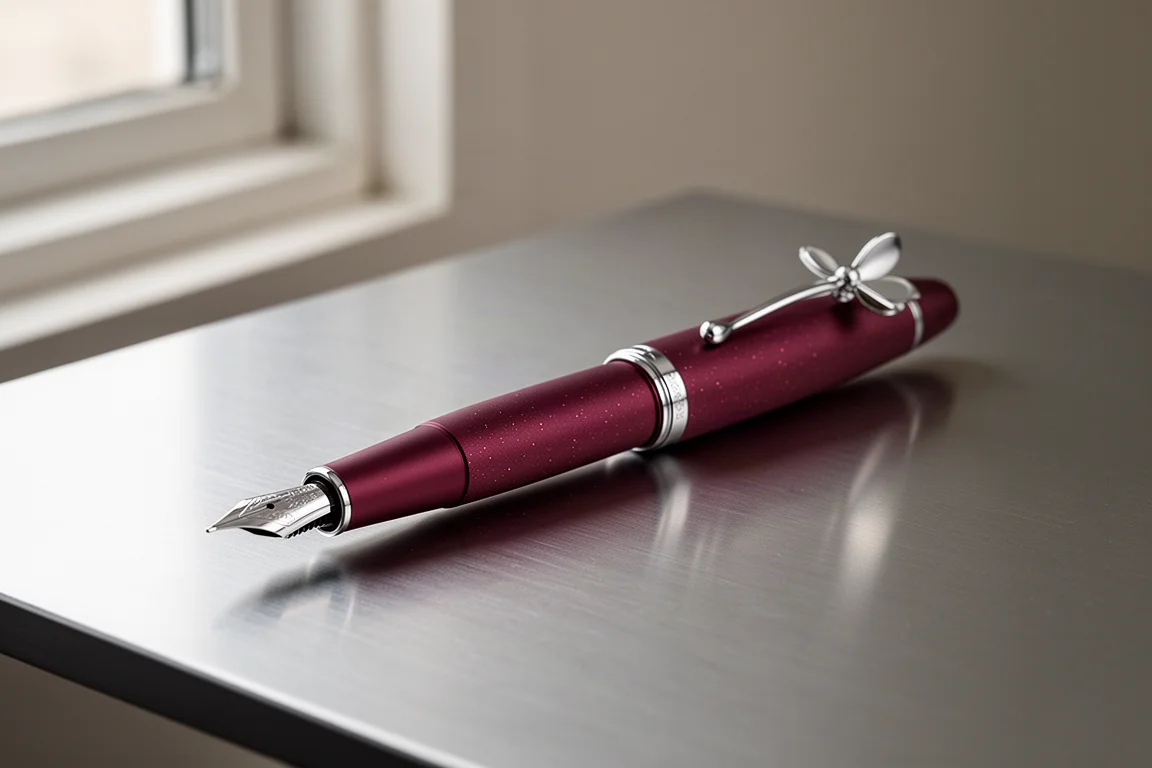
Some fountain pens earn their reputation through nib quality or materials. The Lamy Studio earns it through design. Conceived as a tool for architects, creatives, and professionals, it was imagined to fit seamlessly into a sleek, well-considered workspace, and it mostly lives up to that brief. The Orion Edition, though, introduces a finish and a grip quirk worth examining closely before you buy.
Design Story and the Propeller Clip
The Studio was released in 2005 and takes its name from the studio of Swiss designer Hannes Wettstein, who passed away in 2008 at just 50 years old. Wettstein came from the Swiss school known for minimalist design, reducing forms to their essence while placing high functionality on an equal level. His career spanned consumer products, industrial design, furniture, and architecture, including the V-Matic chronograph for Venture watches and the Hola 367 chair. On release, the pen won both the Good Design Award and the IF Design Award.
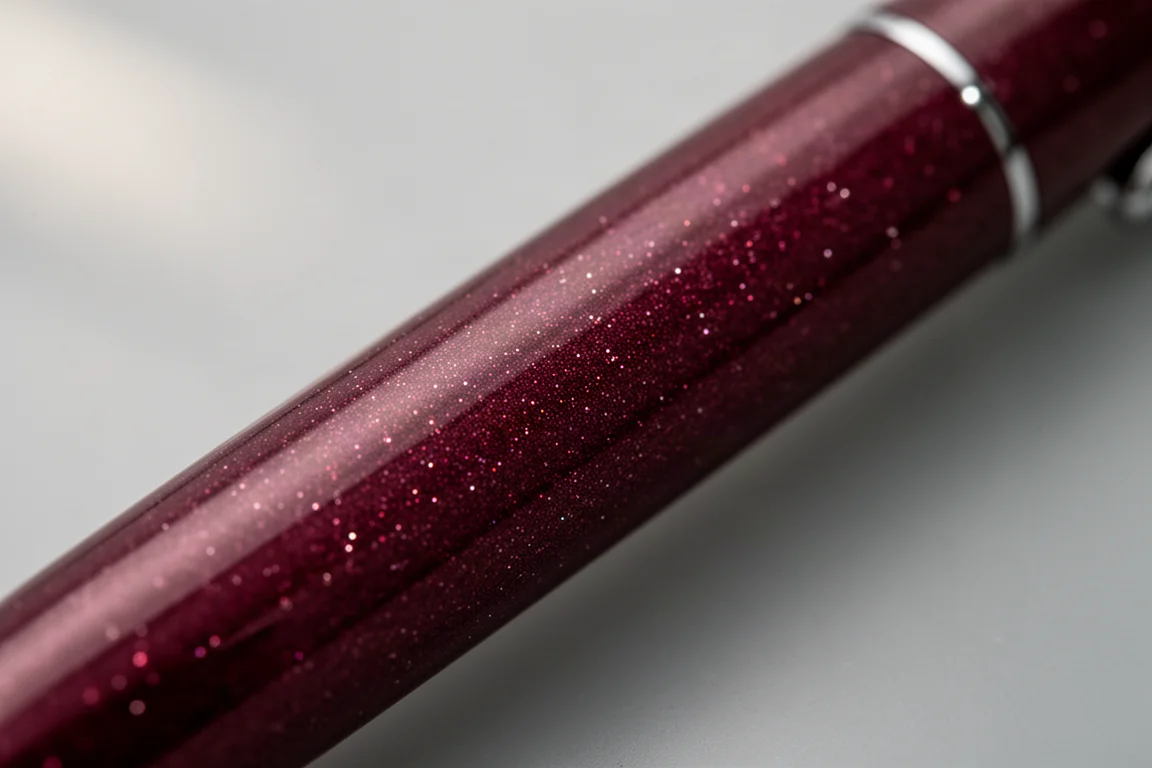
The signature detail is the propeller-inspired clip. It does not twist like an actual propeller blade would; instead it tapers down, flattens out, and shows its blade shape only in profile. That makes it sleek and aerodynamic, brings it to a tapering point, and produces a beautifully rounded edge that slips under fabric or paper without a fight. It is spring-loaded and snappy, and as a small piece of sculpture on the pen it is arguably the designer’s signature, the exclamation point that keeps the pen from being too sleek and forgettable.
The Orion Edition itself is a Bordeaux burgundy with a hint of sparkle. Under magnification it is hard to tell whether it is glitter or fine facets, but it is certainly reflective, with a purplish glow that explains the Orion name, like the background haze of a nebula. Silver accents on both sides of the pen, the silver printed Lamy logo, and the clip complete the look. It is tactile, textured, and feels very good in the hand.
Things to Consider Before Buying: The Grip
Then you uncap it, and things get complicated. The grip section is highly polished and, frankly, slick. There is a tiny ridge near the end to keep fingers off the nib, and the cap clicks into place with satisfying, snappy precision that gives your thumb a welcome anchor point if you have larger hands. But the polished metal itself is slippery, and for a pen designed by someone whose philosophy put usefulness at the center, it is a curious contradiction.
It is worth asking whether this is a deal breaker for you. Some will adapt their grip, as many pen owners learn to do; others will find themselves wondering why one detail was left unconsidered. This is not a small flaw dressed up as charm. It is the single most divisive aspect of an otherwise excellent pen, and it is the main reason we recommend handling the Studio in person if you can before committing.
The Nib Experience
The Orion Edition ships with a steel fine nib on Lamy’s Safari nib platform, which is both good and bad news. The good: it is interchangeable. You can swap in a gold nib, a Lamy cursive nib if you can find one, or the 1.1 mm stub the brand calls its calligraphy nib. Options span extra fine, fine, medium, broad, plus 1.1 and 1.5 stubs.
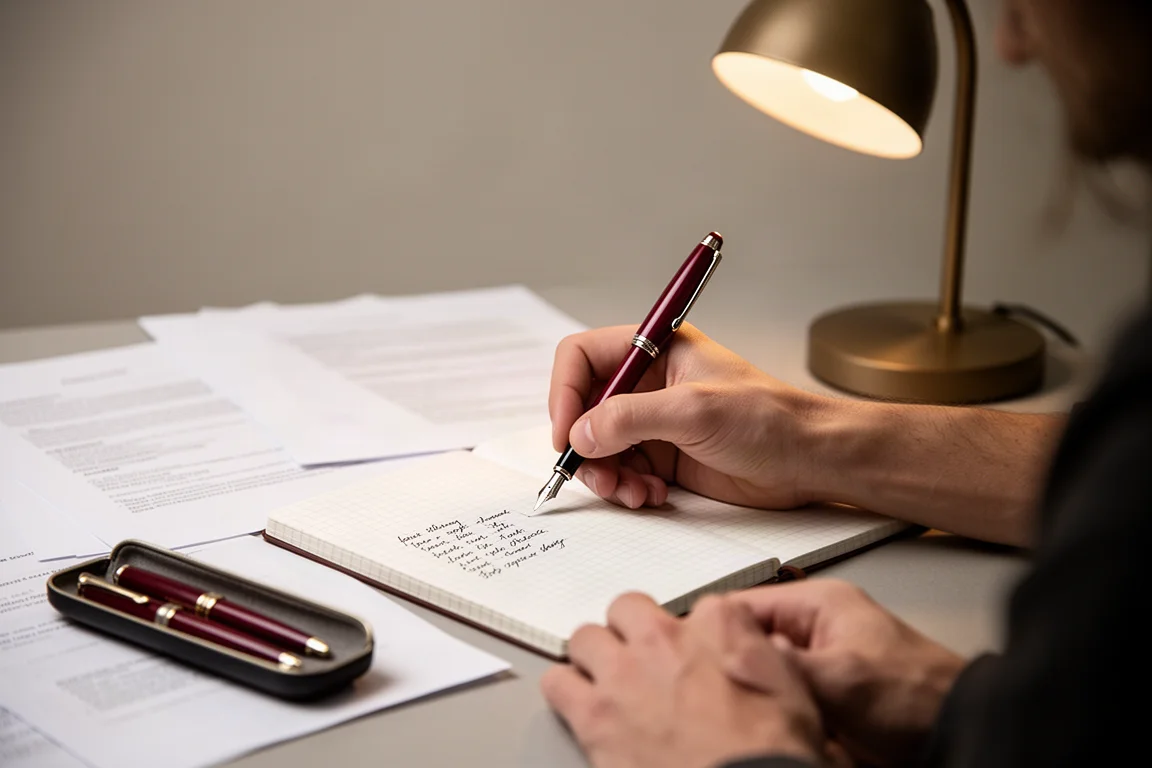
Our impression of this particular fine nib: it is very fine, finer than expected, with precision closer to a Japanese extra fine than a typical Western fine. For tiny handwriting, notebooks, and precise technical work, it would be brilliant. For a looser, flowier writing style, it feels restrictive. It also writes noticeably stiffer here than on the Safari, with no give at all, lending the pen a tighter, more rigid character that reinforces its precision. Flow is fine; there is nothing wrong with the nib. It is simply a taste issue.
Filling System and Extras
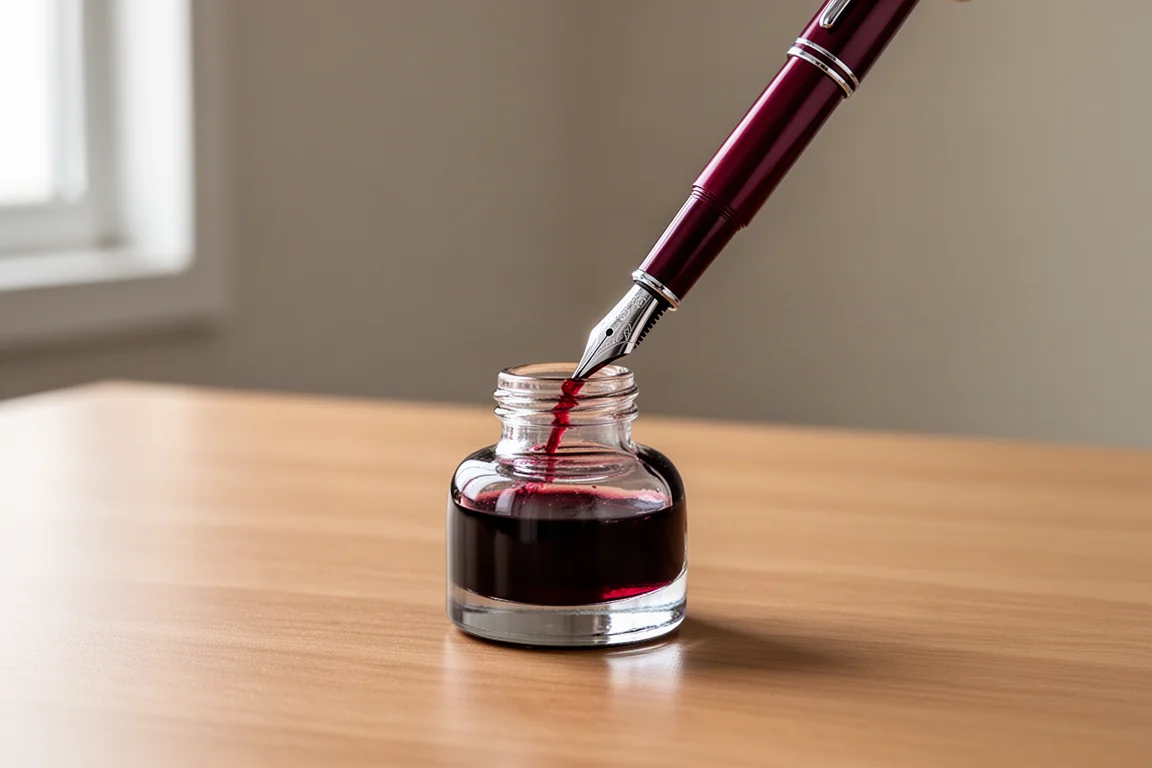
The special edition includes one ink cartridge and Lamy’s Z27 converter. The converter works and lets you fill from a bottle, which is genuinely useful at this price. It is not a pleasure to use, though: the piston knob is oddly square and feels strange under the fingers. Modern converters rarely match the glass and metal classics of earlier decades, and expectations should be calibrated accordingly. In the cap department, the pen posts with a satisfying little thud, though posting makes it slightly back-heavy, so many writers will prefer it unposted.
Buying Advice
At around 80 dollars all in, with the pen itself roughly 75, you are getting a beautifully designed, tightly toleranced, well-crafted fountain pen with a striking finish, an iconic clip, and a genuinely precise fine nib. You are also getting one of the slickest grip sections in this price range, which may push you toward trying the pen before buying, or simply budgeting for a different nib or a slight grip adaptation.
If you appreciate good design and want another thoughtful, award-winning pen in your collection, the Studio Orion Edition is easy to recommend, with the grip caveat stated plainly. If a polished metal grip is a hard no for you, this is a pen to try first. A gold nib would elevate the writing experience, but it would do nothing for the grip, so decide on that issue before anything else.
Conclusion
The Lamy Studio Orion Edition is a pen that is beautiful because it works, luxury achieved through design rather than branding. Wettstein’s legacy shows in the propeller clip, the streamlined silhouette, and the meticulous craftsmanship. The slick grip remains the one detail that fights the design philosophy, and it is the reason to test before you invest. For design lovers who can accommodate or overlook it, this is a rewarding, distinctive writer.
Product link
View more details for Lamy Studio Orion Edition
This product is mentioned in the review. Check the specifications, options, and compatibility before buying.
View more details for Lamy Studio Orion EditionFurther reading
Related Reviews
Fountain Pens
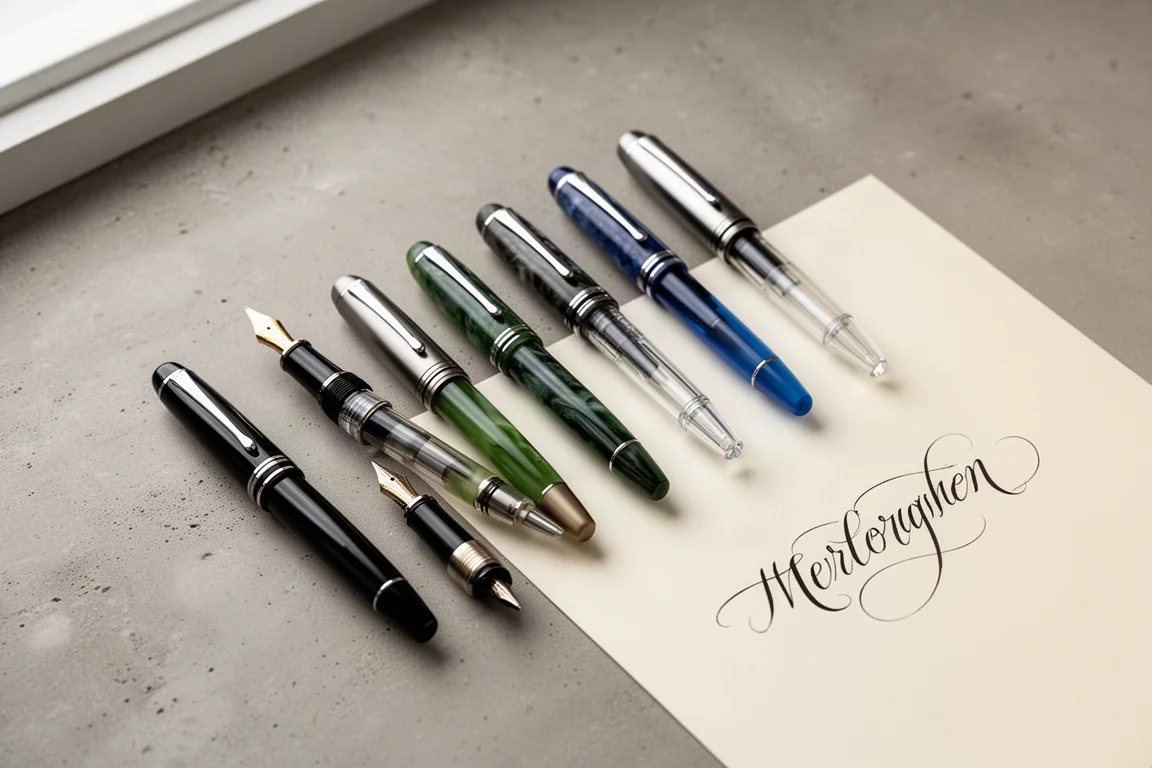
Best Budget Fountain Pens Tested: 9 Pens, One Clear Winner
A hands-on comparison of nine affordable fountain pens for everyday writing, calligraphy, and sketching, with a clear standout for flexible nib fans.
Fountain Pens
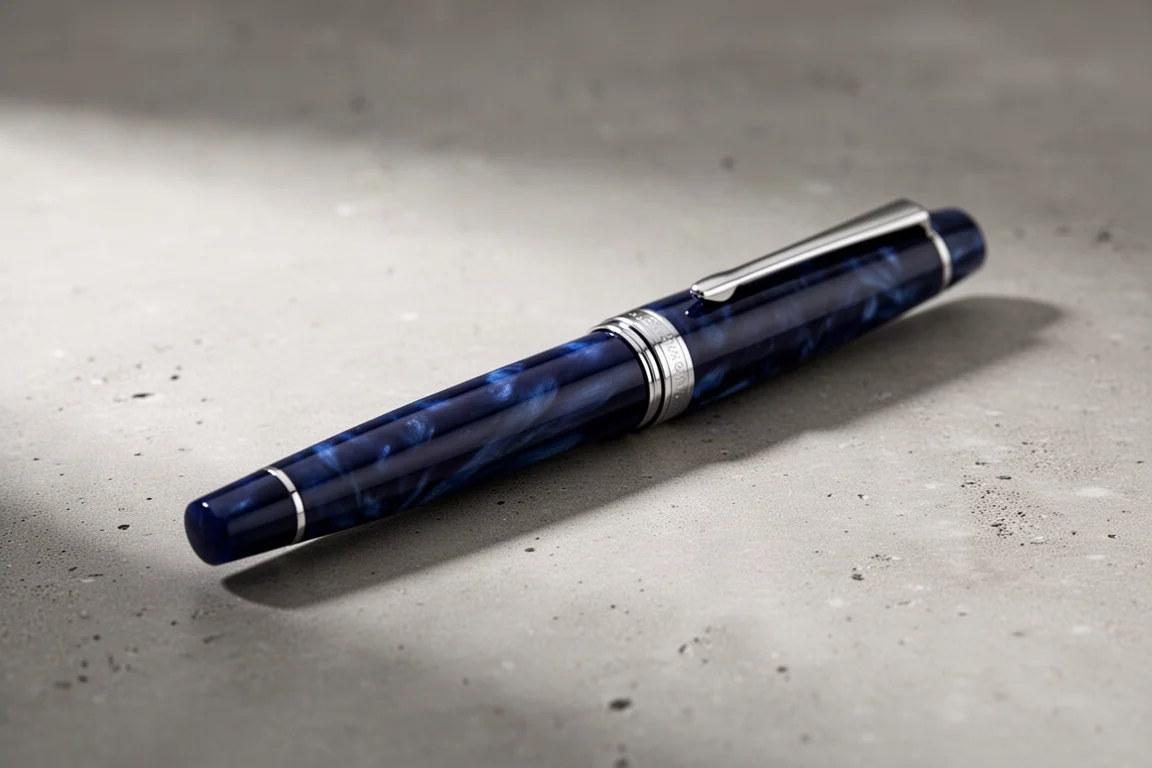
Aurora Optima Review: An Italian Piston Filler That Punches Above Its Price
A 14k gold nib, ebonite feed, and a beautifully deep oraloid body make the Aurora Optima one of the most rewarding piston fillers around.
Fountain Pens
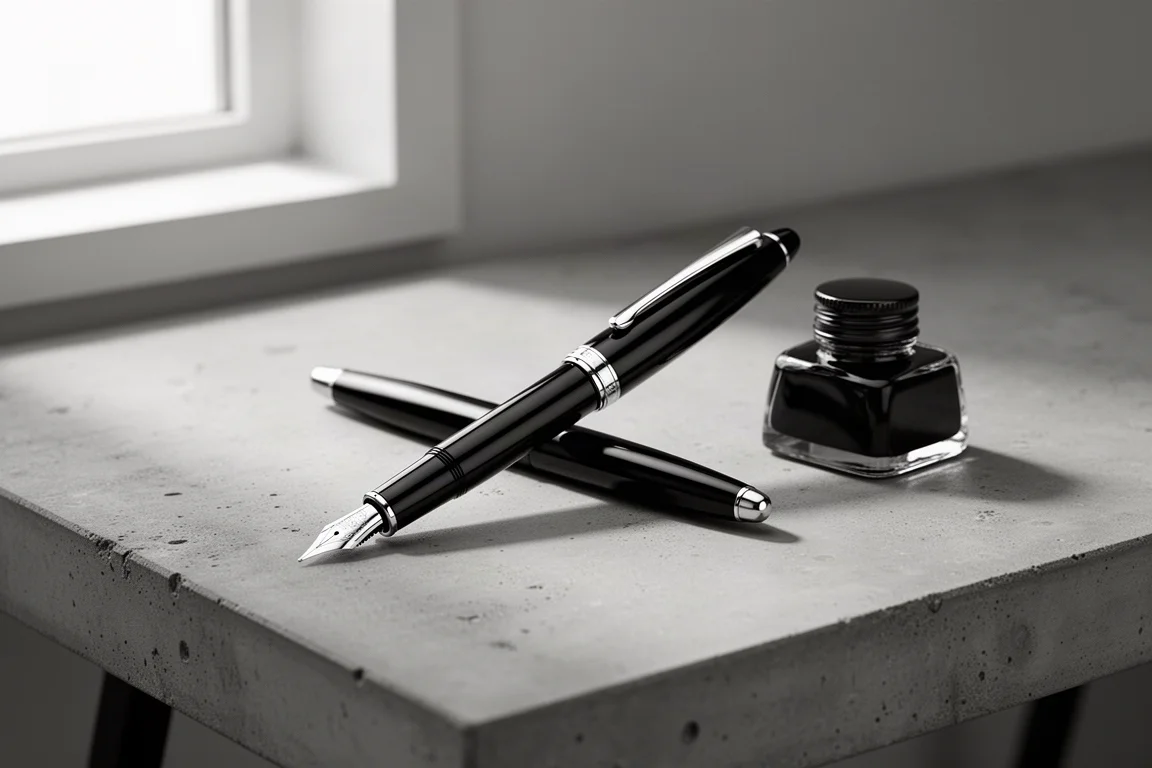
Cross Bailey Light Review: The Entry-Level Fountain Pen Worth Keeping at the Office
A plastic-bodied Cross with a metal clip, snap cap, and famously smooth extra fine steel nib. Around $15, available almost everywhere, and easy to recommend.