Fountain Pens
Lamy 2000 Review: The Bauhaus Icon That Still Divides Opinions
A design classic since 1966, the Lamy 2000 balances Macrolon and stainless steel, hides a piston filler, and delivers a sublime writing experience with a few quirks worth knowing.
Introduction
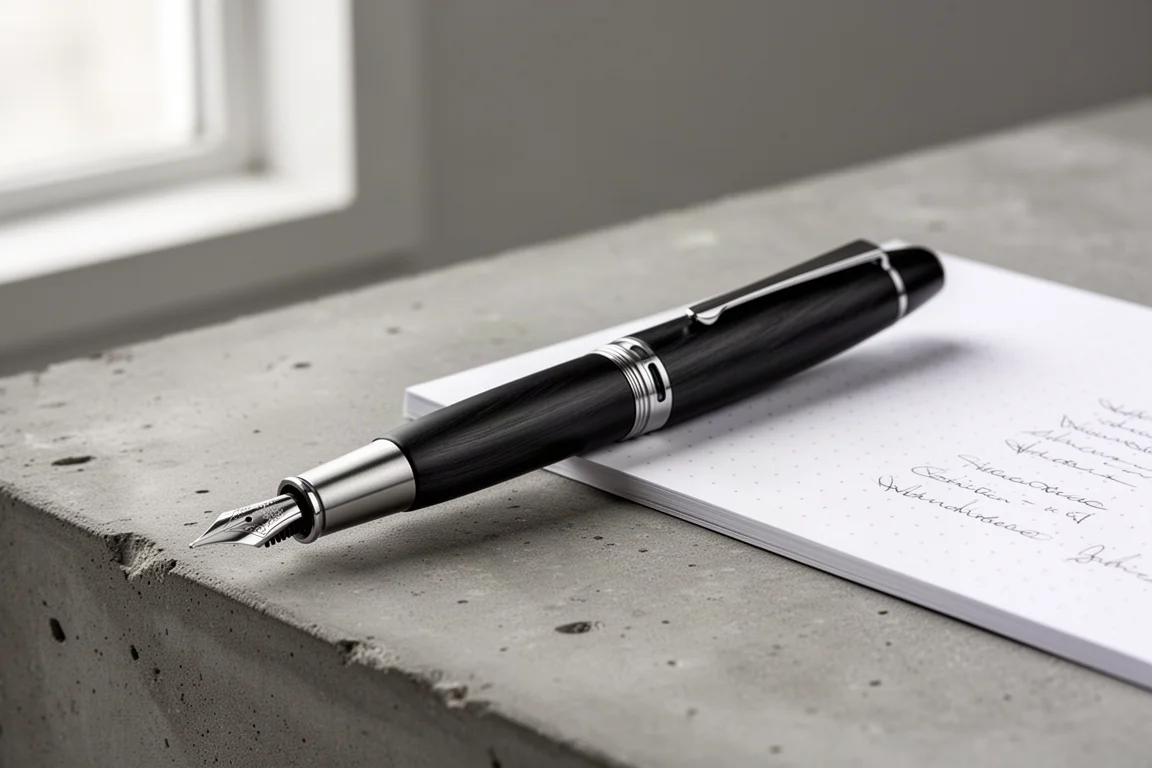
Few pens earn the word iconic, but the Lamy 2000 genuinely has. Designed by Gerd Alfred Müller at the request of Manfred Lamy and released in 1966, it took the Bauhaus idea of honest, unadorned design and expressed it in pen form. More than half a century later, it remains one of the most recognizable fountain pens ever made, and one of the most polarizing.
This is a pen of contradictions: it is made of humble materials yet wears a gold nib, it hides its branding almost entirely yet carries a premium price, and it looks austere while writing beautifully. Understanding those contradictions is the key to deciding whether it belongs in your collection.
Who This Pen Is For
The Lamy 2000 suits writers who value balance, restraint, and a smooth, consistent writing experience over flashy detailing. If you write for long sessions, prefer a light pen, and appreciate design that communicates function rather than decoration, this is very much your pen.
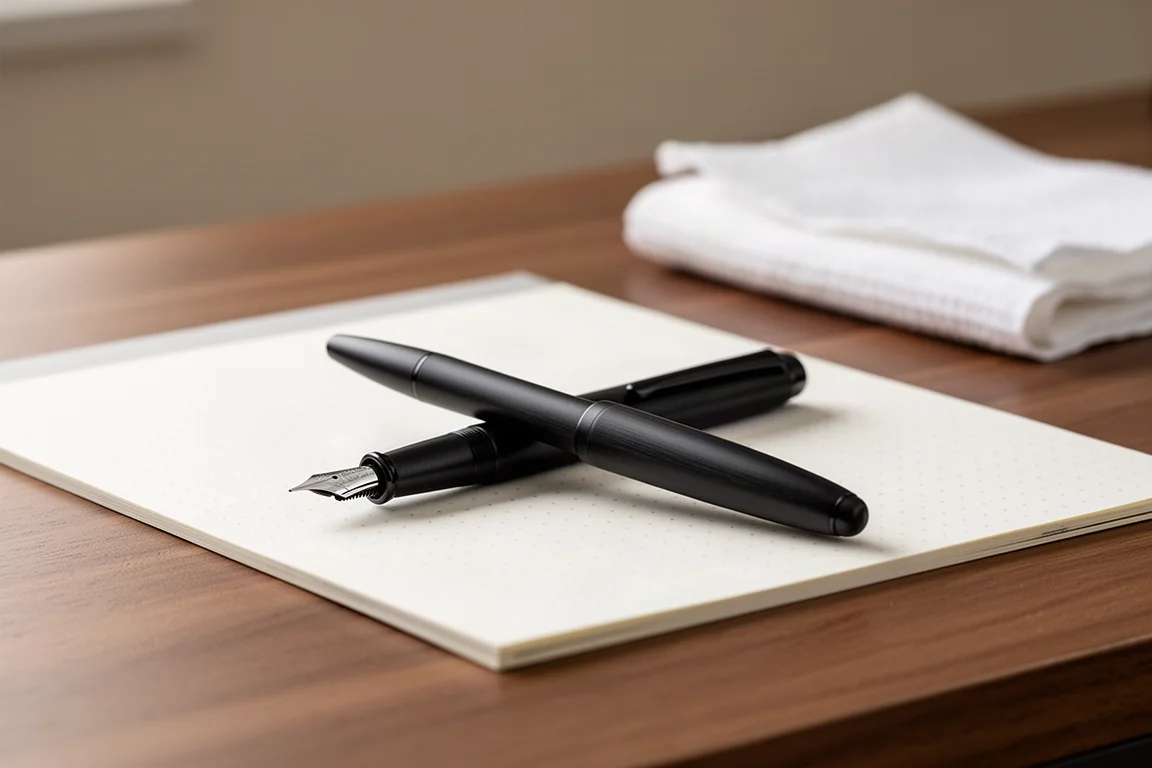
It is also a Marmite pen. Much like brutalist architecture, which Müller’s work is often compared to, you either respond to it or you do not. The good news is that the writing experience itself can win over people who are cool on the aesthetics.
Main Strengths
The design is the headline. Müller was inspired by Bauhaus thinking, and the choice of materials traces back to his own work: the stainless steel and polycarbonate combination echoes his Braun electric razors, which in turn drew on the Leica M camera. Macrolon, a lightweight, tough, glass-like polycarbonate used in lenses and medical devices, forms the barrel and cap, while textured stainless steel forms the grip cone that leads to the nib.
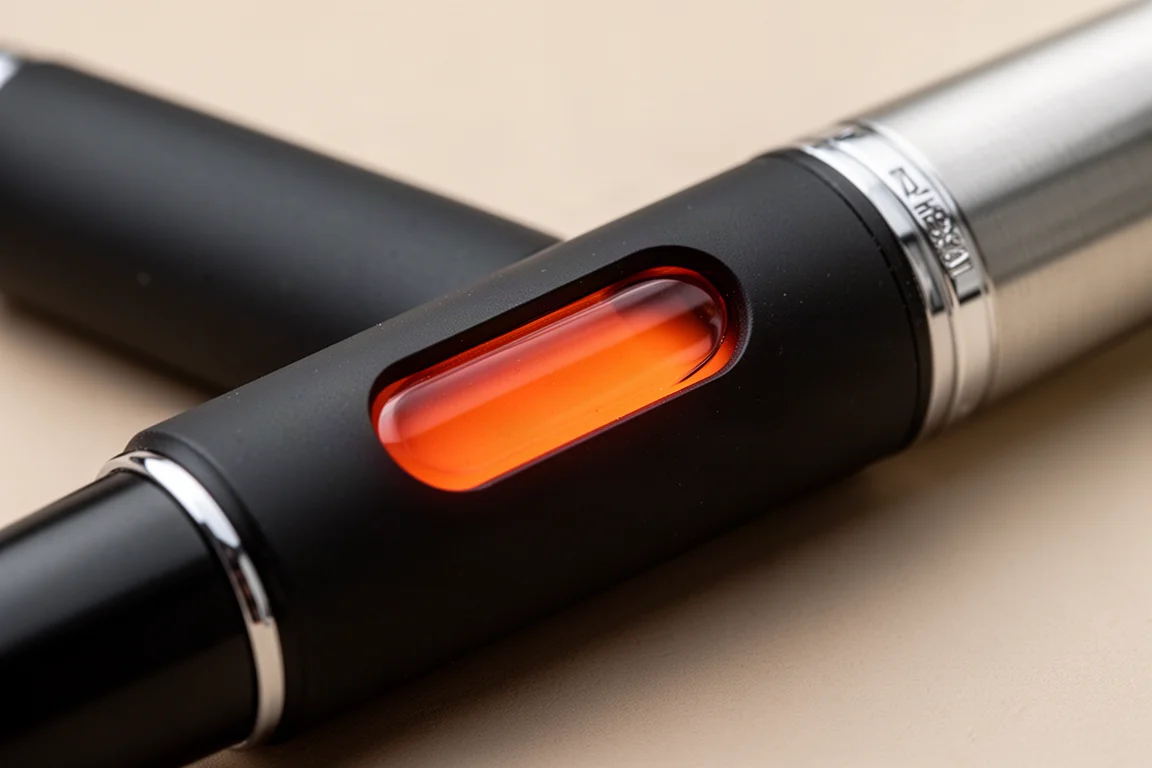
That textured steel grip is one of the pen’s quiet triumphs. It plays with light in fine edges and micro shadows, and functionally it provides a secure hold with no slickness at all, which is remarkable for a metal grip. The finishing between materials is equally impressive: the tolerances are so tight that Macrolon and steel seem to merge into one integrated form.
The balance is the other standout. The barrel tapers toward a slight bulge in the middle, giving the pen a center of gravity that keeps it feeling balanced even when posted. At roughly 25 grams, the weight of the cap barely shifts the balance, so the back of the pen never fights the nib. The result is smooth, pleasurable writing that takes longer to tire your hand.
Under the hood, the piston filler holds about 1.5 ml of ink. That is an enormous capacity that will last a very long time, and the mechanism works quickly and easily.
Things to Consider Before Buying
Not everything here is perfect. The twin cap latches that hold the cap in place are widely considered the pen’s weak point. They are obtrusive, they interrupt the otherwise perfect taper of the forms, and they are easy to lose if you disassemble the pen. Other pens, such as the Waterman Edson, handle a similar mechanism more gracefully.
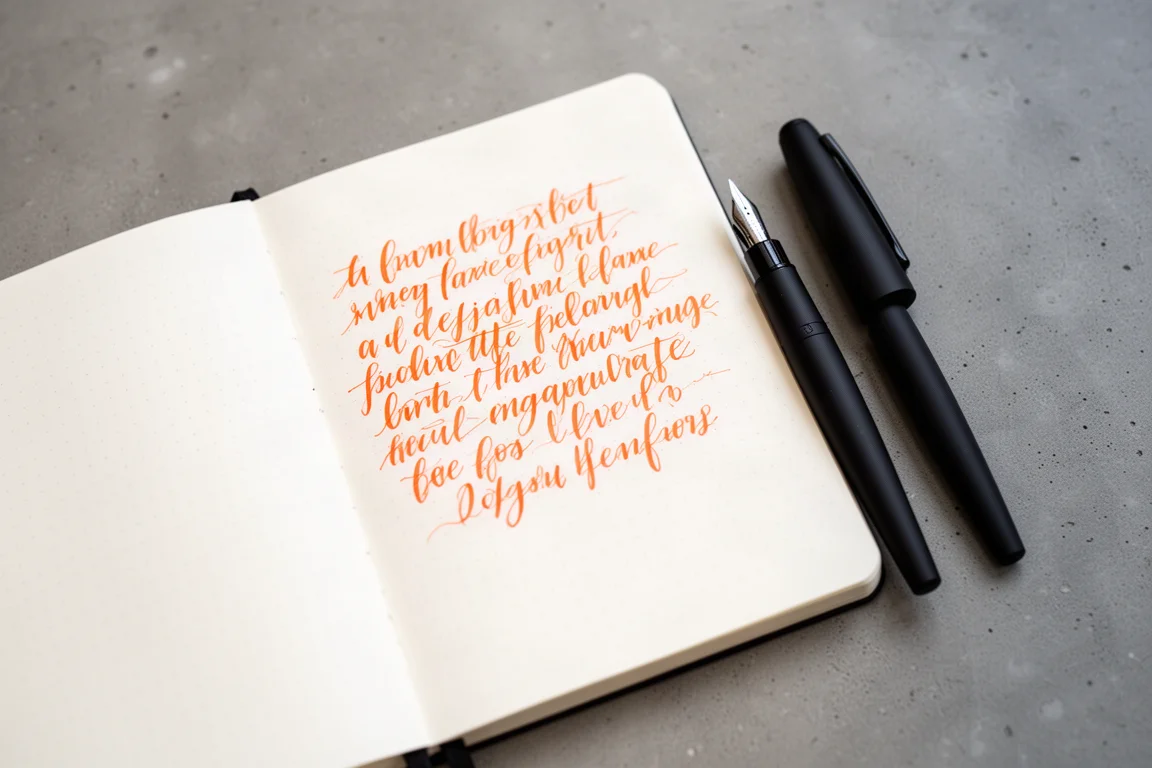
There is also the price to weigh. At approximately $225 in the US market, and with that figure likely to rise, this is a significant purchase. The austere, almost unbranded presentation, there is no bold Lamy logo here, only a discreet “Germany” marking under the clip, can feel at odds with the premium cost. Finally, the writing character has a learning curve: the pen prefers being held level and rewards tight, consistent, rhythmic writing more than big, dramatic signatures.
Buying Advice
Think of the Lamy 2000 as three pens in one: a design icon, a daily workhorse, and a luxury pen with a 14k gold nib. If you want a long-writing piston filler with near-perfect balance and you can tolerate the cap latches, it is a genuinely rewarding purchase. If flashy finishes or dramatic line variation matter more to you, look elsewhere.
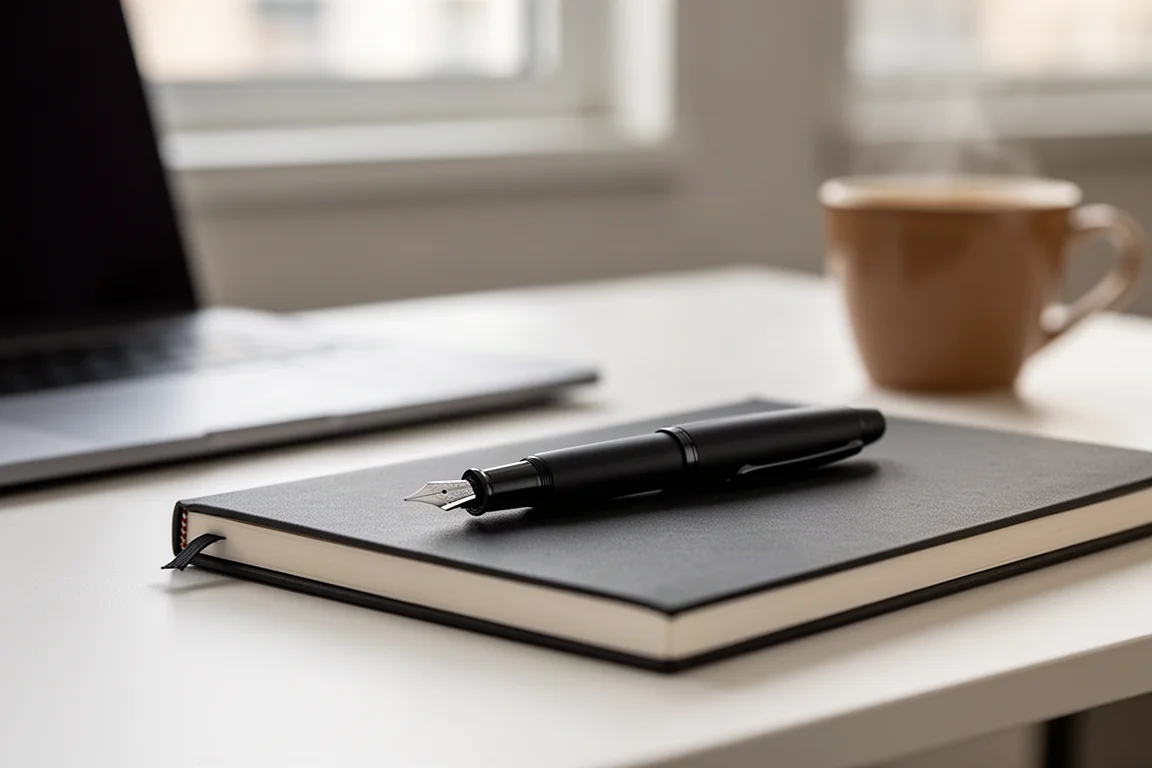
Buy it if you want a pen you can obsess over and use daily. Skip it if loose cap hardware or a restrained, anonymous look bothers you.
Conclusion
The Lamy 2000 is brilliant, contradictory, and utterly iconic. Its material execution, balance, and huge ink capacity make it a pure joy to use, while the twin cap keepers remain the one enduring flaw. If its design language speaks to you, few pens at any price will feel as complete.
Product link
View more details for Lamy 2000
This product is mentioned in the review. Check the specifications, options, and compatibility before buying.
View more details for Lamy 2000Further reading
Related Reviews
Fountain Pens
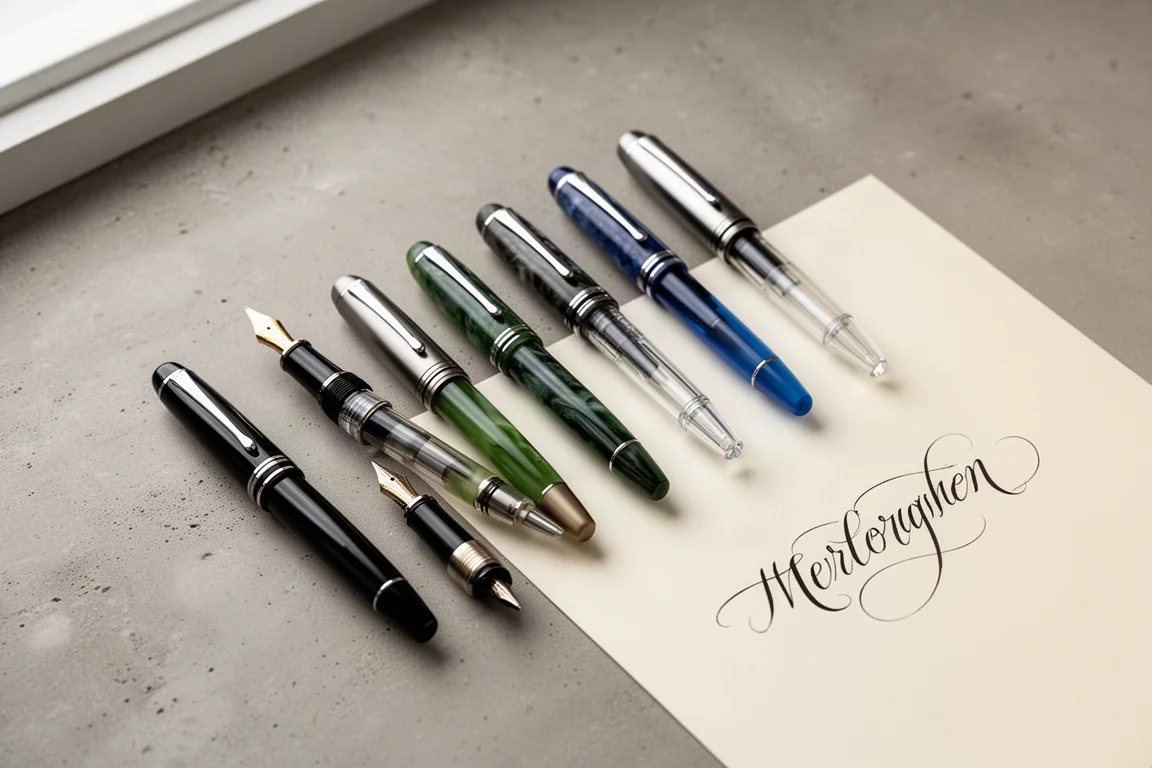
Best Budget Fountain Pens Tested: 9 Pens, One Clear Winner
A hands-on comparison of nine affordable fountain pens for everyday writing, calligraphy, and sketching, with a clear standout for flexible nib fans.
Fountain Pens
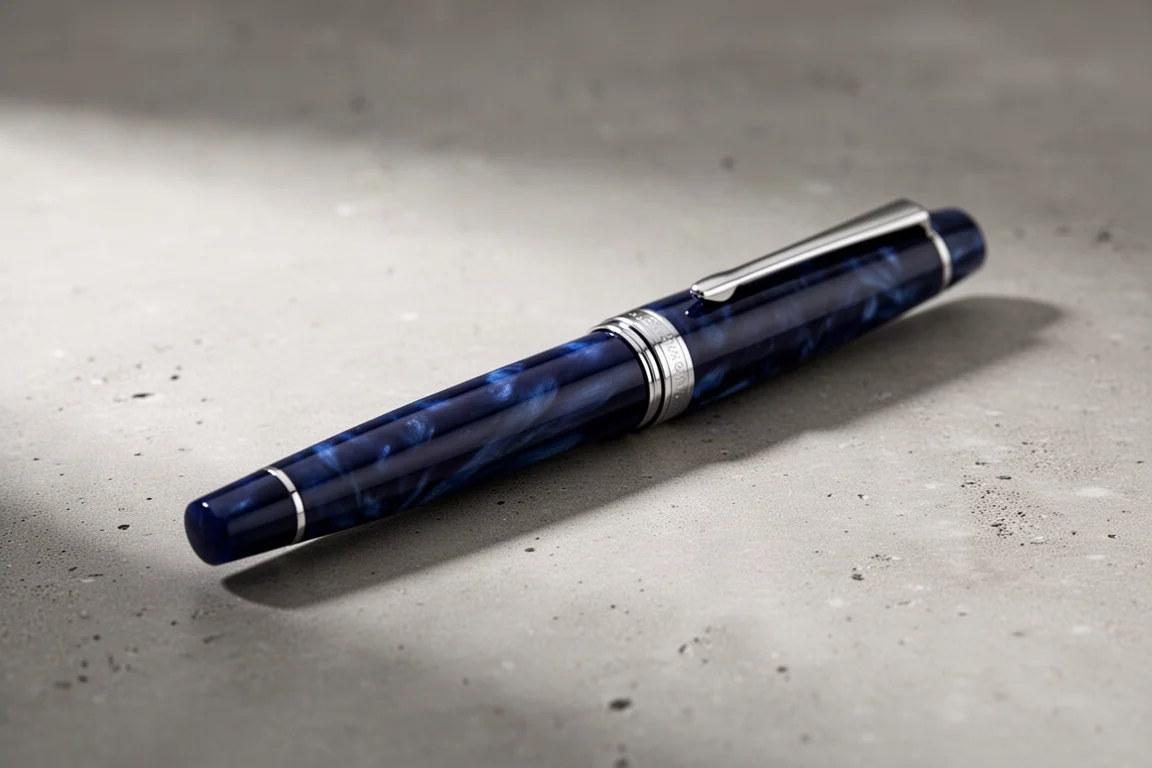
Aurora Optima Review: An Italian Piston Filler That Punches Above Its Price
A 14k gold nib, ebonite feed, and a beautifully deep oraloid body make the Aurora Optima one of the most rewarding piston fillers around.
Fountain Pens
Cross Bailey Light Review: The Entry-Level Fountain Pen Worth Keeping at the Office
A plastic-bodied Cross with a metal clip, snap cap, and famously smooth extra fine steel nib. Around $15, available almost everywhere, and easy to recommend.