Trail Running Shoes
La Sportiva Prodigio II Review: A More Relaxed All-Mountain Trail Shoe
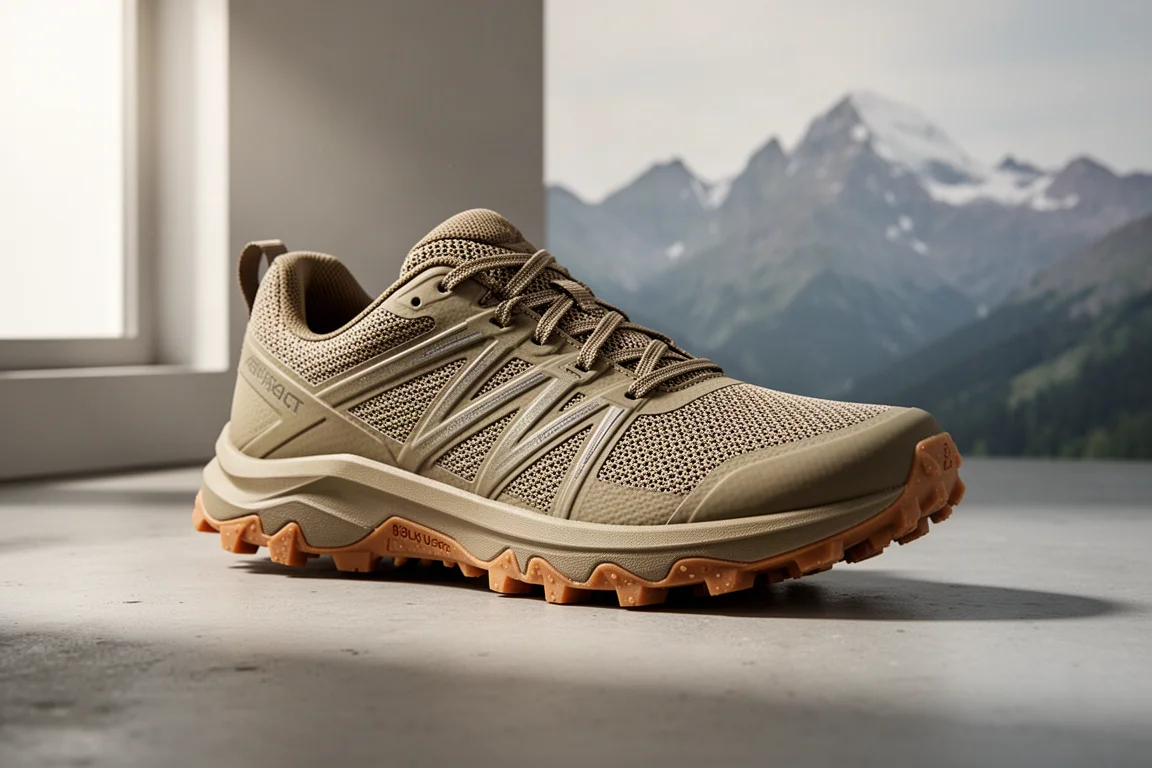
The Prodigio II trades some of the original's nimble feel for a softer, broader, more accommodating ride that suits longer and easier trail miles.
Introduction
The original Prodigio marked a shift for La Sportiva: a brand long focused on technical mountain terrain broadening its reach into more versatile trail running. The Prodigio Pro took that idea to its peak and earned shoe-of-the-year honors, and the Prodigio Max filled out the line as a solid complement. Now the original gets its first update, and the Prodigio II follows the same philosophy: a more modern, market-aligned shoe meant to introduce more runners to the line.
The formula is largely the same in terms of materials, but the experience is different. The Prodigio II is more relaxed than its predecessor in both fit and feel, which changes the kind of running it is best suited for. Here is how it all comes together.
Who the Prodigio II Is For
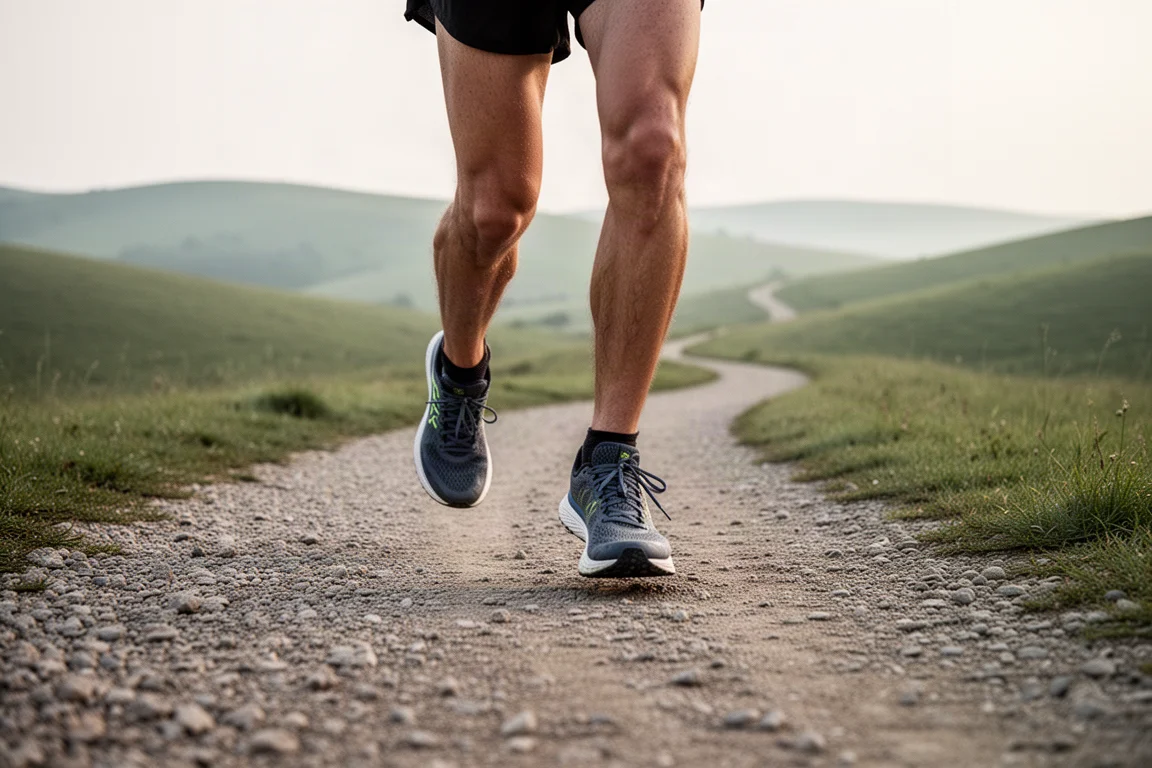
This is the most accessible shoe in the Prodigio line. The softer underfoot feel and broader fit make it a natural fit for runners logging longer, slower distances on light trails, gravel roads, and moderate terrain, while still holding its own on technical ground.
If you loved the original Prodigio for its nimble, quick-turning personality, be aware that the II trades some of that responsiveness for comfort. Runners who found the Prodigio Max too firm will find the II noticeably softer, while those who wished the Pro were within reach get a hint of that plush, energetic sensation, just dialed back.
Upper and Fit
The upper uses a tighter weave with a softer engineered mesh than the first version, but it remains tenacious and durable. Overlays wrap the front two thirds of the shoe, and a nice inner liner keeps dust out while contributing to a consistent, comfortable fit. Compared to the original, the application here feels lighter while still checking every durability box.
The headline change is the fit. The Prodigio II is noticeably wider from heel to toe with a lot more volume, reminiscent of the Prodigio Max. That broader shape initially raised a concern: would the shoe still feel planted on technical terrain? The well-designed lacing system resolves it. The lacing chain lets you cinch the shoe down effectively, and it felt secure on both technical and non-technical ground.
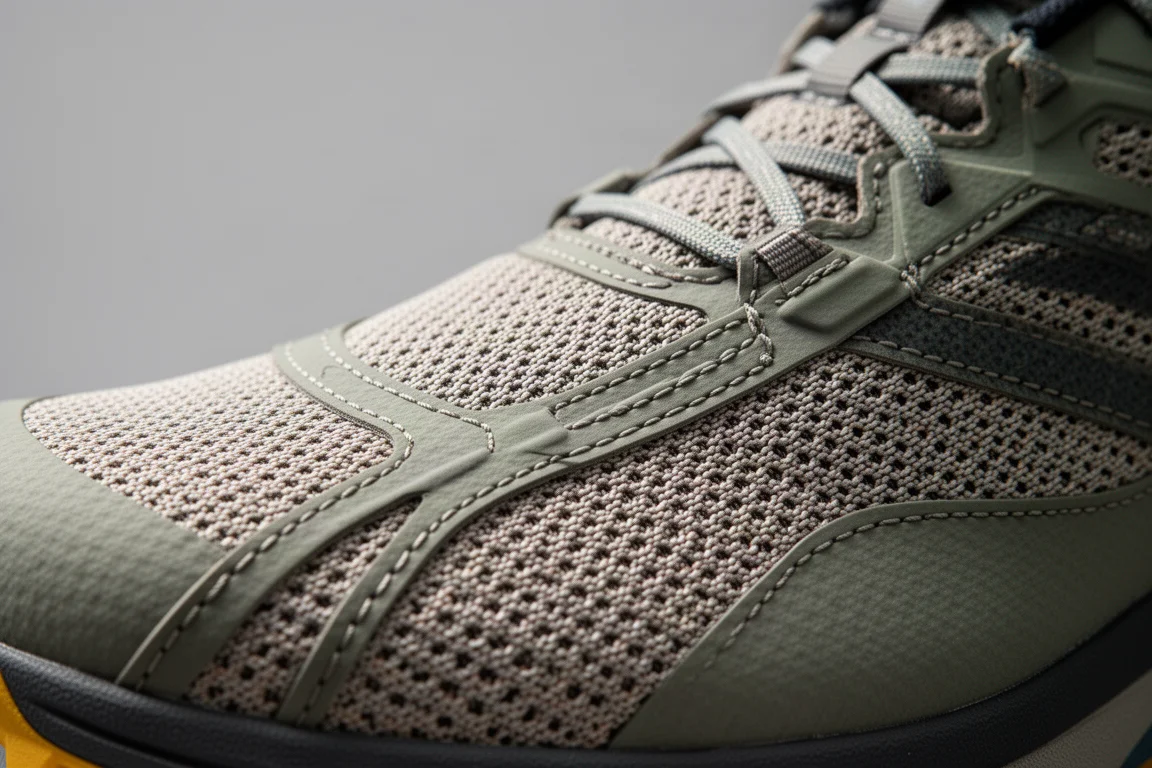
The tongue is also improved. The original had a more minimal, racer-style tongue that lay nicely but lacked substance. The II’s tongue is more padded and comfort oriented, with a soft liner and cushioning through the midfoot, so you can tighten the laces firmly for technical terrain without pressure points. It is fully gusseted as well, which helps the broader fit lock in nicely.
Midsole and Ride
The midsole is technically still the XFlow platform, using the same layered construction as the original, the Max, and the Pro. But the tuning here is distinctly different. It feels softer and more energetic than the first Prodigio, though not quite at the level of the Prodigio Pro, so do not expect a direct one-to-one match with that shoe.
The overall character is cushioned and relaxed rather than responsive and nimble. Energy return is present, but this is not the shoe for picking up the pace the way the original was. It shines over longer, easier miles: the ride feels smooth on light trails and gravel roads, and the wider footprint adds enough stability that the shoe does not feel wobbly on technical terrain. It just is not as quick there as the original or the Pro.
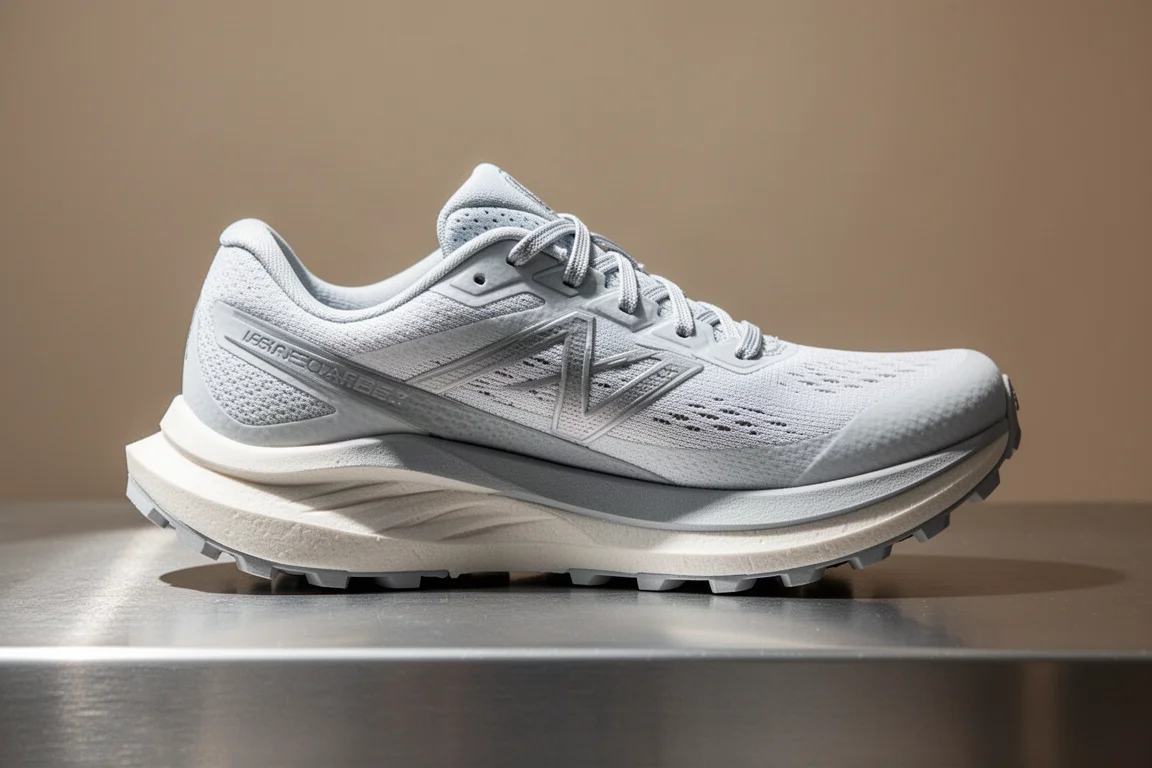
Weight is part of that trade. A US men’s 10.5 sample came in at 10.7 oz, up from 10.3 oz in the original, and it is noticeably heavier in hand and on foot. Sample sizes weigh 9.3 oz (265 g) for a men’s US 9 and 7.9 oz (225 g) for a women’s US 7. It is not a heavy shoe by today’s standards, where staying under 11 oz is typical for all-trail everyday shoes, but the added mass reinforces the more relaxed personality.
Outsole and Grip
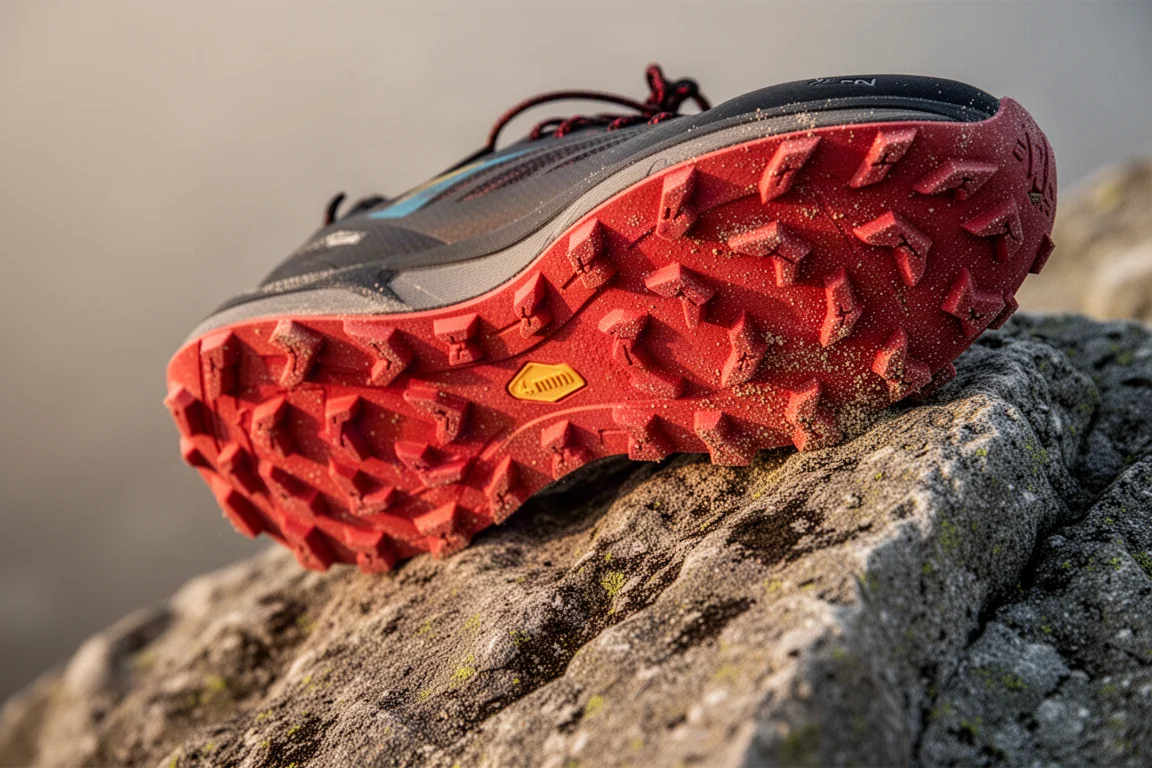
The outsole carries La Sportiva’s tried-and-true friction red rubber, which has always inspired confidence. The red X marking indicates a dual-density rubber layout: typically a more durable compound in the rear and a stickier one in the forefoot. In practice, the difference between the two was hard to detect, and both showed strong durability through some serious mountain use.
One quirk worth flagging: the 4 mm U-shaped lugs did not handle off-trail or very loose terrain as well as expected. That may be a one-off, or it may relate to lugs in the forefoot sitting closer together after the widening of the platform, leaving them less room to dig in. On established trails, grip remained as confident as ever.
How It Compares
The Prodigio II reminds us most of the Prodigio Max, which makes sense given the similar last and shared materials. It is softer than the Max, a little lighter, and slightly less stable, making it a great option if you wanted the Max to be more flexible and plush.
Other points of comparison in this category include the Hoka Speedgoat 7, though the Prodigio II has a softer, broader fit and a plusher underfoot feel. The Scott Kinabalu Trail shares a similar stack height and versatility, though the Kinabalu can pick up the pace a bit more. The Montrail K1 is in the same conversation, with the Prodigio II edging ahead in versatility on technical terrain. The Norda 001 A also shares similar underfoot properties and handles technical ground well.
Things to Consider Before Buying
The main trade-off is speed. The Prodigio II will not feel as quick or nimble as the original Prodigio as an everyday shoe, and runners who prioritized that agile character may miss it. The broader, higher-volume fit is a benefit for many feet but a change for anyone who sized into the snugger original. Finally, the U-shaped lugs showed some hesitation on loose, off-trail surfaces, which is worth noting if that terrain is a regular part of your routes.
Buying Advice
At $170, the Prodigio II sits squarely in the 160 to 180 dollar range that defines the all-mountain, everyday trail shoe category. Given the durable upper, midsole, and outsole, plus the shoe’s versatility across technical, moderate, and easy terrain, the price is in line with the rest of the market. Buy it if you want one comfortable, durable shoe that can cover long miles and still handle technical ground. Look elsewhere if your priority is a fast, nimble ride above all else.
Conclusion
The Prodigio II earns a B overall, with a B for design, a B for performance, and a B for value. That is a strong result in a field full of excellent shoes, and it reflects a product built to please the masses. It will appeal to a slightly different runner than the original: someone who wants to go farther in comfort without giving up the ability to take on technical trails. For many types of miles and many types of runners, the Prodigio II is a genuinely great offering.
Product link
View more details for La Sportiva Prodigio II
This product is mentioned in the review. Check the specifications, options, and compatibility before buying.
View more details for La Sportiva Prodigio IIFurther reading
Related Reviews
Trail Running Shoes
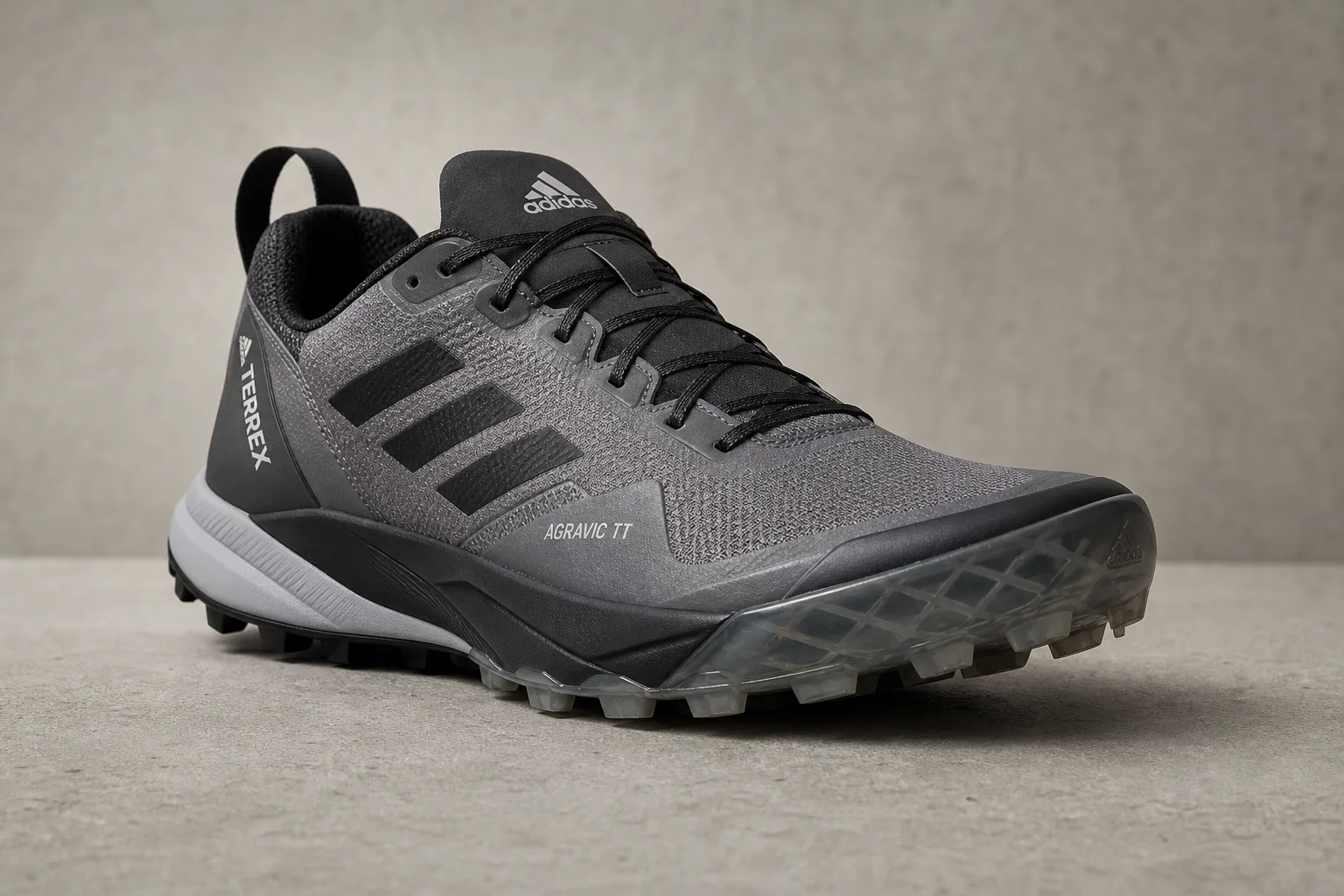
Adidas Terrex Agravic TT Review: A Technical Trail Shoe Built for Rocky Terrain
The Adidas Terrex Agravic TT combines a full-coverage rock plate with a firmer midsole to deliver protection and stability on technical, rocky trails. A capable choice for runners who prioritize underfoot defense over lightweight cushioning.
Trail Running Shoes
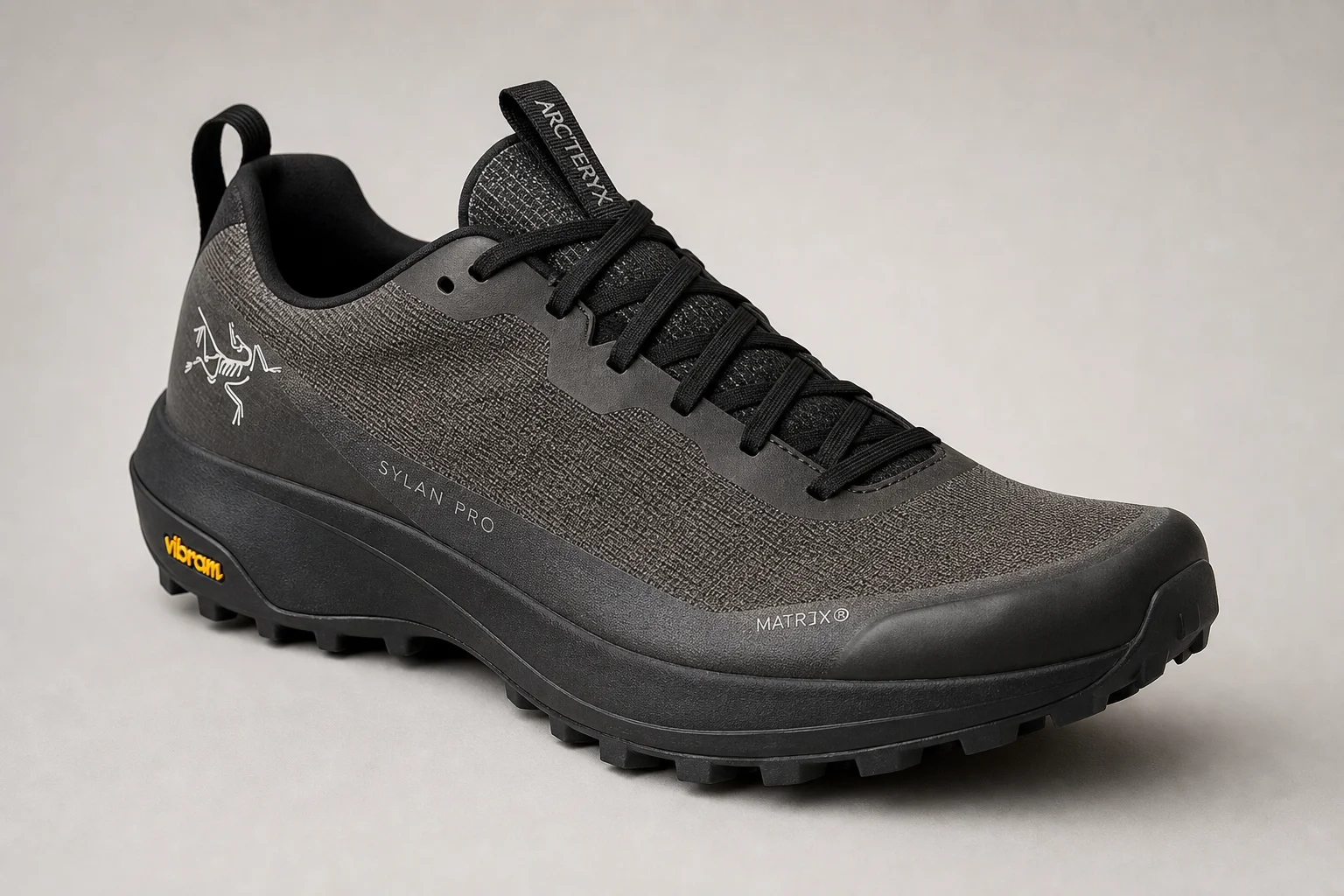
Arc'teryx Sylan Pro Review: A Rocker-Focused Mountain Running Shoe Tested on 20 Miles
The Arc'teryx Sylan Pro brings a pronounced rocker geometry and secure fit to mountain terrain. We tested it on a 20-mile Sawtooth loop to evaluate its climbing efficiency, protection, and handling of technical descents.
Trail Running Shoes
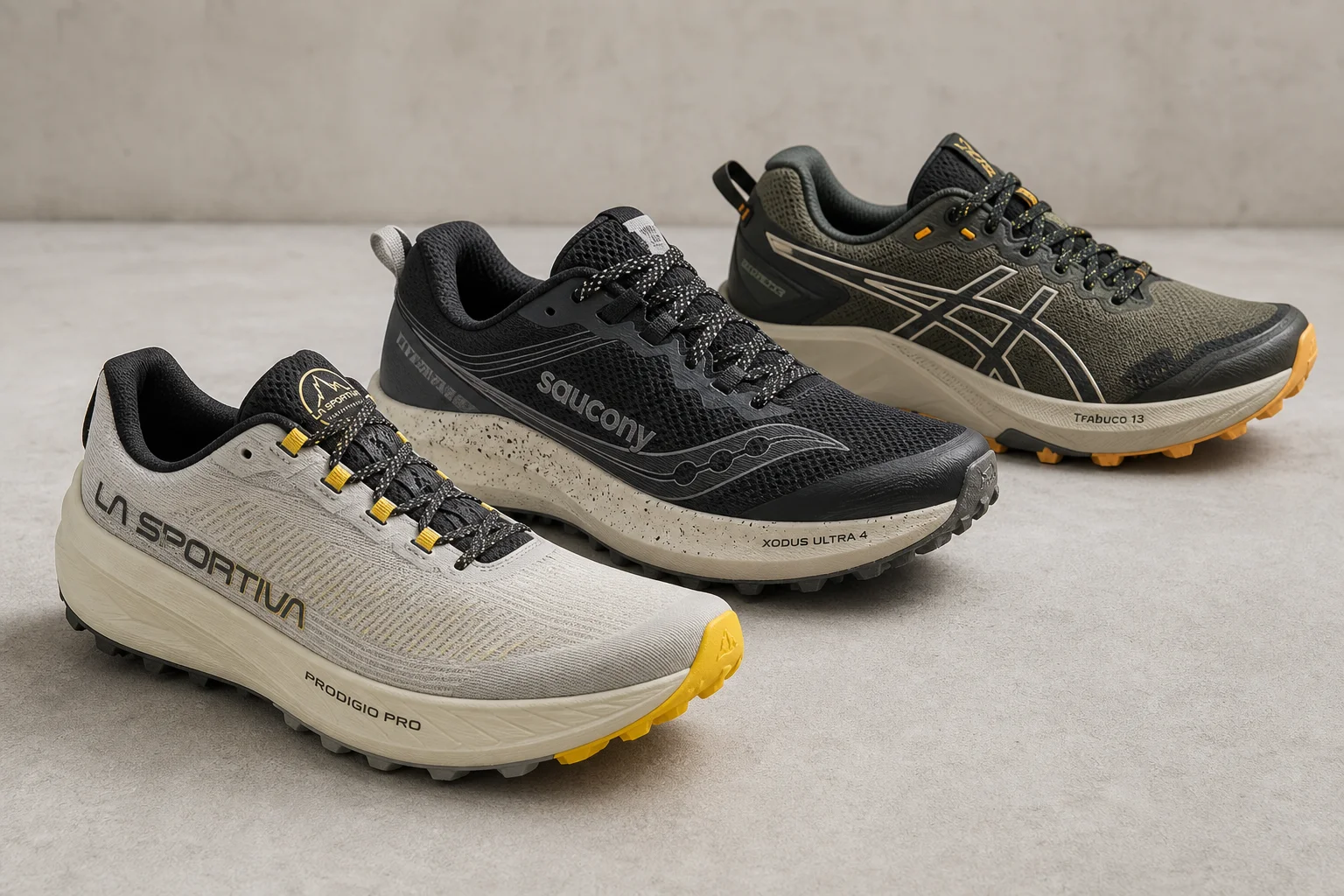
Best All-Mountain Trail Running Shoes: Three Versatile Options for Any Trail
A focused roundup of three all-mountain trail running shoes that handle technical terrain, long distances, and variable conditions with real strengths and practical trade-offs.