Tools
Kurokin JK04104 vs VamPLIERS Brute: Two Screw Extraction Pliers Compared
A close look at two Japanese-made screw extraction pliers, including machined jaws, grip differences, and which one suits flush screws versus deep-reach work.
Introduction
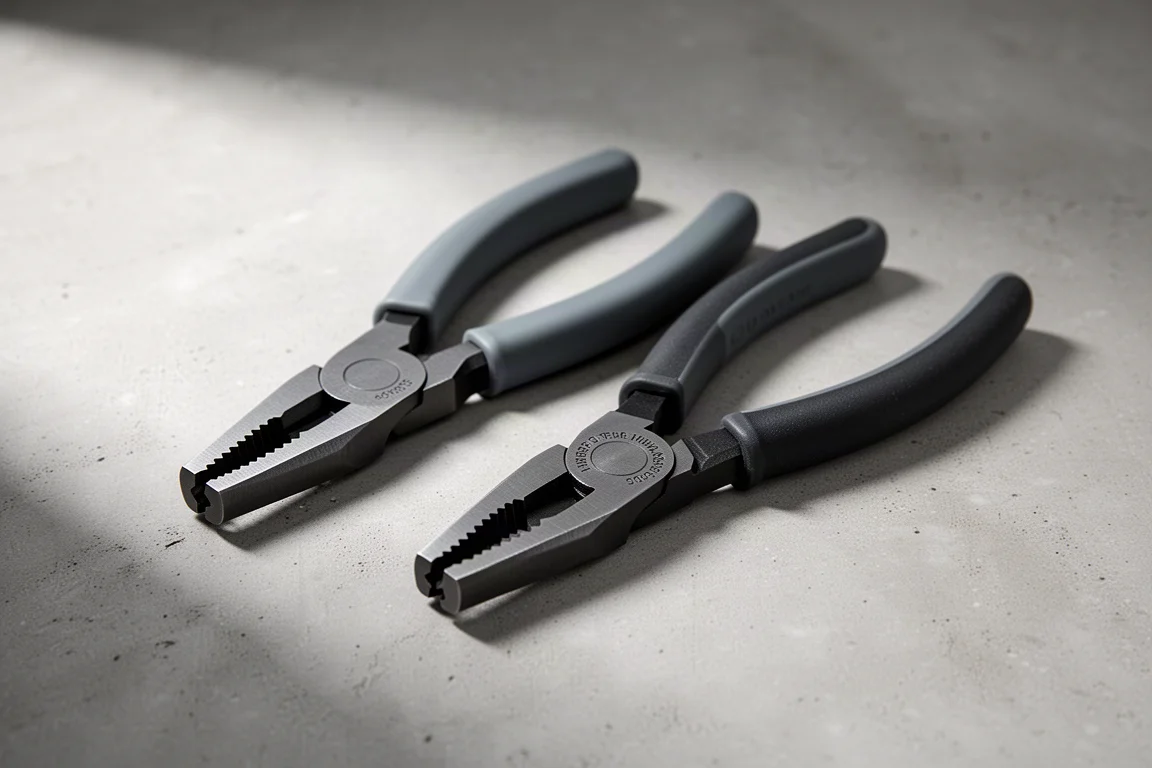
Screw extraction pliers occupy a small but useful niche: grabbing screw heads, stripped fasteners, and hardware that normal pliers slip off of. Two Japanese-made options keep coming up in that conversation, and they are more similar than they first appear. The Kurokin JK04104 and the VamPLIERS Brute both have cutting edges, grippy serrated teeth, and a dedicated screw-removal tip. But after working both on a test board with nearly submerged screws, the differences become very real.
The Kurokin is distributed by J. Kogu, one of several distributors that bring Japanese pliers to market. Right out of the box, two things stand out: it is spring loaded, and the finish is a dark gray ceramic-like coating that looks genuinely premium, reminiscent of high-end Japanese blade coatings.
Grip and Jaw Design
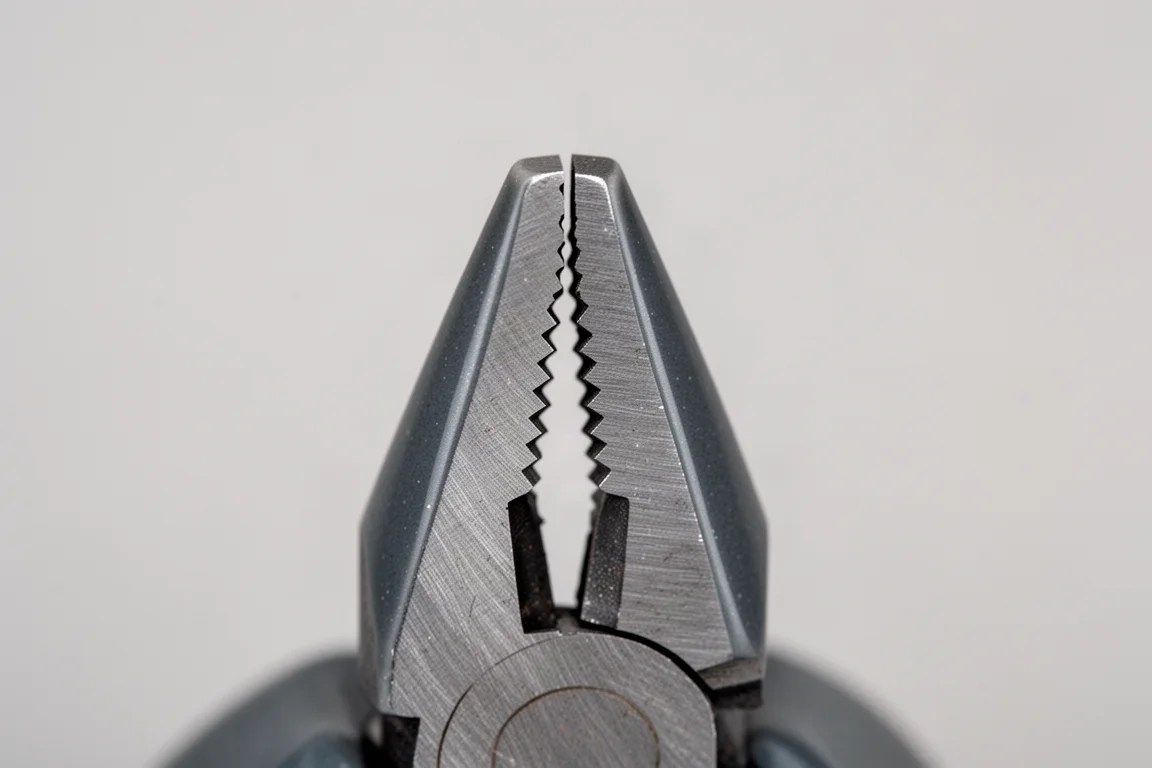
The most meaningful difference between these two pliers is in the jaws. The VamPLIERS Brute uses coarser teeth at the front end for screw gripping, while the Kurokin uses very fine teeth across the jaw face. On small, nearly submerged screws, the Kurokin immediately felt like it was grabbing tighter.
There is a reason for that. The Kurokin’s jaws are machined so that they meet perfectly right at the tip, allowing the plier to close essentially flush. That matters when you are trying to bite onto a screw that sits nearly flush with the surrounding material. The VamPLIERS Brute also performs well, but there is a very slight gap where the jaws meet at the top, and you can feel that extra sliver of engagement it needs before it clamps down.
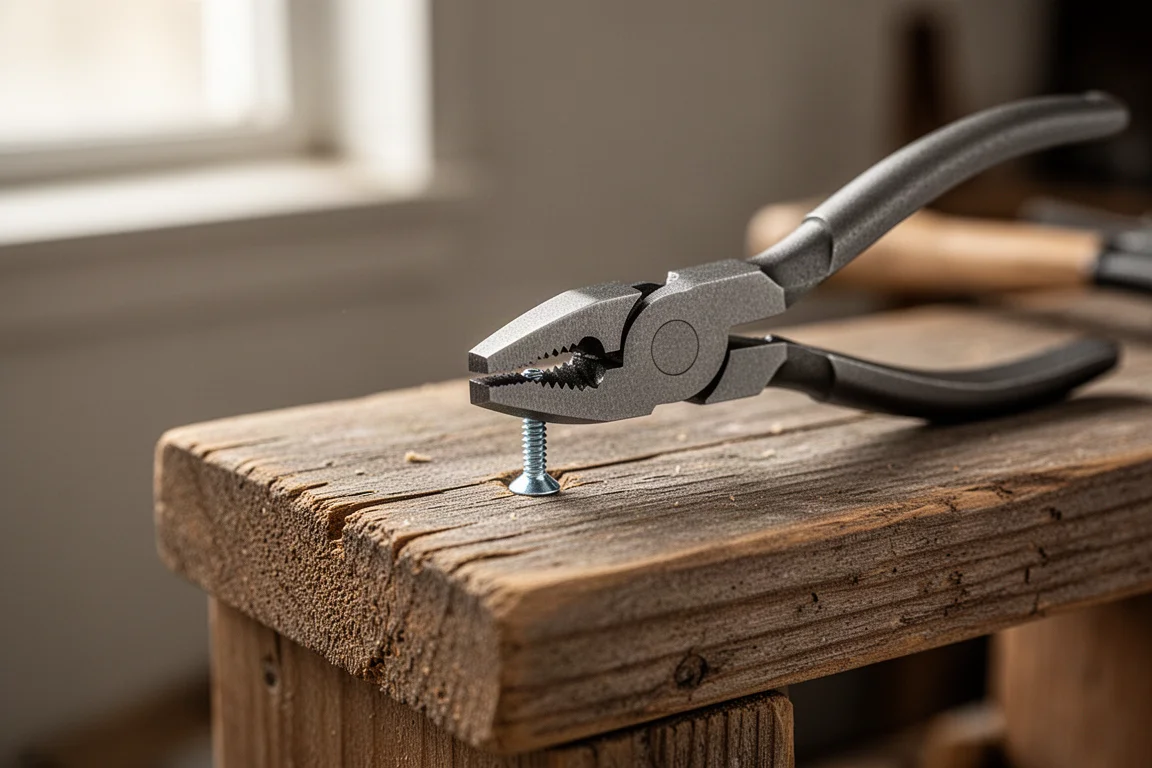
On larger hardware, the picture flips somewhat. The VamPLIERS jaws are a little thicker, and that heft seems to help it grab anything larger and hold on with real authority. For machine screws, metal fasteners, and bigger hardware, the Brute grabs like there is no tomorrow.
Deep Reach and Precision Work
The thinner jaw profile of the Kurokin pays off in a different scenario: when a screw sits below the surface. If you have to grind down into wood to reach a screw head, the narrower Kurokin jaws are simply easier to push into the recess. Against flat metal, both pliers work well, but down inside a hole, the Kurokin’s slimmer profile gives it a precision advantage.
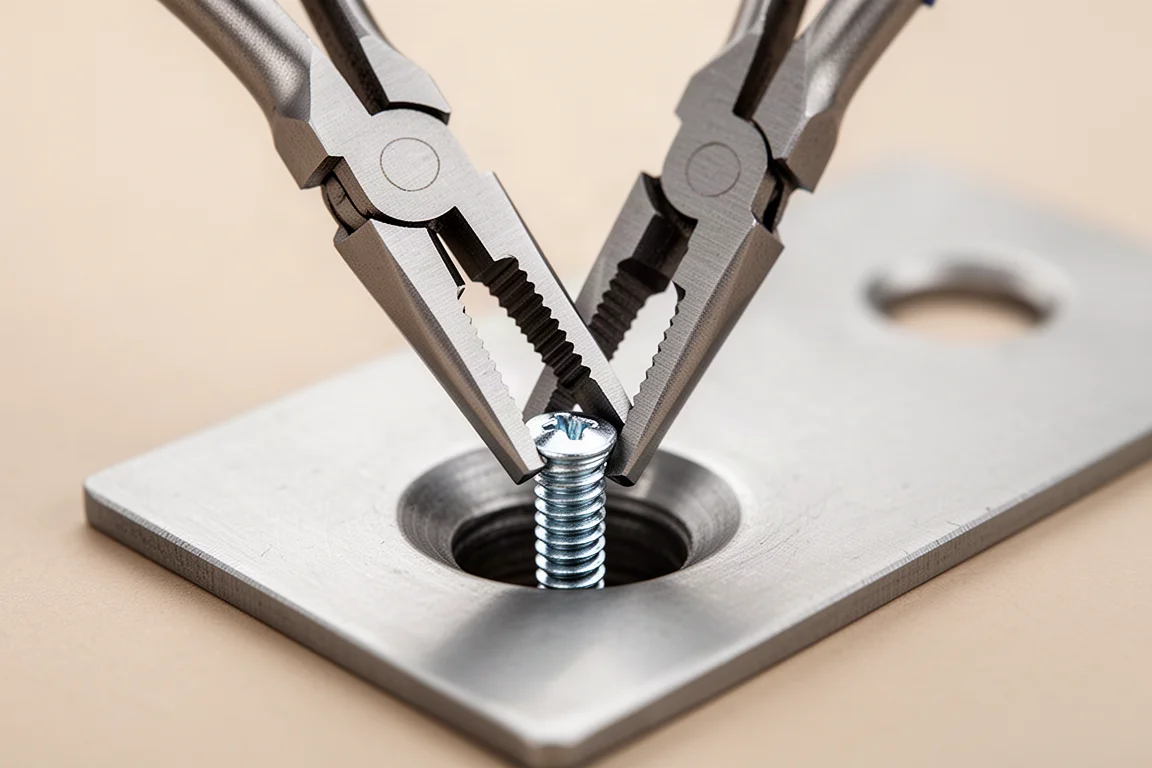
The trade-off shows up again on flush screws against metal, where the Kurokin’s thinner jaws are less of a factor and the flush-closing machined tips take over as its main strength.
Cutting Performance
Both pliers cut beautifully and behave very similarly here. The cutting edges on each are clean and effective, so neither choice forces you to give up a decent cutter just to get the extraction capability.
Handles and Everyday Details
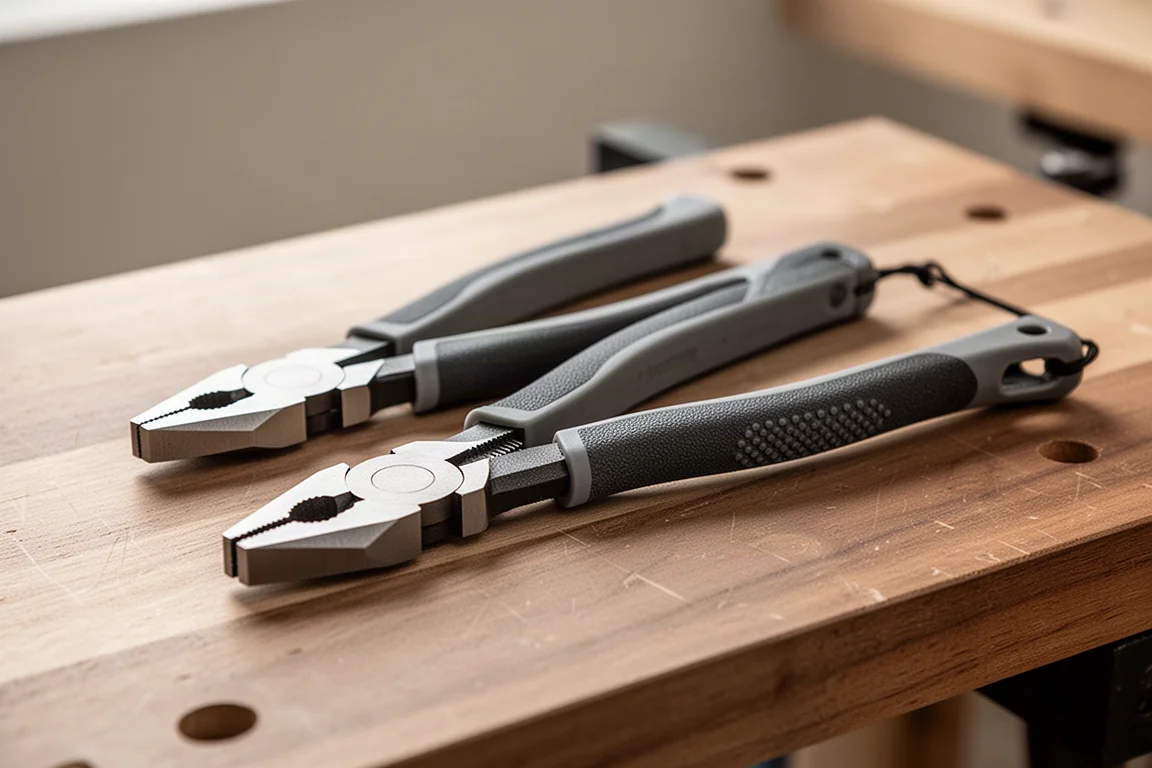
The Kurokin’s handles are not hard plastic. There is a subtle grip coating that makes them comfortable to hold, though it is worth noting that the Kurokin has no tether points, which is unusual for a tool with this kind of premium finish. The VamPLIERS Brute, by contrast, has a well-placed tether point near the handle end. If you work at height or around water, that detail may decide the comparison on its own.
Price and Value
This is where the Kurokin makes a strong case. When priced, the VamPLIERS Brute sat in the mid-30s dollar range, while the Kurokin came in around $24. Given that the Kurokin offers machined flush-closing jaws, a spring-loaded action, a cutter, and that ceramic-style coating, it delivers a lot of capability per dollar.
Buying Advice
Choose the Kurokin JK04104 if your main problem is small, nearly flush screws: its machined, flush-closing jaws and fine teeth grip those fasteners tighter and more immediately. Its narrower jaws also make it the better tool for reaching screws that sit down inside a recess, and it costs noticeably less.
Choose the VamPLIERS Brute if you regularly deal with larger hardware, machine screws, or metal fasteners, where its thicker, coarser-toothed jaws hold with more force. It also wins on tethering if that matters for how you work.
Conclusion
These two pliers prove that small design differences translate into real-world differences. The Kurokin JK04104’s machined jaws give it the edge on flush and recessed screws at a friendlier price, while the VamPLIERS Brute remains a powerhouse on larger fasteners and adds a tether point for work at height. Both are well made, both cut well, and either one earns a place in a fastener-rescue kit.
Product link
View more details for Kurokin JK04104 Screw Extraction Pliers
This product is mentioned in the review. Check the specifications, options, and compatibility before buying.
View more details for Kurokin JK04104 Screw Extraction PliersFurther reading
Related Reviews

Tools
Best Contractor Grade Tape Measures 2026: Eight Models Tested Head to Head
We tested eight contractor grade tape measures from Milwaukee, DeWalt, Crescent Lufkin, Tajima, Stanley, Irwin, Gelan, and Craftsman to find the best value and performance.

Tools
Best Precision Screwdriver Sets 2026: Manual and Electric Options Compared
We compare 19 precision screwdriver sets, from budget manual kits to electric drivers, to find the strongest bits and best value.

Tools
Best Stud Finders 2026: Five Popular Models Put to the Test
We tested five popular stud finders on drywall, firewall, and lath and plaster surfaces to see which ones really find studs and avoid false readings.