Snowboards
Korua Shapes Transition Finder Review: A Camber-Dominant Freeride Board That Eased Up for 2025
The Korua Shapes Transition Finder returns for 2025 with a softer, more approachable feel. Here's what changed, where it excels, and who it suits.
Introduction
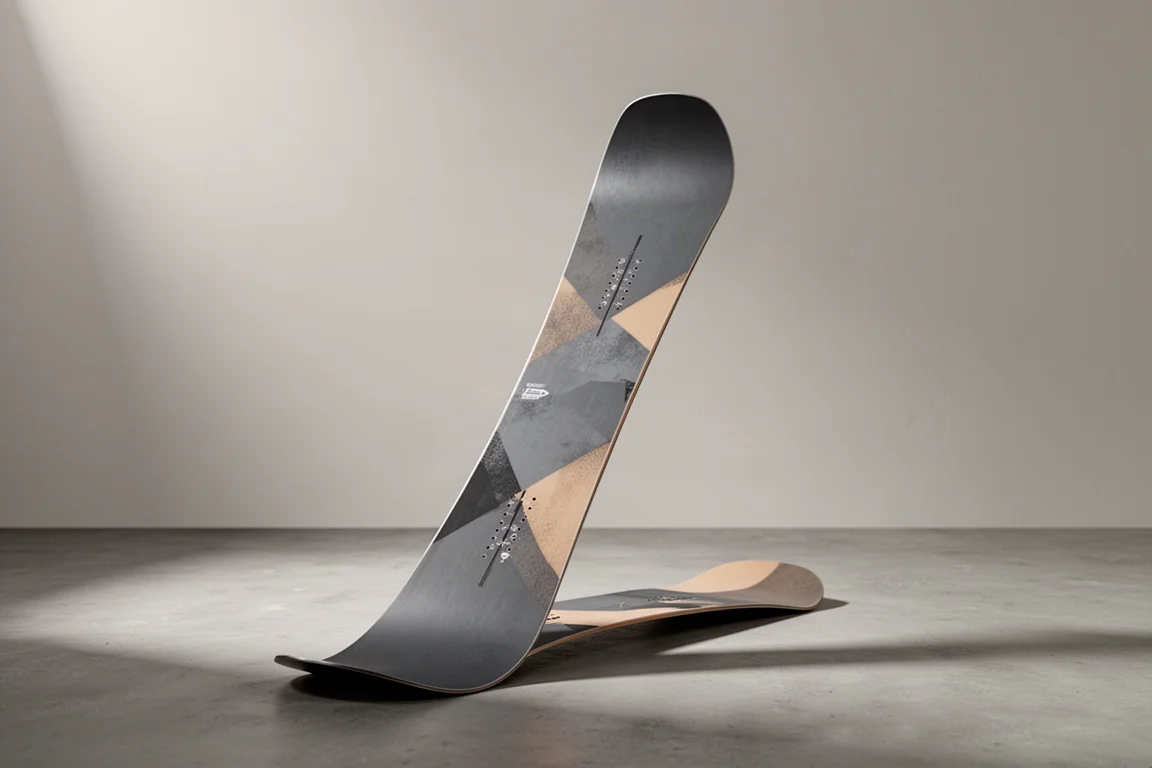
The Korua Shapes Transition Finder is back with small but meaningful tweaks for 2025. This board uses Korua’s float camber profile: rocker in the nose combined with camber throughout the rest of the board. That camber section delivers load, pop, snap and drive, while the rocker nose gives easier entry in and out of turns and better powder float. It is available in 151, 150, 154, 157 and 160 cm sizes.
This is a camber-dominant freeride board aimed at the rider who wants to carve, hit transitions, smash through trees and generally do a bit of everything, without needing a twin to feel comfortable on it.
What Changed for 2025
Korua has moved production since the Transition Finder was last tested, and the board feels a little softer than before. There is more give through the midsection where the nose meets the camber, and a bit more flex overall, while torsional feel remains roughly the same. Flex sits around middle of the road, maybe a hair stiffer.
The trade-off is stability. It is not as damp as previous versions, and the nose no longer pushes through chop and chunder as easily, flexing a bit more if you are not leaning into it. Keep your weight forward and your knees bent in lumpier terrain, because the board gets bucked around more than it used to and chatter resonates underfoot. On the plus side, the softer character makes it more approachable and more forgiving, and it no longer forces you to bring your A-game every run.
Pop, Jumps and Transitions
Because this board is so camber-dominant underfoot, you have to load it up and roll back on the tail to get it to spring. Last-minute pops are not its strength; if you think through your line and pop deliberately off a side hit or a roller, it boosts nicely. Small and medium features are where it is best suited, up to roughly 25 to 30 feet. On anything bigger, it did not inspire confidence in the snap or the landing.
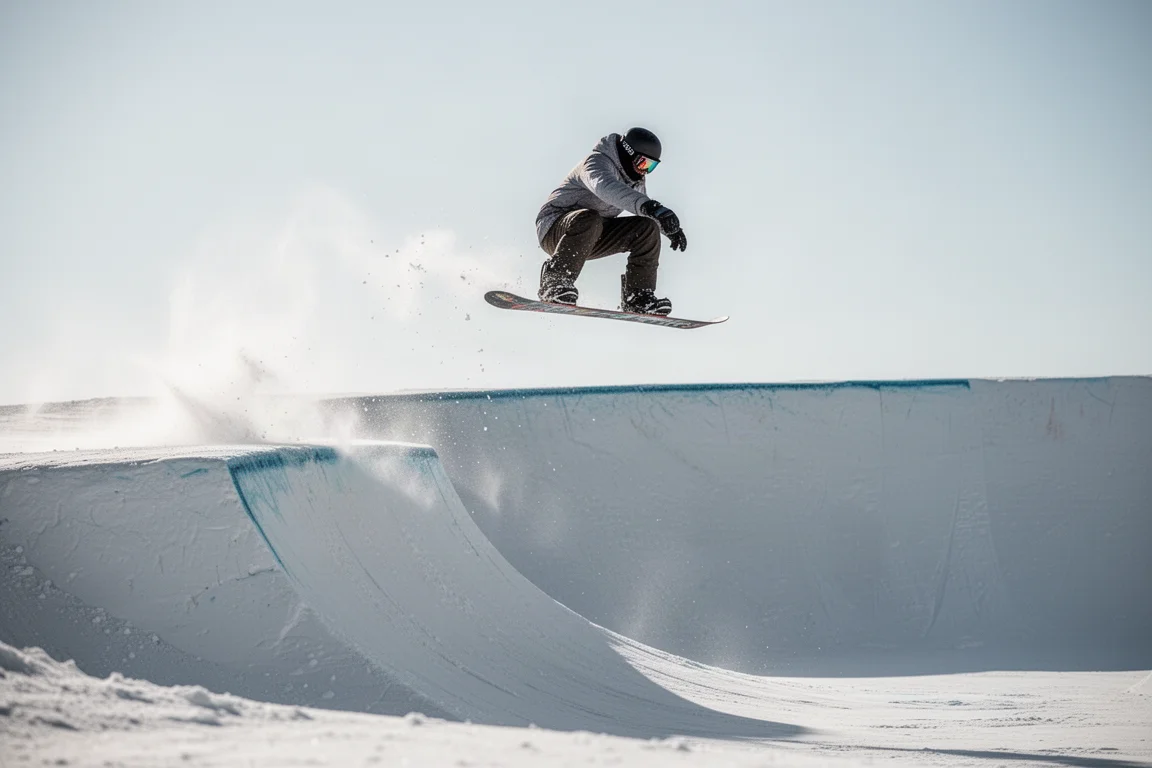
Where it truly shines is transitions. Riding a hip or quarterpipe, it rips through the transition and throws you into the air. The better technique here is to push through the transition and let the lip do the work rather than trying to pop hard at the end.
Butter, Presses and Jibbing
The nose is the butter section. With rocker and more surface area for leverage, you can roll up onto it, swizzle and sizzle, or pop a 180 press and feel it lock in before popping right back out. There is an immense sweet spot, and you never have to manhandle it. One caution: the nose is softer than previous models, so tone down hard nose impacts a bit.
The tail takes more work. You need to sit outside the binding and really press into it, and it fights back more than the nose. That carries over to jibbing: nose presses lock in easily, tail presses have some fight, and on rails there is enough camber that the board slightly cradles the feature. It is designed more for jumping, transitions and carving than for sliding steel or plastic.
Carving and Edge Performance
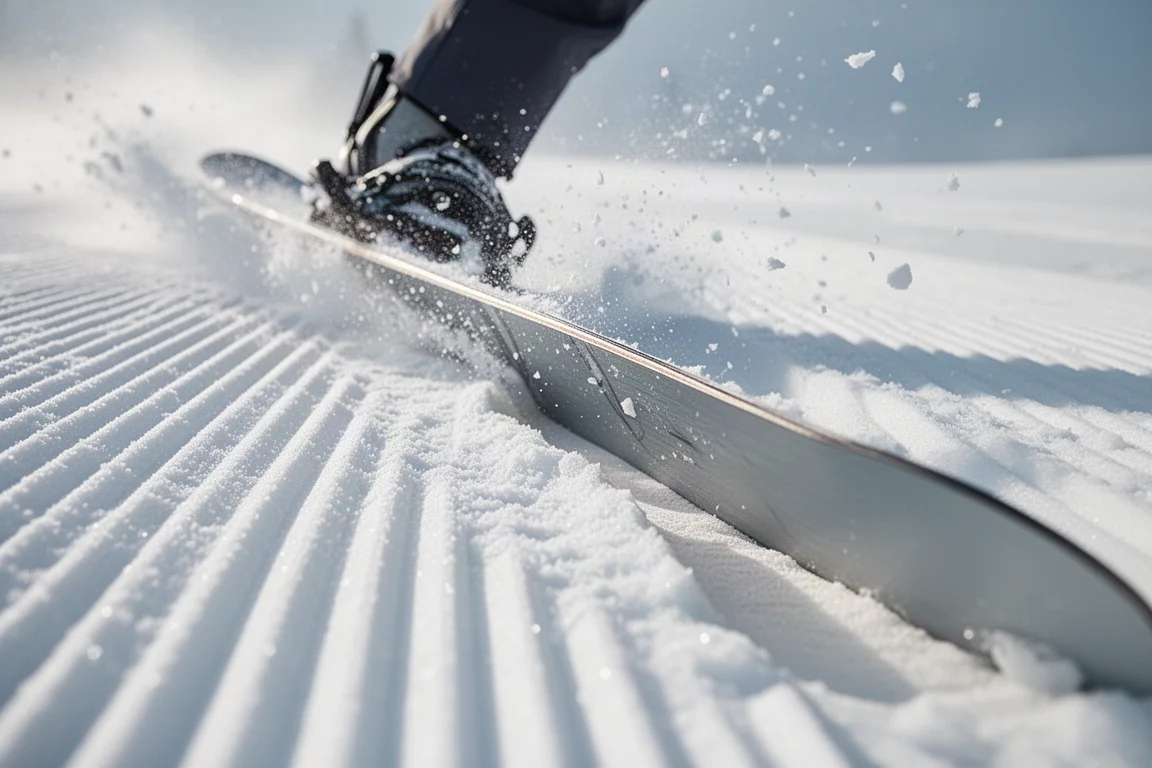
This board carves differently than previous versions. It is less aggressive and more approachable, and it is better at mellow carves. Ankle steering works well for short, tight, quick carves, and medium mellow carves where you swoop from one side of the run to the other are where it excels, feeling locked in and easy to drive.
Deep, hard, aggressive carves are where the changes show. With less power out of the tail, the board can wash out or buckle a little at the apex when you are driving your knee into the turn. It still carves great, but you need to be more calculated and learn its limits.
One setup tip: set your stance a little more forward than usual. Going too far back makes the board feel squirrelly, while a more forward stance grips better.
Who It’s For
The Transition Finder is built for the freeride, carving, transition-finding, house-smashing, tree-blasting party rider who wants a board that can do it all and is not freaked out by a directional shape. If you have been telling yourself you need a twin to ride switch, this board pushes back on that.
If your style leans toward laid-back, forgiving riding rather than aggressive, assertive charging, the 2025 updates work in your favor. If you want maximum dampness and assertiveness on edge, that is where this version falls short of earlier models.
Buying Advice
Consider pairing it with supportive freeride bindings such as the Rome Katana or Union Force, and the Yes Airmaster came up as a comparable board alongside options like the Stranda Baruk, Jones Mind Expander and Salomon HPS Louif. Tested on a sunny bluebird day at Copper Mountain over about three inches of fresh snow on leftover packed powder, with chunder, perfect corduroy and even some ice, the board handled a mixed day as long as you stayed calculated and kept your weight forward.
Conclusion
The 2025 Korua Shapes Transition Finder trades some dampness and aggressive edge power for a softer, more approachable ride. For riders who prioritize mellow carves, playful nose butters and boosting transitions, those are fair trade-offs. Riders who want a stiff, assertive charger may want to look elsewhere.
Product link
View more details for Korua Shapes Transition Finder
This product is mentioned in the review. Check the specifications, options, and compatibility before buying.
View more details for Korua Shapes Transition FinderFurther reading
Related Reviews

Snowboards
32 Middle Earth Scott Stevens Pro Model Snowboard Review: A Park Board With a Reversed Flex
A medium traditional camber park board with carbon V reinforcement that is stiffer in the tips and more playful between the feet. Here is how it rides and who it suits.

Snowboards
32 Snafu Review: A Directional All-Mountain Freestyle Board with Serious Pop
The 32 Snafu pairs a directional camber-rocker profile with a stiffening tail for powerful carves, big ollies, and a surprisingly damp ride.

Snowboards
32 XXX Pat Fava Pro Snowboard Review: A Stiff Camber Beast for Hard-Charging Riders
A full-width traditional camber deck that rewards aggression with stability and edge power, but demands effort everywhere else.