Triathlon Gear
Kona Pro Triathlon Tech: Six Race-Day Upgrades the Pros Chose
A closer look at the aero helmets, saddles, chains, cockpit details, and carbon racing shoes that appeared on pro setups at Kona, and what each one means for age-group buyers.
Introduction
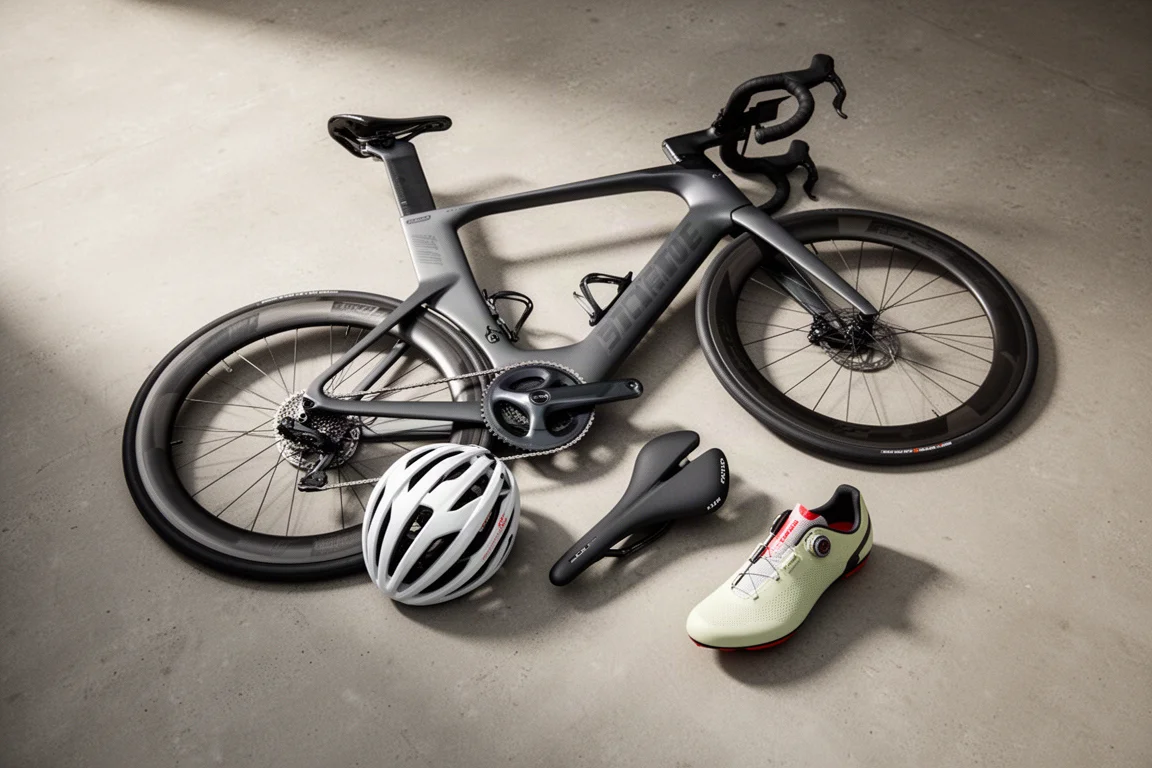
Kona race week is where prototypes, rule interpretations, and expensive marginal gains show up before most age-groupers ever see them. This year the field delivered oversized chainrings, stacked bottle setups, aero leg tape in place of calf sleeves, unbranded helmets, and a limited edition carbon running shoe. The six items below stood out for very different reasons, and each one raises a practical question for anyone building a race kit.
How These Race-Day Choices Fit Together
Three things decide whether a piece of pro equipment makes sense for you: whether it is permitted under current race regulations, whether it suits your position and body, and whether the cost matches the gain. Several of the most interesting choices at Kona were about working inside the rules rather than simply buying the newest product.
The rule picture shifted this year. Regulations prohibit equipment that reduces wind resistance, including fairings, and a specific line now also prohibits bottles, hydration systems, or any other insert in the front of the race suit, plus any insert in calf sleeves. Athletes responded by stacking bottles between the aero bars and the chest, and by taping shins with physio tape instead of wearing calf sleeves.
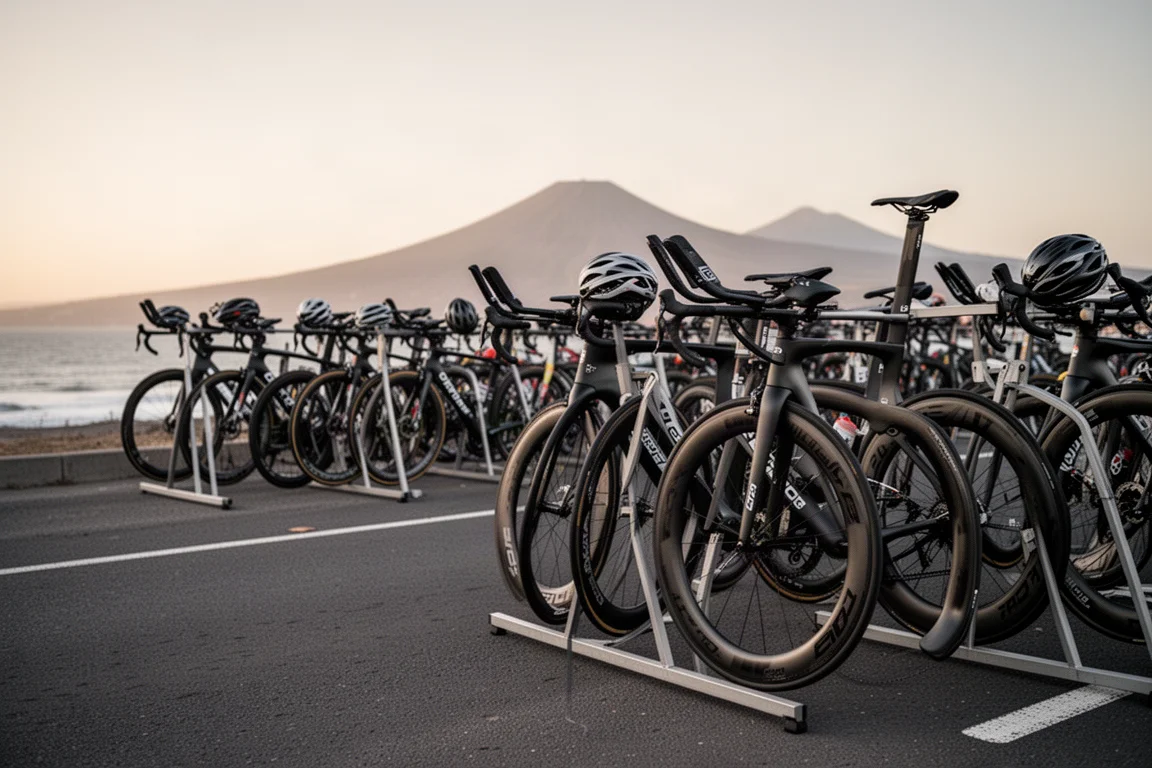
For age-group athletes, the useful lesson is that position and fit still outweigh individual parts. A faster helmet, a longer reach, or a lower-friction chain only pays off once the setup is legal, comfortable, and repeatable over a full race distance.
Canyon Speedmax: Longer Reach and a Custom Cockpit
Several Canyon athletes raced the Speedmax with a base bar that differs from the standard item. It uses a longer stem to add reach, and the aero extensions sit on custom angled risers. The fastest riders in that group ran one-piece aero bars. Some bikes also carried a water-activated cooling bar tape that is designed to deliver an endothermic cooling effect as you ride, a small detail that makes sense given how much heat builds in that area of the bike.
For a buyer, the message is that reach and stack adjustment do more for an aero position than any single component. Extra reach only helps when the front end can hold it comfortably for hours.
CeramicSpeed UFO: A Fast Chain With One Real Limitation
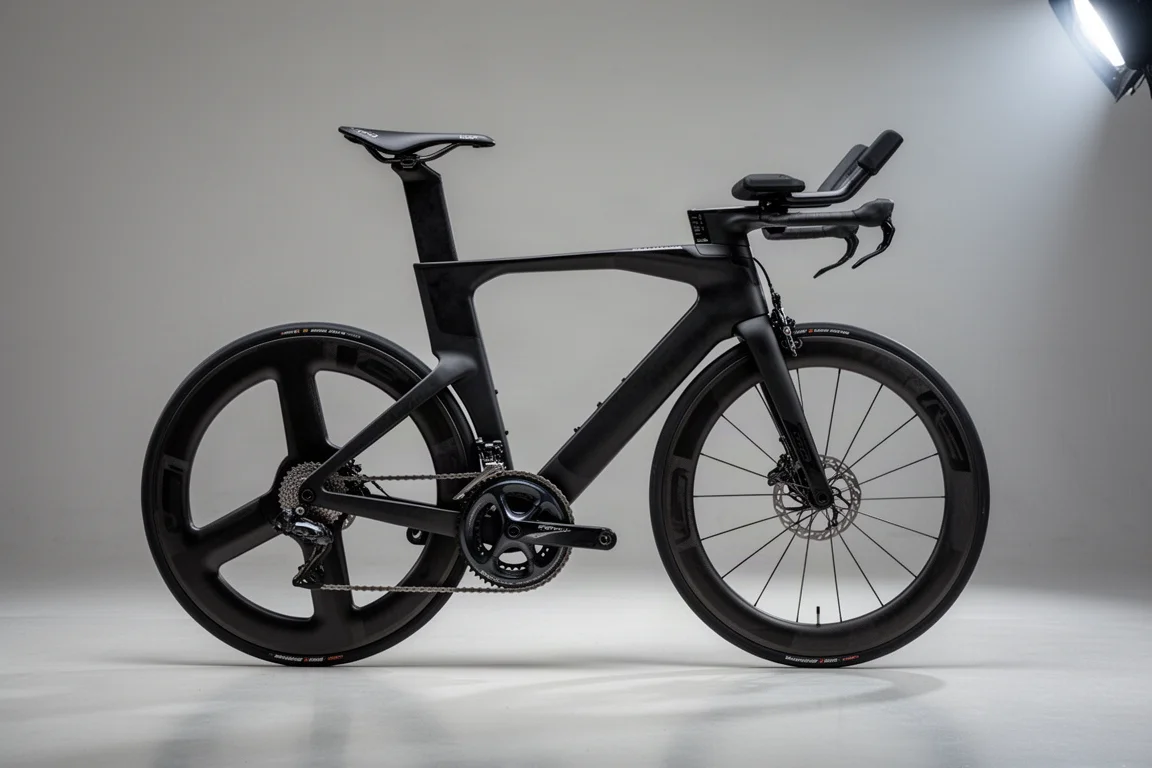
CeramicSpeed applies its UFO coating to race chains to reduce drivetrain friction. At Kona, several athletes were running 62-tooth chainrings on 1x setups, with at least one planning a 64-tooth ring for race day. That created an unexpected problem: coated chains are not produced long enough for those oversized setups, so one could not be fitted when a bike came in for pre-race service.
If you run a standard chainring size, a coated chain remains one of the simpler friction reductions to add to a race build. If you run an oversized 1x ring, work out the required chain length before ordering.

Wove V8 T Plus: A Newer Saddle Brand the Pros Are Trying
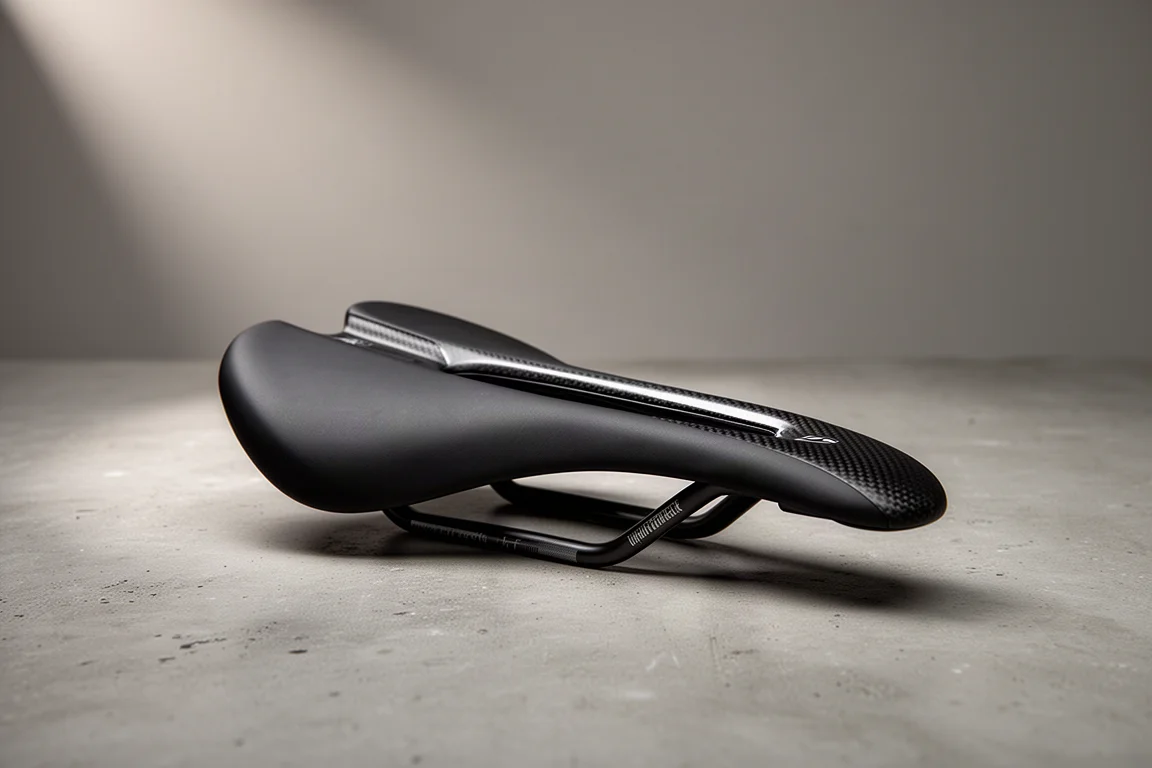
Christian Blumenfeld raced the Wove V8 T Plus at Kona, and it is striking how many pros are now running Wove saddles and other parts from a brand that is still relatively new and small. The same brand’s bottle retention loop also turned up on several bikes, used to hold race-issued bottles that are often too small for a standard cage. That detail matters more than it sounds, because losing a bottle can bring a littering penalty.
Saddle choice is personal and fit-driven, so a pro endorsement is a signal rather than a guarantee. What the Wove example does show is that a small brand can earn trust at the front of the field quickly when the product performs.
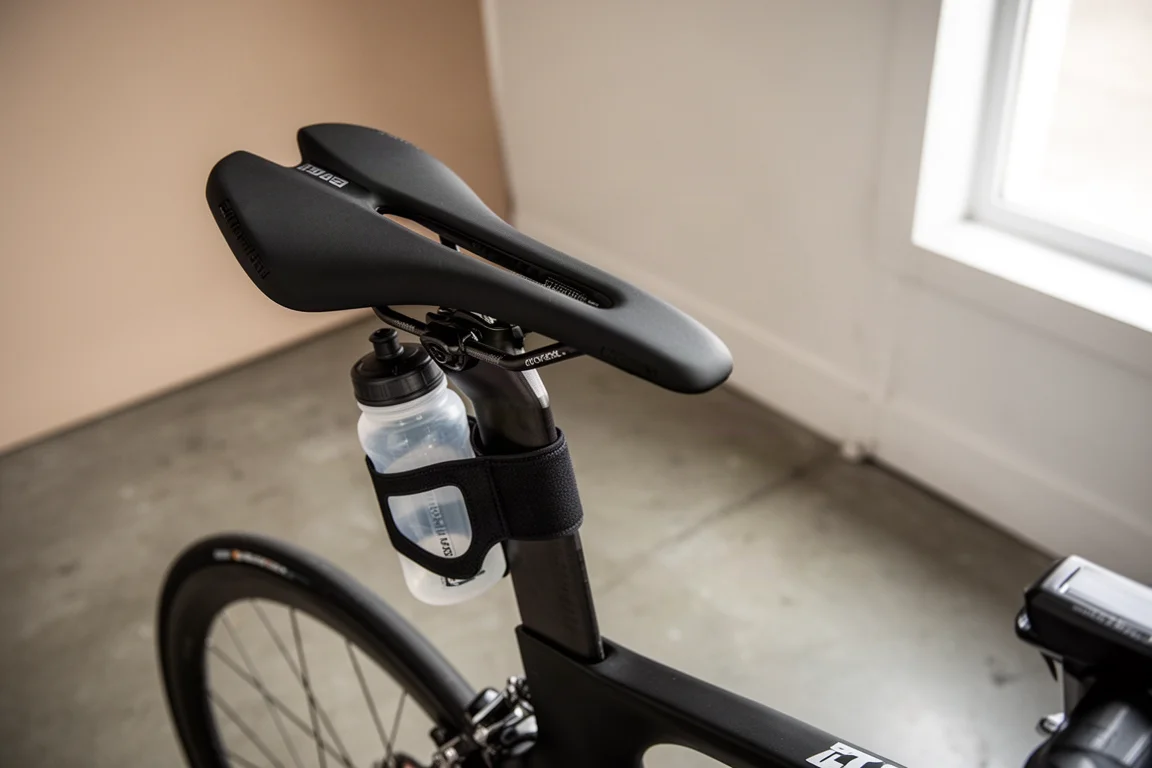
For triathletes, the practical steps are unchanged: start with width and shape, test on longer rides, and treat any new saddle as something to validate over several weeks rather than one session. A brand earning pro trust is worth adding to a shortlist, not worth buying blind.
POC Tempor: An Unbadged Aero Helmet Choice
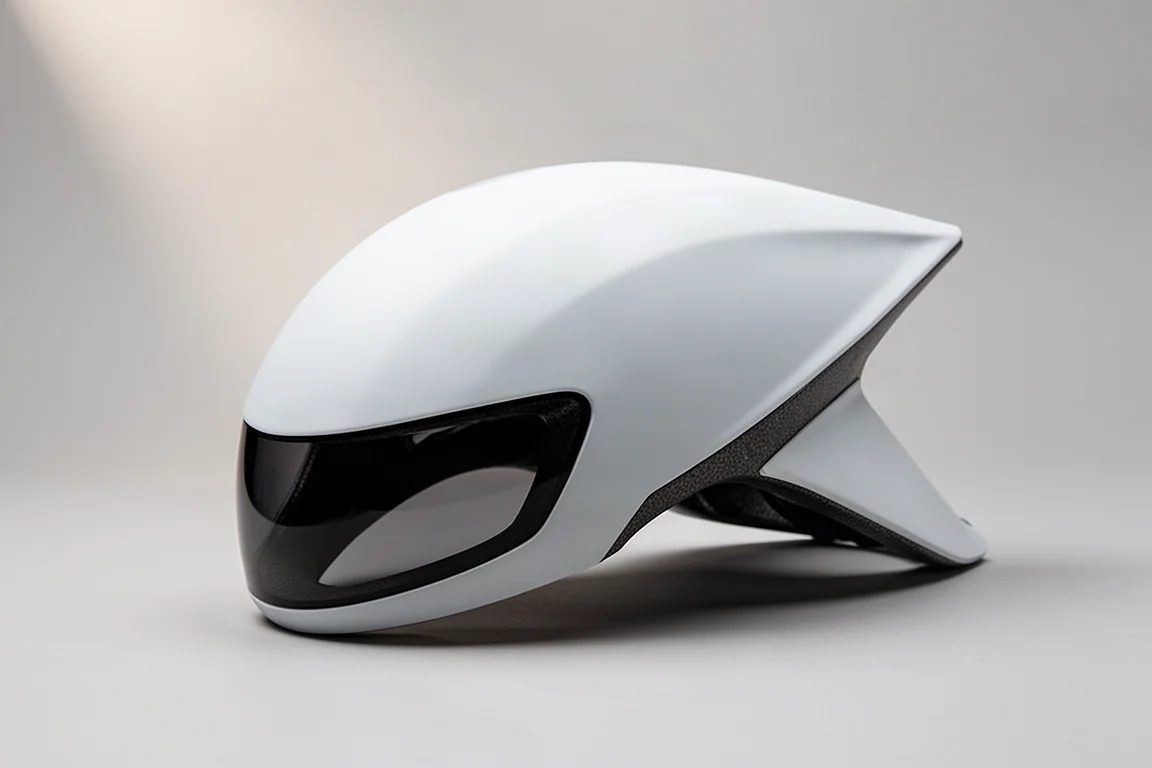
Leon Chevalier wore the POC Tempor without being paid by the brand, and he rode up through the field solo with one of the slippiest positions of the day. His choice reflects a wider pattern: a growing number of pros race without helmet sponsorship, because helmet choice can make a large difference to aerodynamic drag and the speed gained is usually worth more than a sponsorship payment.
That logic applies to age-groupers too. A helmet that tests fast in your position beats a helmet that looks fast on someone else’s bike.
Ekoi Pure Aero: A New Aero Helmet on the Scene
Ekoi is one of the more recent brands to enter the aero helmet market. Its Pure Aero appeared on pro bikes at Kona, while Patrick Lange raced an exclusive vented version built for the race. The difference is worth noting: a closed aero helmet can be faster in controlled testing, but on a hot course with hours of exposure, ventilation becomes part of the performance question.
The takeaway for buyers is to compare helmets on ventilation as well as shape, and to accept that the fastest option for one rider may not be the fastest for another.
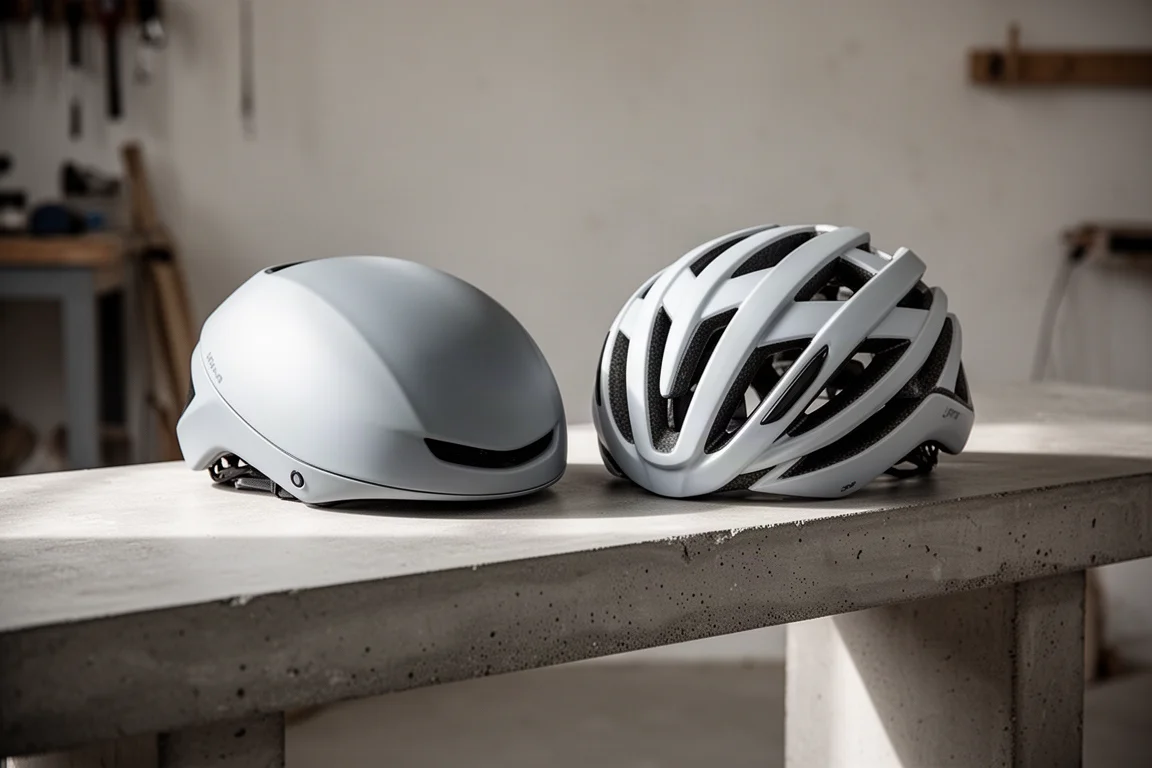
If you are choosing between a closed shell and a vented design, think about the conditions you actually race in. A helmet you can wear comfortably for five hours is usually the faster long-term choice, even if it gives away a small amount in a short test.
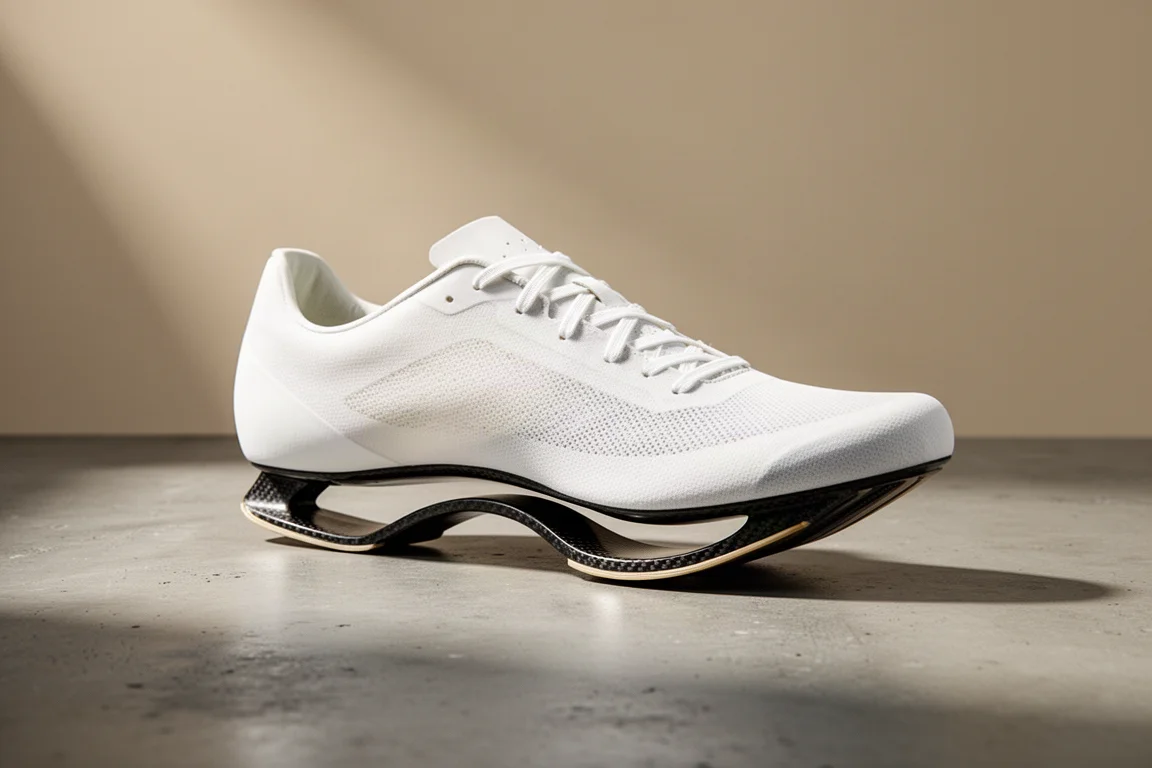
Adidas Adizero Adios Pro Evo 1: The $500 Carbon Racer
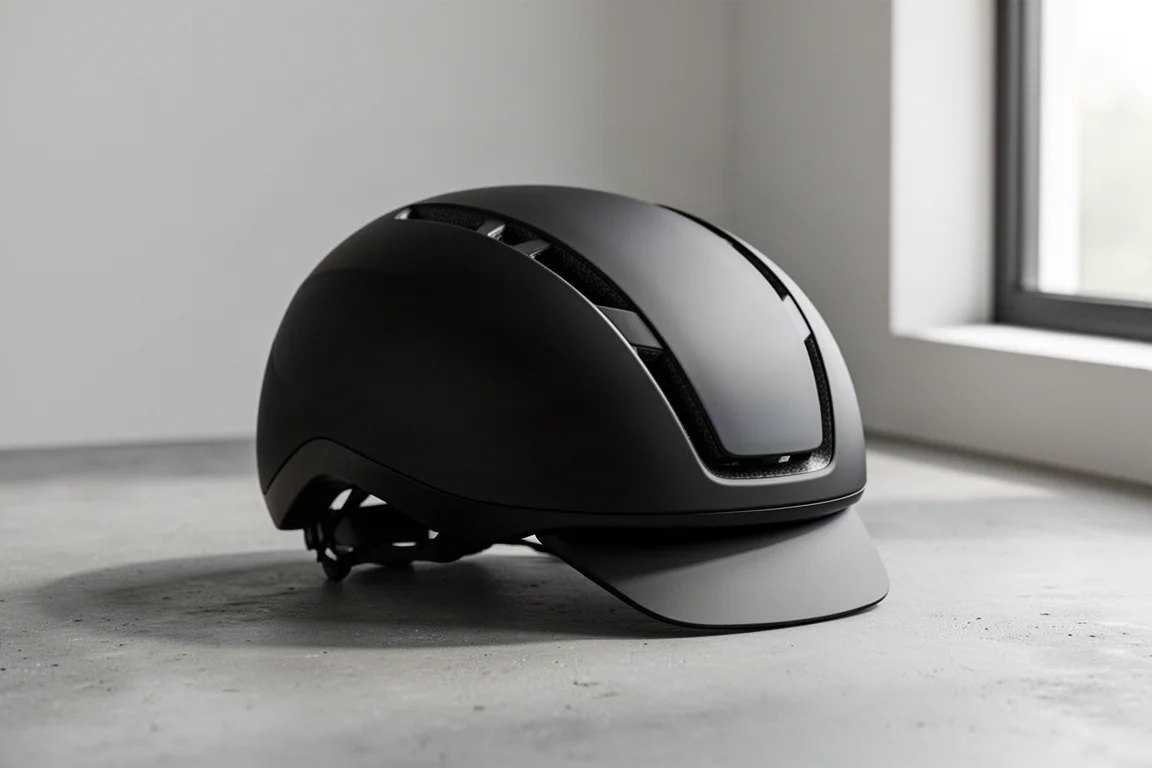
The Adidas Adizero Adios Pro Evo 1 is a limited edition carbon racing shoe priced at $500. It arrived on the scene with a women’s marathon world record in 2023, and it showed up on the Kona run course as well. Patrick Lange raced in a pair, and Jonas Hoffmann wore them too, starting the run deep in the field and finishing sixth overall with the third fastest run split of the day.
A shoe at this price is a race-day tool rather than a daily trainer. Buyers should weigh how many races per year it will actually be used for before committing, and keep a more durable pair for training miles.
Overall Buying Advice
Start with the rulebook. Race regulations prohibit equipment that reduces wind resistance, including fairings, and the updated line also bans bottles, hydration systems, or other inserts in the front of the race suit, plus any insert in calf sleeves. That is why stacked bottle setups and aero leg tape appeared this year: both sit in the space that remains open.
Rear hydration mounts remain common because they hold a bottle, which is a legitimate function. The gray area around rear fairings is narrowing, so keep any setup functional and easy to defend if a race official takes a look.
Next, prioritize the fit-dependent items. A helmet, saddle, and cockpit reach all need testing in your own position before you commit, and none of them can be judged from a spec sheet alone. If you can only change one thing this season, a proper position review usually returns more than a component swap.
Then look at drivetrain details. Chain length becomes a real constraint once you move to oversized 1x chainrings, so check compatibility before ordering a coated race chain. Finally, treat race shoes as the highest-cost, most race-specific purchase on this list. They are worth it for athletes chasing a personal best at a target event, and easy to justify only when the race calendar actually supports the spend.
Conclusion
Kona pro setups are a useful preview rather than a shopping list. The Canyon Speedmax shows how much reach and cockpit detail matter, the CeramicSpeed UFO highlights a genuine compatibility limit with oversized chainrings, and the Wove V8 T Plus proves a small brand can earn pro trust quickly. The POC Tempor and Ekoi Pure Aero both underline that helmet speed is position-specific, and the Adidas Adizero Adios Pro Evo 1 remains a dedicated race-day shoe at a dedicated race-day price. Choose the items that fit your body, your rules, and your race calendar, and the gains will follow.
Further reading
Related Reviews
Triathlon Gear
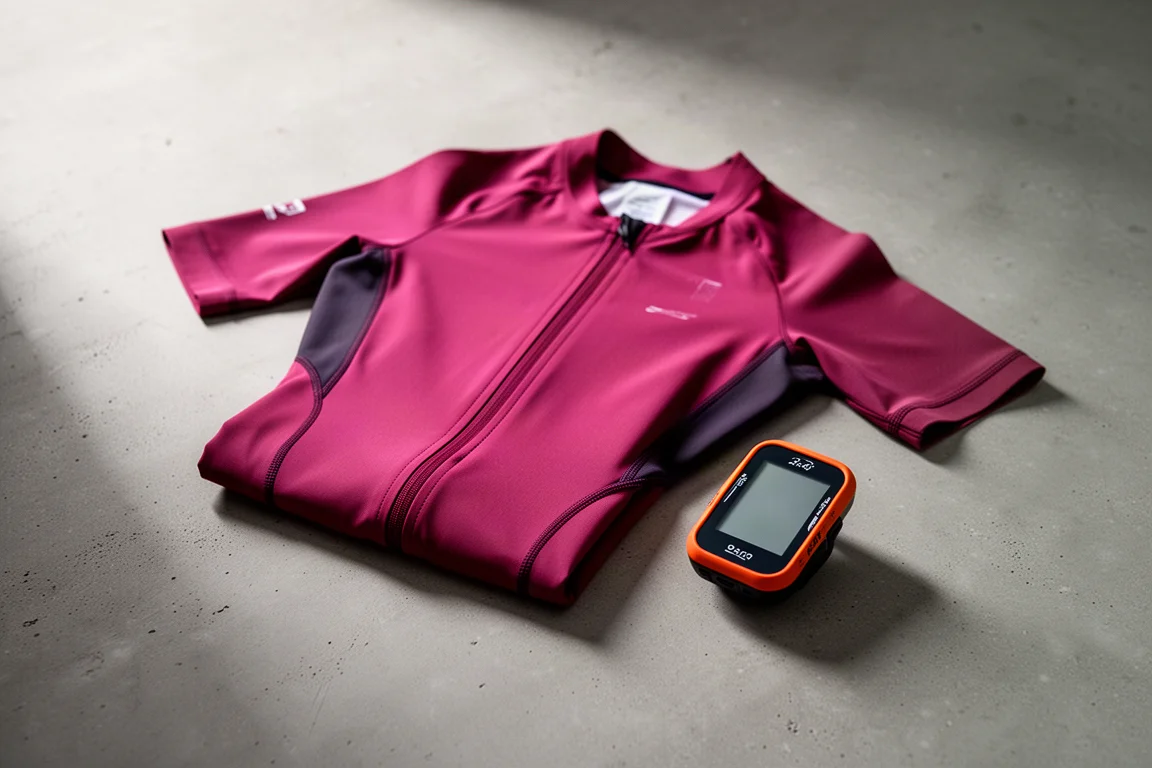
Two Affordable Triathlon Gear Picks: A Race Suit and a Budget GPS Bike Computer
A short-sleeve trisuit and a budget GPS bike computer: two affordable triathlon upgrades with clear use cases, real strengths, and trade-offs to weigh first.
Triathlon Gear
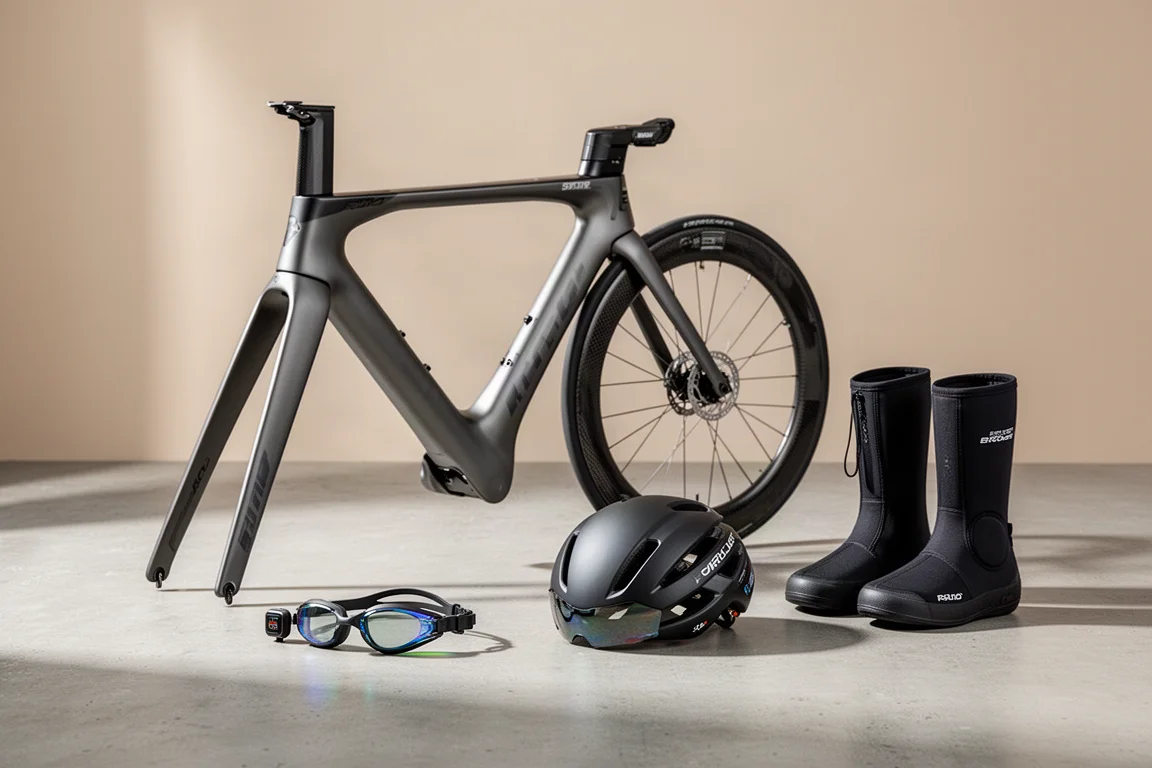
Best Triathlon Tech from Kona 2024: 11 Standout Gear Picks
A roundup of the most interesting triathlon gear spotted at the Kona 2024 Expo, from prototype bikes to smart goggles and recovery boots.
Triathlon Gear
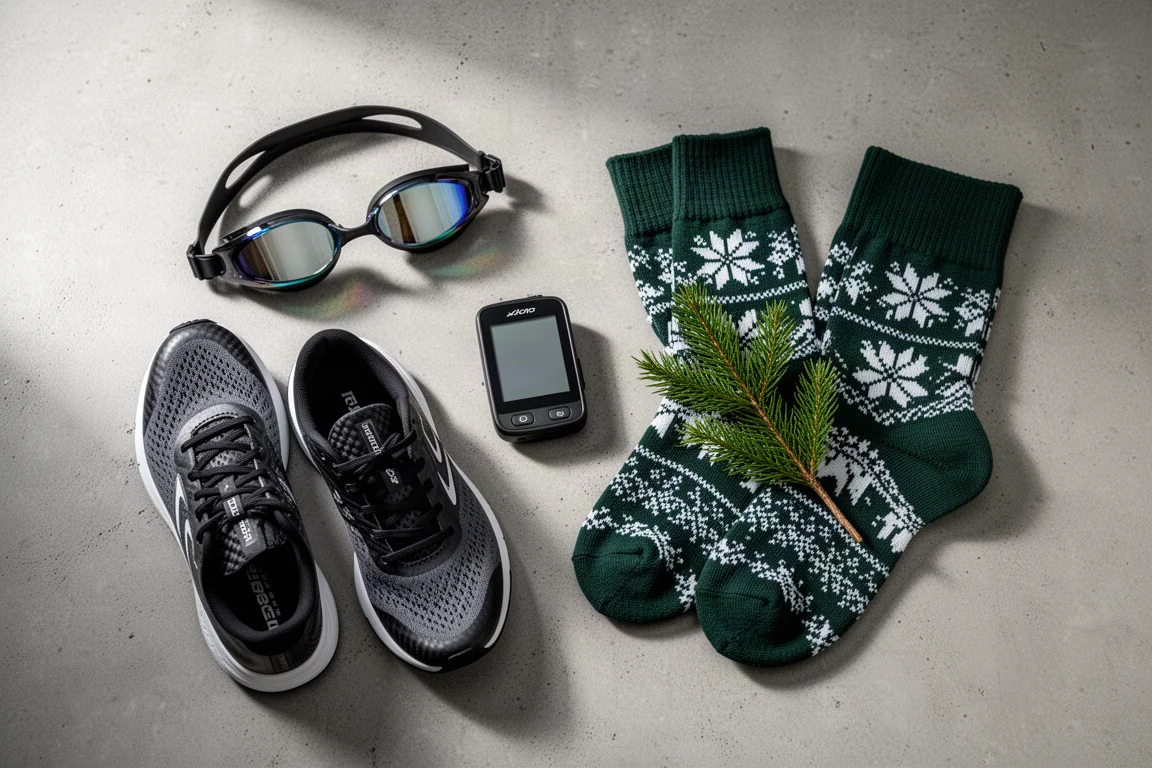
Christmas Gift Ideas for Triathletes: 10 Practical Picks
A practical gift guide for triathletes, covering swim, bike, run, recovery and stocking fillers that solve real training problems.