Tools
Klein Tools 32717 vs Milwaukee 48-22-2935 Precision Bit Set: Head-to-Head Review
Two compact 3.5 mm precision bit sets compared on cases, handles, bit retention, and everyday usability to help you pick the right one.
Introduction
Precision bit sets are getting smaller. Both of these sets are built around 3.5 mm bits rather than the standard 4 mm format you find in most precision kits, which suggests 3.5 mm may be becoming the new standard for compact electronics and small-hardware work. We compared the Klein Tools 32717 and the Milwaukee 48-22-2935 directly to see where each one wins.
Two 3.5 mm Precision Bit Sets Compared
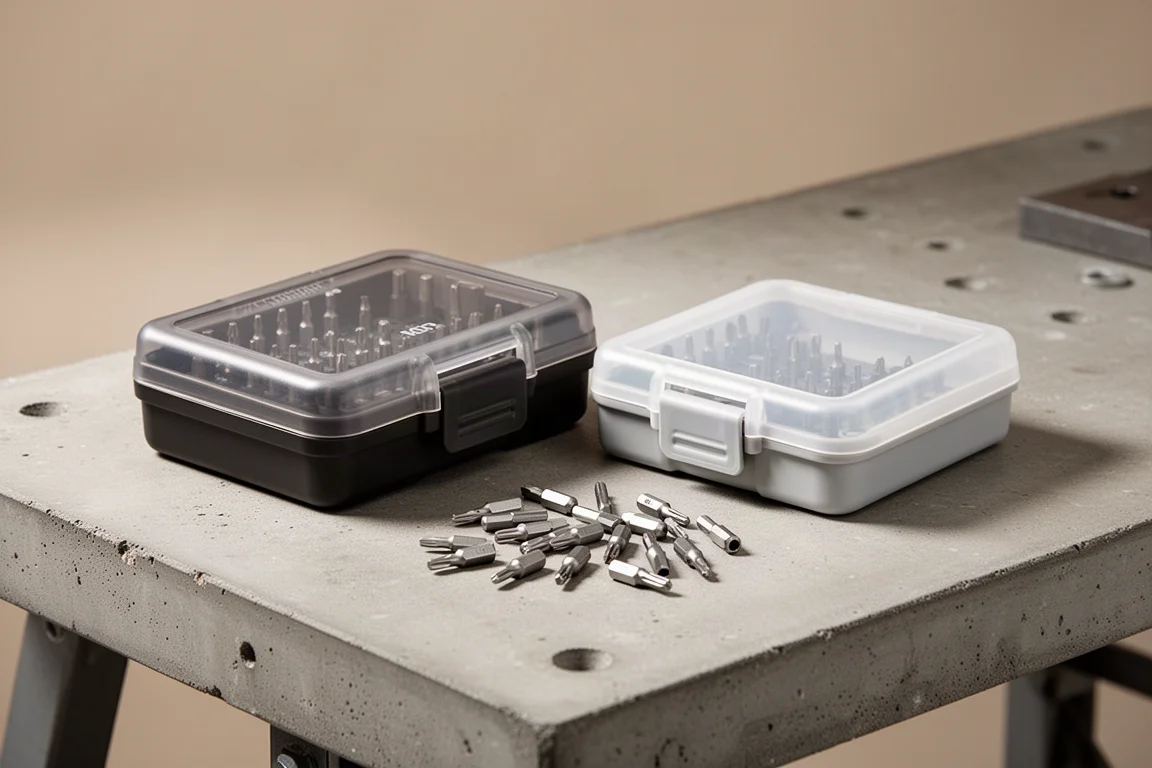
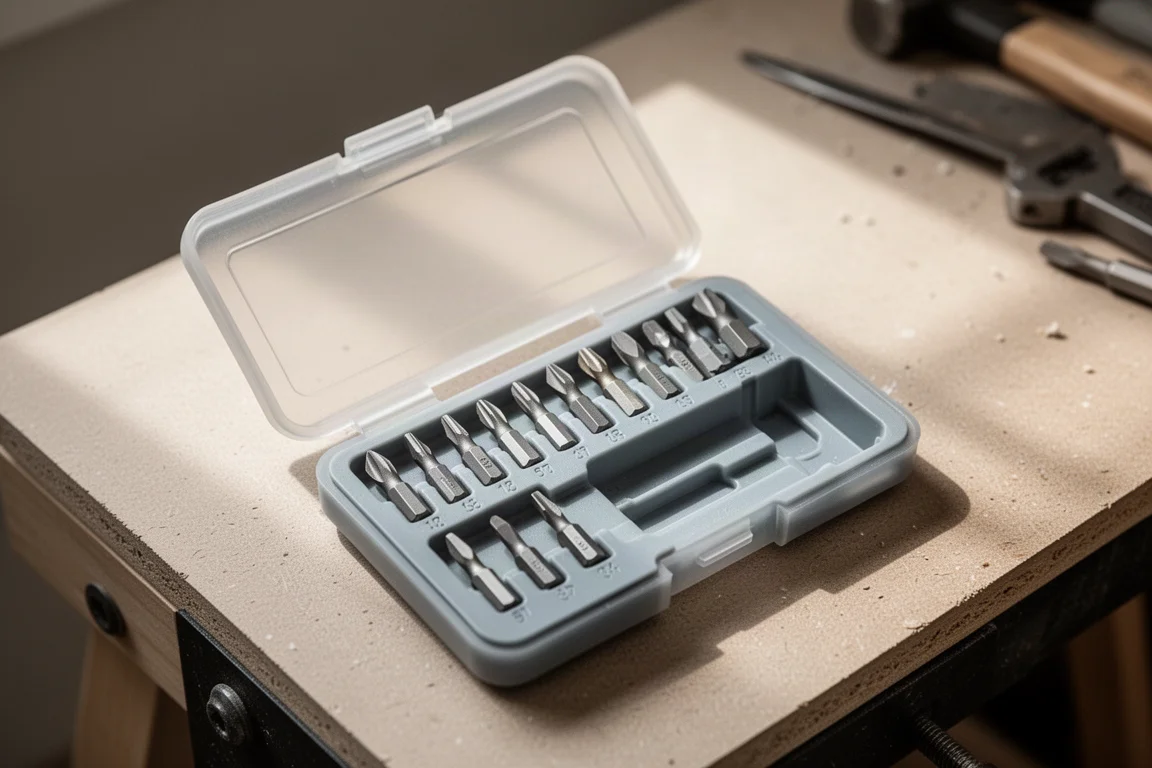
The Klein 32717 is a 39-piece kit made in Taiwan, while the Milwaukee 48-22-2935 is made in China. Both ship in plastic cases that lock closed and give easy access to every bit. The Klein case is a little thicker but smaller overall; the Milwaukee case is larger and flatter with molded indents, and it includes a pass-through feature that may allow it to pair with other tools in the future.
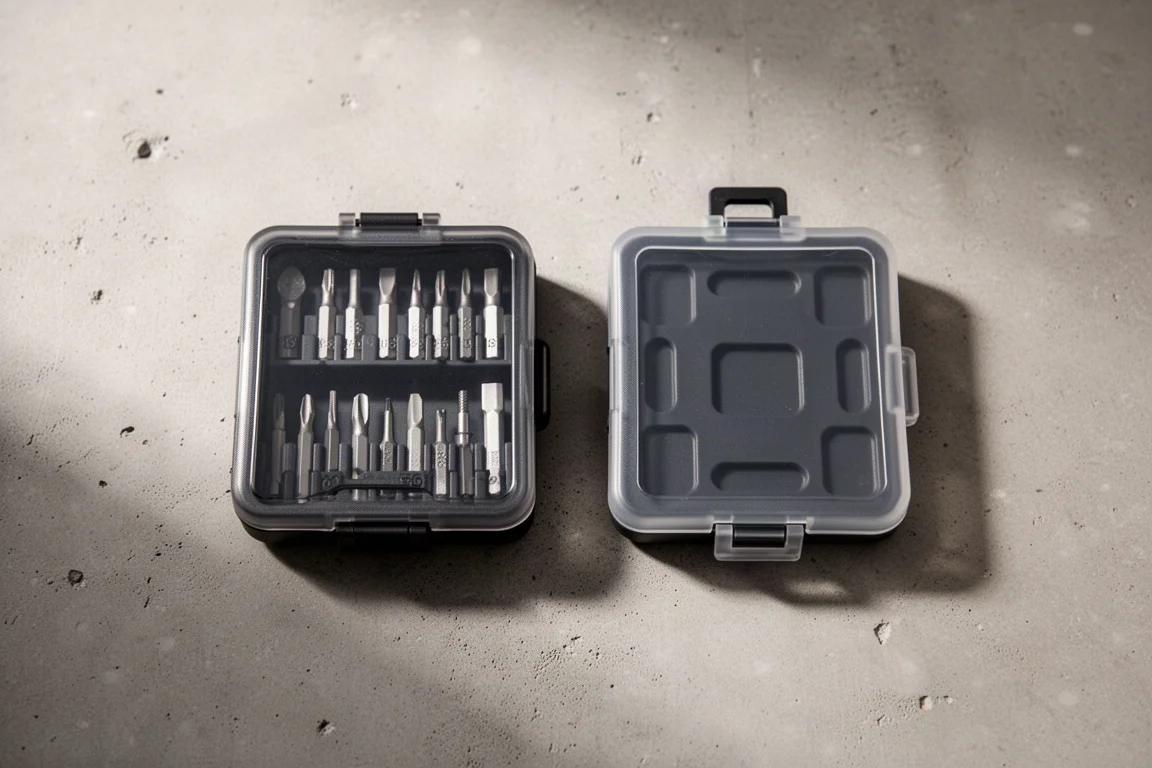
Both cases double as small parts trays, though neither is secure enough to leave loose parts in, since tipping either one over will spill everything. The Milwaukee case is a little easier to dig around in, and it would be a natural candidate for adding a magnet inside. Bit retention differs slightly: the Milwaukee bits sit a bit looser in the case, so a knock could shake some loose, while the Klein bits have more resistance. If you drop either case, bits will still scatter.
Handles: The Biggest Difference
Both sets use reversible handles, and the handles are not interchangeable between the two brands. The Klein handle is a little longer and noticeably more comfortable, with good grip all the way around. The Milwaukee handle is heavier but significantly shorter in the short position; flipped to the long position, it is only slightly longer than the Klein’s short position.
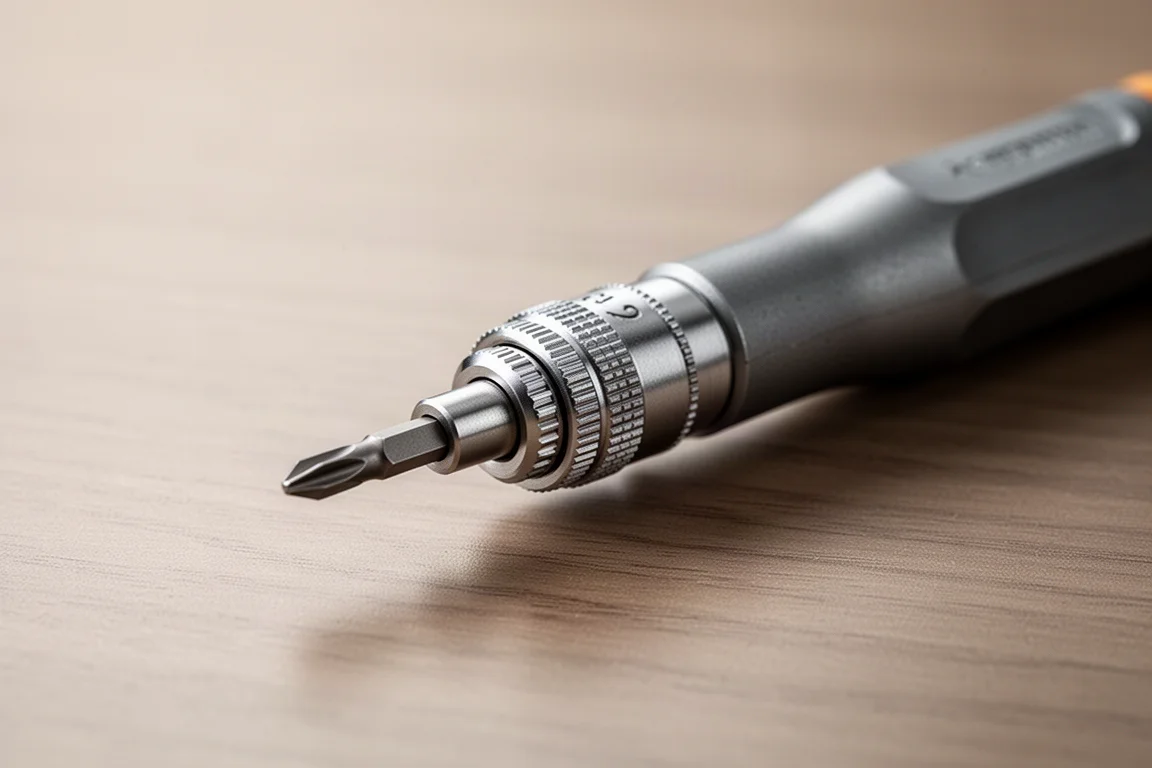
Both have spinning caps, but the Klein’s is rubbery while the Milwaukee’s is hard plastic. The rubbery cap is easier to control when your hand is up near the top of the tool at a steeper angle, and the Milwaukee’s hard cap feels slicker in that position. On overall comfort, the Klein handle has the edge.
One clever Klein detail: because of the extra handle length, a bit inserted into either end of the handle stays held in place, so you can park a bit inside either way. The Milwaukee holds a bit in the short end, but the long end will not hold one closed.
Case Fit and Handling
How each handle fits back into its case is a small but practical difference. The Klein handle only fits in the case in the short position, and you have to remove any bit from it first, then it sits all the way to the edge. The Milwaukee fits in the long position only without a bit, but with a bit attached it fits in the short position with no problem, so you can drop it straight back in without popping the bit off.
Bits and Markings
Klein bits are slightly longer than the Milwaukee bits. Klein bits have stamped size markings, while the Milwaukee markings appear to be painted or printed, and they look less durable over time. The bit sets are interchangeable between brands and all measure very close to 3.5 mm across the board.
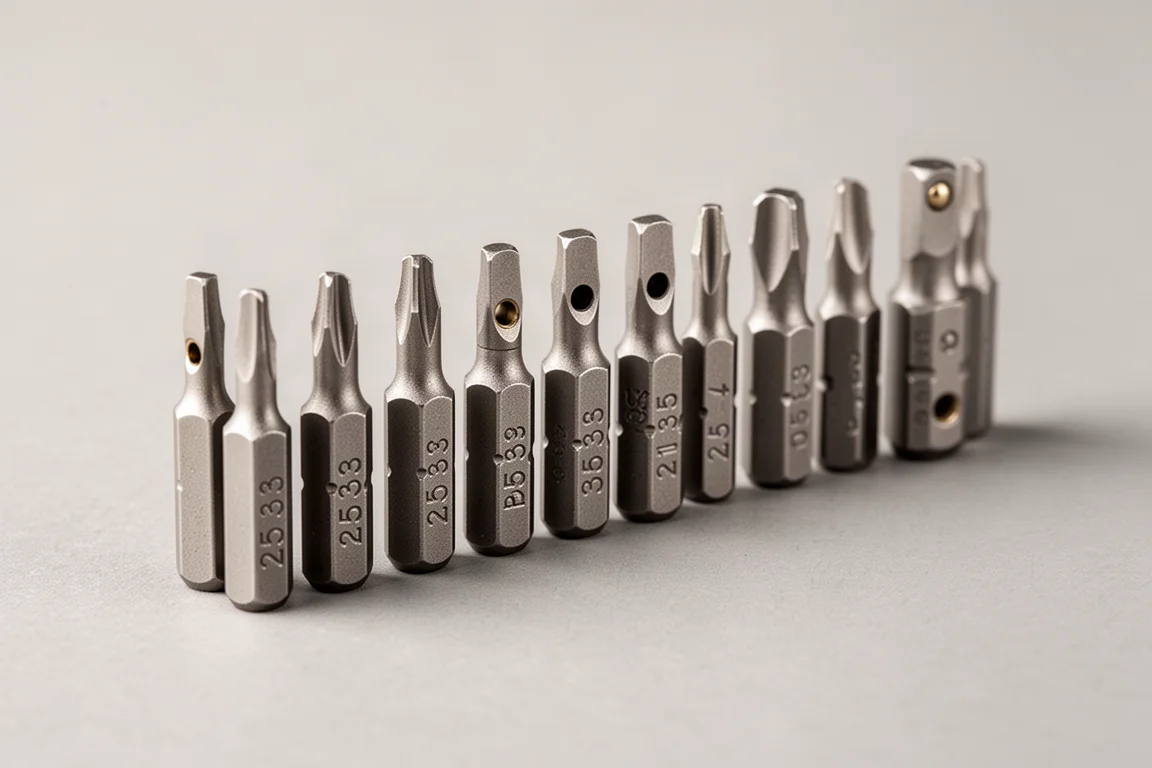
Both sets include security bits, with the holes needed for Torx security and similar fasteners. As far as we can tell, the actual bits are effectively the same in both sets, and the piece count is the same as well.
Buying Advice: Which One Should You Get?
The Milwaukee costs a little more, and given that the bit content appears equivalent, the decision comes down to the case and the handle. Choose the Klein if you value the more comfortable rubbery-capped handle, stamped bit markings, slightly tighter bit retention, and the ability to store a bit in either end of the handle. Choose the Milwaukee if you prefer the flatter case with a pass-through, easier digging in the tray, and the convenience of dropping the handle back in the case with a bit still attached.
Either way, moving to 3.5 mm bits means planning for adapters if you want to use them in standard 4 mm precision drivers, such as with a quarter-hex to 4 mm adapter. That is worth factoring in before you commit to either ecosystem.
Conclusion
Both the Klein Tools 32717 and the Milwaukee 48-22-2935 are strong 3.5 mm precision bit sets with the same bit count and very similar bit content. The Klein wins on handle comfort, bit markings, and retention, while the Milwaukee counters with a flatter case, easier parts-tray use, and a handle you can stow with a bit attached. Whichever you pick, 3.5 mm looks like where precision drivers are headed.
Product link
View more details for Klein Tools 32717 Precision Bit Set
This product is mentioned in the review. Check the specifications, options, and compatibility before buying.
View more details for Klein Tools 32717 Precision Bit SetFurther reading
Related Reviews

Tools
Best Contractor Grade Tape Measures 2026: Eight Models Tested Head to Head
We tested eight contractor grade tape measures from Milwaukee, DeWalt, Crescent Lufkin, Tajima, Stanley, Irwin, Gelan, and Craftsman to find the best value and performance.

Tools
Best Precision Screwdriver Sets 2026: Manual and Electric Options Compared
We compare 19 precision screwdriver sets, from budget manual kits to electric drivers, to find the strongest bits and best value.

Tools
Best Stud Finders 2026: Five Popular Models Put to the Test
We tested five popular stud finders on drywall, firewall, and lath and plaster surfaces to see which ones really find studs and avoid false readings.