Tools & Hardware
Klein Tools 65200 vs Milwaukee 48-22-2950: Two Mini Ratchet Bit Drivers Compared
A close look at two compact multi-bit mini ratchets: how the Klein 65200 and Milwaukee 48-22-2950 differ on design, magnets, bit retention, and everyday usability.
Introduction
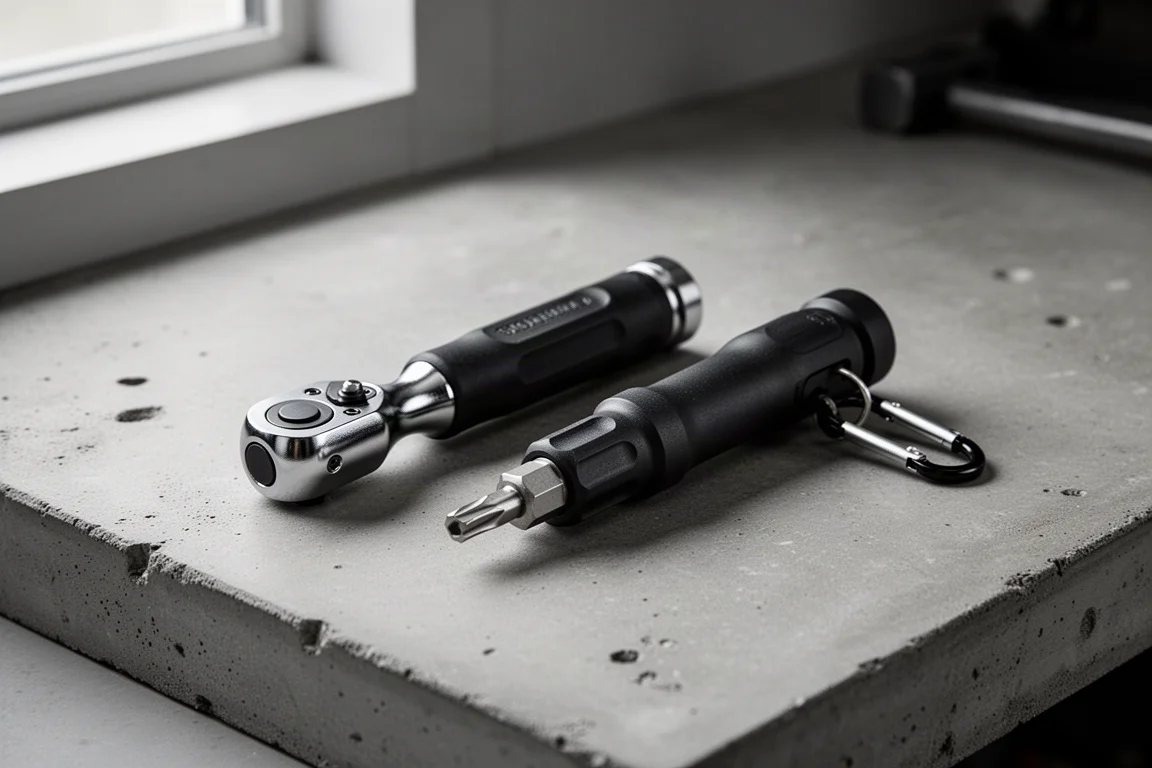
Compact multi-bit ratchets are the kind of tool that quietly becomes indispensable. Once one lives in your bag or drawer, you reach for it constantly. Two designs dominate this space: the Klein Tools 65200 bit driver, a long-standing favorite for its simple and effective layout, and the newer Milwaukee 48-22-2950, which takes a very similar approach and adds a few genuinely thoughtful changes.
This comparison walks through where the two differ, what each does better, and which one makes more sense depending on how you work.
Klein Tools 65200: The Established Favorite
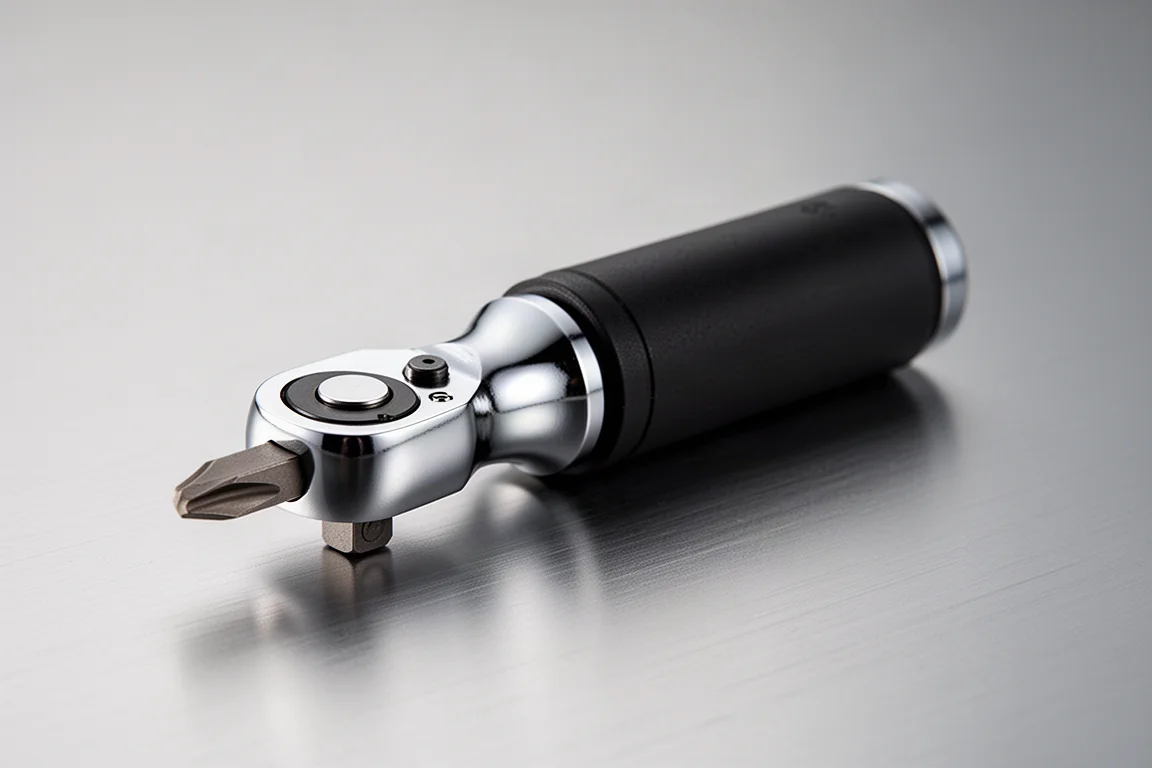
The Klein 65200 sells for around $16 with its bit set and has a very symmetrical, refined design. It handles both quarter-inch and 5/16-inch bits, covering the common fastener sizes you run into constantly, including standard 5/16 machine screw heads often found in campers. The overall length is nearly identical to its Milwaukee counterpart, with a head thickness of 19.8 mm.
One quirk worth knowing: the directional switch lever on the front sticks out slightly more than on the Milwaukee, and it flips easily with a quick thumb flick. That can be convenient, but it also means you can accidentally change direction without noticing.
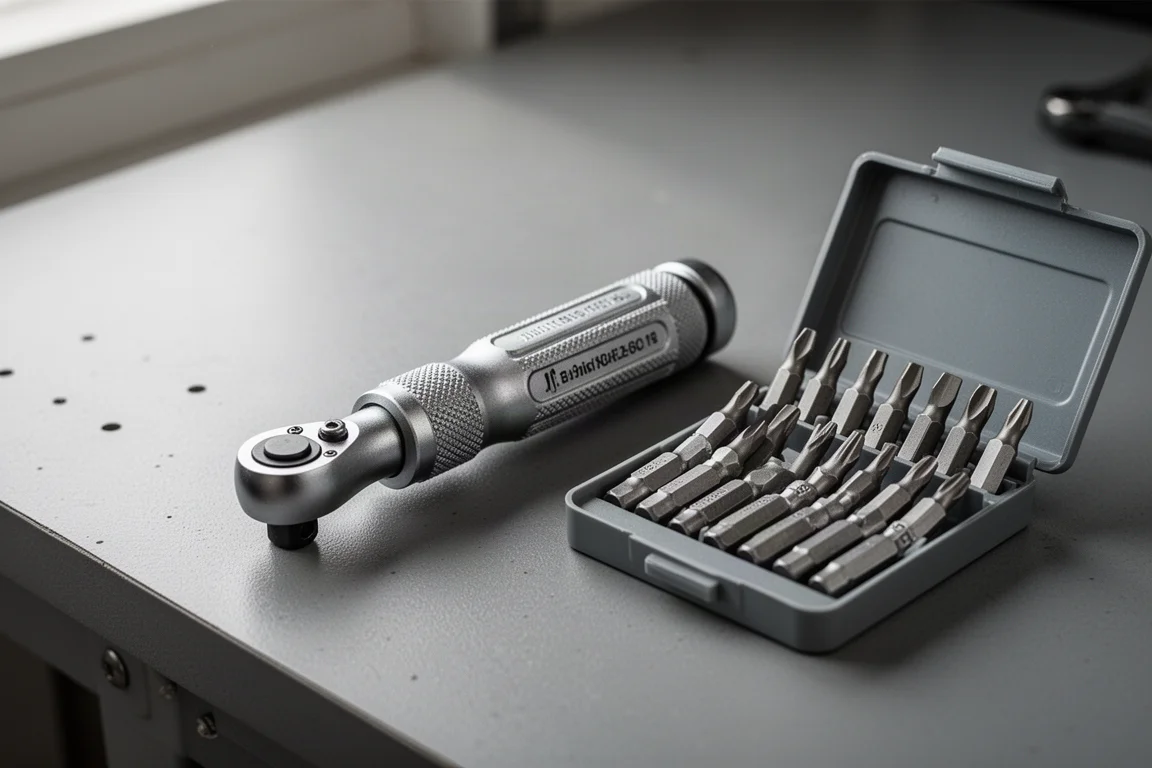
Klein also grips its bits very tightly. That keeps bits secure during use, but they can be genuinely hard to remove by hand, sometimes requiring pliers to pull them out.
Milwaukee 48-22-2950: The New Challenger
The Milwaukee 48-22-2950 sells for around $20 and mirrors the Klein closely, to the point that the two look like they could have come from the same factory. It is also made in Taiwan, uses the same retention clip design, and matches the overall length almost exactly. The head is slightly thinner at 18.93 mm, less than 1 mm slimmer than the Klein.
The 5/16 side carries a large flat magnet, a point we will get to below. Like the Klein, it is designed for standard quarter-inch and 5/16-inch bits, and because of its low profile it ships with its own low-profile bit set. The bits themselves carry no branding beyond a size marking, but Milwaukee marks its housing clearly.
Where the Milwaukee Improves on the Formula
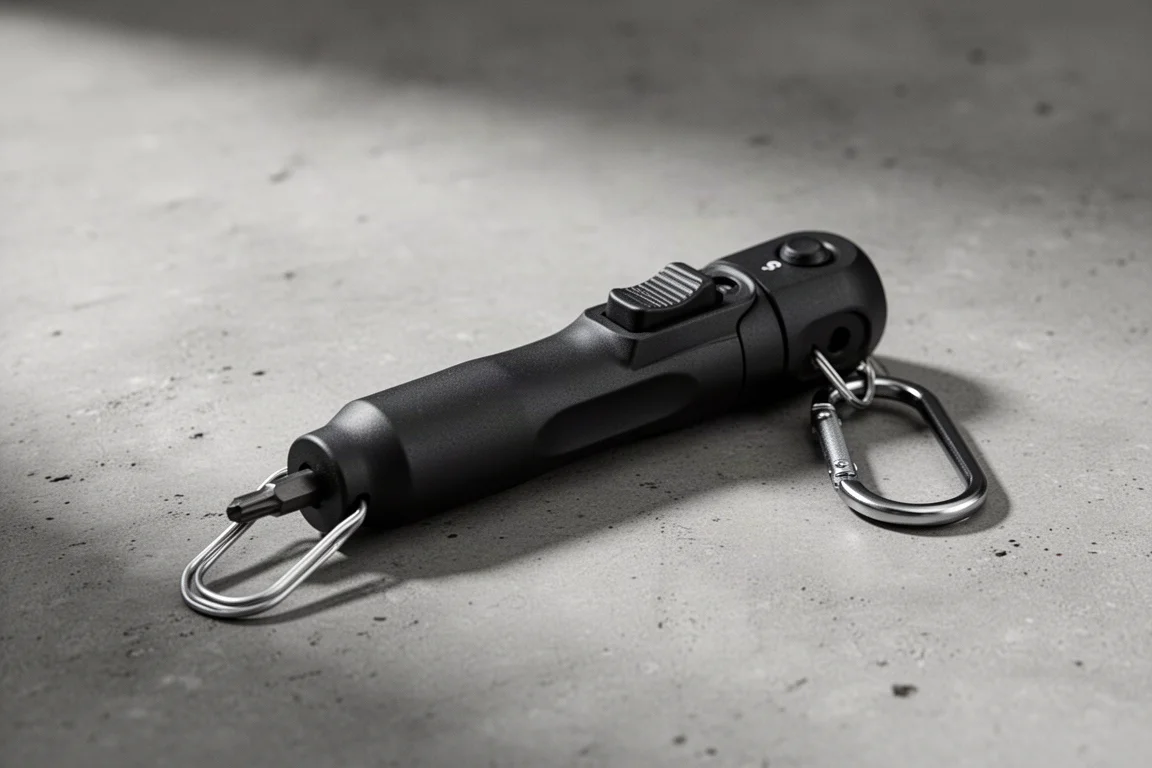
Rather than simply copying the Klein, Milwaukee made several real refinements. The most noticeable is the shrouded directional switch: on the Milwaukee, the lever sits nestled in and is recessed at the edge, so you have to deliberately push it. You cannot flip it by accident with a thumb swipe, unlike the Klein. That is a meaningful win if you have ever ruined a screw because the ratchet silently reversed.
The other headline feature is the built-in carabiner at the base, which creates a slight asymmetry in the design. It lets you clip the tool to a tool bag, tool box, belt clip, or attach other things to it, including the included bit holder. The orientation is considered too: when tightening, your finger rests on the smoother side rather than against the wire bale.
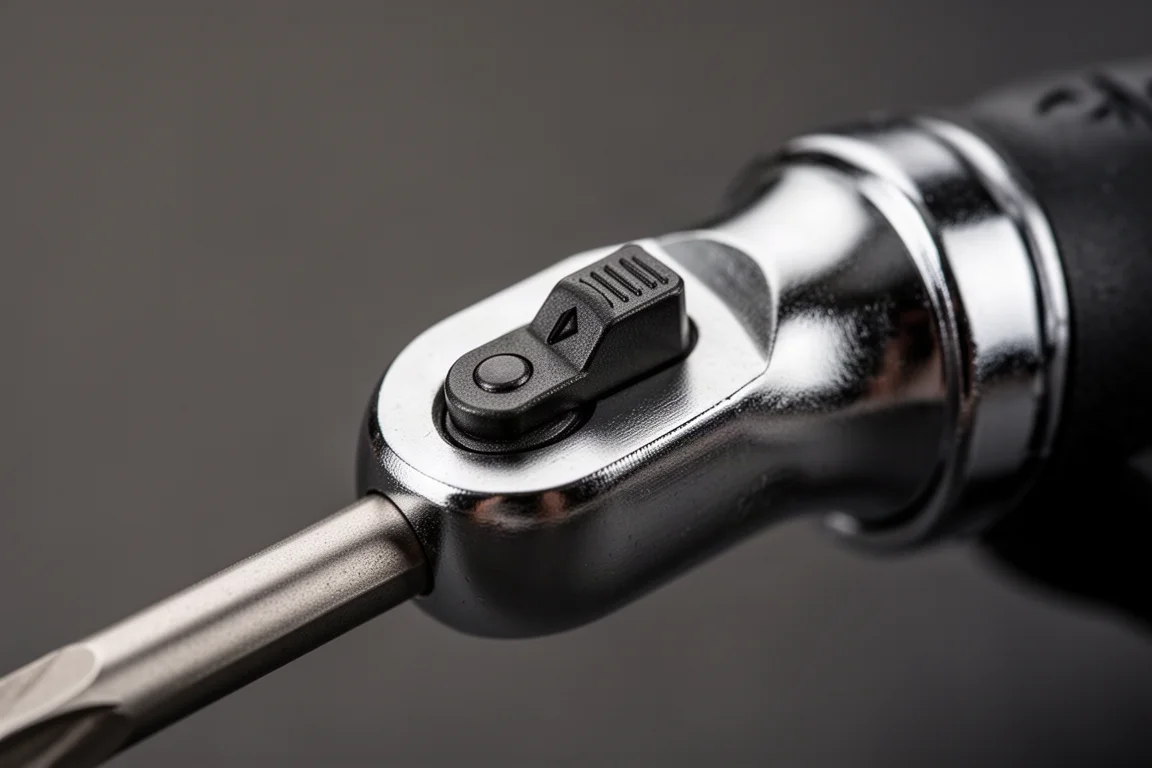
Internally, the Milwaukee ratchets with 90 teeth compared to the Klein’s 72, and the finer engagement is noticeably smoother in hand when working in tight spaces.
Bit Retention and Magnet Differences
Bit behavior is where the trade-offs get interesting. The Klein holds bits much tighter, sometimes too tight, occasionally requiring pliers to extract them. The Milwaukee releases bits much more easily, which is convenient, though it gives up some of that reassuring grip.
On the 5/16-inch side, the two take different approaches. The Klein uses a ring magnet, one with a small hole through it, while the Milwaukee uses a significantly larger flat magnet. In practice the Milwaukee’s magnet does a better job of holding a coupler or fastener in place, where the Klein can let it get yanked out.
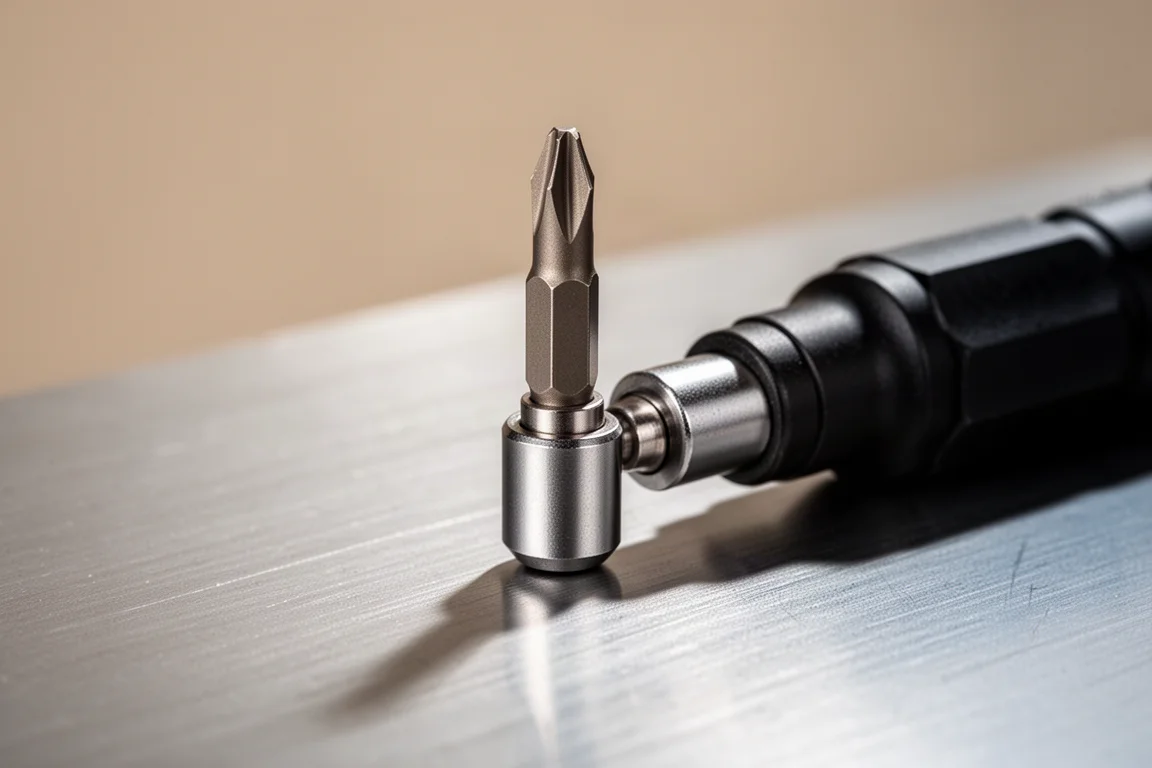
The Klein’s ring magnet hole is curious and may be intended as some kind of pass-through, though only a fairly large threaded rod fits through it, so the use case is unclear at best.
Bit Tray and Everyday Handling
The Milwaukee’s bit tray is the better of the two. It is easy to read, keeps the bits in their correct positions, and gives you more surface to grab when pulling a bit out, which matters because the Klein’s tray can make bits genuinely difficult to extract.
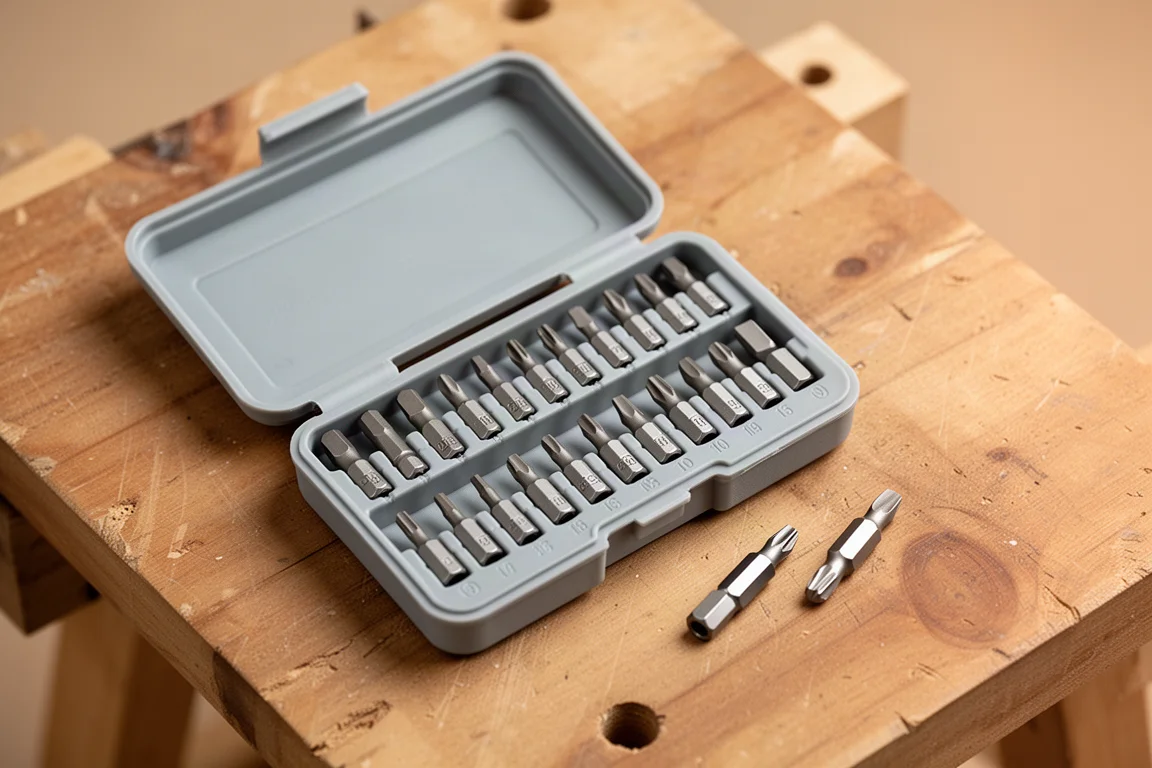
Neither tool is expensive, and both share the same essentials: solid build, identical retention clip design, and the same practical quarter-inch and 5/16-inch coverage. The differences come down to the details outlined above.
Buying Advice
Choose the Klein 65200 if you want the classic design, stronger bit grip in the shaft, and the lower price of around $16. Its easy-flick direction switch is a preference call: handy if you change direction often, a liability if you do not.
Choose the Milwaukee 48-22-2950 if you value the shrouded switch that resists accidental flips, the finer 90-tooth ratchet, the stronger 5/16 magnet, the easier bit removal, the friendlier bit tray, and the clip-anywhere carabiner. At around $20, it is the more refined tool overall and a good example of a company improving an established design rather than just copying it.
Either way, once one of these lives in your kit, you will wonder how you managed without it.
Conclusion
Both mini ratchets are excellent, and neither is a bad purchase. The Klein remains a favorite for its elegant, effective simplicity, while the Milwaukee earns its place by fixing the Klein’s small annoyances and adding a genuinely useful carabiner. Match the trade-offs to your workflow and you will be happy with either.
Further reading
Related Reviews
Tools & Hardware
Best Finds From the National Hardware Show 2022: 10 Clever Tools and Gear Worth a Look
From ladder caddies and a one-handed caulking tool to weatherproof fire starter and a magnetic shower speaker, these are the standout finds from the show floor.
Tools & Hardware
Best Tool Deals Worth a Look: Hand Tools, Nailers, and Cordless Kits
A practical roundup of standout hand tools, nailers, and cordless kits, including made-in-USA Klein Tools, a clever ToughBuilt storage solution, and strong-value Skil and Craftsman kits.
Tools & Hardware
Best Wood Screws for DIY Projects: From Drywall Basics to Premium Decking Screws
Three levels of wood screws compared: budget drywall screws, coated exterior construction screws, and premium decking screws with self-drilling technology.