Tools & Hardware
Best Wood Screws for DIY Projects: From Drywall Basics to Premium Decking Screws
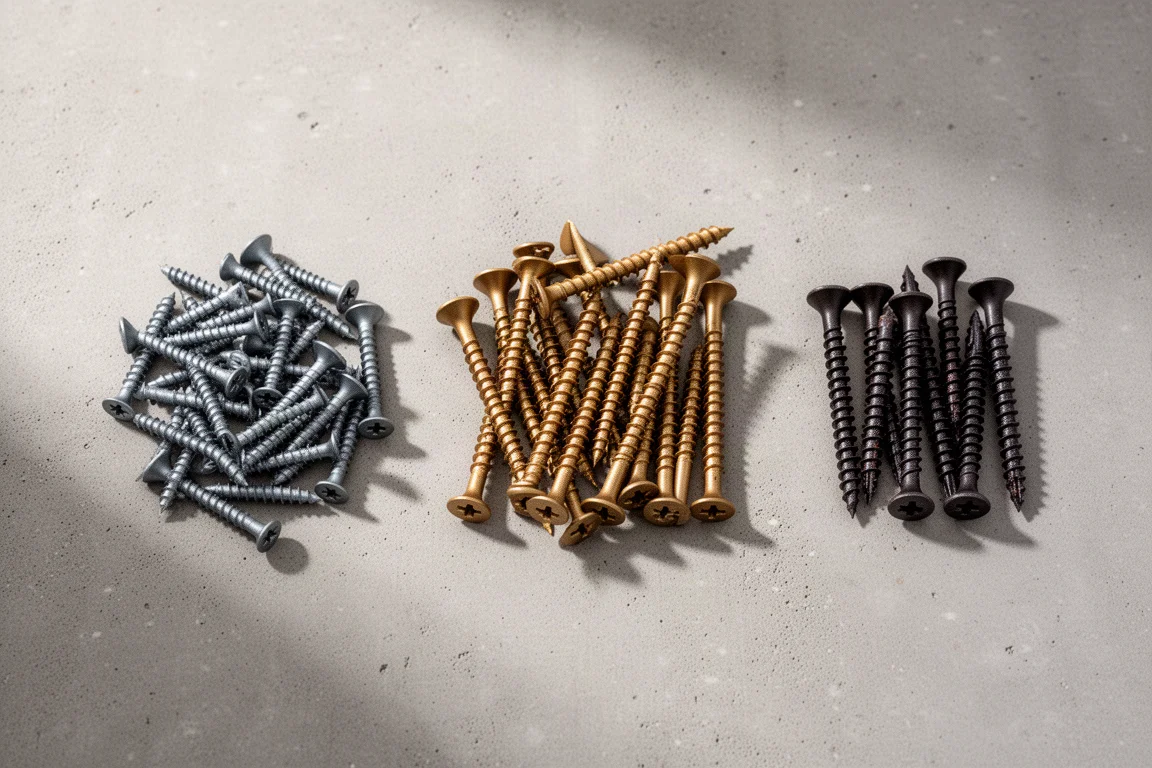
Three levels of wood screws compared: budget drywall screws, coated exterior construction screws, and premium decking screws with self-drilling technology.
Introduction
Almost every workshop has the same drawer: a jumbled collection of screws picked up over the years, cheap, convenient, and mostly fine. But not all screws are created equal, and choosing the wrong one can split boards, strip heads, or worse, fail under load. This guide breaks screws into three practical levels: the budget drywall screw everyone owns, the coated exterior construction screw built for fences and decks, and the premium decking screw with clever engineering that justifies its price for the right projects.
Budget Level: Drywall Screws
Drywall screws are generally the cheapest screws you can buy, with typical pricing landing anywhere from about three to eight dollars for a one pound box depending on your location and store. The most common version is a number two Phillips head with a coarse thread and a sharp point. The number two Phillips is extremely common in the US and appears in almost every screw type, which makes these screws universally easy to drive.
These are the general purpose, do-everything screws for non-structural, non-load-bearing indoor work. Assembling quick projects, hanging very light items like a picture frame, or knocking together something temporary where durability does not matter are all fair game. They are so cheap and convenient that it makes sense to keep multiple lengths and types on hand at all times.
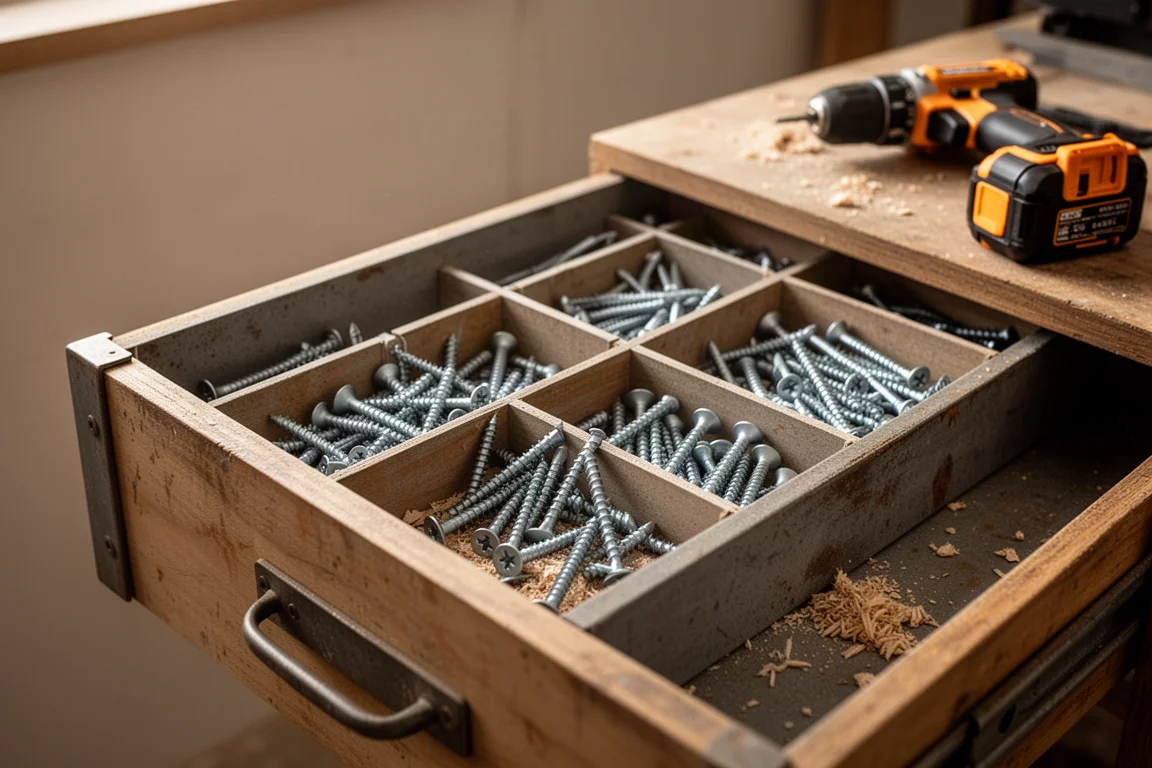
There are clear limits though. Never use drywall screws for anything outdoors that needs corrosion resistance, such as decks or fences, and never use them for load-bearing applications. Mounting a TV is a common but dangerous mistake; these screws are not designed to hold meaningful structural weight, and their heads snap off fairly easily. For anything serious, step up to a proper construction screw or even a lag bolt.
Mid-Range Level: Grip-Rite Exterior Wood Construction Screws
This is the level built for real outdoor work like fences and decks. Grip-Rite, which also makes drywall screws, offers an exterior wood construction screw that addresses most of the weaknesses of budget screws. A 25 pound box holds just over 1,800 screws and was purchased for around 110 dollars, which works out to a much lower per-screw cost than buying small packs. Since screws do not expire, buying the largest pack you need upfront saves money and extra trips.
The biggest upgrade is the head. Instead of a Phillips head, which is prone to cam-out and stripping, these use a Torx star drive in the T25 size. Star heads grip far better and make driving hundreds of screws back-to-back far less frustrating.
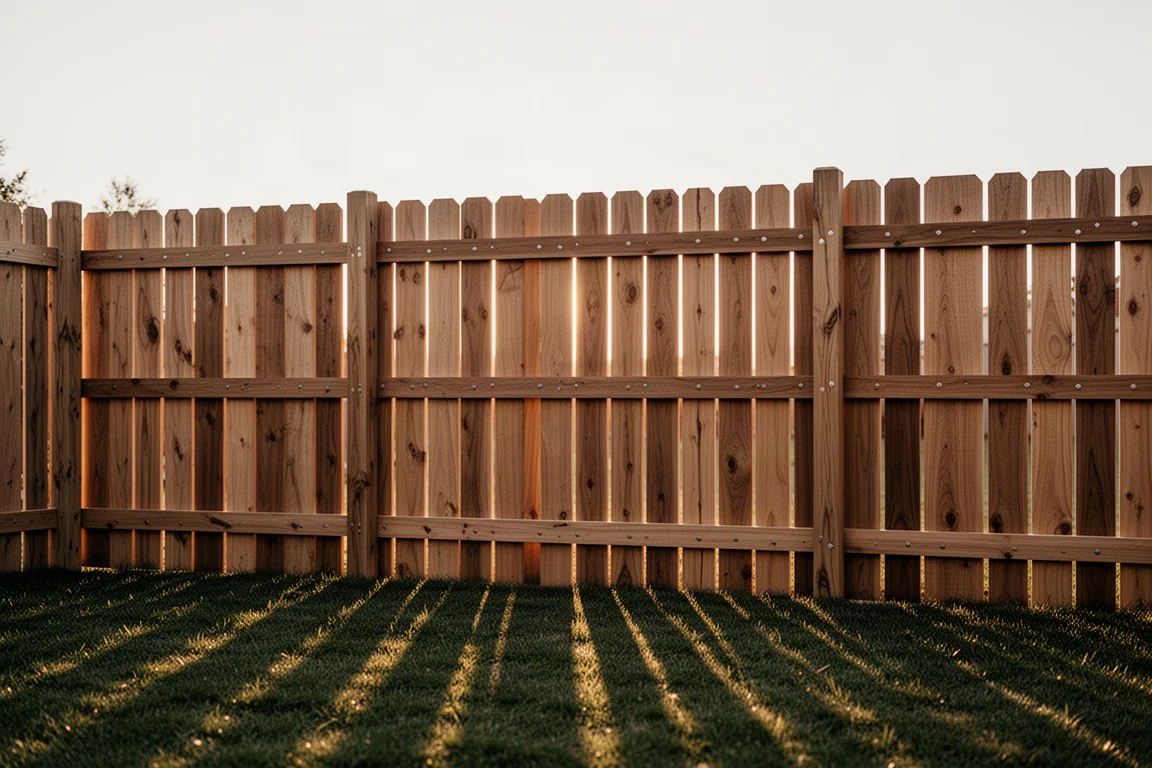
These screws also carry an exterior coating for corrosion resistance, and they come in a useful selection of colors including green, brown, and tan. For a fence built from a medium wood tone, the tan variant blended in nicely and looked genuinely good on the finished project.
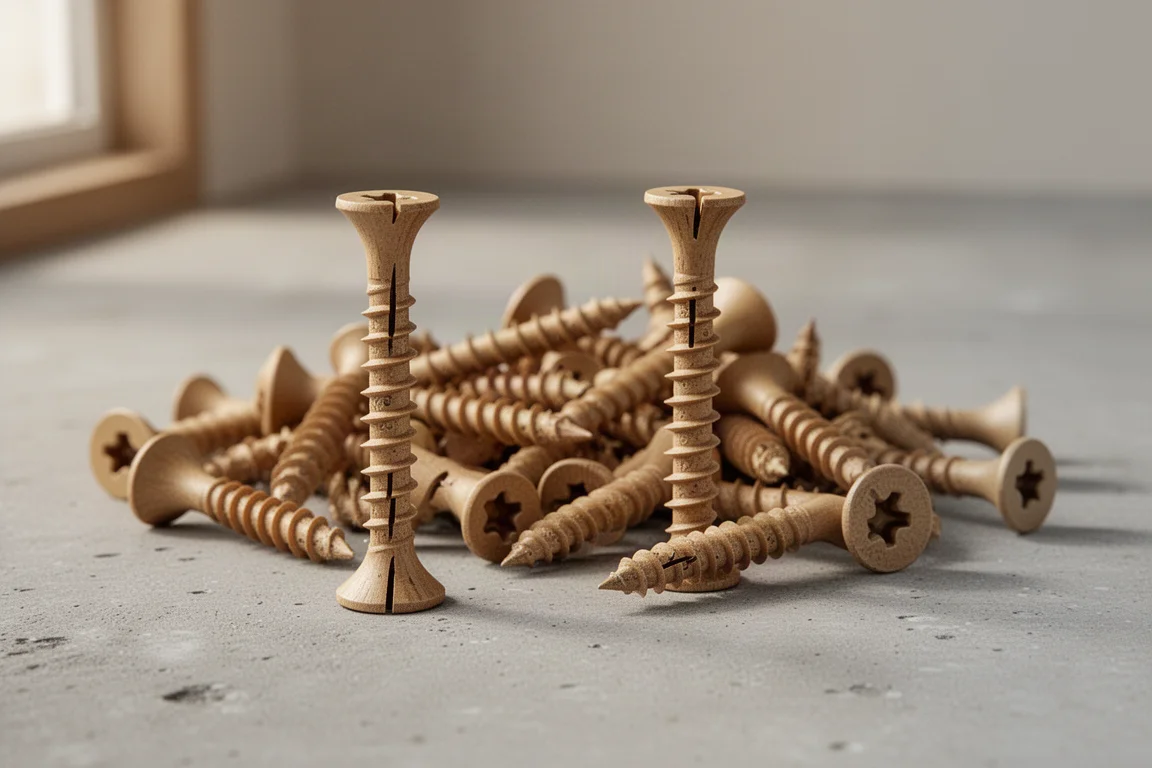
Another practical feature is the small splitting slit at the tip, which effectively pre-drills the wood as the screw goes in. Where a drywall screw can easily split a board, these largely avoid the problem. For a couple hundred screws going into fence pickets, skipping pre-drilling is a real time saver, though for critical work pre-drilling is still the safer choice.
Premium Level: SPAX Decking and Fencing Screws
SPAX is a German-made brand at the top of this range. A three pound box holds around 200 screws, and while a marked-down box was picked up locally at 14 dollars (down from about 56), at full retail these work out to roughly 25 cents per screw. That is undeniably pricey, but the engineering is genuinely impressive.
The standout feature is the unthreaded smooth section in the middle of the shank. As the screw passes through the top piece of wood, the threads engage only in the bottom piece, while the smooth shank lets the screw pull the two boards tightly together without pushing the top piece away. The result is a much tighter joint between deck boards and framing.
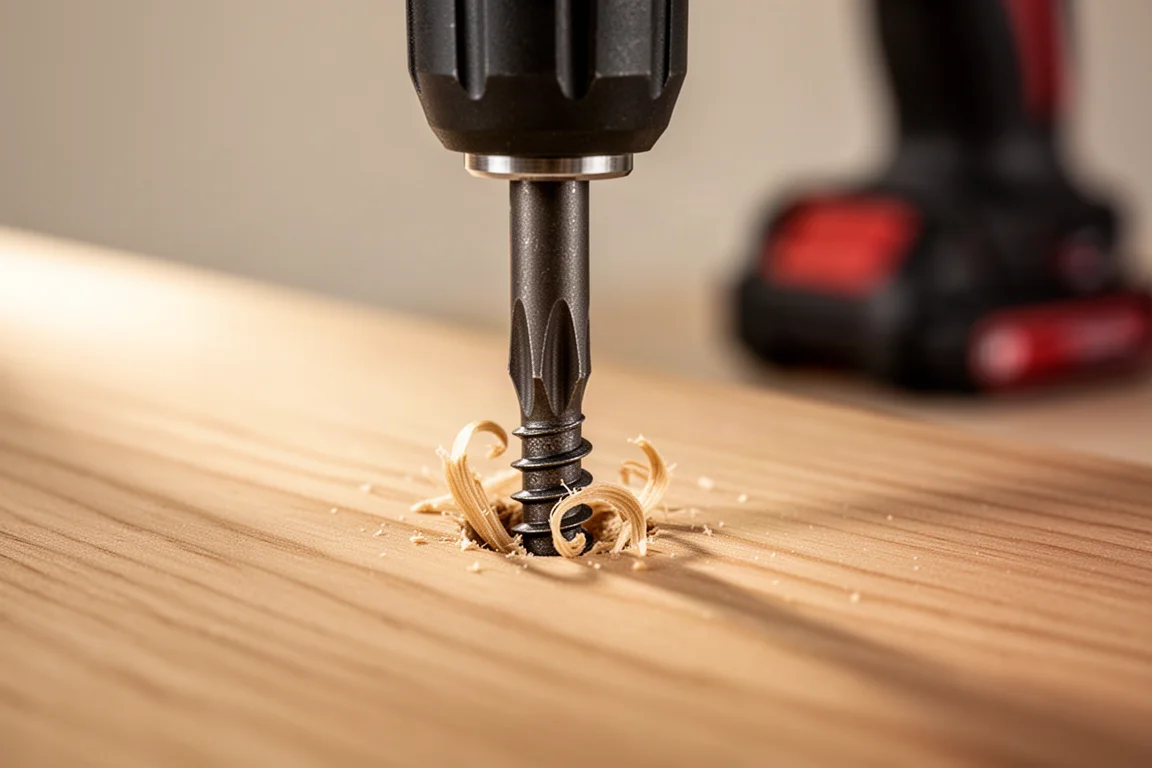
These are also self-drilling, with a patented thread design that SPAX claims requires no pre-drilling. Unlike the simple slit on cheaper screws, the front threads carry fine serrations that cut into the wood. In practice they glide in on the first attempt, produce virtually no splitting, and sit almost perfectly flush. On the fence project they were reserved for the visible final touches precisely because they went in so cleanly.
The head is a T20 Torx, paired here with Makita XPS bits. There is a little wobble in the fit but no cam-out, no stripping, and a smooth driving experience every time. For a large project the cost adds up quickly, with roughly 500 screws needed for the fence, so most builders will reserve these for high-visibility or demanding applications.
Buying Advice: Matching the Screw to the Job
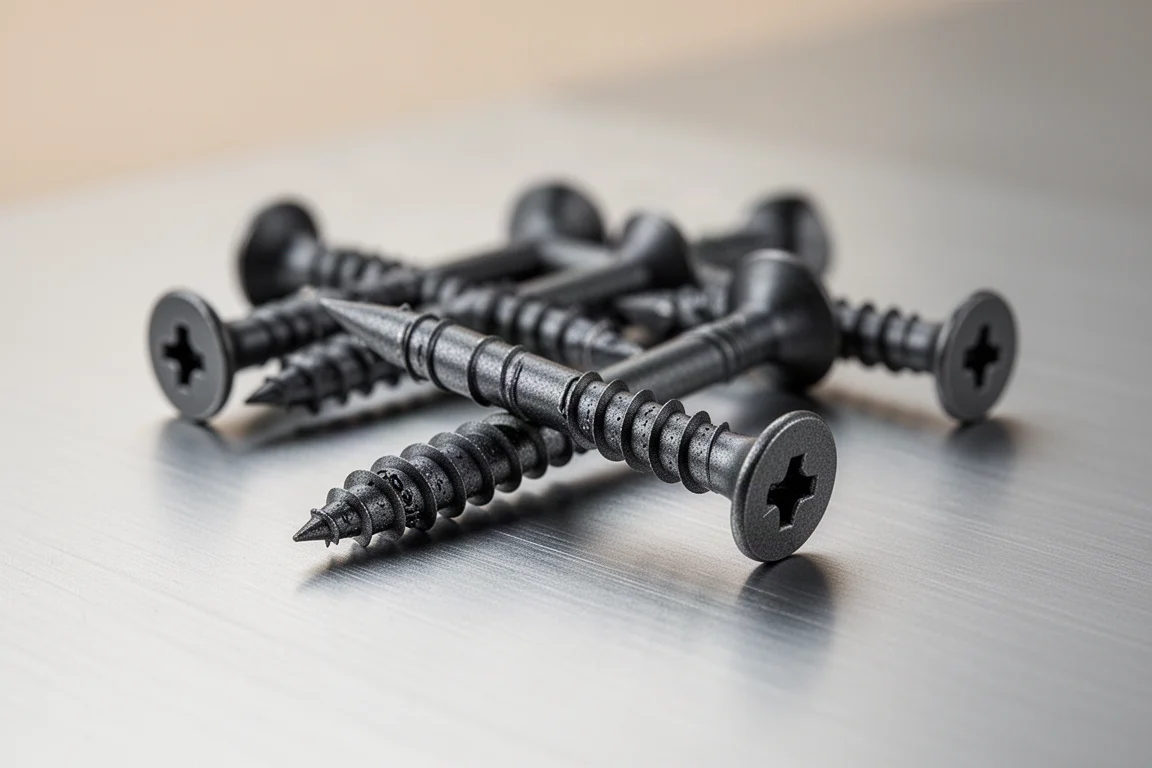
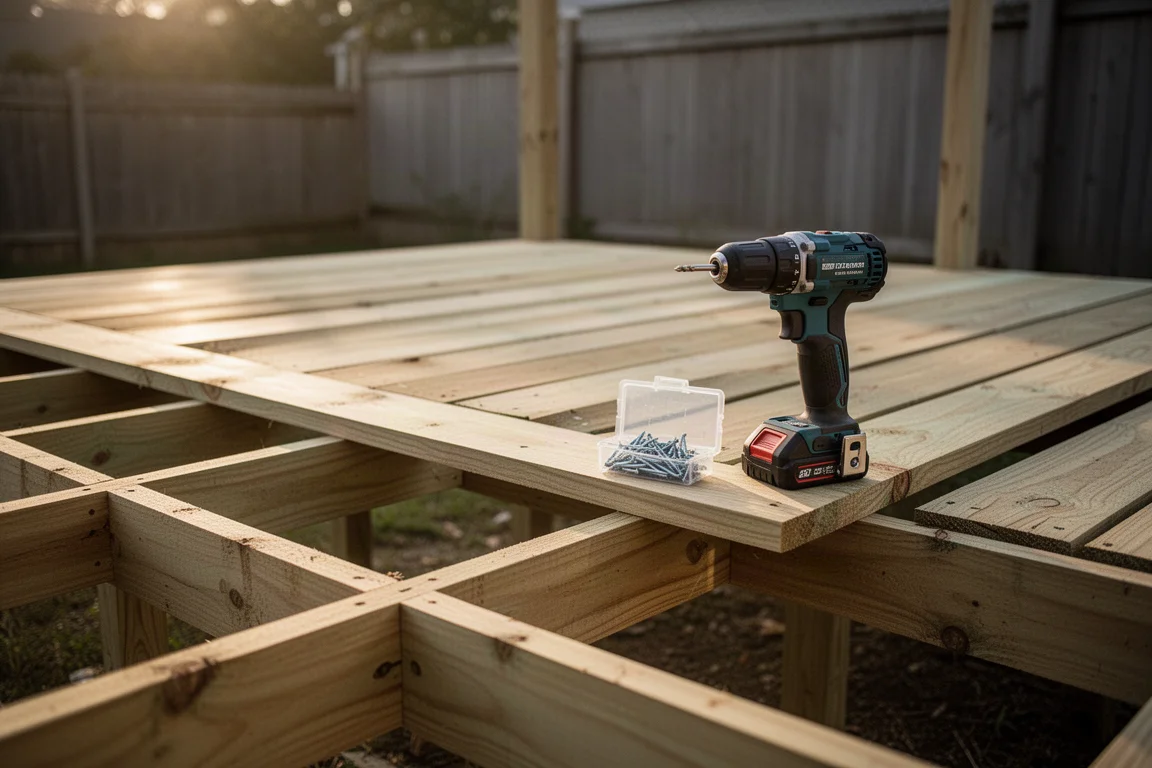
For most everyday indoor tasks, drywall screws get the job done at minimal cost, as long as the application is not load-bearing and never touches weather. The moment a project moves outdoors or carries weight, coated wood construction screws are the right call: they cost more but deliver corrosion resistance, better heads, and safer, longer-lasting results. Keep an eye out for sales on the premium SPAX screws; at a discount they are excellent for decking, fencing, and any finish work where a clean, flush installation matters.
Conclusion
Screws are a small purchase with an outsized effect on how a project turns out. Budget drywall screws handle quick indoor assembly, exterior construction screws earn their place on fences and decks, and premium decking screws offer real engineering advantages when the budget allows. Match the screw to the job and every project gets easier, safer, and better looking.
Further reading
Related Reviews
Tools & Hardware
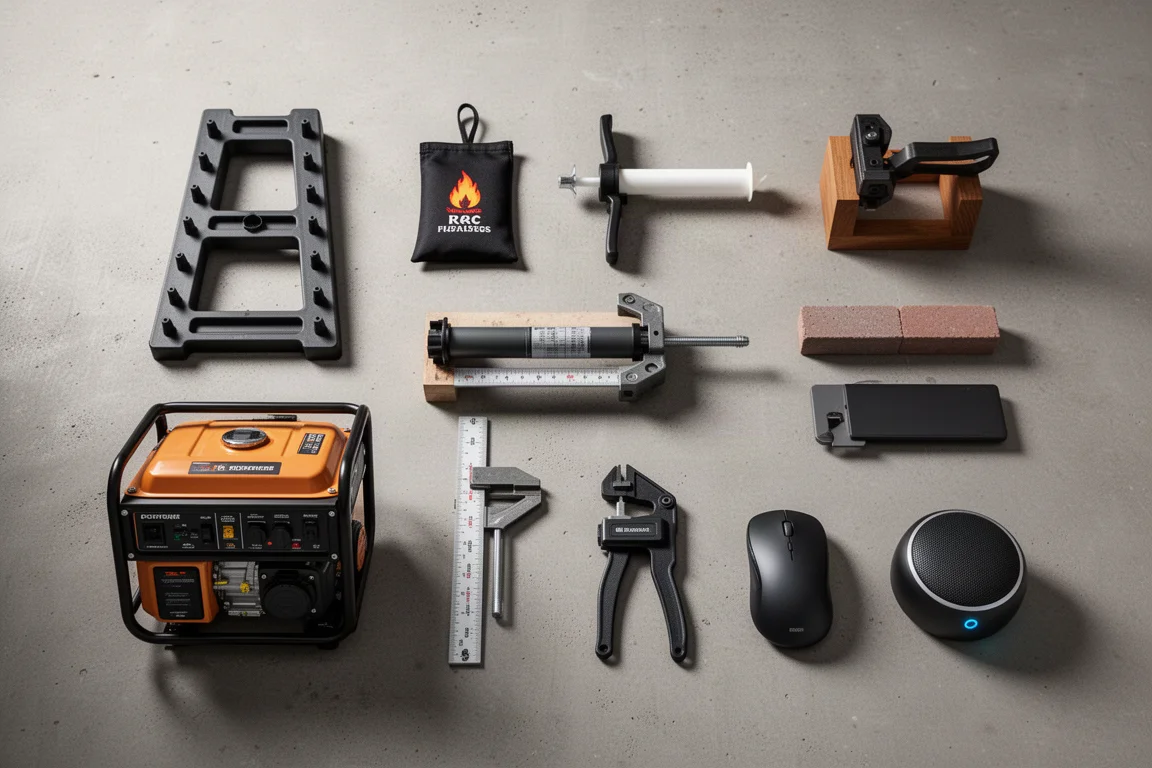
Best Finds From the National Hardware Show 2022: 10 Clever Tools and Gear Worth a Look
From ladder caddies and a one-handed caulking tool to weatherproof fire starter and a magnetic shower speaker, these are the standout finds from the show floor.
Tools & Hardware
Best Tool Deals Worth a Look: Hand Tools, Nailers, and Cordless Kits
A practical roundup of standout hand tools, nailers, and cordless kits, including made-in-USA Klein Tools, a clever ToughBuilt storage solution, and strong-value Skil and Craftsman kits.
Tools & Hardware
Impact Bits Compared: Milwaukee, Wiha, Crescent Vortex and a Standard DeWalt Phillips 2
Four impact bits compared purely on service life, from a baseline DeWalt Phillips 2 to a Crescent Vortex claiming 500 times standard bit life.