Tool Bags
Klein Tool Runner vs Veto Pro Pac Tech MCT: Which $100 Tool Bag Makes More Sense
A hands-on comparison of two compact tool bags, looking at layout, capacity, zipper design, and price to see where each one wins.
Introduction
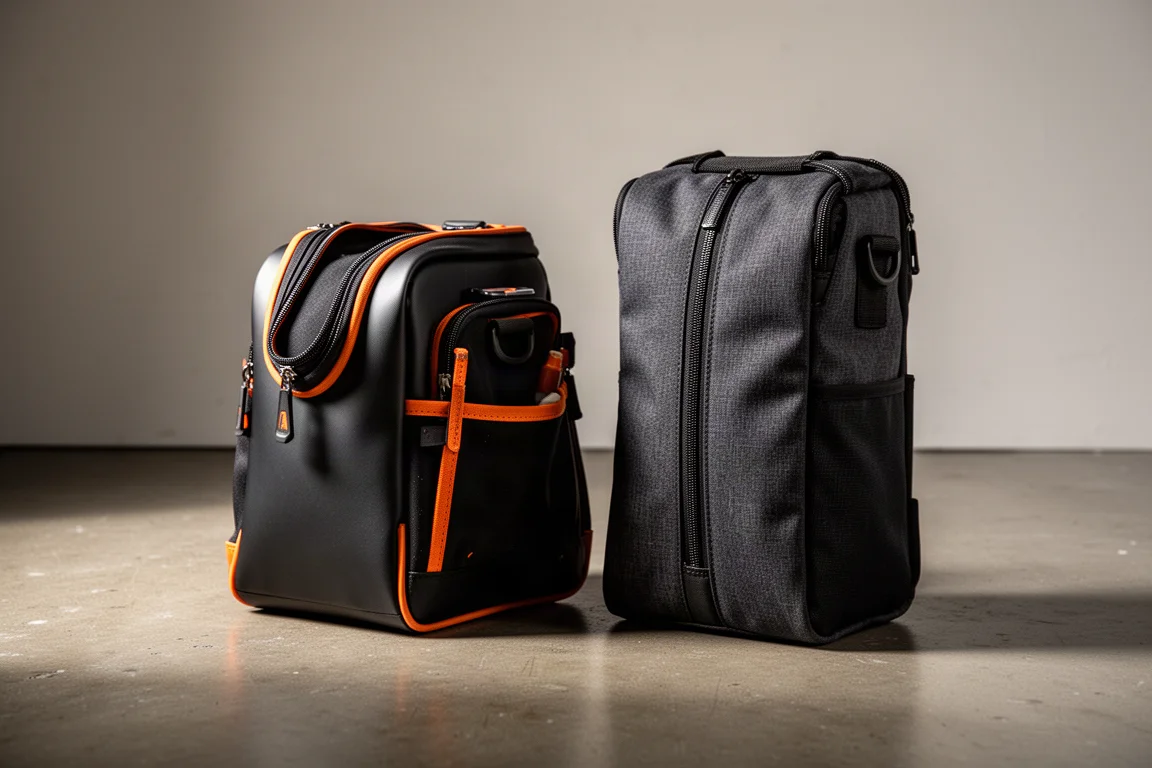
Tool bags are one of those purchases that seem simple until you actually carry one every day. A 5-gallon bucket works for some people, but a well-designed bag keeps tools organized, protected, and reachable when you are standing on a ladder or wedged under a cabinet. Two compact options keep coming up in this space: the Klein Tool Runner and the Veto Pro Pac Tech MCT. Both sit near the $100 mark, both are aimed at technicians and tradespeople who want a slim upright bag, and both have real strengths and real limitations. Here is how they compare after loading each one up with a full working set of hand tools, testers, and lights.
Klein Tool Runner: Small Details That Add Up
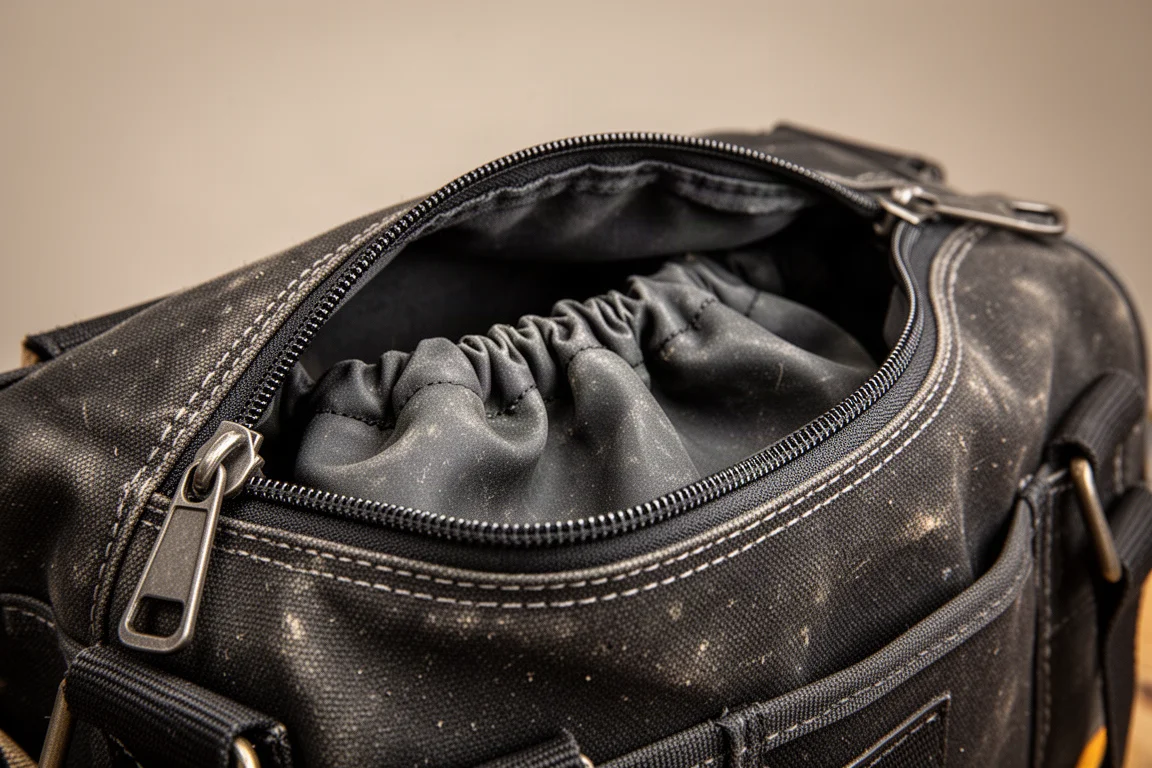
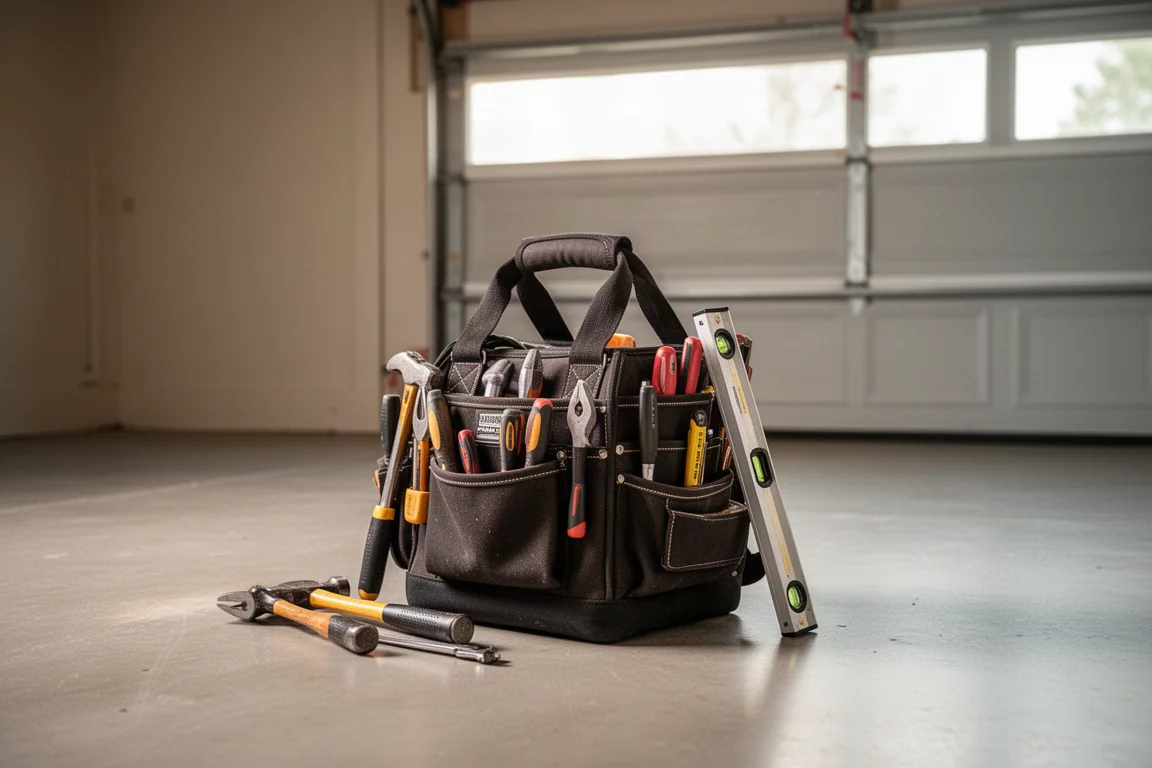
The Klein Tool Runner costs about $100 and earns its price through small, thoughtful decisions rather than headline specs. The standout detail is the contoured zipper path. Instead of running straight down the side, the zipper curves up and over, snugging tight at the narrow top of the bag and then bulging outward where you actually need extra room. That means you can pile tools in near the bottom and still close it, something that trips up straight-zipper designs. The top also folds down cleanly for total access to the interior, and side gussets keep the mouth from flopping all the way open.
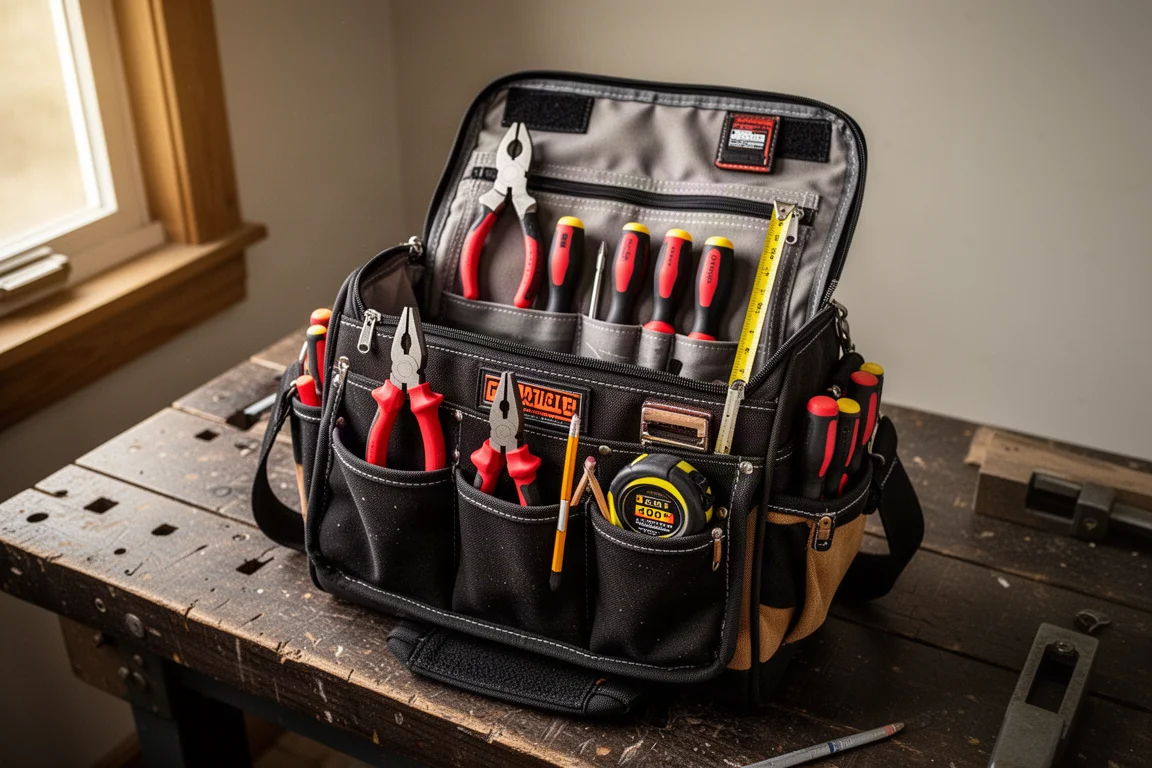
Storage is generous for the footprint. Pouches appear on both the inside and the outside, with dedicated spots for a headlamp up front, small parts, a laser distance measure, and an outlet tester. Long tools fit comfortably, including large insulated screwdrivers with flared 1,000-volt handles that are a struggle to stow in some competing bags. A fully loaded example in this comparison weighed in at 30 pounds without any structural complaint. Not everything is perfect: there is no pouch sized for larger safety goggles, the interior pouches are too small for a standard multimeter, and the small bottom pouches on both sides are too narrow for something like a stubby screwdriver. A few more slots for paired screwdrivers along the back would also be welcome.
Veto Pro Pac Tech MCT: Rigid, Compact, and Confident
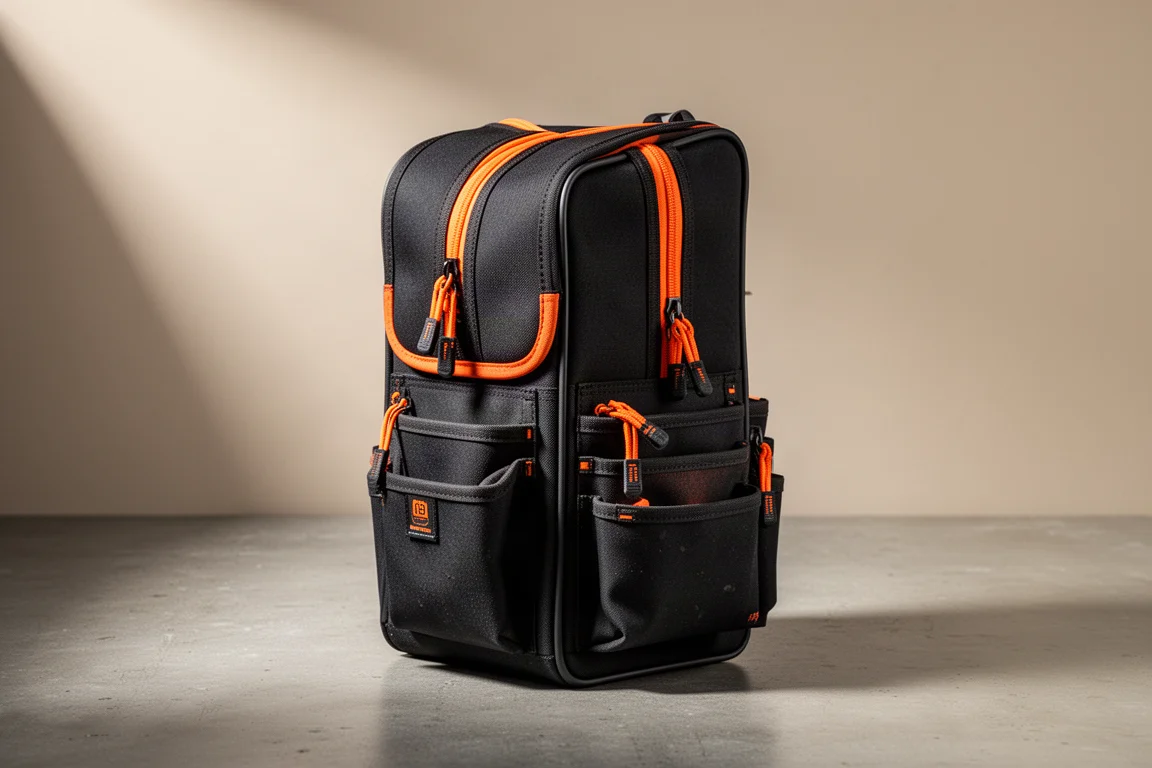
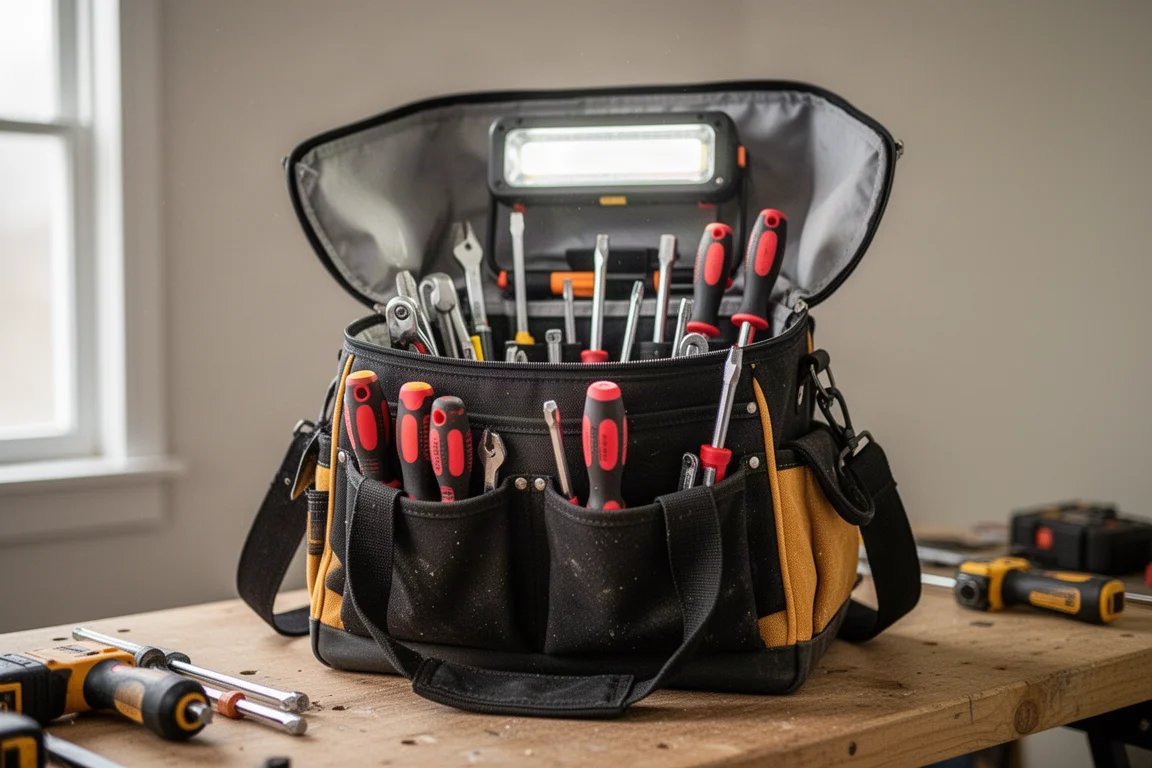
The Veto Pro Pac Tech MCT is the established favorite in this class, and for good reason. The construction feels rock solid, the upright profile stands on its own confidently, and the design is genuinely attractive, especially in the brighter color options. It is the bag many technicians graduate to after starting with the smaller MC, which some find a bit short; the MCT adds enough height to solve that.
The main trade-off is the straight, linear zipper. If you load the bottom of the bag heavily, you can run into an edge that makes it harder to close, and the zipper does not open the bag as wide, so you end up digging down a bit further to reach the bottom. Height is also just slightly limiting: an extra inch would help with longer tools, though it is fair to say that chase never really ends with any bag. The side attachment points exist but feel underused; there is usable real estate there that could hold more gear, or at least more secure storage.
Price and Availability
This is where the comparison sharpens. The Klein Tool Runner sells for about $100, with some listings at $99, and it is the kind of bag you can pick up off the shelf at Lowe’s when it is in stock. The Veto Pro Pac Tech MCT has climbed in price; depending on color and what is actually available, it is realistically pushing $160 to $180, noticeably more than a year or two ago. Veto bags are made in the Philippines, while Klein produces a number of its bags in the US alongside some overseas production. The bright Veto colors are appealing, but Klein’s black-and-orange look is hardly a compromise.
Which Bag Should You Buy
If budget is the deciding factor, the Klein Tool Runner is the easier call. At roughly $100 it offers more usable capacity for the money, a smarter zipper design that forgives heavy loading, and easy access to the bottom of the bag. It answers several of the frustrations that the MCT’s smaller format leaves open, particularly around height and long-tool storage.
If you already live in the Veto ecosystem, value the rigid upright stance, or simply prefer the fit and finish, the Tech MCT remains a great bag and nothing about its build quality has slipped. It just costs meaningfully more for a slightly smaller working envelope. For a first serious tool bag in this size class, the Klein Tool Runner is the best-value option; for Veto loyalists, the MCT still justifies itself.
Conclusion
Both bags are well made and well thought out, but they solve the problem differently. The Klein Tool Runner delivers more space, clever zipper ergonomics, and off-the-shelf availability for about $100, while the Veto Pro Pac Tech MCT offers premium build quality in a tighter, more expensive package. Match the bag to how you actually carry tools, and either one will serve you well; your wallet will just notice one of them less.
Further reading
Related Reviews
Tool Bags
Veto Pro Pac Cargo Totes Compared: CT XL vs Firehouse XL
Two oversized, heavy-duty tool totes from Veto Pro Pac that you can overload without worry, with a five-year warranty behind both.

Coffee Equipment
BEEM vs Melitta EPOS: Two Automated Pour-Over Coffee Makers Compared
A detailed comparison of two automated pour-over brewers: the budget-friendly BEEM and the feature-rich Melitta EPOS with integrated grinder. Which one delivers better coffee?
3D Scanning Equipment
Budget 3D Scanners Under $1000: Four Practical Options Compared
A detailed comparison of four entry-level 3D scanners under $1000, including real-world scanning tests, accuracy measurements, and practical recommendations for automotive and mechanical projects.