Tools
Klein Mod Box Setup: Three Tool Kits Worth a Close Look Before You Buy
A compact, truck-ready Klein tool setup shines, but one precision bit set comes with a proprietary catch you should know about first.
Introduction
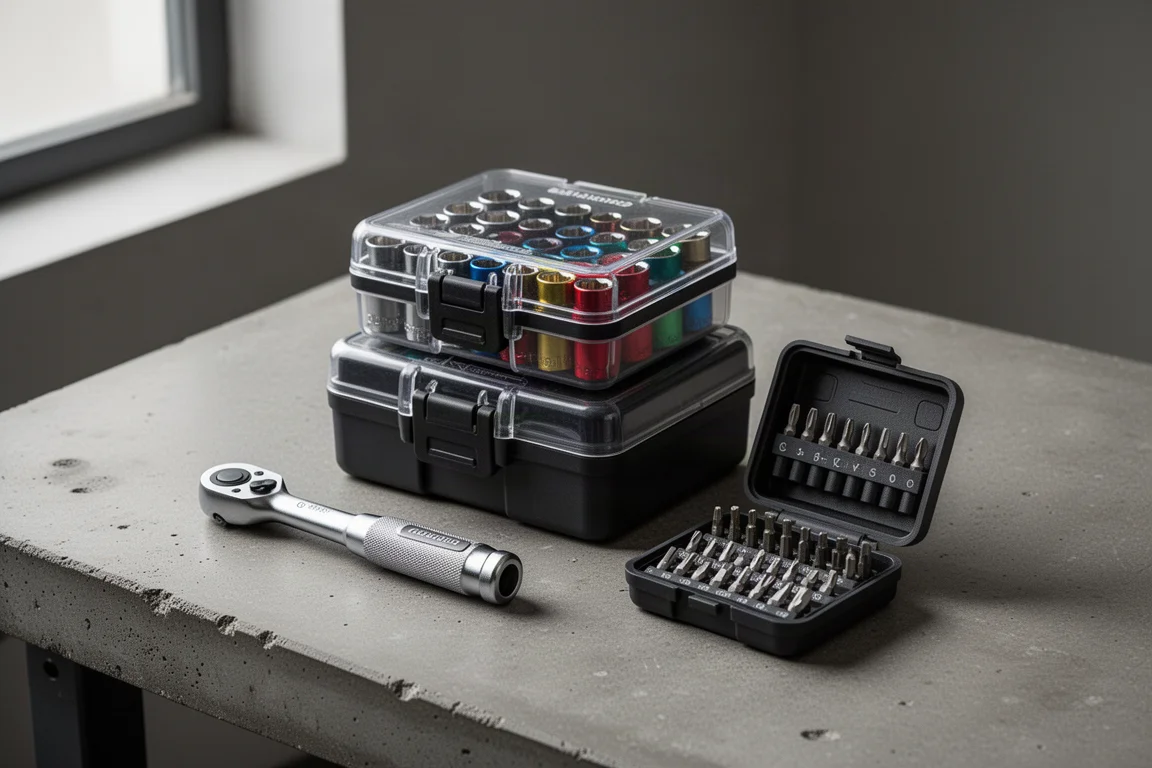
Klein’s Mod Box system has been quietly building a reputation as a practical way to assemble a compact, truck-friendly tool kit. The idea is simple: individual cases that stack, lock together, and cover different fastening needs without turning your vehicle into a rolling toolbox showroom. After putting the core pieces together, the setup lives up to that promise in most ways, with one notable exception worth knowing about before you spend anything.
This guide walks through three pieces of the lineup: the Mod Box socket set, the ratcheting screwdriver, and the precision bit set. Two of them earn a strong recommendation. The third has a compatibility quirk that makes it hard to support.
Klein Mod Box Socket Set: The Core of the Setup
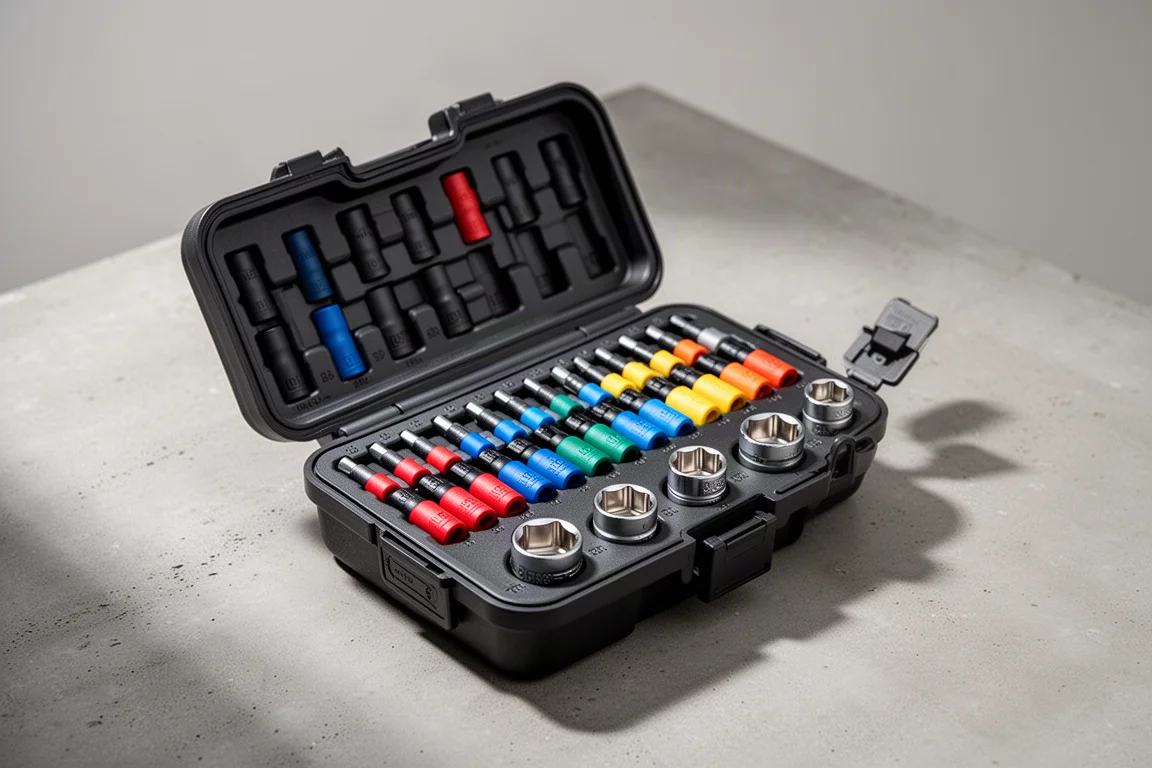
The socket set is the piece that ties the whole system together. The arrangement inside is genuinely well thought out, with metric sockets on one side and imperial on the other, all color-coded so you can find what you need quickly. Once you have used it a few times, everything becomes second nature.
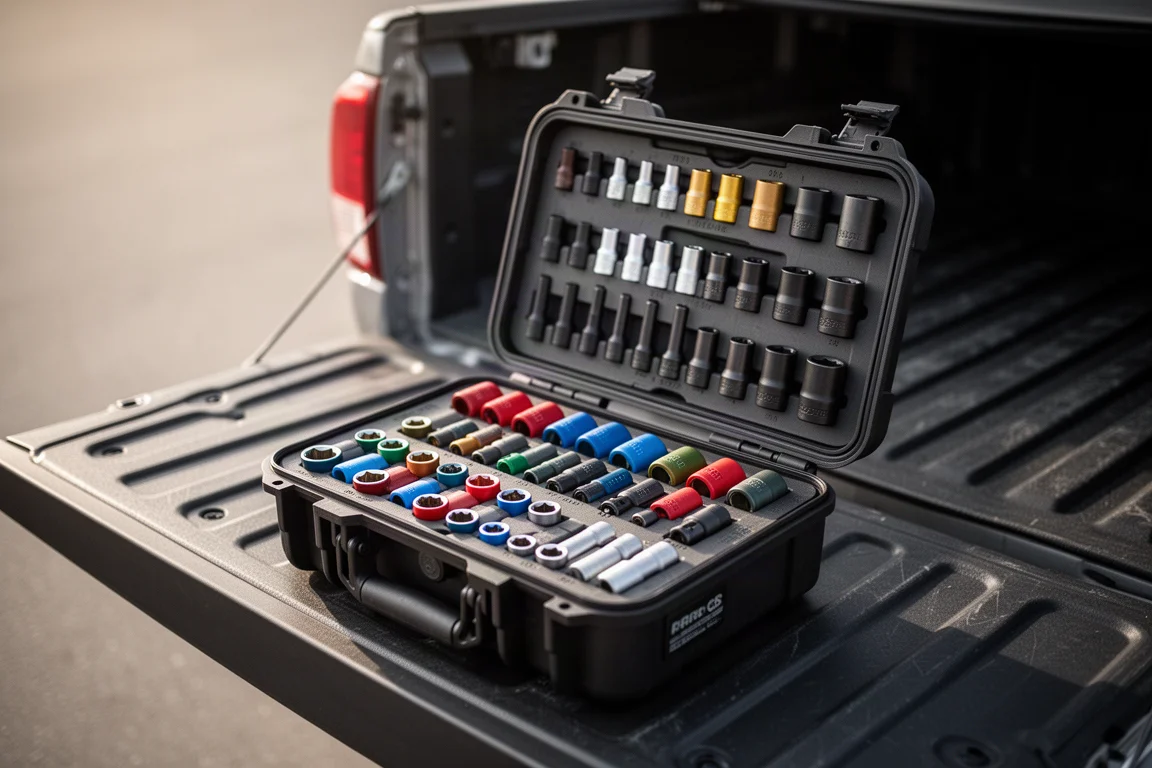
The cleverest part is the included adapter. At first glance, the four flip sockets appear to be missing a key piece: something impact-driver rated to run them. Instead, the adapter hides a 1/4 inch slot inside, so a flip socket can be inserted directly and driven that way. It also functions as a 3/8 inch extension that works with any 3/8 ratchet, bridging the flip ratchets with Klein’s larger ratchet lineup. It is the kind of part that quietly enables most of the kit’s flexibility.
That adapter is so central to how the set works that it is worth buying at least one backup. Losing it costs you a significant amount of functionality, even though the middle sockets do still work without it. The case itself deserves credit too: a sliding groove lets the lid lock in the middle position, so you can open just the top section, or slide further and open the whole thing at once. The kit is compact, works out of the box, and justifies its price.
Klein Ratcheting Screwdriver: A Perfect Partner
The ratcheting screwdriver pairs especially well with the smaller 1/4 inch driver from the socket set. When you pull a bit out, the screwdriver’s magnetized tip pulls it firmly into place, which makes swapping attachments fast and frustration-free. Combined with the small ratchet and the bit drivers, it rounds out the setup in a way that feels deliberate rather than accidental.
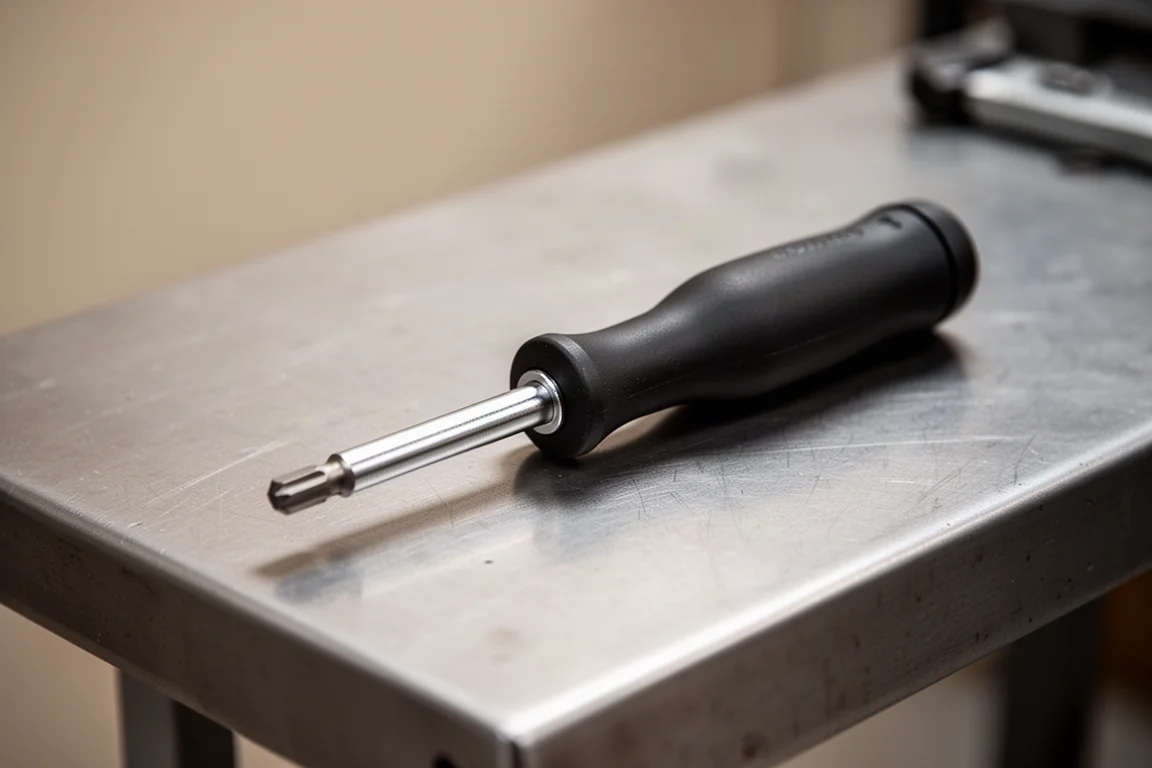
Together with the socket case, these pieces stack and travel as one unit, which is exactly what a leave-in-the-truck kit needs. This is the easiest recommendation in the lineup.
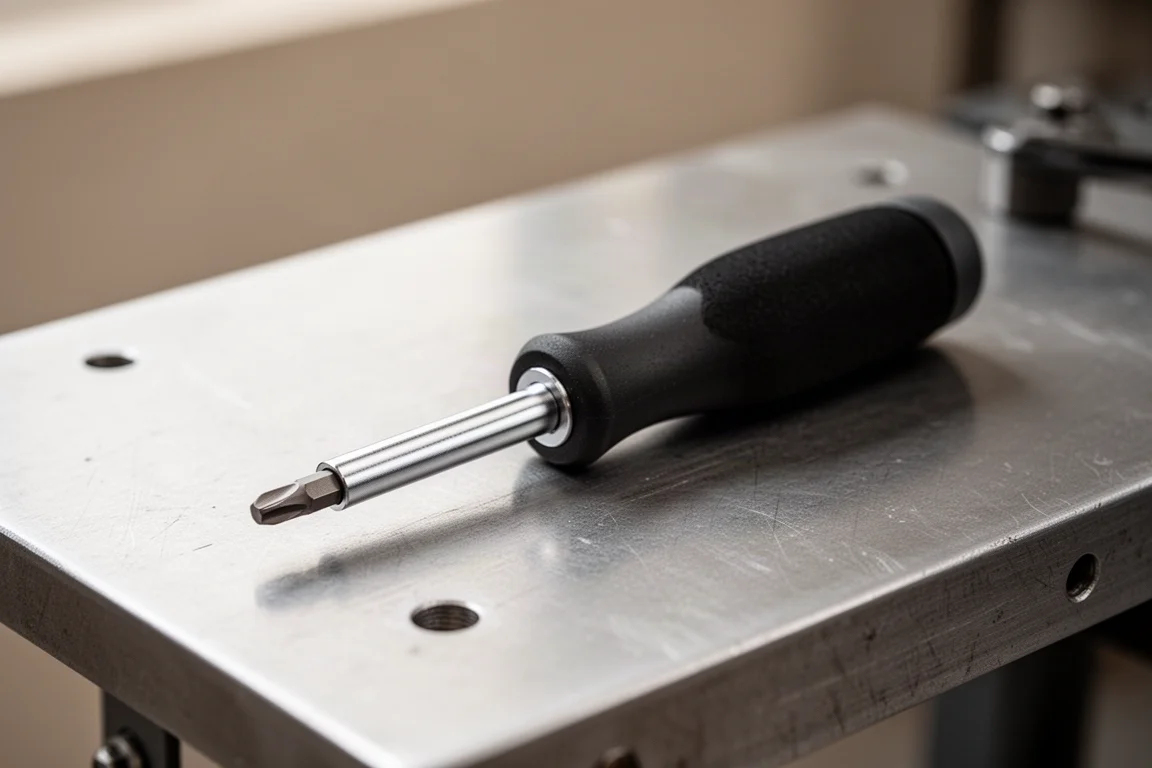
Klein Precision Bit Set: The One to Skip
Here is where the setup hits a snag. On the surface, the precision bit set looks like a great add-on: it accepts smaller bits, and it includes two different extenders, including a 1/4 inch extender. But when standard precision bits from another well-known maker were dropped in, they simply did not fit.
The reason is the bit size. Klein uses 3.5 mm precision bits in this set instead of the industry-standard 4 mm. What makes this stranger is that the handle’s stock bits are actually 4 mm, so the company clearly can produce standard-compatible tools. Using 3.5 mm in the extender effectively locks owners into buying replacement bits only from Klein.
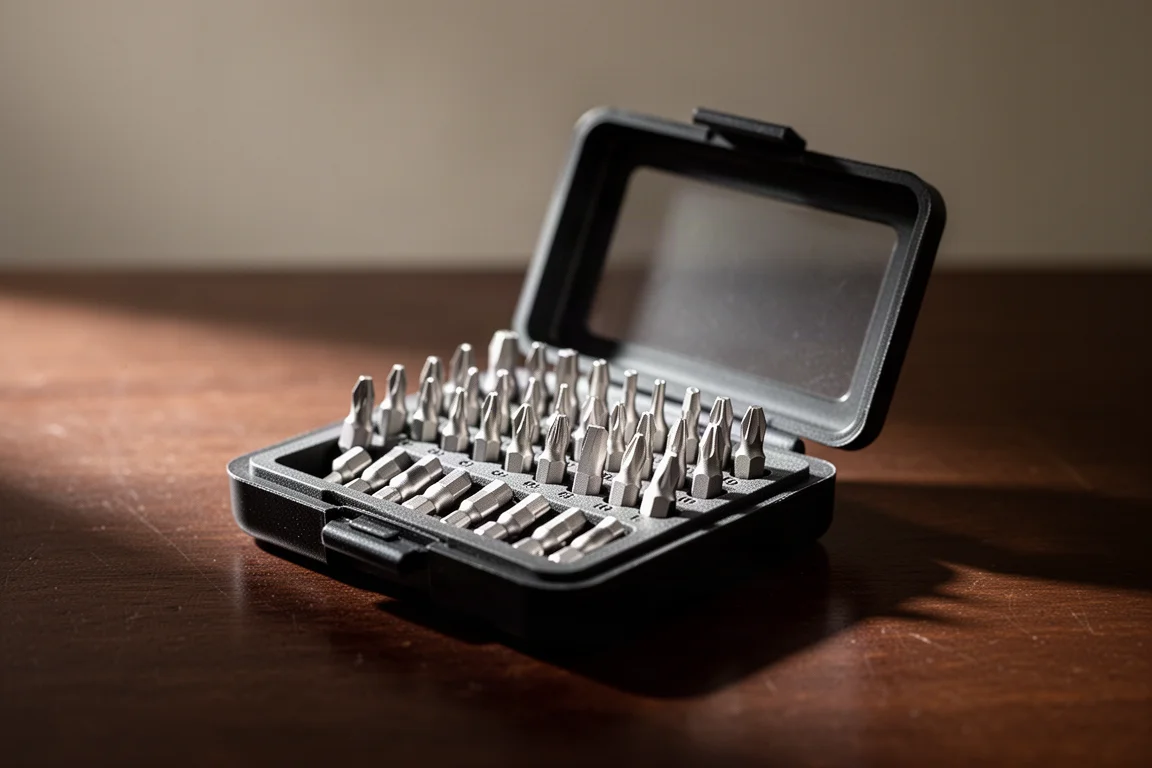
That is a hard pass for anyone who values being able to replace bits readily. Standard double-ended ball detent bits are widely available from many manufacturers, while 3.5 mm precision bits are, as far as most people can tell, used by Klein alone. Compatibility with the Mod Box cases is nice, but it is not a good enough reason to accept a proprietary bit standard, especially when Klein’s own older non-Mod-Box sets work fine with 4 mm bits.
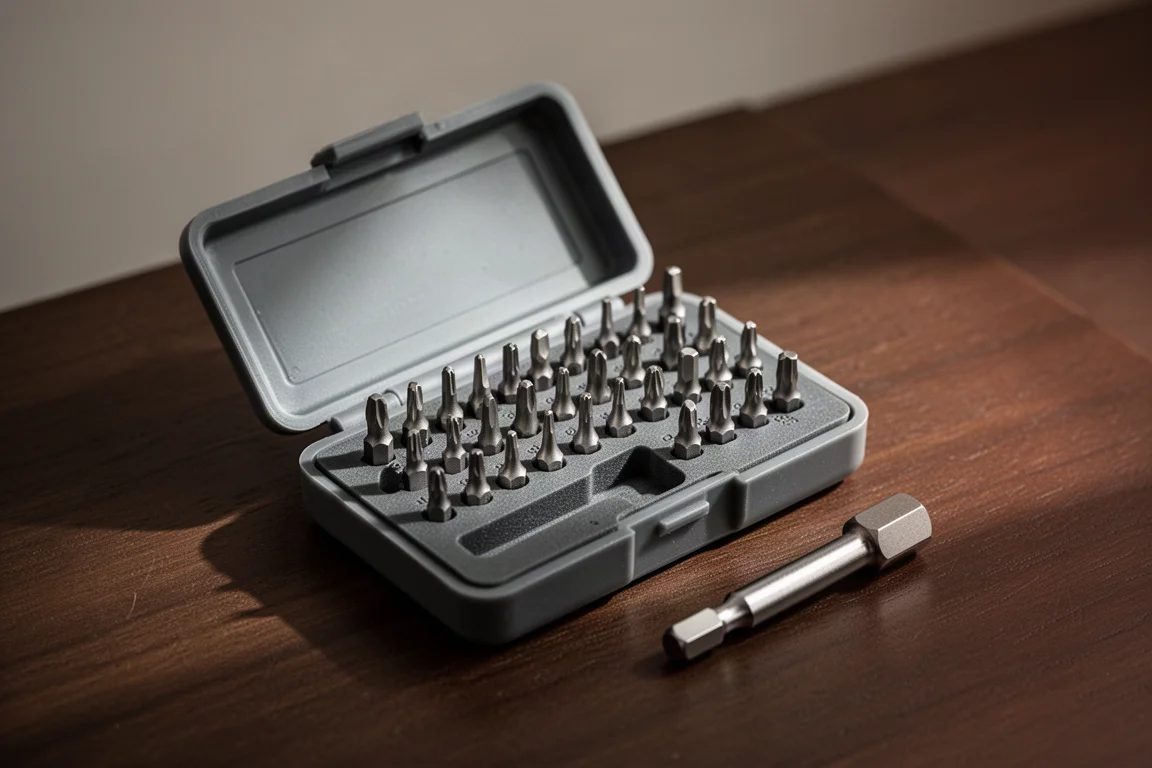
Should You Build the Full Klein Mod Box Setup?
For the socket set and ratcheting screwdriver, the answer is an easy yes. The system is compact, easy to use, well organized, and the pieces genuinely complement each other. It is a strong foundation for a truck kit, and it is worth watching for additional Mod Box pieces that expand it further.
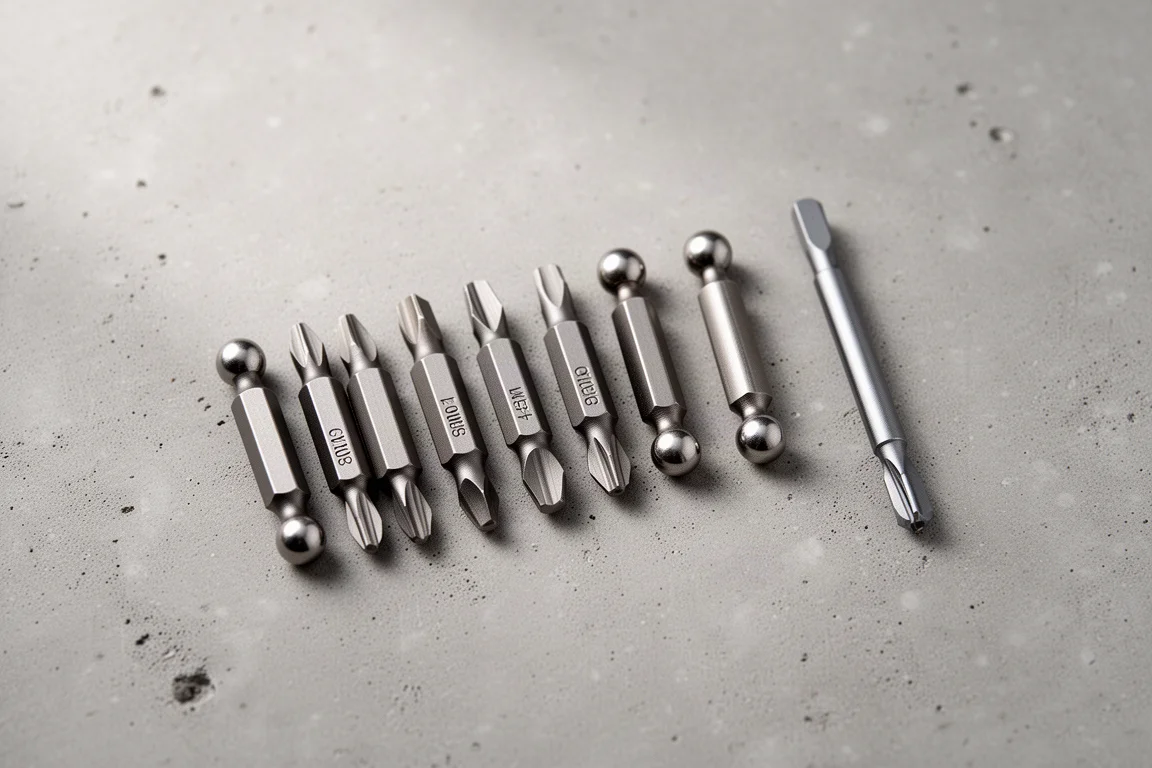
For the precision bit set, wait. Unless Klein moves to a proper 4 mm standard, there are better precision systems available that will not lock you into one brand for replacements.
Conclusion
The Klein Mod Box concept works. The socket set and ratcheting screwdriver make a compact, thoughtfully designed kit that is a pleasure to use, and both are easy to recommend. The precision bit set is the odd one out, held back by a proprietary 3.5 mm bit format that limits your options. Build the setup, skip the proprietary bits, and you end up with a genuinely excellent portable tool kit.
Further reading
Related Reviews

Tools
Best Contractor Grade Tape Measures 2026: Eight Models Tested Head to Head
We tested eight contractor grade tape measures from Milwaukee, DeWalt, Crescent Lufkin, Tajima, Stanley, Irwin, Gelan, and Craftsman to find the best value and performance.

Tools
Best Precision Screwdriver Sets 2026: Manual and Electric Options Compared
We compare 19 precision screwdriver sets, from budget manual kits to electric drivers, to find the strongest bits and best value.

Tools
Best Stud Finders 2026: Five Popular Models Put to the Test
We tested five popular stud finders on drywall, firewall, and lath and plaster surfaces to see which ones really find studs and avoid false readings.