Electrical Tools
Klein Circuit Breaker Finder Review: Simple, Reliable Outlet Mapping
A well-made breaker finder that maps outlets to circuits in minutes, with a GFCI test function and an intuitive receiver.
Introduction
Some tools sit in a drawer until the one job comes along that would grind a project to a halt without them. A circuit breaker finder is exactly that kind of shop essential. Knowing which breaker feeds which outlet matters when you move into a new house or apartment, start a restoration project, or work on something like an RV where balancing the load across circuits is genuinely important. Above all, you want to be certain a circuit is completely off before putting a screwdriver anywhere near it. That is not a small detail, it is a safety issue.
What the Klein Circuit Breaker Finder Is
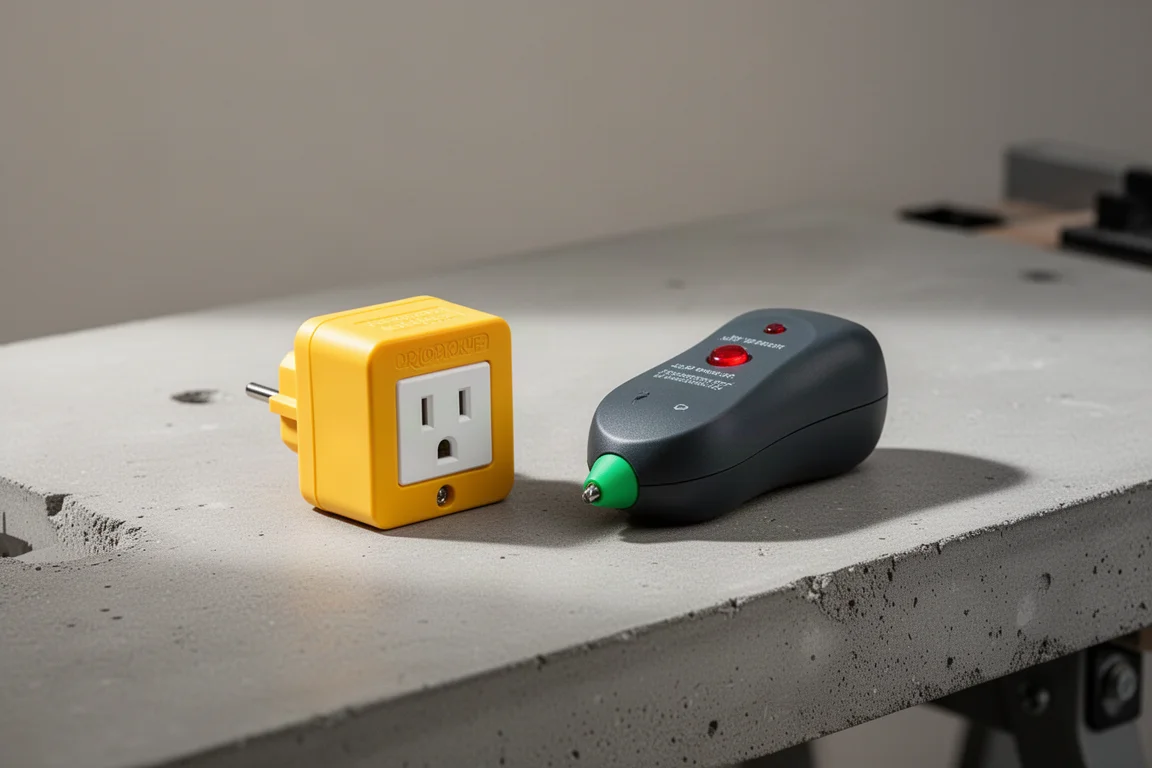
Klein is one of the go-to names for electrical work, and this kit follows that reputation. The system has two parts. The transmitter is a basic plug-in outlet tester with GFCI check functionality, just like the units you would find at any hardware store. Pop it into an outlet and it not only transmits a signal back to the panel, it also shows the status of the plug with indicator lights, telling you whether you have good power and a good ground. It can trip a GFCI as well, which helps confirm which outlets are actually on the breaker you are hunting for.
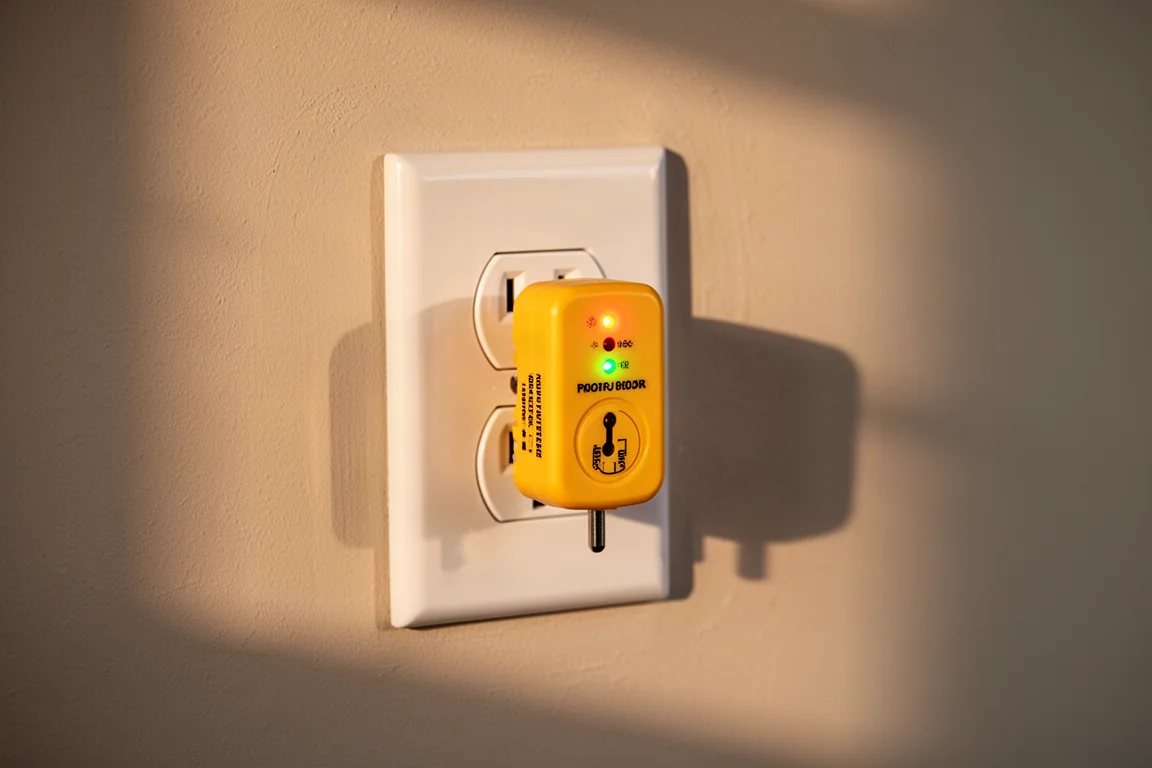
It ships with a nine-volt battery already included, so it is ready to work out of the box. Build quality is solid, and the whole thing feels like a tool that will survive the bottom of a tool bag.
Using the Receiver at the Breaker Panel
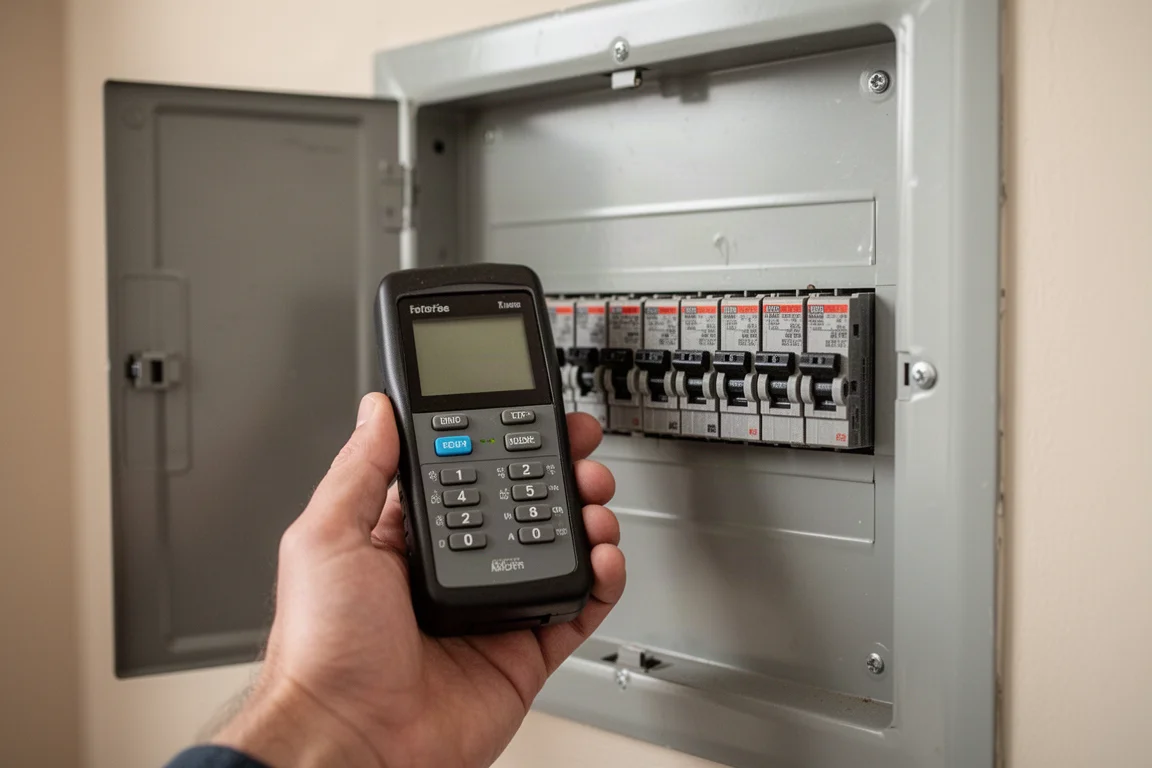
The receiver is the part that makes this kit genuinely useful. Press the power button, run it over the breakers in your panel, and it signals when you have found the right one. A few practical habits help here. You may get the occasional false positive, so sweeping back and forth a few times is worth the effort. The key detail is the light combination: when the red light is on and the green tip light turns off, that is the breaker you are looking for. Once identified, trip that breaker and confirm the outlet goes dead.
There is also a small reset button just below the power button, and resetting after every test is good practice, especially if you move between outlets. Press and hold the power button for a second and the receiver shuts off to save battery. It is all very intuitive, and the interface has a few thoughtful touches that make the process faster than it sounds.
One bonus use: the transmitter can be plugged into the end of a power strip, which means you are not strictly limited to tracing wall outlets directly. It is not the designed purpose, but it works for tracing a wire that way.
Where It Earns Its Place
The strongest argument for this kit is how quickly it pays off. A recent RV project mapped every outlet to its circuit in roughly ten to fifteen minutes, which made balancing the loads straightforward. The same applies to a new home or apartment: mapping once saves repeated trips back and forth to the panel every time you need to work on an outlet safely.

At forty-three dollars, it is inexpensive peace of mind, and among the tracer tools used over the years, this is the best performer for finding circuits. It is simple, easy to use, and still offers enough features to feel like a well-thought-out tool rather than a bare minimum gadget.
Things to Consider Before Buying
There is a step-up kit that adds a light outlet plug, a three-prong to two-prong adapter, and a bare wire lead with alligator clips for bare wire testing. That upgrade costs seven dollars more than the base kit, and in hindsight it is the better buy. The accessory kit purchased separately runs sixteen dollars, so bundling it upfront saves real money.
Accessories and Storage
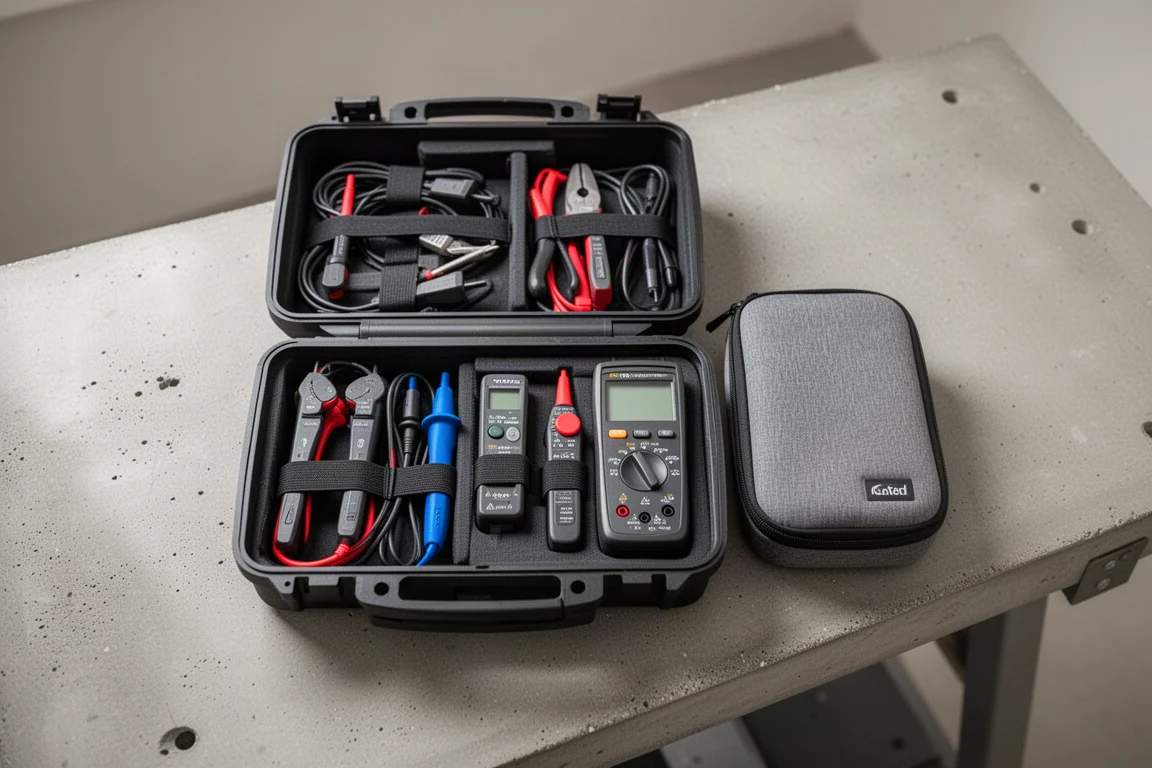
Klein offers its own soft storage pouch for eleven dollars, which holds everything neatly. Anyone who prefers keeping test equipment tidy and organized, though, may favor a semi-hard case at around twenty dollars. It costs a few dollars more, but it holds all the gear with proper compartments and keeps everything zipped up and protected.
Buying Advice
Buy the version with the accessory kit if you think you might ever test bare wires or older two-prong outlets, because buying those pieces separately costs noticeably more. If you only need standard outlet mapping, the base kit covers it well and includes the battery.
Conclusion
The Klein Circuit Breaker Finder does one job and does it well: identifying which breaker feeds an outlet, quickly and safely. It is well made, intuitive, and inexpensive for the confidence it provides. For anyone mapping circuits in a home, apartment, or RV, it is an easy recommendation.
Product link
View more details for Klein Circuit Breaker Finder
This product is mentioned in the review. Check the specifications, options, and compatibility before buying.
View more details for Klein Circuit Breaker FinderFurther reading
Related Reviews
Electrical Tools
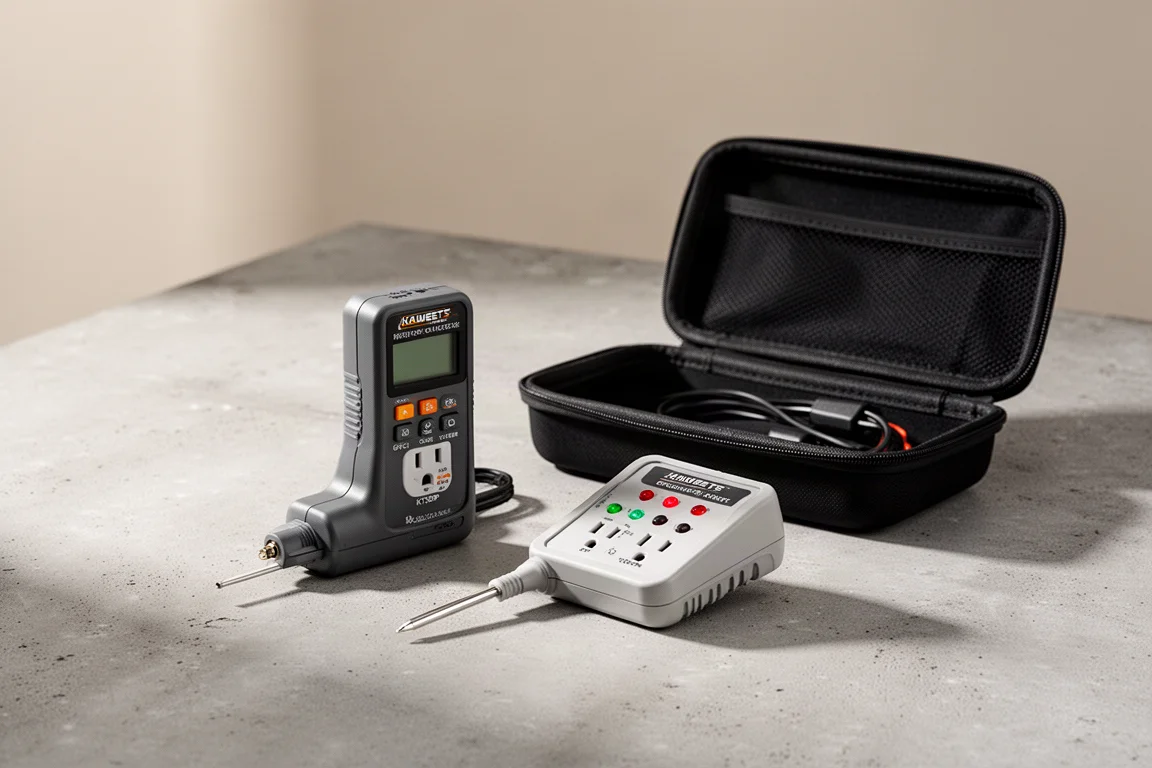
KAIWEETS KT303P Circuit Breaker Finder Review: A Practical Look
A hands-on look at the KAIWEETS KT303P circuit breaker finder, covering its outlet testing, NCV probe, and how it compares with the KT301P.
Electrical Tools
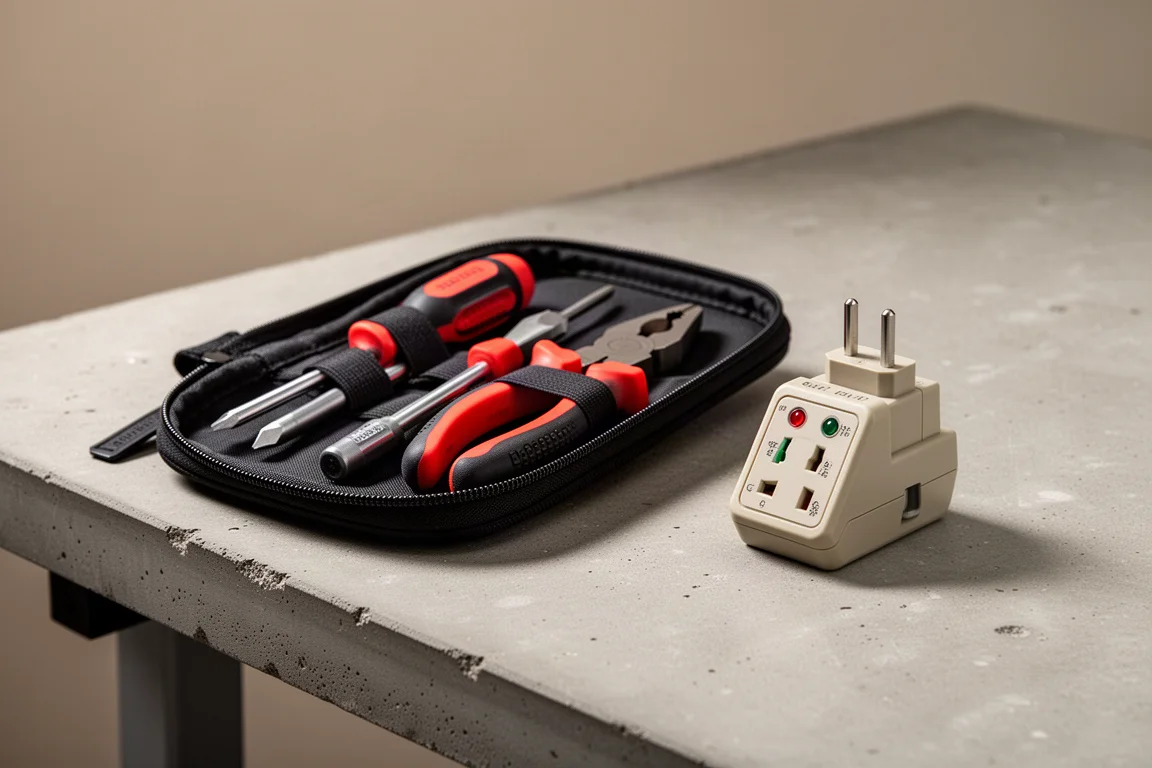
Best Budget Electrical Tool Deals: Two Picks Worth a Second Look
A 13-dollar insulated tool set and a five-dollar socket tester prove that cheap electrical tools can still earn a place in the kit.

Home Safety
Best Fireproof Document Bags: Five Options for Protecting Important Papers
Five fireproof document bags designed to protect vital records, certificates, and valuables from heat and water damage up to 2000 degrees Fahrenheit.