Multi-Tools
Klarus vs Mossy Oak Multi-Tool: Two Budget Picks That Punch Above Their Price
Two closely related budget multi-tools with forged plier heads and surprisingly good geometry, plus the trade-offs to weigh before you buy.
Introduction
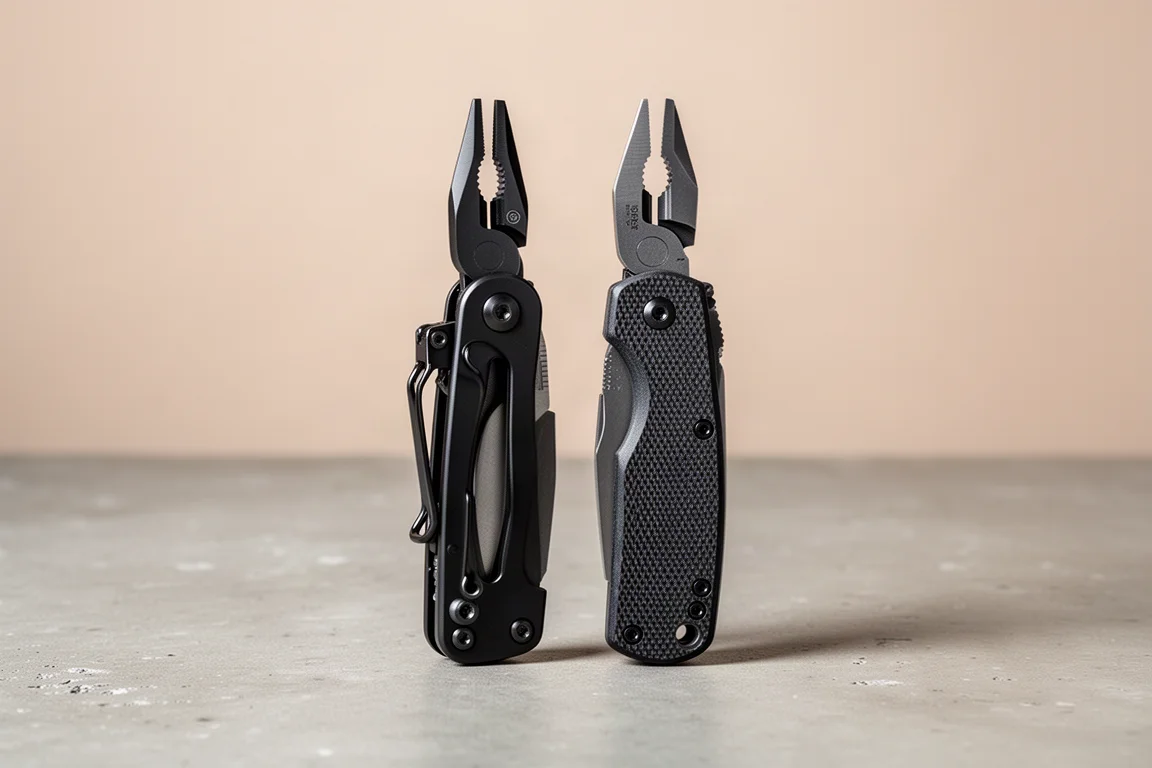
Klarus is best known for flashlights, but the company has now tried its hand at a multi-tool, and the result is one of the more interesting budget options on the market. Currently listed around $30 on Amazon, it sits in a price range where very few competitors can genuinely match what it offers. Paired against the nearly identical Mossy Oak version, it makes a compelling case that this price bracket has quietly become a sweet spot for budget multi-tools.
This is a comparison of two tools that share almost everything, separated by a few deliberate design choices. Understanding those differences is the key to picking the right one.
The Klarus Multi-Tool
The highlight of the entire tool is the plier head. It is one of only a few multi-tool pliers made from CNC machined steel rather than cast. Most plier-based multi-tools use a cast head, poured into a mold and then shaped and heat treated. The problem is that cast steel is considerably more brittle and far more likely to snap under certain types of pressure. Forged steel has greater flexibility, allowing it to spring back, and when properly heat treated it is objectively superior for tool use.
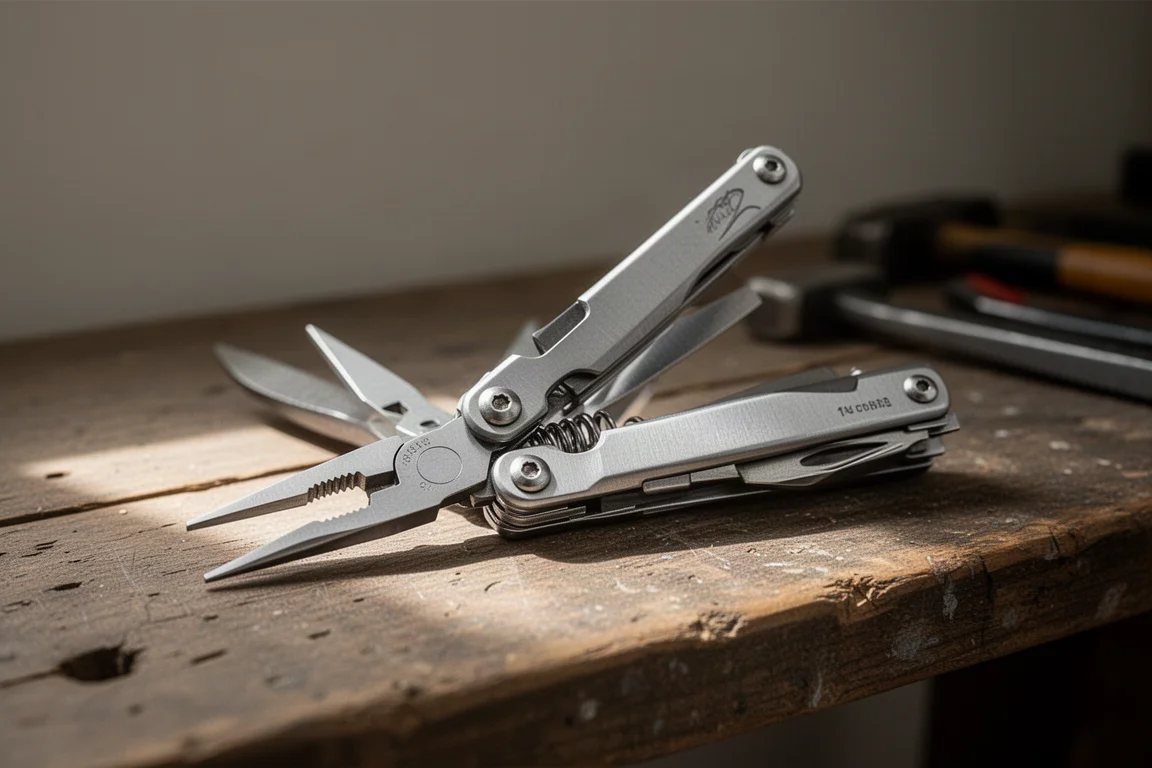
At a $30 price point, this is genuinely impressive, and it is the kind of feature worth hoping more companies adopt. The pliers are spring-loaded with strong spring action and use replaceable wire cutters. Those replacement cutters are a mixed blessing: they exist because cast plier heads are soft and their cutters deform easily, creating warranty issues for major brands. But the swap weakens the plier head when twisting and squeezing. These cutters are still far stronger than a cast plier head, though a solid machined design without the replacement cutters could be even stronger.
The Rest of the Tool Set
The inner implements include a reamer awl with a sewing eye, a pull cutter, and a can opener and bottle opener combination. The sewing eye is usually a near-useless addition, but because the rotation point on this reamer awl sits far back from it, it is unlikely to cause a breakage issue. The implement steel appears to be around 3Cr, which is fairly soft and low on hardness, so these tools will not stay sharp for a very long time. A 5Cr upgrade across the implements would be a meaningful improvement worth paying a little more for.
The Phillips driver is a standout. It is nicely formed and fully three-dimensional, with a shape better executed than similar drivers from much bigger brands. There is also a thin package opener, wire stripper, and flathead combo tool. It is thin enough that you should not be rough with it, but it functions fine.
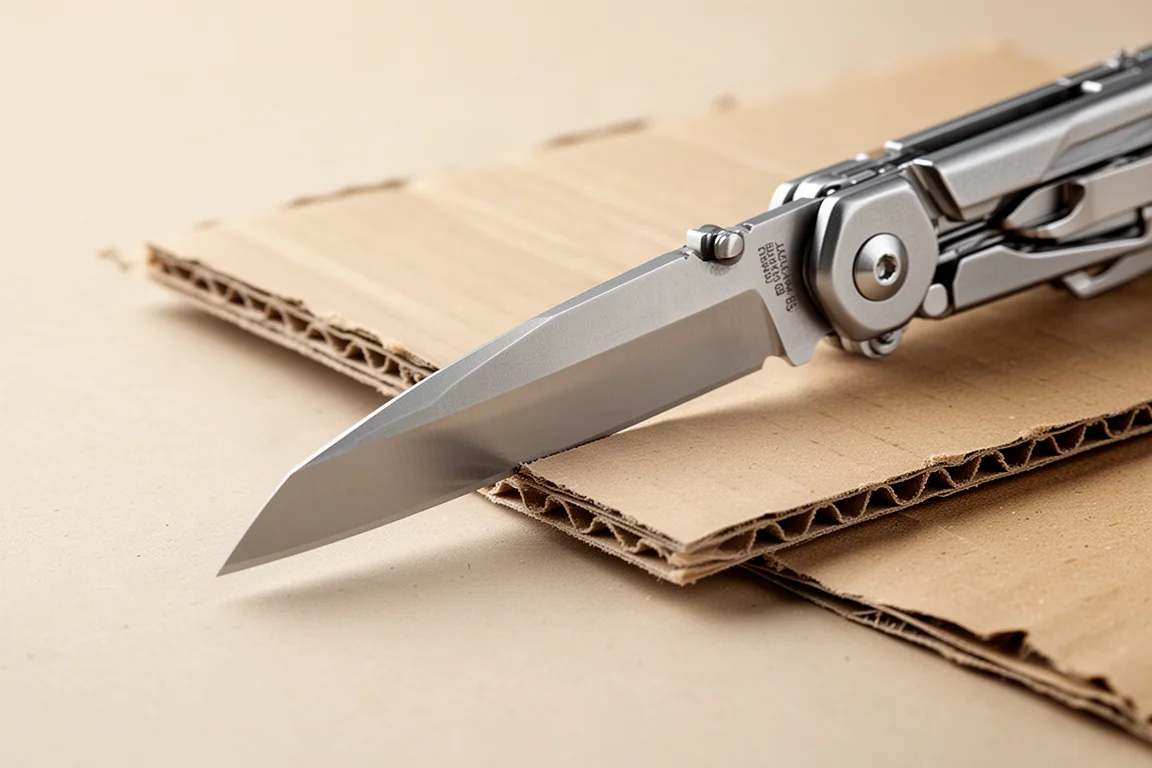
On the outside, the main blade is a 5Cr15Mov steel, longer than 3 inches, with excellent blade geometry. The grind, shape, and edge are all done very well, to the point that some far more expensive multi-tools have inferior cutting performance. The blade came extremely sharp out of the box with an evenly done grind and solid heat treatment. 5Cr15Mov is not a remarkable steel, but for a budget tool under $30 it is acceptable, and an upgrade to 8Cr13 or 8Cr14MoV would make it a standout.
The file is a crosscut design with ruler measurements on the other side, and it is the weakest implement here. The zero point of both measurements does not start at the end, so it cannot be used as a depth gauge, making the ruler mostly decorative. The crosscut grit itself is decent, though a diamond file would be preferable. The push-and-pull cut saw is very good: properly tapered, thicker at the teeth than at the back, so it will not bind in material.
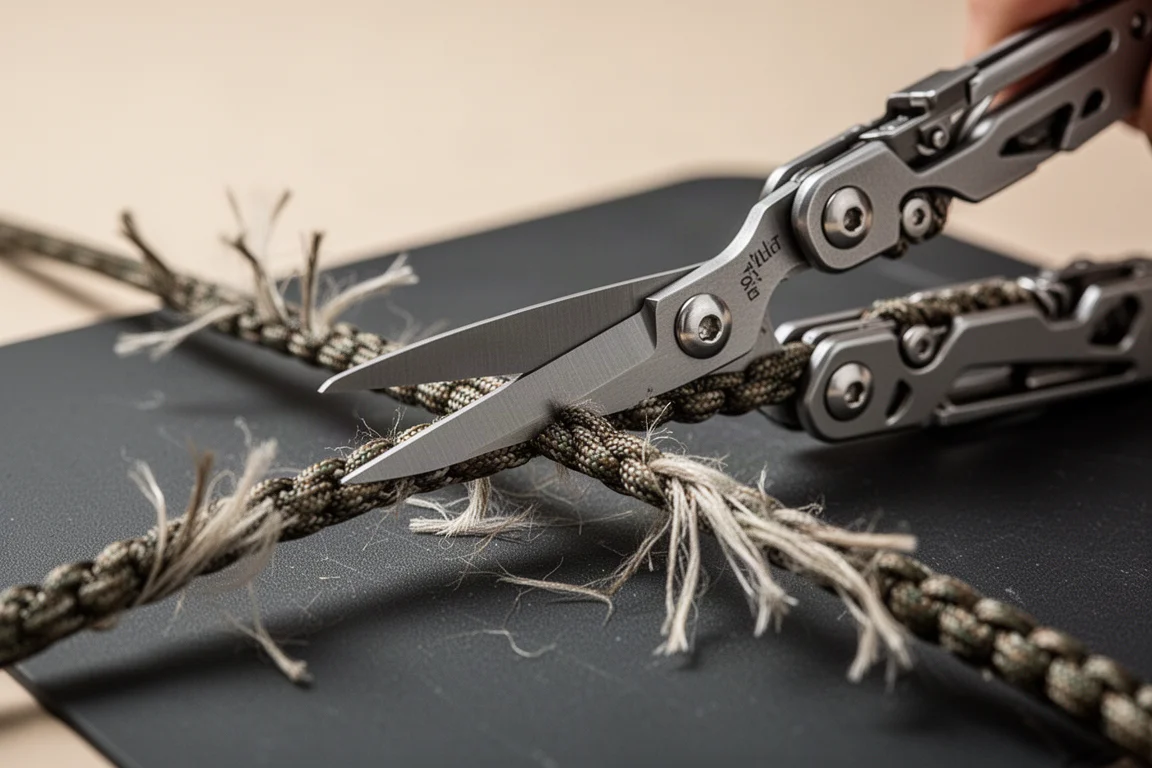
The scissors are the quiet star of the implement set. They cut straight through paracord with no effort, with excellent peening and cutting geometry. They are designed as a safety scissor without precision cutting at the tip, and the steel means they will not last as long as better options, but the geometry rivals or beats far more expensive tools.
The Mossy Oak Alternative
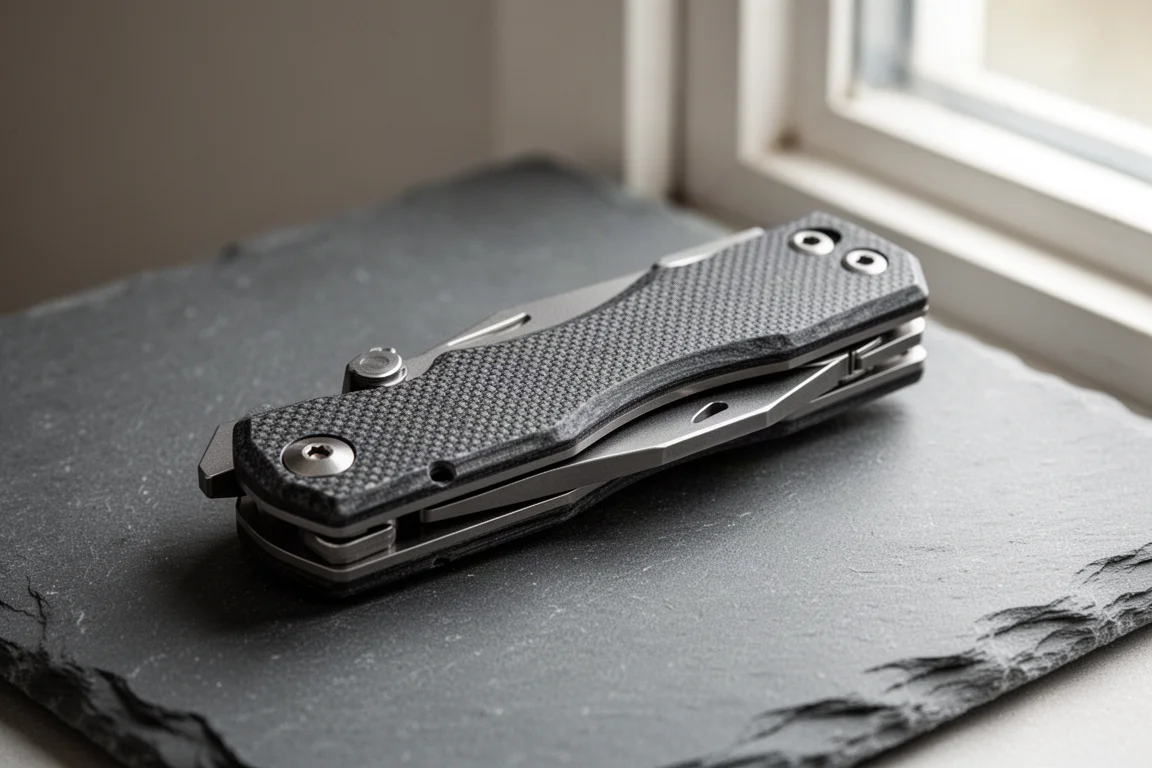
The Mossy Oak version is nearly identical in the same price range, with a few differences. It uses CNC-machined G10 handle scales, which raises the price slightly since G10 is expensive to machine. It has a slightly different shaped plier head, also CNC machined, and it swaps the Phillips driver for a flat bit driver.
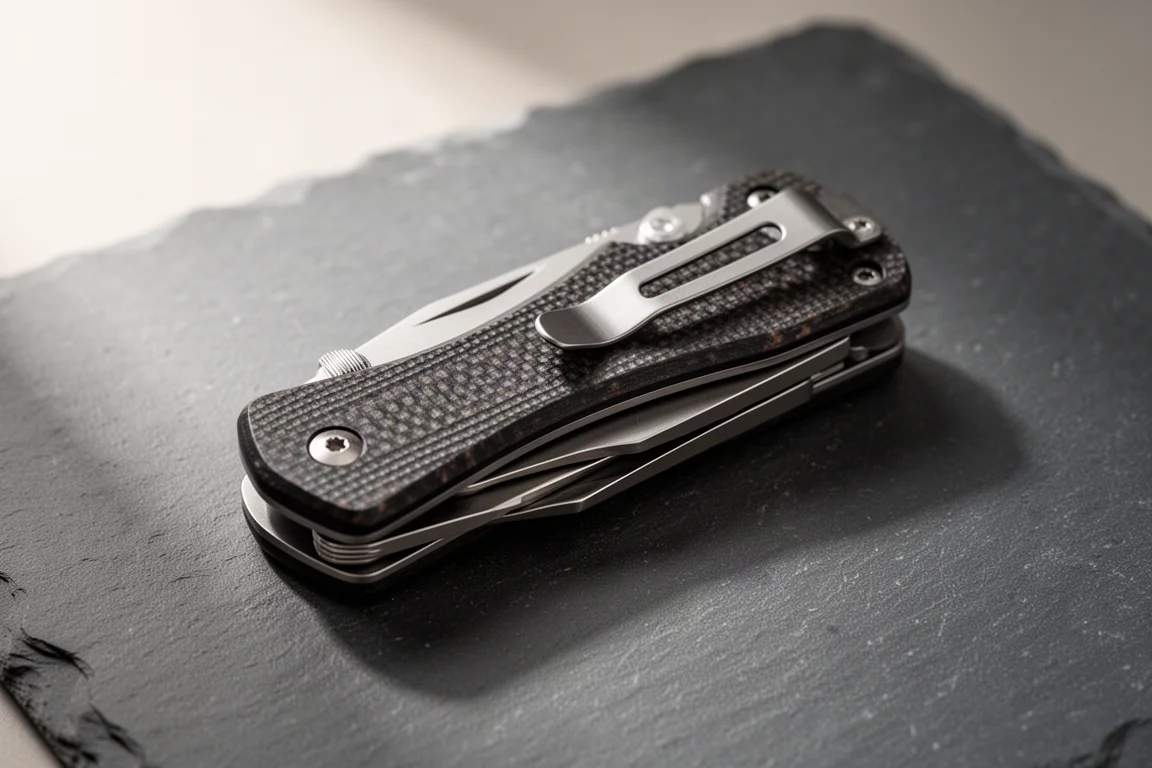
That bit driver swap is not automatically better. The Mossy Oak does not come with a bit kit, so you have to buy one separately, and the integrated Phillips can reach into small spaces where a bit driver cannot. The two tools are much closer than they first appear.
Buying Advice
Both tools are excellent choices if you want a spring-loaded plier with a surprisingly strong plier head. The cutters share their geometry with those on a well-known premium multi-tool but are arguably superior: no curved corner, machined from a solid piece of steel rather than cast, and they actually perform better in use. They are even interchangeable with that tool’s cutters, which is a genuinely useful bonus.
One caveat: the glass breaker should not be trusted for its stated purpose. It is unlikely to be hard enough to actually break glass, so treat it as a general-purpose point tool rather than an emergency feature.
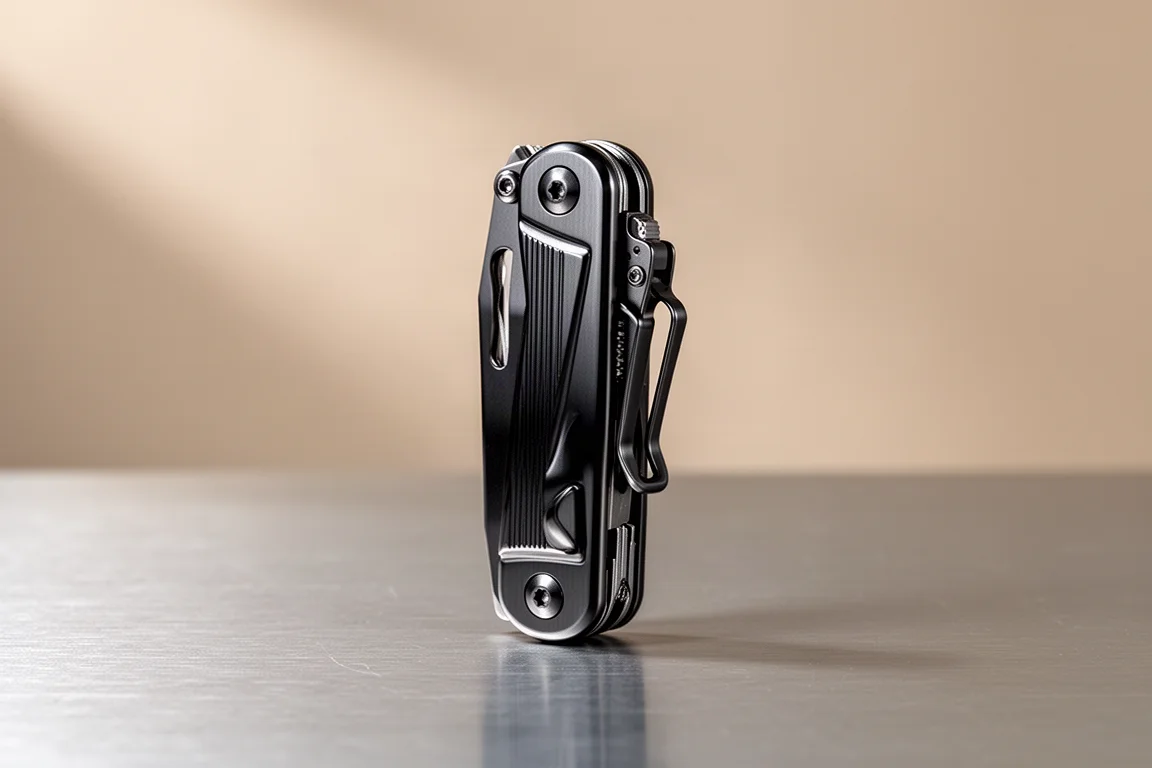
The pocket clip deserves specific praise. It has less play than any comparable premium multi-tool clip, locks down firmly, and slides into a dedicated slot. The sheath is perfectly serviceable, though horizontal carry straps would be welcome on a tool this size.
Conclusion
At around $30, the Klarus is a fantastic tool, and the Mossy Oak is a very close sibling with different trade-offs. Budget multi-tools have reached a point where paying more is not obviously better, and the machined plier head alone puts both of these in a class that few competitors at this price can match. If you want strong pliers, excellent scissors, and a well-executed blade without spending premium money, either one is an easy recommendation.
Further reading
Related Reviews
Multi-Tools
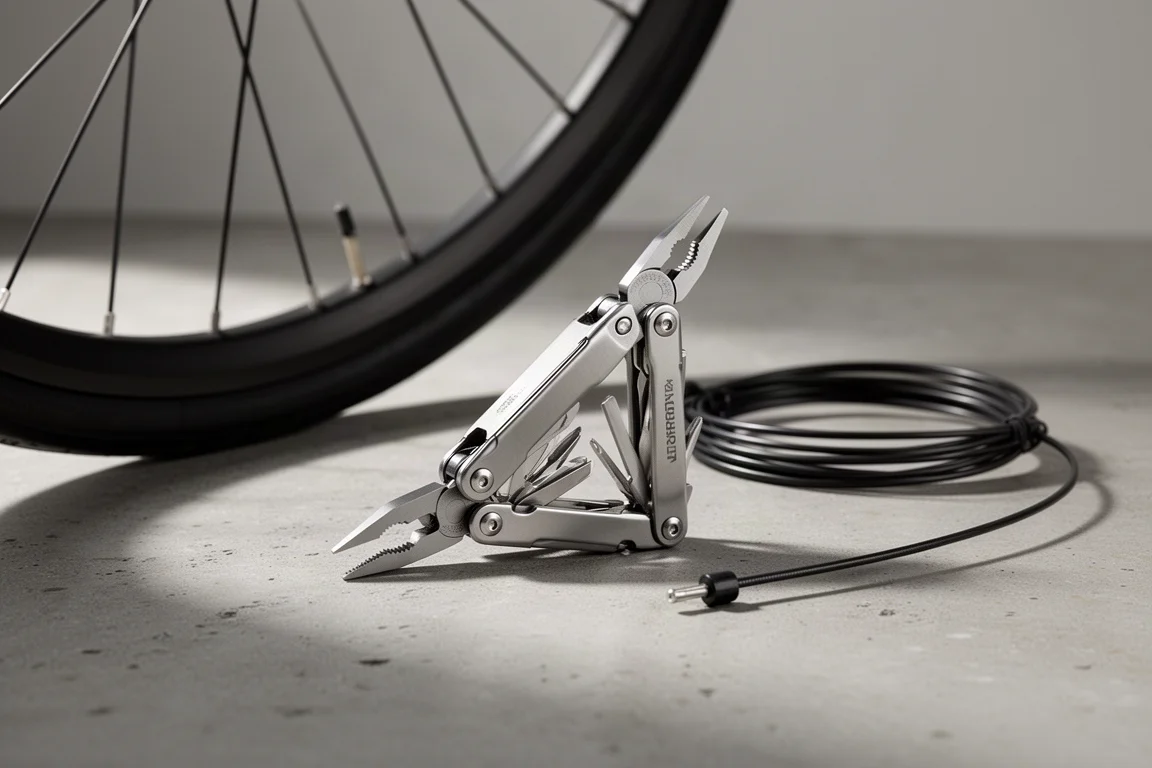
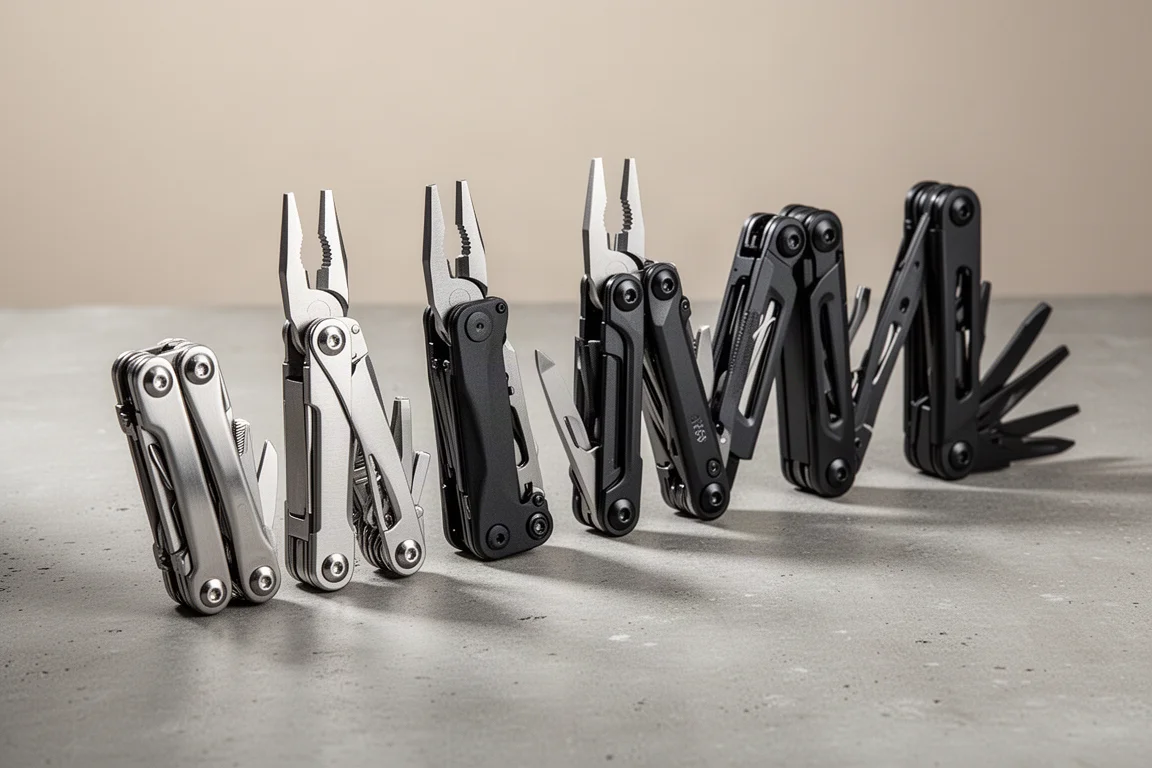
Leatherman Wave Plus Review: A Pliers-First Multitool for Bike Trips
Why a pliers-first multitool earns permanent space in a touring kit, and what to weigh before paying for the Leatherman Wave Plus.
Multi-Tools
Best Budget Multi-Tools Under $50: Four Picks Worth Considering
A compact SOG original and three value-focused clones, with honest notes on which ones deliver real value and where to draw the price line.
Multi-Tools
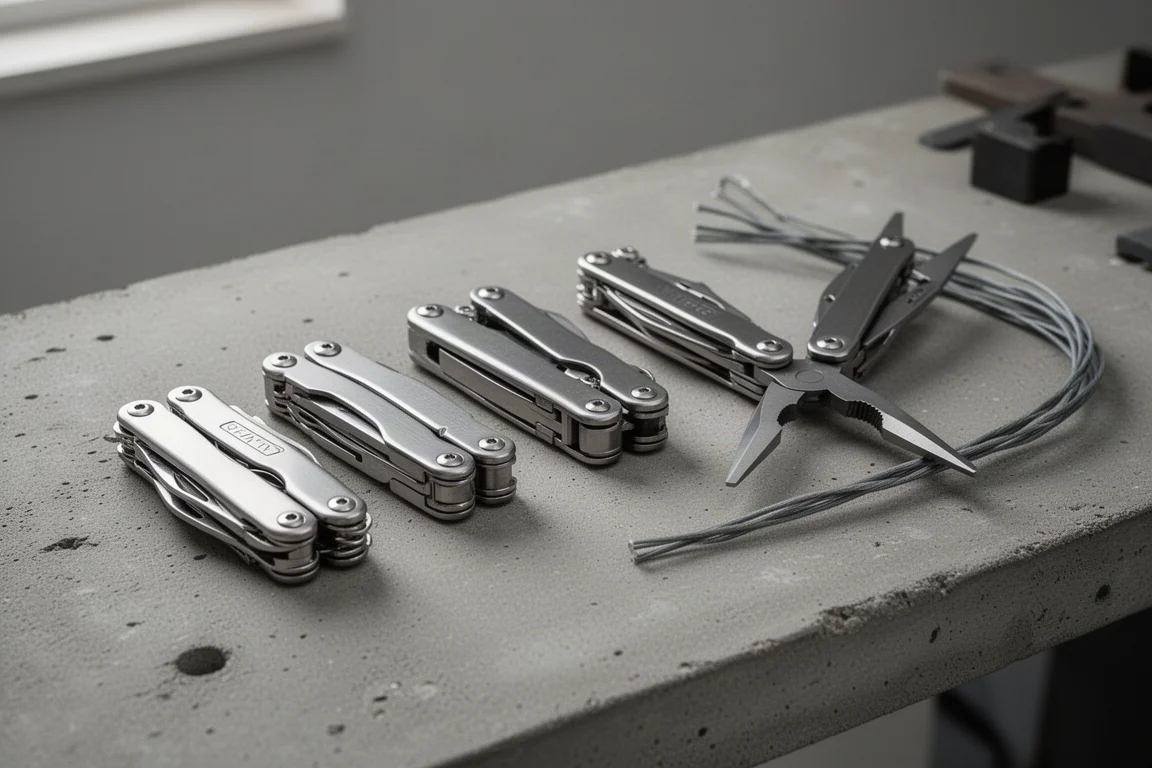
Best Multitools for Hard Wire Cutting: Which Pliers Actually Survive the Test
We put a lineup of classic and modern multitools up against a simple challenge: cutting coat hanger wire cleanly without damaging the cutters.