Kitchen Appliances
KitchenAid Classic vs Artisan vs Artisan Plus: Which Stand Mixer Is Worth the Upgrade?
We tested all three KitchenAid stand mixers side by side with identical recipes to find out what the $400 to $600 price jump actually buys you.
Introduction
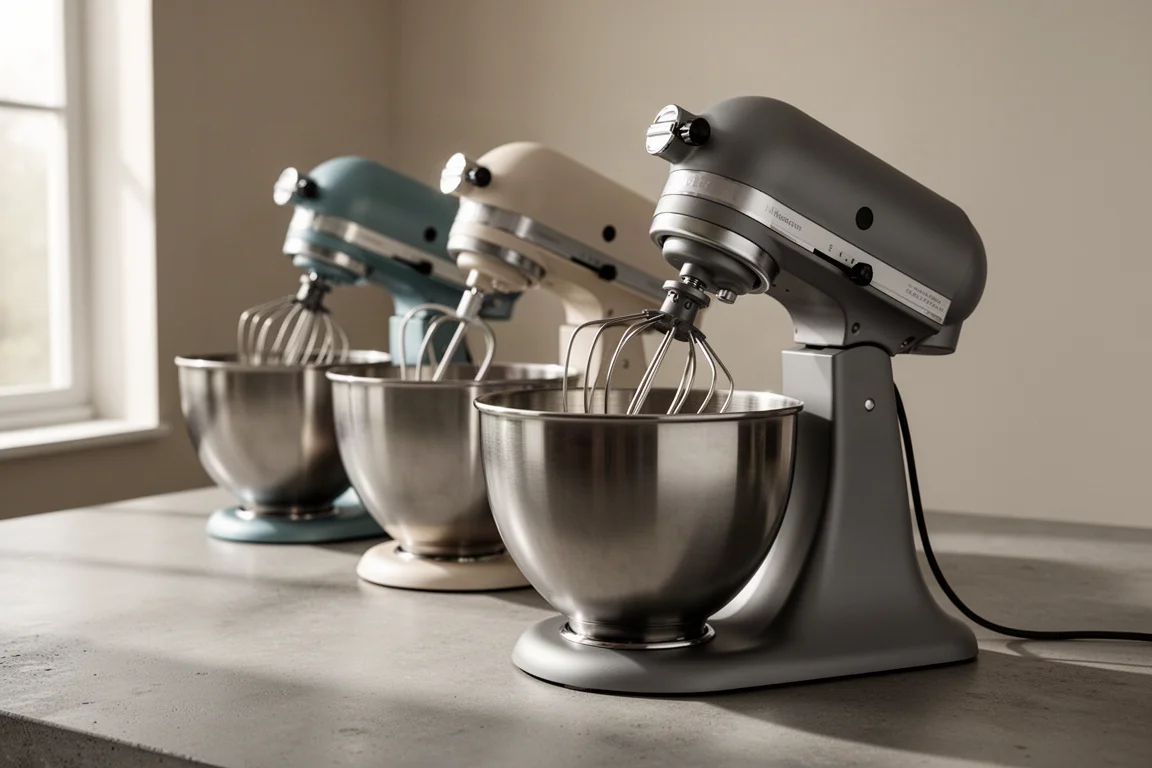
KitchenAid’s Classic, Artisan, and Artisan Plus stand mixers look strikingly similar, yet the price climbs from $400 to $500 to $600 across the lineup. To find out what that jump actually buys, we tested all three side by side using the exact same ingredients, quantities, and speed settings across three recipes: whipped cream, chocolate chip cookies, and pizza dough.
Throughout testing, we tracked how well each mixer incorporated ingredients, how often the bowl needed scraping, how effectively the attachments reached the sides and bottom, how much the mixer heads shook or bounced, and whether the controls or locking mechanisms caused problems. We also measured noise and power draw at different speeds and compared bowls, attachments, controls, and overall design.
Design Differences: Bowls, Attachments and Controls
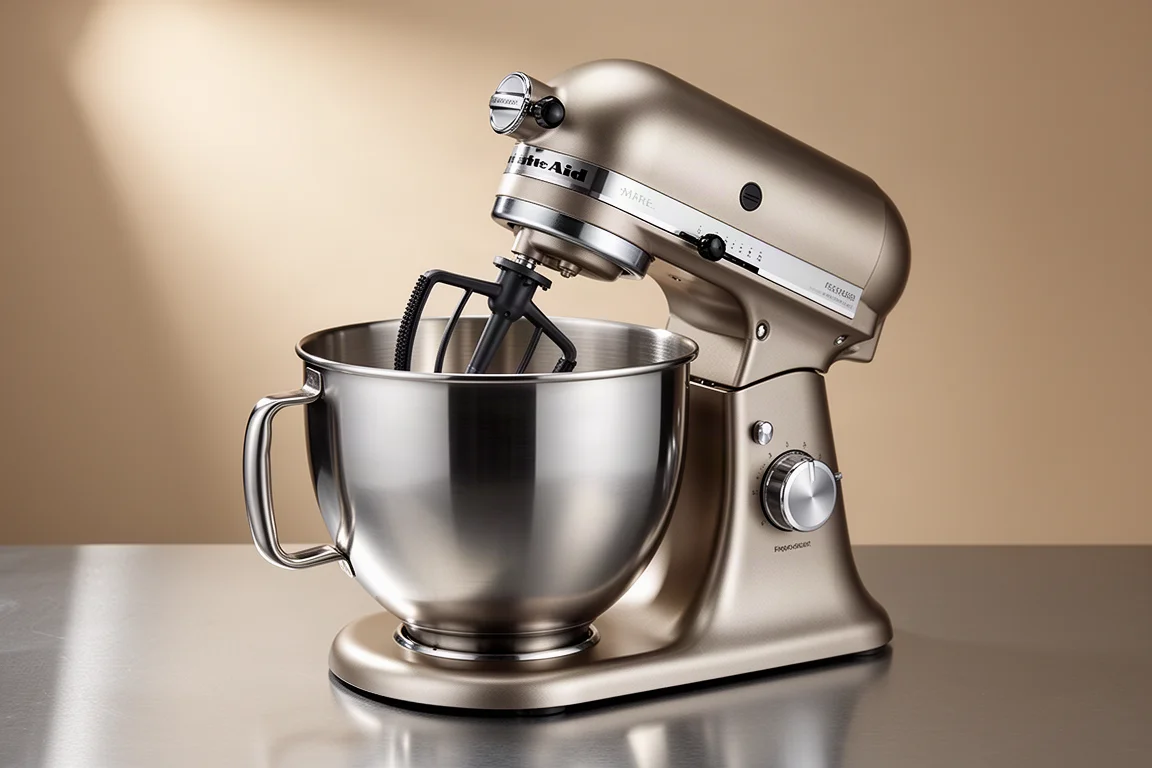
On paper, the differences start with capacity. The Classic comes with a 4.5-quart bowl without a handle, while the Artisan and Artisan Plus both have 5-quart bowls with handles. If color selection matters to you, the Artisan offers more than 20 options, the Artisan Plus comes in 14, and the Classic is currently available in only two.
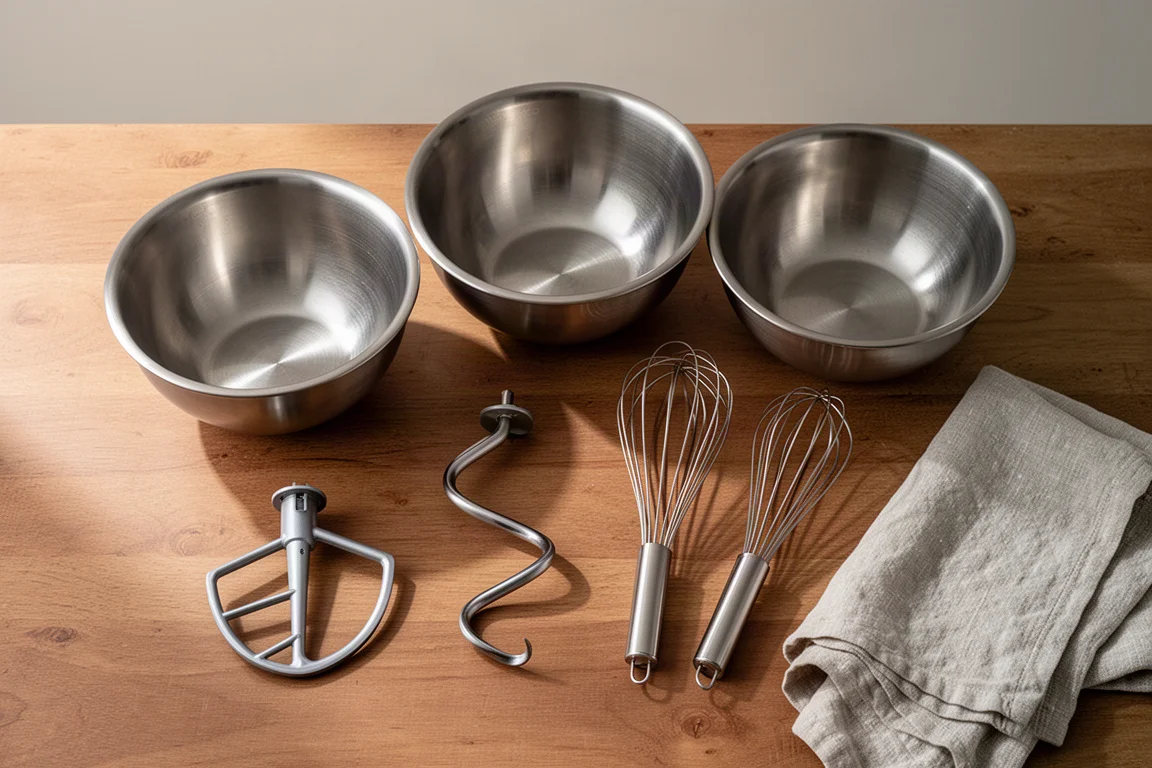
Attachments differ significantly too. The Classic and Artisan both include a flat beater, a dough hook, and a wire whisk. The coated flat beater and dough hook are dishwasher safe, but the whisk is not, because its hub is aluminum, which can discolor over time and look dirty even when clean. The Artisan Plus instead ships with four stainless steel attachments: a regular flat beater, a double flex edge beater with rubber edges on both sides that scrape the bowl while mixing, a dough hook, and a whisk. All four are dishwasher safe, and they are noticeably heavier and sturdier, with the Artisan Plus dough hook weighing almost twice as much as the hooks on the other two models and the beaters more than twice as heavy.
The controls are also different. The Classic and Artisan use KitchenAid’s traditional speed lever, where only even-numbered speeds are marked, so an odd-speed recipe means positioning the lever between two settings. The Artisan Plus has a redesigned dial with a clear position for every speed. It clicks into place at each numbered setting like the others, but you can also twist it into a smooth slider mode to stop precisely where you want. It also adds a safety feature the others lack: if the Classic or Artisan is left on a speed above zero, it starts running as soon as you plug it in, while the Artisan Plus requires the dial to be returned to zero first. There is also an automatic bowl light that turns on when the mixer head is lowered. It is a small touch, but it makes it easier to see what is happening inside the bowl.
Performance Testing: Whipped Cream, Cookies and Pizza Dough
Whipped cream
We started with a deliberately difficult test: a half cup of cold heavy cream, half a tablespoon of powdered sugar, and a quarter teaspoon of vanilla. Small batches challenge stand mixers because if the whisk does not reach low enough, it can leave cream untouched or take longer to whip. All three performed almost identically, reaching stiff peaks in about two minutes with no scraping required and full incorporation of the cream.

Chocolate chip cookies
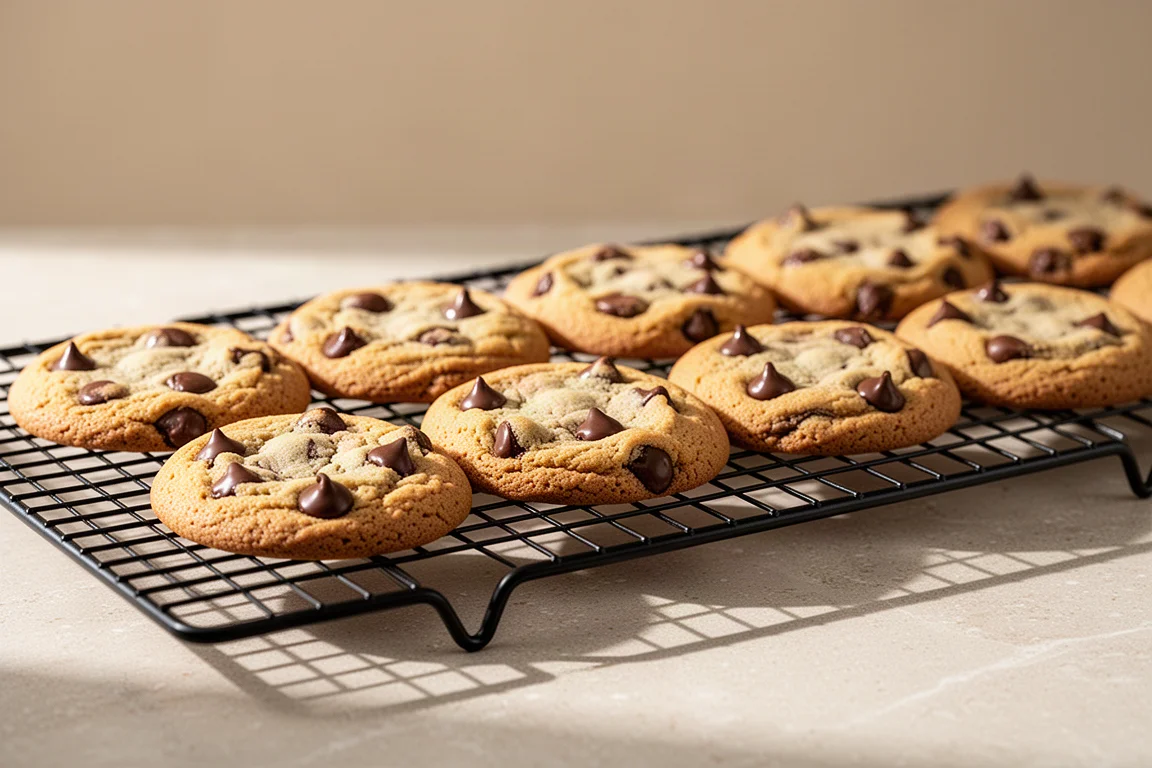
For the cookie test, every ingredient was weighed and the same full batch was mixed in each machine: creaming butter and sugars, adding eggs and vanilla, then dry ingredients, then chocolate chips. The Classic and Artisan performed almost exactly the same, producing well-mixed dough but requiring a few scrapes of the bowl sides, especially after the dry ingredients went in, as some flour collected higher on the walls where the flat beaters could not reach. The Artisan Plus was clearly better here thanks to its double flex edge beater. The rubber edges continuously scraped both sides of the bowl and pushed ingredients back toward the center, so only one scrape was needed for a small amount of flour near the top of the bowl. Its open design also keeps dough from clumping between the crossbars like the standard beaters do.
The baked results were nearly identical across all three batches, with similar spread and browning. One issue surfaced during this test that applies to all three mixers: the head does not lock in the raised position, and while scraping dough off the beater, the head dropped unexpectedly and smeared dough onto the mixer. That could catch you off guard, create a mess, or potentially pinch your fingers, and some other brands lock the head in both raised and lowered positions, which is a safer approach.
Pizza dough
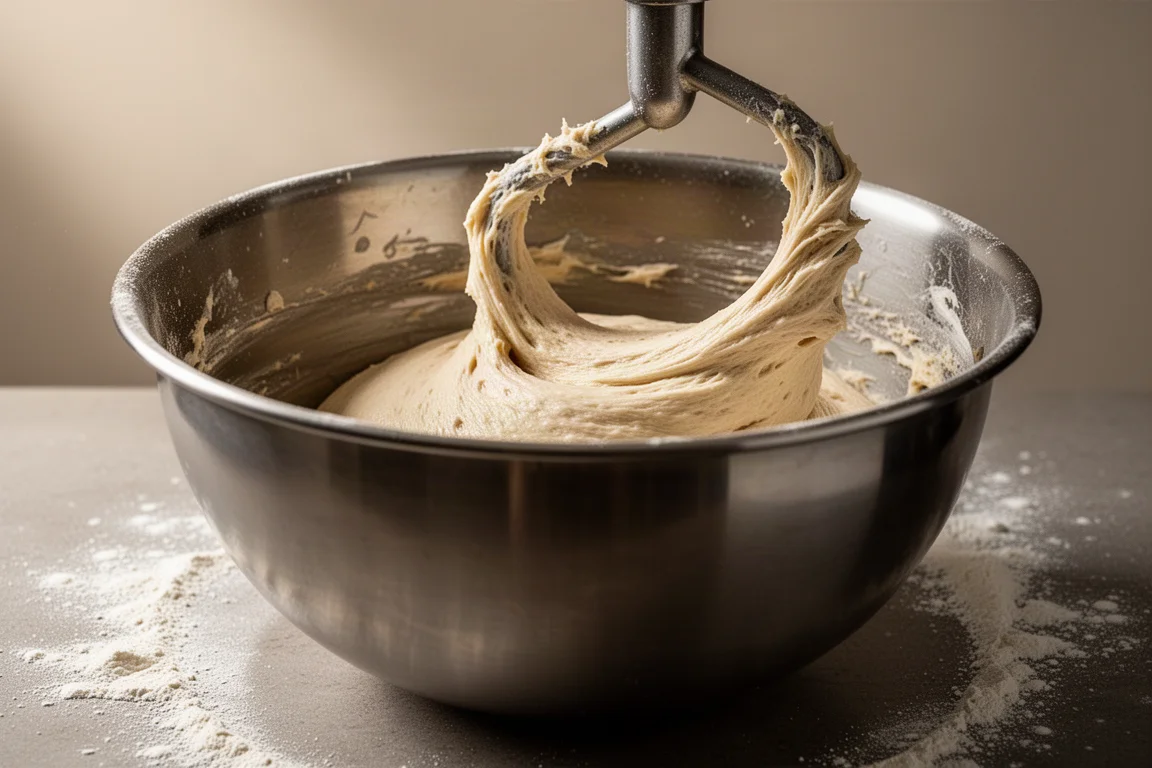
Pizza dough was the toughest test: thick, sticky, and requiring several minutes of kneading. Each batch was mixed on the lowest speed until no loose flour remained, then kneaded for around 8 minutes on speed two, the highest speed KitchenAid recommends for this type of dough.
KitchenAid rates these mixers at 275, 325, and 350 watts, which suggests more power as you move up the range, but wattage measures electricity drawn, not force delivered to the dough. During kneading, all three hovered around 100 watts with heavily overlapping ranges, so the more expensive models did not draw meaningfully more power.
The real difference was stability. The heads of the Classic and Artisan bounced as the dough moved around the bowl, and on both mixers that movement shifted the lock lever away from the fully locked position, settling partway between locked and unlocked, which made the head bounce even more and required relocking several times. The Artisan Plus was much more stable, moving slightly but bouncing far less, with its locking lever staying in position throughout. After kneading, all three batches were smooth and elastic, and after an overnight rest, the finished pizzas came out almost identical with no meaningful difference in texture, rise, or browning.
Which KitchenAid Mixer Should You Buy?
The most important takeaway is that all three mixers get the job done. They whipped cream in about the same time, produced very similar cookie dough, and made pizza dough that baked into nearly identical pizzas. All three share similar die-cast metal bodies, weigh about the same, and have the same front accessory hub for attachments like KitchenAid’s pasta roller, meat grinder, and food processor.
If maximizing value is your main priority, the Classic is the sensible pick. Its bowl is slightly smaller and handle-free, and the included whisk is not dishwasher safe, but its actual mixing performance was nearly identical to the Artisan, and for most people it does everything a stand mixer needs to do.
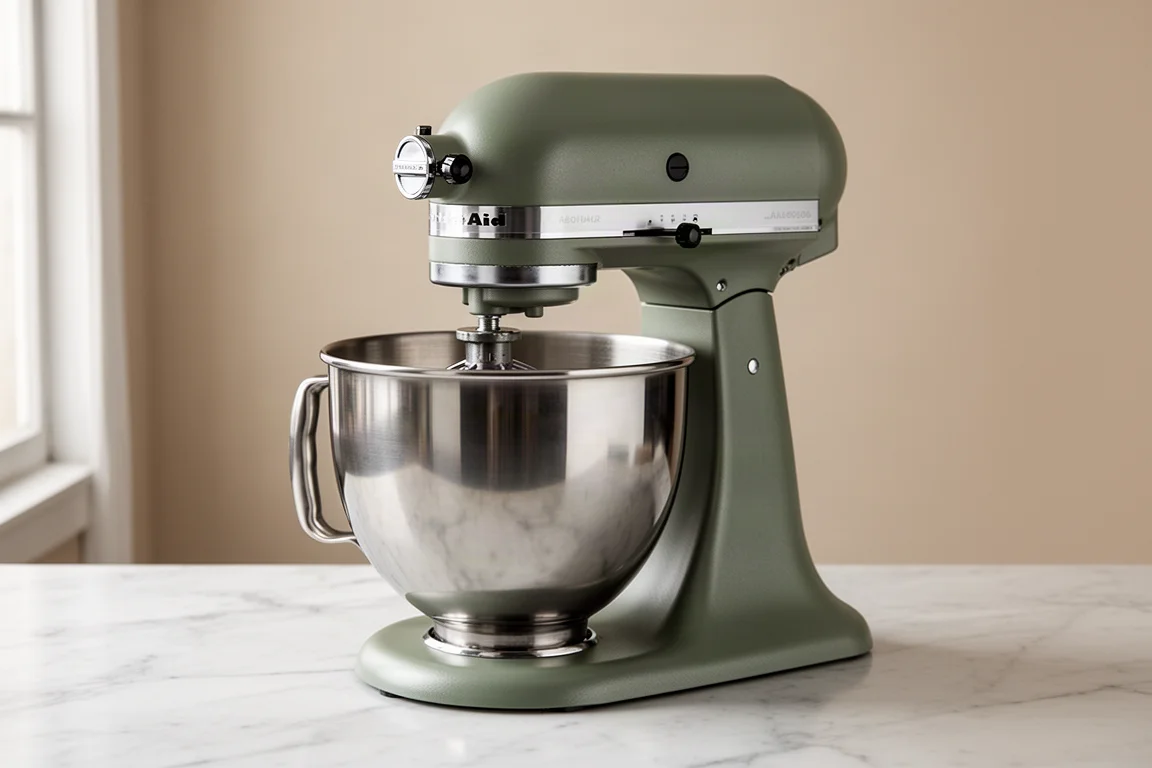
With the Artisan, you are mainly paying for the larger 5-quart bowl, the bowl handle, and a much wider color selection. Those things may be worth it to you, but it did not whip, mix, or knead any better than the Classic.

The Artisan Plus is the most expensive, but it is the best mixer of the three. The double flex edge beater reduces how often you need to stop and scrape the bowl, the heavier stainless steel attachments feel far more substantial, and all of them are dishwasher safe. It was also more stable while kneading pizza dough, and the redesigned speed control makes it easier to land on the right speed, with the added safeguard against starting when plugged in above zero. The bowl light is nice, but it alone is not worth paying extra for. The value comes from all of the smaller upgrades added together.
Conclusion
All three KitchenAid mixers deliver nearly identical mixing results, so your decision comes down to features rather than performance. Choose the Classic for the best value, the Artisan for capacity and color choice, and the Artisan Plus if you want the most refined overall package with better stability, self-scraping attachments, and smarter controls.
Further reading
Related Reviews
Kitchen Appliances
Arboleaf Smart Kitchen Scale Review: Connected Cooking Made Simple
A Bluetooth-enabled kitchen scale that syncs with a nutrition-tracking app, offering real-time weight monitoring and recipe guidance for home cooks.
Kitchen Appliances
Best Air Fryer Toaster Ovens Under 100: Five Practical Options for Budget-Conscious Kitchens
Five air fryer and toaster oven combinations that deliver real cooking performance without breaking the bank, each with distinct strengths for different kitchen needs.
Kitchen Appliances
Best Air Fryer Toaster Ovens: Three Top Picks for Multi-Function Cooking
Three high-performing air fryer toaster ovens tested for versatility, ease of use, and real-world cooking results. Find the right fit for your kitchen.