Kitchen Appliances
KitchenAid Classic Plus vs Artisan Mini vs Artisan 5-Quart: Which Stand Mixer Makes Sense?
A side-by-side look at three KitchenAid stand mixers covering size, capacity, motors, included attachments, colors, and pricing to help you pick the right one.
Introduction
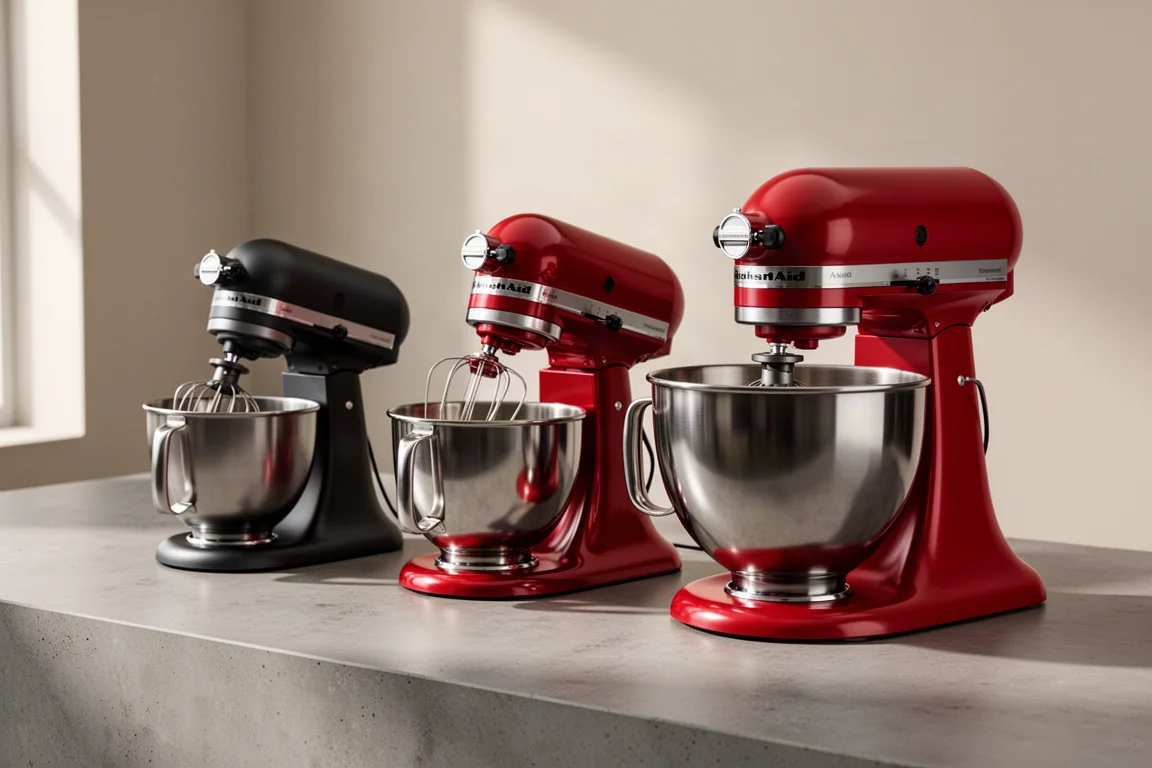
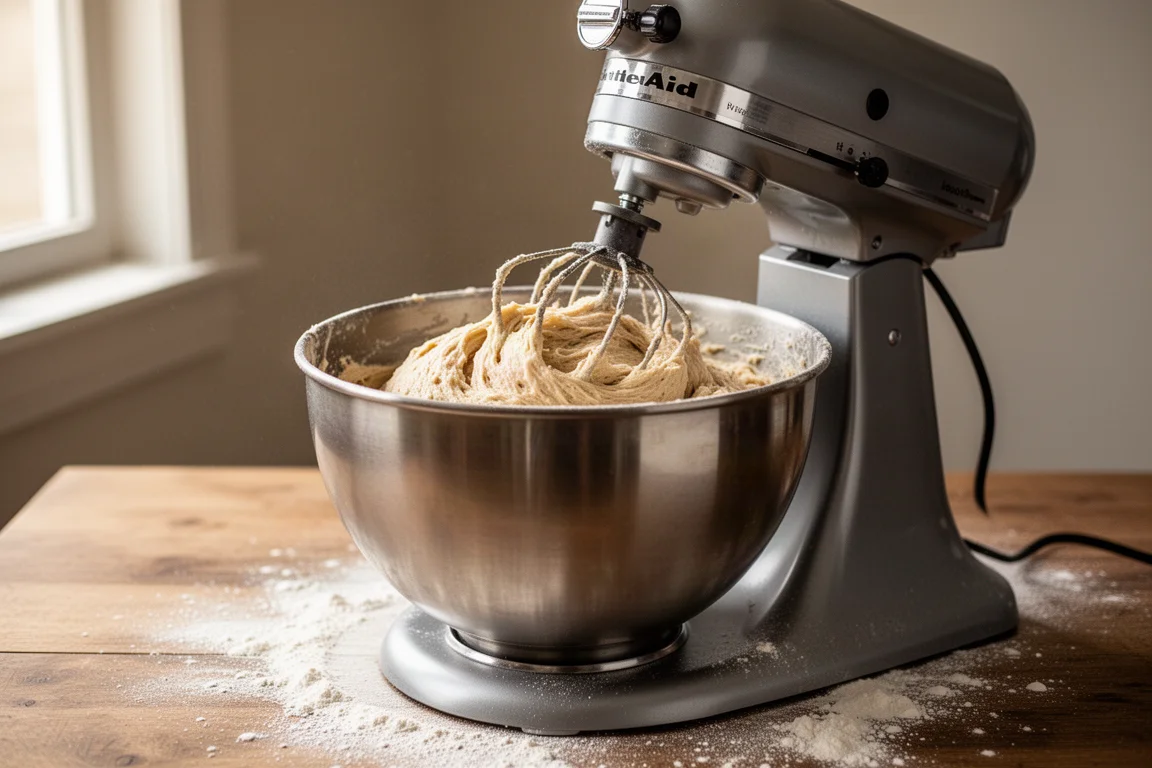
KitchenAid stand mixers are expensive, so choosing between them comes down to knowing exactly what you get for the money. Two of the smallest and most affordable options in the lineup are the Classic Plus and the Artisan Mini. Both are tilt-head mixers, both are compatible with the same add-ons, and both offer 10 speed settings. There is also a third option worth knowing about: the full-size 5-quart Artisan.
One point of clarification: the Classic Plus and the Classic are treated as the same mixer here. Since 2014, there has been no difference between the two models, even though older Classic Plus mixers had a more powerful motor.
Size, Capacity, and Bowl Design
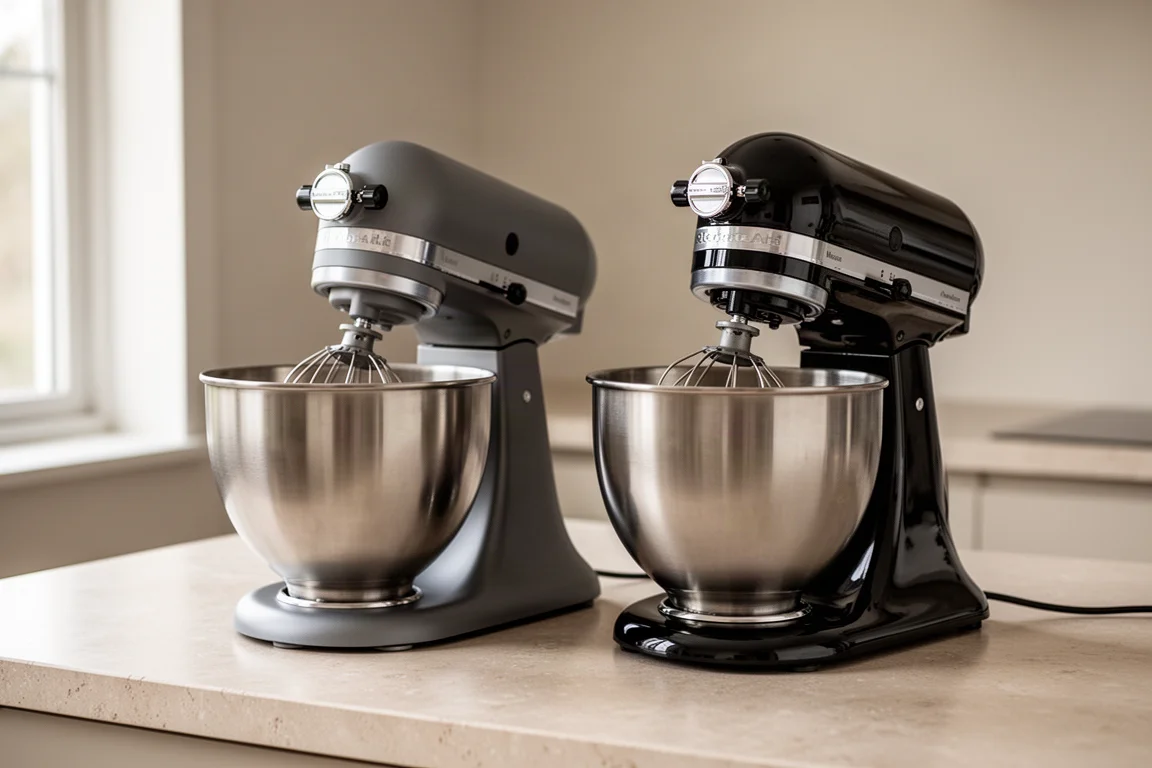
The most noticeable difference between the Classic and the Artisan Mini is size and capacity. The Classic comes with a 4.5-quart bowl, weighs 22 pounds, and measures about 14 inches from top to bottom and front to back. The widest point, the bowl diameter, is 8.75 inches. The Artisan Mini has a 3.5-quart bowl, weighs 6 pounds less, is about an inch and a half shorter, and has a bowl diameter three-quarters of an inch smaller.
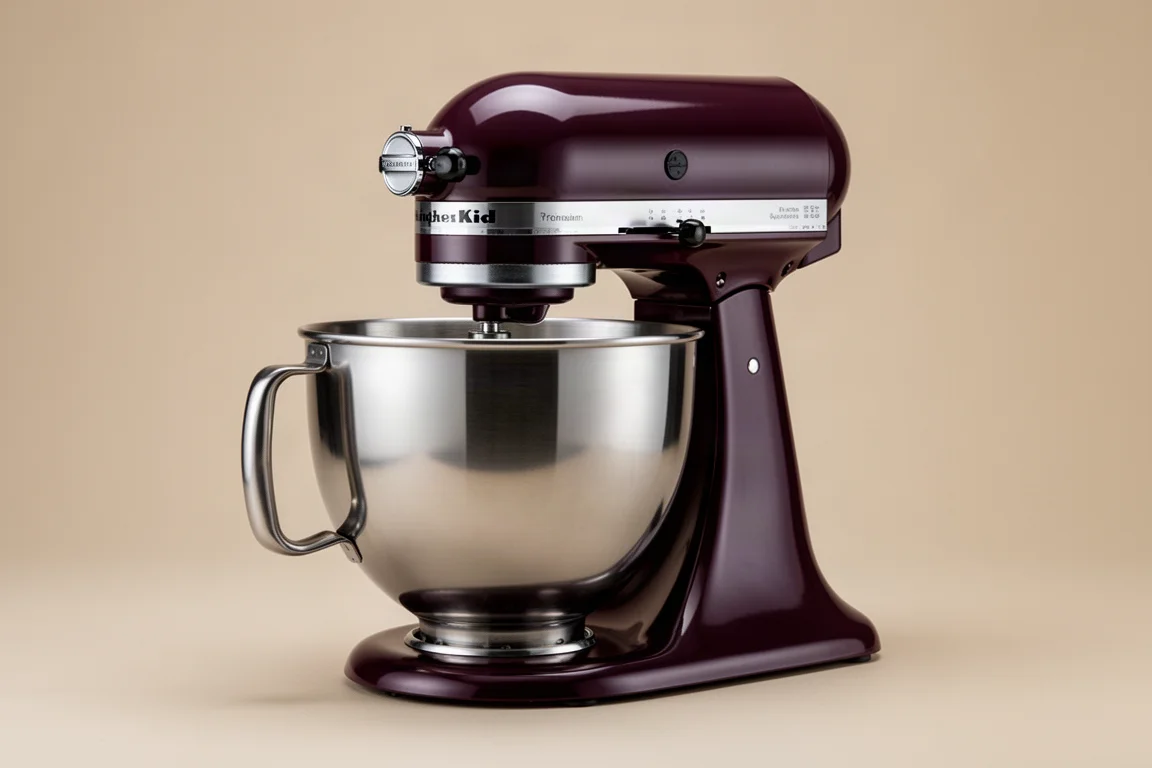
The bowls themselves differ in ways that matter day to day. The Artisan Mini bowl has a polished finish and a handle, which makes lifting and carrying easier, especially when it is full of heavy batter or dough. It also fits easily in standard dishwashers. The Classic bowl has a brushed finish and no handle, which makes it harder to carry but easier to clean, since there is no handle area where batter and messes get stuck. The polished finish looks nice but shows fingerprints and smudges more readily, while the Classic’s matte finish does a better job hiding imperfections.

Motors and Durability
On paper, the Classic looks stronger with its 275-watt motor versus the Artisan Mini’s 250 watts. But wattage measures electricity usage, not motor strength, and KitchenAid states that the Artisan Mini is just as powerful as the Classic.
There are two real differences under the hood. The Artisan Mini uses a direct current (DC) motor, which is more efficient and slightly quieter, while the Classic uses an alternating current (AC) motor. Some people claim the DC motor has better torque, though the difference is not meaningful in everyday use. More importantly, all the gears in the Artisan Mini’s motor are metal. Most of the Classic’s gears are metal too, but its worm gear is made of nylon reinforced with Kevlar. Both materials are strong, but the nylon gear is more likely to strip if you overload the mixer. In theory, the Artisan Mini should hold up longer without repairs. That said, Classic mixers running since 2016 and older are commonly reported to work without issues for over a decade.
Included Attachments
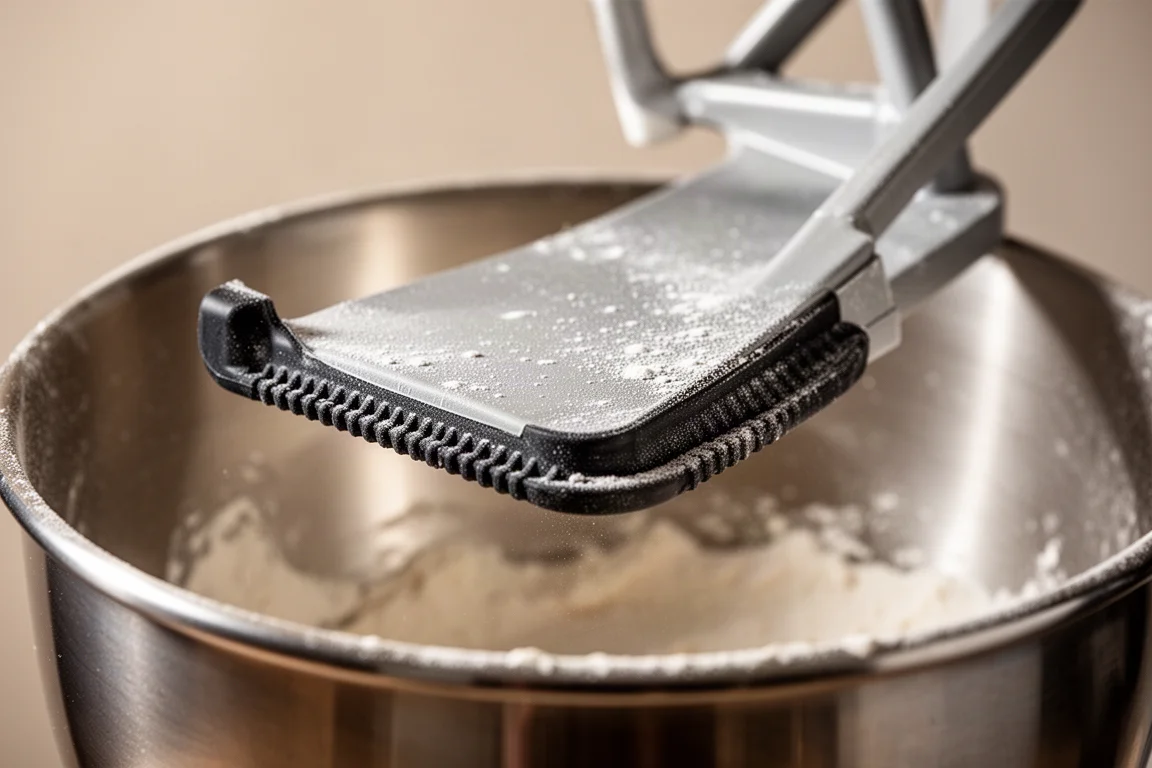
An often-overlooked difference is what comes in the box. The Classic includes a standard coated flat beater. The Artisan Mini includes a flex edge beater with a flexible rubber edge that scrapes the sides of the bowl as it mixes.
The flex edge beater does a better job scraping the sides, and because the rubber makes more contact with the bowl, it also mixes more thoroughly. If you prefer the Classic, a flex edge beater can be bought separately for about $35.
Colors and Finishes
The Artisan Mini is available in several colors, including silver, white, black, candy apple red, Empire red, and light blue. Classic mixers come only in black, white, and gray. If the look of your mixer matters to you, the Mini offers far more choice.
Pricing
On KitchenAid.com, the Artisan Mini is listed at $380, and the Classic, despite being the larger mixer, is $50 less at $330. So the Classic gives you more capacity for less money, while the Mini charges a premium for its upgrades.
KitchenAid Artisan Mini
The Artisan Mini is the compact, feature-rich option. You get a lighter machine that is easier to store, a polished bowl with a handle that fits standard dishwashers, a flex edge beater included in the box, more color options, and an all-metal gear DC motor that is slightly quieter. The trade-off is the smaller 3.5-quart capacity and the higher price.

KitchenAid Classic Plus
The Classic Plus is the value pick. For $50 less than the Mini, you get a larger 4.5-quart bowl and the ability to mix bigger batches at once. You give up the bowl handle, the flex edge beater, the DC motor, and the wider color selection, but the mixer has a long track record of reliability.
KitchenAid Artisan 5-Quart
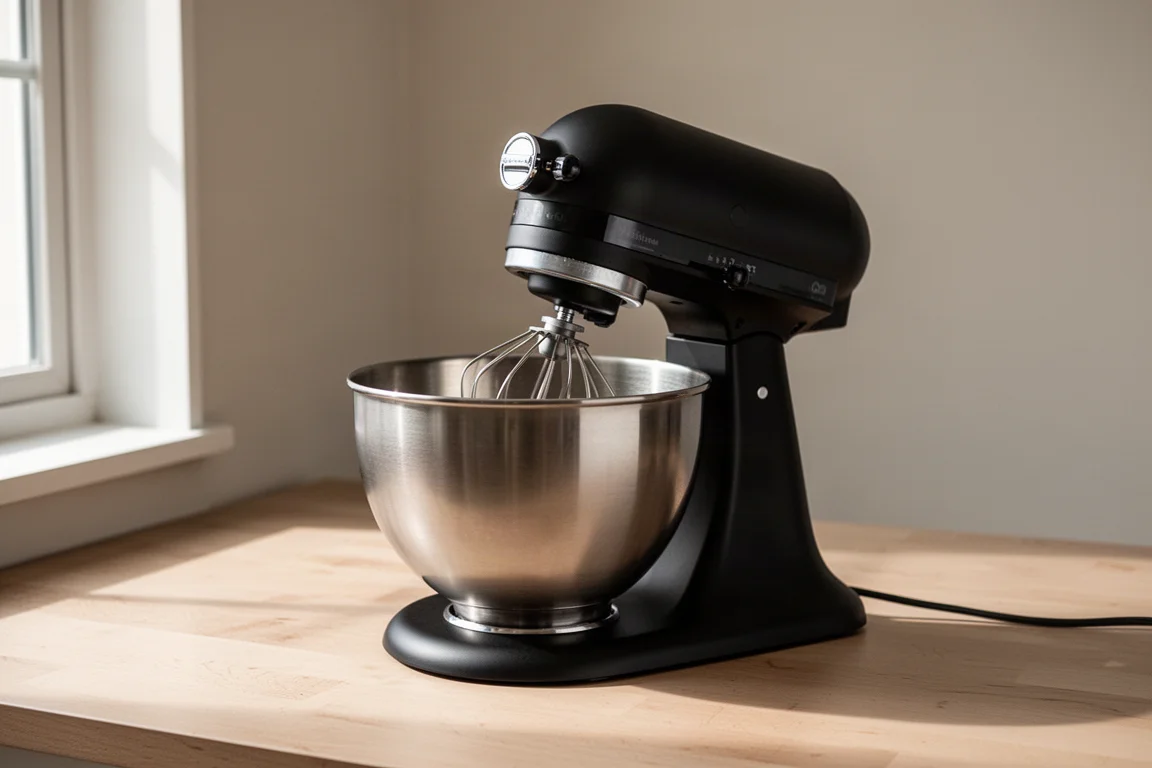
If you want a larger mixer but do not love the limited colors of the Classic, the full-size 5-quart Artisan is worth a look. It is pricey, but it offers upgraded features, a bowl handle, and even more color options than the Mini.
Overall Buying Advice
For most people, the Classic is the better value and the more practical option, simply because you can mix larger batches at once. If you have a household of three or more and you like to bake, the Classic is the safer bet. But if you know for sure you will never need the extra capacity, the Artisan Mini offers genuine upgrades in a compact, easier-to-store package.
Conclusion
The choice comes down to capacity versus convenience. Choose the Classic Plus if bigger batches and a lower price matter most. Choose the Artisan Mini if you bake small batches and want the handle, the flex edge beater, more colors, and the upgraded motor. And if you want full-size capacity without sacrificing style, the Artisan 5-Quart is the premium route.
Further reading
Related Reviews
Kitchen Appliances
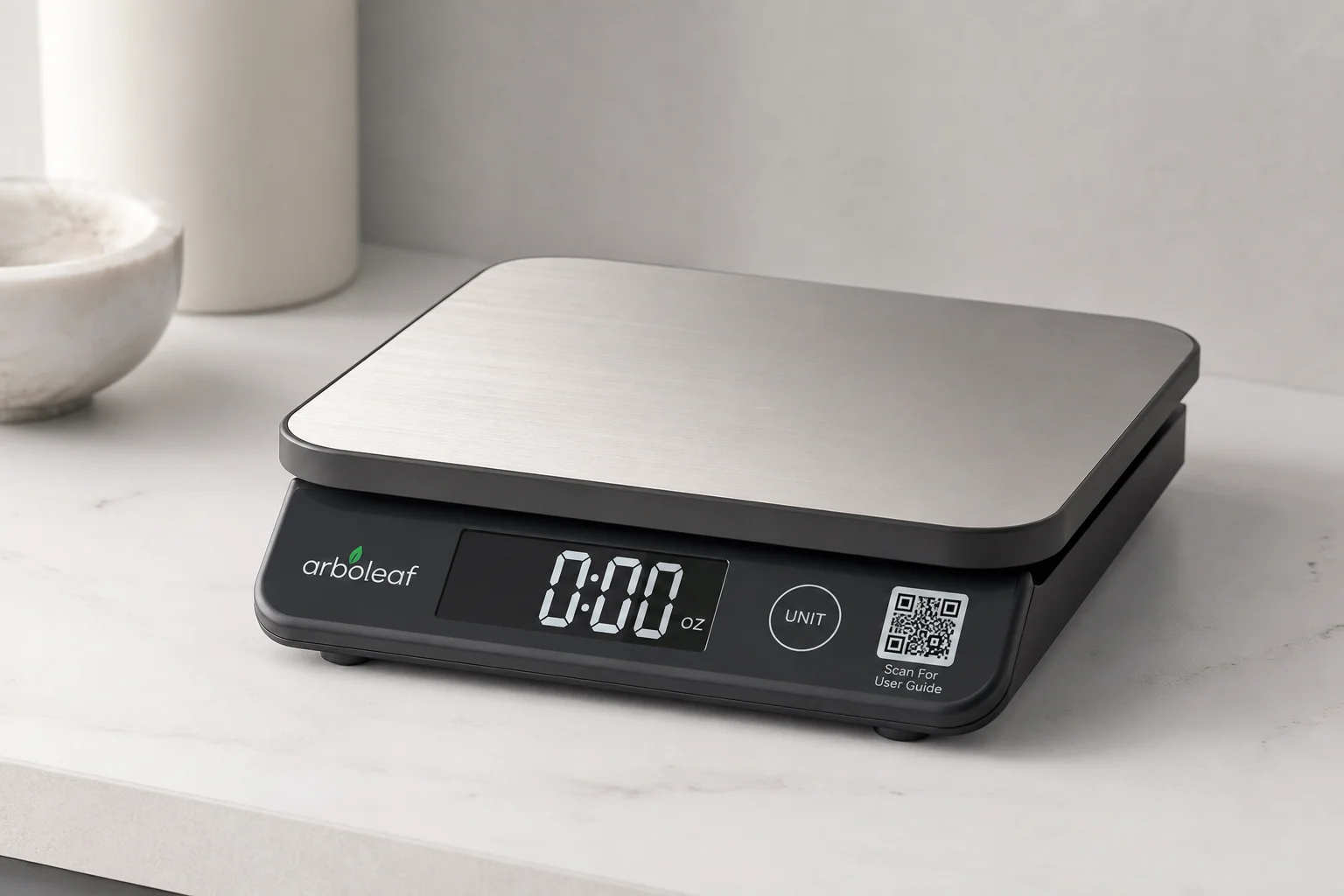
Arboleaf Smart Kitchen Scale Review: Connected Cooking Made Simple
A Bluetooth-enabled kitchen scale that syncs with a nutrition-tracking app, offering real-time weight monitoring and recipe guidance for home cooks.
Kitchen Appliances
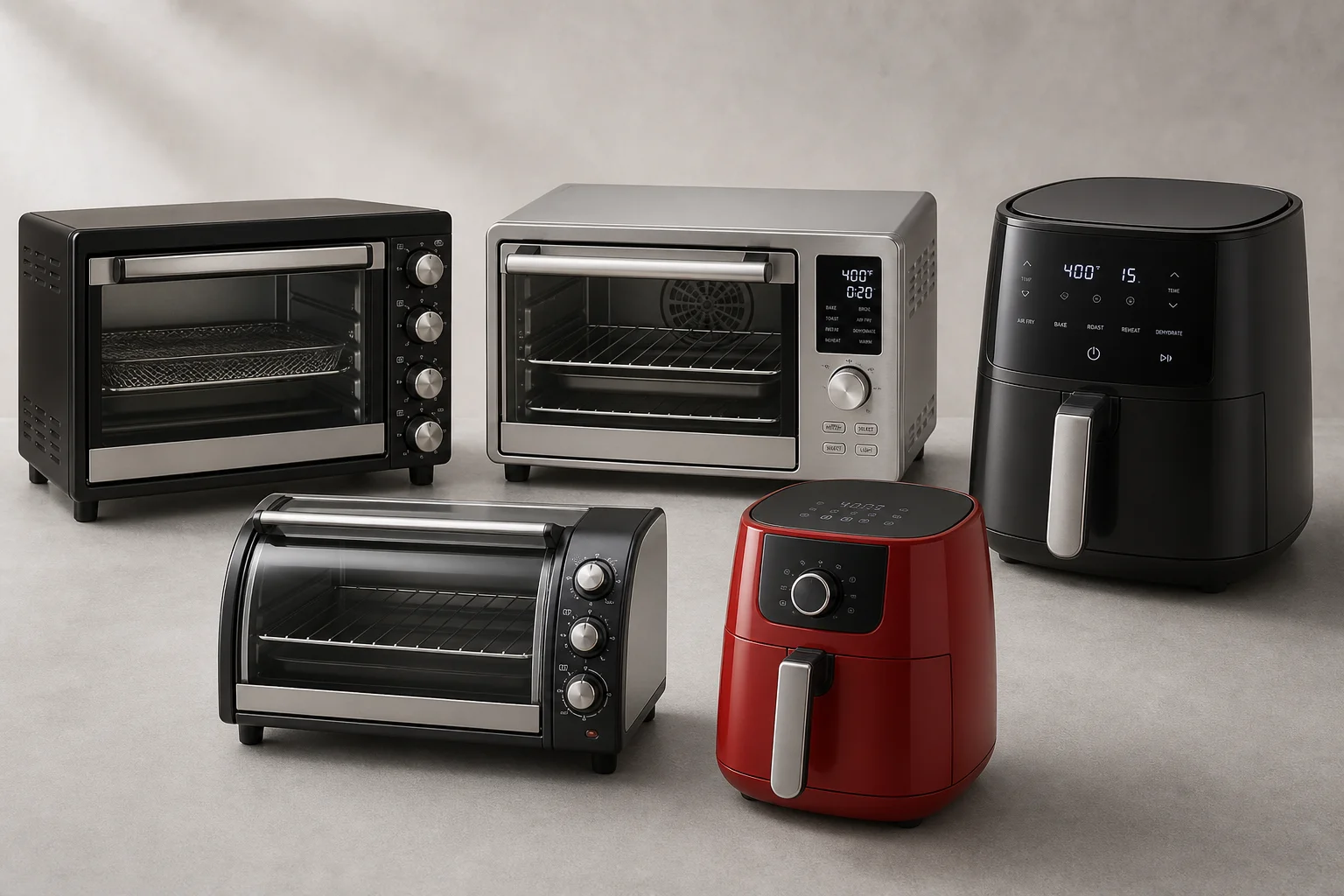
Best Air Fryer Toaster Ovens Under 100: Five Practical Options for Budget-Conscious Kitchens
Five air fryer and toaster oven combinations that deliver real cooking performance without breaking the bank, each with distinct strengths for different kitchen needs.
Kitchen Appliances
Best Air Fryer Toaster Ovens: Three Top Picks for Multi-Function Cooking
Three high-performing air fryer toaster ovens tested for versatility, ease of use, and real-world cooking results. Find the right fit for your kitchen.