Kitchen Appliances
KitchenAid Artisan vs Smeg Retro Stand Mixer: Which Countertop Mixer Suits Your Kitchen?
A detailed comparison of two premium stand mixers: the versatile KitchenAid Artisan with its extensive attachment ecosystem, and the stylish Smeg Retro with its powerful motor and vintage appeal.
Introduction
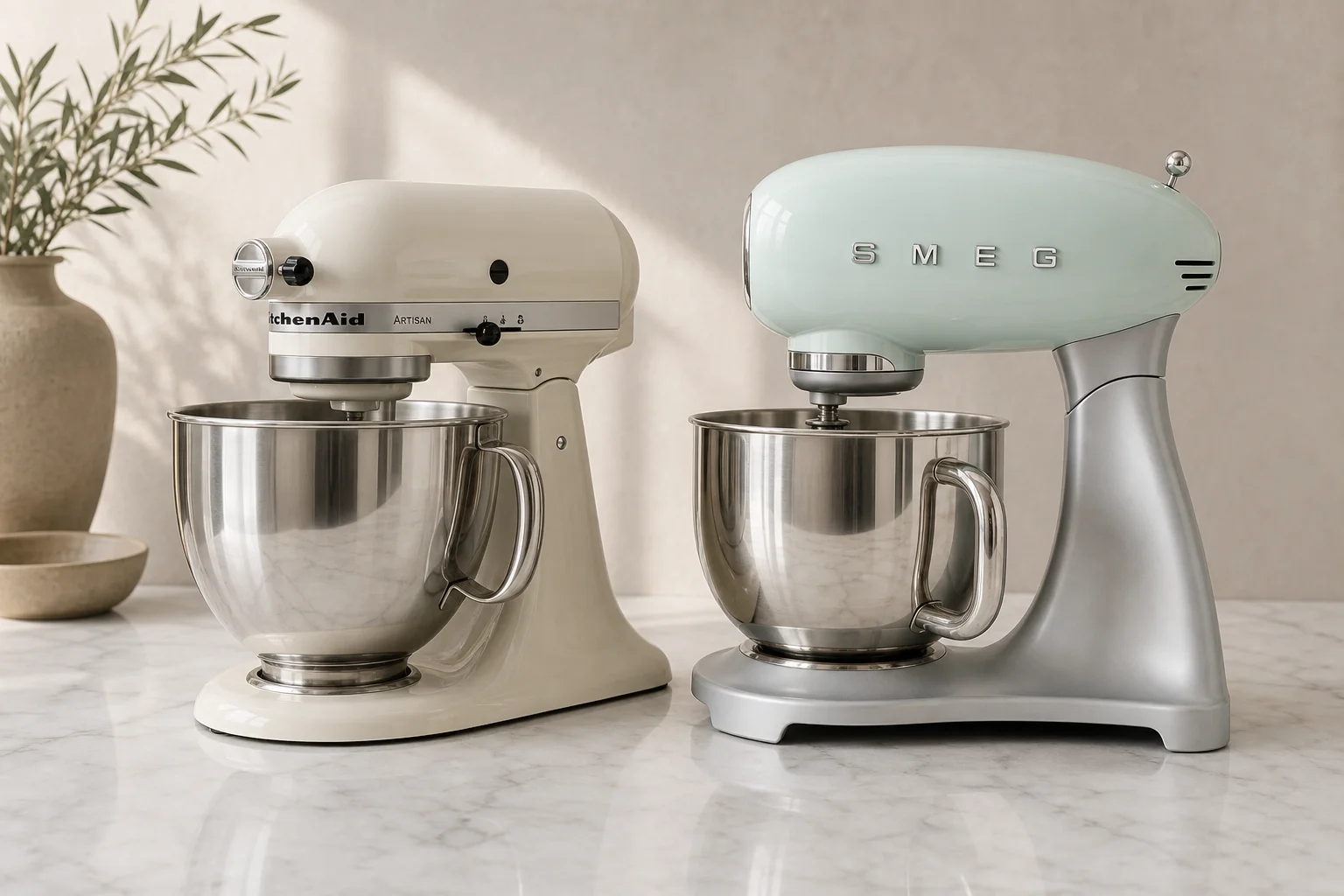
The KitchenAid Artisan Series 5 Quart Stand Mixer and the Smeg Retro Stand Mixer represent two distinct philosophies in premium kitchen mixing. The KitchenAid emphasizes versatility and customization through an extensive attachment ecosystem, while the Smeg prioritizes aesthetic appeal and straightforward performance. Both occupy the premium price tier and deliver reliable mixing power, but they cater to different kitchen priorities. This comparison covers the key differences in design, performance, and value to help you choose the mixer that best fits your cooking style and kitchen aesthetic.
Design and Build Quality
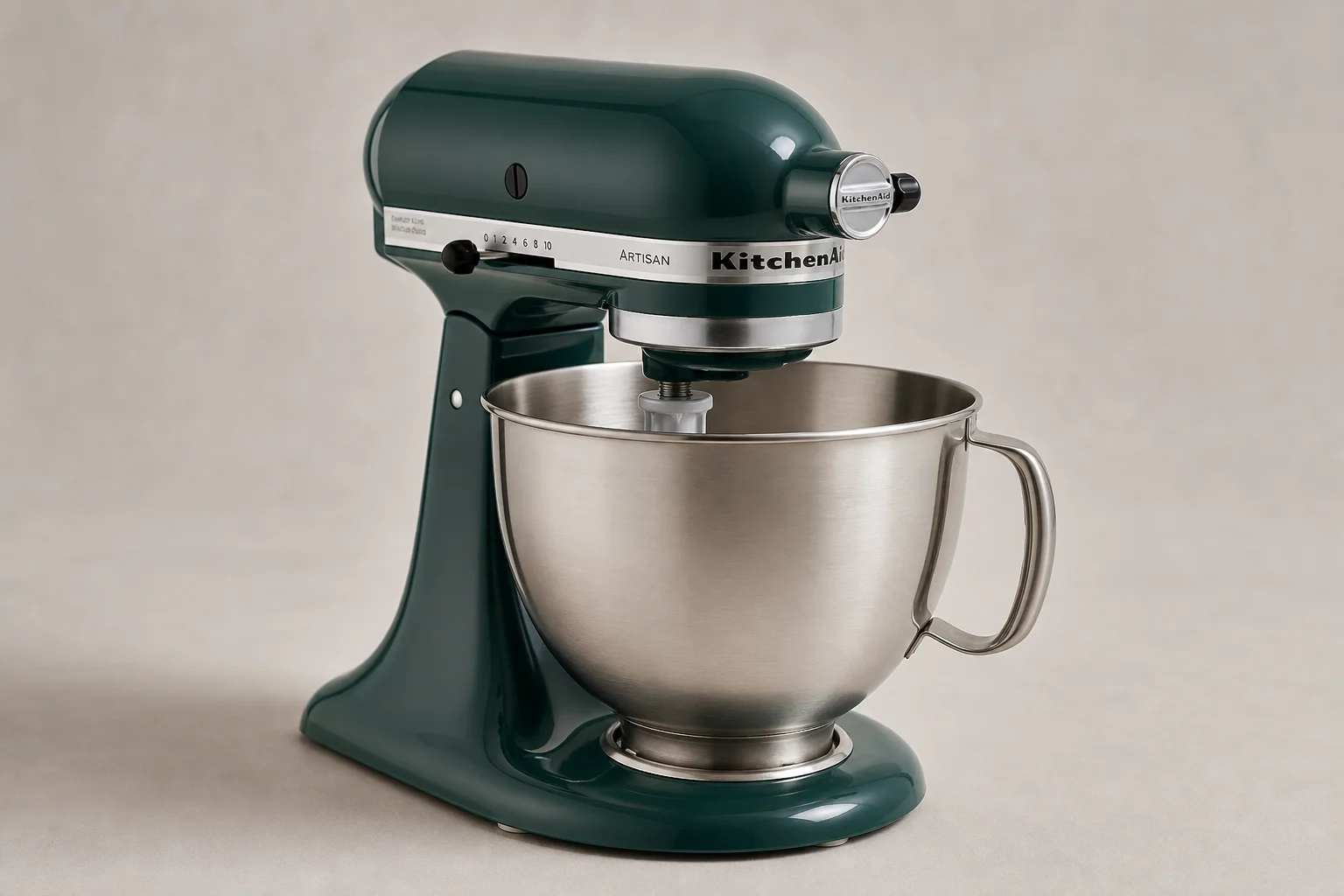
The KitchenAid Artisan features an iconic design that has remained largely unchanged for decades. Its zinc construction provides durability and stability, and the mixer weighs 26 pounds, giving it a solid presence on any countertop. The design is available in over 20 colors, allowing for significant customization to match kitchen décor. The five-quart stainless steel bowl includes a handle for convenient removal and pouring, making it practical for handling large batches.

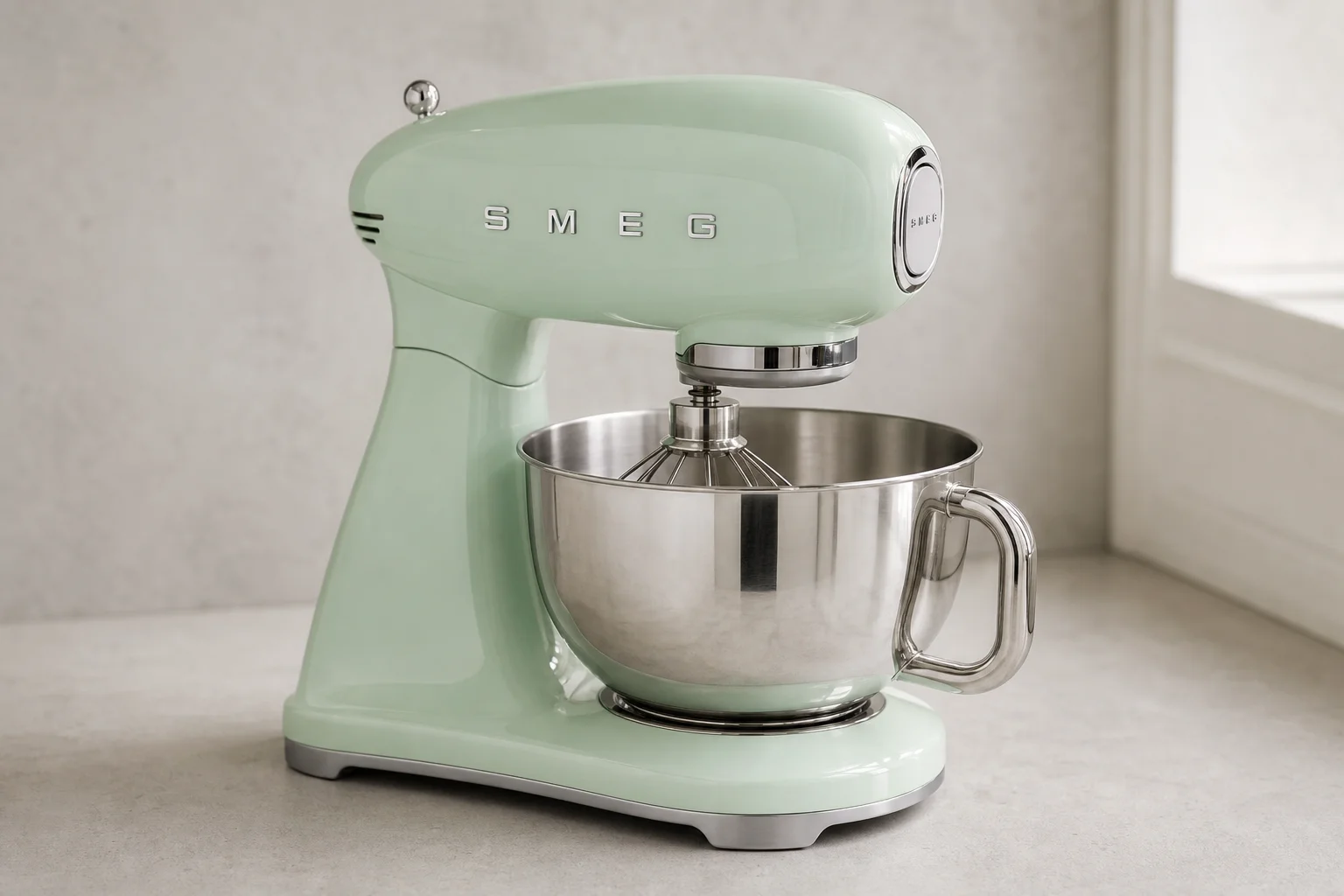
The Smeg Retro Stand Mixer takes a different aesthetic approach, drawing inspiration from vintage kitchen design. Its die-cast aluminum body is lighter than the KitchenAid, making it easier to move or reposition on the countertop. The Smeg is available in various retro-inspired colors that appeal to those seeking a nostalgic or eclectic kitchen style. Despite its lighter construction, the Smeg does not sacrifice durability or functionality.
Motor Power and Speed Settings
The KitchenAid Artisan is powered by a 325-watt motor paired with 10 optimized speed settings. These settings range from slow stirring to fast whipping, providing flexibility for different mixing tasks. The motor delivers consistent performance across a wide range of ingredients and mixing techniques.
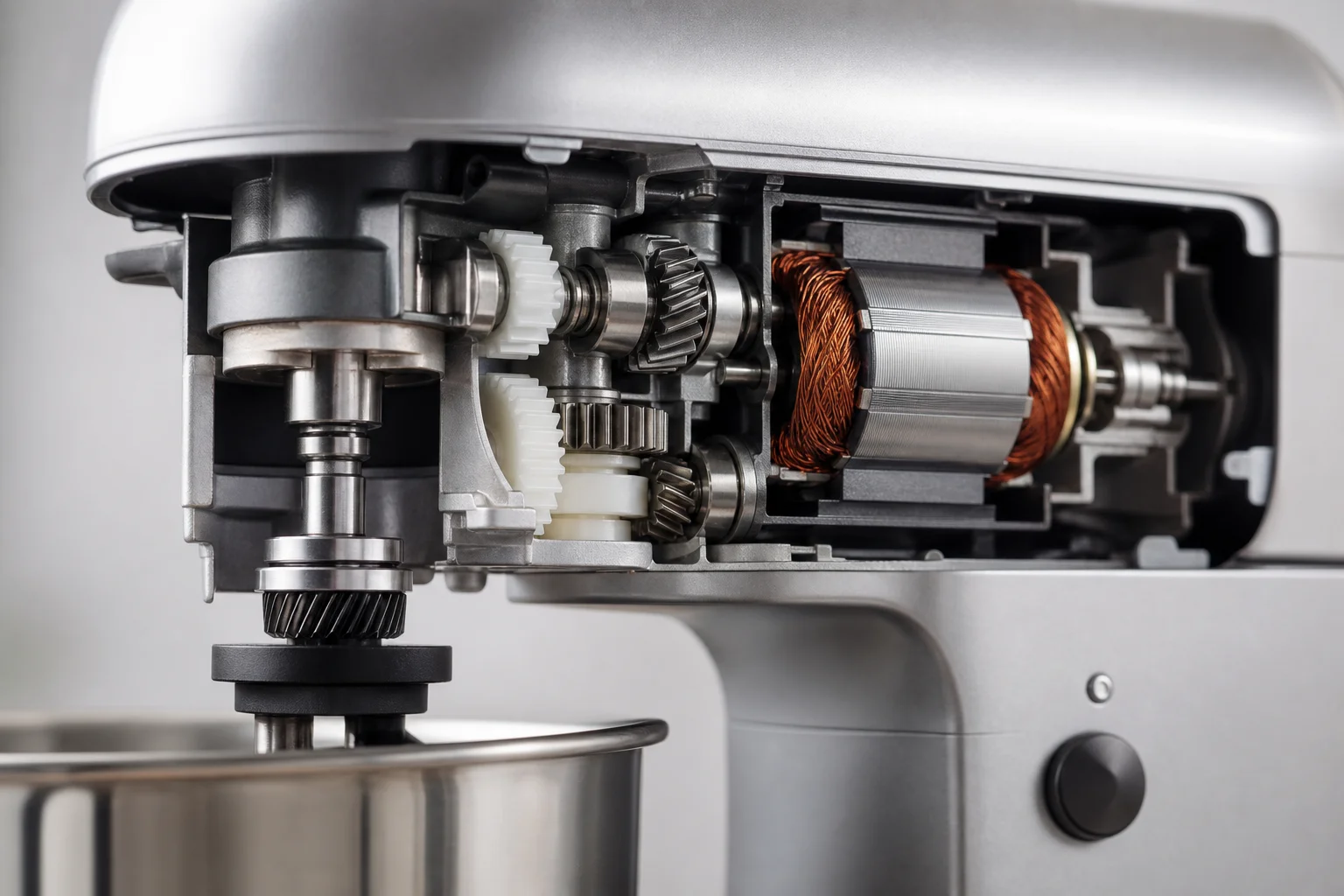
The Smeg Retro Stand Mixer features a more powerful 600-watt motor, also with 10 speed settings. This additional power allows the Smeg to handle dense doughs and heavy mixtures with greater ease. A distinctive feature of the Smeg is its smooth start function, which minimizes splashes and flour puffs when the mixer begins operation. This thoughtful engineering detail reduces mess during the initial mixing phase.
Attachments and Versatility
A defining strength of the KitchenAid is its power hub, which transforms the mixer into a culinary center. The power hub supports over 15 optional attachments, including pasta rollers, food grinders, and specialized beaters. This ecosystem makes the KitchenAid an investment in long-term kitchen capability, allowing you to expand functionality as your cooking interests evolve.
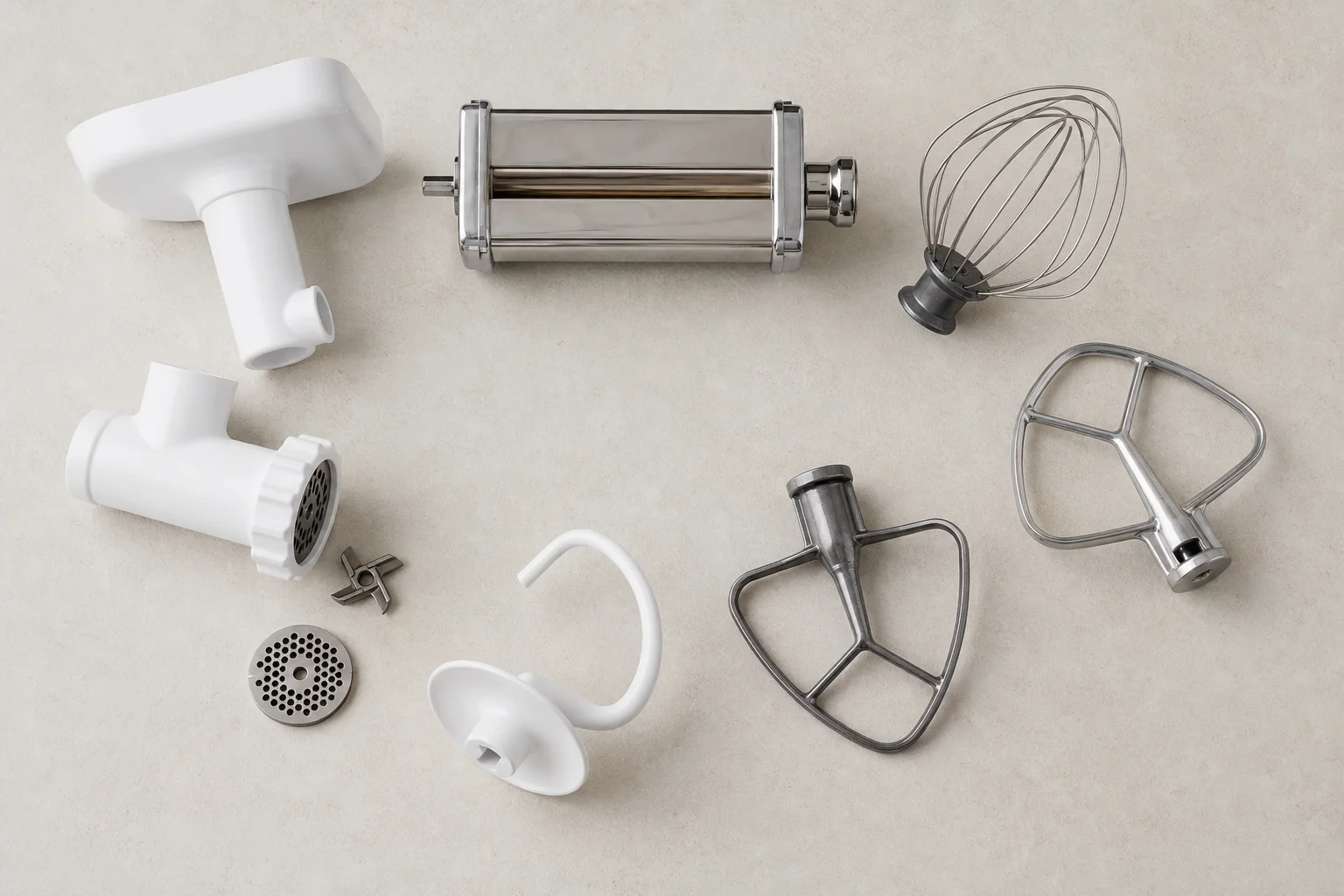
The Smeg Retro Stand Mixer does not feature a power hub and does not support optional attachments. Instead, it comes equipped with essential accessories: a wire whisk, dough hook, flat beater, and a pouring shield. This focused approach means the Smeg is ready to use out of the box without the need to purchase additional components, but it limits future expansion.
Price and Value Proposition
The KitchenAid Artisan Series typically ranges from $400 to $500, depending on the retailer and chosen color. The Smeg Retro Stand Mixer is priced between $400 and $600, positioning both as premium kitchen investments. The price difference often reflects the Smeg’s more powerful motor and distinctive design, while the KitchenAid’s value lies in its versatility and attachment ecosystem.
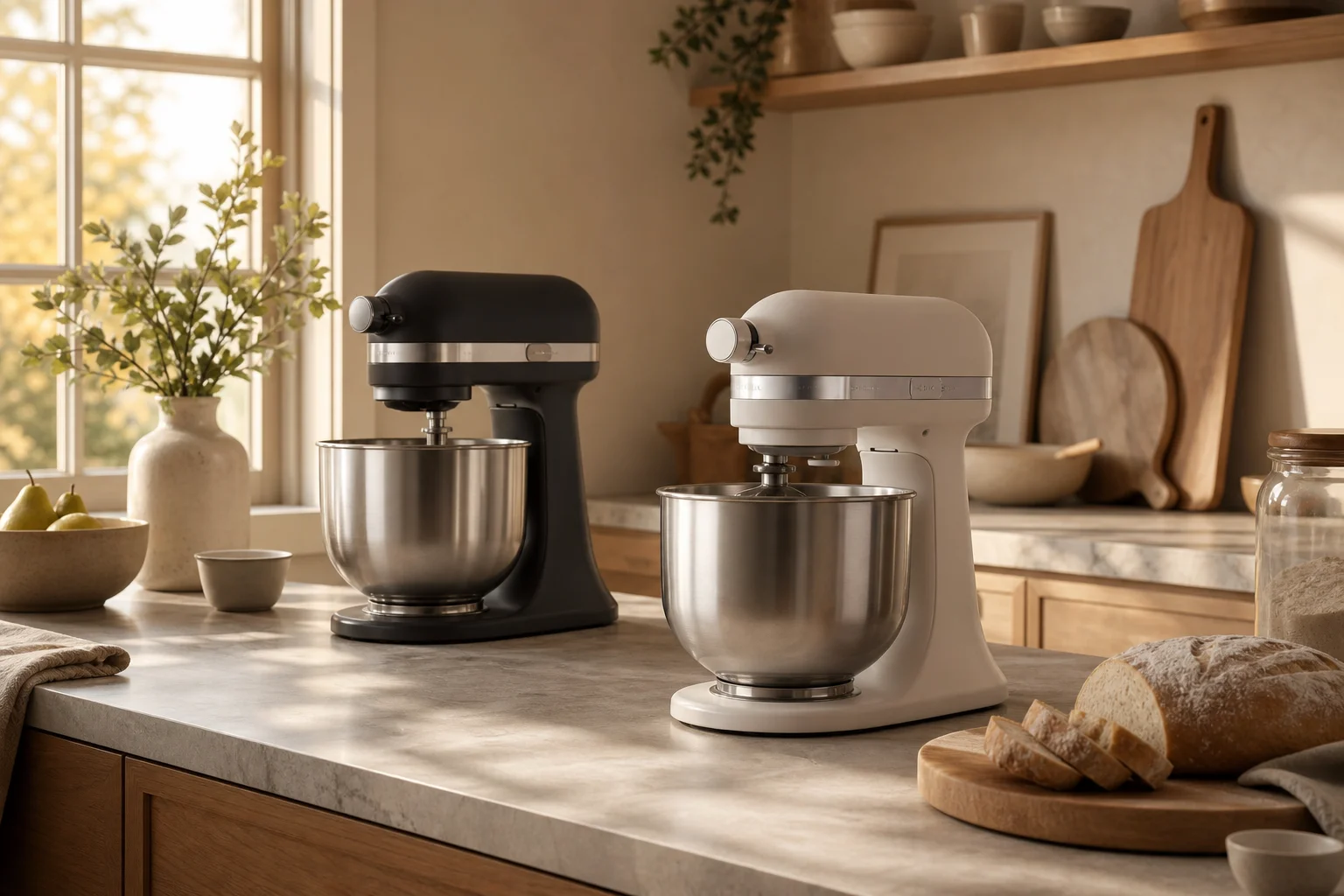
The KitchenAid makes sense if you prioritize long-term versatility and customization. Its durability, extensive color options, and power hub ecosystem justify the investment for cooks who want to expand their kitchen capabilities over time. However, the complexity of managing multiple attachments and the mixer’s substantial size and weight may be drawbacks for those with limited countertop space or who prefer simplicity.
The Smeg appeals to those who value aesthetic impact alongside performance. Its compact design, ease of use, and powerful motor deliver a straightforward mixing experience without the learning curve of attachment systems. The trade-off is a limited selection of optional accessories and a higher price point relative to the KitchenAid’s base functionality.
Conclusion
Choosing between the KitchenAid Artisan and the Smeg Retro Stand Mixer depends on your kitchen priorities. The KitchenAid offers unmatched versatility through its wide array of optional attachments, serving as a long-term investment for culinary creativity and experimentation. The Smeg offers a blend of simplicity, power, and distinctive style for those who value visual appeal alongside reliable performance. Both mixers are well-engineered and capable of handling large batches and demanding mixing tasks. Your choice should reflect whether you prioritize expandable functionality or aesthetic cohesion in your kitchen.
Further reading
Related Reviews

Kitchen Appliances
Arboleaf Smart Kitchen Scale Review: Connected Cooking Made Simple
A Bluetooth-enabled kitchen scale that syncs with a nutrition-tracking app, offering real-time weight monitoring and recipe guidance for home cooks.
Kitchen Appliances
Best Air Fryer Toaster Ovens: Three Top Picks for Multi-Function Cooking
Three high-performing air fryer toaster ovens tested for versatility, ease of use, and real-world cooking results. Find the right fit for your kitchen.
Kitchen Appliances
Best Air Fryer Toaster Ovens Under 100: Five Practical Options for Budget-Conscious Kitchens
Five air fryer and toaster oven combinations that deliver real cooking performance without breaking the bank, each with distinct strengths for different kitchen needs.