Running Shoes
Kiprun Kiptorm Lab Review: A Carbon Racer That Goes Toe-to-Toe With the Best
Decathlon's new top-of-the-range racing shoe weighs just 174g and delivers performance at the level of the best carbon plate shoes on the market.
Introduction
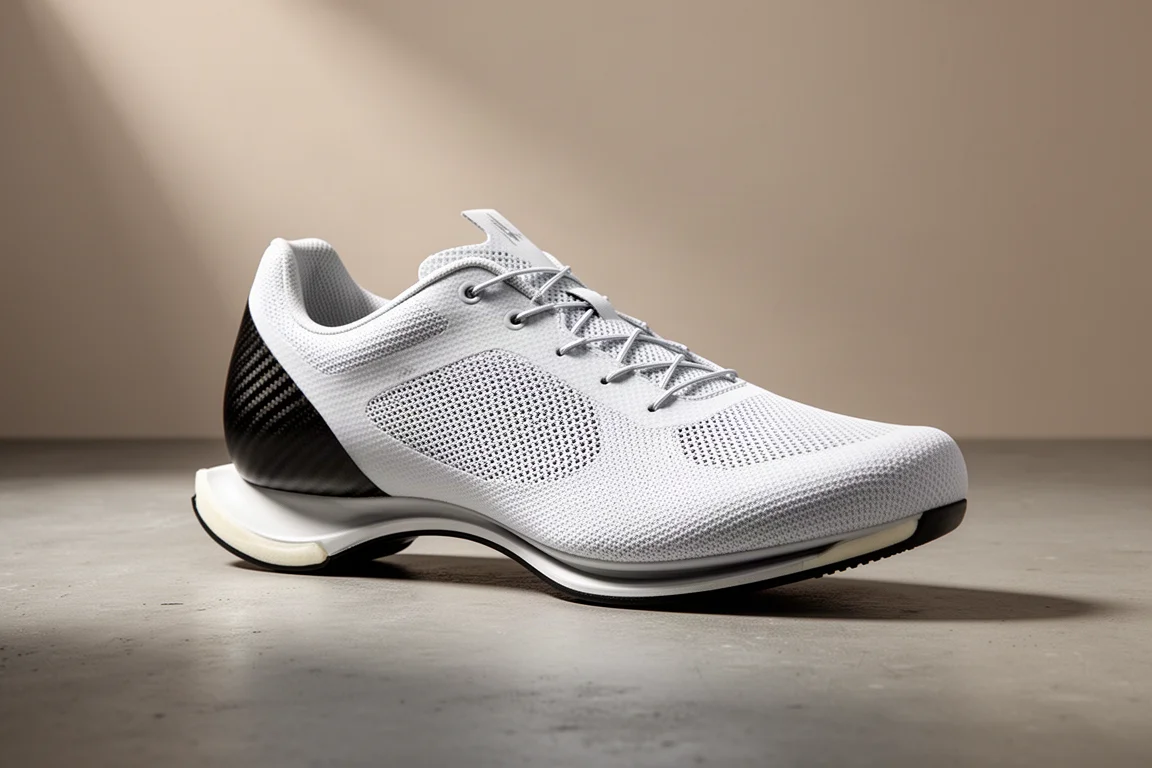
The Kiprun Kiptorm Lab is Decathlon’s new top-of-the-range racing shoe, and it makes its intentions clear from the start. Rather than leaning on the brand’s usual value-for-money reputation, this is a shoe built to compete flat out at the highest level of carbon plate running shoes. It has already been worn to great effect in road races, including European record performances.
It is an expensive shoe at €240, so the question is simple: does a flagship racer from Kiprun genuinely sit among the best? After putting roughly 60 km of tough training into it, the answer is a resounding yes.
Design and Key Specs
The Kiptorm Lab is extremely light at just 174g (6.1 oz) in a UK 8.5, with only a handful of shoes on the market coming in lighter. It uses a 4mm drop with a 39mm heel stack and 35mm at the forefoot.
The midsole setup is the interesting part. Kiprun uses a frame of supercritical TPU foam around a core of PEBA, called Feather Bounce, plus a J-shaped full-length carbon plate that only extends around the outside of the heel. The combination is designed to deliver a fast, bouncy and propulsive ride, but in a slightly different way to a conventional carbon racer.
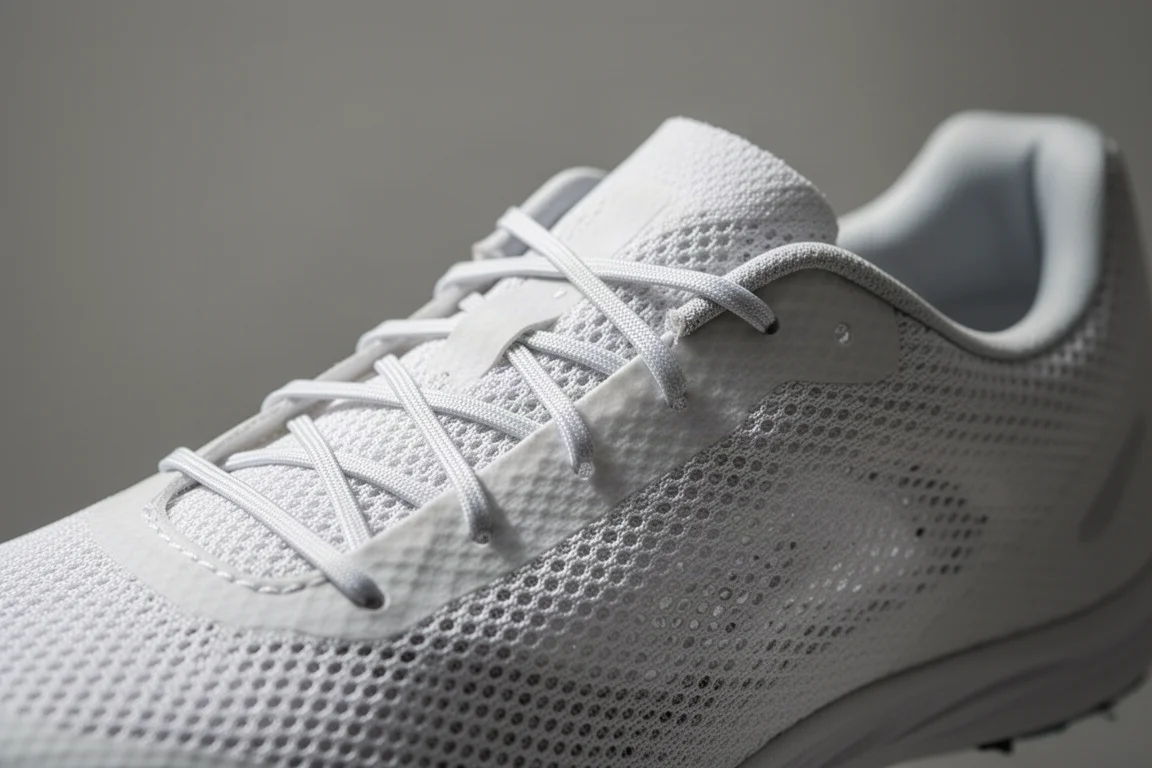
The upper is a lightweight mesh with a plasticky, crisp packety feel, reminiscent of the original Vaporfly Next%. The laces are extremely thin and, while they looked uncomfortable on paper, they have been completely fine in use. There is very little padding at the heel and no real structure, all in the service of keeping weight down.
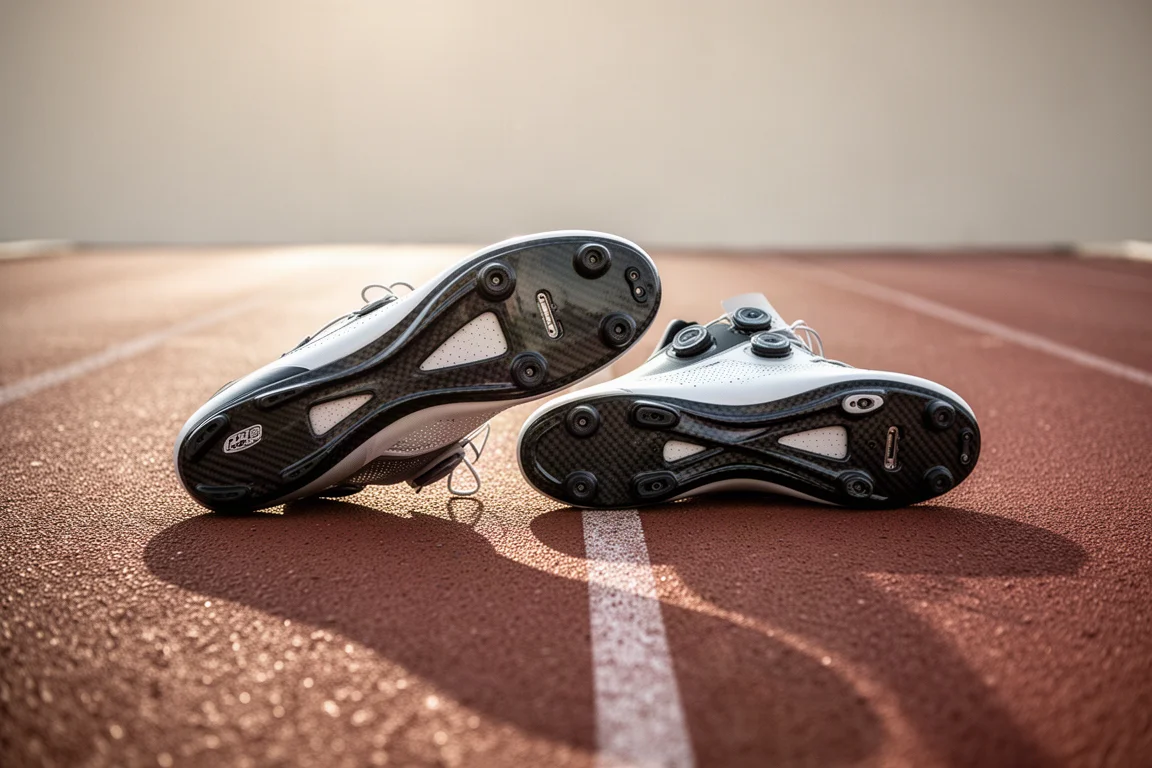
The outsole uses a very thin layer of rubber over the forefoot and heel with plenty of exposed foam, as you would expect from a hyper-light racer. No wear issues have appeared so far.
Fit and Sizing
Fit is the one area where you need to be careful. The general recommendation with Kiprun shoes applies here: go half a size down from your normal UK size. The site’s centimetre sizing tool is the best way to get it right, because the shoes can run a bit long and the fit can be awkward if you guess.

With the correct size, the fit is very good. There is just the right amount of toe room, the lacing holds the foot securely with no lateral movement when cornering at speed, and despite the sparse upper, there have been no comfort problems, no heel rub and no lace bite across testing.
Run Test and Performance
Around 60 km of running went into this shoe across a variety of hard workouts: track reps from all-out 400s up to 2k repeats, two-mile reps at marathon pace, and a 5k at slightly slower than marathon pace on tired legs after an all-out effort.
The headline impression is that this is a really good carbon plate racing shoe, especially at shorter distances. The transition is very fast but also fluid, and the shoe rolls nicely onto the forefoot. Even as a heel striker, the turnover feels smooth and natural at pace. The heel feels slightly firmer than very squishy shoes like the Saucony Endorphin Elite 2 or ASICS Metaspeed Ray, but it is not uncomfortable.

It is not as explosively bouncy at toe-off as something like the Metaspeed Sky Tokyo, and you feel less lift from the toes, but the trade-off is a quick, smooth turnover with genuine punch from the plate and foams. On longer reps at marathon pace, it felt easy to tick over and hold pace even when tired. Longest run so far is around 10 to 11 miles, so how it feels late in a marathon is unproven, but there is enough comfort and cushioning for long racing.
Grip has been impressive for a shoe with so little rubber. Testing included a completely flooded track where lane one was unusable, and there were no grip problems even running sub-70 second 400s. That slightly firmer feel also suggests better durability than many super-light hyper shoes, and Kiprun generally builds long-lasting products.
How It Compares
Two workouts were run back-to-back with the Adidas Adios Pro Evo 2, one of the most expensive hyper shoes available. Swapping from the Kiptorm Lab to the Pro Evo 2, you notice more explosive punch from the foam and a slight weight advantage, but the difference is small and partly comes down to running gait. For a shuffly heel striker, the Kiptorm Lab actually felt more natural to run in.
The key figure is the price: the Kiptorm Lab is over £200 cheaper than the Adios Pro Evo 2. It also stacks up well against other big hitters, with the tester preferring it to the New Balance SC Elite V5, Brooks Hyperion Elite 5 and Adidas Adios Pro 4. Only the Puma Fast R3 and ASICS Metaspeed Sky Tokyo still sit ahead, and those margins are now very small and partly a matter of personal fit preference.
Buying Advice
The Kiptorm Lab suits runners targeting 5k to half marathon distances above all, where its extreme lightness and fast turnover shine brightest. It has the cushioning range to handle a marathon, though runners who prefer a softer, squishier ride may want something more protective for the full distance.
On price, Kiprun faces an awkward positioning problem: this costs the same or more than many established flagships, at a point in the UK market that is middle or slightly below the middle of the pack for racing shoes. But the performance genuinely justifies the tag, and it is far better value than the most expensive hyper shoes.
Conclusion
The Kiprun Kiptorm Lab is a really good racing shoe that can go toe-to-toe with pretty much anything on the market in terms of performance. It is a shoe you can happily lace up to chase fast times, especially over 5k and 10k, and it earns its premium price tag. If you are shopping at the top end of the carbon racer market, this deserves a place on your shortlist.
Product link
View more details for Kiprun Kiptorm Lab
This product is mentioned in the review. Check the specifications, options, and compatibility before buying.
View more details for Kiprun Kiptorm LabFurther reading
Related Reviews

Running Shoes
Best Road-to-Trail Running Shoes: Three Versatile Options for Mixed Terrain
A practical guide to three road-to-trail running shoes that handle both pavement and mild trails, with clear strengths and trade-offs for different runner types.

Running Shoes
Best Running Shoes for Achilles Tendonitis: Three Options Explained
Three running shoes with different heel drops and support features designed to help reduce Achilles tendon pain during walking and running.

Running Shoes
Best Running Shoes for Women: Five Top Choices Ranked
A ranked guide to five women's running shoes, from versatile daily trainers to high-performance racing options, with real strengths and trade-offs for each.